


Can Uveitis Cause Permanent Vision Loss?
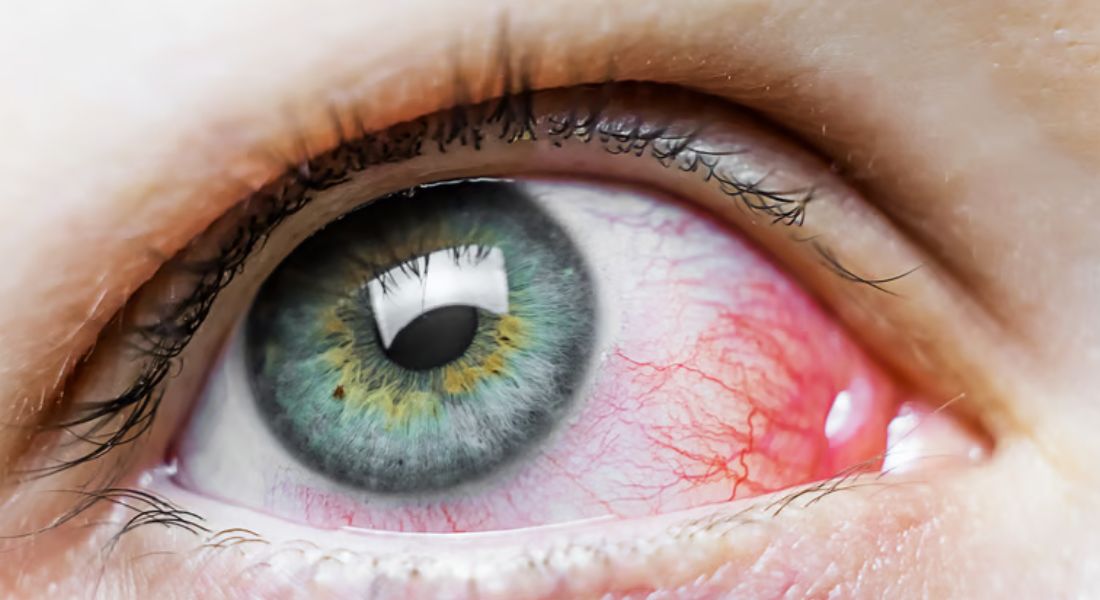
If you have uveitis, you may worry about whether it could permanently affect your eyesight. However, uveitis does not always lead to permanent vision loss, especially when it is diagnosed and treated appropriately.
Your risk depends on factors such as the type of uveitis, severity of inflammation, recurrence and whether complications develop. Regular monitoring may help your specialist identify complications early and manage them promptly.
What Is Uveitis?
Uveitis is inflammation inside your eye that affects the uvea, including structures such as your iris, ciliary body and choroid. It can develop suddenly or gradually and may affect one or both eyes.
You may notice symptoms such as eye pain, redness, light sensitivity, blurred vision or floaters. The cause can vary, with some cases linked to autoimmune or systemic conditions, infections or injury, while others have no clear underlying cause.
Can Uveitis Really Cause Permanent Vision Loss?
Your uveitis can sometimes cause permanent vision changes, especially if inflammation is severe, long-lasting or repeatedly returns. However, having uveitis does not mean you will automatically lose vision permanently.
Your risk depends on where the inflammation occurs, its cause and whether complications develop. Your ophthalmologist will monitor your eye for inflammation or complications.
Does the Type of Uveitis Affect Your Risk?
Your risk of vision problems depends partly on which part of your eye is affected. Anterior uveitis affects the front of your eye and often responds well to treatment, although repeated inflammation can still cause complications.
Intermediate uveitis, posterior uveitis and panuveitis may have a greater impact on vision because they can involve deeper structures such as the vitreous, retina or choroid. Your ophthalmologist will assess the type, severity and pattern of your inflammation to understand your individual risk.
Types of Uveitis and Their Potential Effect on Vision
| Type of uveitis | Main area affected | Possible visual symptoms | Complications that may affect vision | Why monitoring matters |
| Anterior uveitis | Mainly the iris and ciliary body at the front of your eye. | Blurred vision, eye pain, redness and sensitivity to light. | Cataract, raised eye pressure, glaucoma and posterior synechiae can occur. | Although many cases have good visual outcomes, persistent or recurrent inflammation can still cause complications. |
| Intermediate uveitis | Mainly the vitreous and tissues around the peripheral retina. | Floaters and blurred vision are common. | Macular oedema, vitreous changes and retinal complications can affect sight. | Monitoring can identify inflammation and macular changes that may not always produce obvious symptoms. |
| Posterior uveitis | The retina, choroid or structures at the back of the eye. | Reduced vision, floaters, blind spots or visual distortion may occur. | Macular oedema, retinal inflammation, scarring, retinal vascular changes or other retinal complications can affect vision. | Posterior involvement can directly affect structures responsible for detailed vision and may require specialist treatment. |
| Panuveitis | Multiple parts of the eye, including anterior, intermediate and posterior structures. | Symptoms can include pain, redness, floaters and reduced or blurred vision. | A combination of anterior and posterior complications may occur, including macular oedema, cataract, glaucoma and retinal changes. | Because several parts of the eye are involved, regular specialist monitoring is important to assess inflammation and complications. |
Why Does Untreated Inflammation Put Your Sight at Risk?

If your eye inflammation continues for too long, it can affect delicate structures involved in clear vision. Ongoing inflammation may cause swelling, raised eye pressure, scarring or other complications.
Repeated, severe or untreated inflammation can increase your risk. Early treatment may help reduce complications that affect your sight.
Evidence Note
Research shows that the risk of visual loss is not the same for every type of uveitis. Factors such as prolonged inflammation, macular changes, cataract, raised eye pressure and retinal involvement can influence visual outcomes.
A multicentre study of 479 eyes with intermediate, posterior or panuveitis found that longer disease duration, macular thickening, cataract and exudative retinal detachment were associated with poorer visual acuity. Visual acuity improved over two years in eyes with poorer baseline vision, particularly when active inflammation and macular thickening resolved. These findings support controlling inflammation and monitoring complications.
How Can Macular Oedema Affect Your Vision?
Your macula helps you see fine details, read and recognise faces. If uveitis causes swelling in this area, known as macular oedema, your central vision may become blurred or distorted.
You may notice difficulty reading or changes in how straight lines appear. Early detection allows your specialist to assess the swelling and consider appropriate treatment.
Can Uveitis Lead to Glaucoma?
Your uveitis can sometimes increase the pressure inside your eye, which may damage the optic nerve and lead to glaucoma if not managed. Inflammation and steroid treatment can both contribute to pressure changes in some people.
You may not notice raised eye pressure yourself, so your ophthalmologist will monitor it during follow-up visits. Regular checks help your specialist track eye pressure, manage inflammation and identify complications early.
Can Uveitis Cause Cataracts?
Your uveitis can increase your risk of developing cataracts, especially when inflammation is long-lasting or you need steroid treatment. Cataracts may cause cloudy vision, glare or reduced colour clarity.
If a cataract affects your vision, it can often be treated with surgery once your uveitis is well controlled.
What Are Posterior Synechiae?
Your anterior uveitis can sometimes cause the iris to stick to the lens behind it. These adhesions are called posterior synechiae and may affect your pupil shape or contribute to pressure changes inside your eye.
Posterior synechiae do not mean you will lose vision, but treating inflammation and following your ophthalmologist’s advice remains important.
Can Uveitis Damage Your Retina?
Your uveitis can affect your retina, particularly when inflammation involves the back of your eye. This may cause swelling, blood vessel changes or scarring that can affect your vision.
Your macula is especially important because it controls sharp central vision. The effect on your sight depends on the type and extent of retinal changes, which is why specialist monitoring is important.
Can Uveitis Cause Retinal Detachment?
Uveitis can increase the risk of retinal detachment in some cases, although this complication does not occur in everyone. Your individual risk depends on the type of inflammation and the changes occurring inside your eye.
- Increased risk in some cases: Uveitis may be associated with retinal changes that can increase the risk of retinal detachment.
- Risk varies between people: Your risk depends on factors such as the type and severity of inflammation and how your eye responds to it.
- New flashes or floaters: A sudden increase in floaters or new flashes of light can be a warning sign that needs urgent eye assessment.
- Curtain-like shadow: A dark curtain or shadow moving across part of your vision can indicate a serious retinal problem requiring prompt attention.
Retinal detachment is not an inevitable complication of uveitis, but sudden changes in your vision should not be ignored. If you develop new flashes, a sudden increase in floaters or a curtain-like shadow, seek urgent eye assessment so your retina can be checked promptly.
Does Recurrent Uveitis Increase the Risk of Vision Problems?
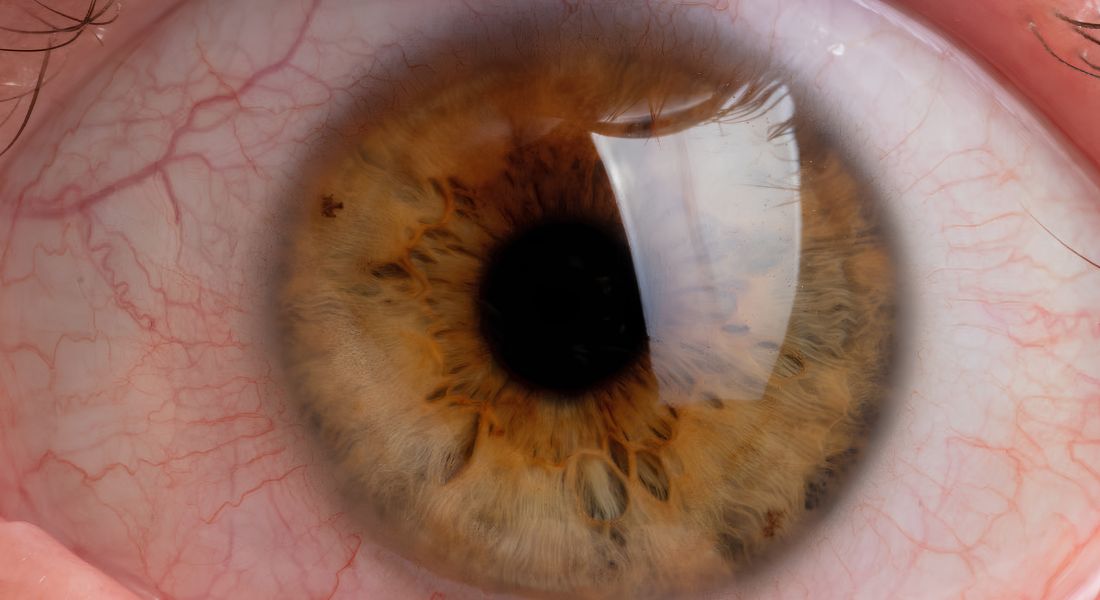
Recurrent uveitis may increase the chance of complications because repeated inflammation can affect your eye over time. Your risk depends on how often episodes occur, how severe they are and which parts of your eye are involved.
Keeping track of your flare-ups, including which eye was affected and what treatment you received, can help your ophthalmologist understand your condition and plan your care.
Can Chronic Uveitis Affect Your Sight Differently?
Your chronic uveitis may continue with fewer noticeable symptoms, so you may not always realise that inflammation is still present. Your eye may feel comfortable while still needing monitoring.
Long-term inflammation can increase the risk of complications such as cataracts, glaucoma and macular oedema. Regular follow-up helps your ophthalmologist monitor these changes and manage your condition effectively.
Why Is Early Treatment Important?
Early treatment can help control your eye inflammation and may reduce the risk of complications. Your treatment depends on the type and cause of your uveitis, so your specialist will choose the approach most suitable for you.
If you have eye pain, redness, light sensitivity or vision changes, you should seek same-day ophthalmological assessment.
UK Guidance Note
NICE recommends immediate, same-day ophthalmological assessment when symptoms suggest acute anterior uveitis, including eye pain, eye redness, sensitivity to light or blurred vision.
NHS guidance also advises urgent medical assessment for eye pain, sensitivity to light, changes in vision or very red eyes. If you suddenly lose your vision, go to A&E or call 999 rather than waiting for a routine appointment.
Why Should You Continue Treatment When Your Eye Feels Better?
Your eye may feel better before the inflammation has fully settled. You should therefore not stop your steroid drops suddenly or change your dose without your ophthalmologist’s advice.
Your steroid eye drops may need to be reduced gradually according to the inflammation and your response to treatment. You should attend your follow-up appointments so your specialist can check your eye and decide when it is safe to reduce or stop treatment.
Clinical Tip
Your vision can improve before all the inflammation inside your eye has completely settled. For this reason, do not use symptom improvement alone to decide that treatment is no longer needed.
Do not reduce, stop or restart prescribed steroid eye drops without advice from your ophthalmologist. Some steroid treatment courses need to be reduced gradually, and your specialist may use your examination findings to decide when treatment can safely be changed.
Why Is Regular Monitoring Important?
Regular monitoring helps your ophthalmologist check for active inflammation and early complications, even when your sight feels normal. Your appointments may include vision checks, a slit-lamp examination, eye-pressure measurements and, when needed, retinal scans.
Your follow-up schedule depends on your condition. Active or severe inflammation may require more frequent appointments to monitor inflammation and complications.
Is Vision Loss from Uveitis Always Permanent?
No. Your vision may become blurred during active uveitis because of inflammation or swelling, but it can improve when the inflammation is treated.
Some complications, such as cataracts, macular oedema or raised eye pressure, can also be treated. However, damage to your retina or optic nerve may not always be fully reversible, so your recovery depends on the underlying cause.
Research Insight
A long-term study of 1,814 people with anterior uveitis, including 2,526 eyes, found that the 10-year cumulative risk of permanent moderate visual loss was 6.6%, while the risk of permanent severe visual loss was 2.6%. Uveitic glaucoma was the most common cause of permanent moderate visual loss, followed by cystoid macular oedema and corneal scarring.
These figures come from a specific study population and should not be treated as a prediction of your individual risk. They do, however, show why controlling inflammation, monitoring eye pressure and checking for complications such as macular oedema are important parts of long-term uveitis care.
Which Factors Can Influence Your Risk of Permanent Vision Loss?
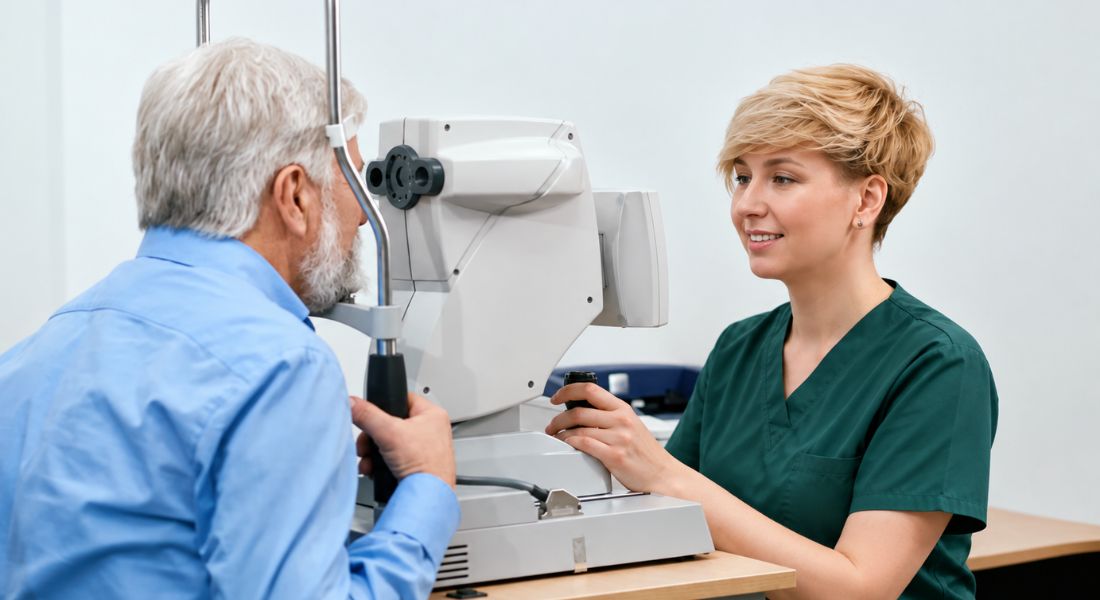
Your risk of permanent vision loss depends on several factors, including where your uveitis occurs, how severe it is and how long the inflammation continues. Your risk may also increase with repeated attacks or inflammation affecting the retina or macula.
Your underlying cause and response to treatment can influence your outcome. Attend follow-up appointments so complications can be managed early.
Myth vs Fact
| Myth | Fact |
| Having uveitis means you will permanently lose your vision. | Uveitis can cause permanent visual loss in some people, but many patients maintain useful or good vision, particularly when inflammation and complications are appropriately managed. |
| If your vision becomes blurred during uveitis, the damage must be permanent. | Active inflammation, macular oedema and some other complications can cause temporary or potentially reversible visual changes. Your recovery depends on the underlying cause and the structures affected. |
| Anterior uveitis cannot cause permanent vision loss. | Anterior uveitis generally has a good visual prognosis, but permanent visual loss can occur in some patients, particularly when complications such as uveitic glaucoma, macular oedema or chronic inflammation develop. |
| Posterior uveitis always causes blindness. | Posterior uveitis can affect the retina and other structures that are important for vision, but its effect varies considerably between patients. Early diagnosis, appropriate treatment and monitoring can influence the outcome. |
| If your eye feels comfortable, your uveitis has completely gone. | Symptoms can improve before all inflammation has settled. Follow-up examinations are important because your ophthalmologist may detect inflammation or complications that you cannot feel yourself. |
| Once your vision improves, you can stop your steroid eye drops. | You should not change or stop prescribed steroid eye drops without advice. Your treatment may need to be reduced gradually according to the inflammation and your response to treatment. |
| Glaucoma from uveitis always causes permanent blindness. | Uveitic glaucoma can damage the optic nerve and cause permanent visual loss if it is not adequately controlled, but early detection and appropriate management may help reduce the risk of further damage. |
| Cataracts caused by uveitis cannot be treated. | Cataracts can often be treated surgically when they significantly affect vision. The timing of surgery depends on your individual circumstances and how well the eye inflammation is controlled. |
| Macular oedema only causes temporary blurred vision. | Macular oedema can sometimes improve with treatment, but persistent or severe macular damage may lead to lasting visual impairment. |
| Retinal detachment is unrelated to uveitis. | Retinal detachment can occur as a complication in some forms of uveitis. New flashes, a sudden increase in floaters or a curtain-like shadow across your vision require urgent assessment. |
| Regular follow-up is only necessary when your vision feels worse. | Monitoring is important even when your sight feels stable because inflammation, raised eye pressure and some other complications may not cause obvious symptoms initially. |
| A diagnosis of uveitis tells you exactly how much vision you will lose. | Uveitis includes several different conditions, and visual outcomes vary. Your ophthalmologist considers the type, cause, severity, duration and complications when assessing your individual outlook. |
Key Takeaways
- Uveitis can sometimes cause permanent vision loss, but it does not mean that you will automatically lose your sight.
- Your risk depends on the type and cause of uveitis, the severity and duration of inflammation, and whether complications develop.
- Macular oedema, glaucoma, cataracts and retinal or optic nerve damage can contribute to visual loss.
- Some vision changes caused by active inflammation or treatable complications may improve after treatment.
- Damage to the retina or optic nerve may not always be completely reversible.
- Intermediate, posterior and panuveitis can affect deeper structures of the eye and may require closer monitoring for sight-threatening complications.
- Regular eye examinations allow your ophthalmologist to check for inflammation, changes in eye pressure and other complications.
- Do not change or stop prescribed steroid treatment without medical advice.
- New flashes, a sudden increase in floaters or a curtain-like shadow across your vision require urgent assessment because they can indicate a retinal problem.
- Eye pain, redness, sensitivity to light or blurred vision can require same-day ophthalmological assessment when acute anterior uveitis is suspected.
- Sudden loss of vision requires emergency medical attention.
Frequently Asked Questions
- Can uveitis cause permanent vision loss?
Yes, uveitis can sometimes cause permanent vision changes, especially if inflammation is severe, prolonged or recurrent. It does not automatically mean permanent vision loss. - How does uveitis affect your eyesight?
Uveitis can cause blurred vision, floaters, light sensitivity and eye pain. If inflammation affects structures such as the retina or macula, it may have a greater impact on your vision. - Which type of uveitis has a higher risk of affecting vision?
The risk depends on the part of your eye affected. Anterior uveitis affects the front of your eye, while intermediate, posterior uveitis and panuveitis can involve deeper structures and may have a greater effect on eyesight. - Can untreated uveitis damage your vision?
Yes. If uveitis is not treated, ongoing inflammation can increase the risk of complications such as macular oedema, glaucoma, cataracts or retinal damage. Early diagnosis and treatment may help reduce the risk of complications that can affect your sight. - Can uveitis cause macular oedema?
Yes. Uveitis can cause swelling in the macula, known as macular oedema, which may lead to blurred or distorted central vision and difficulty with activities such as reading. - Can uveitis lead to glaucoma?
Yes. Uveitis and steroid treatment can sometimes increase pressure inside your eye, which may damage the optic nerve and contribute to glaucoma. Regular eye-pressure checks help your ophthalmologist monitor this risk. - Can uveitis cause cataracts?
Yes. Long-term inflammation and steroid treatment can increase your risk of developing cataracts. If a cataract affects your vision, your ophthalmologist can discuss treatment options once your uveitis is controlled. - Does recurrent uveitis increase the risk of vision problems?
Repeated episodes of uveitis can increase the chance of complications because ongoing inflammation may affect eye structures over time. Your risk depends on the severity, frequency and location of your inflammation. - Can vision loss from uveitis be reversed?
Sometimes. Blurred vision caused by active inflammation or swelling may improve after treatment. However, damage involving the retina or optic nerve may not always be completely reversible. - Why are regular follow-up appointments important for uveitis?
Regular monitoring allows your ophthalmologist to check for active inflammation and complications such as raised eye pressure, cataracts or retinal changes. This helps your specialist adjust treatment and monitor your condition over time.
Final Thoughts: Uveitis and Permanent Vision Loss
Uveitis does not always cause permanent vision loss, and outcomes can vary depending on the type, severity and duration of inflammation and whether complications develop. However, severe, prolonged or recurrent inflammation can increase the risk of complications such as macular oedema, glaucoma, cataracts and retinal damage, which is why early treatment and regular monitoring are important.
If you have concerns about your eyesight or the effects of uveitis, you can contact the Eye Clinic London team to arrange an ophthalmology assessment.
References:
- Agrawal, R.V., Murthy, S., Sangwan, V. and Biswas, J. (2010) ‘Current approach in diagnosis and management of anterior uveitis’, Indian Journal of Ophthalmology, 58(1), pp. 11–19. Available at: https://pmc.ncbi.nlm.nih.gov/articles/PMC2841369/
- Kempen, J.H., Van Natta, M.L., Altaweel, M.M., Dunn, J.P., Jabs, D.A., Lightman, S.L., Thorne, J.E. and Holbrook, J.T. (2015) ‘Factors predicting visual acuity outcome in intermediate, posterior, and panuveitis: the Multicenter Uveitis Steroid Treatment (MUST) Trial’, American Journal of Ophthalmology, 160(6), pp. 1133–1141.e9. Available at: https://pmc.ncbi.nlm.nih.gov/articles/PMC4657141/
- Al-Ani, H.H., Sims, J.L., Tomkins-Netzer, O., Lightman, S. and Niederer, R.L. (2020) ‘Vision loss in anterior uveitis’, British Journal of Ophthalmology, 104(12), pp. 1652–1657. Available at: https://pubmed.ncbi.nlm.nih.gov/32245851/
- de Smet, M.D., Taylor, S.R.J., Bodaghi, B., Miserocchi, E., Murray, P.I., Pleyer, U., Zierhut, M., Barisani-Asenbauer, T., LeHoang, P. and Lightman, S. (2011) ‘Understanding uveitis: the impact of research on visual outcomes’, Progress in Retinal and Eye Research, 30(6), pp. 452–470. Available at: https://pubmed.ncbi.nlm.nih.gov/21807112/
- Dick, A.D., Tundia, N., Sorg, R., Zhao, C., Chao, J., Joshi, A. and Skup, M. (2016) ‘Risk of ocular complications in patients with noninfectious intermediate uveitis, posterior uveitis, or panuveitis’, Ophthalmology, 123(3), pp. 655–662. Available at: https://www.sciencedirect.com/science/article/pii/S0161642015012130