


Uveitis vs Conjunctivitis: How to Tell the Difference
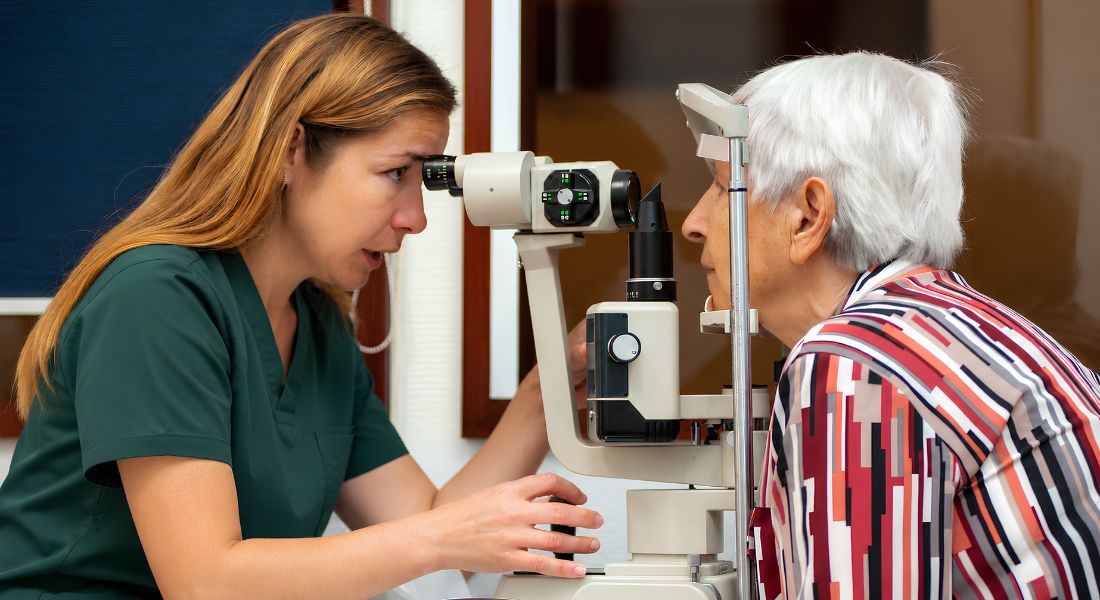
If you have a red eye, you may wonder whether it is conjunctivitis or uveitis. Both can cause redness and discomfort, but they affect different parts of your eye and need different treatment.
If your eye is painful, sensitive to light or your vision has changed, you should seek professional advice. Understanding the differences can help you recognise when you may need prompt eye assessment.
What Is Conjunctivitis?
Conjunctivitis is inflammation of the thin membrane covering the front of your eye and the inside of your eyelids. You may notice redness, irritation or discomfort, and it can be caused by infection, allergies or irritation.
Your conjunctivitis may improve with appropriate care, depending on the cause. However, because some symptoms can overlap with other eye conditions, you should seek advice if your symptoms are severe or unusual.
What Is Uveitis?
Uveitis is inflammation affecting the uvea, a layer inside your eye that contains structures including the iris, ciliary body and deeper tissues. If the front part of the uvea is affected, it is called anterior uveitis.
Unlike conjunctivitis, uveitis affects structures inside your eye and can affect your vision. If you have eye pain, light sensitivity or blurred vision, you should seek urgent eye assessment.
Why Can Uveitis and Conjunctivitis Be Confused?
Your eye can look red with both uveitis and conjunctivitis, so you may find them difficult to tell apart. However, redness alone cannot show where the inflammation is occurring.
You may also notice differences in pain, discharge, light sensitivity or changes in your vision. If your red eye is painful, light-sensitive or affecting your vision, you should have it assessed by an eye professional.
Uveitis vs Conjunctivitis: Key Differences
| Feature | Uveitis | Conjunctivitis |
| Where inflammation occurs | Inside your eye, affecting the uvea such as the iris and ciliary body. | On the surface of your eye, affecting the conjunctiva. |
| Redness pattern | Redness may be concentrated around the coloured part of your eye. | Redness is often spread across the white part of your eye. |
| Pain | More likely to cause deeper eye pain or aching. | More commonly causes irritation, burning or a gritty sensation. |
| Light sensitivity | Significant photophobia is common, particularly with anterior uveitis. | Mild discomfort with light can occur but is less typical. |
| Discharge | Usually does not cause sticky or crusty discharge. | Watery, sticky or crusty discharge can occur, especially with infection. |
| Vision changes | Blurred vision can occur because inflammation affects internal eye structures. | Vision may temporarily blur due to tears or discharge but usually clears. |
| Main treatment approach | Often requires anti-inflammatory treatment prescribed by an eye specialist. | Treatment depends on the cause and may include supportive care, antibiotics when a bacterial infection is suspected, or allergy treatment. |
| Urgency | May require urgent assessment because untreated inflammation can affect vision. | Many cases are mild, but assessment is needed if symptoms are severe, persistent or unusual. |
How Does Eye Redness Differ Between Uveitis and Conjunctivitis?
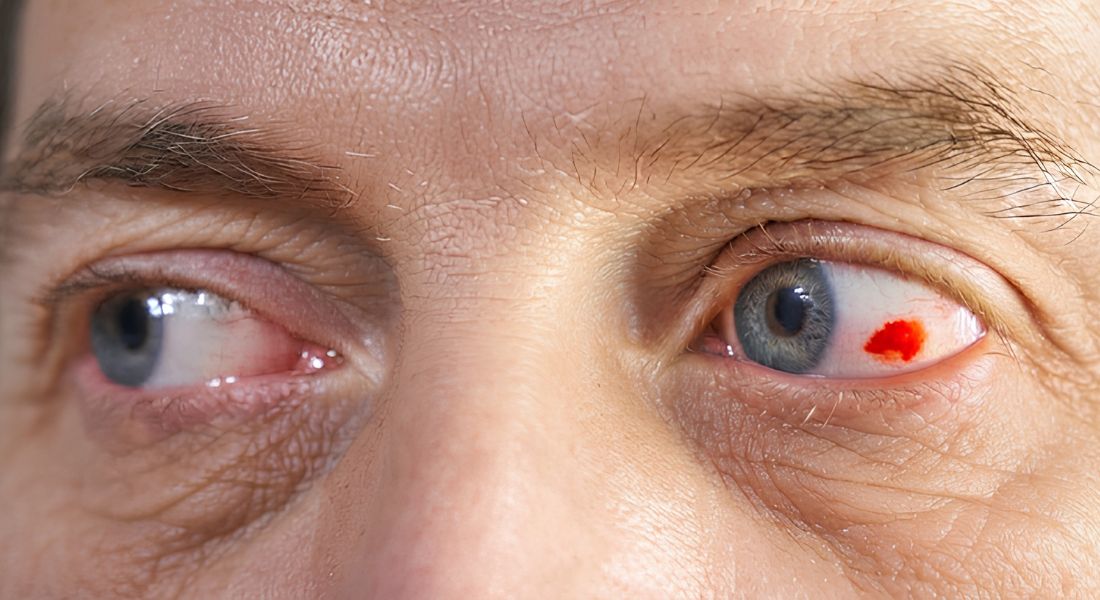
Your conjunctivitis may cause redness spread across the white of your eye, making it look generally pink or irritated. With anterior uveitis, redness may be more concentrated around the coloured part of your eye.
You should not rely on appearance alone to diagnose the cause. If your red eye is painful, light-sensitive or affecting your vision, you should arrange a prompt eye assessment.
Is Eye Pain More Common With Uveitis?
Yes. You may have deeper eye pain with uveitis, often alongside redness and light sensitivity. Conjunctivitis more commonly causes irritation, itching, burning or a gritty feeling, although symptoms can overlap.
If your red eye is painful, especially with vision changes or strong light sensitivity, you should seek prompt eye advice. An eye examination can help confirm the cause and guide your treatment.
Does Light Sensitivity Suggest Uveitis?
You may experience strong light sensitivity, or photophobia, with anterior uveitis. Bright light can feel uncomfortable, and you may find yourself closing your eyes or wearing sunglasses more often.
Your conjunctivitis can also cause some light discomfort, but marked sensitivity is more concerning for deeper inflammation. If you have a red, light-sensitive eye, you should arrange a prompt eye assessment.
How Does Discharge Differ Between Uveitis and Conjunctivitis?
Discharge can be an important clue when comparing conjunctivitis and uveitis, although symptoms can sometimes overlap. Understanding the differences may help you recognise when your symptoms are more likely to involve the surface of your eye or require further assessment.
- Watery or sticky discharge: Conjunctivitis may cause watery, sticky or crusty discharge around your eyelids, especially when an infection is involved.
- Thicker discharge with infection: Some bacterial conjunctivitis cases may cause thicker discharge that can make your eyelids stick together.
- Minimal discharge with uveitis: Uveitis usually does not cause this type of surface discharge because the inflammation occurs inside your eye.
- Other symptoms need attention: If discharge occurs alongside eye pain, light sensitivity or vision changes, you should seek professional eye advice to identify the cause.
Discharge is more commonly associated with conjunctivitis, but it should not be used alone to diagnose your eye condition. If your symptoms are severe, persistent or accompanied by warning signs such as pain or vision changes, an eye assessment can help determine the correct cause.
Can Both Conditions Cause Blurred Vision?
Your vision can become blurred with both conditions, but for different reasons. Conjunctivitis may blur your vision because of discharge or tear-film irritation, while uveitis can affect vision through inflammation inside your eye.
You should take unexplained vision changes seriously, especially with a red eye. If your vision suddenly worsens or does not clear after blinking or cleaning your eye, you should seek prompt eye assessment.
Is It Normal for Conjunctivitis to Cause Itching?
You may have itchy, watery eyes with conjunctivitis, particularly if your symptoms are linked to allergies. Uveitis is less commonly associated with itching and is more likely to cause pain, aching or light sensitivity.
Your symptoms can overlap, and you may have more than one eye condition. If you have ongoing discomfort or changes in your vision, you should arrange an eye assessment.
Can Uveitis Affect Your Vision Permanently?
If uveitis is diagnosed and treated appropriately, many people recover well, although outcomes can depend on the type, severity and duration of inflammation. However, untreated or poorly controlled inflammation can sometimes lead to complications that affect your vision.
Conjunctivitis usually affects the surface of your eye and does not commonly cause these internal complications. If you have repeated uveitis episodes or ongoing vision changes, you should see your ophthalmologist for assessment and monitoring.
Research Insight
Research shows that uncontrolled or poorly controlled uveitis may lead to complications affecting vision, including cataract, raised eye pressure, glaucoma and macular swelling. The likelihood depends on factors such as the type of uveitis, severity of inflammation and how quickly treatment is started.
This does not mean that everyone with uveitis will develop complications. Appropriate treatment and regular monitoring can help ophthalmologists identify problems early and manage inflammation effectively.
How Are Uveitis and Conjunctivitis Diagnosed?
Your symptoms alone may not show whether you have uveitis or conjunctivitis, so you should have an eye examination. Your clinician may check for discharge, itching, allergies or surface irritation when conjunctivitis is suspected.
If your specialist suspects uveitis, they may use a slit lamp to examine inside your eye, along with checking your vision and eye pressure. You may also need further tests based on your symptoms and medical history.
Evidence Note
A red eye can have many different causes, ranging from surface irritation to inflammation inside the eye. Clinical examination is important because symptoms such as redness and discomfort can overlap between different conditions.
For suspected uveitis, ophthalmologists use examination methods such as slit lamp assessment to look for inflammation inside the eye. This allows treatment to be directed at the correct cause rather than assuming every red eye is conjunctivitis.
How Are Conjunctivitis and Uveitis Treated Differently?
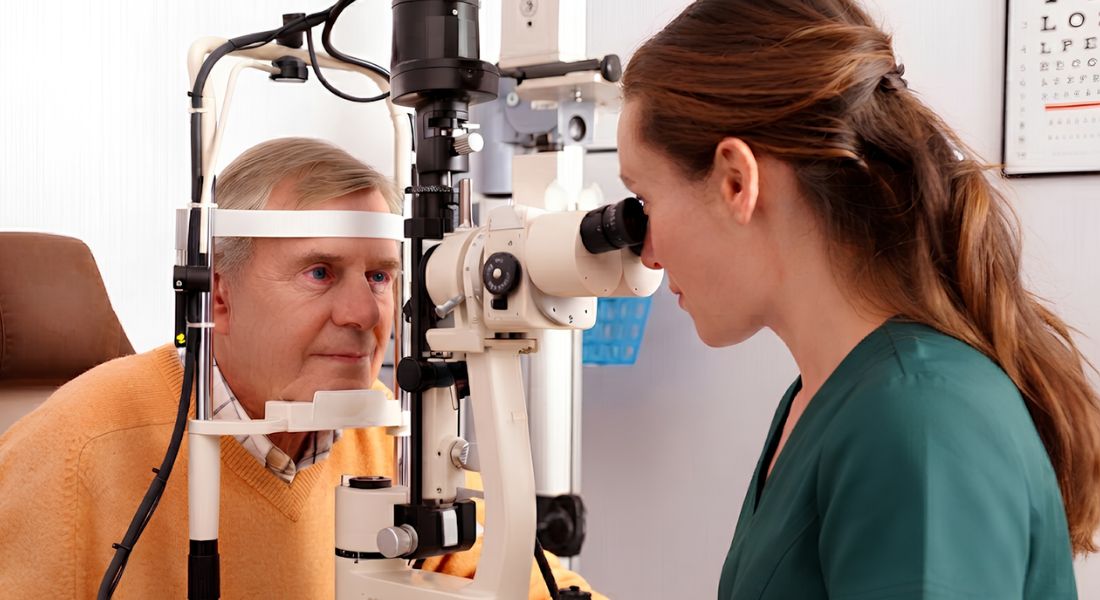
Your treatment depends on the cause of your red eye. Conjunctivitis may need supportive care, antibiotics when a bacterial infection is suspected, or allergy treatment, while uveitis usually needs medication to reduce inflammation inside your eye.
Because the treatments are different, you should not assume every red eye is conjunctivitis. If your eye is painful, light-sensitive or your vision changes, you should arrange an eye assessment.
Clinical Tip
Do not assume that every red eye needs the same treatment. Using leftover eye drops, particularly steroid drops, without medical advice may delay the correct diagnosis or worsen some eye conditions.
If you are unsure whether your symptoms are due to conjunctivitis, uveitis or another eye problem, an eye examination can help identify the cause and ensure you receive the appropriate treatment.
When Should a Red Eye Be Urgently Assessed?
You should seek urgent eye advice if your red eye is painful, affecting your vision or very sensitive to light. You should also seek prompt assessment if your eye becomes red after an injury or you develop severe headache, nausea or sudden vision loss.
Your symptoms may need quick treatment, so you should not ignore sudden or severe changes. If you are unsure, seek advice from an eye professional, GP or NHS 111 to help determine how urgently you need assessment.
UK Guidance Note
In the UK, a painful red eye with sensitivity to light or changes in vision should be assessed urgently because these symptoms can indicate conditions that require prompt treatment.
NHS guidance advises urgent medical assessment for symptoms such as eye pain, photophobia, very red eyes or changes in vision. If you experience sudden loss of vision, seek emergency medical help.
Can You Have Uveitis Without a Very Red Eye?
Yes. Your anterior uveitis may cause pain, blurred vision or light sensitivity without making your eye look very red. The amount of redness does not always show how much inflammation you have.
You should not judge your eye problem by appearance alone. If you have a history of uveitis and notice familiar symptoms, you should contact your eye specialist for advice.
Can Conjunctivitis and Uveitis Happen Together?
Yes. You can have conjunctivitis and another eye problem at the same time, affecting different parts of your eye.
If you have itching or discharge as well as pain, light sensitivity or vision changes, you should not assume it is only conjunctivitis. A thorough eye examination can help your specialist identify the cause and choose the right treatment.
How Does Your Medical History Affect the Assessment?

Your general health and medical history can give your specialist useful clues when assessing the possible cause of your eye inflammation. You may be asked about joint, skin or digestive conditions, previous uveitis, infections and medicines.
You should share your full medical history during your eye appointment. This can help your specialist understand your wider health and decide whether you need further investigation.
Why Should You Avoid Self-Diagnosing a Red Eye?
You may assume your red eye is minor, but different eye conditions can look similar and need different treatments. You should avoid using leftover eye drops, especially steroid drops, without medical advice.
You should have your eye examined if you are concerned about your symptoms.
Myth vs Fact
| Myth | Fact |
| Every red eye is conjunctivitis. | Redness can occur with many eye conditions, including uveitis, infections, irritation and other eye problems. An eye examination may be needed to identify the reason. |
| If your eye is red but you can still see, it is not serious. | Some important eye conditions can begin with redness before severe vision loss occurs. Pain, light sensitivity or vision changes need assessment. |
| Discharge always means conjunctivitis. | Discharge is common with conjunctivitis, but other symptoms such as pain or vision changes may suggest another condition. |
| Uveitis and conjunctivitis need the same treatment. | They affect different parts of the eye and usually require different treatment approaches. |
| You can diagnose uveitis by looking at your eye in the mirror. | The amount and location of redness do not reliably show whether inflammation is occurring inside the eye. |
| Steroid eye drops are safe for any red eye. | Steroid drops should only be used when prescribed because they may worsen some infections or other eye conditions. |
| If symptoms improve, an eye examination is unnecessary. | Some eye problems can temporarily improve while underlying inflammation remains. Persistent or concerning symptoms should still be assessed. |
Key Takeaways
- Uveitis and conjunctivitis can both cause a red eye, but they affect different parts of your eye.
- Conjunctivitis usually affects the surface of your eye, while uveitis involves inflammation inside your eye.
- Itching and discharge are more commonly linked with conjunctivitis.
- Eye pain, marked light sensitivity and blurred vision can be warning signs of uveitis.
- You should not rely on redness alone to identify the cause of your symptoms.
- Treatment differs between conjunctivitis and uveitis, so an accurate diagnosis is important.
- Avoid using leftover prescription eye drops without medical advice.
- Seek urgent eye assessment if you have a painful red eye, sensitivity to light, reduced vision or sudden changes in your eyesight.
- Sudden vision loss requires emergency medical assessment.
Frequently Asked Questions
- What is the difference between uveitis and conjunctivitis?
Uveitis is inflammation inside your eye, affecting the uvea, while conjunctivitis affects the thin membrane covering the front of your eye and the inside of your eyelids. They can both cause redness but require different treatments. - How can you tell if a red eye is uveitis or conjunctivitis?
Conjunctivitis is more likely to cause itching, burning, grittiness or discharge, while uveitis is more likely to cause deeper eye pain, light sensitivity and blurred vision. However, you should not rely on symptoms or appearance alone to diagnose the cause. - Is eye pain more common with uveitis?
Yes. Uveitis can cause deeper eye pain or aching, often alongside redness and light sensitivity. Conjunctivitis more commonly causes irritation, itching, burning or a gritty sensation. - Does light sensitivity mean you have uveitis?
Marked light sensitivity can be a symptom of anterior uveitis. Conjunctivitis can also cause some discomfort with light, so an eye examination is important if you have a red, painful or light-sensitive eye. - Does conjunctivitis cause discharge?
Yes. You may notice watery or sticky discharge and crusting around your eyelids with conjunctivitis, particularly when an infection is involved. Uveitis usually does not cause this type of surface discharge. - Can both uveitis and conjunctivitis cause blurred vision?
Yes, but the reasons can differ. Conjunctivitis may temporarily blur your vision because of discharge or tear-film irritation, while uveitis can affect your vision because of inflammation inside your eye. - Can uveitis affect your vision permanently?
Uveitis can sometimes lead to complications that affect your vision if inflammation is untreated or poorly controlled. Appropriate treatment and monitoring can help your ophthalmologist manage inflammation and reduce the risk of longer-term problems. - How are uveitis and conjunctivitis diagnosed?
Your clinician will examine your eye and consider your symptoms and medical history. If uveitis is suspected, your specialist may use a slit lamp and check your vision and eye pressure, while further tests may be needed depending on your symptoms. - How are uveitis and conjunctivitis treated differently?
Treatment depends on the cause. Conjunctivitis may require supportive care, antibiotics when a bacterial infection is suspected, or allergy treatment, whereas uveitis usually needs medication to reduce inflammation inside your eye. - When should you seek urgent advice for a red eye?
You should seek urgent eye advice if your red eye is painful, affecting your vision or very sensitive to light. Sudden vision loss, severe eye pain, injury-related redness, or symptoms such as severe headache and nausea also require prompt assessment.
Final Thoughts: Uveitis vs Conjunctivitis
Uveitis and conjunctivitis can both cause a red eye, but they affect different parts of your eye and require different approaches to treatment. If you have deeper eye pain, significant light sensitivity or changes in your vision, you should not assume that you have conjunctivitis, as these symptoms may need prompt assessment.
If you have concerns about your eyesight or a persistent red eye, you can contact the Eye Clinic London team for an ophthalmology assessment to discuss your symptoms and possible causes.
References:
- Agrawal, R.V., Murthy, S., Sangwan, V. and Biswas, J. (2010) ‘Current approach in diagnosis and management of anterior uveitis’, Indian Journal of Ophthalmology, 58(1), pp. 11–19. Available at: https://pmc.ncbi.nlm.nih.gov/articles/PMC2841369/
- Acharya, N.R., Tham, V.M., Esterberg, E., Borkar, D.S., Parker, J.V., Vinoya, A.C. and Uchida, A. (2013) ‘Incidence and prevalence of uveitis: results from the Pacific Ocular Inflammation Study’, JAMA Ophthalmology, 131(11), pp. 1405–1412. Available at: https://pmc.ncbi.nlm.nih.gov/articles/PMC3875218/
- de Smet, M.D., Taylor, S.R.J., Bodaghi, B., Miserocchi, E., Murray, P.I., Pleyer, U. and Zierhut, M. (2011) ‘Understanding uveitis: the impact of research on visual outcomes’, Progress in Retinal and Eye Research, 30(6), pp. 452–470. Available at: https://pubmed.ncbi.nlm.nih.gov/21856447/
- Wakefield, D., Clarke, D. and McCluskey, P. (2021) ‘Recent developments in HLA B27 anterior uveitis’, Frontiers in Immunology, 11, Article 608134. Available at: https://pubmed.ncbi.nlm.nih.gov/33469457/
- Chang, J.H., McCluskey, P.J. and Wakefield, D. (2005) ‘Acute anterior uveitis and HLA-B27’, Survey of Ophthalmology, 50(4), pp. 364–388. Available at: https://www.sciencedirect.com/science/article/pii/S003962570500041X