


Refractive Errors Treatment London
Get in Touch
London’s Leading Refractive Errors Treatment Clinic
Are you experiencing blurred vision, finding it hard to focus on objects near or far, or facing difficulties with your vision during night driving? These common symptoms might be signs of refractive errors, a condition affecting millions worldwide. At our clinic, we specialize in diagnosing and treating various types of refractive errors, ensuring you receive the most effective care to restore clear vision.
Understanding Refractive Errors
Refractive errors occur when the shape of your eye prevents light from focusing correctly on your retina, leading to blurred vision. The most common types include myopia (nearsightedness), hyperopia (farsightedness), astigmatism (distorted vision), and presbyopia (age-related difficulty in seeing close objects).
Featured in






Causes and Symptoms
The causes of refractive errors are typically linked to genetics, the eye’s shape, or aging. You may experience symptoms like:
- Difficulty focusing on distant or close objects
- Squinting or straining your eyes to see clearly
- Headaches from eye strain
- Blurred vision when reading or using a computer
- Needing brighter light for reading or other activities
Recognised Excellence & Patient Trust



Treatment Options
Eye Clinic London offers a range of treatments for refractive errors. After a comprehensive eye examination, we’ll discuss the best option for your specific condition and lifestyle. Treatments include:
- Eyeglasses and Contact Lenses: The simplest and most common way to correct refractive errors. We offer a wide selection of lenses and frames to suit your style and vision needs.
- Refractive Surgery: Procedures like LASIK, PRK, or LASEK can reshape the cornea to correct or improve vision. We use the latest technology to ensure these procedures are safe and effective.
- Orthokeratology (Ortho-K): Special contact lenses you wear overnight that temporarily reshape the cornea, allowing clear vision during the day without glasses or contacts.
- Refractive Lense Exchange: For patients who are not suitable candidates for corneal refractive surgery, Refractive Lens Exchange offers an effective alternative. This procedure involves replacing the eye’s natural lens with an artificial one - Phakic Intraocular Lenses (IOLs), improving vision by focusing light on the retina more effectively.
- Implantable Contact Lens (ICL): This procedure is particularly suited for those with thin corneas or high levels of myopia. ICL involves the insertion of a biocompatible lens between the natural lens and the iris of your eye, providing high-quality vision correction while maintaining the natural structure of the eye.
Affiliations and Memberships
We are proud to be associated with the following organisations



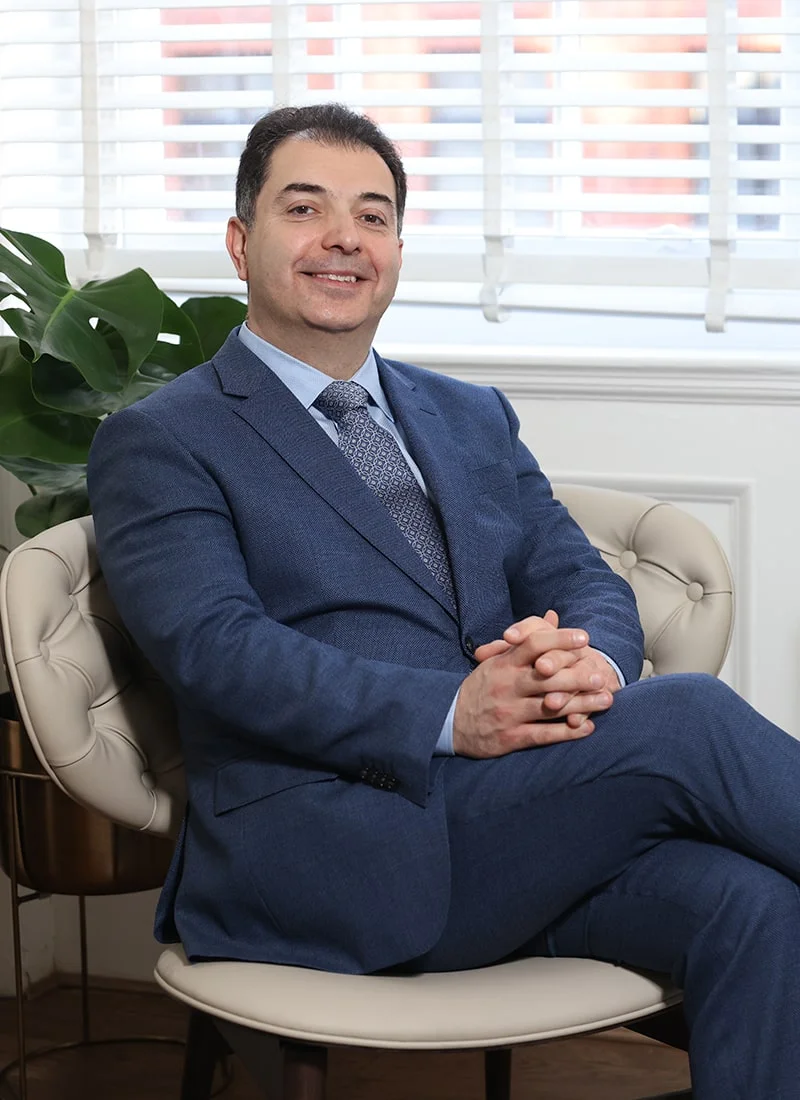
Refractive Error Treatment by Mr Samer Hamada
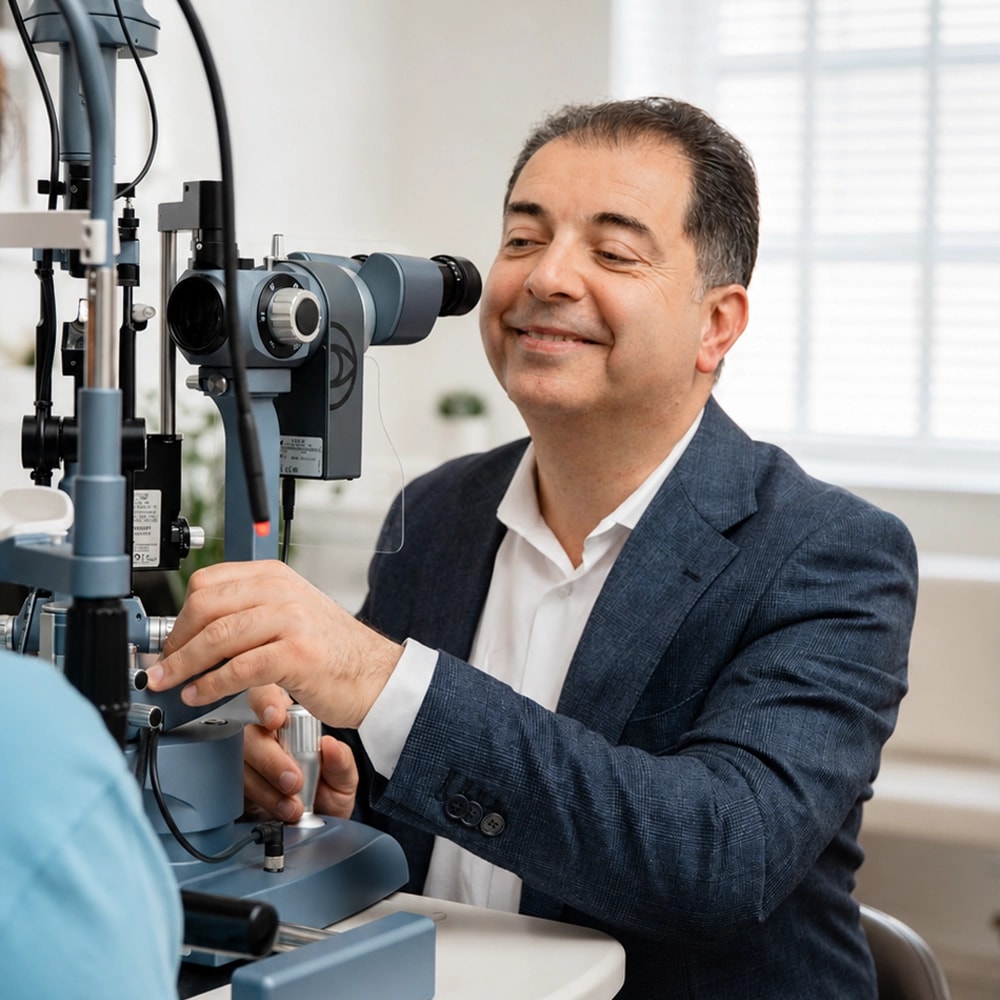
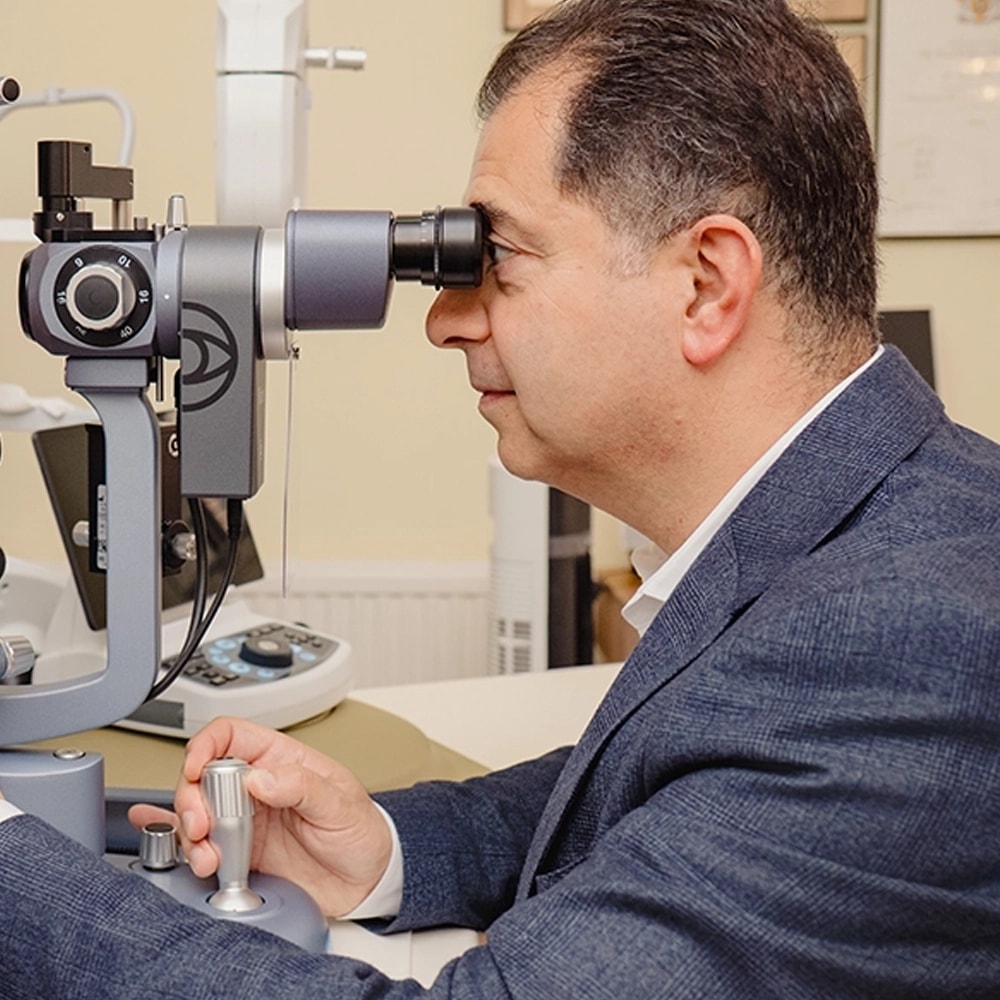
Mr Samer Hamada excels in the treatment of refractive errors, offering a range of advanced options to correct vision issues like myopia, hyperopia, and astigmatism. His comprehensive approach includes thorough diagnostics using state-of-the-art technology to accurately assess each patient’s specific vision needs. Based on these precise evaluations, Mr Hamada recommends the most effective treatment, which may include laser eye surgery, lens implants, or personalised eyewear prescriptions.
Patients under Mr Hamada’s care benefit from his in-depth understanding of refractive error correction, experiencing significant improvements in their vision. His focus on delivering tailored solutions ensures not just enhanced sight but also an improved overall quality of life. Mr Hamada’s surgical skills and his commitment to utilising the latest advancements in refractive error treatment allow patients to achieve the best possible visual outcomes with optimal safety and precision.
Finance & Insurance
Providing premier eye care accessibly, we offer streamlined financial and insurance choices, with personal financial guidance. Interested in finding out more? Please get in touch with our friendly team.





Our Location
Strategically located in Devonshire Street, Harley Medical District, Marylebone, in the heart of London, our clinic is easily accessible, ensuring that your journey to exceptional eye care is as convenient as possible. Our central position ensures that you can easily reach us from various parts of the city.
Devonshire street in Marylebone is not just an address; it’s a hub of convenience and accessibility. With excellent transport links and a wealth of amenities nearby, your visit to Eye Clinic London will be convenient and hassle-free experience.
Whether you are a local resident or visiting from other parts of the UK or abroad, our location will provide you with seamless connection to the private eye doctor in London.
When choosing to travel by public transport please alight at Bond Street Station and walk for 7 mins, alternatively exit at Oxford Circus station or Baker Street Station and walk for 10 mins.
Street parking is available.
Eye Clinic London7 Devonshire StreetLondon, W1W 5DY
The McIndoe CentreHoltye Road EastGrinstead RH19 3EB