


Steroid Eye Drops for Uveitis: Benefits, Risks and Monitoring
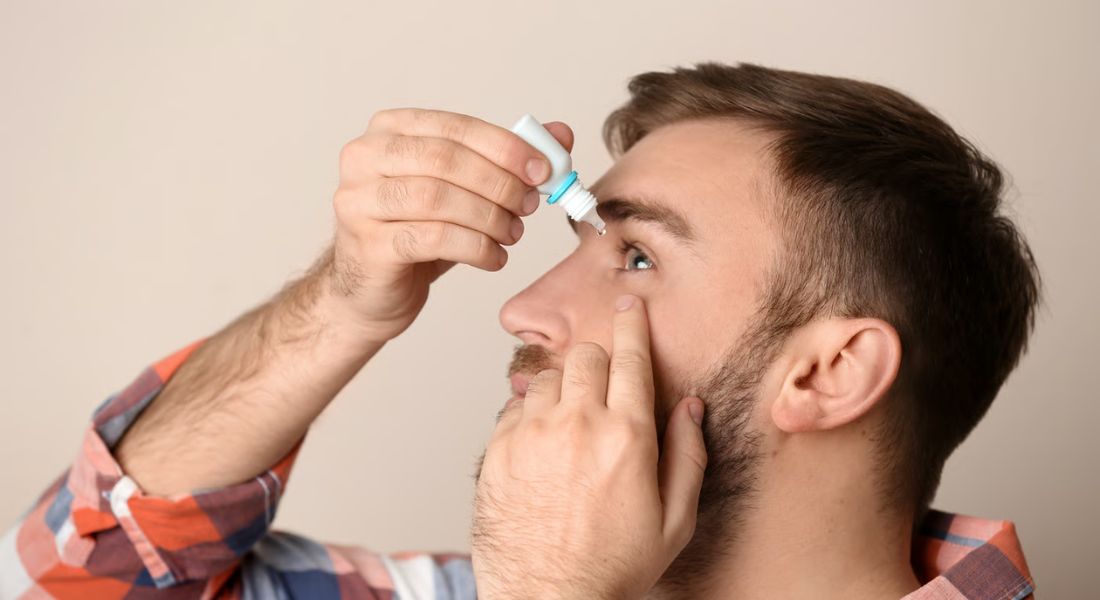
If you have anterior uveitis, steroid eye drops may help control inflammation and reduce the risk of complications that can affect your vision. Your ophthalmologist will decide the dose and duration based on how active your inflammation is and how your eye responds.
Steroid drops can have side effects, so follow-up helps your specialist balance the benefits and risks and check for changes such as raised eye pressure or cataracts.
What Are Steroid Eye Drops?
Your steroid eye drops contain corticosteroid medicines that help reduce inflammation inside your eye. They are different from anabolic steroids linked with muscle building and sports performance.
For anterior uveitis, your ophthalmologist may prescribe steroid drops to reduce inflammation at the front of your eye. The strength and duration depend on your condition and response.
Why Are Steroid Eye Drops Used for Anterior Uveitis?
Your steroid eye drops help reduce inflammation at the front of your eye and can improve symptoms such as pain, redness, light sensitivity and blurred vision.
Your ophthalmologist prescribes them because controlling inflammation may help reduce the risk of complications. They will balance the benefits of treatment with any possible side effects when planning your care.
How Do Steroid Eye Drops Work?
Your steroid eye drops reduce inflammatory activity. As inflammation settles, symptoms such as redness, discomfort and light sensitivity may improve.
However, feeling better does not always mean the inflammation has fully resolved. Your ophthalmologist uses eye examinations, including a slit-lamp check, to decide whether your treatment needs adjusting.
How Quickly Do Steroid Eye Drops Work?
Some symptoms may start improving within a few days after starting steroid eye drops, but the exact timing depends on the severity and cause of your uveitis.
Your eye may feel better before the inflammation has fully settled. You should continue using your drops as prescribed and only change or stop treatment when your ophthalmologist advises you to do so.
How Often Might You Need to Use the Drops?
Your steroid eye-drop schedule depends on the severity and activity of your uveitis. Your ophthalmologist may adjust it as your eye improves.
Follow your current prescription rather than an old treatment plan. Do not increase, reduce or restart steroid drops without advice.
Why Do Steroid Eye Drops Often Need to Be Reduced Gradually?
Your ophthalmologist may reduce your steroid eye drops gradually through a process called tapering. This may help reduce the chance of inflammation returning after treatment.
You should not stop your drops suddenly or create your own tapering schedule. Your specialist will decide when and how quickly to reduce treatment based on how your eye is responding.
Benefits and Risks of Steroid Eye Drops for Uveitis
| Aspect | Potential benefit | Potential risk or limitation |
| Inflammation | Steroid drops can reduce inflammation inside the front of your eye and help control an anterior uveitis flare. | They do not treat every possible cause of uveitis, particularly when infection is responsible. |
| Symptoms | As inflammation settles, symptoms such as pain, redness and light sensitivity may improve. | Feeling better does not necessarily mean that all inflammation has disappeared. |
| Vision | Controlling inflammation may help reduce the risk of inflammatory complications that can affect vision. | Persistent inflammation or complications can still affect vision despite treatment. |
| Eye pressure | Effective control of inflammation can help reduce complications caused by untreated uveitis. | Steroid treatment can raise intraocular pressure in susceptible people and may contribute to glaucoma. |
| Lens health | Treating inflammation can help reduce complications associated with uncontrolled uveitis. | Prolonged or intensive topical steroid use can increase the risk of cataract formation. |
| Infection | Steroids can be appropriate when the inflammation is non-infectious and has been assessed by an ophthalmologist. | Steroids can worsen or mask some infections, so they should not be used for an undiagnosed red eye. |
| Long-term treatment | Some patients may need ongoing treatment to control chronic inflammation. | Long-term steroid exposure may increase the risk of side effects, so your specialist may consider steroid-sparing treatment when appropriate. |
| Monitoring | Follow-up allows your ophthalmologist to confirm that inflammation is responding to treatment. | You may need repeated examinations and eye-pressure checks while using steroid drops. |
What Happens If You Stop the Drops Too Soon?

If you stop steroid eye drops too soon, your uveitis may flare again even if your eye feels better, because inflammation can remain.
Follow your ophthalmologist’s plan and discuss side effects before making changes. Stopping treatment without advice may increase the risk of further inflammation and complications.
Can Steroid Eye Drops Raise Eye Pressure?
Your steroid eye drops can sometimes increase the pressure inside your eye, although not everyone experiences this side effect. Some people are more sensitive to corticosteroids than others.
You may not notice raised eye pressure yourself, so your ophthalmologist may check it during follow-up appointments. If your pressure increases, your treatment can be adjusted and additional medication may be considered if needed.
Can Steroid Eye Drops Cause Glaucoma?
Your steroid eye drops can contribute to raised eye pressure, which may increase the risk of glaucoma if it remains uncontrolled. Your uveitis itself can also affect eye pressure.
Early glaucoma may cause no symptoms, so your ophthalmologist will monitor your pressure. Tell your specialist about any history of glaucoma or steroid-related pressure changes.
Evidence Note
Topical corticosteroids are an established treatment for non-infectious anterior uveitis. Their benefits need to be balanced against complications, particularly with prolonged or intensive treatment.
UK prescribing information warns that topical corticosteroids can raise intraocular pressure and contribute to glaucoma or cataract formation. They can also mask or worsen some infections, so treatment requires ophthalmic supervision.
Can Steroid Eye Drops Cause Cataracts?
If you use steroid eye drops for a longer period, you may have an increased risk of developing cataracts. Your uveitis itself can also contribute to cataract changes. You may notice symptoms such as cloudy vision, glare or difficulty seeing clearly in certain lighting.
This does not mean you should avoid needed steroid treatment. Your ophthalmologist will balance inflammation control with treatment risks and monitor your eye during follow-up.
Research Insight
A 2026 cohort study of people with chronic anterior uveitis found that, among patients receiving stable topical corticosteroid treatment, prednisolone 1% or an equivalent corticosteroid used more than once daily was associated with increased risks of cataract formation and raised intraocular pressure over medium-term follow-up. The study included patients who had used this treatment for at least six months.
The findings do not mean every steroid user will develop cataracts or raised eye pressure, and they should not determine your dose. They reinforce the importance of balancing steroid exposure with disease control while monitoring inflammation, eye pressure and lens changes.
Can Steroid Eye Drops Increase the Risk of Infection?
Your steroid eye drops reduce inflammation, but they can also affect your eye’s immune response. This means they may worsen some infections or make them harder to control if they are used when an infection is present.
You should not use old steroid drops for a new red or painful eye without advice from your eye specialist. Your symptoms may feel similar to a previous uveitis episode, but your condition may have a different cause and require different treatment.
What Other Side Effects Can You Notice?
When you use steroid eye drops, you may notice temporary stinging, irritation, itching or blurred vision after applying them. These effects can vary depending on the type of drops your ophthalmologist has prescribed.
You should wait until your vision clears before driving or using machinery if your drops cause temporary blurring. If you notice ongoing blurred vision, increasing redness, new pain or other concerns, you should contact your eye-care team for advice.
Clinical Tip
Keep a note of your steroid name, prescribed frequency and opening date. Check the product instructions for how long it can be used after opening.
Bring your current drops or medicine list to appointments. Do not automatically restart an old prescription if symptoms return.
Why Is Monitoring So Important During Treatment?
Your ophthalmologist monitors your response to steroid drops and checks for side effects. Follow-up can include assessment of inflammation, vision and eye pressure.
Your treatment may need to be continued, reduced or adjusted depending on your progress. Follow-up can help identify complications before you notice changes yourself.
UK Guidance Note
UK prescribing information for topical corticosteroid eye drops warns that repeated or prolonged use requires regular review because it can increase intraocular pressure, contribute to glaucoma or cataract formation, and may mask or worsen an unsuspected infection. Regular ophthalmic supervision and appropriate eye-pressure monitoring are therefore important when treatment continues beyond a short course.
UK prescribing information advises ophthalmic review during prolonged treatment, while NHS guidance recommends urgent medical assessment for eye pain, sensitivity to light, changes in vision or very red eyes. If symptoms worsen, do not simply increase or restart steroid drops yourself.
What Happens at a Uveitis Follow-Up Appointment?
Your uveitis follow-up appointment allows your ophthalmologist to check whether your eye is improving and whether any inflammation remains. The tests you need may vary depending on your symptoms, treatment and how your eye is responding.
- Symptom review: Your ophthalmologist may ask how your symptoms have changed since your previous appointment and whether you have noticed any new problems.
- Vision testing: Your vision may be checked to identify any changes that could be related to ongoing inflammation or other changes inside your eye.
- Slit-lamp examination: A slit lamp allows your specialist to examine the structures of your eye closely and look for signs of continuing inflammation.
- Eye pressure check: Your eye pressure may be measured because uveitis and steroid treatment can both contribute to changes in eye pressure.
Your follow-up findings help your ophthalmologist decide whether your current treatment should continue or be adjusted. Keeping these appointments is important even when your symptoms have improved because inflammation may still need monitoring.
Are Steroid Drops Suitable for Every Type of Uveitis?
Your steroid eye drops may be suitable for anterior uveitis because they can directly target inflammation at the front of your eye. However, they may not be enough if your inflammation affects deeper parts of your eye.
Your treatment depends on the type and cause of your uveitis. If an infection is involved, your specialist may need to treat the infection rather than using steroid drops alone.
What If Steroid Eye Drops Are Not Enough?
Your steroid eye drops may not be enough if your uveitis is severe, keeps returning or affects deeper parts of your eye. In these situations, your ophthalmologist may consider other treatments such as steroid injections, tablets or different medicines.
Needing additional treatment does not mean your steroid drops have failed. It may simply mean your inflammation needs a different approach to achieve better control and manage your condition effectively.
Can You Use Leftover Steroid Drops for Another Flare?
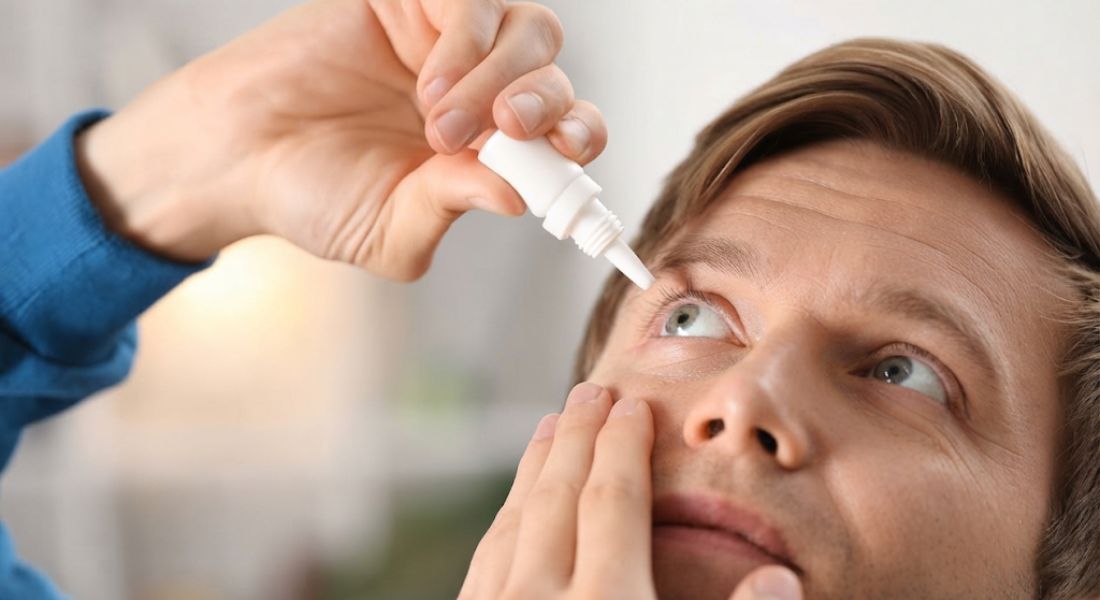
You should not restart leftover steroid eye drops without advice from your eye-care team. Your symptoms may feel similar to a previous uveitis flare, but another eye condition could be causing the problem.
Your treatment plan may need to be different each time depending on the cause and severity of inflammation. If you notice familiar symptoms returning, contact your specialist so you can receive the right assessment and treatment.
Myth vs Fact
| Myth | Fact |
| Steroid eye drops are only used when uveitis is severe. | Steroid eye drops are commonly used for non-infectious anterior uveitis, with the strength and frequency adjusted according to the severity of inflammation. |
| If your eye feels better, the inflammation has definitely gone. | Symptoms can improve before all inflammation has settled. Your ophthalmologist may need to examine your eye before changing your treatment. |
| You can stop steroid eye drops as soon as the pain disappears. | You should not stop or reduce your treatment based only on how your eye feels. Your ophthalmologist will decide when and how treatment should be reduced. |
| Steroid eye drops always need to be tapered. | Many courses are reduced gradually, particularly after longer treatment, but the exact approach depends on the medicine, duration and clinical response. Your ophthalmologist should decide how your treatment is changed. |
| Steroid eye drops cannot cause glaucoma. | Steroid drops can raise intraocular pressure in some people. If the pressure remains high, this can contribute to glaucoma and optic nerve damage. |
| Steroid eye drops always cause cataracts. | Cataract is a recognised risk, particularly with prolonged or intensive use, but not everyone using steroid drops develops a cataract. |
| Steroid eye drops are safe for every red eye. | Steroids can worsen or mask some eye infections, so they should not be used for an undiagnosed red or painful eye. |
| If you have used steroid drops before, you can reuse the same prescription whenever symptoms return. | A new flare may have a different cause or severity. Your eye should be assessed before restarting prescription steroid treatment. |
| Steroid eye drops are enough for every type of uveitis. | They are mainly used for anterior uveitis. Inflammation affecting deeper parts of the eye may require injections, tablets or other specialist treatments. |
| Monitoring is only needed if you notice a problem. | Raised eye pressure and some other complications may not cause obvious symptoms initially. Follow-up examinations allow your ophthalmologist to detect changes that you may not notice yourself. |
| Using more drops will make uveitis clear faster. | The dose and frequency should be determined by your ophthalmologist. Using more than prescribed can increase the risk of side effects without necessarily improving your outcome. |
| Steroid eye drops are dangerous and should always be avoided. | Steroid drops can have important side effects, but they are also an established treatment for non-infectious anterior uveitis. Your ophthalmologist balances the benefits of controlling inflammation against the potential risks. |
Key Takeaways
- Steroid eye drops are commonly used to control inflammation in non-infectious anterior uveitis.
- They can reduce inflammation and may reduce the risk of complications.
- The strength, frequency and duration of treatment depend on your inflammation and response to treatment.
- Your symptoms may improve before the inflammation has completely settled.
- Do not reduce, stop or restart steroid eye drops without advice from your ophthalmologist.
- Steroid drops can raise eye pressure in some people and may contribute to glaucoma.
- Prolonged or intensive treatment can increase the risk of cataract formation.
- Steroids can worsen or mask some eye infections, so they should not be used for an undiagnosed red eye.
- Regular follow-up allows your ophthalmologist to monitor inflammation, vision, eye pressure and other possible complications.
- Steroid eye drops are mainly used for anterior uveitis; deeper forms of uveitis may require other treatments.
- Do not reuse leftover steroid drops for a new flare without professional advice.
- If you develop eye pain, sensitivity to light, changes in your vision or very red eyes, seek urgent medical assessment rather than changing your treatment yourself.
Frequently Asked Questions
- What are steroid eye drops used for in uveitis?
Steroid eye drops are used to reduce inflammation inside your eye, particularly in anterior uveitis. They can help improve symptoms such as eye pain, redness, light sensitivity and blurred vision. - How do steroid eye drops work for uveitis?
Steroid eye drops work by reducing the inflammatory activity causing uveitis. As the inflammation settles, your symptoms may improve, but your ophthalmologist will still need to check whether the inflammation has fully resolved. - How quickly do steroid eye drops improve uveitis symptoms?
You may notice improvement in symptoms within a few days of starting steroid eye drops, although the exact timing depends on the severity and cause of your uveitis. You should continue using your drops as prescribed even if your eye feels better. - Why should you reduce steroid eye drops gradually?
Your ophthalmologist may reduce your steroid eye drops slowly through tapering to lower the risk of your inflammation returning. You should not stop your drops suddenly unless advised by your specialist. - Can stopping steroid eye drops too soon make uveitis return?
Yes. If you stop your steroid eye drops too early, inflammation may flare up again even if your symptoms have improved. You should follow your ophthalmologist’s treatment plan carefully. - Can steroid eye drops raise your eye pressure?
Yes. Steroid eye drops can increase pressure inside your eye in some people. You may not notice this yourself, which is why your ophthalmologist checks your eye pressure during follow-up appointments. - Can steroid eye drops cause glaucoma?
Steroid eye drops can contribute to raised eye pressure, which may increase your risk of glaucoma if it is not monitored and managed. Your ophthalmologist will check your pressure and adjust treatment if needed. - Can steroid eye drops cause cataracts?
Long-term use of steroid eye drops can increase your risk of cataract changes. Your ophthalmologist will monitor your eyes and balance the need to control inflammation with the possible risks of treatment. - Are steroid eye drops suitable for all types of uveitis?
No. Steroid eye drops may be suitable for anterior uveitis, but the best treatment depends on the type and cause of your uveitis. If an infection is involved, your specialist may need a different treatment approach. - Can you use leftover steroid eye drops for another uveitis flare?
No. You should not restart leftover steroid eye drops without advice from your eye-care team. Similar symptoms can have different causes, so your eye should be assessed before starting treatment again.
Final Thoughts: Steroid Eye Drops for Uveitis
Steroid eye drops play an important role in managing anterior uveitis by reducing inflammation and helping lower the risk of complications that can affect your vision. However, they need to be used carefully under your ophthalmologist’s guidance, as monitoring is important to identify possible side effects such as raised eye pressure, cataract changes or infection-related concerns.
If you have concerns about your symptoms or treatment, you can contact the Eye Clinic London team to arrange an ophthalmology assessment.
References:
- Butler, N.J. et al. (2026) ‘Risk of Cataract and Ocular Hypertension in Chronic Anterior Uveitis Patients on Stable-Dosing of Topical Corticosteroids’, Ocular Immunology and Inflammation, pp. 1–10. Available at: https://pubmed.ncbi.nlm.nih.gov/42531486/
- Valdes, L.M. and Sobrin, L. (2020) ‘Uveitis therapy: the corticosteroid options’, Drugs, 80(8), pp. 765–773. Available at: https://pubmed.ncbi.nlm.nih.gov/32350761/
- Belletti, M., Izquierdo-Escamez, R., Tornero, C., Olivas-Vergara, O., Peiteado, D. and Carreño, E. (2025) ‘Safe use of corticosteroids in non-infectious uveitis’, Journal of Inflammation Research, 18, pp. 14441–14455. Available at: https://pmc.ncbi.nlm.nih.gov/articles/PMC12539414/
- Agrawal, R.V., Murthy, S., Sangwan, V. and Biswas, J. (2010) ‘Current approach in diagnosis and management of anterior uveitis’, Indian Journal of Ophthalmology, 58(1), pp. 11–19. Available at: https://pmc.ncbi.nlm.nih.gov/articles/PMC2841369/
- Xie, J.S., Ocampo, V. and Kaplan, A.J. (2025) ‘Anterior uveitis for the comprehensive ophthalmologist’, Canadian Journal of Ophthalmology, 60(2), pp. 69–78. Available at: https://www.sciencedirect.com/science/article/pii/S0008418224002382
- José-Vieira, R., Ferreira, A., Menéres, P., Sousa-Pinto, B. and Figueira, L. (2022) ‘Efficacy and safety of intravitreal and periocular injection of corticosteroids in noninfectious uveitis: a systematic review’, Survey of Ophthalmology, 67(4), pp. 991–1013. Available at: https://www.sciencedirect.com/science/article/pii/S0039625721002228