
 Message Us
PLEXR® Plus for Ocular Surface
& Dry Eye Conditions
Content on this page has been medically reviewed by Consultant Ophthalmic Surgeon Samer Hamada (MD, MSc, Do(hons), FRCSEd, FRCOphth)
A new era for selected ocular-surface treatments
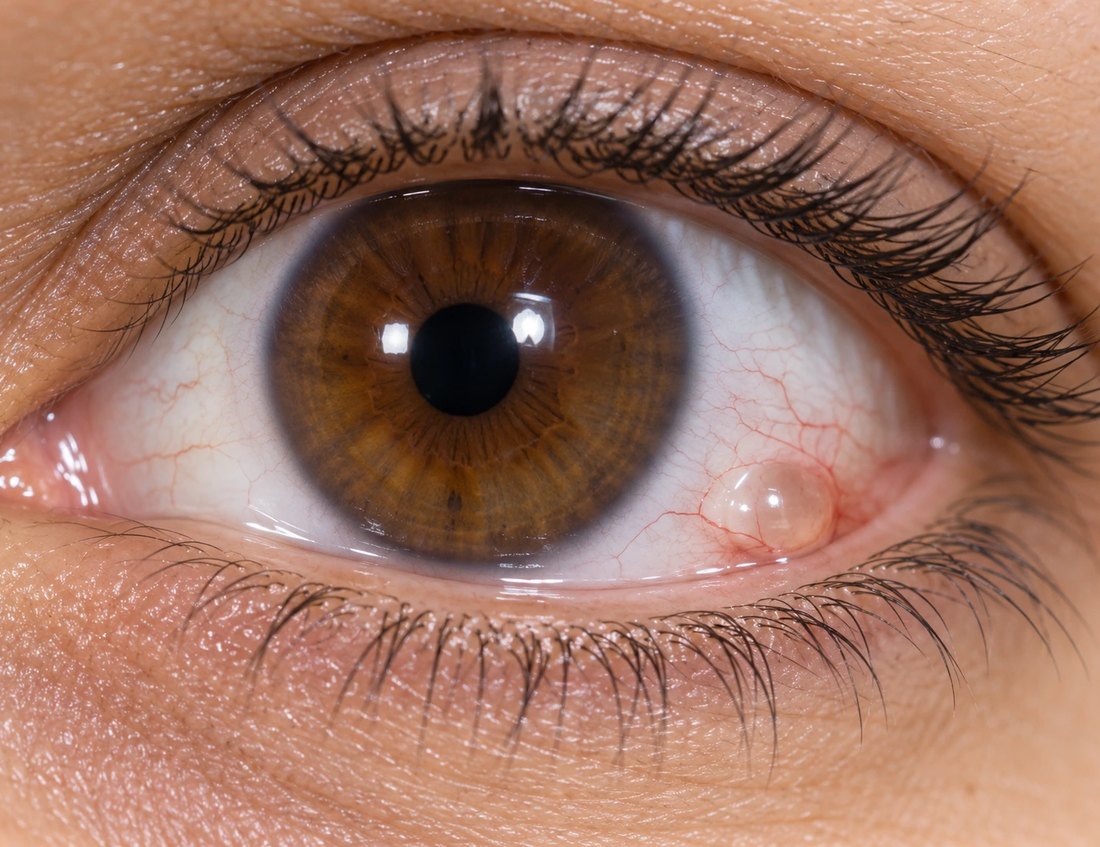
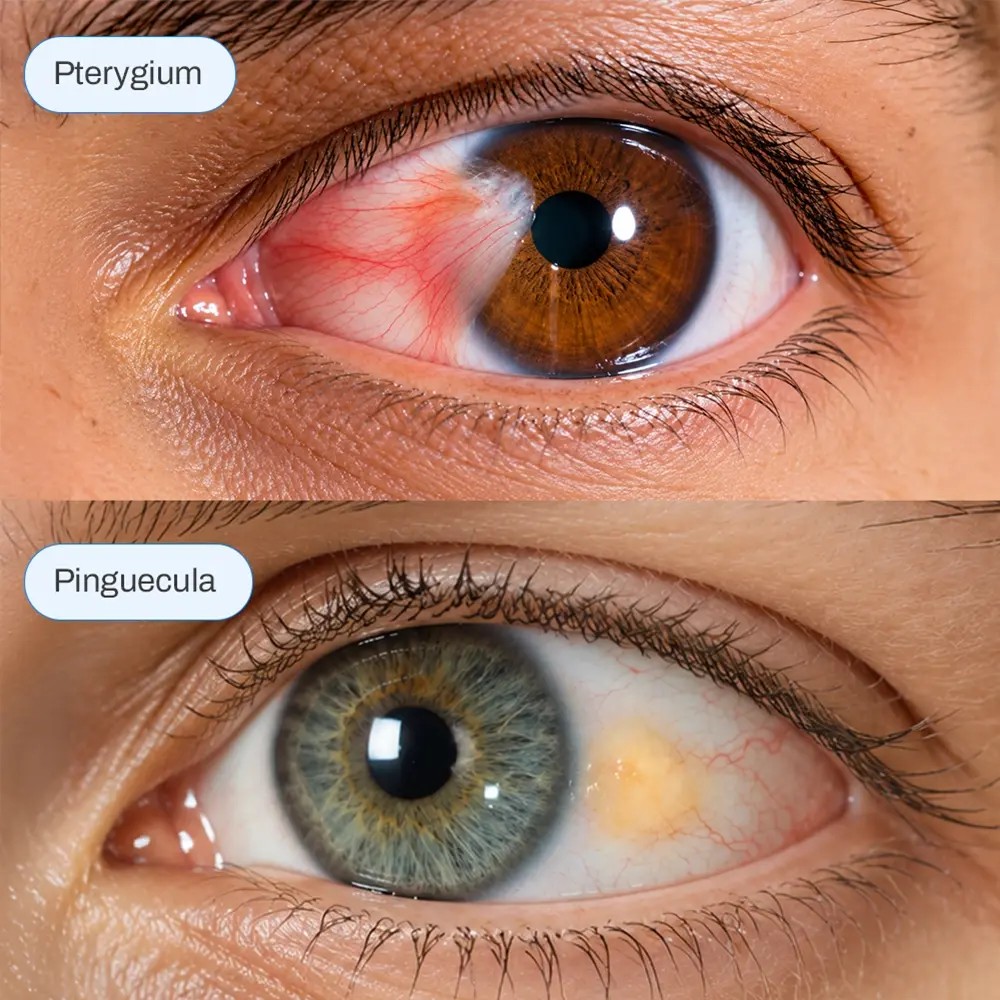
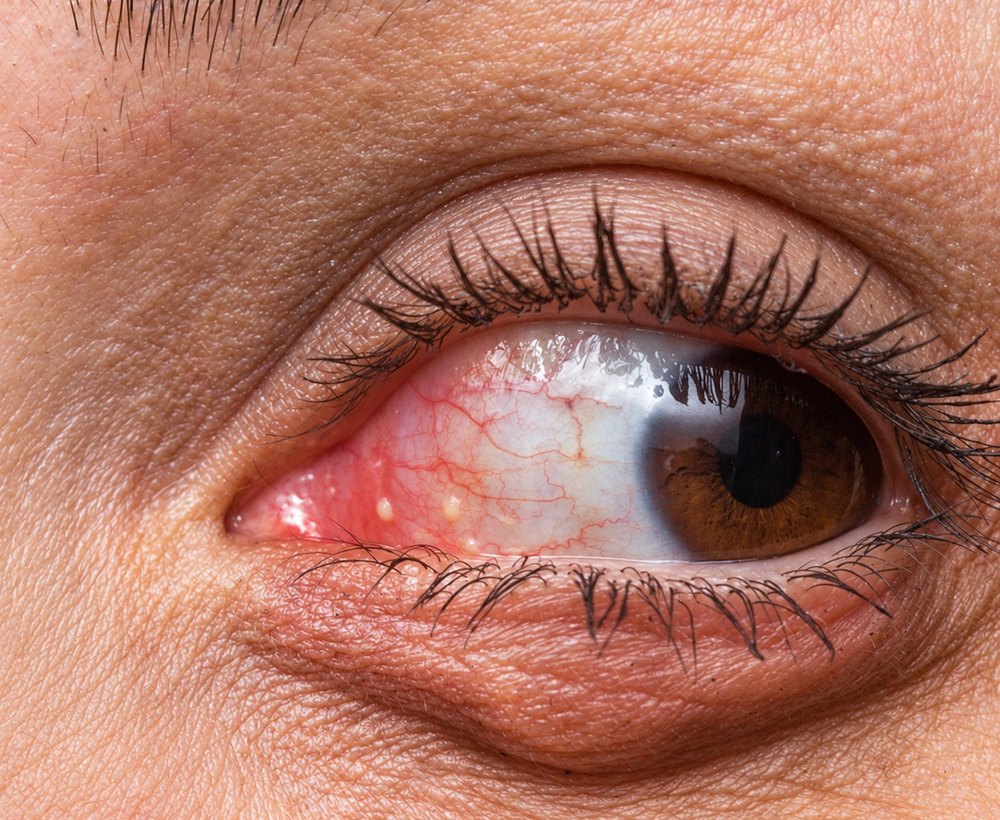
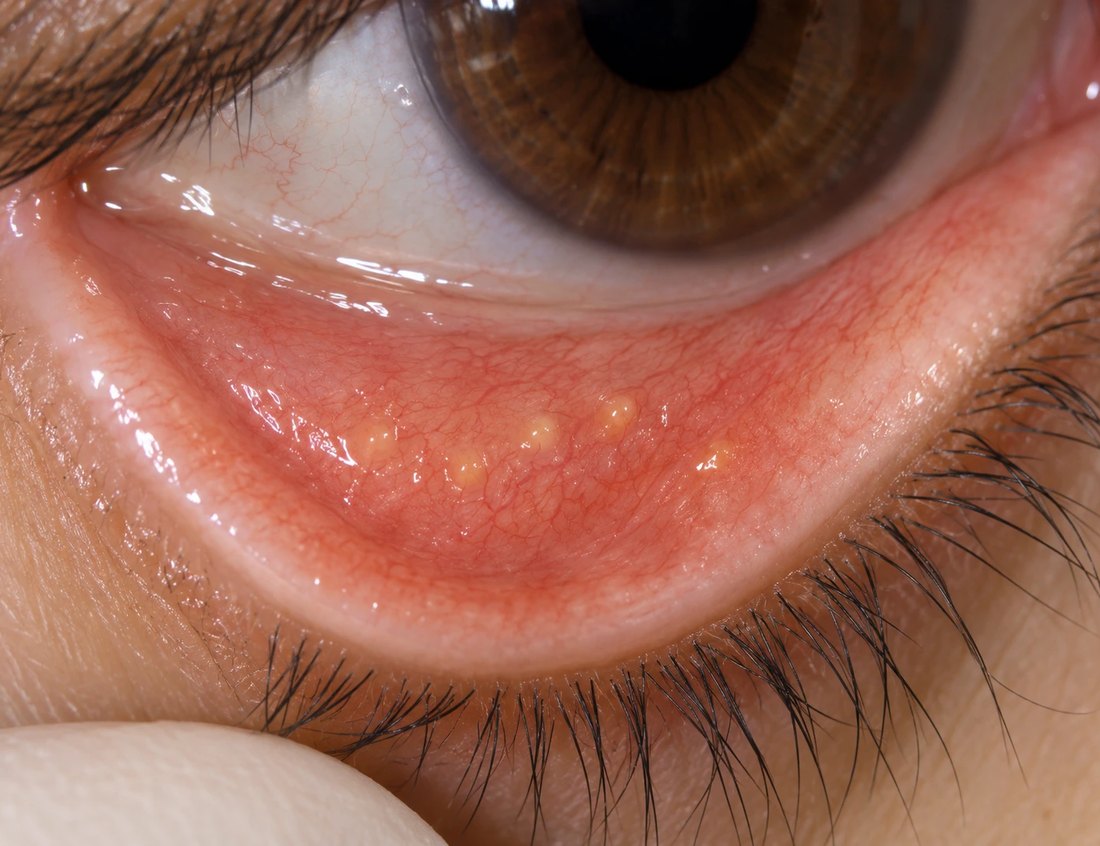
For some patients, the problem may be something small but persistently troublesome — a conjunctival cyst, concretion, pinguecula or other benign growth that rubs, irritates or simply becomes uncomfortable. Many people live with these problems because they assume treatment will mean a blade, stitches or a hospital procedure.
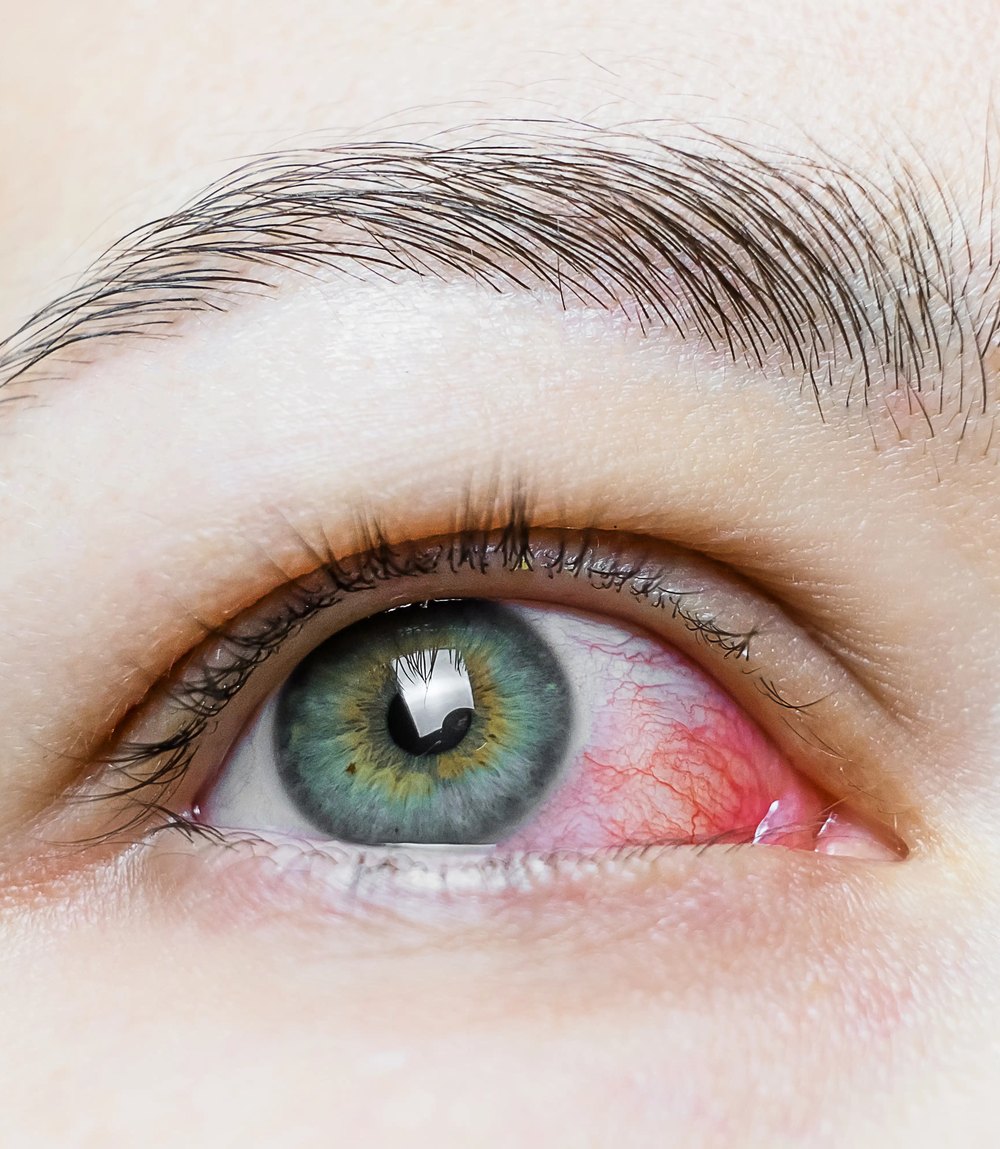
For others, the problem is persistent dry-eye symptoms that have not improved as expected despite treatment. In some of these patients, the underlying cause is not only tear-film instability or meibomian gland dysfunction. Structural changes — such as loose or redundant conjunctival tissue or abnormal tear drainage — may continue to disturb the ocular surface and contribute to ongoing grittiness, irritation or watering.
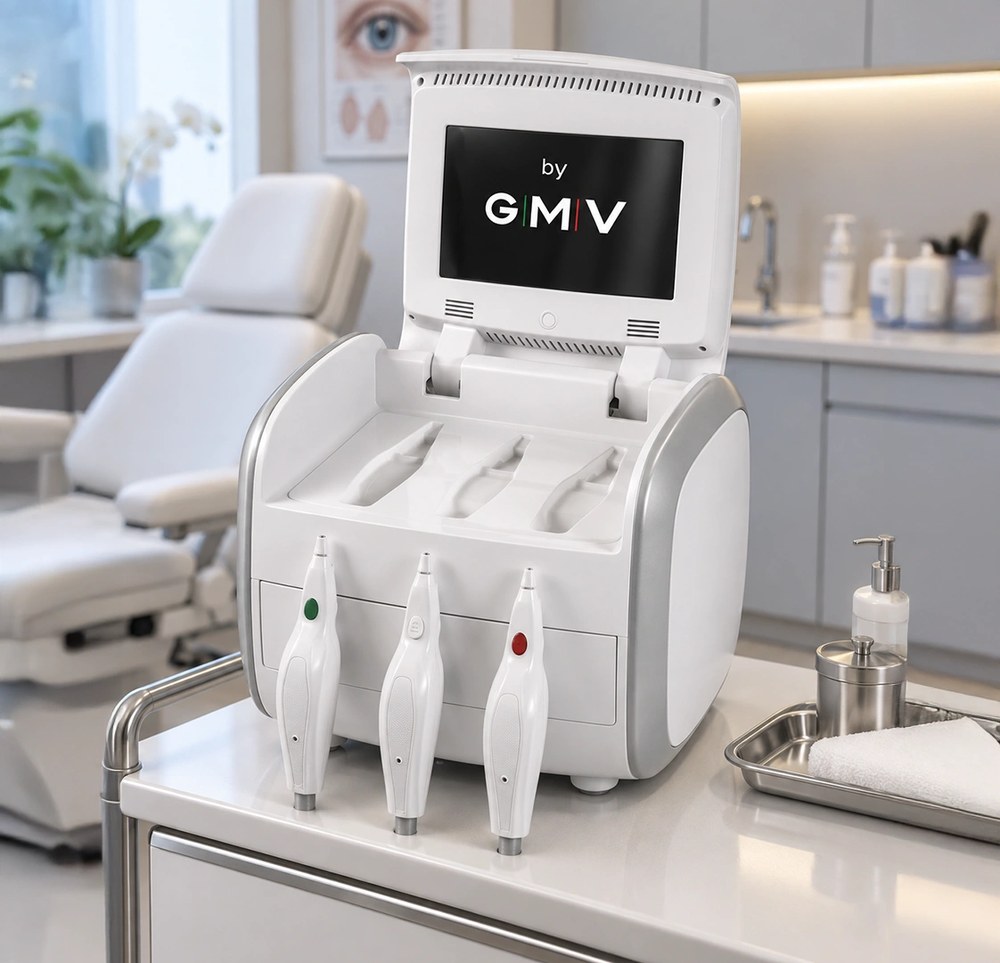
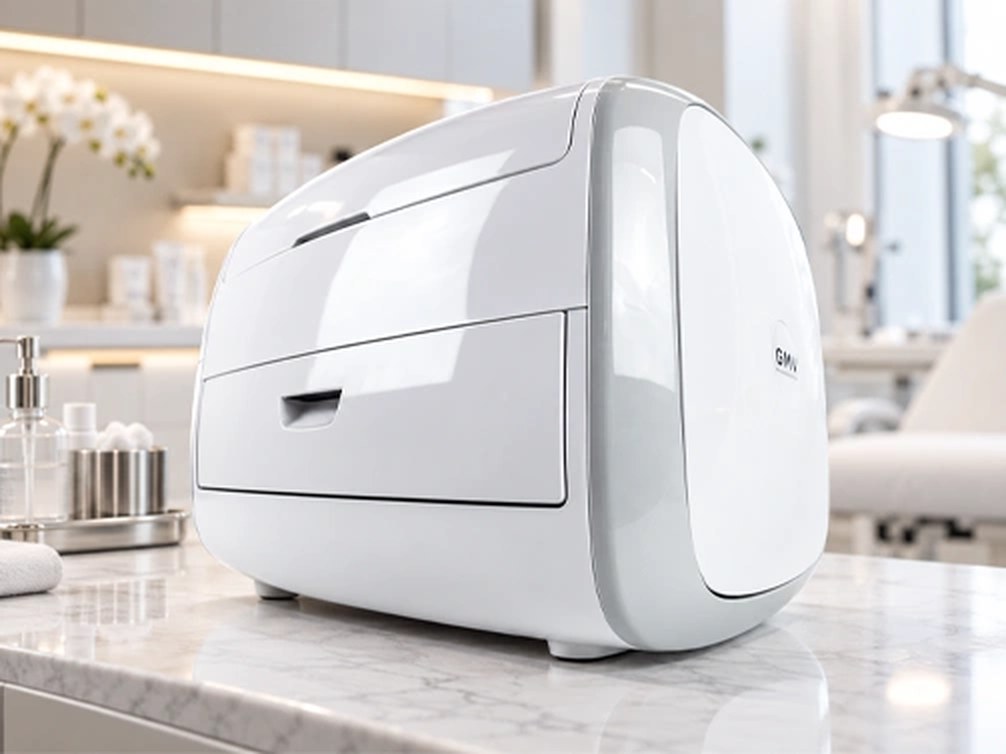
PLEXR® Plus provides another way of treating selected problems like these. In ophthalmology, this relatively new specialist application is known as PANIS — Plasma-Assisted Non-Invasive Surgery.
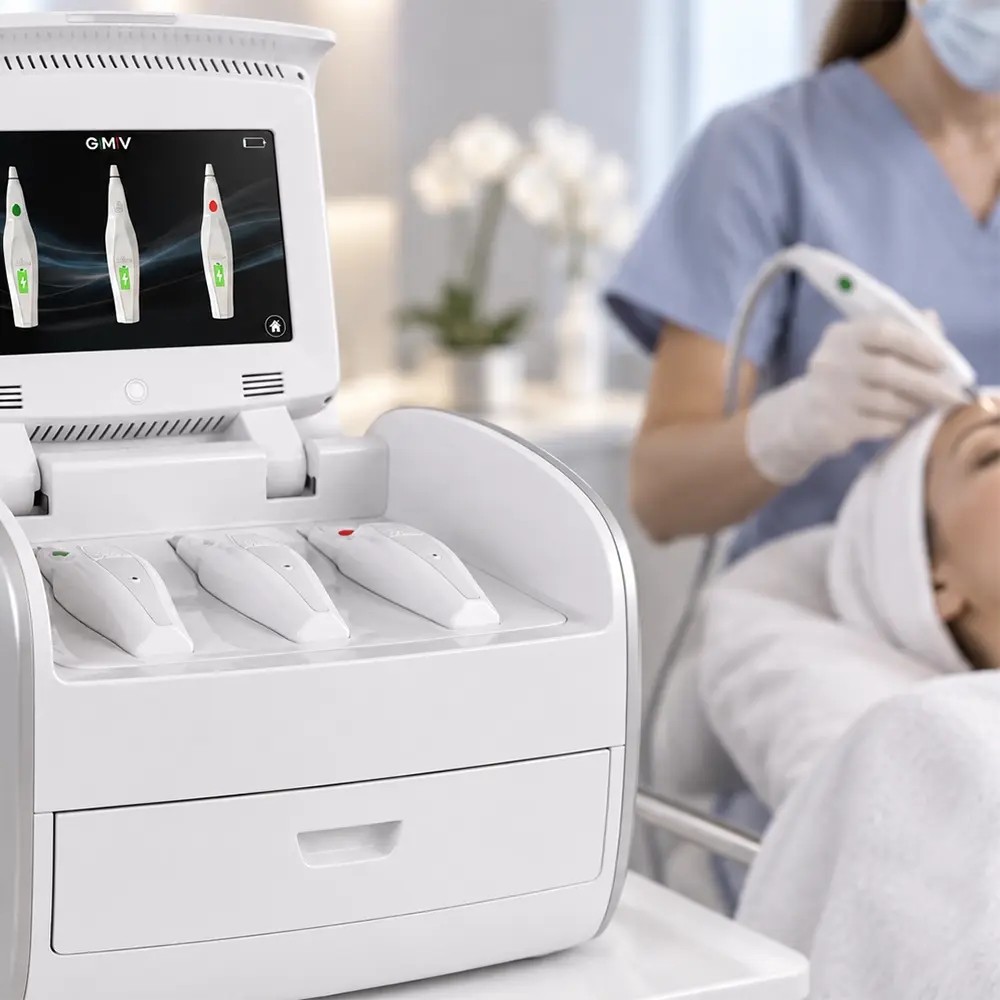
PANIS uses the highly controlled plasma energy generated by PLEXR® Plus to treat very small areas of superficial ocular and periocular tissue with exceptional precision. The device creates a tiny plasma discharge between the tip of the handpiece and the treatment area. This produces a very localised tissue effect, allowing selected tissue to be contracted, reduced, remodelled or sublimated, often without making a conventional surgical incision.
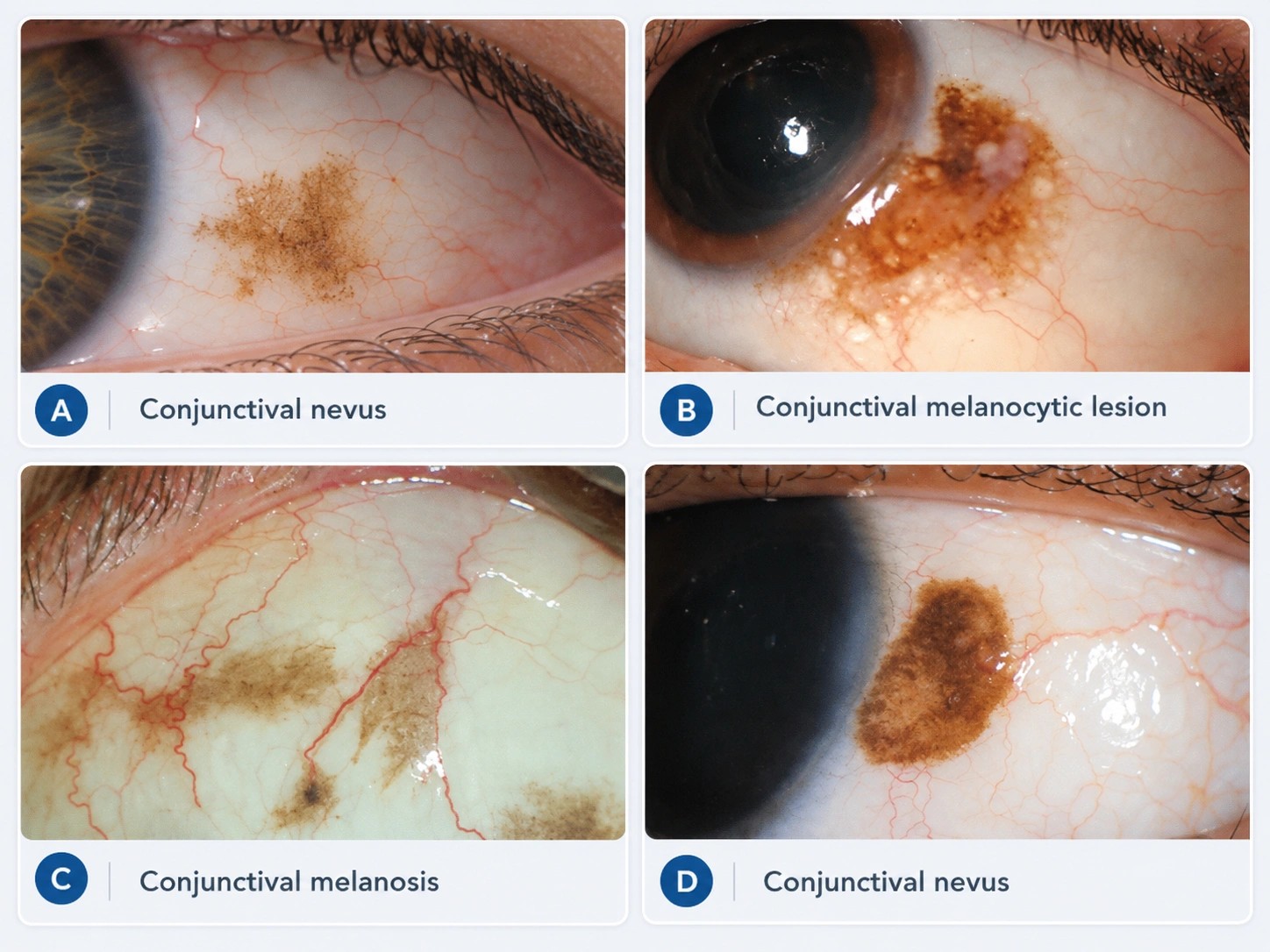
Today, plasma-assisted techniques have been studied for conditions including conjunctivochalasis, pinguecula, selected pterygium procedures, punctal occlusion for dry eye, filamentary keratitis associated with severe tear deficiency, conjunctival cysts, conjunctival concretions and selected benign conjunctival lesions. Clinical publications on ocular-surface PLEXR®/PANIS applications began appearing around 2020–2021, so this remains a comparatively new area of ophthalmic treatment and research.