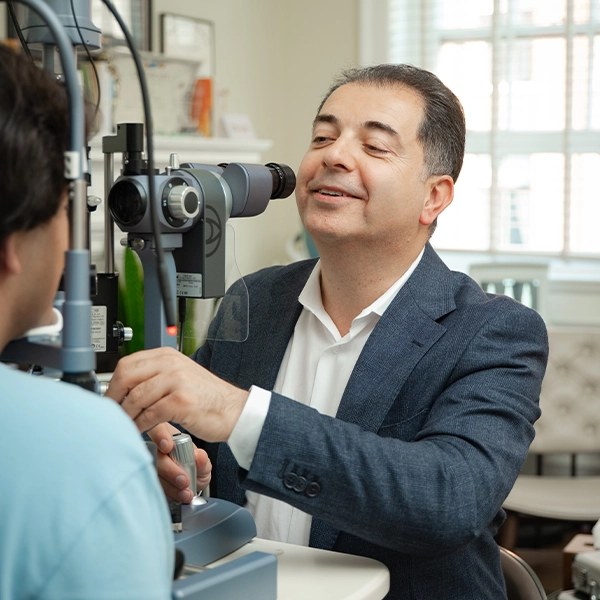
Mr Samer Hamada, Consultant Ophthalmic Surgeon

PLEXR® Plus Dry Eye Treatment

Get in Touch

PLEXR® Plus Dry Eye Treatment in London

Content on this page has been medically reviewed by Consultant Ophthalmic Surgeon Samer Hamada (MD, MSc, Do(hons), FRCSEd, FRCOphth)

Why are my eyes still dry, gritty or watering despite treatment?

Persistent dry-eye symptoms are not always caused by the tears alone.

In some patients, there is also a structural or mechanical problem affecting the ocular surface.

Loose conjunctival tissue may interfere with the normal tear meniscus and rub during blinking. Tears may drain away too quickly. An eyelid may not sit or function normally. Or a small conjunctival or lid-margin abnormality may continually irritate the surface of the eye.

This may help explain why some people continue to experience dryness, grittiness, burning, watering, fluctuating vision or the feeling that something is in the eye, despite having already tried conventional dry-eye treatments.

Once we identify the underlying problem, it may be possible to treat the cause contributing to those symptoms, rather than simply continuing to treat the symptoms themselves.
For selected structural conditions, PLEXR® Plus gives us another treatment option: highly precise plasma treatment that can often be performed without conventional surgical cutting or stitches.

For selected procedures:

  • no scalpel
  • no operating theatre
  • no sutures

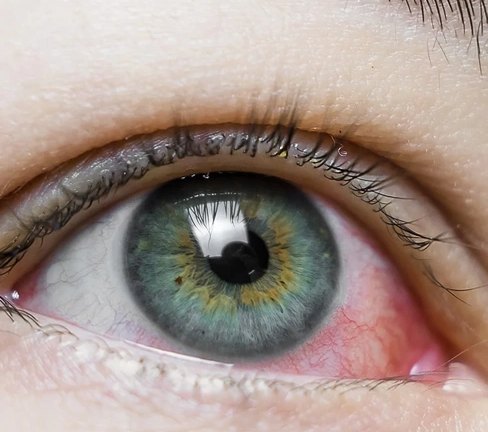
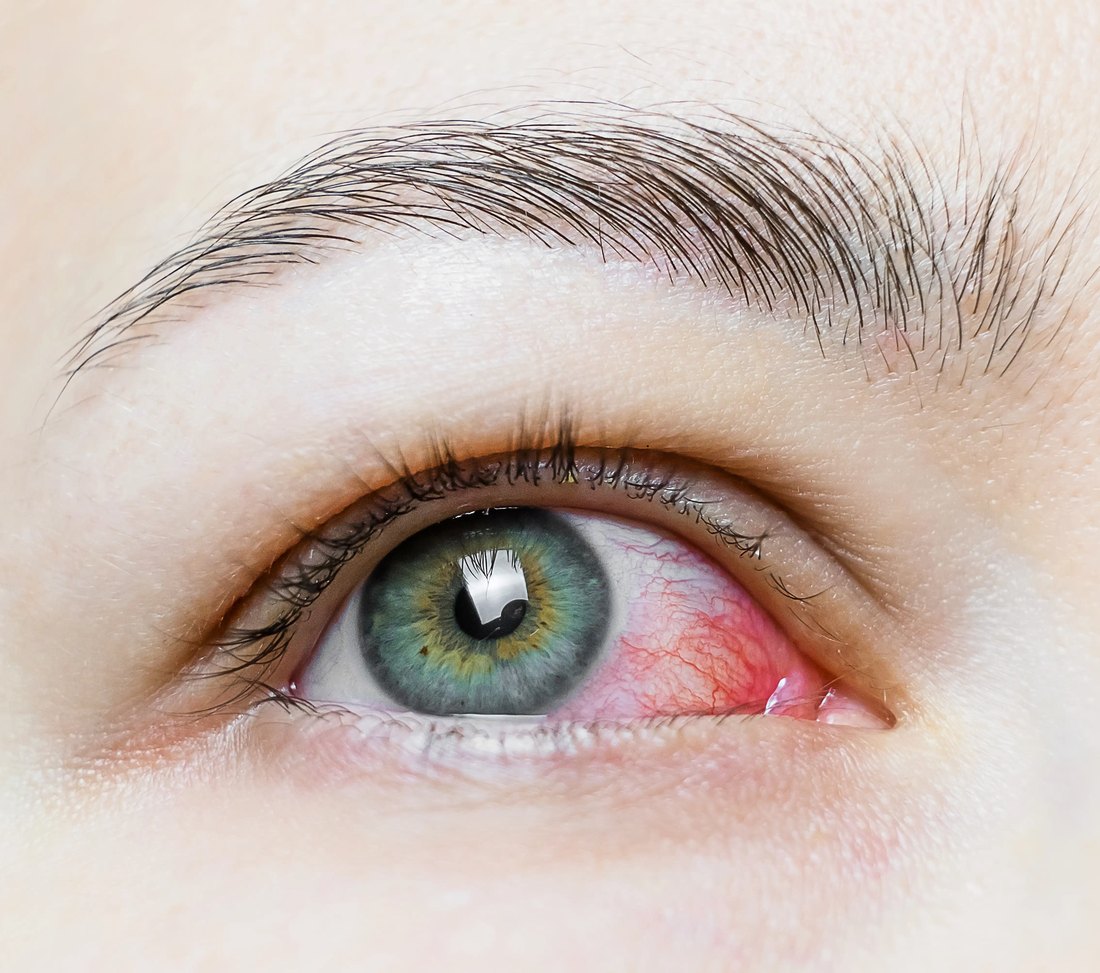
Close-up of an eye showing conjunctival redness

A new Application of Plasma Technology in Ophthalmology

PLEXR® Plus did not begin as an eye treatment.

The technology has been used for many years within aesthetic and dermatological medicine, particularly where very small areas of superficial tissue need to be treated with precision.

More recently, ophthalmologists began investigating whether that precision could also be used on the much more delicate tissues of the conjunctiva, ocular surface, tear drainage system and eyelids.

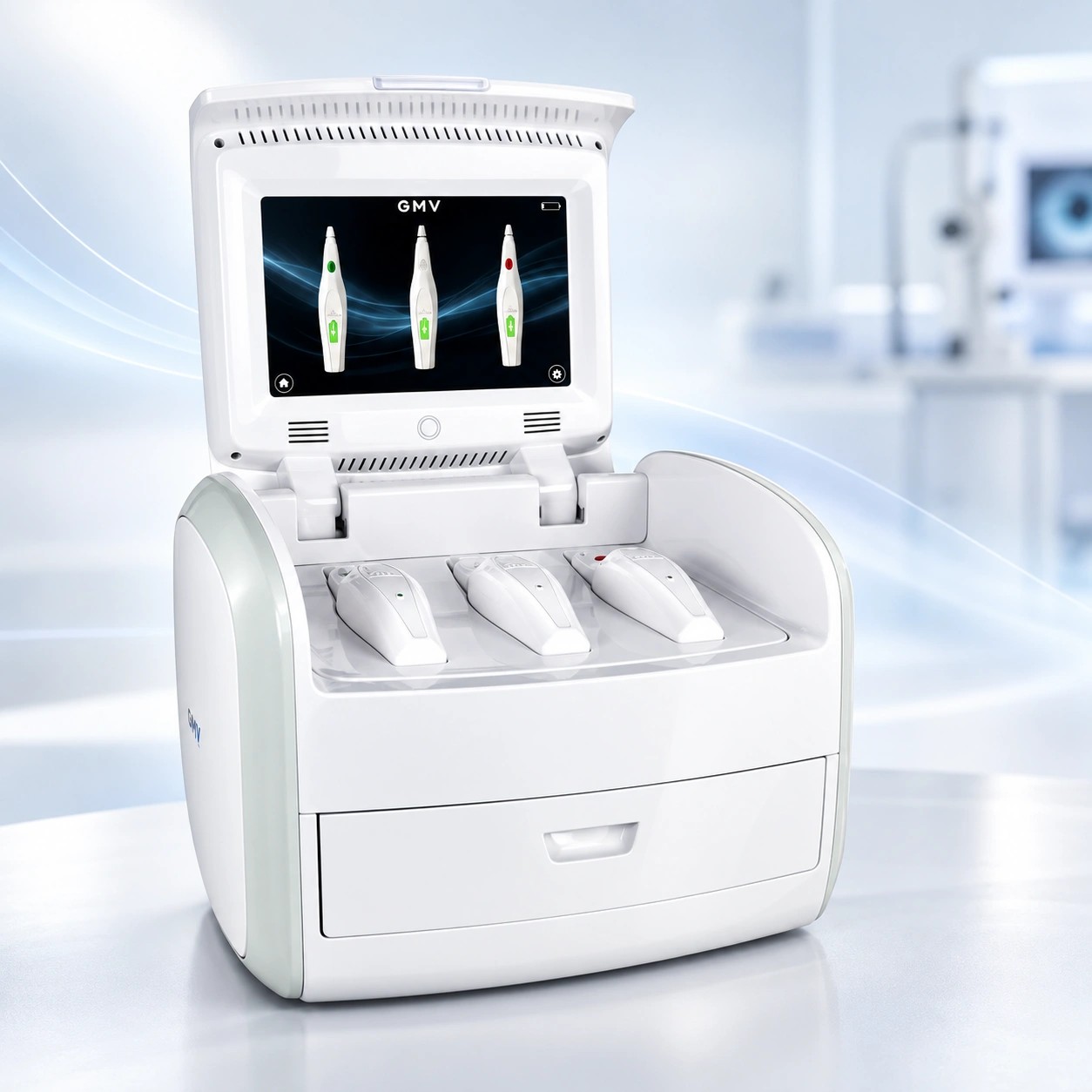
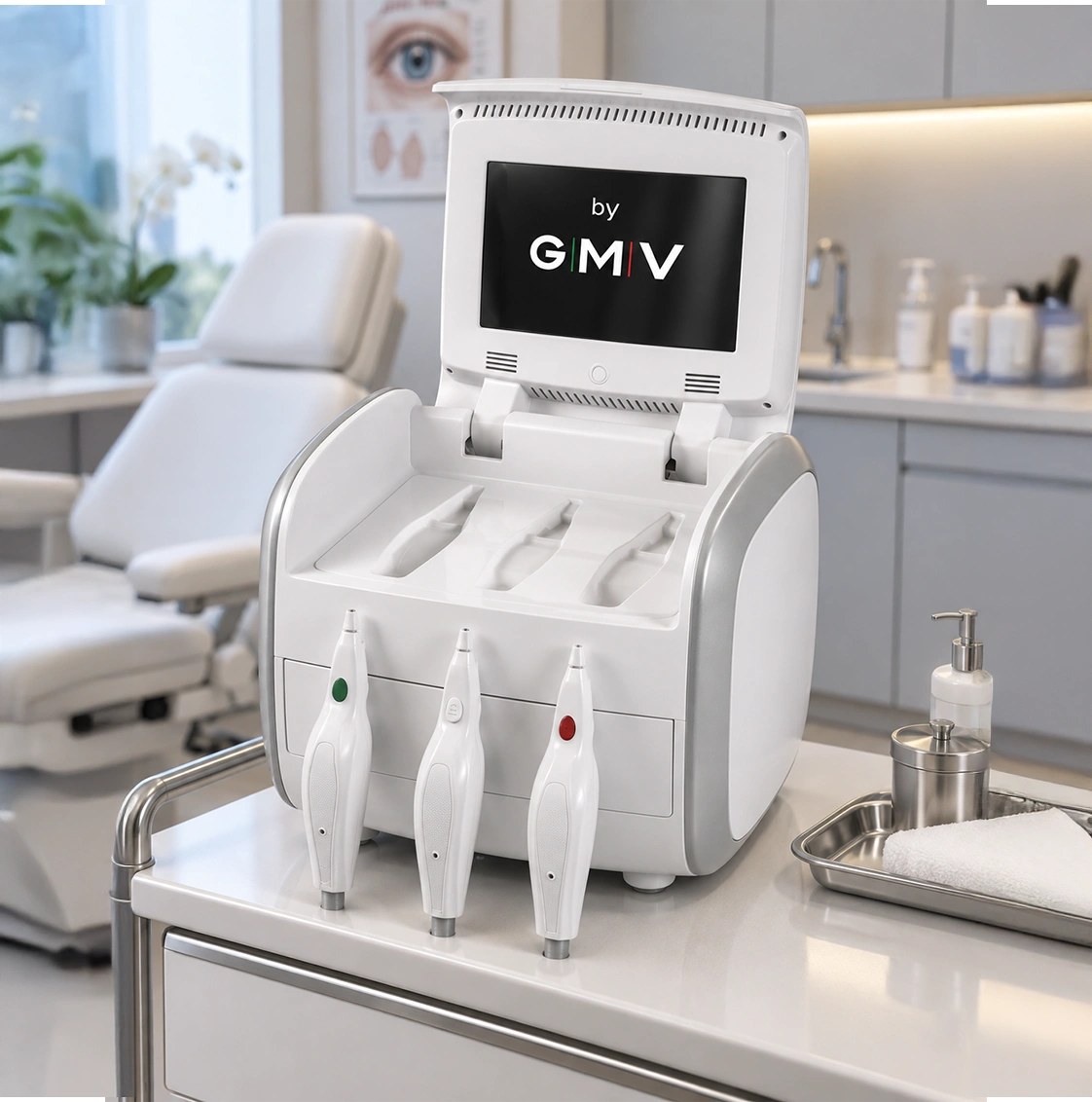
PLEXR® Plus device by GMV with its three handpieces

This led to the development of ophthalmic plasma techniques including PANIS — Plasma-Assisted Non-Invasive Surgery.

Today, the manufacturer GMV describes dedicated ophthalmic applications for PLEXR® Plus and reports more than 20 scientific publications supporting its efficacy and safety across ophthalmic uses.

PLEXR® Plus ophthalmology – GMV Medical Innovation

Dry eye is common —but it is not one single disease

But two patients who both say, “My eyes are dry,” may have very different problems.

32.1%

A UK study using internationally recognised TFOS DEWS II diagnostic criteria found dry-eye disease in 32.1% of the adults studied — approximately one in three participants.

View the UK dry-eye study on PubMed

Dry-eye symptoms can be influenced by:

  • tear-film instability
  • inflammation
  • meibomian gland dysfunction
  • insufficient tear production
  • abnormal tear drainage
  • poor blinking
  • eyelid position
  • changes in the conjunctiva
  • structural or mechanical problems affecting the ocular surface

This is why the more useful question is often:

What is actually causing my eyes to feel dry?

What types of problems can PLEXR® Plus treat?

PLEXR® Plus is not a generic treatment for dry-eye disease.

Its ophthalmic value is in treating selected structural problems once we have identified exactly what is contributing to the patient’s symptoms.

Woman with dry, tired eyes holding her glasses
Ocular surface assessment at Eye Clinic London

Conjunctivo­chalasis

Conjunctivochalasis occurs when the conjunctiva becomes loose and redundant, creating folds of tissue — commonly along the lower part of the eye.

These folds can disturb the normal tear meniscus, interfere with tear distribution and create mechanical friction during blinking.

Patients may experience grittiness, burning, watering, fluctuating vision or a persistent foreign-body sensation.

For selected patients, plasma treatment can be used to contract redundant conjunctival tissue without conventional conjunctival excision and suturing.

PLEXR® Plus for conjunctivo­chalasis

Close-up of an eye with surface irritation

Dry eye and punctal occlusion

The tiny openings through which tears normally drain from the eye are called the puncta.

In selected patients with aqueous-deficient dry eye, reducing tear drainage can allow the patient’s own tears to remain on the ocular surface for longer.

Traditionally this may be achieved with punctal plugs or other forms of punctal occlusion. Plasma-assisted techniques have also been developed to create controlled narrowing or closure of the punctum.

This is not appropriate for every patient with dry eye. The underlying dry-eye subtype and the level of ocular-surface inflammation must first be assessed.

Slit-lamp examination of the conjunctiva

Conjunctival cysts and selected conjunctival lesions

A conjunctival cyst or benign conjunctival lesion may produce irritation, a foreign-body sensation or local discomfort.

PLEXR® plasma treatment has been investigated as an office-based, minimally invasive treatment for selected conjunctival cysts and benign lesions.

Not every lesion should be treated with plasma.

If there is uncertainty about the diagnosis, or tissue needs to be sent for histological examination, conventional surgical excision may be more appropriate.

Inflamed eye with visible blood vessels

Conjunctival concretions

Conjunctival concretions are small deposits that develop underneath the eyelid.

Many cause no symptoms. If they become exposed, however, they can rub against the ocular surface and cause persistent grittiness or the sensation that something is trapped in the eye.

Selected symptomatic concretions may be suitable for plasma-assisted treatment.

Close-up of a closed eyelid and lashes

Eyelid and lid-margin conditions

The eyelids are an important part of the ocular surface. Their position and movement affect blinking, tear distribution and protection of the eye.

PLEXR® Plus may also be considered for selected benign eyelid and lid-margin lesions and certain conditions involving tissue laxity.

Published ophthalmic research has also examined plasma treatment for benign eyelid lesions. A 2024 study included 71 eyes of 66 patients and reported successful lesion removal with a single treatment in the study population.

PLEXR® Plus for eyelid & periocular treatments

PLEXR® Plus plasma device

Non-surgical blepharoplasty

PLEXR® Plus is also used to create controlled contraction of eyelid skin and may offer an option for selected patients with mild to moderate eyelid skin laxity.

You may see this described as non-surgical blepharoplasty.

It is not the same procedure as conventional blepharoplasty, and patients with significant excess skin, fat prolapse, brow ptosis or more complex eyelid problems may still be better suited to surgery.

Close-up of the eye and brow

What is PLEXR® Plus and how does it work?

PLEXR® Plus is a medical plasma device manufactured by GMV in Italy.

It does not use a surgical blade or laser beam.

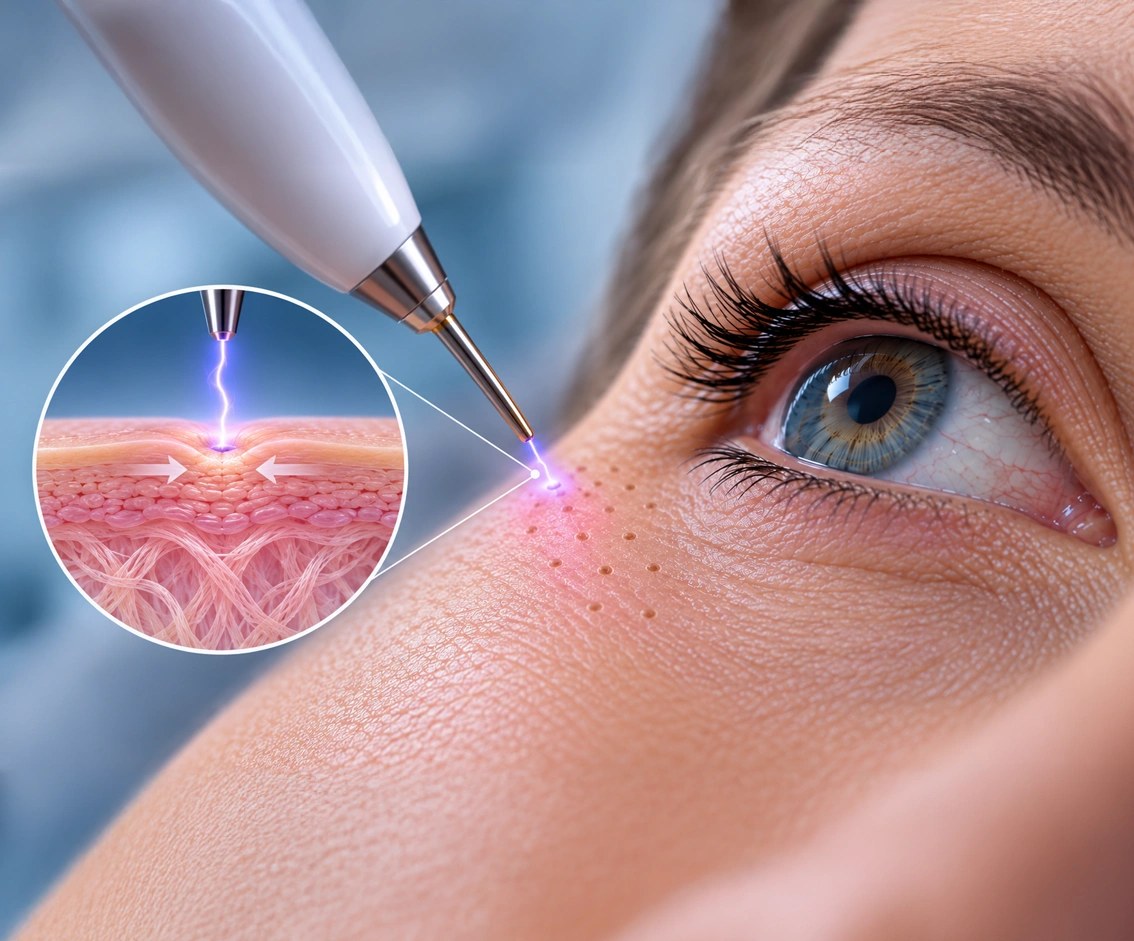
Instead, the handpiece generates a very small plasma discharge in the space between its tip and the tissue being treated.

Plasma applied to the ocular surface, shown in cross-section

Plasma is often described as the fourth state of matter, after solid, liquid and gas. In PLEXR® treatment, ionisation of the air creates a controlled energy effect on a very small area of superficial tissue.

This allows an ophthalmologist to work with a high degree of precision — particularly important when treating structures such as the conjunctiva, punctum or eyelid margin, where every millimetre matters.

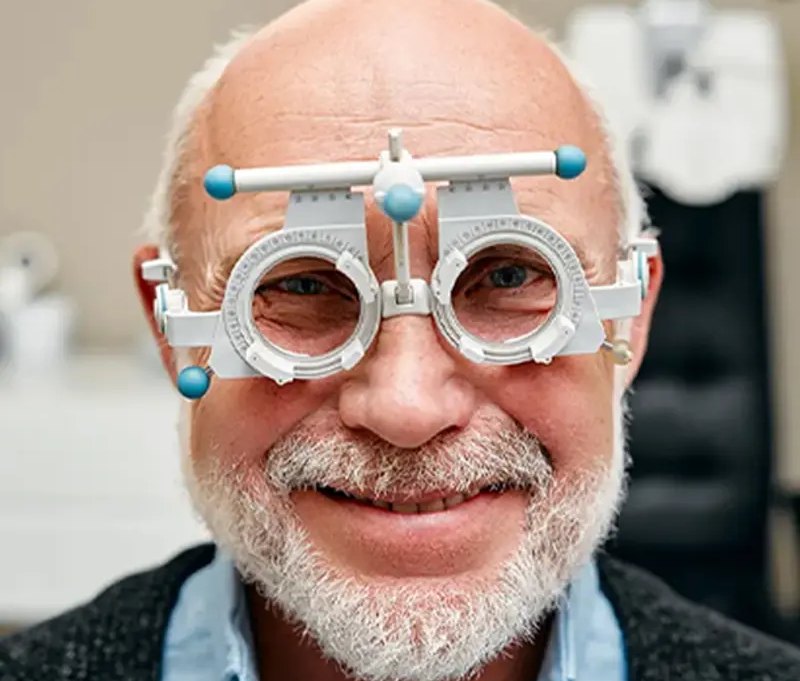
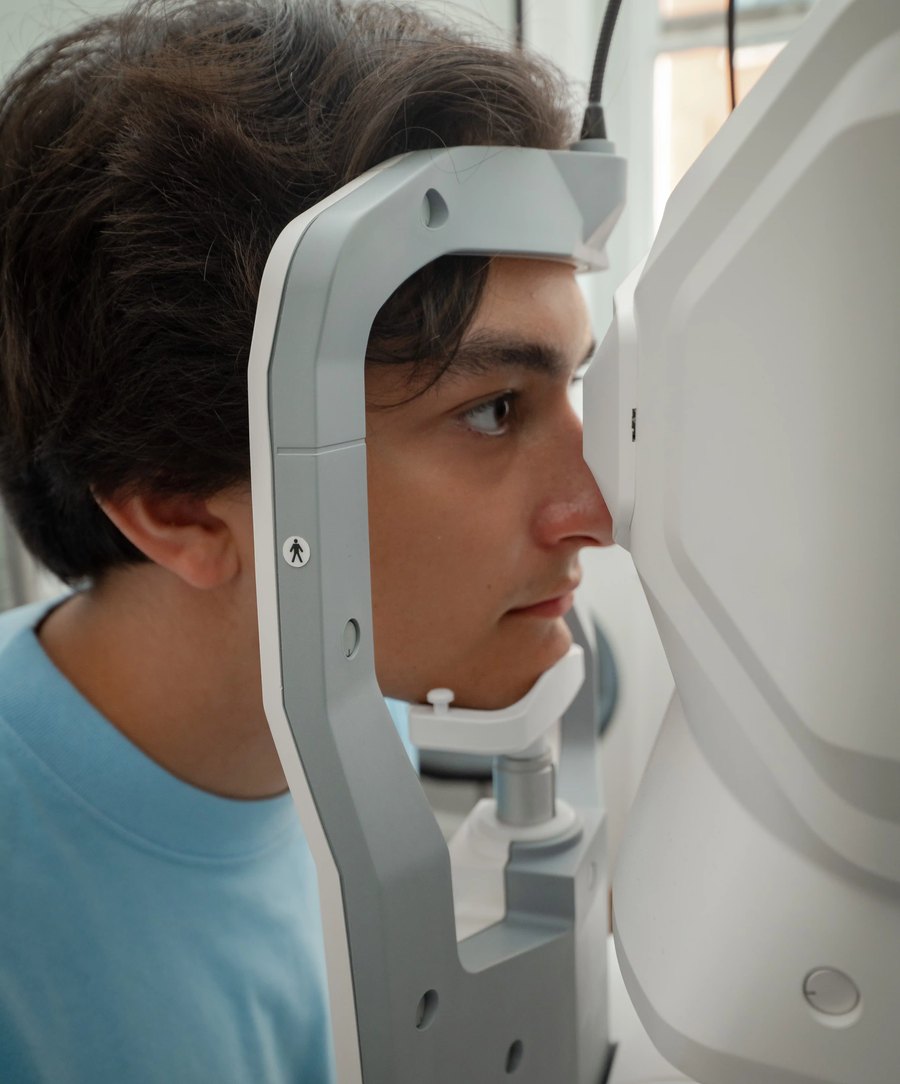
Patient undergoing an ophthalmic examination

What does PANIS mean?

PANIS stands for Plasma-Assisted Non-Invasive Surgery.

It describes ophthalmic techniques developed to use atmospheric low-temperature plasma for selected conditions affecting the ocular surface, conjunctiva, tear drainage system and eyelids.

Published PANIS research includes treatment of conjunctivochalasis, conjunctival cysts, benign conjunctival naevi and punctal procedures.

The term “non-invasive” should not be taken to mean that nothing happens to the tissue.

PLEXR® Plus is a medical procedure that deliberately produces a controlled tissue effect. What can sometimes be avoided is the conventional incision, tissue excision and suturing associated with more traditional surgery.

PLEXR® Plus by GMV

Is PLEXR® Plus the same as laser or cautery?

No.

A laser uses concentrated light energy.

Conventional cautery or electrosurgery produces its effect through a different electrical and thermal mechanism.

A scalpel physically cuts through tissue.

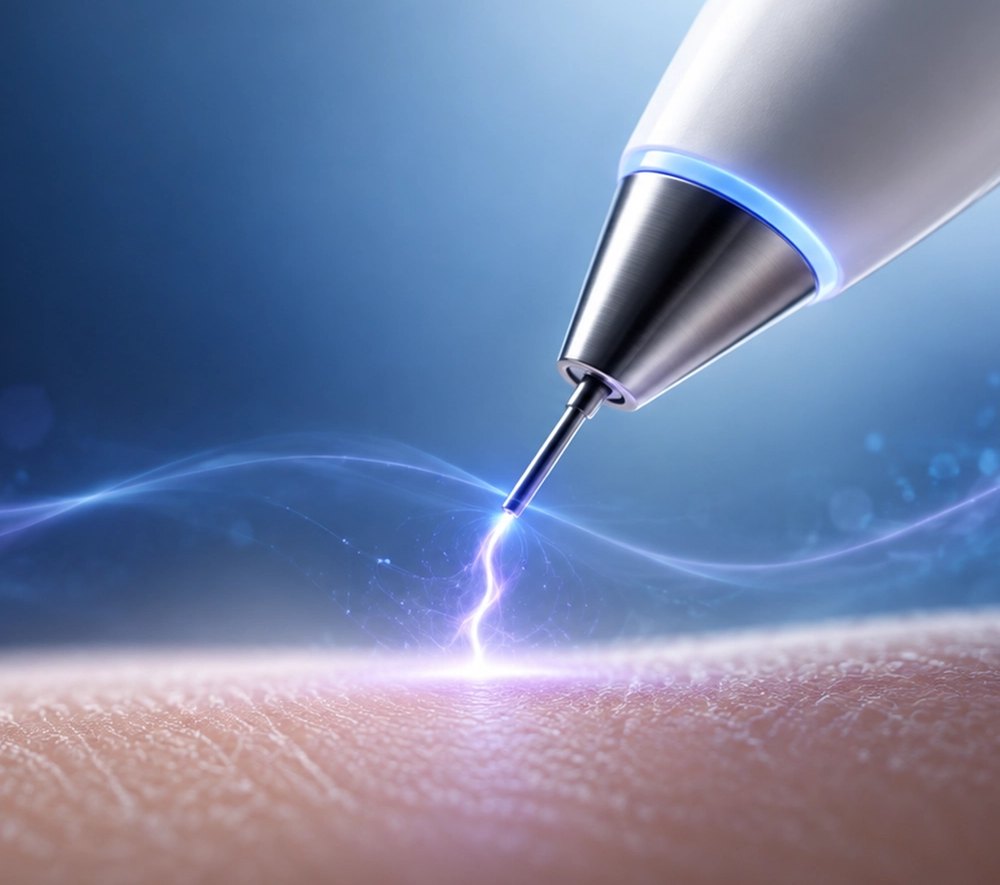
PLEXR® Plus plasma handpiece in use

PLEXR® Plus instead creates a localised atmospheric plasma discharge across the tiny space between the handpiece and the treatment area.

None of these treatments is automatically better in every situation.

The right technique depends on the diagnosis, the anatomy and what we are trying to achieve.

How can plasma be used safely on delicate eye tissue?

How PLEXR® is used safely

This is understandably one of the most important questions patients ask. PLEXR® treatment used on the ocular surface is not simply an aesthetic plasma procedure performed closer to the eye. Published ophthalmic techniques have used the lowest-output white PLEXR® handpiece for delicate conjunctival procedures. The effect of atmospheric low-temperature plasma on conjunctival tissue has also been specifically studied.

What the safety study found

In a six-month preclinical safety study, researchers examined conjunctival tissue after PLEXR® exposure. There was an expected early superficial tissue response, followed by healing. At later assessment there was no persistent chronic inflammation or scar tissue and no evidence of atypia or dysplasia at three or six months.

Why patient selection matters

No medical procedure is completely without risk. Safety also depends on the correct diagnosis, appropriate patient selection, the tissue being treated, the treatment parameters and the experience of the ophthalmologist performing the procedure.

Patient at the slit lamp at Eye Clinic London

Is PLEXR® Plus FDA cleared?

PLEXR® Plus received US FDA 510(k) clearance in 2022 as an electrosurgical cutting and coagulation device. Its stated US indications include removal and destruction of skin lesions and coagulation of tissue.

View the PLEXR® Plus FDA 510(k) record

This should not be confused with FDA clearance for every individual ophthalmic PANIS procedure.

The evidence for ocular-surface treatment comes separately from the growing body of laboratory and clinical ophthalmic research.

Patient consultation at Eye Clinic London

Can PLEXR® Plus treatment be performed without going to theatre?

For most procedures, yes.

One of the advantages of several ophthalmic PLEXR® applications is that treatment may be performed in the clinic, often at the slit lamp and using topical or local anaesthesia, rather than requiring a conventional operating-theatre procedure.

Published conjunctival-cyst and benign conjunctival-naevus studies, for example, describe office-based treatment.
The aim is not to avoid theatre at all costs.

It is to avoid a larger procedure when a smaller and appropriately selected procedure can achieve the clinical objective.

What does the clinical evidence show?

Clinical evidence

42 eyes

33 patients

Improvement in all treated eyes

A prospective study of 42 eyes in 33 patients undergoing plasma-based conjunctivoplasty found that the grade of conjunctivochalasis decreased in all treated eyes.

View the safety study on PubMed

Close-up of a patient examined at the slit lamp

At three months:

OSDI34.7 → 5.0
TBUT5.1 → 10.0S
Watering resolved in28 eyes

One eye developed temporary chemosis, which resolved with topical steroid treatment.

View the conjunctivo­chalasis study on PubMed

6 months — conjunctival safety research

A preclinical PLEXR® study followed treated conjunctival tissue for six months.

After healing, researchers found

no persistent histopathological change, with no chronic inflammation or scar tissue at one month and no evidence of atypia or dysplasia at three or six months.

View the safety study on PubMed

5 eyesConjunctival cysts

A published clinical series treated conjunctival cysts in five eyes using atmospheric low-temperature plasma.

Complete healing with no recurrence at 6 months

The cysts were reported to have completely healed, with no recurrence during six months of follow-up and no intra-operative or postoperative complications reported in the study.

View the conjunctival cyst study on PubMed

7 patientsbenign conjunctival naevi

A clinical series involving seven patients treated benign conjunctival naevi using the low-output white PLEXR® handpiece.

The lesions had first been assessed as benign by ocular oncologists. At six months, naevi outside the limbal area had disappeared in the study population.

View the conjunctival naevus study on PubMed

Mr Samer Hamada at the operating microscope

Why has Mr Samer Hamada introduced PLEXR® Plus at Eye Clinic London?

Mr Samer Hamada has a longstanding specialist focus on corneal disease, ocular-surface disease and complex dry eye.

A central part of his approach is recognising that patients who appear to have the same symptom — “dry eyes” — may have very different underlying causes.

Those causes may involve inflammation, tear-film instability, meibomian gland dysfunction, tear deficiency, abnormal blinking, eyelid problems or structural changes affecting the conjunctiva.

Mr Samer Hamada, Consultant Ophthalmic Surgeon

Mr Hamada has therefore remained closely involved with developments in ocular-surface diagnostics and newer treatment technologies, particularly where they allow treatment to be better matched to the mechanism causing a patient’s symptoms.

PLEXR® Plus is one example of this approach.

Its value is not simply that it is new technology.

Its value is that, in an appropriately selected patient, it can give us another way of treating a specific structural problem with considerable precision and potentially without conventional surgery.

Understand the mechanism.
Treat the cause wherever possible.

Man with tired, irritated eyes at a laptop

Could PLEXR® Plus be right for me?

PLEXR® Plus is not suitable for every patient or every ocular-surface condition.

Your treatment begins with an ophthalmic assessment — not with the device.

We first need to establish:

  • what is causing your symptoms
  • whether there is a structural problem
  • whether that problem actually requires treatment
  • whether PLEXR® Plus is appropriate
  • whether medical treatment should continue
  • whether conventional surgery would provide a better result
  • whether any lesion needs to be removed and sent for histological examination
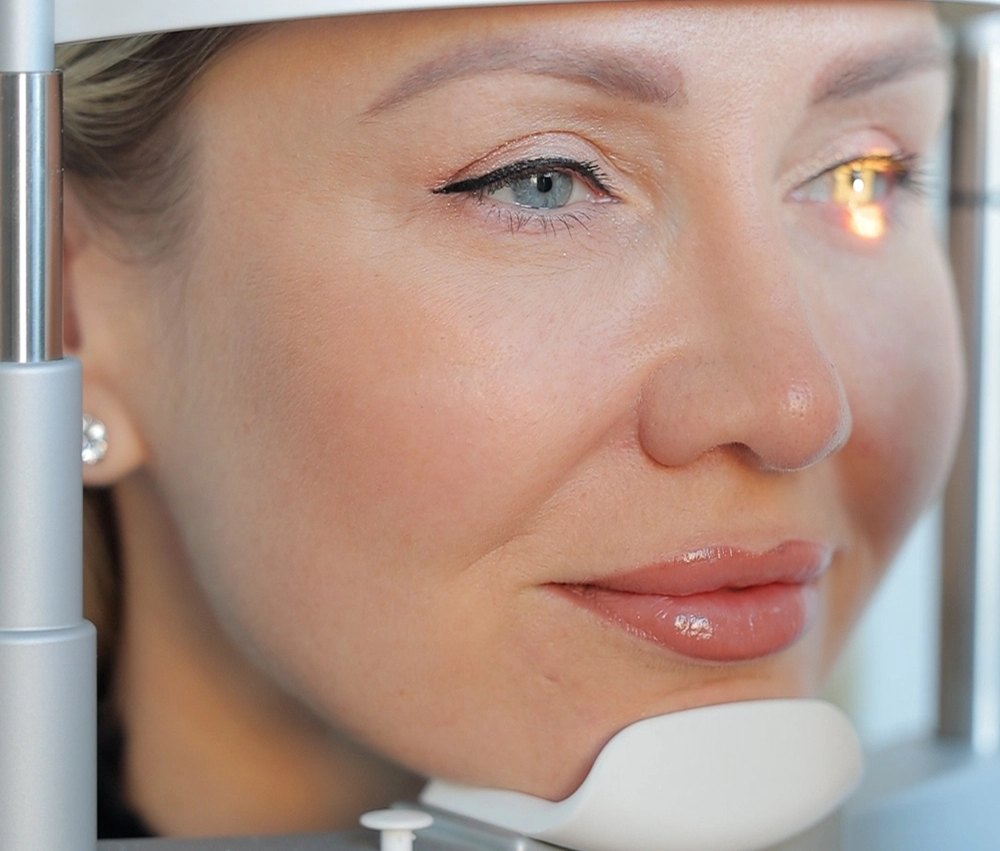
Ocular surface examination with a slit-lamp light

Sometimes PLEXR® Plus will be appropriate.

Sometimes another treatment will be better.

And sometimes no procedure is required at all.

If your eyes remain dry, gritty, irritated or watery despite treatment, the next step may simply be to understand whether something else has been contributing to the problem.

The treatment comes after the diagnosis
— not the other way around.

PLEXR® Plus treatment fees

PLEXR® Plus treatment starts from £995.

Price confirmed following consultation

The final cost depends on the condition being treated and the treatment required. Your ophthalmologist will confirm this following assessment.

Frequently Asked Questions

Can PLEXR® Plus cure dry eye?

PLEXR® Plus is not a universal cure for dry-eye disease. It may help when a particular structural or tear-drainage problem is contributing to the symptoms.

Can PLEXR® Plus treat conjunctivo­chalasis?

Yes. Plasma-based conjunctivoplasty has been clinically studied as a treatment for conjunctivochalasis and may be appropriate in selected patients.

Is PLEXR® Plus a laser?

No. PLEXR® Plus uses controlled atmospheric plasma rather than a laser beam.

Does PLEXR® Plus involve cutting or stitches?

For many selected ophthalmic applications, conventional surgical cutting and suturing can be avoided. The exact procedure depends on the condition being treated.

Can PLEXR® Plus treatment be performed in the clinic?

Many published ophthalmic PLEXR® procedures have been performed as office-based treatments using topical or local anaesthesia.

Is PLEXR® Plus suitable for every conjunctival or eyelid lesion?

No. A lesion must first be properly diagnosed. If it is suspicious or needs histological analysis, conventional excision may be required instead.

Finance & Insurance

Eye Clinic London ensures exceptional eye care for all with flexible finance and insurance plans. Our team assists with finances, so you can focus on vision and well-being. Connect with us to learn more.

Our Location

Strategically located in Devonshire Street, Harley Medical District, Marylebone, in the heart of London, our clinic is easily accessible, ensuring that your journey to exceptional eye care is as convenient as possible. Our central position ensures that you can easily reach us from various parts of the city.

Devonshire street in Marylebone is not just an address; it’s a hub of convenience and accessibility. With excellent transport links and a wealth of amenities nearby, your visit to Eye Clinic London will be convenient and hassle-free experience.

Whether you are a local resident or visiting from other parts of the UK or abroad, our location will provide you with seamless connection to the private eye doctor in London.

When choosing to travel by public transport please alight at Bond Street Station and walk for 7 mins, alternatively exit at Oxford Circus station or Baker Street Station and walk for 10 mins.

Street parking is available.

Eye Clinic London 7 Devonshire Street
London, W1W 5DY

The McIndoe Centre Holtye Road East
Grinstead RH19 3EB

Message Us