



Floaters Treatment Clinic London
Get in Touch
Eye Floaters Treatment London
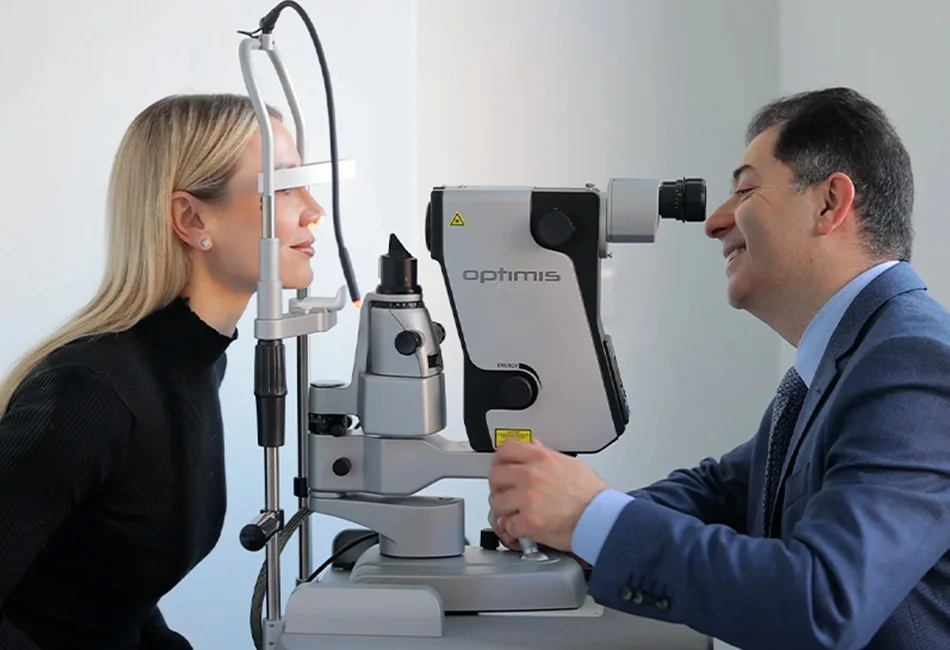
Are you noticing small shapes drifting across your vision or sudden flashes of light? These symptoms, known as floaters and flashes, are common and often linked to natural changes in the eye as we age. However, they can sometimes indicate a more serious issue. If you are looking for floaters treatment in London, an expert eye assessment is essential to rule out underlying problems and protect your vision.
Floaters usually appear as dots, threads, or shadowy shapes caused by tiny clumps within the vitreous, the gel that fills the eye. Flashes are brief flickers of light and often occur when the vitreous pulls on the retina. At Eye Clinic London, a detailed examination helps determine whether these symptoms are harmless or require closer monitoring or treatment.
Featured in







Incidence and Prevalence
Floaters and flashes are quite common, especially as people age. The incidence of these symptoms increases with age, with many individuals over the age of 50 experiencing them. However, they can occur at any age, especially if there are underlying eye conditions.
Recognised Excellence & Patient Trust




Causes
The primary cause of floaters and flashes is the natural aging process, during which the vitreous gel inside the eye begins to liquefy and separate from the retina. Other causes can include:
- Eye trauma
- Myopia
- Eye surgeries
- Inflammation inside the eye
- Retinal tear or detachment
Affiliations and Memberships
We are proud to be associated with the following organisations








Symptoms
Symptoms of floaters and flashes include:
- Seeing small shapes or specks that drift in your field of vision
- Sudden small flashes of light in one or both eyes
- A shadow or curtain over part of your field of vision (a sign of retinal detachment)

Flashes and Floaters Treatment by Mr Hamada
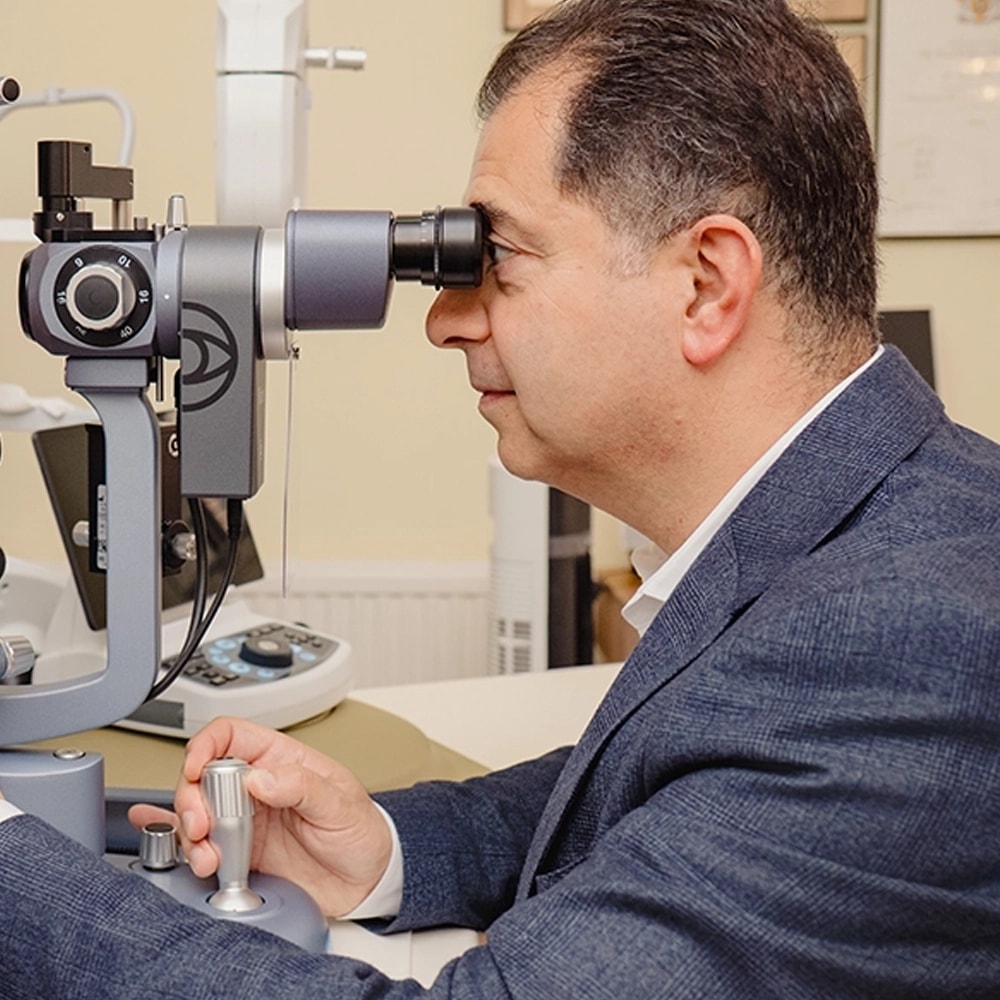
Mr Samer Hamada specialises in the treatment of flashes and floaters, common visual disturbances that can impact one's quality of life. His approach to these conditions is thorough, focusing on identifying the underlying causes while providing relief from the symptoms. Mr Hamada utilises the latest diagnostic tools and treatment methods to manage and treat flashes and floaters effectively.
Understanding that each patient’s experience with these symptoms is unique, Mr Hamada tailors his treatment strategies to address individual needs, ensuring a personalised and effective approach. His expertise in this area reassures patients that they are receiving comprehensive care, aimed at reducing the impact of flashes and floaters on their daily lives. With Mr Hamada’s guidance, patients can achieve improved visual comfort and a better understanding of their ocular health.
Floaters Treatment Options at Eye Clinic London
At Eye Clinic London, treatment for flashes and floaters always starts with a comprehensive eye examination to identify the underlying cause. In many cases, floaters are harmless and do not require active treatment, as symptoms often become less noticeable over time. Careful monitoring is usually all that is needed, with advice on when to return if symptoms change.
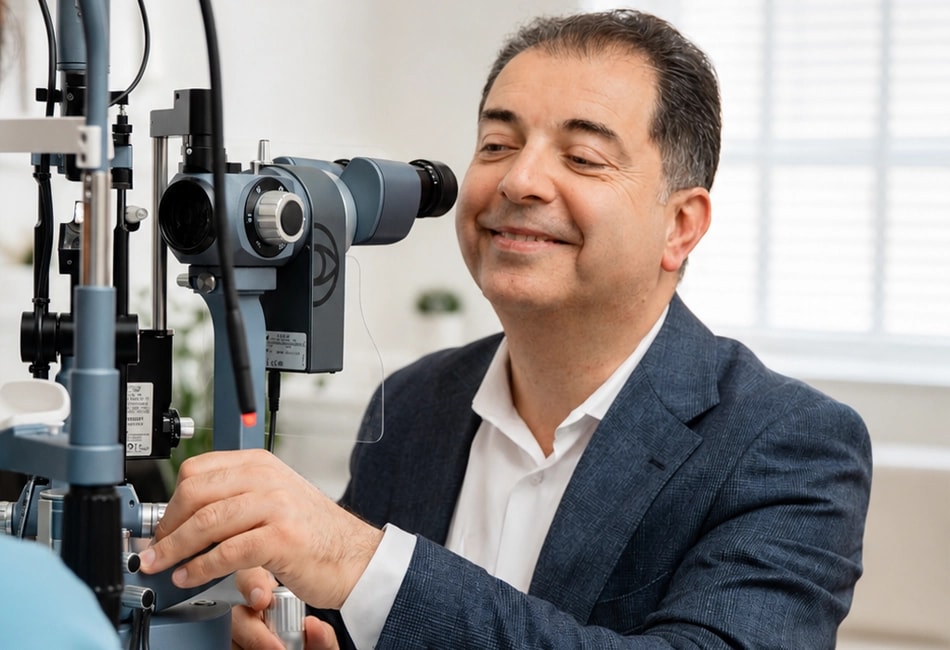
If floaters or flashes are linked to a more serious issue, such as a retinal tear or detachment, prompt treatment is essential. Depending on the findings, management may include observation and regular follow-up, laser treatment or vitrectomy for severe and persistent floaters, or surgery where retinal tears or detachment are detected.
The clinic uses advanced diagnostic imaging and evidence-based treatments to ensure each patient receives appropriate, personalised care. If you are experiencing new floaters, flashes, or any sudden changes in vision, booking an assessment can help clarify the cause and guide the next steps.
Finance & Insurance
Eye Clinic London offers comprehensive eye care with a range of affordable payment and insurance options, handled by our supportive team. For a deeper dive into our services, contact us.






Our Location
Strategically located in Devonshire Street, Harley Medical District, Marylebone, in the heart of London, our clinic is easily accessible, ensuring that your journey to exceptional eye care is as convenient as possible. Our central position ensures that you can easily reach us from various parts of the city.
Devonshire street in Marylebone is not just an address; it’s a hub of convenience and accessibility. With excellent transport links and a wealth of amenities nearby, your visit to Eye Clinic London will be convenient and hassle-free experience.
Whether you are a local resident or visiting from other parts of the UK or abroad, our location will provide you with seamless connection to the private eye doctor in London.
When choosing to travel by public transport please alight at Bond Street Station and walk for 7 mins, alternatively exit at Oxford Circus station or Baker Street Station and walk for 10 mins.
Street parking is available.
Eye Clinic London7 Devonshire StreetLondon, W1W 5DY
The McIndoe CentreHoltye Road EastGrinstead RH19 3EB