Ophthalmologist

Laser Eye Surgery London

Get in Touch

London’s Leading Laser Eye Surgery Treatment Clinic

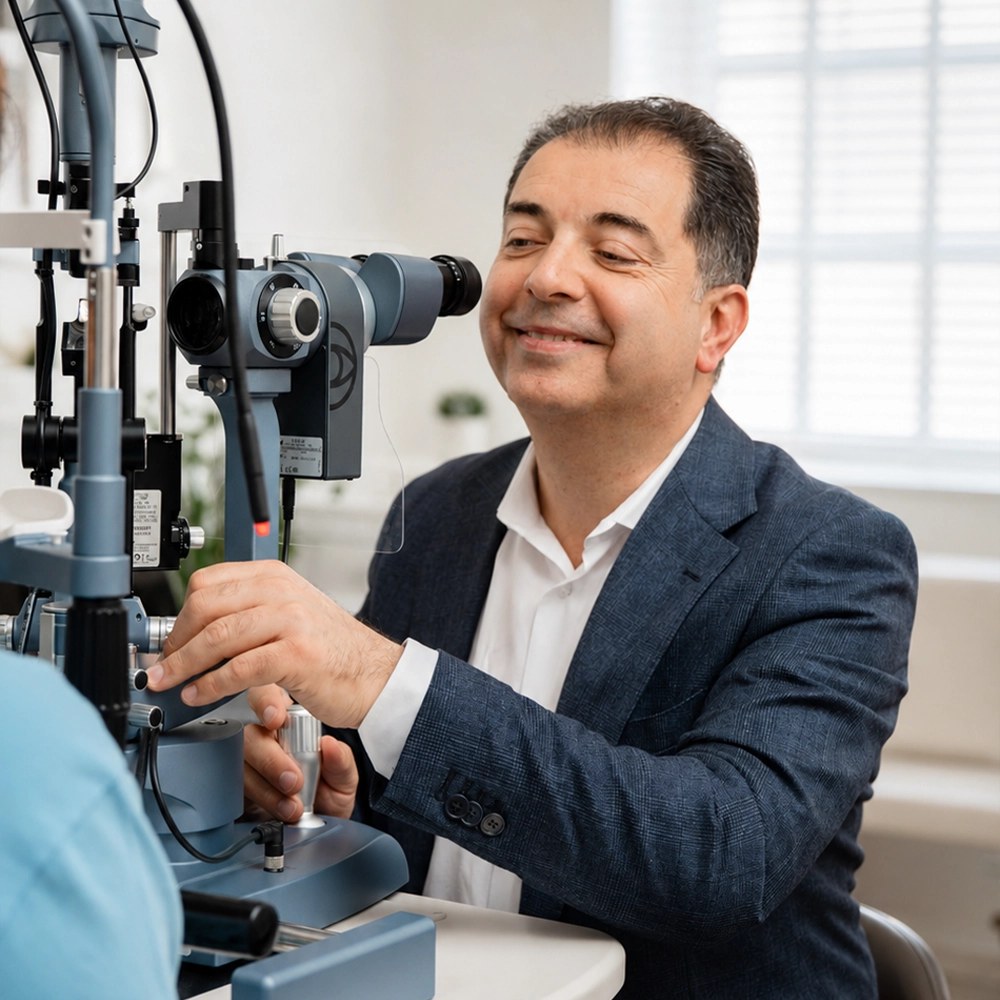
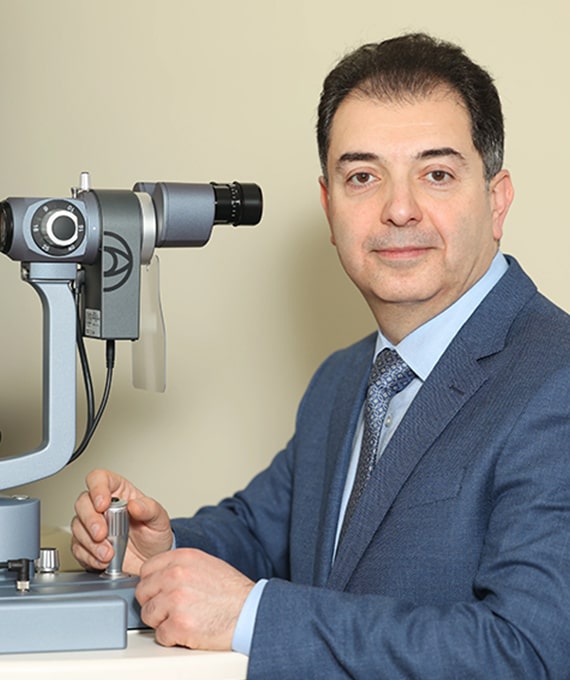
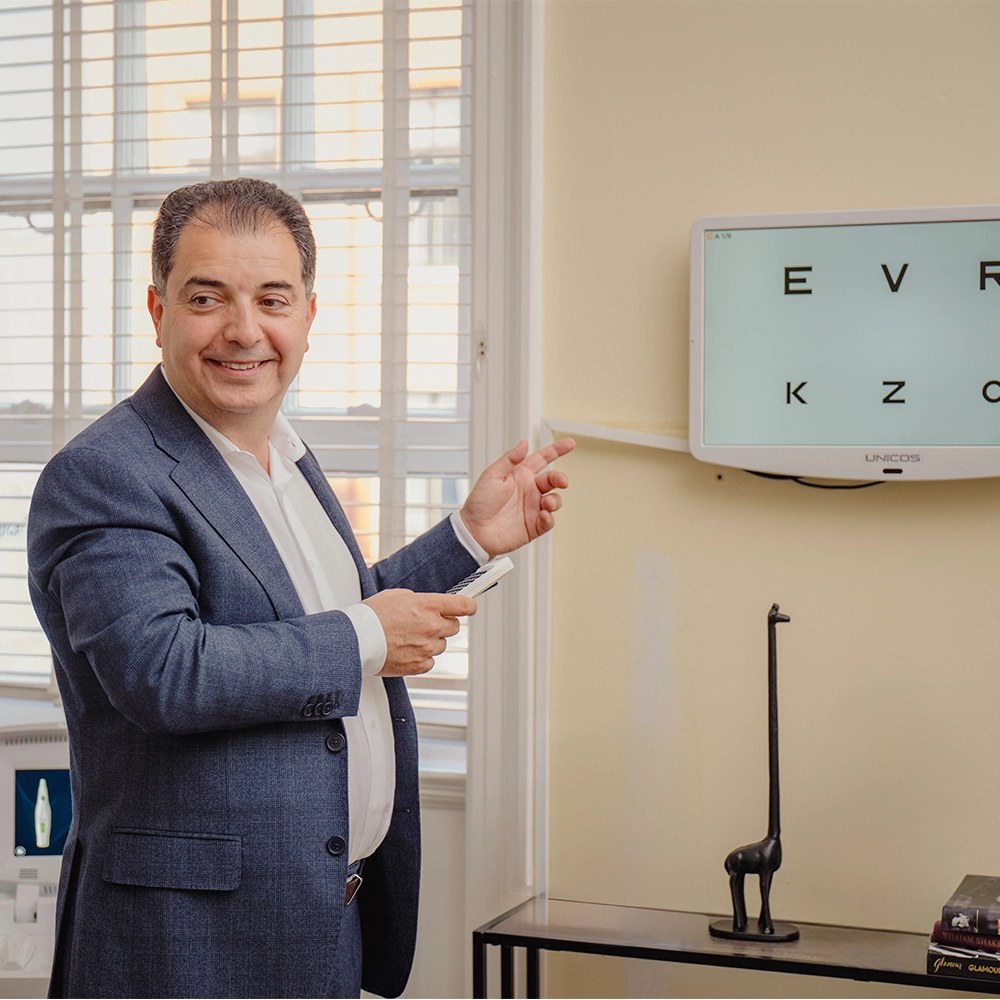
Eye Clinic London is recognised as one of the city’s leading centres for advanced laser eye surgery. Under the care of Mr Samer Hamada, a consultant ophthalmic surgeon with more than 25 years of experience, the clinic combines state-of-the-art diagnostics with highly personalised treatment planning to achieve precise, reliable visual outcomes.

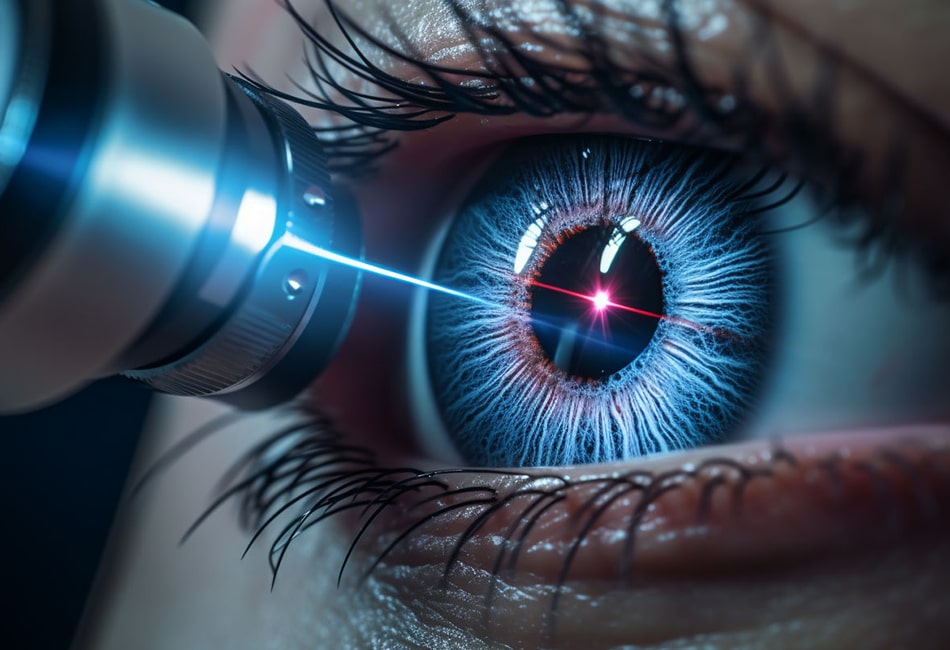
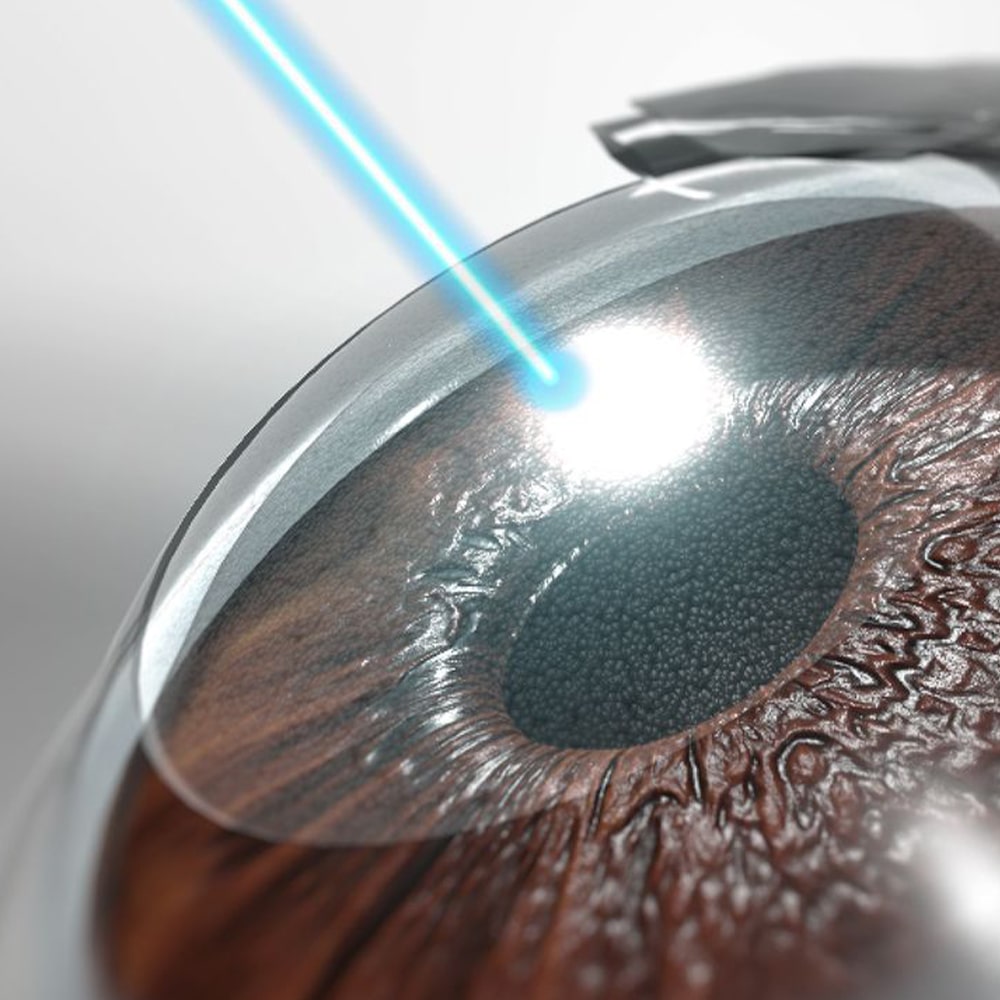
Laser eye surgery covers a range of treatments that correct refractive errors such as short-sightedness, long-sightedness and astigmatism. Using sophisticated laser technology, the cornea is gently reshaped so that light focuses accurately on the retina. This allows patients to enjoy clearer vision without relying on glasses or contact lenses.

The benefits are significant: many patients achieve 20/20 vision or better, recovery is typically quick, and the procedure can greatly improve day-to-day comfort and convenience for anyone who has struggled with the limitations of corrective eyewear.

Types of Laser Surgery

There are several types of laser eye surgery, each with its unique approach and application:

  • LASIK (Laser-Assisted In Situ Keratomileusis): : The most popular type of refractive surgery. It involves creating a think flap in the cornea, reshaping the underlying corneal tissue with a laser, and then repositioning the flap.
  • LASEK (Laser Epithelial Keratomileusis): Similar to PRK, LASEK treats the epithelial layer of the cornea, which is softened and moved aside before the cornea is reshaped with a laser.
  • PRK (Photorefractive Keratectomy): This procedure involves removing a small layer of the corneal surface before reshaping the cornea with laser. PRK is often recommended for patients with thin corneas.
  • SMILE (Small Incision Lenticule Extraction): A minimally invasive procedure where a small, lens-shaped bit of corneal tissue is removed through a small incision, reshaping the cornea.

Each of these procedures has its advantages and ideal applications, making the choice of method a crucial decision based on the patient’s specific vision correction needs and the health of their eyes.

The Procedure: What to Expect

The Procedure: What to Expect

Pre-Operative Assessment

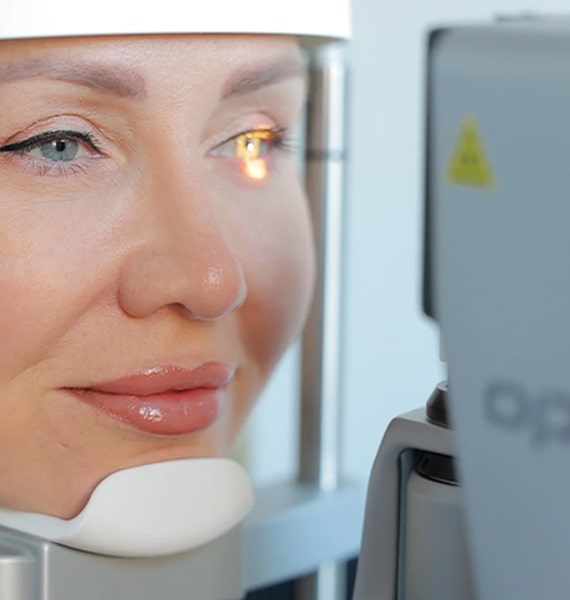
Before considering laser eye surgery, a comprehensive eye examination is essential to determine the patient’s suitability. This assessment includes measing your corneal thickness, curvature, and overall eye health.

Surgery

On the Day of Surgery:

Laser eye surgery is known for its quickness and minimal discomfort. The procedure typically takes about 30 mins.

  • Upon arrival at Eye Clinic London, you'll undergo a final pre-operative assessment.
  • You'll be prepared for surgery, which includes numbing the eyes with drops.
  • During the procedure, Mr. Hamada will use a laser to precisely alter the shape of your cornea. This process typically takes about 10-15 minutes for both eyes.
  • After the surgery, you'll rest briefly in our recovery area before being given post-operative care instructions and discharged to go home.typically takes about 10-15 minutes for both eyes.
recovery time

Recovery Time:

  • Most patients notice improved vision within 24 hours.
  • Patients may experience temporary discomfort, sensitivity to light, or mild irritation.
  • Full recovery and stabilisation of vision might take 2 to 4 weeks.
  • Follow-up visits are scheduled to monitor the healing process.
Benefits of Laser Eye Surgery

Benefits of Laser Eye Surgery

  • Immediate Results: Many patients experience significantly improved vision almost immediately after the procedure. Many achieve 20/20 or better vision.
  • Quick Recovery: Most return to their normal activities within a day or two.
  • Long-term Solution: Offers a permanent alternative to glasses or contact lenses for many.
Risks of Laser Eye Surgery

Risks of Laser Eye Surgery

However, as with any procedure, risks are present. These may include:

  • Dry eyes
  • Glare
  • Halos
  • Rare cases - loss of vision
Suitability and Considerations

Suitability and Considerations

Who It is For: Ideal for individuals over 18 with stable vision prescriptions who seek independence from glasses or contacts.

Considerations: Not suitable for patients with certain corneal diseases, severe dry eyes, or pregnant women.

The Facts and Figures:

  • Over 10 million LASIK surgeries have been performed worldwide.
  • The success rate of LASIK surgery is impressively high, with about 96% of patients achieving their desired vision.
  • Less than 1% of patients experience serious complications.

Treatment for both eyes:

LASIK/LASEK/PRK

£ 4,800

LASIK/LASEK/PRK Complex

£ 6,000

LASIK/LASEK/PRK Blended Vision

£ 5,400
Making the Decision

Making the Decision

The decision to undergo laser surgery should not be taken lightly. It requires careful consideration of the patient’s lifestyle, the specific refractive error, and an understanding of the potential outcomes and risks. Consulting with experienced ophthalmologist, who can provide personalised advice and insight, is an essential step in this transformative journey.

team

Why Choose Eye Clinic London?

Choosing Eye Clinic London means entrusting your vision to one of the most experienced teams globally. Mr. Hamada’s expertise, combined with our cutting-edge diagnostic technology, ensures personalised, precise, and effective treatment, setting you on a path to clearer vision.

clear vision

Embark on Your Journey to Clear Vision

At Eye Clinic London, we're committed to providing you with a seamless and transformative laser eye surgery experience. Contact us today to learn more about how we can help you achieve optimal vision with the guidance and expertise of Mr. Hamada and our advanced surgical techniques.

Frequently Asked Questions About Laser Eye Surgery in London

1. What is the difference between laser eye surgery and lens-based vision correction?

Laser eye surgery reshapes the cornea to improve how light focuses on the retina, while lens-based procedures such as ICL or refractive lens exchange involve placing or replacing a lens inside the eye. Lens-based treatments are typically used for higher prescriptions or age-related changes.

2. How long should my prescription be stable before considering laser eye surgery?

It’s generally recommended that your prescription remains stable for at least 12–18 months before undergoing treatment. A small fluctuation is normal, but significant changes may indicate that your eyes are not yet ready for a permanent correction.

3. Is laser eye surgery suitable if I have very dry eyes?

Some patients with mild dryness can still have laser treatment, but those with moderate to severe dry eye symptoms may require management first. Your consultation will include tear film testing to determine whether laser eye surgery is safe and comfortable for you.

4. What scans are performed before laser eye surgery?

A comprehensive assessment typically includes corneal mapping, pupil measurements, tear film analysis and retinal checks. These scans create a detailed profile of your eyes, enabling highly precise, customised treatment.

5. How long does it take to recover after laser eye surgery?

Recovery time depends on the technique used. LASIK offers the fastest improvement, often within 24 hours, while surface-based treatments such as LASEK or PRK require a longer healing period. Your surgeon will outline exactly what to expect based on your chosen procedure.

6. Can laser eye surgery correct both distance and reading vision?

Yes. Depending on your age and eye health, blended vision or monovision can be used to reduce your dependence on reading glasses. This is assessed carefully during your consultation to ensure the visual balance feels natural for you.

7. Does laser eye surgery carry a risk of night glare or halos?

Some patients notice temporary glare or halos around lights during the early healing phase. These effects usually settle as the cornea recovers and the visual system adapts. Modern wavefront-guided treatments significantly reduce the likelihood of long-term night vision disturbances.

8. How long does the procedure take, and will I need someone with me?

The treatment itself is very quick — normally under 15 minutes for both eyes — but you should allow around two hours at the clinic for preparation and aftercare checks. You will need someone to take you home as your vision may be hazy immediately afterwards.

9. Is laser eye surgery suitable if I work long hours on a computer?

Yes, many people who work in digital or office-based environments opt for laser eye surgery. You may need to take short breaks during the early days of healing to prevent dryness, but most patients return to computer work within a few days.

10. Can I travel shortly after having laser eye surgery?

Short trips are usually fine after a few days, but long-haul flights or dusty environments may require extra caution. Dry cabin air on planes can increase irritation, so your surgeon may recommend frequent lubrication during travel.

11. Are enhancements or fine-tuning procedures common after laser eye surgery?

Enhancement procedures are uncommon but can be performed if your vision settles slightly off target. Whether an enhancement is suitable depends on your corneal thickness and how your prescription stabilises after the initial surgery.

12. How safe is laser eye surgery overall?

Laser eye surgery is one of the most extensively researched elective procedures worldwide, with a strong safety profile when carried out by experienced surgeons. Thorough pre-operative testing is key to ensuring the best possible outcome.

Finance & Insurance

Eye Clinic London stands for easily obtainable, superior eye care, supported by variety of payment methods and insurance choices. Contact us for a more complete picture.

Our Location

Strategically located in Devonshire Street, Harley Medical District, Marylebone, in the heart of London, our clinic is easily accessible, ensuring that your journey to exceptional eye care is as convenient as possible. Our central position ensures that you can easily reach us from various parts of the city.

Devonshire street in Marylebone is not just an address; it’s a hub of convenience and accessibility. With excellent transport links and a wealth of amenities nearby, your visit to Eye Clinic London will be convenient and hassle-free experience.

Whether you are a local resident or visiting form other parts of UK or abroad, our location will provide you with seamless connection to the private eye doctor in London.

When choosing to travel by public transport please alight at Bond Street Station and walk for 7 mins, alternatively exit at Oxford Circus station or Baker Street Station and walk for 10 mins.

Street parking is available.

Eye Clinic London 7 Devonshire Street
London, W1W 5DY

The McIndoe Centre Holtye Road East
Grinstead RH19 3EB