



Cataract Surgery London
Book Your FREE Cataract Consultation
Book Your FREE Cataract Consultation
Leading Private Cataracts Surgery in London
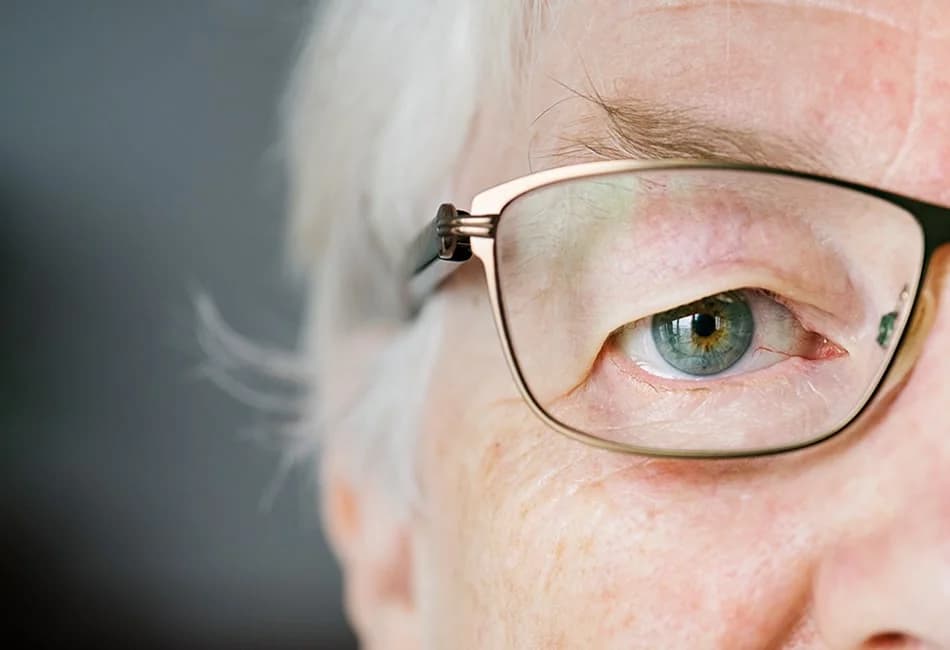
Do you experience glare and halos around lights, especially while driving at night? This is a common symptom of cataracts. Our team at Eye Clinic London is ready to guide you towards a solution that fits your lifestyle, including private cataract surgery tailored to your unique needs.
Welcome to our brief guide on cataracts, a prevalent eye condition that can significantly affect vision. Cataracts occur when the lens of your eye becomes cloudy, often due to aging, genetics, medications, or underlying health issues. Engaging in private cataract treatment early can prevent further deterioration of vision.
Treatment
Cataracts are treatable through surgery. Advancements in surgical techniques have revolutionised the treatment landscape for cataracts, providing an effective solution through cataract surgery. This treatment includes the removal of the cloudy lens and the insertion of an artificial intraocular lens (IOL). Opting for private cataract surgery at Eye Clinic London means choosing a path towards rapid recovery and improved vision.
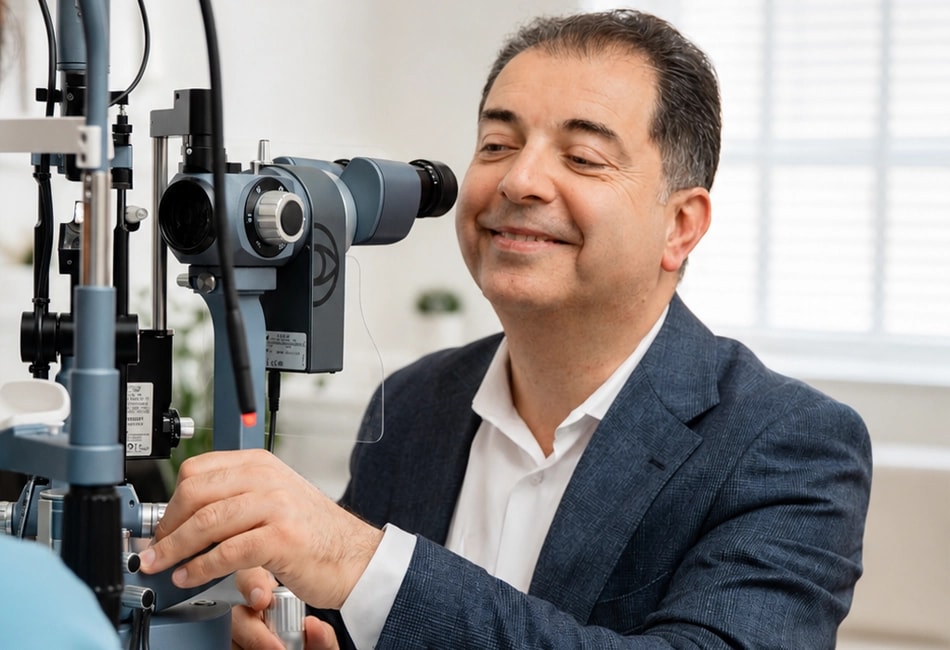
At Eye Clinic London, your private cataract surgery is in safe hands. We employ the latest femtosecond laser technology for precise and minimally invasive procedures. Our experienced consultant ophthalmic surgeon implements a seamless blend of expertise and latest innovations in cataract surgery. Mr. Samer Hamada, the founder and medical director, has performed cataract surgery on more than 20,000 eyes with a 0% capsule rupture rate (CTR), reflecting our commitment to Private and safe care.
Featured in







Learn what our patients say about our cataracts surgery...
Recognised Excellence & Patient Trust



Tailored Cataract Treatments
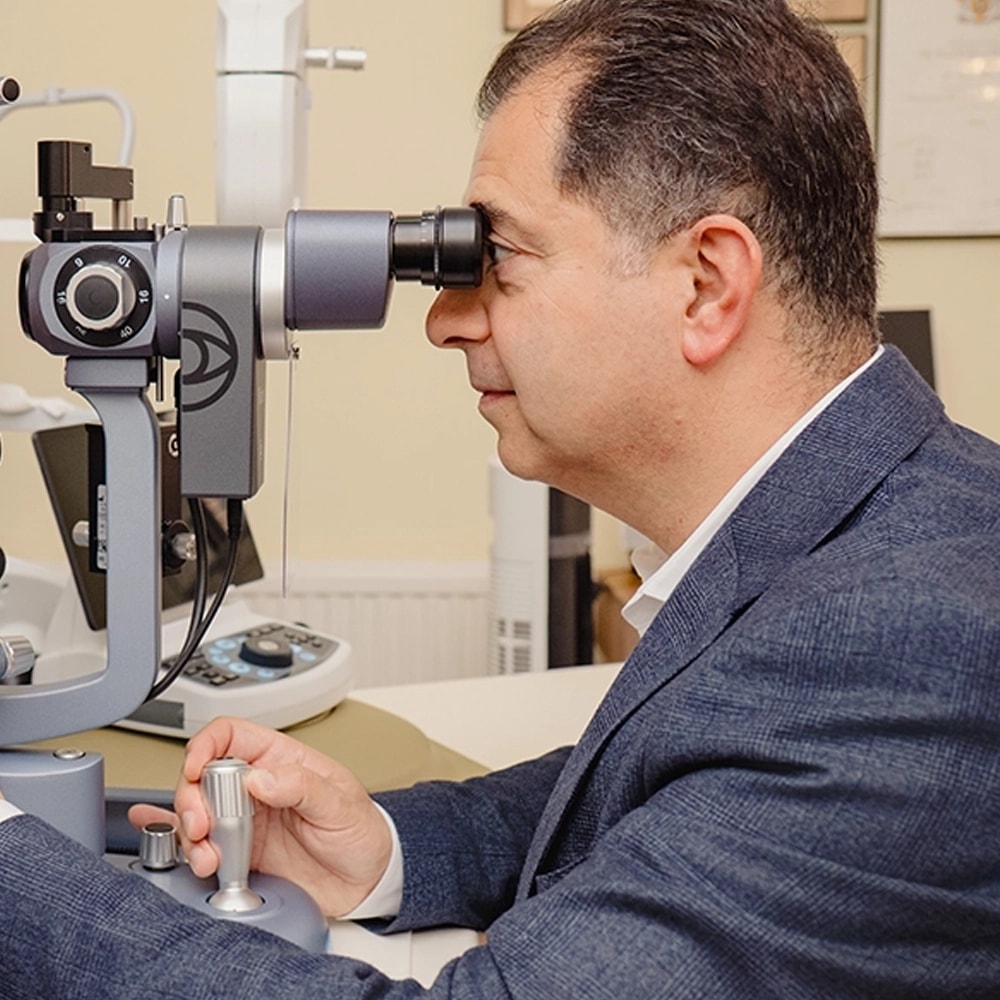
Tailored private cataract treatments at Eye Clinic London are the cornerstone of our practice, ensuring each cataract surgery is customised to patient’s specific conditions. Our surgeon, with over 25 years of experience, provides personalized cataract surgery plans, ensuring each patient receives the private attention they deserve.
The primary solution for cataracts is surgical intervention, where the cloudy lens is replaced with a clear, artificial one. Cataract surgery, a key aspect of our cataract treatment, is carried out with precision, giving patients the chance to enjoy life without the hindrance of cataracts.
Affiliations and Memberships
We are proud to be associated with the following organisations








Pricing Details - Cataracts Treatments
Monofocal Lens
From
- Includes surgeon fees
- Includes lens fees
- Includes hospital fees
- Includes 6 weeks worth of follow up appointments
- Includes a lens that corrects distance vision
Monofocal Toric Lens
From
- Includes surgeon fees
- Includes lens fees
- Includes hospital fees
- Includes 6 weeks worth of follow up appointments
- Includes a lens that corrects distance vision
Multifocal Lens
From
- Includes surgeon fees
- Includes lens fees
- Includes hospital fees
- Includes 6 weeks worth of follow up appointments
- Includes a lens that corrects distance vision
Multifocal Toric Lens
From
- Includes surgeon fees
- Includes lens fees
- Includes hospital fees
- Includes 6 weeks worth of follow up appointments
- Includes a lens that corrects distance and near vision, and astigmatism

Causes
As time goes on and lens proteins clump together, it causes cloudiness and interferes with the passage of the light. This clouding effect progresses slowly, leading to a gradual decline in vision.
You might notice your vision becoming blurred, especially at night. You may find it more difficult to see clearly, especially at night, experience a yellowish or browning effect in your vision, increased sensitivity to glare, and a need for brighter light when reading.
Success Rate For Cataract Surgery
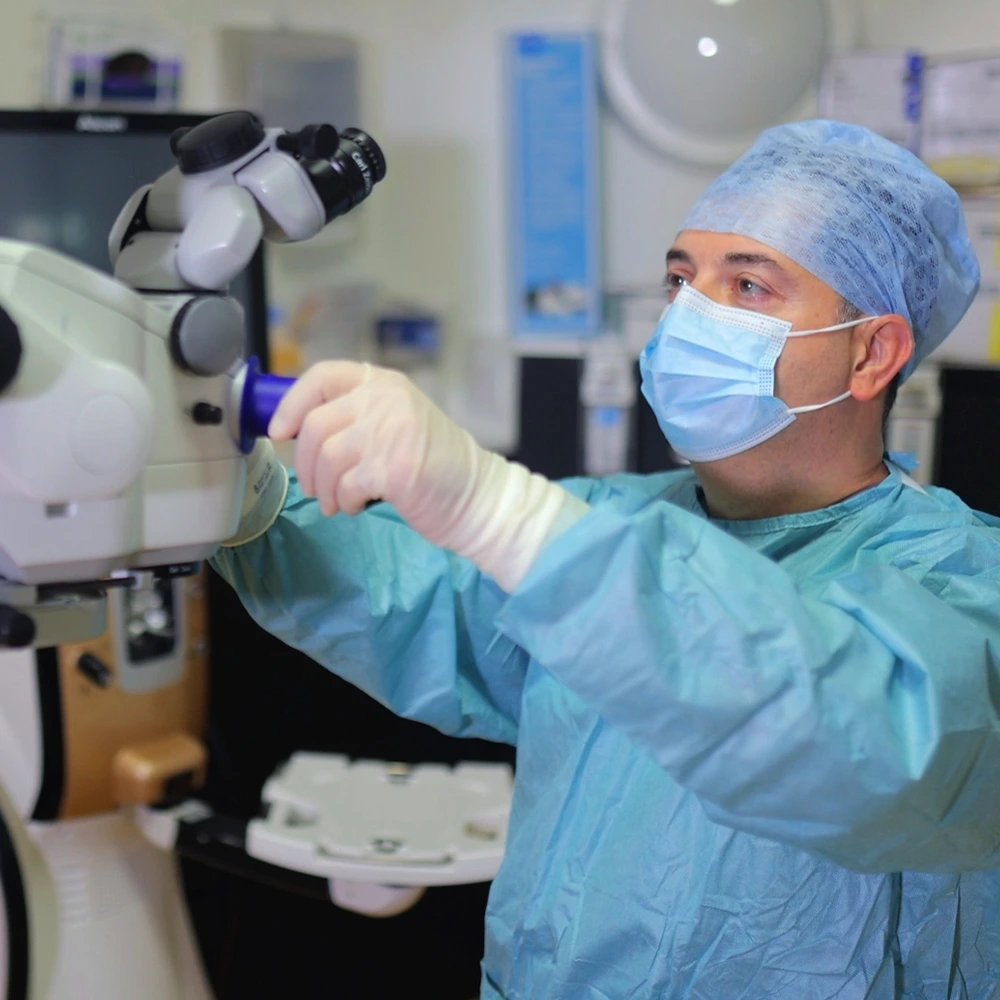
Success Rate For Cataract Surgery at our clinic is exemplary, with cataract surgery providing high rates of patient satisfaction and improved quality of life. As one of the most frequently performed surgeries in the UK, Private cataract surgery at Eye Clinic London stands out for its and successful outcomes.
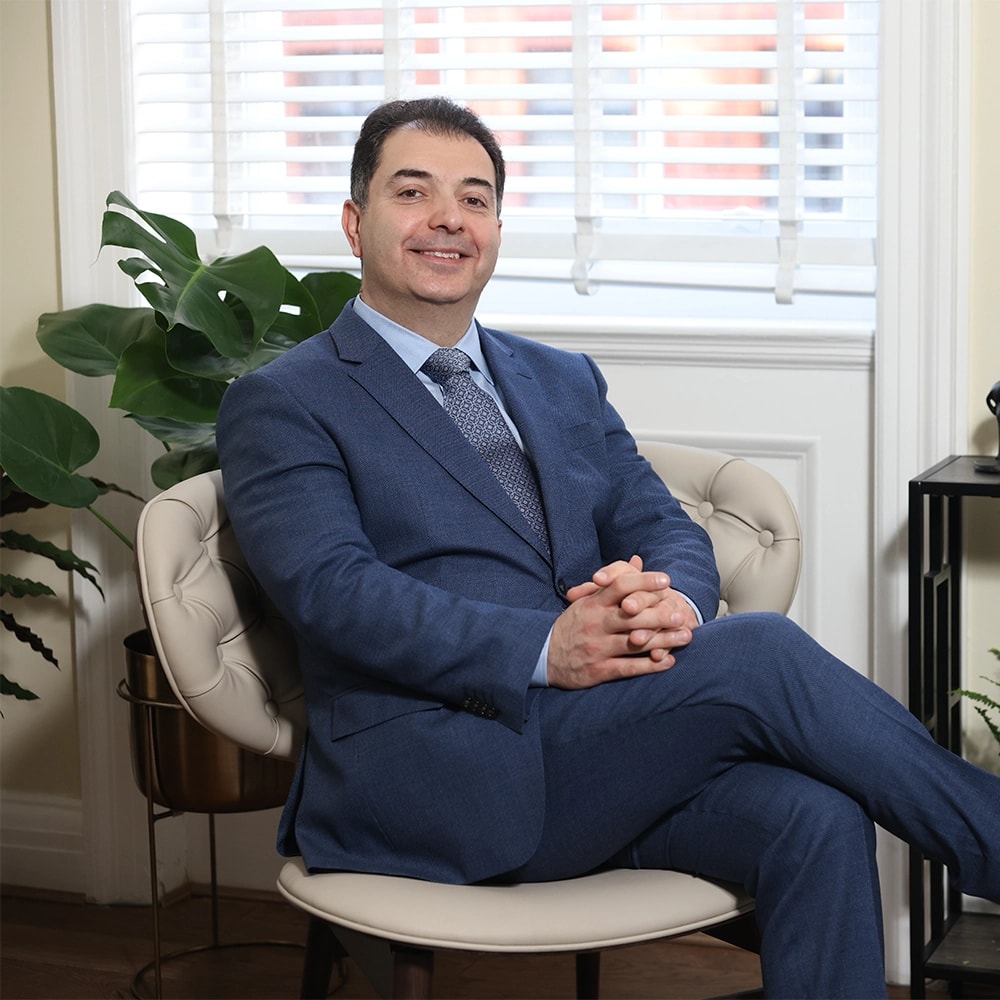
Expert Cataract Care by Mr. Hamada
Mr. Hamada stands at the forefront of cataract treatment, merging two decades of expertise with cutting-edge diagnostic techniques to offer patients unparalleled care. His specialty lies in transforming the lives of those afflicted by cataracts through meticulously performed surgeries that promise not only the highest safety standards, exemplified by a 0% posterior capsule rupture rate but also a profound improvement in vision. Patients benefit from Mr Hamada’s advanced approach to cataract removal, experiencing significant enhancements in their lifestyle. With a focus on safety and the adoption of the latest treatment techniques, Mr Hamada ensures each patient receives a tailor-made solution for their vision needs, leading to exceptional outcomes and an improved quality of life.
Why Choose Eye Clinic London?
Opting for Eye Clinic London for your cataract treatment and cataract surgery brings several advantages:
Expertise
Our experienced surgeon ensures top-notch care for your eyes.
Advanced Technologies
We utilise cutting-edge equipment for the best surgical outcomes.
Personalised Attention
Each patient receives a customised treatment plan.
Tailored Lens Selection:
Mr Hamada carefully considers each patient’s lifestyle, expectations, and personal eye health measurements to select the most suitable intraocular lens — ensuring the best possible visual outcome for daily life.
Rapid Recovery
Our modern techniques typically result in quick and easy recoveries.
Private Sector Quality Care
Experience attentive, high-quality care in a comfortable setting.

Side Effects of Cataract Surgery
Any surgery has side effects, and you may experience some, all or none of them. Most are not cause for concern, but if you are worried, it is always best to discuss what you are experiencing with your doctor. Some of the common side effects of cataract surgery include:
- Dry eyes
- Itchiness
- Grittiness
- Bloodshot eyes
- Blurred or double vision
Side Effects of Cataract Surgery are typically minor and temporary. Our team is committed to providing comprehensive care throughout your cataract treatment process, ensuring any side effects are managed with the highest standard of Private care.
Everything you need to know about cataract surgery
Cataract surgery is a world-renowned lens replacement surgery, where your natural lens is replaced with an intraocular, artificial lens. It is carried out when the original lens has become cloudy white or 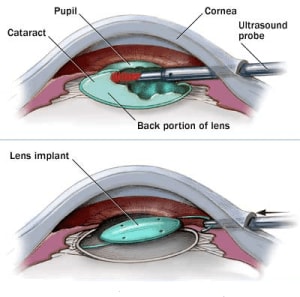 yellowish in colour, due to opacification, causing a frosted glass-like effect. This will usually be the result of an ageing process or an injury.
If cataracts impair your vision severely and interfere with your lifestyle, making it hard to complete even the simplest tasks, bringing feelings of anxiety and frustration and ultimately affecting your mental health, it is necessary to undergo the surgery. However, if your vision is still good, you may not need cataract surgery immediately and many patients can wait for years before having the procedure. Your doctor can give you a clearer picture of what to expect.
Before going ahead with the surgery, it’s important to make sure all of your questions have been answered and you are 100% ready to go ahead. To make sure you cover everything, here is a list of questions you should ask your surgeon before cataract surgery.
Before Cataract Surgery
Before the surgery, your doctor will use an ultrasound device to measure the size and shape of your eye. This will allow the surgeon to identify the best artificial lens to use. There are a few different lenses available that may be suitable for you:
- Monofocal IOL
- Multifocal IOL
- Toric IOL
Your doctor will discuss the options and benefits of each before your surgery.
During Cataract Surgery
The surgery will begin with a nurse using eye drops to numb your eye and dilate the pupil. You may also be offered a sedative to help you relax during surgery.
There are two techniques that are mainly used in the UK and other developed countries to perform cataract surgery:
- Phacoemulsification: involves the use of the machine with an ultrasonic handpiece, vibrating at a frequency of 40.000 Hz. It emulsifies the cataract lens. Another small instrument ("cracker" or "chopper") is used to fragment the nucleus into smaller pieces. It’s then removed by another system, called I-A. A foldable lens is inserted. A small incision, about 2-3mm is used to perform this technique and it doesn’t require stitches.
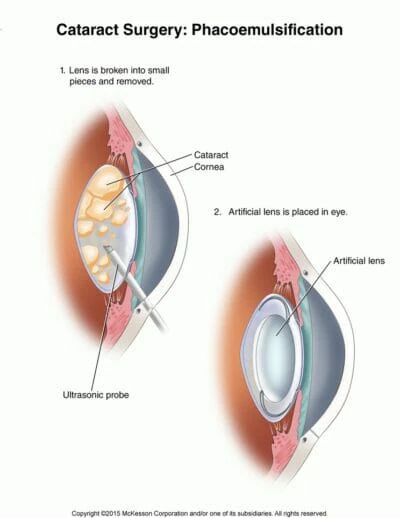
- Extracapsular Cataract extraction: is used when the lens needs to be removed in one piece. A larger incision of around 10-12mm is required. And stitches will be needed, which may prolong the recovery. This technique will be performed if the cataract is too hard and phacoemulsification isn’t possible.
As the surgeon operates, you may feel some very light sensations, but you shouldn’t feel any pain or discomfort, as anaesthetising eye drops are used prior to and throughout the procedure.
Cataract surgery is an outpatient procedure, and you will be discharged on the same day. The surgery will usually take approximately 10 to 20 minutes. You will then be kept for observation for at least an hour until your doctor is satisfied that the surgery has gone well. Your surgical team will provide you with all necessary instructions, drops and oral medications for the best recovery outcome.
Once the surgery is completed, your doctor will usually give you protective glasses to wear to help your eyes to heal.
Your surgical team will provide you with all necessary instructions, drops and oral medications for the best recovery outcome. The overall cataract surgery recovery time will take around a week, and during this time, you should follow your doctor’s instructions on how to promote a healthy recovery. You should talk to your doctor about when it is safe to start driving or return to work. This should be around a week post-surgery.
Some of the things you should do during recovery to help your eyes heal include:
- Use the eyedrops provided per your doctor’s instructions
- Rest
- Use the protective glasses provided while you sleep and wash your hair
- Take over-the-counter pain medication if needed
Some of the things you should avoid during recovery include:
- Swimming
- Driving
- Strenuous activity
- Touching your eyes
- Getting water in your eyes
- Using hot tubs or saunas
- Wearing eye makeup
- Contact with dust
For more information, please read our article on the dos and don’ts after cataract surgery.
With any surgery, there is a risk of complications, so it is important to be informed and understand what to look for. Most cataract surgery complications are rare, provided proper after-surgery care is taken. Some of the more common complications that can be treated at home include:
- Pain – a common complication best treated using painkillers. Swelling – this should usually resolve on its own, but medication can be prescribed to help.
- Dry eyes – this can be alleviated using eye drops recommended by your doctor.
- Floaters – these are a common eye occurrence, but you should talk to your doctor to ensure they are not a sign of something more serious.
Issues that require more immediate and professional medical intervention can include:
- Infection – this is rare but can be effectively treated using antibiotics.
- Bleeding – a rare complication that can impact those with diabetes or high blood pressure. Contact your doctor urgently if you notice any bleeding, particularly if it will not stop.
- Detached retina – a complication requiring urgent medical attention. It can appear with some vision loss, flashes of light or floaters.
- Vision loss – in some very rare cases, some or all vision may be lost as a result of the surgery.
Any surgery has side effects, and you may experience some, all or none of them. Most are not cause for concern, but if you are worried, it is always best to discuss what you are experiencing with your doctor. Some of the common side effects of cataract surgery include:
- Dry eyes
- Itchiness
- Grittiness
- Bloodshot eyes
- Blurred or double vision
These side effects should usually resolve on their own within a few weeks. If they are causing you pain or discomfort, discuss your options for treating side effects with your doctor.
Cataract surgery is a highly effective procedure that can give those with cataracts their vision back. This can allow you to continue living your life as usual, working and enjoying your family life without the worry of vision loss. Other benefits of cataract surgery include:
- Speedy recovery
- Quick outpatient procedure
- Better eye health
- Improved vision
The success rate is high for cataract surgery, and it is one of the most commonly performed surgeries in the UK. The chance of an unsuccessful procedure is minuscule.
Our highly accomplished refractive surgeon, Mr Samer Hamada, with 0% posterior capsule tear and the lowest complication rate in the world, is proud that all his patients achieve maximum visual potential with 100% perfect centration of intraocular lens implants (IOL).
If you want to learn more about the benefits of cataracts and get the best care available from the brightest surgical mind in the country, contact Eye Clinic London today for a consultation.
Finance & Insurance
Accessible top-tier eye treatment is our promise. Explore our adaptable payment options and let our team manage the finances while you focus on your health. Don’t hesitate to contact us for extra information.






Our Location
Strategically located in Devonshire Street, Harley Medical District, Marylebone, in the heart of London, our clinic is easily accessible, ensuring that your journey to exceptional eye care is as convenient as possible. Our central position ensures that you can easily reach us from various parts of the city.
Devonshire street in Marylebone is not just an address; it’s a hub of convenience and accessibility. With excellent transport links and a wealth of amenities nearby, your visit to Eye Clinic London will be convenient and hassle-free experience.
Whether you are a local resident or visiting form other parts of UK or abroad, our location will provide you with seamless connection to the private eye doctor in London.
When choosing to travel by public transport please alight at Bond Street Station and walk for 7 mins, alternatively exit at Oxford Circus station or Baker Street Station and walk for 10 mins.
Street parking is available.
Eye Clinic London7 Devonshire StreetLondon, W1W 5DY
The McIndoe CentreHoltye Road EastGrinstead RH19 3EB