New Research on Neuroprotection in Glaucoma

2026-06-26T11:42:09+00:00

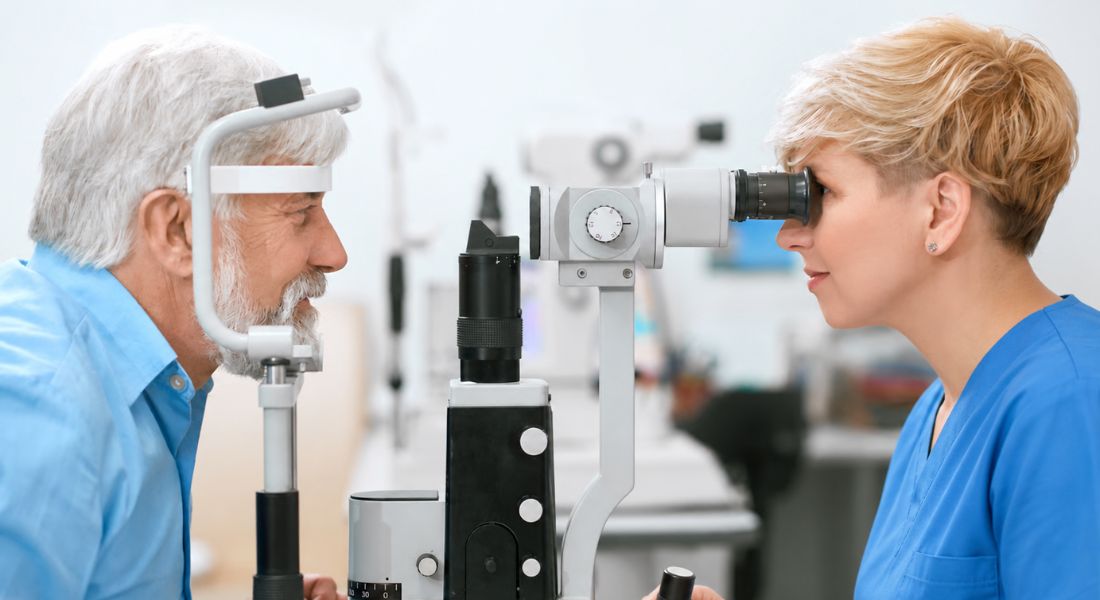
Glaucoma is a progressive eye condition that can lead to irreversible vision loss if not managed effectively. It is mainly linked to increased intraocular pressure, but you should know that optic nerve damage can still continue even when pressure is controlled. This is why you may hear more about neuroprotection as an additional treatment approach. Neuroprotection focuses on protecting the optic nerve and retinal ganglion cells, which carry visual signals from your eye to your brain. By supporting the health
New Research on Neuroprotection in Glaucoma2026-06-26T11:42:09+00:00

Latest Research on Artificial Intelligence in Glaucoma Diagnosis

2026-06-26T12:02:07+00:00

Artificial intelligence (AI) is rapidly changing the way many medical conditions are detected and managed, and glaucoma is one of the areas seeing significant advances. If you are concerned about protecting your vision, you may be interested to know that AI is helping researchers develop new ways to identify glaucoma earlier, when treatment is often most effective. Glaucoma is often called the "silent thief of sight" because it can progress without obvious symptoms in its early stages. You may not

Latest Research on Artificial Intelligence in Glaucoma Diagnosis2026-06-26T12:02:07+00:00

New Research on Stem Cell Therapy in Paediatric Ophthalmology

2026-06-26T11:58:43+00:00

Stem cell research is one of the most exciting areas of modern medicine, with scientists exploring new ways to repair damaged tissues, replace lost cells, and improve treatment outcomes. If you are interested in the future of eye care, you may find it encouraging that stem cell therapies are attracting growing attention in ophthalmology, particularly because many eye conditions involve damage to specialised cells that cannot naturally regenerate. In paediatric ophthalmology, researchers are investigating whether stem cells could one day

New Research on Stem Cell Therapy in Paediatric Ophthalmology2026-06-26T11:58:43+00:00

New Research on Childhood Strabismus and Eye Alignment Disorders

2026-06-25T12:34:05+00:00

Strabismus, often called “crossed eyes” or “squint”, is a condition where the eyes do not line up properly. If your child has strabismus, you may notice that one eye turns in, out, up, or down while the other looks straight ahead. This can affect their vision, depth perception, and confidence. Over the past decade, research has helped specialists understand more about why strabismus happens, how it can be detected earlier, and which treatment options may help children most. Today, research

New Research on Childhood Strabismus and Eye Alignment Disorders2026-06-25T12:34:05+00:00

Latest Advances in Childhood Cataract Research

2026-06-25T12:32:23+00:00

Childhood cataracts are an important cause of visual impairment in infants and children worldwide. Unlike age-related cataracts, they can be present at birth or develop during early childhood. If your child has a cataract that is not diagnosed and treated promptly, it may affect normal visual development and lead to long-term vision problems. Early detection is often key to achieving the best possible outcome. Over the past decade, researchers have made significant progress in understanding the causes, diagnosis, and management

Latest Advances in Childhood Cataract Research2026-06-25T12:32:23+00:00

Latest Research on Digital Eye Strain in Children

2026-06-25T12:17:54+00:00

Digital device use has increased dramatically among children over the past decade. Smartphones, tablets, laptops, and educational screens are now part of daily learning, entertainment, and communication. As a parent or caregiver, you may notice that your child spends much more time on screens than children did in the past. This growing exposure has raised concerns about how prolonged screen use may affect the developing visual system. Digital eye strain, sometimes called computer vision syndrome, refers to a group of

Latest Research on Digital Eye Strain in Children2026-06-25T12:17:54+00:00

New Research on Retinopathy of Prematurity

2026-06-24T11:53:10+00:00

If your baby has been born prematurely, you may have heard about retinopathy of prematurity (ROP), a condition that can affect the developing retina. ROP is a common cause of vision problems in premature babies. It happens when the blood vessels in the retina grow abnormally after birth. As advances in neonatal care help more premature babies survive and thrive, the importance of early screening and treatment has become even greater. Thanks to ongoing research, doctors now understand ROP better

New Research on Retinopathy of Prematurity2026-06-24T11:53:10+00:00

Latest Research on Artificial Intelligence in Paediatric Eye Care

2026-06-24T11:52:19+00:00

Artificial intelligence (AI) is becoming an increasingly important topic in healthcare, and its potential applications in paediatric eye care are attracting significant attention. Researchers are exploring how AI could help identify eye conditions earlier, support diagnosis, and assist with ongoing monitoring. If you are interested in emerging medical technologies, you may find it fascinating to see how AI is beginning to influence the future of ophthalmology. Paediatric eye care can be particularly challenging because children do not always recognise or

Latest Research on Artificial Intelligence in Paediatric Eye Care2026-06-24T11:52:19+00:00

New Research on Amblyopia Treatment in Children

2026-06-24T11:51:33+00:00

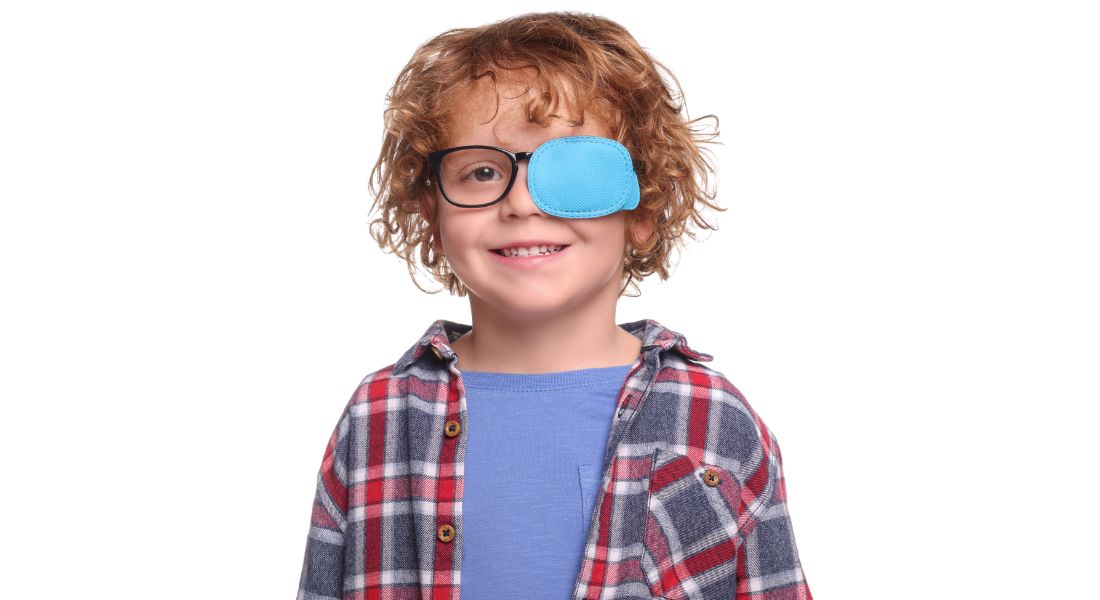
Amblyopia, often called "lazy eye", is one of the most common causes of reduced vision in children. The condition develops when one eye does not achieve normal visual development during early childhood. If your child has amblyopia and it is left untreated, vision in the affected eye may remain weaker than normal into adulthood. This is why early detection and treatment are often so important. For many years, patching therapy has been the standard treatment for amblyopia. While patching continues

New Research on Amblyopia Treatment in Children2026-06-24T11:51:33+00:00

Latest Advances in Gene Therapy for Inherited Retinal Diseases in Children

2026-06-23T11:07:19+00:00

Gene therapy is rapidly changing the field of ophthalmology, particularly in the treatment of inherited retinal diseases in children. If your child is affected by a genetic eye condition, you may find it encouraging that these disorders, which can lead to progressive vision loss from an early age, now have emerging treatment possibilities that were not available in the past. The core idea behind gene therapy is to target the root cause of disease at a genetic level rather than

Latest Advances in Gene Therapy for Inherited Retinal Diseases in Children2026-06-23T11:07:19+00:00