


New Research on Childhood Strabismus and Eye Alignment Disorders
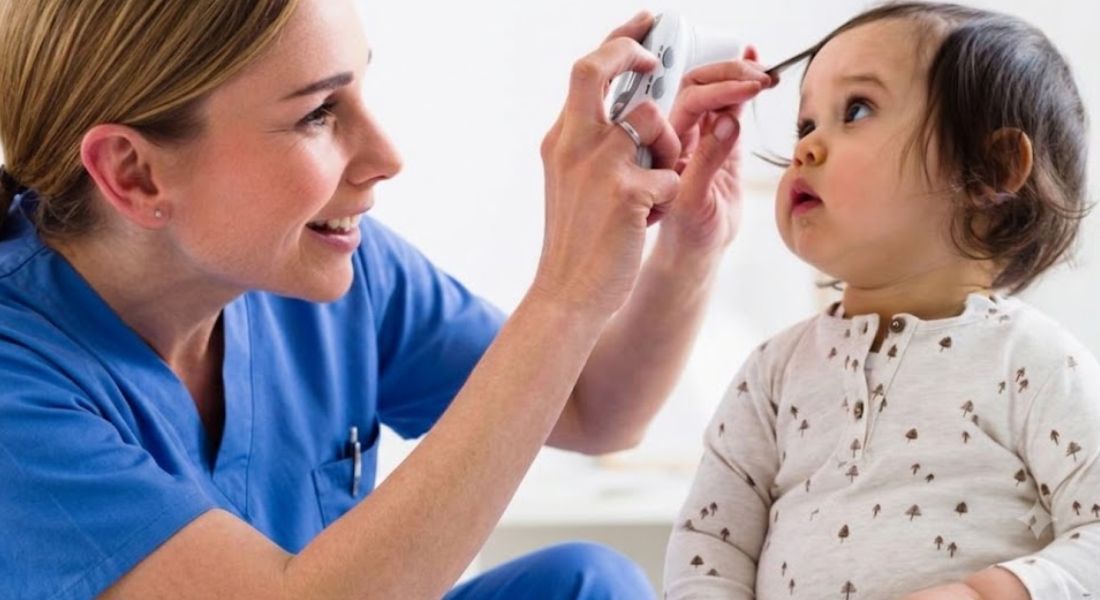
Strabismus, often called “crossed eyes” or “squint”, is a condition where the eyes do not line up properly. If your child has strabismus, you may notice that one eye turns in, out, up, or down while the other looks straight ahead. This can affect their vision, depth perception, and confidence.
Over the past decade, research has helped specialists understand more about why strabismus happens, how it can be detected earlier, and which treatment options may help children most. Today, research is no longer focused only on surgery. Experts are also looking at non-surgical treatments, how both eyes learn to work together, and whether genetics may play a role in some cases.
As a parent or caregiver, staying informed can help you recognise possible signs earlier, seek specialist advice at the right time, and feel more confident when you are making decisions about your child’s care.
Understanding Strabismus in Children
Strabismus occurs when your child’s eyes are not properly aligned, with one eye turning inwards, outwards, upwards, or downwards. This misalignment may be present all the time, or it may only appear occasionally, especially when your child is tired or focusing on certain tasks.
The condition can affect binocular vision, which means your child’s eyes may not work together as a coordinated pair. When this happens, it can interfere with depth perception and may increase the risk of amblyopia, commonly known as “lazy eye”, where one eye does not develop normal vision.
Early detection is important because timely treatment can help prevent long-term vision problems and support healthy visual development. If you notice any signs of eye misalignment, it is best to seek professional advice as early as possible.
Types of Childhood Strabismus
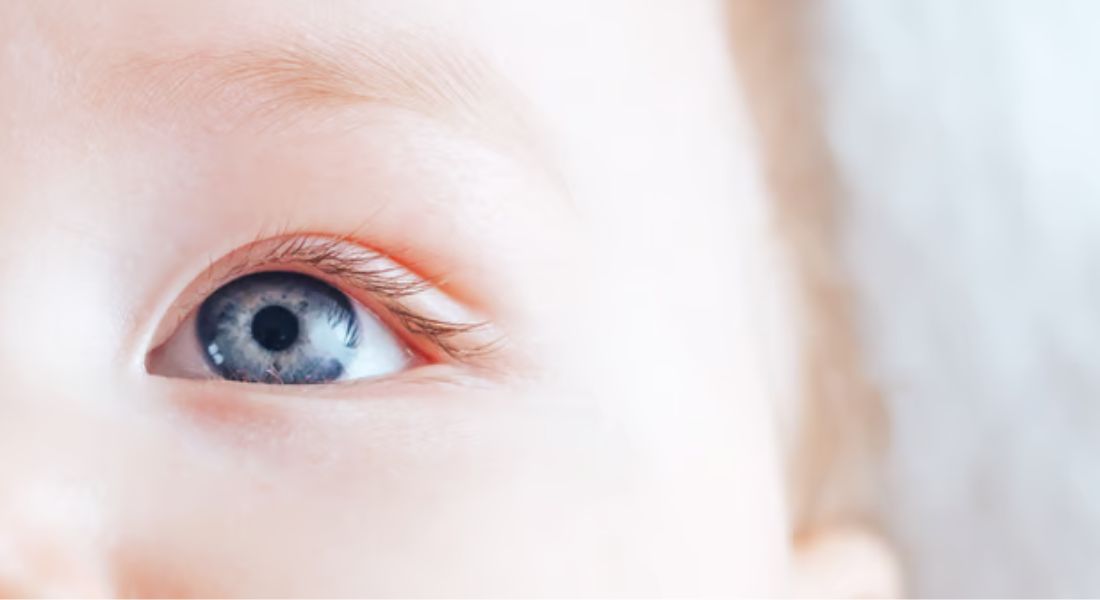
If your child has been diagnosed with strabismus, you may be told that the condition can present in different ways depending on the direction in which the eye turns. Identifying the specific type of strabismus is an important part of diagnosis because it helps your eye specialist understand how your child’s eyes are aligned and how their vision may be affected. The type of strabismus your child has can also influence the most appropriate treatment approach. Understanding these different forms can help you feel more informed about your child’s condition and care.
- Esotropia (Eye Turns Inwards): If your child has esotropia, one or both eyes turn towards the nose. You may notice this all the time, or you may see it more clearly when your child is tired, unwell, or concentrating on nearby objects.
- Exotropia (Eye Turns Outwards): With exotropia, one or both eyes drift away from the nose. You may notice this when your child is looking into the distance, daydreaming, or feeling tired, and it can sometimes become more noticeable over time.
- Hypertropia (Eye Turns Upwards): If your child has hypertropia, one eye sits higher than the other and turns upwards. You may notice your child tilting their head or adjusting their posture to help their eyes work together more comfortably.
- Hypotropia (Eye Turns Downwards): In hypotropia, one eye turns downwards compared with the other eye. This can affect how your child uses both eyes together and may increase the risk of vision development problems if not assessed and treated appropriately.
Different types of childhood strabismus can affect your child’s vision in different ways, which is why an accurate diagnosis is so important. If you notice any signs of eye misalignment, seeking professional advice can help ensure your child receives appropriate care. Early assessment allows your specialist to determine the type of strabismus and recommend the most suitable treatment. With timely management, you can help support your child’s visual development and long-term eye health.
Genetic and Environmental Factors
Recent research has highlighted that genetics can play an important role in strabismus. If there is a family history of the condition, your child may have a higher risk of developing it. This suggests that certain genes may influence eye muscle control, eye alignment, or early visual development.
Environmental factors can also contribute to the development of strabismus. These may include prematurity, low birth weight, or early visual deprivation, where your child’s eyes do not receive clear and balanced visual input during important stages of development.
Understanding these risk factors can help your child’s eye specialist identify children who may need closer monitoring from an early age. If your child is considered higher risk, early eye checks can support timely diagnosis and help protect long-term visual development.
Advances in Diagnosis
Modern diagnostic tools now allow earlier and more precise detection of strabismus and binocular vision disorders in children. During an assessment, your child’s eye specialist may use cover/uncover tests and prism tests to check how well the eyes are aligned and how they move together.
Eye-tracking technology can also help assess eye movement in a more detailed and dynamic way, especially when the misalignment is subtle or changes over time. In some cases, optical coherence tomography, or OCT, may be used to examine important eye structures and support a more complete understanding of your child’s visual health.
These advanced methods help improve diagnostic accuracy and allow treatment to be tailored more carefully to your child’s needs. With better information from the start, your child has a stronger chance of receiving timely care that supports healthy visual development.
Non-Surgical Treatments
In certain cases, non-surgical treatments can be very effective for children with strabismus. Your child’s eye specialist may recommend corrective glasses if refractive errors are contributing to the eye misalignment. Glasses can help the eyes focus more comfortably and may improve alignment in some cases without the need for surgery.
Prism lenses may also be used to help the eyes work together more effectively by adjusting how light enters the eyes. If your child has amblyopia, commonly known as “lazy eye”, occlusion therapy or patching may be recommended to encourage the weaker eye to develop stronger vision. Vision therapy exercises may also support better binocular coordination by helping both eyes work together more smoothly.
Recent studies suggest that combining different non-surgical therapies can improve visual outcomes for some children. This approach may also reduce the need for surgery in selected cases, depending on the severity and type of strabismus. The most suitable treatment plan will depend on your child’s eye alignment, vision development, age, and overall eye health.
Surgical Developments
Strabismus surgery has advanced significantly, with more refined techniques and better post-operative care now helping to improve outcomes for children. Modern procedures focus on adjusting the eye muscles more accurately so that the eyes can become better aligned and work together more effectively.
These improvements also aim to minimise complications and support both cosmetic and functional results. For your child, this means surgery is not only about improving the appearance of eye alignment, but also about helping the eyes develop better coordination where possible.
Research continues to explore the best timing for surgery, especially in children whose binocular vision is still developing. In some cases, early intervention may help optimise visual development, but the right timing depends on your child’s eye alignment, vision development, age, and overall eye health.
Binocular Vision and Neuroplasticity
Recent studies highlight the brain’s ability to adapt, which is known as neuroplasticity. This is especially important in children with strabismus because their visual system is still developing. When the eyes are misaligned, the brain may begin to favour one eye over the other, which can affect how both eyes work together. Early treatment can help guide the brain towards healthier visual development.
When your child’s eye alignment is corrected at the right time, it can support better binocular vision. This means both eyes are more likely to work together as a team, helping your child develop improved depth perception and eye coordination. The earlier these issues are identified, the better the opportunity to support normal visual pathways. This can make a meaningful difference to your child’s long-term visual function.
This is why early diagnosis and timely treatment are so important. If strabismus is left untreated for too long, the brain may adapt in a way that leads to lasting visual problems. By seeking assessment early, you can help reduce the risk of permanent visual deficits and give your child the best chance of healthy vision development. Treatment timing will always depend on your child’s age, eye alignment, and overall visual needs.
Long-Term Outcomes
Long-term outcomes after strabismus treatment can be very positive, especially when your child receives care early. Treatment can help improve eye alignment, visual function, depth perception, and cosmetic appearance over time. The exact result depends on the type of strabismus, your child’s age, and how consistently treatment is followed.
- Early Treatment Supports Better Vision: When strabismus is treated early, your child has a better chance of developing stronger visual function. Early care can support binocular vision, where both eyes work together more effectively. This may also help reduce the risk of long-term vision problems such as amblyopia.
- Improved Eye Alignment Can Build Confidence: Better eye alignment can improve how your child’s eyes look and work together. This can make a meaningful difference to confidence, especially as your child grows and becomes more socially aware. Cosmetic improvement is not just about appearance, as it can also affect emotional wellbeing.
- Recurrence Rates Can Vary: Some children may experience a return of eye misalignment after treatment. This depends on factors such as the type of strabismus, age at treatment, and how the eyes respond over time. Regular follow-up helps detect any changes early.
- Therapy and Follow-Up Matter: Your child may need glasses, patching, exercises, or further monitoring after initial treatment. Following the recommended plan can help maintain results and support visual development. Skipping follow-up appointments may delay detection of recurrence or reduced vision.
- Modern Techniques Improve Stability: Advances in surgical methods and non-surgical care have helped improve long-term stability. Surgeons can now plan muscle adjustments more carefully and monitor recovery more closely. This can lead to more predictable outcomes for many children.
Overall, many children treated for strabismus can achieve excellent long-term visual and cosmetic results. Early diagnosis, consistent treatment, and regular specialist review all play an important role in maintaining improvement. With the right care, your child has a better chance of developing comfortable vision and stable eye alignment over time.
Role of Digital Health
Digital technology is becoming an increasingly useful part of strabismus management, especially when your child needs ongoing support outside the clinic. Apps, interactive games, and digital vision therapy tools can make exercises feel more engaging and less repetitive. This can be particularly helpful if your child struggles to stay motivated with traditional eye exercises. When therapy feels more like play, your child may be more likely to complete it consistently.
These tools can also help improve compliance by reminding you and your child to follow the recommended exercise routine. Some digital platforms may allow progress to be tracked over time, giving your eye specialist a clearer picture of how your child is responding. Remote monitoring can also be useful when regular in-person visits are difficult or when progress needs to be reviewed between appointments. This can make treatment feel more structured and easier to manage.
Digital tools are not usually a replacement for professional care, but they can be a helpful addition to traditional therapies. They may be especially useful for older children who can understand instructions and interact with screens more independently. Your child’s specialist can advise whether digital vision therapy is suitable based on their age, type of strabismus, and visual development. When used correctly, these tools can support more personalised and consistent treatment.
Screening Recommendations
Paediatric vision screening is recommended in early childhood because it can help detect strabismus, refractive errors, and amblyopia before they cause long-term vision problems. Even if your child does not complain about their sight, regular eye examinations can identify issues that may not be obvious at home. Early screening gives you the chance to act sooner and support healthier visual development.
You should also watch for signs that may suggest your child’s eyes are not working together properly. These can include visible eye misalignment, frequent squinting, closing one eye, or tilting the head when looking at objects. You may also notice your child sitting very close to screens, struggling with reading, or having difficulty judging distances.
If you notice any of these signs, it is best to arrange an eye examination rather than waiting to see if the problem improves on its own. The earlier strabismus is detected, the more treatment options your child may have. Timely care can help protect vision, improve eye coordination, and reduce the risk of long-term visual difficulties.
Multidisciplinary Approach
Modern strabismus care often involves a team of specialists working together to support your child’s vision. This may include ophthalmologists, orthoptists, optometrists, and vision therapists, depending on your child’s needs. Each professional brings a different area of expertise, which helps create a more complete picture of your child’s eye alignment and visual development.
A team-based approach allows your child to receive a more detailed assessment and a more personalised treatment plan. While one specialist may focus on eye health and surgical options, another may assess binocular vision, eye movement, or visual function. This helps ensure that treatment is not based only on how the eyes look, but also on how well they work together.
This integrated model of care can improve long-term outcomes for your child. Better coordination between specialists can support clearer vision, stronger eye teaming, and improved confidence in daily activities. It may also help reduce the emotional and social impact of strabismus by addressing both visual development and overall wellbeing.
Emerging Research on Genetics
Emerging genetic research is helping specialists better understand why some children may be more likely to develop strabismus. Studies are looking at genetic markers that may be linked to eye alignment, eye muscle control, and early visual development. If strabismus runs in your family, this information may help your child’s eye specialist decide whether closer monitoring is needed from an early age.
Understanding hereditary patterns can also support more personalised care for your child. Instead of waiting for symptoms to become obvious, clinicians may be able to identify children who are at higher risk and recommend earlier eye checks. This can be especially helpful because early detection gives you more time to explore treatment options and protect your child’s visual development.
Researchers are also exploring how genes and environmental factors may interact. For example, genetics may influence how the eye muscles develop, while factors such as prematurity or early visual problems may affect how the brain controls eye movement. As this research develops, it may help specialists create more targeted treatment strategies based on your child’s individual risk factors and visual needs.
Innovations in Surgery
Surgical techniques for strabismus have continued to improve, giving your child access to more precise and carefully planned treatment options. Minimally invasive approaches aim to reduce tissue disruption during surgery, which can support a smoother recovery and less post-operative discomfort. These refinements also help surgeons work more accurately on the eye muscles, improving both alignment and overall treatment results.
Adjustable suture methods are another important development in strabismus surgery. With this technique, your surgeon may be able to fine-tune eye muscle positioning after the initial procedure, helping to achieve better post-operative alignment. This can be especially useful in more complex cases where small adjustments may make a meaningful difference to the final outcome.
Studies suggest that adjustable sutures may help improve alignment results and reduce the chance of needing repeat surgery in some patients. For your child, this means treatment can be more personalised and responsive to how the eyes settle after surgery. However, the best surgical approach will always depend on your child’s type of strabismus, age, vision development, and overall eye health.
Telemedicine in Strabismus Care

Telemedicine is becoming a useful part of strabismus care, especially when your child needs regular follow-up. It can make it easier for you to stay connected with your child’s specialist without every appointment needing to happen in person. This is particularly helpful when travel is difficult or monitoring is needed often.
- Convenient Follow-Up Care: Virtual consultations can help your specialist review your child’s progress and discuss any concerns with you. This can make ongoing care easier to manage, especially if you live far from the clinic or have a busy schedule.
- Remote Progress Monitoring: Some visual function checks may be supported remotely between clinic visits. These assessments can help your specialist understand whether your child is responding well to treatment or needs further review.
- Not a Full Replacement for Clinic Visits: Telemedicine cannot fully replace detailed in-person eye examinations. Your child may still need face-to-face appointments for accurate measurements, eye alignment checks, and specialist testing.
- Helpful for Families in Remote Areas: If you live in a remote area, telemedicine can reduce the need for frequent travel. This can help you stay more consistent with follow-up appointments and treatment advice.
- Supports Long-Term Care: When used alongside regular clinic visits, telemedicine can make strabismus management more flexible and accessible. It helps you keep your child’s care on track while still ensuring specialist oversight.
Overall, telemedicine can be a valuable support tool in strabismus care, but it works best when combined with traditional in-clinic assessment. It can help you manage follow-up more conveniently while keeping your child’s visual development closely monitored. This balanced approach can support better long-term care and treatment consistency.
Psychosocial Considerations
Strabismus can affect more than your child’s vision. If the eye misalignment is noticeable, your child may become more aware of their appearance, especially as they grow older and interact more with classmates and friends. This can sometimes affect confidence, self-esteem, and how comfortable they feel in social situations.
Early treatment can support both visual development and emotional wellbeing. When your child receives timely care, it may help improve eye alignment, visual function, and overall confidence. For many families, this can make a meaningful difference not only in how the eyes work, but also in how your child feels about themselves.
Counselling and family support are increasingly recognised as important parts of strabismus care. You may find it helpful to discuss emotional concerns with your child’s eye specialist, especially if your child is feeling self-conscious or anxious. A supportive approach can help your child feel understood, reassured, and more confident throughout their treatment journey.
Future Directions
Future research in strabismus is moving towards more personalised and precise care for children. Genetic profiling may help specialists understand which children are at higher risk, especially if there is a family history of eye alignment problems. This could allow your child to be monitored earlier and more closely, even before symptoms become more obvious.
Researchers are also exploring neuroplasticity-based vision therapies that work with the brain’s ability to adapt during childhood. These therapies may help improve binocular vision by encouraging both eyes and the brain to work together more effectively. Advanced imaging is also expected to play a larger role, helping specialists assess eye alignment and visual function with greater accuracy.
Artificial intelligence may also become part of future strabismus care by helping clinicians create more customised treatment plans. By analysing eye measurements, vision development, and treatment response, AI could support more accurate decision-making for your child. These innovations aim to improve both functional vision and cosmetic alignment, giving children better long-term outcomes and greater confidence.
When to Seek Expert Evaluation
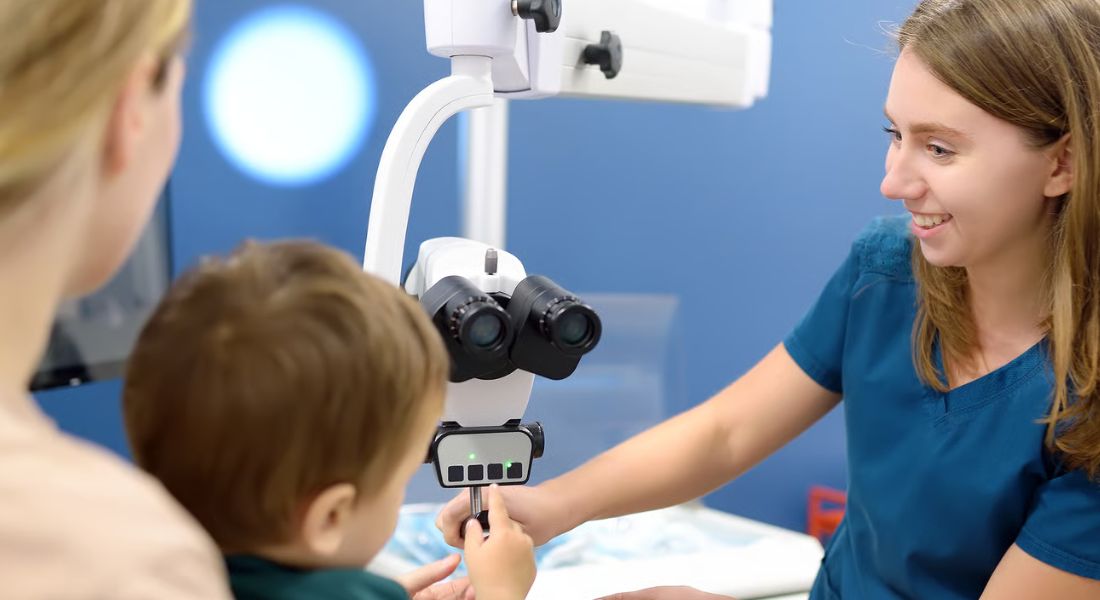
You should seek an expert evaluation if you notice persistent eye misalignment in your child, even if it appears mild at first. Sometimes the eye turn may be constant, while in other cases it may only appear when your child is tired, unwell, or focusing on certain tasks. If the misalignment does not improve or keeps returning, it is important to have your child’s eyes checked by a specialist.
You should also arrange an assessment if your child complains of double vision or seems to have poor depth perception. You may notice they struggle to judge distances, bump into objects, reach inaccurately for things, or have difficulty with activities such as catching a ball. These signs can suggest that the eyes are not working together properly.
Signs of amblyopia, commonly known as “lazy eye”, should also be taken seriously. If your child frequently squints, covers one eye, tilts their head, or seems to rely more on one eye than the other, it may indicate reduced vision in one eye. Early evaluation can help you identify the problem sooner and support the best possible treatment for your child’s long-term visual development.
FAQs:
- What is childhood strabismus?
Childhood strabismus, sometimes called “crossed eyes” or “squint,” occurs when the eyes do not align properly. One eye may turn inward, outward, up, or down, affecting binocular vision and depth perception. - Why is early detection important?
Early detection helps prevent amblyopia (“lazy eye”) and supports normal visual development. Treating strabismus early increases the chances of achieving proper eye alignment and good long-term vision. - What are the common types of strabismus in children?
The main types of strabismus include esotropia, where one or both eyes turn inward; exotropia, when the eyes turn outward; hypertropia, when one eye turns upward; and hypotropia, when one eye turns downward. Each type may have different causes and may require different treatment approaches depending on severity and the child’s visual development. - Can genetics affect strabismus risk?
Yes. A family history of strabismus increases a child’s risk. Certain genes may influence eye muscle control or ocular development. - What environmental factors contribute to strabismus?
Prematurity, low birth weight, and early visual deprivation can all increase risk. Early eye exams are important to monitor at-risk children. - What non-surgical treatments are available?
Non-surgical options include corrective glasses, prism lenses, occlusion therapy (patching), and vision exercises to strengthen binocular coordination. Combining therapies can improve outcomes for some children. - When is surgery recommended for strabismus?
Surgery is considered when non-surgical treatments are insufficient or for certain types of eye misalignment. Modern techniques allow precise adjustment of eye muscles with minimal complications. - How does neuroplasticity relate to strabismus treatment?
The brain can adapt, especially in children. Early correction of eye alignment helps the visual system develop normal binocular function, reducing the risk of permanent visual deficits. - Can digital tools help manage strabismus?
Yes. Apps and interactive games are increasingly used to support vision therapy, improve compliance, and allow remote monitoring, supplementing traditional treatments. - How do I know if my child needs to see an eye specialist?
You should consider seeing an eye specialist if your child’s eyes often appear misaligned, if they complain of double vision, or if one eye seems weaker than the other. Early assessment is important because timely treatment can prevent vision problems and help the eyes develop properly.
Final Thoughts: What New Research Means for Your Child’s Eye Care
Childhood strabismus is not just about how the eyes look. It can affect how your child sees, learns, focuses, and feels about themselves as they grow. The encouraging part is that research continues to improve the way strabismus is detected, monitored, and treated. From better diagnostic tools and refined surgical techniques to digital therapy support and a deeper understanding of genetics and neuroplasticity, care is becoming more personalised than ever.
If you would like to know whether seeing a paediatric ophthalmologist in London is the right next step for your child, you can contact us at Eye Clinic London to book a consultation.
References:
- Martinez Sanchez, M. and Whitman, M.C. (2023) ‘Genetics of strabismus’, Frontiers in Ophthalmology, 3, 1233866. Available at: https://pmc.ncbi.nlm.nih.gov/articles/PMC10947184/
- Huang, S. et al. (2025) ‘Non-surgical treatment of strabismus in children: a review of recent advances’, Frontiers in Medicine. Available at: https://pmc.ncbi.nlm.nih.gov/articles/PMC12245880/
- Grudzińska, E. et al. (2024) ‘Usefulness assessment of automated strabismus angle measurements using innovative Strabiscan device’, Journal of Clinical Medicine, 13(4), 1067. Available at: https://www.mdpi.com/2077-0383/13/4/1067
- Zhu, H., You, X., Jing, Y., Chen, Y. and Du, J. et al. (2024) ‘Maternal hypertensive disorder in pregnancy and childhood strabismus in offspring’, JAMA Network Open, 7(7), e2423946. Available at: https://pubmed.ncbi.nlm.nih.gov/39037813/
- Buffenn, A.N. (2021) ‘The impact of strabismus on psychosocial health and quality of life: a systematic review’, Survey of Ophthalmology, 66(6), pp. 1051–1064. Available at: https://pubmed.ncbi.nlm.nih.gov/33773997/