

New Research on Retinopathy of Prematurity

If your baby has been born prematurely, you may have heard about retinopathy of prematurity (ROP), a condition that can affect the developing retina. ROP is a common cause of vision problems in premature babies. It happens when the blood vessels in the retina grow abnormally after birth. As advances in neonatal care help more premature babies survive and thrive, the importance of early screening and treatment has become even greater.
Thanks to ongoing research, doctors now understand ROP better and can spot it earlier than before. New imaging technologies, artificial intelligence-assisted screening systems, and improved treatment techniques are helping clinicians detect and manage the condition more effectively. These advances may give you greater confidence that babies at risk of ROP can be monitored more closely and receive timely care when needed.
Scientists are also learning more about the factors that increase the likelihood of severe ROP. This improved understanding is supporting more personalised approaches to monitoring and treatment, allowing care to be tailored to each baby’s needs. If your child is being screened for ROP, you may find reassurance in knowing that research continues to improve the way the condition is diagnosed and managed. As new discoveries emerge, you can expect further advances aimed at protecting vision and improving long-term outcomes.
Understanding Retinopathy of Prematurity
Retinopathy of prematurity (ROP) develops when the blood vessels in a baby’s retina do not grow as expected. The retina is the light-sensitive tissue at the back of the eye that plays a vital role in vision. If your baby is born prematurely, retinal development may still be incomplete at birth, increasing the risk of changes in blood vessel growth during the weeks that follow.
As a baby’s eye develops, some blood vessels may grow abnormally. Sometimes these changes are mild and resolve on their own. However, if you have a premature baby, regular eye examinations are important because more severe cases can progress quickly and affect long-term vision.
The severity of ROP can vary considerably from one baby to another. While some infants require only careful monitoring, others may need prompt treatment to reduce the risk of complications. Understanding how ROP develops can help you appreciate the importance of early screening and ongoing specialist care.
Why Premature Infants Are Most at Risk
If your baby is born prematurely, they have a higher risk of developing retinopathy of prematurity (ROP). This is because the eyes, particularly the retina, may not have completed their normal development before birth. The earlier your baby is born, the more likely it is that retinal blood vessel growth will still be ongoing, which can increase the risk of abnormal changes.
Your baby’s birth weight can also play an important role. Babies with a very low birth weight are more likely to develop severe forms of ROP, which is why you may hear doctors discuss both gestational age and weight when assessing risk. If your baby falls into one of these higher-risk groups, you can expect regular eye examinations to monitor their retinal development closely.
Although specialists understand many of the factors linked to ROP, there is still more to learn about why some premature babies develop advanced disease while others do not. Researchers continue to investigate these differences so that screening and treatment can become even more targeted. As a parent, you may find reassurance in knowing that ongoing research is helping clinicians identify which babies need the closest monitoring and care.
The Global Impact of ROP
If you have a premature baby, you may be interested to know that retinopathy of prematurity (ROP) is recognised as a major cause of childhood blindness worldwide. As neonatal care has improved, more premature babies are surviving and thriving than ever before. While this is encouraging, it also means that more infants may be at risk of developing ROP and require specialist eye screening. This is why you may see growing attention being given to early detection and treatment programmes across the world.
- ROP Affects Children in Many Countries: ROP is a significant cause of childhood vision loss worldwide. If your baby is born prematurely, you may be advised to attend regular eye screenings to help identify any early signs of the condition.
- More Premature Babies Are Surviving: Thanks to advances in neonatal care, more premature infants are now surviving than in previous decades. While this is positive news, it means that more babies may need monitoring for ROP.
- Early Detection Can Protect Your Baby’s Vision: If ROP is identified at an early stage, treatment can often be provided before serious complications develop. This is why you may notice that screening is considered such an important part of your baby’s care.
- Researchers Are Improving Access to Screening and Treatment: International research is focused on helping more families access timely eye care services. In the future, you may benefit from improved screening programmes and greater access to specialist support.
The global impact of ROP continues to drive research, innovation, and improvements in neonatal care. If you are caring for a premature baby, you may find it reassuring that experts around the world are working to improve screening and treatment strategies. These efforts aim to help you access timely care and reduce the risk of vision loss. As research progresses, you can expect continued advances that support better outcomes for babies at risk of ROP.
The Importance of Early Diagnosis

One of the most important lessons from decades of ROP research is the value of early diagnosis. In many cases, retinopathy of prematurity develops without any obvious signs that you can easily spot at home. Even if your baby appears well, changes may still be occurring inside the eye, which is why specialist screening is so important.
Regular eye examinations allow specialists to detect problems before they cause permanent damage to the retina. If your baby is at risk of ROP, you will usually be offered screening appointments during the first weeks of life. These examinations help ensure that any signs of disease are identified early, giving you and your clinical team more options for managing the condition.
Early diagnosis can make a significant difference to treatment outcomes. When ROP is detected promptly, your baby can receive the appropriate care before serious complications develop. This is why screening programmes remain an essential part of care for premature infants and why you should attend all recommended eye examinations and follow-up appointments.
Advances in Retinal Imaging Technology
Modern retinal imaging systems have transformed the way retinopathy of prematurity is diagnosed and monitored. These technologies produce high-resolution images that give specialists a detailed view of the developing blood vessels inside your baby’s retina. As a parent, you may not see these changes yourself, but the images can reveal important signs that help guide clinical decisions.
The detailed images allow clinicians to identify subtle abnormalities that might be more difficult to detect during a standard eye examination. If your baby is undergoing ROP screening, these imaging systems can provide valuable information about how the condition is progressing over time. They also help specialists track changes more accurately, ensuring that you receive clear and consistent updates about your baby’s eye health.
Researchers continue to improve retinal imaging technology to make diagnosis even more precise. As these systems become more advanced, you can expect earlier detection of potential problems and more accurate monitoring of disease progression. These developments are helping clinicians provide better-informed care and giving you greater confidence in the screening process.
Wide-Field Retinal Photography
Wide-field retinal photography has become an important part of modern retinopathy of prematurity care. These advanced imaging systems can capture a much larger area of your baby’s retina in a single image, providing specialists with a more complete view of the eye. If your baby is undergoing ROP screening, you may find that this technology helps clinicians assess retinal health more thoroughly.
By showing a wider view of the retina, these images can help specialists evaluate the severity of the disease more efficiently. The photographs can also be stored, reviewed at a later date, or shared with other experts when a second opinion is needed. This means you can benefit from more comprehensive assessments and informed treatment decisions.
Research suggests that wide-field imaging may improve consistency in ROP diagnosis. As these technologies continue to develop, you may see even greater accuracy in screening and monitoring programmes. For parents, this offers reassurance that your baby’s eye condition can be evaluated using some of the most advanced imaging tools available.
Telemedicine and Remote Screening
Telemedicine has become an increasingly valuable tool in the management of retinopathy of prematurity. Instead of requiring every baby to be examined in person by a specialist, digital retinal images can be captured and securely sent for expert assessment. If your baby is being screened for ROP, this approach may help ensure that specialist input is available even when local services are limited.
One of the greatest advantages of telemedicine is that it can improve access to care. If you live in an area where paediatric eye specialists are not readily available, remote screening can help your baby receive timely evaluations without unnecessary delays. This means you can benefit from expert assessment while reducing some of the challenges associated with travelling to specialist centres.
Researchers continue to study how telemedicine can be used more effectively in ROP care. As technology advances, you may see faster assessments, improved screening programmes, and greater access to specialist expertise. For parents, this offers reassurance that your baby can receive appropriate monitoring and care, regardless of where you live.
Artificial Intelligence in ROP Detection
If your baby is being monitored for retinopathy of prematurity (ROP), you may hear about the growing role of artificial intelligence (AI) in eye care. AI is being tested to analyse retinal images and find patterns that could signal ROP progression. By processing large amounts of data quickly, these systems have the potential to support more efficient screening and assessment. While the technology is still evolving, you may see AI becoming an increasingly important tool in ROP research.
- AI Can Analyse Retinal Images: AI systems can examine detailed images of your baby’s retina and look for patterns associated with ROP. This may help identify changes that require closer attention from specialists.
- Researchers Are Studying Earlier Detection: One goal of AI research is to help detect signs of ROP at an earlier stage. If successful, this could allow your baby to receive timely monitoring and treatment when needed.
- More Consistent Assessments May Be Possible: AI tools may help provide a more standardised approach to image analysis. This could support clinicians by highlighting areas of concern in a consistent way.
- AI Supports Rather Than Replaces Specialists: AI helps specialists rather than replacing them. Early research is promising, but final decisions are always made by doctors. Your baby’s care will continue to rely on specialist assessment and decision-making.
Artificial intelligence is an exciting and rapidly developing area of ROP research. If you are following advances in neonatal eye care, you may see increasing interest in how these technologies can support diagnosis and monitoring. While AI shows considerable promise, it currently works best as a tool that assists specialists rather than replacing them. As research continues, you may benefit from even more accurate and efficient approaches to ROP detection and management.
Improved Classification Systems
Accurate classification of retinopathy of prematurity is an important part of effective treatment planning. When specialists assess your baby’s eyes, they need a reliable way to describe the severity and progression of the condition. Over the years, researchers have worked to refine these classification systems so that clinicians can evaluate ROP more precisely and consistently.
Improved classification helps specialists communicate their findings more clearly with other healthcare professionals involved in your baby’s care. If your baby requires ongoing monitoring or treatment, a standardised system makes it easier for clinicians to understand exactly how the condition is changing over time. This can help you receive more consistent recommendations and informed treatment decisions.
These advances have played an important role in improving patient management. By providing a clearer picture of disease severity, classification systems help ensure that your baby receives the most appropriate care at the right time. As research continues, you can expect further refinements that support even more accurate diagnosis, monitoring, and treatment planning.
Understanding Disease Progression

Recent research has given specialists a much clearer understanding of how retinopathy of prematurity develops and progresses over time. Scientists now know more about the biological processes that influence abnormal blood vessel growth in the retina. If your baby is being monitored for ROP, this growing knowledge helps clinicians assess the condition more accurately and identify potential concerns at an earlier stage.
A better understanding of disease progression also helps specialists determine which babies are most likely to develop severe forms of ROP. Rather than relying solely on broad risk factors, clinicians can use this information to make more informed decisions about your baby’s care. As a result, you may receive a follow-up schedule that is tailored to your baby’s individual level of risk.
These advances are helping clinicians intervene earlier when treatment is needed. If changes in your baby’s retina suggest that the condition is progressing, you can benefit from closer monitoring and timely management. For parents, this improved understanding provides reassurance that your baby is being assessed using the latest knowledge and research available.
Laser Therapy Remains Important
Laser therapy is still a common and effective treatment for babies with advanced ROP. If your baby develops a form of ROP that requires treatment, laser therapy may be recommended to help prevent the condition from worsening. The procedure works by treating areas of the retina where abnormal blood vessel growth is occurring, helping to reduce the risk of further complications.
Over many years, research has shown that laser therapy can be highly effective in reducing the likelihood of severe vision-threatening problems. This is one of the reasons why it remains an important part of ROP management in hospitals around the world. If your baby requires treatment, you may find reassurance in knowing that laser therapy has a long history of successful clinical use.
Researchers continue to study ways to refine laser treatment and improve outcomes for infants with ROP. As technology advances, you can expect ongoing improvements in treatment techniques, precision, and patient care. These developments aim to ensure that your baby receives the safest and most effective treatment possible when intervention is needed.
The Rise of Anti-VEGF Therapy
Anti-VEGF medications have become one of the most significant developments in the treatment of retinopathy of prematurity. These medicines work by blocking the signals that encourage abnormal blood vessel growth within the retina. If your baby develops a severe form of ROP, you may hear specialists discuss anti-VEGF therapy as a potential treatment option.
Studies show good results in certain cases, especially when ROP affects specific areas of the retina. In some situations, anti-VEGF treatment may offer benefits that complement or differ from traditional laser therapy. If your baby’s clinical team believes this approach is suitable, you will be given information about how the treatment works and why it may be recommended.
Although the early results are promising, researchers continue to study the long-term safety and effectiveness of these medications. As more evidence becomes available, you can expect specialists to gain an even better understanding of which babies are most likely to benefit. This ongoing research is helping to refine treatment decisions and improve outcomes for infants affected by ROP.
Comparing Laser and Anti-VEGF Treatments
If your baby requires treatment for retinopathy of prematurity (ROP), you may hear specialists discuss both laser treatment and anti-VEGF therapy. These are two of the most widely used treatment approaches for managing the condition. Research continues to compare their effectiveness, safety, and long-term outcomes. While both treatments can be highly effective, the most suitable option for your baby will depend on the specific features of the disease.
- Both Treatments Can Be Effective: Laser treatment and anti-VEGF therapy have both been shown to help manage ROP when used appropriately. Your specialist will consider which approach is most suitable based on your baby’s condition.
- Each Option Has Its Own Benefits: Depending on your baby’s eye findings, one treatment may offer certain advantages over the other. Researchers continue to study how these benefits vary in different situations.
- There Are Also Important Limitations to Consider: No treatment is ideal for every infant, and each approach has potential drawbacks. This is why your baby’s specialist will carefully assess all relevant factors before making a recommendation.
- Treatment Decisions Are Individualised: The best treatment plan depends on the severity, location, and progression of your baby’s ROP. Your clinical team will evaluate these details to determine the most appropriate course of action.
Comparing laser treatment and anti-VEGF therapy remains an important area of ROP research. If your baby requires treatment, you can expect specialists to consider a range of factors before recommending an approach. The goal is to choose the option that offers the greatest potential benefit while minimising risks. As research continues, you may see further improvements in how treatment decisions are tailored to each infant’s needs.
Predicting Which Babies Need Treatment
Researchers are increasingly focused on developing predictive models that can identify which babies are most likely to develop severe retinopathy of prematurity. These tools use information gathered during screening and monitoring to help assess risk more accurately. If your baby is being monitored for ROP, these advances may help clinicians make more informed decisions about their care.
By identifying high-risk infants earlier, specialists can provide closer observation and respond more quickly if the condition begins to progress. This means your baby may receive more personalised monitoring based on their individual level of risk. Early recognition can also give clinicians the opportunity to intervene at the most appropriate time, helping to reduce the risk of serious complications.
Predictive research is evolving rapidly as scientists gain a better understanding of the factors that influence disease progression. As these models continue to improve, you can expect screening programmes to become even more targeted and effective. For parents, this offers reassurance that your baby can benefit from earlier identification of risk and more tailored care throughout the treatment journey.
The Role of Oxygen Management
Oxygen therapy is often an essential part of care for premature babies, helping to support breathing and overall health during the early stages of life. However, careful management of oxygen levels is extremely important. If your baby requires oxygen therapy, the medical team will closely monitor their levels because both excessive and insufficient oxygen can affect the normal development of the retina.
Research has taught doctors how oxygen levels can affect ROP risk. This has led to improved guidelines for oxygen monitoring in neonatal units. As a parent, you may not see these adjustments taking place, but they play an important role in protecting your baby’s developing eyes while also supporting their general wellbeing.
Effective oxygen management remains one of the key strategies used to reduce the risk of severe ROP. By carefully balancing oxygen therapy, clinicians can help minimise potential complications while ensuring your baby receives the support they need. As research continues to advance, you can expect ongoing improvements in the way oxygen is monitored and managed in premature infants.
Long-Term Visual Outcomes
Researchers continue to follow children who received treatment for retinopathy of prematurity during infancy. These long-term studies help specialists understand how vision develops over time and what outcomes can be expected after treatment. If your child has been treated for ROP, you may find reassurance in knowing that ongoing research is helping to improve understanding of their future visual health.
Many children who receive timely treatment go on to achieve good levels of vision. However, some may continue to experience visual challenges as they grow older, which is why regular follow-up care remains important. Your specialist may recommend ongoing eye examinations so that any changes in vision can be identified and managed as early as possible.
Understanding long-term visual outcomes helps clinicians refine treatment approaches and improve care for future patients. The more researchers learn about how children respond over time, the better they can predict potential challenges and develop effective management strategies. As a parent, you can play an important role by ensuring your child attends recommended eye appointments and receives continued support when needed.
Monitoring Beyond Infancy
Even after successful ROP treatment, regular eye check-ups are important to catch any new issues early. While treatment can address the immediate condition, your child may still have a higher risk of developing certain eye problems later in life. This is why specialists often advise continued monitoring as your child grows.
Children who had ROP may still develop vision problems like squint or changes in focus. If these problems are identified early, your child can receive appropriate treatment and support before they begin to affect daily activities or visual development. Regular eye appointments give you the opportunity to discuss any concerns and ensure that your child’s vision is progressing as expected.
Long-term follow-up care remains an important part of protecting your child’s eye health. By attending recommended examinations, you can help ensure that any new issues are detected and managed promptly. As a parent, you play a key role in supporting your child’s ongoing visual development and helping them achieve the best possible outcomes.
International Research Collaborations
If you are following developments in retinopathy of prematurity (ROP), you may be surprised by how much international cooperation contributes to progress in this field. Researchers, clinicians, and healthcare organisations around the world regularly work together to share knowledge, data, and clinical experience. These collaborations help experts learn from a wider range of patients and treatment outcomes. As a result, you benefit from research that is often more comprehensive and informative than studies conducted in a single country.
- Researchers Share Knowledge Across Borders: Experts from different countries regularly exchange findings and clinical insights. This helps ensure that you and your baby can benefit from the latest advances in ROP care.
- Data Sharing Supports Better Research: By combining information from multiple centres, researchers can study larger groups of patients. This allows them to identify trends and improve understanding of how ROP develops and responds to treatment.
- Global Partnerships Accelerate Progress: International collaborations help researchers answer important questions more quickly. As a result, you may see new screening methods, diagnostic tools, and treatments being developed at a faster pace.
- Cooperation Continues to Drive Innovation: Many of the advances you see in ROP care today have been supported by global research efforts. Continued collaboration is expected to play a key role in future discoveries and improvements.
International research collaborations have become an essential part of advancing ROP care. By working together, researchers can build a stronger understanding of the condition and develop more effective approaches to diagnosis and treatment. If your baby is at risk of ROP, you may ultimately benefit from innovations that have emerged through these global partnerships. As cooperation continues to grow, you can expect ongoing improvements in the care and outcomes of premature infants worldwide.
The Importance of Specialist Assessment
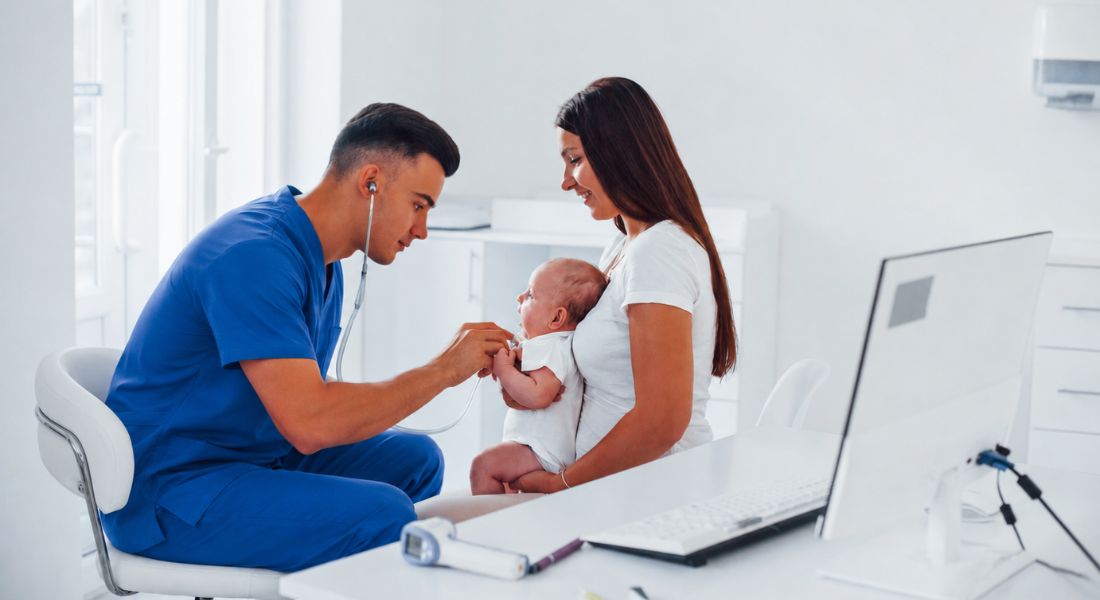
If your baby is born prematurely, regular eye screening is one of the most important steps you can take to help protect their vision. Retinopathy of prematurity often develops without obvious signs, which means you may not be able to detect a problem on your own. By attending specialist screening appointments, you can help ensure that any changes in your baby’s eyes are identified as early as possible.
Early diagnosis gives clinicians the opportunity to begin treatment before serious complications develop. If your baby is found to have ROP, you will be guided through the most appropriate monitoring or treatment plan based on the severity of the condition. Prompt intervention can significantly reduce the risk of long-term visual impairment and improve your child’s chances of maintaining useful vision.
Ongoing follow-up care is just as important as the initial screening process. You should make every effort to attend all recommended appointments, even if your baby’s eyes appear healthy. Regular monitoring allows specialists to track progress, address concerns quickly, and provide the support your baby needs. By staying engaged with your baby’s care, you can play an important role in protecting their long-term eye health.
Future Directions in ROP Research
Research into retinopathy of prematurity continues to advance at a rapid pace. Scientists are exploring new ways to improve how the condition is detected, monitored, and treated, with a strong focus on achieving better outcomes for premature babies. If your baby is at risk of ROP, you may benefit from future developments that allow clinicians to identify problems earlier and manage them more effectively.
Advanced imaging technologies, improved predictive models, and innovative treatment approaches are all attracting significant attention. Researchers are also investigating how artificial intelligence can assist with screening and diagnosis, helping specialists make faster and more accurate decisions. As these technologies continue to develop, you can expect more personalised approaches that take your baby’s individual risk factors into account.
Novel therapies and personalised medicine are also shaping the future of ROP care. These advances may help clinicians provide treatments that are better suited to each baby’s specific needs while reducing the risk of complications. For parents, this offers reassurance that ongoing research is focused on improving both short-term and long-term outcomes. Continued investment in research will remain essential if you are to benefit from the next generation of advances in ROP prevention, diagnosis, and treatment.
FAQs:
- What is the latest research focusing on in retinopathy of prematurity?
Current ROP research is focused on improving early diagnosis, treatment outcomes, and long-term visual health. Scientists are exploring advanced retinal imaging, artificial intelligence-assisted screening, and more accurate methods of predicting disease progression. These developments aim to identify at-risk infants sooner and provide treatment before serious complications occur. Early detection remains one of the most important factors in preserving vision. - How has retinal imaging improved ROP diagnosis?
Modern retinal imaging systems provide highly detailed images of the developing retina. This allows specialists to detect subtle changes in blood vessel growth that may not be visible during standard examinations. Imaging also helps monitor disease progression over time and supports more accurate treatment decisions. Ongoing research continues to improve the quality and accessibility of these technologies. - Can artificial intelligence help detect ROP?
Artificial intelligence is being developed to analyse retinal images and identify signs of ROP more quickly and consistently. These systems may help clinicians recognise high-risk cases and prioritise infants who require urgent assessment. While early results are promising, AI is currently used as a supportive tool rather than a replacement for specialist expertise. Further research is needed before widespread adoption. - What are the main treatment options for ROP?
The two primary treatments for ROP are laser therapy and anti-VEGF injections. Laser treatment works by targeting areas of the retina affected by abnormal blood vessel growth, while anti-VEGF therapy blocks signals that encourage new vessel formation. Both approaches can be effective depending on the severity and location of the disease. A specialist will recommend the most appropriate treatment for each baby. - Why is early screening so important?
ROP often develops without noticeable symptoms during its early stages. Screening examinations allow specialists to detect abnormal retinal changes before permanent damage occurs. Early diagnosis increases the likelihood of successful treatment and reduces the risk of serious vision problems. This is why regular screening is recommended for premature infants who meet specific risk criteria. - Can telemedicine improve access to ROP care?
Yes, telemedicine has become an important part of modern ROP management. Digital retinal images can be securely shared with specialists who may be located elsewhere, allowing for remote assessment and diagnosis. This approach is particularly valuable in areas where paediatric eye specialists are not readily available. Research suggests that telemedicine can improve screening coverage and access to expert care. - What factors increase the risk of severe ROP?
The most significant risk factors include premature birth, low birth weight, and the need for oxygen therapy. Babies born at very early gestational ages are generally at greater risk of developing severe disease. Certain medical complications associated with prematurity may also increase the likelihood of progression. Identifying high-risk infants allows for closer monitoring and timely intervention. - Can ROP affect vision later in life?
Even when treatment is successful, some children may experience vision-related issues as they grow older. These can include refractive errors, reduced visual acuity, or eye alignment problems. Regular eye examinations help identify and manage any long-term concerns. Ongoing research continues to examine the lifelong visual outcomes of children treated for ROP. - How does oxygen management help prevent severe ROP?
Careful oxygen management is a key part of neonatal care for premature babies. Both excessive and insufficient oxygen levels can influence retinal blood vessel development. Research has helped establish guidelines that support safer oxygen monitoring in neonatal units. These measures have contributed to reducing the risk of severe ROP in many infants. - What does the future of ROP research look like?
Researchers are continuing to explore new imaging technologies, predictive models, and treatment approaches. Artificial intelligence, personalised medicine, and novel therapies are among the most promising areas of investigation. These advances may lead to earlier diagnosis and more targeted care in the future. Continued research is essential for improving outcomes and protecting vision in premature babies.
Final Thoughts: Retinopathy of Prematurity Research
Retinopathy of prematurity remains a significant cause of childhood visual impairment, but ongoing research is improving how the condition is detected and managed. Advances in retinal imaging, telemedicine, and artificial intelligence are helping specialists identify ROP earlier and monitor disease progression more accurately. As a result, many premature babies can now benefit from earlier intervention and more effective treatment strategies than in the past.
Researchers are also continuing to explore new ways to predict which infants are most likely to develop severe ROP and require treatment. Combined with improvements in laser therapy, anti-VEGF medications, and neonatal care practices, these developments are helping to improve long-term visual outcomes. While research continues to advance, attending all recommended screening and follow-up appointments remains the best way to protect your baby’s vision. If you’re exploring whether paediatric ophthalmologist in London could benefit you, get in touch with us at Eye Clinic London to schedule your consultation.
References:
- Kim, E.S., Calkins, K.L. and Chu, A. (2023) ‘Retinopathy of Prematurity: The Role of Nutrition’, Pediatric Annals, 52(8), pp. e303–e308. Available at: https://pubmed.ncbi.nlm.nih.gov/37561825/
- Hartnett, M.E. (2020) ‘Retinopathy of Prematurity: Evolving Treatment With Anti-Vascular Endothelial Growth Factor’, American Journal of Ophthalmology, 218, pp. 208–213. Available at: https://pubmed.ncbi.nlm.nih.gov/32450064/
- Moraes, N.S.B., Eckert, G.U., Fortes Filho, J.B. and colleagues (2024) ‘Retinopathy of prematurity: Accuracy of ROPScore and WINROP algorithms in a Brazilian population’, Revista Brasileira de Oftalmologia. Available at: https://pmc.ncbi.nlm.nih.gov/articles/PMC12997629/
- Mintz-Hittner, H.A., Kennedy, K.A. and Chuang, A.Z. (2011) ‘Efficacy of intravitreal bevacizumab for stage 3+ retinopathy of prematurity’, New England Journal of Medicine, 364(7), pp. 603–615. Available at: https://pmc.ncbi.nlm.nih.gov/articles/PMC3119530/
- Namakin K, Mostafaei M, Behboodi S, Dolikhani M, Boroujerdi T, Sanjari Araghi A, et al. (2026) ‘Therapeutic potential of mesenchymal stem cell-derived exosome on the retinopathy of prematurity’, Experimental Eye Research, 270, Article 111067. Available at: https://www.sciencedirect.com/science/article/abs/pii/S001448352600223X