


Latest Research on Artificial Intelligence in Paediatric Eye Care
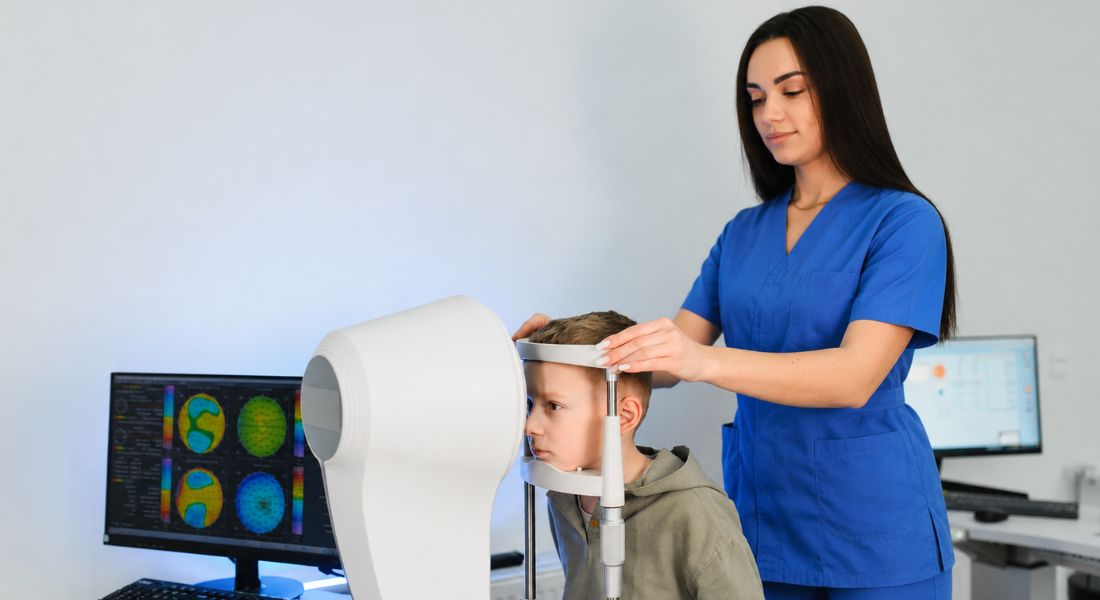
Artificial intelligence (AI) is becoming an increasingly important topic in healthcare, and its potential applications in paediatric eye care are attracting significant attention. Researchers are exploring how AI could help identify eye conditions earlier, support diagnosis, and assist with ongoing monitoring. If you are interested in emerging medical technologies, you may find it fascinating to see how AI is beginning to influence the future of ophthalmology.
Paediatric eye care can be particularly challenging because children do not always recognise or communicate vision problems. Young patients may find eye examinations difficult, and some conditions can develop without obvious symptoms. For this reason, researchers are investigating whether AI-powered systems can help detect potential issues more quickly and support earlier intervention when needed.
Recent studies suggest that AI can analyse large amounts of clinical information rapidly and consistently. Researchers are exploring a variety of applications, including retinal image analysis, automated screening programmes, and tools that help clinicians interpret diagnostic data. As these technologies continue to develop, you may see them becoming more widely integrated into paediatric eye care services.
Although AI offers exciting possibilities, it is not designed to replace the expertise of paediatric eye specialists. Instead, it is being developed as a tool that can support clinical decision-making and enhance patient care. As research progresses, you can expect AI to play an increasingly valuable role in helping clinicians deliver efficient and effective care for children with eye conditions.
Understanding Artificial Intelligence in Healthcare
Artificial intelligence (AI) refers to computer systems that can perform tasks which would normally require human intelligence. These systems can identify patterns, analyse information, and make predictions based on the data they have been trained to process. You may already come across AI in everyday life through technologies such as voice assistants or personalised recommendations.
In healthcare, AI is being explored across many different medical specialties. Researchers are investigating how it could improve efficiency, support clinical decisions, and enhance the accuracy of certain diagnostic processes. As these technologies continue to develop, you may see AI becoming a more familiar part of patient care.
Ophthalmology has become one of the most active areas for AI research because eye examinations generate large amounts of visual data. Advanced computer systems can analyse eye images quickly and consistently, helping researchers identify potential applications in diagnosis and screening. If you are interested in the future of eye care, AI is one of the most exciting areas of ongoing development.
Why AI Is Relevant to Paediatric Ophthalmology
Children’s eye care often relies on identifying problems as early as possible. Many eye conditions respond best when they are detected during key stages of visual development. If you spot a concern early and seek assessment promptly, there may be more opportunities for effective treatment.
Researchers believe AI could help support screening programmes by identifying children who may need further evaluation. By analysing eye images and clinical data, these systems may help highlight potential issues that require closer attention. This could make it easier for you to access appropriate care at an earlier stage.
The possibility of earlier detection has generated significant interest among researchers in paediatric ophthalmology. Scientists are continuing to explore how AI can work alongside specialists rather than replace them. As research progresses, you may see these technologies becoming a more common part of children’s eye care.
The Growing Role of Digital Eye Imaging
Digital imaging has transformed modern eye care by allowing specialists to capture highly detailed photographs and scans of the eye. If your child attends an eye examination, you may notice that these images provide valuable information that cannot always be seen during a standard assessment. This helps clinicians build a clearer picture of overall eye health.
The large number of images collected during examinations has also created new opportunities for artificial intelligence research. AI systems can analyse these images and look for patterns that may be associated with specific eye conditions. As a parent, you may not see this process happening directly, but it has the potential to support earlier and more accurate detection.
Advances in imaging technology have played a major role in the growth of AI within ophthalmology. The more detailed the images become, the more information computers can learn to interpret. As research continues, you may see digital imaging and AI working together to support faster screening, diagnosis, and monitoring of children’s eye conditions.
Machine Learning and Eye Disease Detection
If you’ve heard about artificial intelligence in healthcare, you’ve probably come across the term machine learning. This technology allows computers to learn from data and improve their performance over time without being explicitly programmed for every task. In eye care, researchers are exploring how machine learning can analyse eye images and identify signs of disease. By recognising patterns that might otherwise be missed, these systems could help support earlier and more accurate detection.
- Machine Learning Learns Through Experience: Instead of following only fixed instructions, machine learning systems learn by analysing large amounts of data. As they process more information, they can become better at recognising important patterns.
- It Can Examine Your Eye Images in Detail: Researchers use machine learning to analyse photographs and scans of your eyes. This allows the technology to identify subtle features that may be linked to eye disease.
- Small Changes May Be Easier to Detect: Some early signs of eye disease can be difficult to spot during routine screening. Machine learning systems may help identify these subtle changes more consistently.
- Performance May Improve as More Data Becomes Available: The more high-quality data a system can learn from, the more sophisticated it may become. This is why researchers continue to expand the datasets used to train these technologies.
Machine learning is becoming an increasingly important part of eye disease research. By helping computers analyse eye images and recognise complex patterns, it has the potential to support earlier diagnosis and more effective screening. Although the technology is still evolving, its capabilities continue to improve. As research progresses, you may see machine learning playing a greater role in the future of eye care.
AI and Childhood Vision Screening
Vision screening programmes are designed to identify children who may have eye conditions that need further assessment. These programmes play an important role in detecting potential problems before they begin to affect visual development. If you have a child undergoing routine vision screening, the goal is to identify any concerns as early as possible.
Researchers are exploring whether artificial intelligence can help make these screening programmes even more effective. AI systems may be able to analyse screening results quickly and identify patterns that suggest a child should receive additional evaluation. This could help ensure that you are informed about potential concerns sooner and referred to the appropriate specialist when needed.
Although the technology is still being studied, early findings have generated considerable interest. Researchers continue to examine how AI performs in real-world screening environments and whether it can reliably support existing programmes. As this field develops, you may see AI becoming an increasingly useful tool in childhood vision screening.
Detecting Amblyopia Risk Factors
Amblyopia is one of the most common eye conditions affecting children, and early detection is often key to successful treatment. Vision develops quickly in childhood. Spotting problems early increases the chances of effective treatment. If you are concerned about your child’s visual development, recognising risk factors early can be particularly important.
Researchers are investigating whether AI can help identify early signs of amblyopia. By analysing eye images and other visual data, these systems can detect subtle patterns that may otherwise be missed. This helps highlight children who could benefit from a more detailed eye examination. Early results are promising, though the technology is still under study.
Rather than replacing specialist assessment, AI could help clinicians identify children who need further evaluation more efficiently. As research continues, you may see these systems playing a larger role in the early detection of childhood eye conditions.
AI and Strabismus Research
Strabismus is a condition in which the eyes do not align properly, causing them to point in different directions. Early detection is important because untreated strabismus can affect visual development and, in some cases, contribute to other vision problems. If you notice that your child’s eyes appear misaligned, a professional eye assessment is recommended.
Researchers are exploring whether artificial intelligence can help identify signs of strabismus more efficiently. Some studies have focused on using photographs and digital imaging to assess eye position automatically and detect potential misalignment. This could help support screening programmes and make it easier to identify children who may need further evaluation.
Although the early research is encouraging, more studies are needed before these technologies become widely used in clinical practice. Researchers are continuing to assess how accurately AI systems perform across different age groups and patient populations. As the technology develops, you may see AI becoming a valuable tool that supports the early detection of strabismus alongside specialist assessment.
Retinal Image Analysis in Children
The retina contains valuable information about eye health, making it an important part of many eye examinations. Modern imaging technologies can capture highly detailed retinal photographs, helping specialists assess different structures within the eye. If your child has retinal imaging, you may be surprised by the level of detail these images provide.
Researchers are exploring how artificial intelligence can analyse retinal images and identify patterns linked to various eye conditions. By processing large amounts of visual data quickly, AI systems may help highlight findings that require further attention. This could support clinicians in making assessments and help you feel more confident about the evaluation process.
Retinal image analysis remains one of the most promising areas of AI research in ophthalmology. As these technologies continue to develop, you may see them playing a greater role in paediatric eye care. While specialists remain central to diagnosis and treatment, AI may provide additional support that benefits both clinicians and patients.
Early Detection of Retinal Disorders
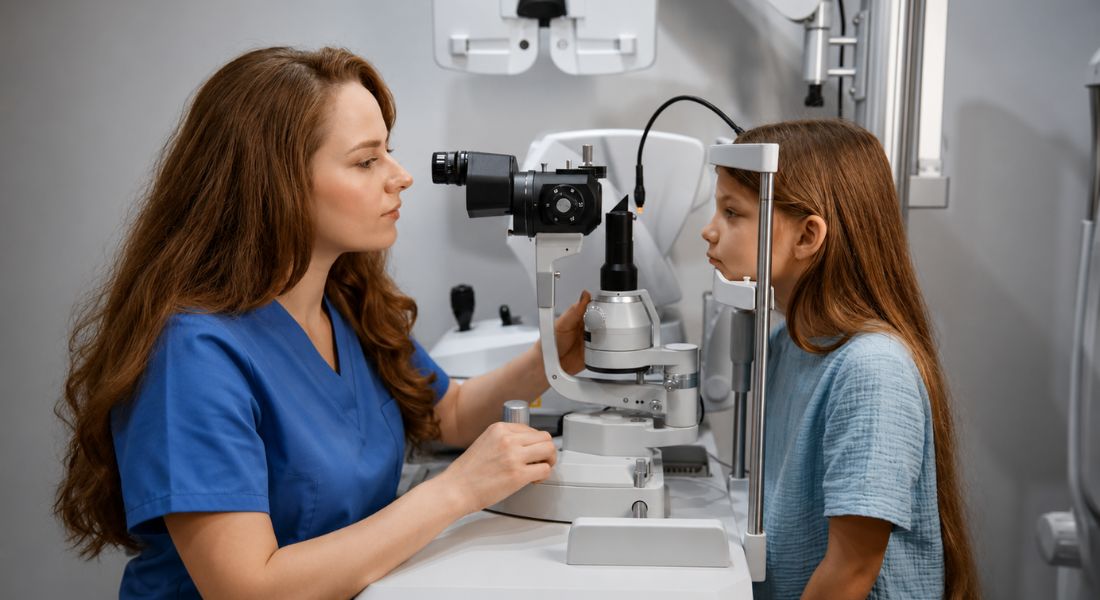
If your child has a retinal disorder, identifying it as early as possible can be extremely important. The retina plays a vital role in vision, and certain childhood eye conditions can affect its function and development. Without timely diagnosis and treatment, some of these conditions may lead to lasting vision problems. This is why researchers are exploring new ways to improve early detection, including the use of artificial intelligence (AI).
- Retinal Disorders Can Affect Your Child’s Vision: Some childhood eye conditions involve abnormalities in the retina that may interfere with normal visual development. Detecting these issues early can help protect your child’s vision.
- AI May Help Detect Problems Earlier: Researchers are investigating whether AI systems can identify retinal abnormalities at an earlier stage. This could help highlight potential concerns before they become more serious.
- Earlier Diagnosis Could Lead to Faster Treatment: If a retinal condition is recognised sooner, your child may be referred for specialist care more quickly. Early intervention is often an important part of managing retinal disorders effectively.
- Studies Are Assessing How Accurate AI Can Be: Researchers continue to evaluate the performance of AI systems in detecting retinal abnormalities. Their goal is to determine how reliably these technologies can support clinical decision-making.
Early detection is one of the most important factors in managing retinal disorders in children. By exploring the use of AI, researchers hope to improve how quickly and accurately these conditions are identified. Although this field is still developing, the technology shows considerable promise. As research progresses, you may see AI playing an increasingly important role in supporting retinal disease detection and care.
Improving Access to Eye Care
Access to specialist eye care can vary depending on where you live. Some families face challenges such as long travel distances, limited local resources, or a shortage of paediatric eye specialists. As a result, you may find it more difficult to arrange timely assessments for your child.
Researchers believe that AI-assisted screening tools could help improve access to eye care in underserved areas. These systems may help identify children who need further evaluation, allowing referrals to be made more efficiently. This could make it easier for you to access specialist care when concerns are identified.
Improving access to eye care remains an important focus of ongoing research. Scientists are continuing to explore how AI can support existing healthcare services without replacing clinical expertise. As these technologies develop, you may see new opportunities for children to receive earlier assessments and appropriate care.
Reducing Screening Workload
Large-scale vision screening programmes generate a huge amount of information that needs to be reviewed. Looking through every image and result manually can take considerable time and effort. If you have ever wondered why screening programmes can be resource-intensive, this is one of the main reasons.
Researchers are exploring how artificial intelligence can help manage this workload more efficiently. AI systems may be able to identify cases that require urgent attention, helping clinicians prioritise the children who need further assessment. This could mean that you receive follow-up recommendations more quickly when a potential concern is detected.
Improving workflow efficiency remains an important area of AI research in eye care. By supporting healthcare professionals with routine data analysis, these systems may help make better use of available resources. As the technology develops, you may see AI playing a growing role in helping screening programmes operate more effectively.
AI as a Clinical Support Tool

Current research generally views artificial intelligence as a tool that supports clinicians rather than replaces them. While AI can analyse information quickly, specialist expertise remains essential when diagnosing and managing eye conditions. If your child requires an eye assessment, you can expect important decisions to continue being guided by experienced healthcare professionals.
Researchers believe AI may help by highlighting findings that deserve closer attention. By reviewing images and clinical data, these systems can assist clinicians in identifying potential concerns more efficiently. This means you may benefit from an additional layer of analysis alongside professional evaluation.
A collaborative approach between AI and clinicians is a key theme in current research. The technology is designed to support decision-making, while final diagnoses and treatment recommendations remain the responsibility of qualified specialists. As AI continues to develop, you are likely to see it used as a valuable aid rather than a substitute for clinical care.
Challenges in Paediatric AI Research
If you’re reading about artificial intelligence in children’s eye care, it’s important to understand that developing these systems comes with unique challenges. Unlike adult eyes, your child’s eyes continue to grow and develop over time, which can affect how eye data is interpreted. This means researchers must carefully design AI systems to account for these changes. As AI technology advances, you may see ongoing efforts to make these tools more accurate and reliable for children.
- Your Child’s Eyes Are Still Developing: Because your child’s eyes continue to change as they grow, AI systems must account for these developmental differences. This can make analysing eye data more complex than it is in adults.
- AI Needs Data From Children of Different Ages: To provide accurate results, AI systems need information from children across a range of age groups. This helps ensure the technology can work effectively whether your child is a toddler, school-aged child, or teenager.
- Researchers Need Data That Reflects Diverse Populations: If AI is to benefit children widely, it must be trained using data from different backgrounds and populations. This helps improve the chances that your child receives accurate assessments regardless of their demographic group.
- The Quality of Data Directly Affects Results: The reliability of AI depends on the quality of the information it learns from. Better data can help ensure you receive more dependable results and recommendations from these systems.
As paediatric AI research continues to develop, researchers remain focused on overcoming these challenges. Their goal is to create technologies that can support accurate and reliable eye care for your child. By improving data quality and representation, they hope to make AI tools more effective in real-world settings. As this field progresses, you may see these innovations playing a greater role in the future of paediatric ophthalmology.
The Importance of Data Quality
Artificial intelligence systems depend heavily on the quality of the information used during their development. If you are learning about AI in healthcare, it is important to understand that even advanced technology relies on accurate data to perform well. When you consider how AI is used in clinical settings, the quality of the underlying information becomes a key factor.
Researchers place significant emphasis on building robust datasets that are accurate, complete, and representative. The better the data, the more reliable the results are likely to be. As you might expect, if AI systems are trained using incomplete or inaccurate information, their performance may be affected.
High-quality data remains fundamental to successful AI applications in paediatric eye care. If you want AI tools to support clinicians effectively, they must be developed using trustworthy information. As research continues to advance, you can expect data quality to remain a major priority, helping ensure that you benefit from reliable and safe healthcare technologies.
Ethical Considerations in AI
As the use of artificial intelligence continues to grow in healthcare, it also raises a number of important ethical considerations. If you are interested in how AI is being used in paediatric eye care, you may wonder how patient information is protected and how decisions are made. Researchers are carefully examining issues such as privacy, transparency, and fairness to ensure these technologies are developed responsibly.
Protecting patient information remains one of the highest priorities in AI research. When you share medical information with healthcare providers, you expect it to be handled securely and confidentially. This is particularly important when AI systems are working with children’s medical records, where data security and privacy safeguards are essential.
Ethical oversight plays a central role in the responsible development of AI technologies. As you may expect, researchers and healthcare organisations must follow strict standards when developing and testing these systems. By maintaining strong ethical practices, they aim to ensure that you can benefit from technological advances while continuing to trust the care and protection of sensitive medical information.
Understanding Algorithm Bias
As artificial intelligence becomes more widely used in healthcare, researchers are paying close attention to the issue of algorithm bias. If you are relying on AI-supported healthcare technologies, you want them to work accurately for everyone. Bias can occur when the data used to train an AI system does not adequately represent the diverse populations it is intended to serve.
Researchers are working to ensure that AI systems perform fairly across different groups of patients. As you might expect, an AI tool may be less reliable if it has not been trained using a broad and representative range of data. This is why you may hear experts emphasising the importance of inclusivity when developing and testing AI technologies.
Addressing algorithm bias is essential for achieving fair and equitable healthcare outcomes. If you want AI to support high-quality patient care, it must be designed to work effectively for people from all backgrounds. As research continues to evolve, you can expect ongoing efforts to improve dataset diversity and help ensure that you receive the benefits of accurate and unbiased healthcare technology.
Combining AI with Telemedicine
Telemedicine has expanded significantly in recent years, making it easier for many families to access healthcare services remotely. If you live some distance from a specialist clinic, you may already appreciate the convenience of virtual consultations. As telemedicine continues to grow, researchers are exploring how artificial intelligence can further enhance these services.
One area of interest is the use of AI-assisted image analysis during remote assessments. For example, if you submit eye images as part of a virtual consultation, AI tools may help analyse them and identify findings that require closer attention. This could support clinicians during the screening process and help you access appropriate care more efficiently.
The combination of AI and telemedicine continues to attract considerable research interest. Researchers believe these technologies may help improve access to specialist services, particularly for families in underserved areas. As these developments progress, you may see more opportunities to receive expert eye care without needing to travel long distances.
Future Applications in Paediatric Ophthalmology
If you are following developments in paediatric eye care, you may have noticed the growing interest in artificial intelligence (AI). Researchers are exploring how AI could support many aspects of ophthalmology, from diagnosis and monitoring to treatment planning and disease prediction. As technology continues to advance, you may see even more innovative applications emerge. While many of these possibilities are still being investigated, AI is expected to remain an important area of research in the years ahead.
- AI May Support Earlier Diagnosis: Researchers are studying how AI can help identify eye conditions more efficiently. In the future, you may benefit from faster detection of potential problems through AI-assisted analysis.
- Monitoring Could Become More Efficient: AI tools may help track changes in your child’s eye health over time. This could provide eye care professionals with additional information when monitoring disease progression.
- Treatment Planning May Become More Personalised: Researchers are investigating whether AI can help tailor treatment recommendations to individual patients. This may allow your child to receive care that is better suited to their specific needs.
- Disease Prediction Is an Exciting Area of Research: AI may eventually help predict which children are more likely to develop certain eye conditions. This could help you and your child’s healthcare team take action before problems become more serious.
The future of AI in paediatric ophthalmology continues to generate significant interest and excitement. As research progresses, you may see new technologies being introduced to support diagnosis, monitoring, and treatment decisions. While further studies are needed, the potential benefits for your child and other young patients are considerable. Innovation remains a major driving force, and you can expect AI to play an increasingly important role in the future of paediatric eye care.
What Current Research Suggests
Current research suggests that artificial intelligence has significant potential within paediatric ophthalmology. If you have been following developments in healthcare technology, you may have noticed increasing interest in how AI could support the detection and management of childhood eye conditions. While the early findings are encouraging, researchers believe there is still more work to be done before these tools are adopted on a wider scale.
Many studies have produced promising results and demonstrated how AI may assist with screening, image analysis, and clinical decision-making. As you read about these advances, it is important to remember that most technologies are still being carefully evaluated. Researchers want to ensure that any AI system you may encounter in the future is both accurate and reliable.
Ongoing validation remains a key part of the research process. If you are considering the future role of AI in eye care, you can expect specialists to continue testing and refining these technologies before widespread implementation. As new evidence becomes available, you are likely to see the field evolve rapidly and bring new opportunities for improving paediatric eye care.
The Continuing Importance of Specialist Care

Despite the exciting advances being made in artificial intelligence, specialist assessment remains the foundation of paediatric eye care. While AI may help support certain aspects of screening and diagnosis, it cannot replace the expertise and judgement of a qualified clinician. If you have concerns about your child’s vision, a professional assessment is still the most important step you can take.
Technology can provide valuable support, but comprehensive medical evaluation involves much more than analysing data or images. During an eye examination, specialists consider a range of factors that AI systems cannot fully interpret on their own. This means you can continue to rely on experienced clinicians to provide personalised advice and treatment recommendations.
If you notice any changes in your child’s vision or eye health, you should seek professional guidance without delay. Early assessment often provides the best opportunity to identify problems and begin appropriate treatment when needed. By acting promptly, you can help support healthy visual development and give your child the best possible chance of achieving good long-term vision.
FAQs:
- What is artificial intelligence (AI) in paediatric eye care?
Artificial intelligence (AI) refers to computer systems that can analyse large amounts of medical data and identify patterns. In paediatric ophthalmology, researchers are studying how AI may help detect and assess eye conditions in children. These technologies are designed to support healthcare professionals rather than replace them. AI continues to be an active area of research within eye care. - Can AI replace a paediatric ophthalmologist?
No, AI cannot replace a paediatric ophthalmologist. Current research suggests that AI works best as a clinical support tool that helps specialists review information more efficiently. Diagnosis, treatment decisions, and patient management still require professional expertise. Specialist assessment remains essential for providing safe and effective care. - How could AI help with childhood vision screening?
AI may help by analysing screening results quickly and identifying children who could benefit from further assessment. This could support earlier detection of potential vision problems. Researchers are exploring whether AI-assisted screening can improve efficiency in large screening programmes. However, these systems still require ongoing evaluation. - What eye conditions might AI help detect in children?
Researchers are investigating AI applications for conditions such as amblyopia, strabismus, and certain retinal disorders. AI systems may be able to recognise patterns in images that suggest a child needs further examination. Early detection is particularly important because many childhood eye conditions respond best to timely treatment. Further research is needed to confirm the effectiveness of these tools. - Why is AI particularly useful in ophthalmology?
Ophthalmology relies heavily on digital imaging, including retinal photographs and eye scans. These images generate large amounts of data that AI systems can analyse efficiently. Researchers believe AI may help identify subtle features that could otherwise be overlooked. This makes ophthalmology one of the most promising fields for AI development. - Can AI improve access to paediatric eye care?
AI-assisted screening tools may help improve access to eye care, particularly in areas with limited specialist services. Automated systems could help identify children who require further evaluation and prioritise referrals. This may support earlier intervention for some patients. Researchers continue to study how these technologies can be used effectively in different healthcare settings. - How does AI analyse eye images?
AI systems use machine learning algorithms trained on large collections of eye images. By studying these images, the systems learn to recognise patterns associated with specific eye conditions. They can then analyse new images and highlight findings that may require attention. Specialist review remains necessary to confirm any results. - Are AI-based eye screening tools currently widely used for children?
Although research is progressing rapidly, many AI-based screening tools are still being evaluated. Researchers are working to ensure these systems are accurate, reliable, and suitable for different patient populations. Widespread implementation will require further validation and regulatory approval. For now, AI remains an emerging technology in paediatric eye care. - What are the main challenges of using AI in paediatric ophthalmology?
One challenge is ensuring that AI systems are trained using high-quality and diverse datasets. Children’s eyes change as they develop, which can make data interpretation more complex. Researchers must also address issues such as privacy, data security, and algorithm bias. Overcoming these challenges is essential for the responsible use of AI in healthcare. - What does current research say about the future of AI in paediatric eye care?
Current research suggests that AI has significant potential to support screening, diagnosis, monitoring, and treatment planning. Many studies have produced encouraging results, particularly in image analysis and disease detection. However, researchers emphasise that further validation is needed before widespread adoption. AI is expected to complement specialist care rather than replace it.
Final Thoughts: The Future of AI in Paediatric Ophthalmology
Artificial intelligence is opening up exciting possibilities in paediatric eye care, and ongoing research continues to explore how it could support earlier diagnosis, more efficient screening, and improved access to specialist services. While the results so far are encouraging, AI is still an evolving technology, and researchers are continuing to assess its accuracy, safety, and practical applications.
It’s important to understand that AI is not designed to replace specialist care. Instead, it may help clinicians analyse information more efficiently and identify children who could benefit from further assessment. You can think of AI as a tool that supports decision-making while keeping expert clinical judgement at the centre of patient care.
If you have concerns about your child’s vision or eye health, seeking professional advice remains one of the most important steps you can take. If you’re considering paediatric ophthalmologist in London and want to know if it’s the right option, you’re welcome to reach out to us at Eye Clinic London to book a consultation.
References:
- Labib KM, Ghumman H, Jain S, Jarstad JS. A Review of the Utility and Limitations of Artificial Intelligence in Retinal Disorders and Pediatric Ophthalmology. Cureus. 2024;16(10):e71063. Available at: https://pubmed.ncbi.nlm.nih.gov/39380780/
- Reid, J.E. and Eaton, E. (2019) ‘Artificial intelligence for pediatric ophthalmology’, Current Opinion in Ophthalmology, 30(5), pp. 337–346. Available at: https://pubmed.ncbi.nlm.nih.gov/31261187/
- Yang, Z., Wu, D., Li, J., Chen, X. and Liu, L. (2025) ‘Systematic review and meta-analysis of artificial intelligence models for strabismus screening: methodological insights and future directions’, International Journal of Surgery. Available at: https://pmc.ncbi.nlm.nih.gov/articles/PMC12626631/
- Lee, M. (2026) AI-Assisted Strabismus Diagnosis Using Eye-Tracking and Machine Learning. Diagnostics, 16(6), 910. Available at: https://www.mdpi.com/2075-4418/16/6/910
- Surapaneni et al., (2026) ‘Artificial intelligence classification of pediatric middle ear effusion using consumer-grade otoscopes’, International Journal of Pediatric Otorhinolaryngology, 200, 112655. Available at: https://www.sciencedirect.com/science/article/abs/pii/S0165587625004434