


What Eye Surgery Did Taylor Swift Have?
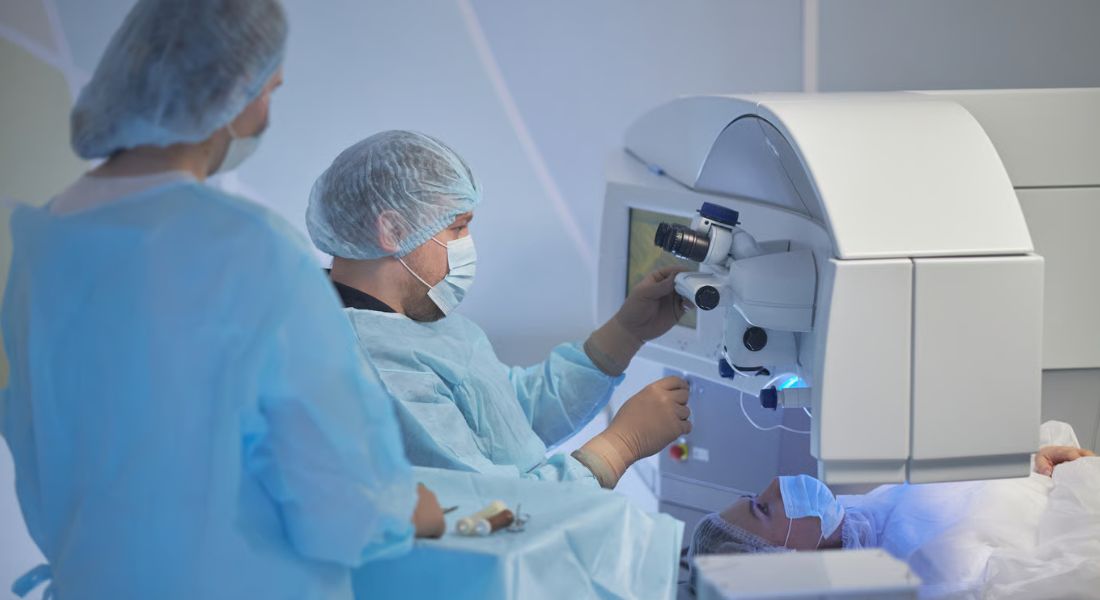
Taylor Swift publicly revealed in 2019 that she had undergone LASIK eye surgery. She later spoke about the experience on The Tonight Show Starring Jimmy Fallon, where a video of her recovery filmed by her mother was also shown.
LASIK is a laser vision correction procedure that reshapes your cornea to reduce your dependence on glasses or contact lenses. Swift has publicly spoken positively about her eyesight after LASIK, but your suitability and outcome depend on factors such as your prescription, corneal health and overall eye health.
What Eye Surgery Did Taylor Swift Actually Have?
Taylor Swift publicly confirmed in 2019 that she had undergone LASIK, a type of laser vision correction. Her recovery attracted attention after her mother recorded a video of her wearing protective eye shields shortly after the procedure, which was later shown on The Tonight Show Starring Jimmy Fallon.
Swift has not publicly shared details such as her prescription, corneal thickness or laser settings, so you should not assume them. LASIK can reduce your dependence on glasses or contact lenses, but whether it is suitable for you depends on your individual eye health and measurements.
What Does LASIK Mean?
LASIK stands for laser-assisted in situ keratomileusis and is a type of laser vision correction that reshapes the cornea. This changes how light enters your eye, helping it focus more accurately on your retina.
LASIK can correct short-sightedness, long-sightedness and astigmatism, potentially reducing your need for glasses or contact lenses. However, it does not guarantee that you will never need glasses again, particularly as your eyes naturally change with age.
How Does LASIK Eye Surgery Work?
LASIK usually involves creating a thin flap in your cornea, often using a femtosecond laser. Your surgeon then lifts the flap and uses an excimer laser to reshape the underlying corneal tissue based on your individual eye measurements.
The flap is repositioned over the treated cornea without stitches and normally adheres as the eye heals. You will have anaesthetic eye drops during the procedure, so you should not feel significant pain, although you may notice some pressure or unusual visual sensations.
Why Would Someone Choose to Have LASIK?
You might choose LASIK because you want more freedom from glasses or contact lenses in everyday life, at work, during exercise or when travelling. It can correct short-sightedness, long-sightedness and astigmatism in suitable patients.
However, wanting LASIK does not necessarily mean you are suitable for it. Your surgeon will check your prescription, corneal health and overall eye condition, and you should understand that the aim is to reduce your dependence on glasses rather than guarantee perfect vision forever.
Who May Be Suitable for LASIK?
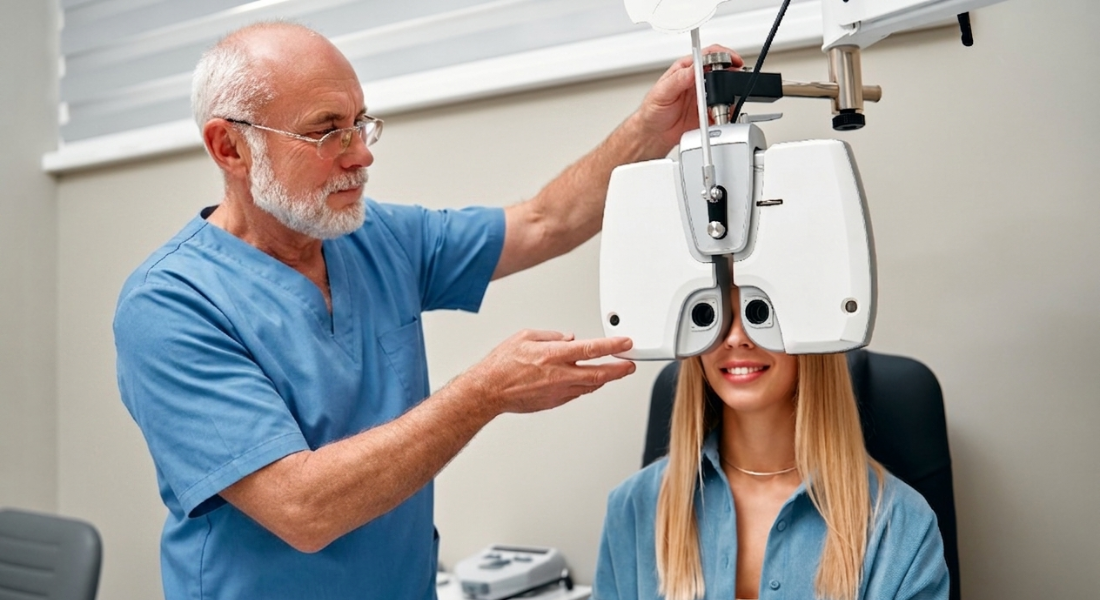
You may be suitable for LASIK if your prescription is stable and your corneas are healthy and suitable for reshaping. Your surgeon will check your corneal thickness, shape and tear-film health, as well as looking for conditions such as keratoconus or significant dry eye.
Your general health and any medicines you take can also affect whether LASIK is appropriate for you. Two people with similar prescriptions may receive different recommendations because their eye health and corneal measurements are different.
Factors That Affect LASIK Suitability
| Factor | Why it matters |
| Prescription stability | A stable prescription helps determine whether laser correction is appropriate and likely to remain useful |
| Corneal thickness | The cornea needs sufficient suitable tissue for safe reshaping |
| Corneal shape | Irregular shape or conditions such as keratoconus may make LASIK unsuitable |
| Dry-eye health | Significant ocular-surface disease may need treatment before surgery and can influence procedure choice |
| Overall eye health | Corneal, retinal or other eye conditions may affect suitability |
| Age and natural eye changes | Presbyopia and other age-related changes influence what LASIK can realistically achieve |
| General health and medicines | Some conditions and medicines can affect healing or treatment suitability |
| Visual expectations | LASIK aims to reduce dependence on glasses but cannot guarantee perfect lifelong unaided vision |
What Happens During a LASIK Consultation?
During your LASIK consultation, your surgeon will assess more than your glasses prescription. Your corneal shape and thickness, tear film, pupils and overall eye health will usually be checked to see whether treatment is suitable for you.
You should also discuss your medical history, previous eye problems, medicines and what you want surgery to achieve. Your surgeon can then explain whether LASIK, another treatment or continuing with glasses or contact lenses may be the most appropriate option for you.
What Was Taylor Swift’s Recovery Experience Like?
Taylor Swift’s recovery attracted attention because her mother recorded her wearing protective eye shields after LASIK while she appeared drowsy. During the television segment, Swift referred to medication she had received after the procedure, so her behaviour should not be presented as a typical effect of LASIK itself.
You should not assume your recovery will be exactly the same as hers. After LASIK, your eyes may sting, water or feel gritty, and you may experience light sensitivity or blurry vision, but these symptoms usually improve during the early recovery period.
How Quickly Can You See After LASIK?
LASIK usually offers relatively quick visual recovery, and you may notice a significant improvement soon after treatment. However, your vision can initially be hazy or blurred, and you may experience watering or light sensitivity.
You should arrange transport home and avoid driving until your surgeon confirms it is safe. Your vision may continue to fluctuate during the following weeks, and final visual stability can take longer in some patients.
Why Can Your Vision Fluctuate During LASIK Recovery?
Visual recovery after LASIK is often fast, but clarity may vary during the early healing period. Temporary tear-film instability and dry-eye symptoms can make vision fluctuate, especially during prolonged reading, screen use or in dry environments. Some people also notice glare, halos or starbursts around lights while their eyes settle.
Follow-up appointments allow your surgeon to check the corneal flap, ocular surface and visual recovery and to adjust lubricating or medicated eye drops if needed. The pace of recovery differs between patients, so your surgeon’s advice should take priority over someone else’s experience or a fixed online recovery timetable.
Why Do You Need Protective Eye Shields After LASIK?
The protective eye shields you may have seen Taylor Swift wearing after LASIK help prevent you from accidentally rubbing or touching your eyes. This is particularly important while you sleep, as rubbing can disturb the corneal flap.
Your surgeon may also prescribe medicated and lubricating eye drops to support healing and keep your eyes comfortable. You should follow their instructions carefully and avoid rubbing your eyes or exposing them to potential irritants until you are told it is safe.
Is LASIK Painful?
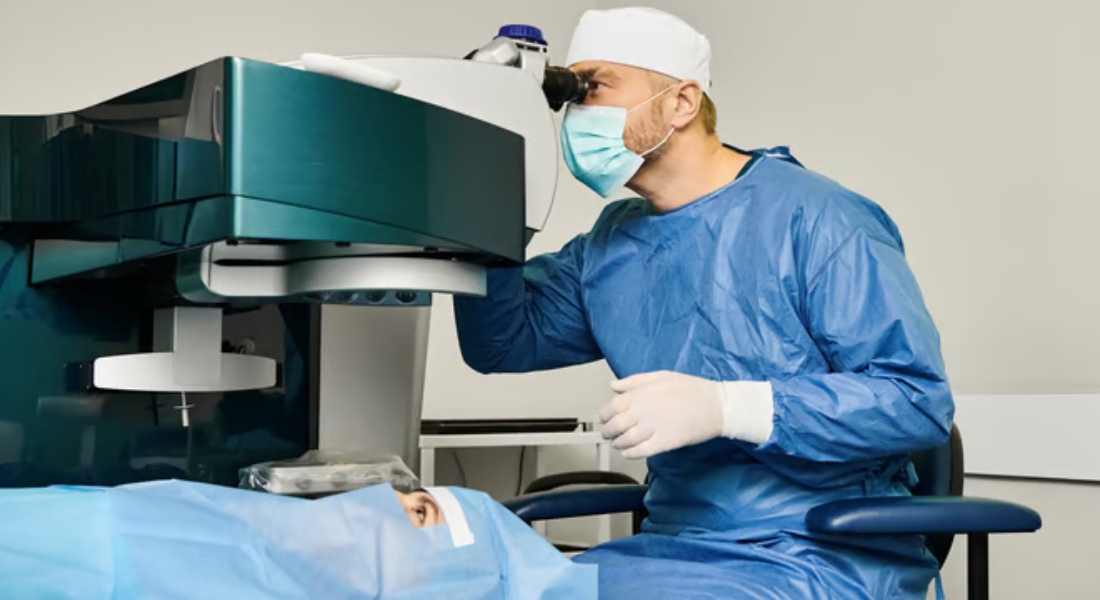
During LASIK, your eyes are numbed with anaesthetic drops, so you should not normally feel significant pain. You may notice some pressure or unusual sensations while the laser treatment is being performed.
Afterwards, your eyes may sting, burn, water or feel gritty for a short time. Mild discomfort can be normal, but severe or increasing pain, a marked reduction in vision or worsening redness should not be assumed to be normal recovery. Contact your eye surgeon or emergency eye service promptly if these occur.
What Side Effects Can You Experience After LASIK?
After LASIK, you may experience dry eyes, grittiness, burning or fluctuating vision while your eyes recover. Glare, halos and starbursts around lights can also occur, particularly at night.
Most early side effects improve as your eyes heal, but some people may experience longer-lasting dry eye or night-vision problems. This is why your surgeon should explain both the potential benefits and possible risks before you decide to have LASIK.
What Are the Risks of LASIK Surgery?
LASIK has a well-established safety and effectiveness profile in appropriately selected patients, but it is still a surgical procedure and complications can occur. You may still need glasses or contact lenses if your eyes are under- or over-corrected, and some people experience dry eyes, glare, halos or changes in night vision.
Rare complications can include problems with the corneal flap, infection, inflammation or abnormal corneal healing. A less common but potentially serious complication is corneal ectasia, in which the cornea progressively weakens and changes shape. Careful pre-operative corneal assessment is important for identifying risk factors.
When Should You Contact Your Eye Surgeon After LASIK?
Some discomfort, watering and temporary blurred vision can occur during early LASIK recovery. However, symptoms that are severe, worsening or different from what your surgeon told you to expect should be assessed.
Contact your eye surgeon or emergency eye service promptly if you develop severe or increasing eye pain, a marked or sudden reduction in vision, increasing redness or another significant new symptom. Follow the emergency instructions provided by your clinic after surgery.
Evidence Note
LASIK is a well-established refractive procedure, but good outcomes depend heavily on appropriate patient selection and informed consent. Clinical guidance supports laser refractive surgery as a safe and effective option in appropriately selected patients, while emphasising the importance of discussing possible limitations and complications, including incomplete correction, new visual disturbances, infection and flap-related problems.
Dry eye deserves particular attention. A 2023 clinical review identified dry-eye disease as the most common complication following corneal laser refractive surgery and emphasised assessment and treatment of pre-existing ocular-surface problems before surgery.
What Should You Avoid During LASIK Recovery?
Your eyes need time to heal after LASIK, so following your surgeon’s recovery advice is important. A few precautions can help protect your eyes.
- Rubbing your eyes: Avoid touching or rubbing your eyes while the corneal flap heals.
- Swimming and hot tubs: Stay away from pools and hot tubs until your surgeon says they are safe.
- Eye make-up: Avoid eye make-up during the early recovery period to reduce irritation.
- Contact activities: Avoid activities where your eyes could be knocked or injured.
Your recovery timetable will depend on how your eyes heal. Follow your surgeon’s individual advice before returning to these activities.
Are There Alternatives If LASIK Is Not Suitable for You?
If LASIK is not suitable for you, other options may still be available. Depending on your prescription, corneal measurements and age, alternatives may include surface laser treatments such as PRK or LASEK, lenticule-extraction procedures or lens-based options.
Sometimes, continuing with glasses or contact lenses may simply be the safest choice for you. A proper assessment should focus on what is safest and most appropriate for your eyes rather than trying to find a procedure at all costs.
Clinical Guidance Note
Published clinical evidence supports laser refractive surgery as an effective option in appropriately selected patients and emphasises the importance of discussing expected benefits, limitations, risks and alternatives before treatment.
Suitability should be based on individual assessment rather than prescription alone. Age, prescription stability, corneal shape and thickness, ocular-surface health, other eye conditions and your visual priorities can all affect which procedure, if any, is appropriate.
Does LASIK Mean You Will Never Need Glasses Again?
LASIK can significantly reduce your need for glasses, but it does not stop your eyes from changing with age. You may still have a small prescription afterwards or develop one later.
As you get older, your natural lens becomes less flexible, causing presbyopia and making close-up tasks harder. This means you may eventually need reading glasses even if you have excellent distance vision after LASIK.
What Can You Learn From Taylor Swift’s LASIK Experience?
Taylor Swift’s experience is useful mainly because it highlights the difference between a public recovery story and an individual medical decision. She confirmed having LASIK and has spoken positively about her eyesight, but her prescription, corneal measurements and treatment settings have not been publicly disclosed.
Your decision should therefore be based on a detailed eye assessment, realistic expectations and discussion of risks and alternatives rather than on another person’s result.
Myth vs Fact
| Myth | Fact |
| Taylor Swift’s good experience means LASIK is suitable for everyone. | No. Suitability depends on your prescription, corneal measurements, tear-film health and wider eye health. |
| LASIK guarantees that you will never need glasses again. | No. Residual prescription, later refractive change and presbyopia may mean glasses are still needed. |
| The drowsiness in Taylor Swift’s recovery video is a normal effect of LASIK. | Not necessarily. LASIK is normally performed with local anaesthetic eye drops, and Swift referred to medication she had received after the procedure. |
| LASIK has no side effects if the procedure goes well. | Dry eye, temporary blur, glare, halos and starbursts can occur during recovery, while less common complications are also possible. |
| LASIK and LASEK are the same operation. | No. LASIK uses a corneal flap, whereas LASEK is a surface-laser technique with a different recovery pattern. |
Key Takeaways
- Taylor Swift publicly confirmed having LASIK eye surgery in 2019, and recovery footage filmed by her mother was shown on The Tonight Show.
- Her individual experience does not show whether LASIK will be safe or effective for someone else.
- LASIK stands for laser-assisted in situ keratomileusis and works by creating a corneal flap and using an excimer laser to reshape underlying tissue.
- Laser vision correction is generally considered only in adults with a sufficiently stable prescription, and detailed corneal and ocular assessment is essential before treatment.
- Dry eye, temporary blur, glare, halos and starbursts can occur after LASIK, while rarer complications such as infection, flap problems and ectasia are also possible.
- LASIK can reduce dependence on glasses, but it cannot guarantee perfect lifelong unaided vision or prevent presbyopia.
- If LASIK is unsuitable, alternatives may include surface laser treatment, lenticule extraction, lens-based procedures or continuing with glasses/contact lenses.
Frequently Asked Questions
- What eye surgery did Taylor Swift have?
Taylor Swift publicly confirmed that she had LASIK eye surgery in 2019. LASIK is a type of laser vision correction that reshapes your cornea to reduce your dependence on glasses or contact lenses. Her exact prescription and treatment details have not been publicly shared. - Why did Taylor Swift have LASIK?
Taylor Swift has publicly confirmed having LASIK and has spoken positively about her eyesight afterwards, but she has not publicly shared a detailed clinical reason for choosing the procedure. In general, LASIK is used to correct refractive errors and reduce dependence on glasses or contact lenses. - How does LASIK eye surgery work?
During LASIK, your surgeon creates a thin flap in your cornea before using a laser to reshape the underlying tissue. This changes how light enters your eye so it can focus more accurately on your retina. The flap is then repositioned over the treated cornea and normally adheres without stitches as healing progresses. - Is LASIK painful?
You should not normally feel significant pain during LASIK because your eyes are numbed with anaesthetic drops. You may notice some pressure or unusual sensations during the procedure. Afterwards, your eyes may sting, water or feel gritty for a short time. - How quickly can you see after LASIK?
You may notice a significant improvement in your vision soon after LASIK, although your eyesight can initially be hazy or blurred. You may also experience watering or light sensitivity during the early recovery period. Your vision can continue to settle over the following weeks or months. - Why do you need protective eye shields after LASIK?
Protective eye shields help stop you from accidentally touching or rubbing your eyes after surgery. This is particularly important while you are sleeping because rubbing could disturb the healing corneal flap. Your surgeon will tell you how long you need to wear them. - What side effects can you experience after LASIK?
You may experience temporary dry eyes, grittiness, burning, blurred vision or light sensitivity after LASIK. Glare, halos and starbursts around lights can also occur, particularly at night. Most early symptoms improve as your eyes heal, although some can last longer. - Does LASIK mean you will never need glasses again?
LASIK can significantly reduce your dependence on glasses or contact lenses, but it cannot stop your eyes from naturally changing with age. You may still need glasses for certain activities or develop a prescription later. Presbyopia can also mean you need reading glasses as you get older. - Who may be suitable for LASIK?
You may be suitable for LASIK if your prescription is stable and your corneas are healthy and suitable for treatment. Your surgeon will assess your corneal shape, thickness, tear-film health and overall eye condition. Conditions such as significant dry eye or keratoconus may affect your suitability. - Can Taylor Swift’s LASIK experience predict your results?
No, Taylor Swift’s experience cannot predict how you will respond to LASIK. Her prescription, corneal measurements and other treatment details have not been publicly disclosed. Your expected results depend on your individual prescription, corneal health and overall eye condition.
Final Thoughts: What Taylor Swift’s LASIK Experience Can Teach You
Taylor Swift’s experience illustrates how LASIK can be used to reduce dependence on glasses or contact lenses, but your own experience and outcome may be very different. Your prescription, corneal health, tear-film quality and overall eye health all need to be assessed before deciding whether laser vision correction is suitable for you.
If you are considering Lasik surgery in London, you can contact our team at Eye Clinic London to arrange an assessment and discuss whether the procedure may be suitable for you.
References:
- Nair, S. et al. (2023) ‘Refractive surgery and dry eye – An update’, Indian Journal of Ophthalmology, 71(4), pp. 1105–1114. Available at: https://pmc.ncbi.nlm.nih.gov/articles/PMC10276666/
- Kim, T-I., Alió Del Barrio, J.L., Wilkins, M., Cochener, B. and Ang, M. (2019) ‘Refractive surgery’, The Lancet, 393(10185), pp. 2085–2098. Available at: https://www.sciencedirect.com/science/article/pii/S0140673618332094
- Moshirfar, M. et al. (2021) ‘Ectasia After Corneal Refractive Surgery: A Systematic Review’, Ophthalmology and Therapy, 10(4), pp. 753–776. Available at: https://pubmed.ncbi.nlm.nih.gov/34417707/
- Eydelman, M. et al. (2017) ‘Symptoms and Satisfaction of Patients in the Patient-Reported Outcomes With Laser In Situ Keratomileusis (PROWL) Studies’, JAMA Ophthalmology, 135(1), pp. 13–22. Available at: https://pubmed.ncbi.nlm.nih.gov/27893066/
- Farjo, A.A. et al. (2013) ‘Femtosecond Lasers for LASIK Flap Creation: A Report by the American Academy of Ophthalmology’, Ophthalmology, 120(3), pp. e5–e20. Available at: https://www.sciencedirect.com/science/article/pii/S0161642012007683