


What Eye Condition Does Bono Have?
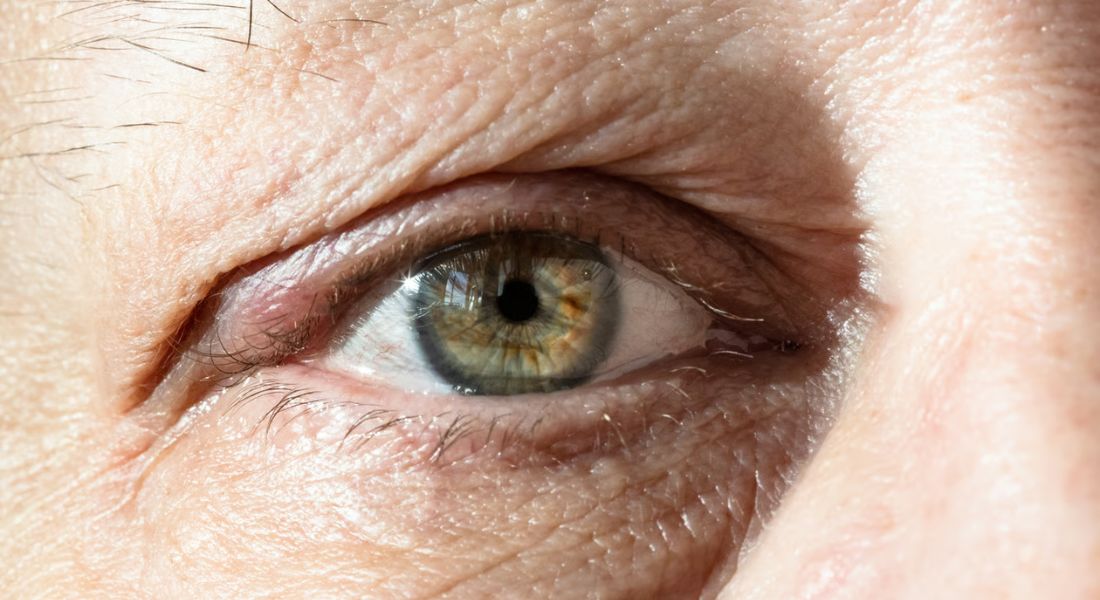
If you have ever wondered why Bono is so often seen wearing tinted glasses, he has publicly spoken about living with glaucoma. The U2 singer disclosed the condition in 2014, although tinted glasses themselves do not treat glaucoma or prevent optic-nerve damage.
Glaucoma can damage the optic nerve gradually without obvious early symptoms, so regular eye examinations matter even when your vision seems normal. Treatment can help reduce the risk of further damage, but sight already lost from glaucoma cannot currently be restored.
What Did Bono Reveal About His Eyes?
Bono publicly revealed that he has glaucoma during an appearance with U2 on The Graham Norton Show in October 2014. He explained that he had been living with the condition for around 20 years and was receiving treatment. However, he has not shared specific details about his type of glaucoma or treatment.
His experience highlights why you should take glaucoma seriously, even if your eyesight seems normal. Glaucoma can develop slowly without obvious symptoms, so regular eye tests can help detect it early and protect your vision.
What Exactly Is Glaucoma?
Glaucoma is a group of eye conditions that damage your optic nerve, which carries visual information from your eye to your brain. It is often linked with increased pressure inside the eye, but you can develop glaucoma even when your eye pressure is within the normal range.
Because glaucoma can develop slowly, you may not notice changes to your vision at first. Regular eye tests can help your optometrist check your eye pressure, optic nerve and visual field, helping to detect glaucoma early and protect your sight.
Why Can Glaucoma Develop Without You Noticing?
Glaucoma can develop slowly without causing noticeable symptoms, so you may feel completely well while damage is occurring. In common forms such as primary open-angle glaucoma, visual-field damage can develop gradually and may remain unnoticed for a long time, particularly while central vision is still relatively well preserved.
Because the damage can progress gradually over years, you may not realise anything is wrong until significant sight loss has occurred. Regular eye tests can help detect glaucoma early, giving treatment a better chance of protecting the vision you still have.
Does Glaucoma Always Cause High Eye Pressure?
No. High eye pressure is an important risk factor for glaucoma, but you can develop optic nerve damage even when your eye pressure appears to be within the normal range. Likewise, some people have high eye pressure without developing glaucoma.
This is why your eye pressure alone cannot confirm whether you have glaucoma. Your ophthalmologist may also check your optic nerve, visual field and corneal thickness to build a clearer picture of your eye health.
What Are the Main Types of Glaucoma?
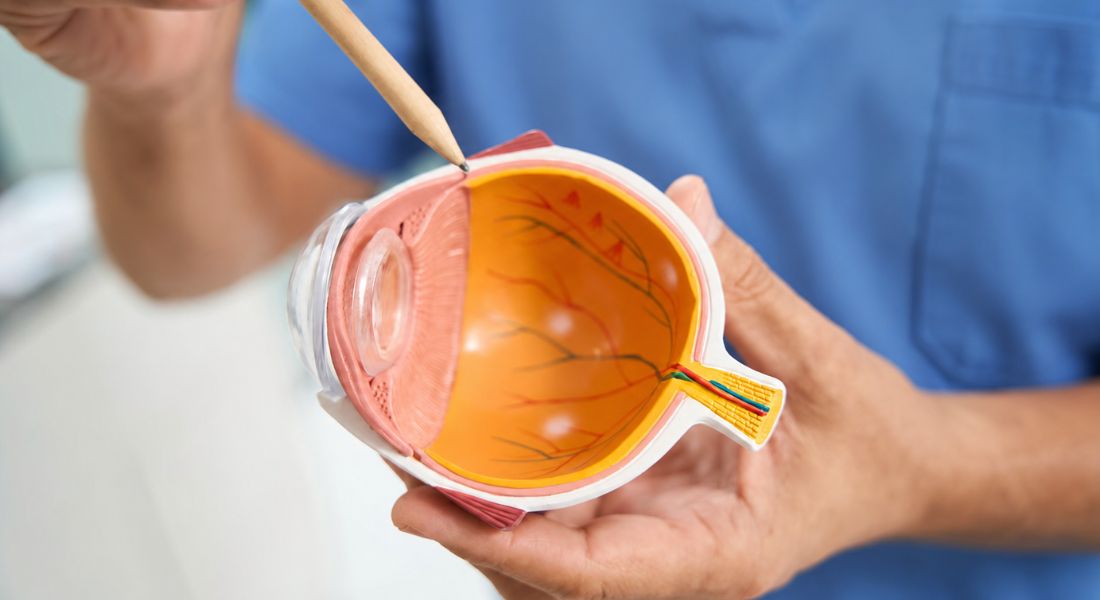
There are several types of glaucoma, including primary open-angle and angle-closure glaucoma. Open-angle glaucoma usually develops gradually, while angle-closure glaucoma occurs when the eye’s drainage pathway becomes blocked.
Glaucoma can also develop because of another eye condition, injury, inflammation or certain medicines. Knowing which type you have is important because your treatment and monitoring may differ.
Main Types of Glaucoma
| Type of glaucoma | How it usually develops | Typical features |
| Primary open-angle glaucoma | The drainage angle remains open, but fluid outflow is not sufficient to maintain a pressure that is safe for the optic nerve | Usually develops gradually and often causes no noticeable early symptoms |
| Normal-tension glaucoma | Glaucomatous optic-nerve damage develops despite measured eye pressure being within the statistically normal range | Usually progresses gradually and requires assessment of the optic nerve and visual field |
| Angle-closure glaucoma | The drainage angle becomes narrowed or closed | May develop gradually or present suddenly; an acute attack can cause severe pain, redness, blurred vision, halos, headache, nausea or vomiting |
| Secondary glaucoma | Develops because of another eye condition, injury, inflammation or certain medicines | Features and treatment depend on the underlying cause |
| Primary congenital glaucoma | Develops because the eye’s drainage structures have not developed normally | Usually presents in babies or young children and needs specialist assessment |
What Symptoms Can Glaucoma Cause?
Early glaucoma often causes no noticeable symptoms, so you may have clear central vision while your peripheral vision is slowly affected. As glaucoma progresses, you may notice changes in your field of vision, and severe untreated damage can eventually lead to blindness.
Acute angle-closure glaucoma can cause sudden symptoms such as severe eye pain, redness, blurred vision, coloured halos, headache, nausea and vomiting. If these symptoms develop suddenly, call 999 or go to A&E because acute glaucoma can be a sight-threatening emergency.
Why Does Bono Wear Tinted Glasses?
Bono has been known for wearing coloured or dark glasses for many years and has connected his glasses with his glaucoma. However, you should not assume that his eyewear reflects specific symptoms or treatment.
Tinted glasses do not lower eye pressure or treat glaucoma. If you have glaucoma, treatment may include eye drops, laser treatment or surgery depending on the type and severity of your condition. Tinted lenses may make bright conditions more comfortable for some people, while sunglasses specifically designed to block ultraviolet radiation can provide UV protection.
Who Is More Likely to Develop Glaucoma?
Your risk of glaucoma can increase because of your age, family history and certain eye or health factors. Knowing your risk can help you decide how often to have your eyes checked.
- Older age: Your risk of glaucoma generally increases as you get older.
- Family history and background: Your risk may be higher if a close relative has glaucoma. Some glaucoma subtypes are also more common in particular ancestral populations.
- Eye pressure and eye characteristics: Raised eye pressure is an important risk factor, while factors such as significant short-sightedness or narrow drainage angles may also affect risk depending on the glaucoma subtype.
- Eye or medical history: Previous eye injury, inflammation and long-term corticosteroid treatment can increase the risk of secondary glaucoma.
Having a risk factor does not mean you will develop glaucoma. Regular eye examinations can help detect changes early.
How Is Glaucoma Detected During an Eye Examination?
Glaucoma may be detected during an eye examination before you notice changes in your vision. Assessment can include measurement of eye pressure, examination of the optic nerve, visual-field testing and OCT imaging. Corneal thickness may also be measured because it can affect the interpretation of eye-pressure readings.
Your specialist may also examine the drainage angle, particularly if narrow or closed angles are suspected. No single test confirms every case of glaucoma, so the results need to be interpreted together and compared over time when appropriate.
Why Is a Visual Field Test Important?
A visual field test checks areas of your vision that a standard eyesight chart may not detect. This is particularly important with glaucoma because your peripheral vision can be affected before your central vision becomes noticeably blurred.
During the test, you focus on a central target and respond when you see small lights appearing around it. The results help your specialist identify areas of reduced vision and monitor whether your glaucoma is stable over time.
What Does an OCT Scan Show in Glaucoma?
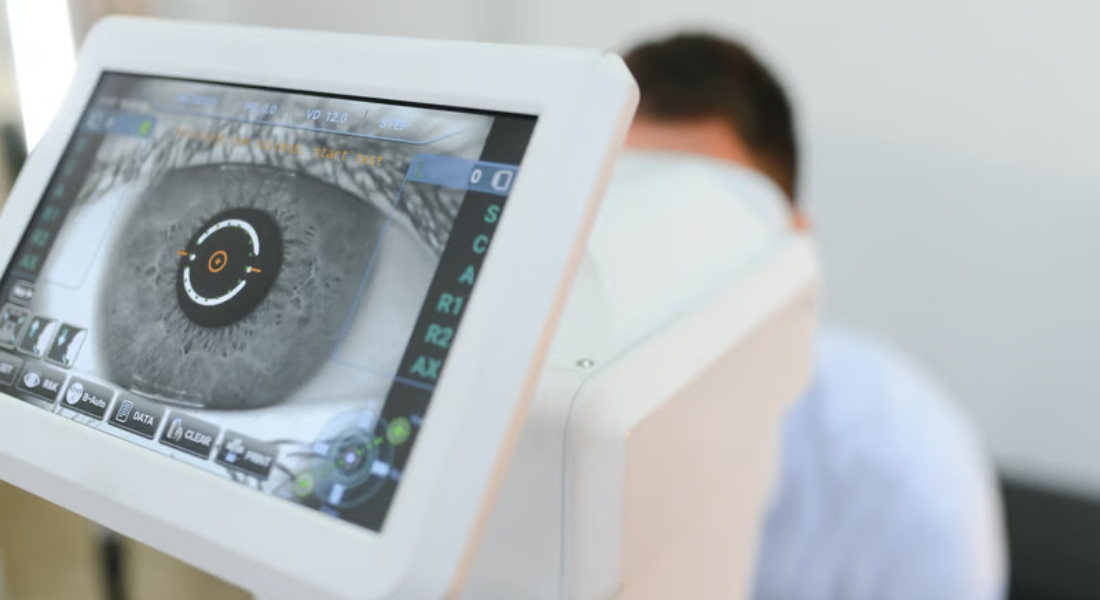
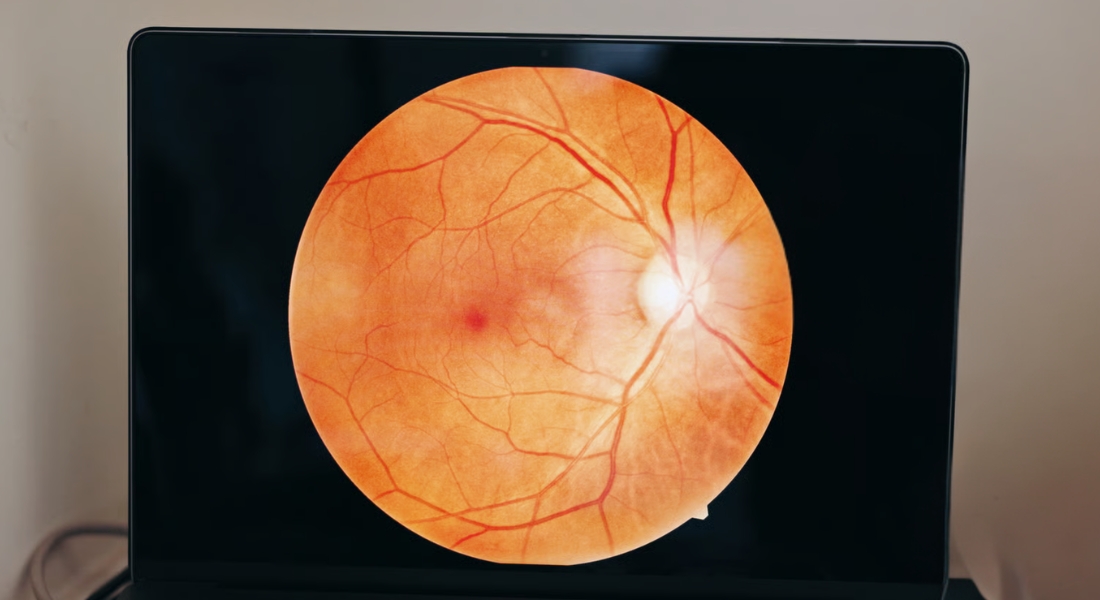
An OCT scan uses light to create detailed images of the structures at the back of your eye. It can help your specialist assess structures such as the retinal nerve fibre layer and optic nerve head for patterns of thinning that may be consistent with glaucomatous damage.
An abnormal OCT result does not automatically mean you have glaucoma, as other factors can affect the measurements. Your specialist will consider the OCT alongside your eye pressure, visual field and optic nerve examination to monitor your eye health over time.
How Is Glaucoma Treated?
Glaucoma treatment aims to lower the pressure inside your eye and reduce the risk of further optic nerve damage. Depending on your condition, your specialist may recommend eye drops, laser treatment or surgery.
The right treatment depends on factors such as your eye pressure, optic-nerve damage, visual-field findings and how quickly the condition is progressing. Your specialist may set an individual target eye pressure, which is a pressure level intended to reduce the risk of further glaucomatous damage, and adjust treatment if the disease progresses or the pressure is not controlled sufficiently.
Evidence Note
The UK LiGHT randomised trial provided important evidence supporting selective laser trabeculoplasty (SLT) as an initial treatment option for open-angle glaucoma and ocular hypertension. At six years, 69.8% of eyes initially treated with SLT remained at or below their target eye pressure without needing medical or surgical treatment. Disease progression was also less frequent in the initial-SLT group than in the initial-eye-drop group.
These findings apply to people with open-angle glaucoma or ocular hypertension who were suitable for SLT. They do not mean that laser treatment is appropriate for every type or stage of glaucoma, so treatment should be selected according to the individual diagnosis, disease severity and risk of progression.
Do Glaucoma Eye Drops Have to Be Used Long Term?
Glaucoma usually requires long-term monitoring and treatment. If pressure-lowering eye drops are part of your treatment plan, you may need to use them for many years, although successful SLT can sometimes delay or reduce the need for drops. You should not stop prescribed drops without medical advice because your eye pressure may rise and increase the risk of further optic-nerve damage.
If you find your drops difficult to use or notice side effects, speak to your glaucoma team rather than stopping them. They may be able to adjust your treatment or suggest another option, while regular follow-up helps keep your condition under control.
Can Laser or Surgery Cure Glaucoma?
Laser treatment and glaucoma surgery can lower eye pressure and help protect your remaining vision, but they do not cure established glaucoma or restore sight already lost from optic-nerve damage. The treatment you need depends on the type and severity of your glaucoma.
Even after successful laser treatment or surgery, you may still need eye drops and regular check-ups. The main goal is to control the condition and protect your remaining vision for as long as possible.
Clinical Guidance Note
Current UK practice supports 360° selective laser trabeculoplasty as an initial treatment option for many suitable adults with newly diagnosed non-advanced chronic open-angle glaucoma. Pressure-lowering eye drops remain important when laser treatment is unsuitable, declined or does not reduce eye pressure sufficiently, while advanced glaucoma may require surgery.
Regular eye examinations remain important because glaucoma can develop without obvious symptoms. People at increased risk may need more frequent testing, while people already diagnosed with glaucoma need follow-up tailored to their disease control and risk of progression.
Can Vision Lost From Glaucoma Be Restored?
Established vision loss from glaucoma cannot currently be restored because glaucomatous optic-nerve damage is irreversible. This is why early detection matters, as treatment can help protect the vision you still have and reduce the risk of further damage.
If you have glaucoma, regular check-ups allow your specialist to monitor your eye pressure, optic nerve and visual field. Be cautious of claims that supplements or alternative treatments can restore vision already lost to glaucoma, as there is currently no proven way to regenerate damaged optic nerve tissue.
Myth vs Fact
| Myth | Fact |
| If your eyesight seems normal, you cannot have glaucoma. | Chronic open-angle glaucoma can progress without noticeable symptoms and is often detected during routine eye testing. |
| Glaucoma always means high eye pressure. | No. Glaucomatous optic-nerve damage can occur even when measured eye pressure is within the normal range. |
| Bono’s tinted glasses treat his glaucoma. | No. Tinted lenses may help with light sensitivity but do not reduce eye pressure or prevent glaucomatous optic-nerve damage. |
| Glaucoma eye drops are the only first treatment in the UK. | No. Selective laser trabeculoplasty can be used as an initial treatment in many suitable people with newly diagnosed non-advanced chronic open-angle glaucoma. |
| Sight already lost to glaucoma can be restored with laser or surgery. | Current treatments aim to prevent further deterioration; they do not regenerate established optic-nerve damage. |
| Sudden painful glaucoma can wait for a routine appointment. | No. Sudden glaucoma symptoms are a medical emergency and require A&E/999 assessment. |
When Should You Have Your Eyes Checked for Glaucoma?
You should not wait for changes in your vision before having your eyes checked, as glaucoma can develop without obvious symptoms. Regular eye tests can check your eye pressure, optic nerve and vision, while you may need more frequent tests if you have a higher risk, such as a family history of glaucoma.
If severe eye pain, redness, blurred vision, coloured halos, headache, nausea or vomiting develop suddenly, call 999 or go to A&E. These symptoms can occur with acute glaucoma and require emergency assessment.
Key Takeaways
- Bono publicly revealed in 2014 that he has glaucoma and receives treatment; he has not publicly disclosed his exact glaucoma subtype or treatment regimen.
- Chronic glaucoma can progress without obvious symptoms and may affect peripheral vision before you notice a problem.
- Raised eye pressure is an important risk factor, but glaucoma can also occur when measured pressure is within the normal range.
- Diagnosis depends on several findings together, including eye pressure, optic-nerve assessment, visual fields and, when appropriate, OCT, corneal-thickness and angle assessment.
- 360° selective laser trabeculoplasty can be used as an initial treatment for many suitable people with newly diagnosed non-advanced chronic open-angle glaucoma.
- Treatment can reduce the risk of further damage but cannot currently restore sight already lost from glaucoma.
- Regular eye examinations are important because glaucoma can develop without obvious symptoms, while people at higher risk or with diagnosed glaucoma may need more frequent monitoring.
- Sudden severe eye pain, redness, blurred vision, halos, headache and nausea or vomiting can indicate acute glaucoma and require emergency assessment.
Frequently Asked Questions
- What eye condition does Bono have?
Bono has glaucoma, which he publicly revealed in 2014. He said he had been living with the condition for around 20 years and was receiving treatment. He has not publicly shared specific details about his glaucoma subtype. - Can glaucoma develop without symptoms?
Yes, glaucoma can develop gradually without noticeable symptoms. You may not realise your optic nerve is being damaged until you have lost some vision. Regular eye tests can help detect it early. - Does glaucoma always cause high eye pressure?
No, you can have glaucoma even when your eye pressure is within the normal range. High eye pressure is a risk factor, but it does not confirm glaucoma. Your optic nerve and visual field also need to be assessed. - Why does Bono wear tinted glasses?
Bono has linked his tinted glasses with his glaucoma, but they do not treat the condition. Tinted glasses may make bright light more comfortable, but they cannot lower eye pressure or prevent optic nerve damage. - How is glaucoma diagnosed?
Your eye specialist may check your eye pressure, optic nerve and visual field. An OCT scan can also help identify changes in the retinal nerve fibre layer. These tests are considered together to assess your eye health. - Can glaucoma cause blindness?
Yes, untreated glaucoma can cause permanent sight loss and may eventually lead to blindness. Established vision loss from glaucoma cannot currently be restored, which is why early diagnosis and treatment are important for protecting the vision you still have. - How is glaucoma treated?
Treatment usually aims to lower the pressure inside your eye and protect the optic nerve. Depending on your condition, you may need eye drops, laser treatment or surgery. Your specialist will recommend the most suitable option for you. - Do you need glaucoma treatment long term?
You may need treatment and regular monitoring for many years because glaucoma is usually a lifelong condition. You should not stop prescribed eye drops without medical advice. If you have side effects, your specialist can review your treatment. - Can laser treatment or surgery cure glaucoma?
Laser treatment and surgery can lower eye pressure and help prevent further damage. However, they do not usually cure glaucoma or restore vision that has already been lost. You may still need eye drops and regular check-ups afterwards. - When should you have your eyes checked for glaucoma?
You should have regular eye examinations because glaucoma can develop without obvious symptoms. You may need more frequent monitoring if you have additional risk factors or diagnosed glaucoma. If severe eye pain, redness, blurred vision, coloured halos, headache, nausea or vomiting develop suddenly, call 999 or go to A&E.
Final Thoughts: Protecting Your Vision From Glaucoma
Bono’s experience with glaucoma highlights why you should take your eye health seriously, even if your vision seems completely normal. Glaucoma can develop gradually without obvious symptoms, but regular eye examinations can help detect optic nerve damage early and allow treatment to protect the vision you still have. Treatment may include eye drops, laser or surgery, depending on your individual condition.
If you are looking for glaucoma treatment in London, our team at Eye Clinic London can provide a comprehensive assessment and recommend appropriate care based on your individual needs.
References:
- Gazzard, G. et al. (2023) ‘Laser in Glaucoma and Ocular Hypertension (LiGHT) Trial: Six-Year Results of Primary Selective Laser Trabeculoplasty versus Eye Drops for the Treatment of Glaucoma and Ocular Hypertension’, Ophthalmology, 130(2), pp. 139–151. Available at: https://pubmed.ncbi.nlm.nih.gov/36122660/
- Stein, J.D., Khawaja, A.P. and Weizer, J.S. (2021) ‘Glaucoma in Adults—Screening, Diagnosis, and Management: A Review’, JAMA, 325(2), pp. 164–174. Available at: https://pubmed.ncbi.nlm.nih.gov/33433580/
- Shan, S. et al. (2024) ‘Global incidence and risk factors for glaucoma: A systematic review and meta-analysis of prospective studies’, Journal of Global Health, 14, 04252. Available at: https://pmc.ncbi.nlm.nih.gov/articles/PMC11544525/
- Bussel, I.I., Wollstein, G. and Schuman, J.S. (2014) ‘OCT for glaucoma diagnosis, screening and detection of glaucoma progression’, British Journal of Ophthalmology, 98(Suppl 2), pp. ii15–ii19. Available at: https://pmc.ncbi.nlm.nih.gov/articles/PMC4208340/
- Sun, X. et al. (2017) ‘Primary angle closure glaucoma: What we know and what we don’t know’, Progress in Retinal and Eye Research, 57, pp. 26–45. Available at: https://www.sciencedirect.com/science/article/pii/S1350946216300519