


What Eye Condition Did Mila Kunis Have?
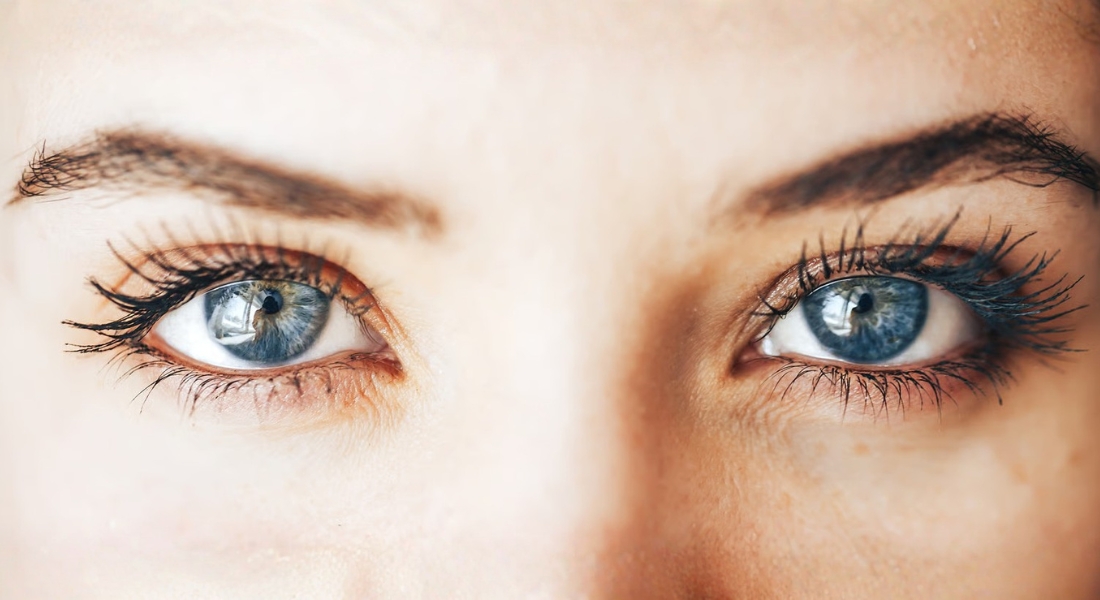
Mila Kunis is known for her distinctive eyes, but in 2011 she revealed that she had been living with chronic iritis, an inflammatory eye condition that had severely affected the sight in one eye for years before she underwent surgery.
If you have never heard of iritis, you are not alone. It is inflammation inside the front of the eye, and while it can often be treated successfully, persistent or recurring inflammation can sometimes threaten your sight or lead to complications such as cataracts. So what happened to Mila Kunis’s eye, and what can her experience tell you about recognising iritis?
What Did Mila Kunis Say About Her Eye Condition?
Mila Kunis has publicly discussed having chronic iritis, which causes inflammation in the iris at the front of your eye. In a 2011 interview with Cosmopolitan, Kunis said that she had been ‘blind in one eye for many years’ before undergoing surgery several months earlier in which the affected lens was replaced.
Her experience also shows why persistent eye inflammation should not simply be ignored once the immediate discomfort settles. Chronic or recurrent iritis can require ongoing monitoring because inflammation and its complications may continue to affect your sight.
What Exactly Is Iritis?
To understand what happened to Kunis, it helps to know what iritis actually affects. The iris is the coloured ring around your pupil that helps control how much light enters your eye. When the iris becomes inflamed, you may develop pain, redness, light sensitivity or changes in your vision.
Iritis is a form of anterior uveitis, meaning inflammation affecting the front part of the eye. When the inflammation mainly involves the iris, it may be called iritis; anterior uveitis can also involve nearby structures such as the ciliary body.
Why Does Iritis Happen?
There is no single cause of iritis, and sometimes your doctor may not find a clear reason for the inflammation. You may develop it in association with an immune-related condition, infection, eye injury or another health problem.
Further investigations are not identical for everyone. Your ophthalmologist may consider blood tests, imaging or other investigations when the pattern of uveitis, repeated episodes or symptoms elsewhere in your body suggest an underlying inflammatory or infectious cause.
What Does “Chronic Iritis” Mean?
Doctors describe uveitis as chronic when inflammation persists or returns within three months after treatment is stopped. Recurrent uveitis is different: it causes separate episodes with periods of at least three months when the eye is inactive without treatment.
Both chronic and recurrent inflammation may require ongoing ophthalmology follow-up. Even when your eye feels comfortable, your specialist may need to check whether inflammation is still active and monitor for complications.
What Symptoms Can Iritis Cause?
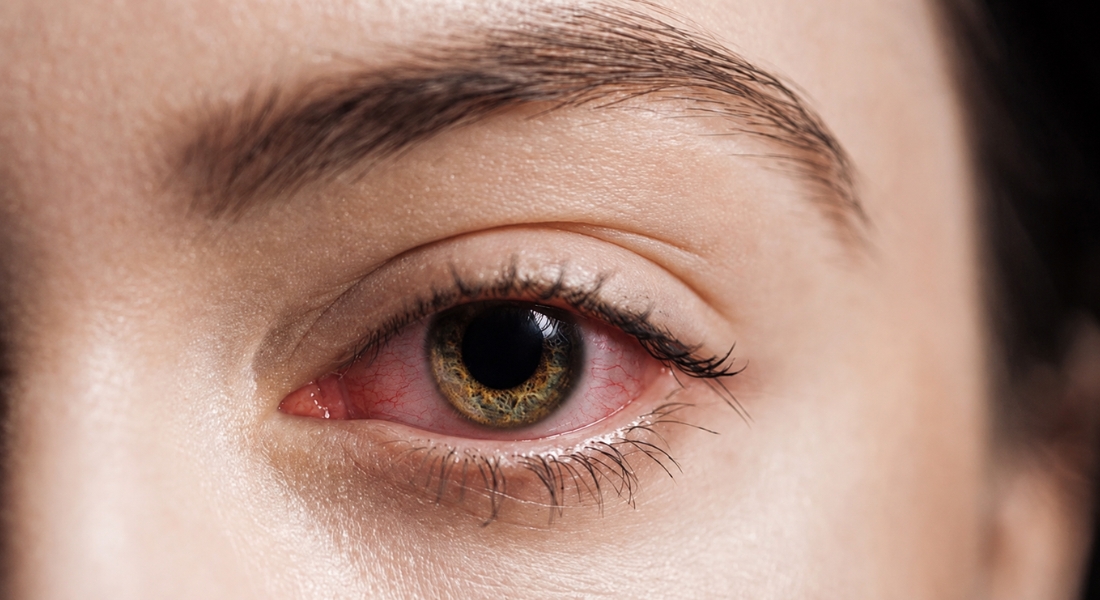
Iritis does not always feel the same for everyone. You might notice that an eye becomes red and painful, that bright light feels uncomfortable, or that your vision starts to look blurred or hazy.
Because these symptoms can overlap with other eye conditions, it is important not to diagnose iritis yourself. A painful or very red eye, marked light sensitivity or a change in your vision should be assessed promptly.
How Can Iritis Affect Your Vision?
Inflammatory cells and proteins inside the eye can interfere with clear vision, so iritis may make your sight appear blurred or cloudy. If inflammation is severe, persistent or recurrent, complications such as cataract, raised eye pressure or macular swelling can affect vision further.
This is why how painful your eye feels does not necessarily tell you everything about what is happening inside it. Follow-up examinations allow your ophthalmologist to check whether the inflammation has settled and whether any complications are developing.
Why Can Chronic Iritis Lead to Complications?
Ongoing or repeated inflammation can affect several structures inside your eye. Complications can include adhesions between the iris and lens, known as posterior synechiae, cataract, raised eye pressure or glaucoma, and swelling at the macula at the back of the eye. Some of these problems can affect vision even when the original inflammation is improving.
The aim of treatment is not only to make your eye feel better, but also to bring the inflammation under control and reduce the chance of these complications developing. Regular eye checks are important even when your symptoms improve because some changes may develop without causing obvious symptoms at first.
Evidence Note
Cataract is a recognised complication of chronic or recurrent uveitis. Research reviews show that cataracts can develop because of the inflammatory process itself, while long-term corticosteroid treatment can also contribute to cataract formation in some patients. This is one reason ophthalmologists monitor both the inflammation and the effects of treatment over time.
Did Mila Kunis Also Have a Cataract?
Contemporary reports of Kunis’s 2011 interview stated that she had developed a cataract in the affected eye in association with her chronic iritis. Kunis herself publicly described severe sight loss and lens-replacement surgery, but the details available publicly are not a substitute for her medical records.
A cataract develops when the natural lens inside your eye becomes cloudy, which can blur or significantly reduce your vision. If it affects your sight enough to require surgery, the cloudy lens is removed and replaced with an artificial lens. Where uveitis is also present, the inflammation still requires separate assessment and management.
Can Iritis Change the Appearance of Your Eyes?
Anterior uveitis can sometimes make the iris look slightly different in colour or appearance, particularly in certain forms of the condition. However, a difference in eye colour does not always mean you have an eye condition, as natural heterochromia and other factors can also cause it.
If you notice a new change in the colour or appearance of one eye, especially with redness, pain or changes in your vision, you should have it checked by an eye specialist. What matters is finding out whether an underlying eye problem is causing the change.
How Is Iritis Diagnosed?

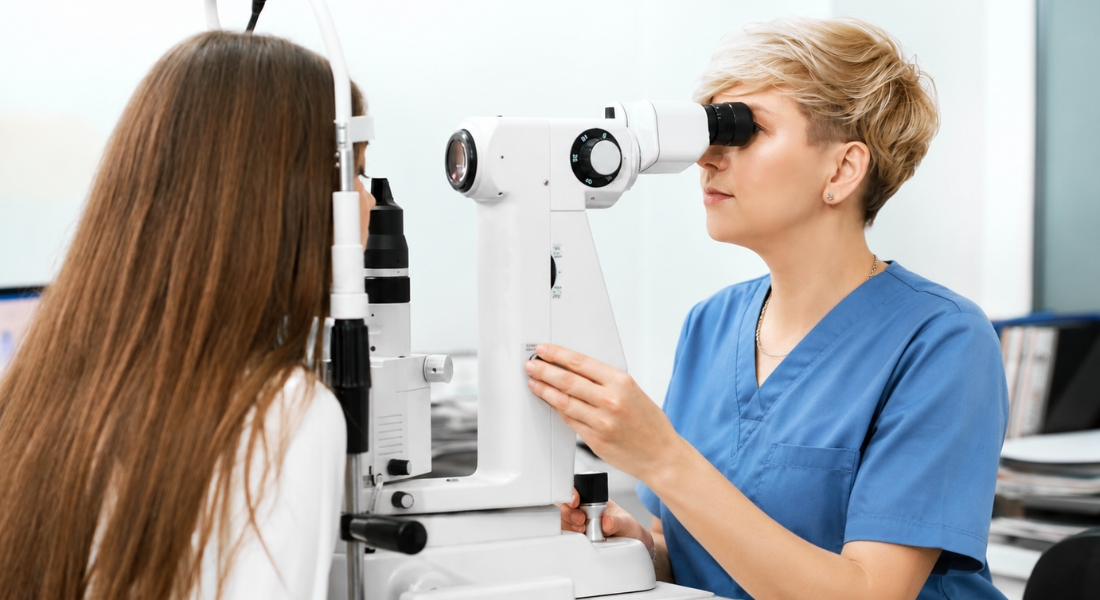
You cannot confirm iritis simply by looking at your eye in a mirror. An ophthalmologist usually needs to examine the front of your eye with a slit-lamp microscope to look for signs of inflammation.
Your ophthalmologist may also check your vision, pupil and eye pressure. You may need dilating drops so more of the eye can be examined, and these can temporarily blur your vision. If you have repeated or unusual episodes, further tests may be recommended to look for an underlying cause.
How Is Iritis Usually Treated?
Your ophthalmologist may prescribe corticosteroid eye drops to reduce inflammation inside your eye. Depending on how active the inflammation is, you may need to use the drops frequently at first. Your ophthalmologist will tell you when and how to reduce them.
You may also be given pupil-dilating drops to ease pain and help prevent the iris from sticking to the lens. If your iritis is severe, persistent or keeps returning, you may need additional treatment depending on the underlying cause.
Use steroid eye drops exactly as prescribed and do not stop them suddenly unless your ophthalmologist tells you to. Steroid treatment may need to be reduced gradually. Steroid eye drops can also raise eye pressure and, with prolonged exposure, contribute to cataract formation in some people, which is another reason follow-up appointments are important.
Why Is Follow-Up So Important?
Even when your eye feels better, some inflammation may still be present. Follow-up appointments let your ophthalmologist examine the eye directly, monitor your vision and eye pressure, and check for complications such as cataract or glaucoma.
Your treatment may also need to be adjusted as your eye improves. If your iritis keeps returning, your specialist may recommend further investigations or a longer-term treatment plan to help protect your vision.
Can Iritis Come Back After Treatment?
Yes. Some people experience just one episode of iritis, while others develop further episodes. If you have had iritis before, you may recognise symptoms such as eye pain, redness, light sensitivity or blurred vision.
If these symptoms return, you should arrange prompt assessment rather than using leftover steroid drops without medical advice. If your iritis keeps coming back, your ophthalmologist may also investigate whether an underlying condition is contributing to your inflammation.
When Should You Seek Urgent Help for Eye Inflammation?
Seek urgent medical assessment if you develop a painful or very red eye, marked sensitivity to light or a new change in your vision. You can contact an urgent optometry or eye service where available, your GP or NHS 111. If you suddenly cannot see from the affected eye, go to A&E or call 999.
- Eye Pain: New or significant eye pain can be a sign that your eye needs urgent assessment.
- Redness or Light Sensitivity: Marked redness or discomfort when looking at light should not be ignored.
- Changes in Vision: Blurred, distorted, or worsening vision can require prompt review by an eye specialist.
- Sudden Loss of Sight: If you suddenly cannot see from the affected eye, go to A&E or call 999.
Do not assume that new eye symptoms are simply dry eyes or minor irritation. Prompt assessment can help your ophthalmologist identify the cause and arrange appropriate treatment.
Can Vision Recover After Iritis?
Many people find that their vision improves as anterior uveitis is brought under control, but recovery depends on how severe and long-lasting the inflammation has been and whether complications have developed.
If inflammation is causing your blurred vision, your sight may improve as your eye settles. If you develop complications such as cataracts, you may need additional treatment, so your ophthalmologist can explain what is affecting your vision and what recovery you can expect.
What Can You Learn from Mila Kunis’s Experience?
Kunis’s experience is an unusual example, but it highlights an important point: inflammation inside the eye can affect your sight even when other people cannot see that anything is wrong. If you develop eye pain, marked light sensitivity or a new change in your vision, you should arrange prompt eye assessment rather than waiting to see whether it settles.
Treatment also depends on what is affecting your sight. Your ophthalmologist may need to control inflammation and treat complications such as cataracts, while regular reviews help make sure your eye remains healthy.
Myth vs Fact
| Myth | Fact |
| Iritis is just redness on the surface of the eye. | Iritis is inflammation inside the eye and is a form of anterior uveitis. |
| If the pain settles, the inflammation must be gone. | Symptoms can improve before inflammation is completely controlled, so follow-up remains important. |
| Iritis cannot cause permanent vision problems. | Most cases respond well to treatment, but persistent or recurrent inflammation can cause sight threatening complications. |
| If you have uveitis and develop a cataract, the inflammation must be the only cause. | Cataracts can be related to the inflammation itself and may also be influenced by prolonged corticosteroid treatment. |
| You can restart old steroid drops if iritis comes back. | Recurrent symptoms should be reassessed. Do not restart previous steroid treatment unless an eye specialist advises you to. |
Frequently Asked Questions
- What eye condition did Mila Kunis have?
Mila Kunis has spoken publicly about having chronic iritis, which is inflammation affecting the iris, the coloured part of your eye. She also experienced severe vision problems in one eye and later underwent surgery involving a replacement lens. - What does iritis feel like?
If you have iritis, you may notice eye pain, redness, sensitivity to light, blurred vision or watering. The symptoms can vary, so you should have persistent or unusual eye symptoms checked rather than assuming they are simple irritation. - Is iritis the same as uveitis?
Iritis is a type of anterior uveitis, which means inflammation affecting the front part of your eye. Your ophthalmologist may use either term when discussing inflammation involving the iris. - Can iritis cause blurred vision?
Yes. Inflammation inside your eye can make your vision appear blurred, cloudy or hazy. Your sight may improve as the inflammation settles, although complications such as cataracts can also affect your vision. - Can chronic iritis cause cataracts?
Chronic inflammation inside your eye can increase the risk of developing a cataract. If a cataract significantly affects your sight, you may need surgery to remove the cloudy natural lens and replace it with an artificial lens. - How is iritis diagnosed?
Your ophthalmologist will usually examine your eye with a slit lamp, which allows them to see inflammation inside the eye that cannot be detected by simply looking in a mirror. Your vision and eye pressure may also be checked. - How is iritis treated?
Treatment often includes steroid eye drops to control inflammation and pupil-dilating drops to reduce discomfort and help prevent the iris from sticking to nearby structures. If your inflammation is severe or keeps returning, you may need additional treatment from an ophthalmologist. - Can iritis come back?
Yes, iritis can return after treatment. If you have had it before and develop eye pain, redness, light sensitivity or blurred vision again, you should arrange an eye assessment rather than assuming the symptoms will settle on their own. - When should you seek urgent help for eye inflammation?
You should seek urgent medical attention if you develop a painful red eye, significant sensitivity to light or a sudden change in your vision. If you suddenly lose your vision completely, seek emergency medical care immediately. - Can you recover your vision after iritis?
Your vision can improve when the inflammation is treated, particularly if there has been no permanent damage. If iritis has caused a complication such as a cataract, you may need additional treatment or surgery to improve your sight.
Final Thoughts: What Mila Kunis’s Experience Tells Us About Iritis
Mila Kunis’s experience shows that an eye condition does not have to be obvious to other people to have a significant effect on your sight. Iritis is often treatable, but persistent or recurrent inflammation needs proper assessment and follow-up because complications can sometimes affect vision.
If you develop eye pain, marked redness, light sensitivity or a new change in your vision, seek prompt eye assessment rather than waiting for the problem to resolve on its own. If you would like specialist advice about ongoing or recurrent eye inflammation, our team at Eye Clinic London can assess your symptoms and discuss the appropriate next steps.
References
- Bajraktari, G., Jukić, T., Kalauz, M., Oroz, M., Radolović Bertetić, A. and Vukojević, N. (2023) ‘Early and late complications after cataract surgery in patients with uveitis’, Medicina, 59(10), article 1877. Available at: https://www.mdpi.com/1648-9144/59/10/1877
- Halkiadakis, I. et al. (2024) ‘Update on diagnosis and treatment of uveitic glaucoma’, Journal of Clinical Medicine, 13(5), article 1185. Available at: https://www.mdpi.com/2077-0383/13/5/1185
- Sharon, Y., Goren, L., Barayev, E., Neumann, R., Chu, D.S. and Kramer, M. (2024) ‘Recurrent and chronic anterior uveitis: long-term outcome and treatment strategies’, Indian Journal of Ophthalmology, 72(Suppl 2), pp. S248–S253. Available at: https://pubmed.ncbi.nlm.nih.gov/38146973/
- Agrawal, R.V., Murthy, S., Sangwan, V. and Biswas, J. (2010) ‘Current approach in diagnosis and management of anterior uveitis’, Indian Journal of Ophthalmology, 58(1), pp. 11–19. Available at: https://pubmed.ncbi.nlm.nih.gov/20029142/
- Islam, N. and Pavesio, C. (2015) ‘Uveitis (acute anterior)’, BMJ Clinical Evidence, 2015, article 0705. Available at: https://pmc.ncbi.nlm.nih.gov/articles/PMC4429848/
- Agrawal, R., Murthy, S., Ganesh, S.K., Phaik, C.S., Sangwan, V. and Biswas, J. (2012) ‘Cataract surgery in uveitis’, International Journal of Inflammation, 2012, article 548453. Available at: https://pmc.ncbi.nlm.nih.gov/articles/PMC3299394/
- Papaliodis, G.N., Rosner, B.A., Dreger, K.A., Fitzgerald, T.D., Artornsombudh, P., Kothari, S. et al. (2023) ‘Incidence of and risk factors for cataract in anterior uveitis’, American Journal of Ophthalmology, 254, pp. 221–232. Available at: https://www.sciencedirect.com/science/article/abs/pii/S0002939423002623