


IIH vs Migraine: When Visual Symptoms Need a Different Work-Up

Migraine can cause headaches and visual symptoms, while IIH can produce some similar problems. IIH involves raised pressure around your brain, whereas migraine is a neurological condition that causes recurrent attacks.
Your headache alone may not distinguish the two. Your papilloedema, brief visual dimming, double vision or changing peripheral vision may prompt your doctor to investigate raised intracranial pressure.
What Is the Main Difference Between IIH and Migraine?
Your migraine is a neurological condition that can cause repeated headaches and visual symptoms. Your IIH involves raised pressure inside your skull, which can affect your optic nerves and cause papilloedema.
Your headache alone may not distinguish the two. Your doctor will consider your symptoms, eye findings and visual tests to check whether raised pressure is affecting your vision.
Why Can IIH and Migraine Be Confused?
Your IIH headache can feel similar to migraine, with throbbing pain, nausea or sensitivity to light. Your visual symptoms can also overlap, making the two conditions difficult to distinguish from symptoms alone.
Your eye examination can provide important clues. Your doctor may check for papilloedema or other visual changes that could suggest raised pressure rather than migraine.
What Does a Typical Migraine Headache Feel Like?
Your migraine may cause moderate to severe throbbing or pulsating pain, sometimes on one side of your head. Your pain may worsen with activity and can come with nausea or sensitivity to light and sound.
Your migraine attack can last for several hours or up to a few days. Your doctor will consider your overall headache pattern rather than relying on one symptom alone.
What Can an IIH Headache Feel Like?
An IIH headache can feel like migraine, with throbbing pain, nausea or sensitivity to light. Some people report headaches that are worse on waking or with coughing or straining, but these features are not specific enough to diagnose IIH.
Your headache pattern alone cannot confirm IIH, and its severity does not always match your optic nerve swelling. Your doctor will consider your headache alongside your eye findings and other tests.
What Does Migraine Aura Usually Look Like?
Your migraine aura can cause flashing lights, zigzag lines, shimmering patterns or temporary areas of disturbed vision. Your visual symptoms usually develop gradually over several minutes and then disappear.
Typical migraine aura is fully reversible, with each individual aura symptom usually lasting 5 to 60 minutes. Your doctor may distinguish this from persistent visual-field loss caused by optic nerve damage.
How Are IIH Visual Obscurations Different from Migraine Aura?

Your IIH visual obscurations usually last only a few seconds, with your vision briefly becoming grey, dark or dim before returning. Your migraine aura typically develops gradually over several minutes and may cause shimmering or zigzag patterns.
Your doctor will also consider your optic nerve appearance and visual-field results. These findings help distinguish pressure-related visual changes from migraine symptoms.
IIH vs Migraine: Key Differences in Symptoms, Vision and Testing
| Feature | IIH | Migraine |
| Main problem | Raised intracranial pressure can affect the optic nerves and cause papilloedema. | A neurological condition causing recurrent headache attacks, with or without aura. |
| Headache | Can resemble migraine and may worsen with coughing, straining or changes in position. | Often throbbing or pulsating and may worsen with activity. |
| Visual obscurations | Usually brief episodes lasting seconds, with vision becoming grey, dark or dim before returning. | Aura usually develops gradually and is fully reversible, often lasting 5–60 minutes. |
| Other visual symptoms | Blurred vision, flashing lights or other visual symptoms may occur, while optic-nerve damage can cause persistent visual-field changes. | May include flashing lights, zigzag lines, shimmering patterns or temporary visual disturbance. |
| Peripheral vision | Can become persistently reduced if the optic nerve is damaged. | Migraine aura should be fully reversible; persistent peripheral visual-field loss needs assessment. |
| Papilloedema | Genuine papilloedema is an important sign that raised intracranial pressure needs investigation. | Papilloedema is not a typical feature of migraine. |
| Double vision | Can occur when raised intracranial pressure affects the sixth cranial nerve. | Double vision is not typical of migraine with typical aura, although it can occur in migraine with brainstem aura. |
| Pulsatile tinnitus | Can occur and may support suspicion of IIH, although it is not specific. | Not a typical migraine feature. |
| Eye tests | Visual fields, optic-disc examination, OCT and photographs may help assess optic-nerve involvement. | A routine eye examination is usually normal between attacks in typical migraine. |
| Further investigation | Brain imaging, venous imaging and lumbar puncture may be needed when raised intracranial pressure is suspected. | Diagnosis is usually based on the headache and neurological history unless other features require investigation. |
Can IIH Also Cause Flashing Lights or Blurred Vision?
Your IIH can cause blurred vision and sometimes flashing lights, so these symptoms do not automatically mean migraine. Your papilloedema can also affect your visual field, which you may not notice at first.
Your migraine aura is usually temporary, while pressure-related optic nerve changes can persist or worsen. Your eye examination can help identify whether your symptoms are linked to optic nerve changes.
Why Does Papilloedema Change the Work-Up?
Your papilloedema means your optic nerve heads are swollen because of raised intracranial pressure. Finding genuine papilloedema means your headache needs more investigation than straightforward migraine.
Your doctors may arrange brain and venous imaging to look for another cause and a lumbar puncture to measure your CSF pressure when appropriate. Your eye findings help guide the rest of your assessment.
UK Guidance Note
UK consensus guidance recommends careful ophthalmic assessment when papilloedema is suspected. This includes checking visual acuity, pupils, formal visual fields and the appearance of the optic discs, with photographs or OCT useful for documenting optic-nerve changes.
When genuine papilloedema is confirmed, further investigation is needed to identify the cause of raised intracranial pressure. Brain imaging and venous imaging are important parts of the assessment, with lumbar puncture used when appropriate to measure cerebrospinal-fluid pressure.
Can Your Optic Discs Look Swollen Without IIH?
Your optic discs can appear swollen even when you do not have IIH. Some normal variations and eye conditions can resemble papilloedema, so your ophthalmologist may need additional tests to determine the cause.
- Naturally crowded optic discs: Your optic discs may have a naturally crowded appearance that can make them look elevated or swollen without IIH.
- Optic disc drusen: These deposits can make your optic discs appear swollen and may resemble true papilloedema during an eye examination.
- Other eye conditions: Some conditions can produce an unusual optic disc appearance without being caused by raised intracranial pressure or IIH.
- OCT and photographs: Your ophthalmologist may use OCT, optic disc photographs and other tests to help distinguish true papilloedema from pseudopapilloedema.
An unusual optic disc appearance does not automatically mean that you have IIH. Your symptoms, eye examination and test results will be considered together to determine the most likely explanation.
How Does Visual-Field Loss Differ from Migraine Aura?
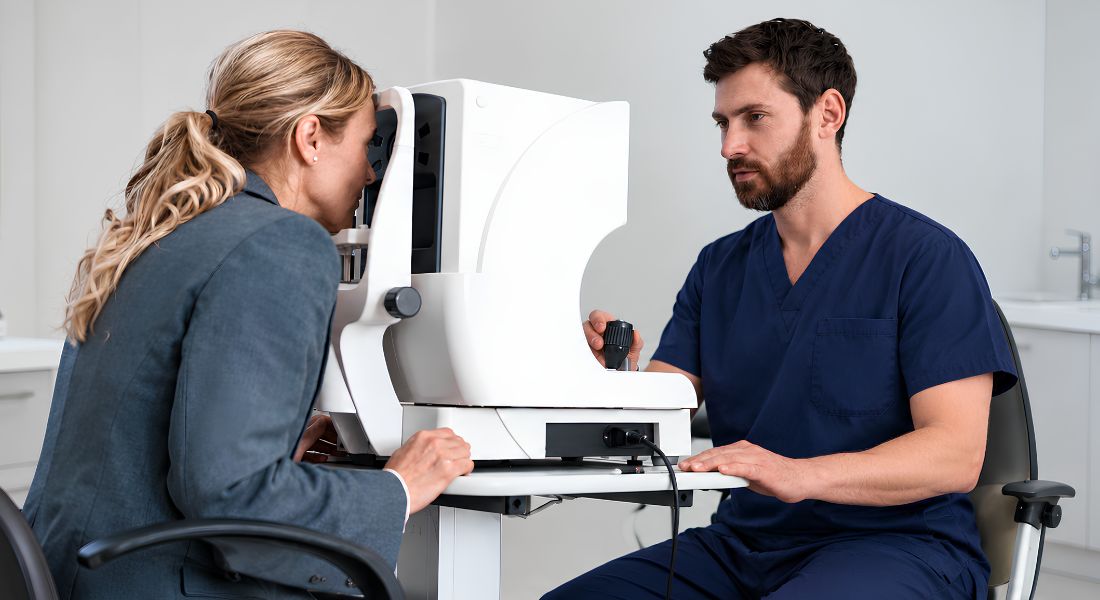
Your migraine aura is usually temporary and fully reversible. Your IIH-related optic nerve damage can cause persistent peripheral visual-field loss that remains between headaches.
Your visual-field test can detect changes you may not notice yourself, including enlargement of the blind spot. Worsening visual fields can indicate increasing risk to your sight and may require prompt specialist reviews.
Evidence Note
Migraine aura typically develops gradually and is fully reversible, with each individual aura symptom usually lasting 5 to 60 minutes. In contrast, IIH-related transient visual obscurations are usually very brief, often lasting only seconds. Persistent visual-field loss can occur when raised intracranial pressure damages the optic nerve.
These patterns can help your doctor decide whether your visual symptoms are more consistent with migraine or whether further investigation for raised intracranial pressure is needed. However, symptoms alone cannot establish the diagnosis.
Why Can Double Vision Point Towards Raised Intracranial Pressure?
Your raised intracranial pressure can sometimes affect the sixth cranial nerve and cause horizontal double vision. Your eyes may then become misaligned, making you see two images.
Your double vision does not confirm IIH because it can have other causes. Your new or persistent double vision should be medically assessed, especially with headaches or papilloedema.
Why Is Pulsatile Tinnitus an Important Clue?
Your pulsatile tinnitus is a whooshing or pulsing sound that matches your heartbeat. Your symptom can occur with IIH and may be more noticeable when you are lying down or in a quiet room.
Your pulsatile tinnitus does not confirm IIH because it can have other causes. Your doctor may investigate further, particularly when it occurs with headaches or visual changes.
Do Weight, Age and Sex Help Distinguish IIH from Migraine?
Your age, sex and weight can provide context because IIH is more common in women of reproductive age with increased weight or recent weight gain. However, these factors cannot distinguish IIH from migraine on their own.
Your doctor will focus on your symptoms and objective findings when deciding whether to investigate IIH. If you have raised pressure without the typical profile, your doctors may also look carefully for a secondary cause.
Can You Have Both Migraine and IIH?
Migraine and IIH can occur together, and an IIH-related headache can also have migraine-like features. Your headaches may continue even after your papilloedema and intracranial pressure improve.
Your new or changing visual symptoms should not automatically be blamed on migraine. Your optic nerve appearance and visual tests can help your doctor assess whether your IIH is still active.
Clinical Tip
If you experience headaches and visual symptoms, keep a record of each episode. Note how quickly visual symptoms develop, how long they last, whether they completely disappear and whether they occur with headache.
Also record double vision, pulsatile tinnitus or changes in peripheral vision. Sharing this information can help your doctor understand your symptom pattern alongside your eye examination and visual tests.
What Eye Tests Can Help Separate the Two Conditions?
Your eye assessment may include visual acuity, pupil and colour-vision checks, eye movements and careful examination of your optic discs. Your ophthalmologist may also take photographs to monitor any changes.
Your central vision can remain clear even when IIH is affecting your optic nerves. Your eye findings can therefore help your doctor decide whether you need further investigation.
What Do Visual Fields and OCT Add?
Your visual-field test can detect peripheral vision changes that you may not notice, even when your central vision remains clear. Your OCT can measure changes around your optic nerve and show swelling linked with papilloedema.
Your doctor will interpret these results alongside your eye examination and symptoms. Your visual-field test can identify persistent or progressive visual loss, while OCT can show structural optic-nerve changes that would not usually be expected in uncomplicated migraine.
Research Insight
Research and clinical guidance emphasise that IIH headaches can closely resemble primary headache disorders such as migraine. This means the character of the headache alone may not reliably distinguish IIH from migraine.
The important difference is the presence of objective evidence suggesting raised intracranial pressure, particularly papilloedema or characteristic visual-field changes. Visual-field testing, optic-disc assessment and OCT can therefore provide information that a headache history alone cannot provide.
When Do You Need Brain Scans and a Lumbar Puncture?
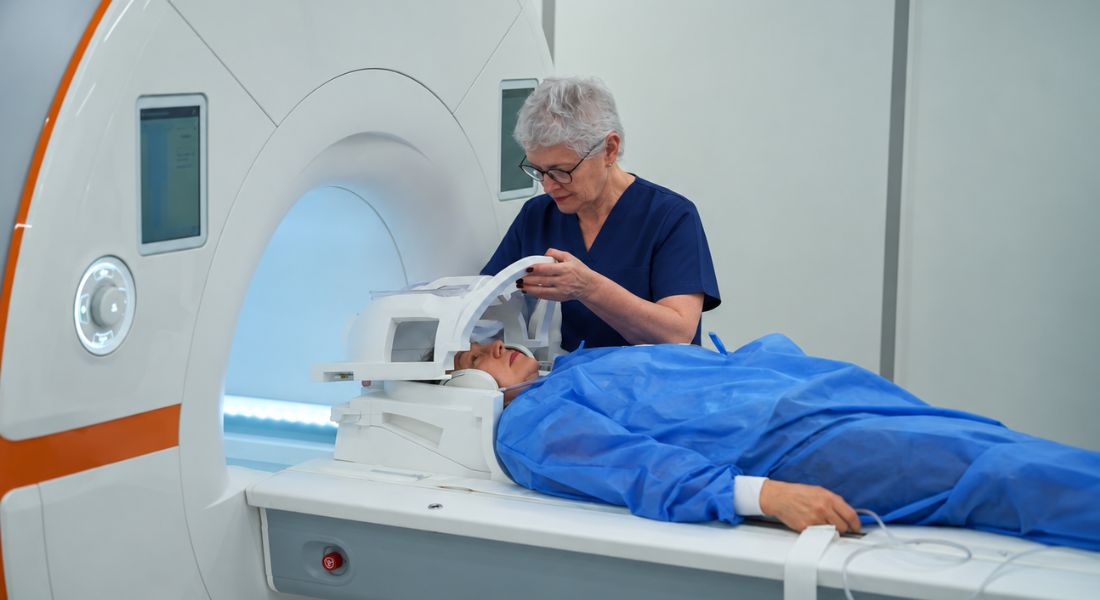
Your brain scans and lumbar puncture may be needed when your symptoms or eye findings suggest raised intracranial pressure. Your MRI or CT can help exclude structural causes, while MR or CT venography assesses the cerebral veins and helps exclude cerebral venous sinus thrombosis. A lumbar puncture may then be used when appropriate to measure your CSF pressure.
Your doctor will base the diagnosis on your symptoms, eye findings, scans and lumbar-puncture results. Your optic nerve swelling or visual-field changes may therefore require further investigation.
Myth vs Fact
| Myth | Fact |
| If your headache feels like migraine, you cannot have IIH. | IIH headaches can have a migraine-like pattern, so headache characteristics alone cannot exclude IIH. |
| Visual aura always means migraine. | Visual symptoms can have several causes. Brief visual obscurations, persistent visual-field loss or other atypical symptoms may require assessment for raised intracranial pressure. |
| IIH visual obscurations last as long as migraine aura. | IIH-related transient visual obscurations are usually very brief, often lasting seconds, while migraine aura typically develops gradually and lasts up to 60 minutes. |
| If your central vision is clear, IIH cannot be affecting your sight. | IIH can initially affect peripheral vision while central visual acuity remains relatively preserved. Formal visual-field testing can detect changes you may not notice. |
| Papilloedema is just another type of migraine symptom. | Genuine papilloedema indicates optic-disc swelling associated with raised intracranial pressure and requires appropriate investigation. |
| Double vision proves that you have IIH. | Raised intracranial pressure can cause sixth-nerve palsy and horizontal double vision, but double vision can also occur in migraine with brainstem aura and has other possible causes. |
| Pulsatile tinnitus confirms IIH. | Pulsatile tinnitus can occur with IIH but is not specific to it, so other causes may need to be considered. |
| A normal-looking optic disc always rules out IIH. | IIH without papilloedema is less common and requires stricter diagnostic criteria and specialist assessment. A normal-looking optic disc therefore does not by itself establish or exclude the diagnosis. |
| If you already have migraine, new visual symptoms can be ignored. | New, persistent or changing visual symptoms should be assessed rather than automatically being attributed to migraine. |
| Having both migraine and IIH is impossible. | Migraine and IIH can occur together, and treating intracranial pressure does not necessarily eliminate all migraine-type headaches. |
Key Takeaways
- IIH and migraine can both cause headaches, nausea and visual symptoms.
- Your headache pattern alone cannot reliably distinguish IIH from migraine.
- Migraine aura usually develops gradually and completely resolves.
- IIH-related transient visual obscurations are usually very brief and may last only seconds.
- Persistent peripheral visual-field loss can indicate optic-nerve damage from raised intracranial pressure.
- Papilloedema is an important finding that can change the investigation of a headache.
- Double vision and pulsatile tinnitus can occur with IIH but are not specific to the condition.
- OCT and formal visual-field testing can identify changes that you may not notice yourself.
- If papilloedema is confirmed, your doctor may arrange brain and venous imaging and, when appropriate, a lumbar puncture.
- You can have both migraine and IIH, so new or changing visual symptoms should not automatically be attributed to migraine.
Frequently Asked Questions
- What is the main difference between IIH and migraine?
Your migraine is a neurological condition that can cause recurrent headaches and visual symptoms, while IIH involves raised pressure inside your skull that can affect your optic nerves. Your headache alone cannot reliably distinguish the two. - How can IIH and migraine symptoms be confused?
Your IIH headache can resemble migraine, including throbbing pain, nausea and sensitivity to light. Both conditions can also cause visual symptoms, so your eye examination and visual tests may provide important clues. - How are IIH visual obscurations different from migraine aura?
Your IIH-related visual obscurations usually last only a few seconds, with your vision briefly becoming grey, dark or dim. Migraine aura typically develops gradually over several minutes and may cause flashing lights, zigzag lines or shimmering patterns before resolving. - Can IIH cause blurred vision or flashing lights?
Yes. IIH can cause blurred vision and sometimes brief flashing or sparkling visual symptoms, particularly when papilloedema is present. These symptoms are not specific to IIH, so your ophthalmologist will interpret them alongside your optic-disc appearance and other tests. - Why does papilloedema change the investigation for your headache?
Papilloedema means your optic nerve heads are swollen because of raised intracranial pressure. If genuine papilloedema is found, your doctors may need brain and venous imaging and, when appropriate, a lumbar puncture to investigate the cause. - Can your optic discs look swollen without having IIH?
Yes. Conditions such as naturally crowded optic discs or optic disc drusen can resemble papilloedema. Your ophthalmologist may use OCT, photographs and other tests to distinguish these findings. - Can IIH cause permanent visual-field loss?
Yes. Raised intracranial pressure can damage your optic nerves and cause persistent peripheral visual-field loss. A visual-field test can identify changes you may not notice yourself, even when your central vision remains clear. - Can IIH cause double vision?
Yes. Raised intracranial pressure can sometimes affect your sixth cranial nerve and cause horizontal double vision. New or persistent double vision should be assessed because it can have other causes as well. - Is pulsatile tinnitus linked to IIH?
Yes. Pulsatile tinnitus is a rhythmic whooshing or pulsing sound that matches your heartbeat and can occur with IIH. It is not specific to IIH, so your doctor may need to investigate other possible causes. - Can you have both migraine and IIH?
Yes. You can have both conditions, and an IIH headache can feel similar to migraine. New or changing visual symptoms should still be assessed rather than automatically being attributed to migraine.
Final Thoughts: IIH vs Migraine
IIH and migraine can both cause headaches, nausea and visual symptoms, so your symptoms alone may not always distinguish between them. However, papilloedema, transient visual obscurations, persistent peripheral vision changes or double vision can indicate that raised intracranial pressure needs further investigation.
If you have headaches with new visual symptoms, pulsatile tinnitus, double vision or concerns about possible papilloedema, you can contact Eye Clinic London for an assessment of your vision and advice on appropriate next steps.
References:
- Mollan, S.P., Davies, B., Silver, N.C., Shaw, S., Mallucci, C.L., Wakerley, B.R., Krishnan, A., Chavda, S.V., Ramalingam, S., Edwards, J., Hemmings, K., Williamson, M., Burdon, M.A., Hassan-Smith, G., Digre, K., Liu, G.T., Højland Jensen, R. and Sinclair, A.J. (2018) ‘Idiopathic intracranial hypertension: consensus guidelines on management’, Journal of Neurology, Neurosurgery & Psychiatry, 89(10), pp. 1088–1100. Available at: https://pmc.ncbi.nlm.nih.gov/articles/PMC6166610/
- Friedman, D.I., Quiros, P.A., Subramanian, P.S., Mejico, L.J., Gao, S., McDermott, M. and Wall, M. (2017) ‘Headache in idiopathic intracranial hypertension: findings from the Idiopathic Intracranial Hypertension Treatment Trial’, Headache, 57(8), pp. 1195–1205. Available at: https://pmc.ncbi.nlm.nih.gov/articles/PMC5799151/
- Barral, E., Martins Silva, E., García-Azorín, D., Viana, M. and Puledda, F. (2023) ‘Differential diagnosis of visual phenomena associated with migraine: spotlight on aura and visual snow syndrome’, Diagnostics, 13(2), Article 252. Available at: https://www.mdpi.com/2075-4418/13/2/252
- Braca, S., Cardillo, G., Ugga, L., Capasso, S., Meo, A., Miele, A., Sansone, M., Ferra, G., Ranieri, A., Russo, C.V., Stornaiuolo, A., Cretella, G., Giannini, C. and De Simone, R. (2026) ‘Papilledema is not the point: intracranial pressure dysregulation as a common pathway in migraine and idiopathic intracranial hypertension’, Brain Communications, 8(4), Article fcag259. Available at: https://academic.oup.com/braincomms/article/8/4/fcag259/8726050
- Viana, M., Sprenger, T., Andelova, M. and Goadsby, P.J. (2013) ‘The typical duration of migraine aura: a systematic review’, Cephalalgia, 33(7), pp. 483–490. Available at: https://pubmed.ncbi.nlm.nih.gov/23475294/