
The History of Anti-VEGF Therapy

2026-08-14T09:46:32+00:00

Anti-VEGF therapy transformed retinal medicine by targeting vascular endothelial growth factor (VEGF), a protein that can cause abnormal blood-vessel growth and leakage in the eye. If you have conditions such as wet age-related macular degeneration or diabetic macular oedema, anti-VEGF injections may help protect your central vision. Before these treatments became available, you had fewer effective options for managing serious retinal conditions. As researchers learned more about VEGF, they developed treatments that target an important pathway involved in abnormal blood-vessel

The History of Anti-VEGF Therapy2026-08-14T09:46:32+00:00

The History of Retinal Detachment Surgery

2026-08-13T11:05:15+00:00

Retinal detachment was once one of the most feared eye conditions because successful treatment was exceptionally uncommon. Before Jules Gonin transformed understanding of rhegmatogenous retinal detachment in the early twentieth century, reported surgical success rates were below 5%. Today, your retinal surgeon may use pars plana vitrectomy, scleral buckling or, in carefully selected cases, pneumatic retinopexy. These procedures developed from a central insight that still guides treatment: retinal breaks need to be identified and sealed while your retina is brought

The History of Retinal Detachment Surgery2026-08-13T11:05:15+00:00

The History of Glaucoma Surgery

2026-08-13T11:00:23+00:00

Glaucoma surgery has evolved from early procedures such as iridectomy and full-thickness filtering operations to trabeculectomy, drainage implants and a growing range of minimally invasive glaucoma procedures. Although the techniques have changed considerably, their central purpose remains lowering the pressure inside your eye when this is needed to reduce the risk of further optic nerve damage. Modern surgery may include trabeculectomy, glaucoma drainage implants, cyclophotocoagulation or selected minimally invasive procedures. Your ophthalmologist will consider your type and severity of glaucoma,

The History of Glaucoma Surgery2026-08-13T11:00:23+00:00

The History of Corneal Transplantation

2026-08-12T11:18:54+00:00

Corneal transplantation has evolved from experimental attempts into highly specialised surgery that can replace either the full thickness of your cornea or only the diseased layers. More than a century of advances in donor tissue, eye banking, microsurgery and understanding of corneal anatomy have made transplantation increasingly selective. Today, your surgeon may consider penetrating keratoplasty, DALK, DSAEK or DMEK depending on which part of your cornea is affected. These techniques aim to restore corneal clarity while preserving as much of

The History of Corneal Transplantation2026-08-12T11:18:54+00:00

The History of Intraocular Lens Implants

2026-08-12T11:15:27+00:00

Modern cataract surgery does more than remove your cloudy natural lens. An artificial intraocular lens (IOL) is usually placed inside your eye to restore focusing power and help you achieve clearer vision after surgery. This was not always possible. The development of IOLs began in the 1940s and has progressed to include foldable, toric, multifocal and extended-depth-of-focus lenses designed to suit your individual visual needs. What Happened Before Intraocular Lenses? Before IOLs, cataract surgery could remove your cloudy lens but

The History of Intraocular Lens Implants2026-08-12T11:15:27+00:00

The History of Optical Coherence Tomography (OCT)

2026-08-11T11:07:59+00:00

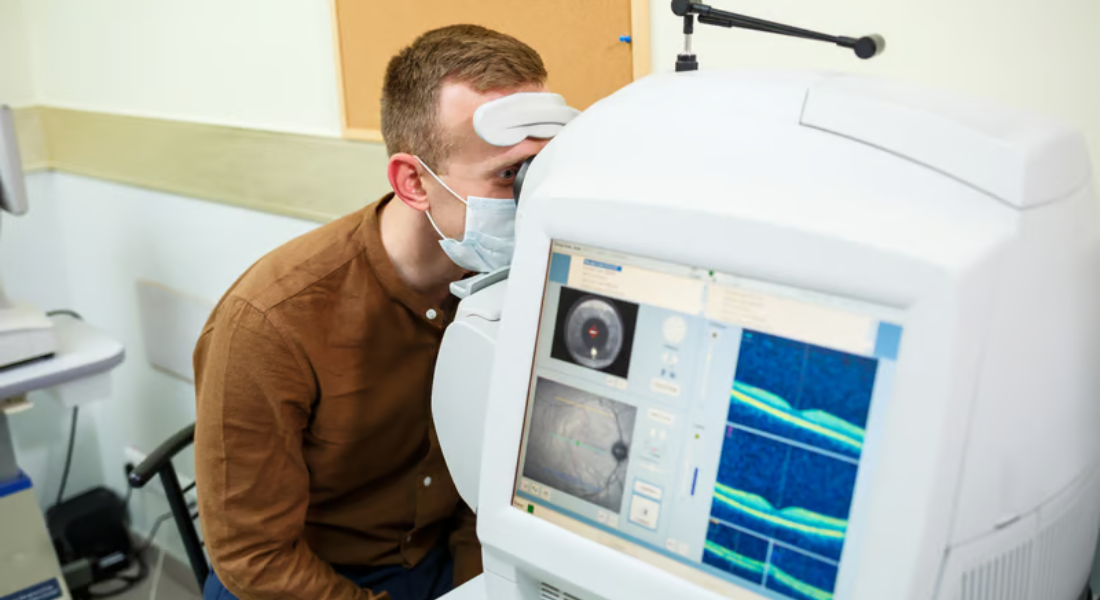
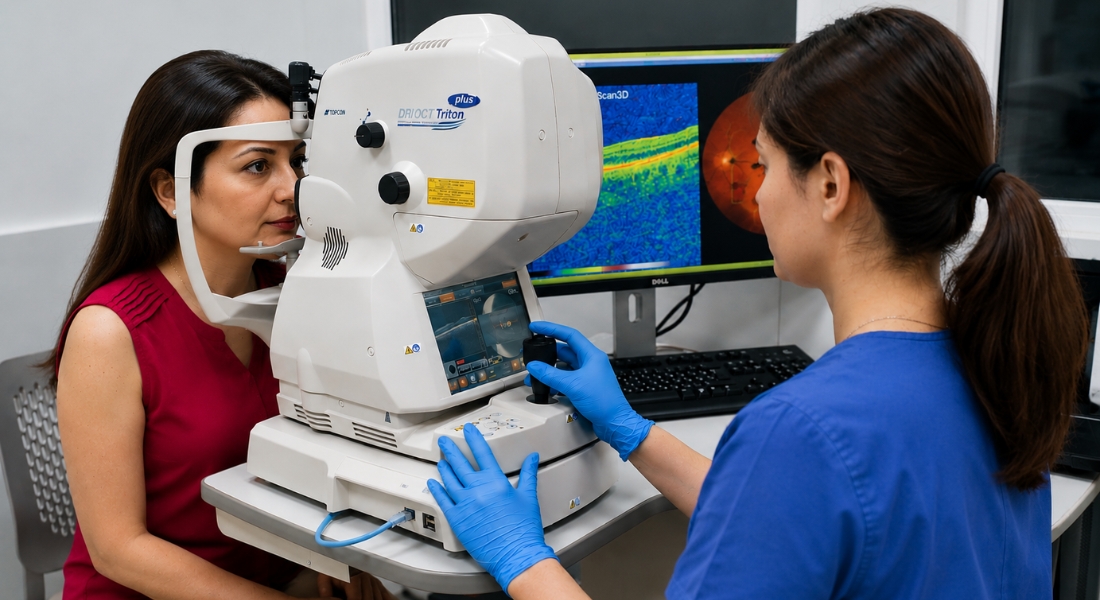
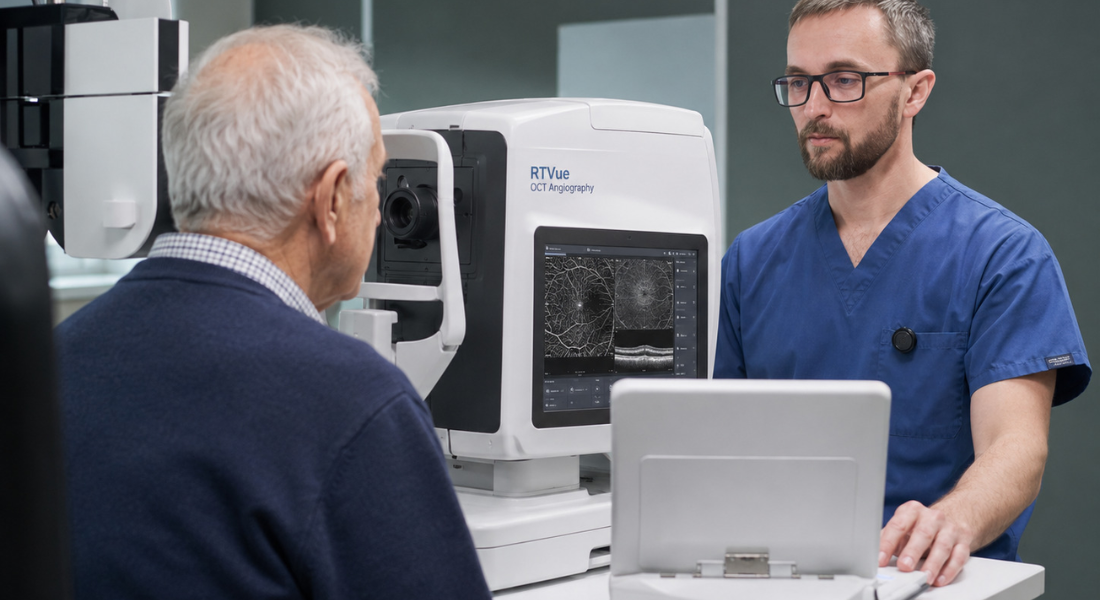
Optical coherence tomography has transformed the way your retina and optic nerve can be examined. It allows eye specialists to see microscopic structures inside your eye without surgery or taking a tissue sample. Since its introduction in 1991, OCT has progressed from relatively slow two-dimensional scans to fast, detailed three-dimensional imaging and OCT angiography. It is now an important tool for diagnosing and monitoring many retinal and optic nerve conditions. What Inspired the Development of OCT? Researchers explored whether low-coherence

The History of Optical Coherence Tomography (OCT)2026-08-11T11:07:59+00:00

The History of Laser Eye Surgery

2026-08-11T11:07:56+00:00

If you have laser eye surgery today, your treatment builds on decades of developments in corneal surgery, laser technology, imaging and treatment planning. Earlier techniques relied on incisions or mechanical reshaping before excimer and femtosecond lasers provided new ways to alter your corneal shape. Your modern options may include PRK, LASIK or SMILE depending on your prescription, corneal measurements and eye health. Each procedure reshapes your cornea differently, and no technique is automatically the best option for you. Before Laser

The History of Laser Eye Surgery2026-08-11T11:07:56+00:00

The History of Cataract Surgery: From Ancient Techniques to Modern Phacoemulsification

2026-08-10T11:26:11+00:00

Cataract surgery has changed dramatically from ancient procedures that displaced your cloudy lens to modern operations that remove it and usually replace it with an artificial intraocular lens. Its history reflects centuries of changes in surgical technique, instruments, infection control and understanding of how your eye focuses light. Today, if you undergo cataract surgery in the UK, your cloudy natural lens will usually be removed through a small incision and replaced with an intraocular lens. Looking at how these techniques

The History of Cataract Surgery: From Ancient Techniques to Modern Phacoemulsification2026-08-10T11:26:11+00:00

Can Artificial Intelligence Predict Vision Loss Before It Happens?

2026-08-10T11:26:07+00:00

Some eye conditions can cause measurable changes to your retina, optic nerve or visual field before you notice a significant difference in your sight. Artificial intelligence is being developed to analyse these patterns and estimate whether your eye condition may have a higher risk of progressing. AI cannot currently tell you with certainty whether you will lose vision, when this might happen or how much sight you could lose. Research involving AMD, diabetic retinopathy and glaucoma is promising, but your

Can Artificial Intelligence Predict Vision Loss Before It Happens?2026-08-10T11:26:07+00:00

How Robotics Could Shape the Future of Eye Surgery

2026-08-07T08:47:34+00:00

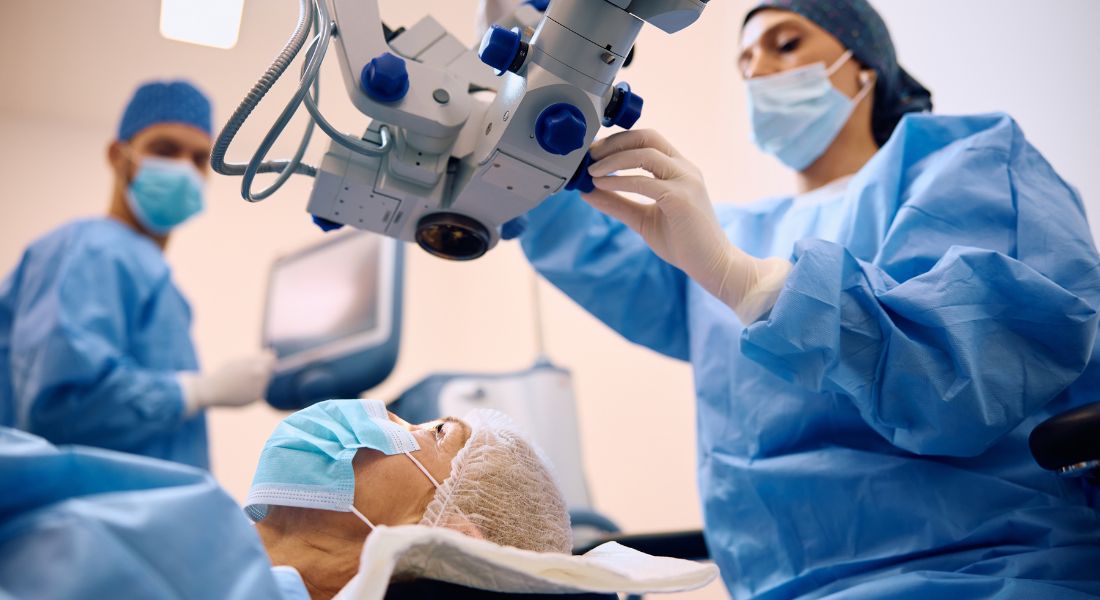
Your eye contains extremely small and delicate structures, so your surgeon must perform highly controlled movements during an operation. Robotic systems are being developed to filter tremor, stabilise instruments and support movements that may be difficult to maintain manually. Most ophthalmic robotic systems remain within research studies or early specialist clinical evaluation. Although your future care may benefit from these technologies, current evidence does not show that robotic eye surgery consistently produces better results than established manual surgery. What Is

How Robotics Could Shape the Future of Eye Surgery2026-08-07T08:47:34+00:00