


Recurrent Corneal Erosion: Why Your Eye Keeps Painfully Opening in the Morning

If you wake with sudden sharp eye pain when opening your eye, recurrent corneal erosion could be a possible cause. It can happen when the outer layer of your cornea does not stay firmly attached, causing pain, watering and light sensitivity.
Recurrent corneal erosion may develop after a previous corneal scratch or due to a corneal surface problem. Treatment aims to help your cornea heal and reduce the chance of repeated episodes.
What Is Recurrent Corneal Erosion?
Your cornea has a smooth outer layer called the epithelium that helps you see clearly. In recurrent corneal erosion, this surface layer does not attach firmly, so it can repeatedly lift or break away.
Your symptoms may return even after the original injury has healed. Episodes can happen months or years later, causing sudden pain, watering and irritation.
Why Does Your Eye Hurt So Much?
Your cornea contains many sensitive nerves, which is why even a small surface injury can cause significant pain. When the epithelium lifts or breaks, these nerve endings can become irritated.
You may experience sharp pain, watering and sensitivity to light during an episode. The discomfort can vary depending on how much of the corneal surface is affected.
Why Is Recurrent Corneal Erosion Often Worse in the Morning?
Recurrent corneal erosion may feel worse when you wake because your eyelid can stick to a weakened area of your corneal surface during sleep. Opening your eye can then pull on the loose epithelial cells.
This can cause the surface to lift again, leading to sudden morning pain, watering and irritation.
Clinical Tip
If you experience recurrent pain when opening your eye in the morning, try to avoid suddenly rubbing or forcing the eyelids open. Your ophthalmologist can advise you on appropriate lubrication and other measures to reduce friction between the eyelid and corneal surface.
If you have repeated episodes, keep a note of when they occur, which eye is affected and whether you also notice blurred vision, redness or light sensitivity. This information can help your ophthalmologist recognise the pattern and decide whether further investigation or treatment is needed.
What Symptoms Can an Episode Cause?
An episode of recurrent corneal erosion can cause sudden eye pain, especially when you wake up or open your eye. You may also notice watering, redness, light sensitivity and temporary blurred vision.
You may feel as though something is stuck in your eye, even when there is no foreign object. Because similar symptoms can occur with other eye problems, proper assessment is important.
What Causes Recurrent Corneal Erosion?
Recurrent corneal erosion often develops after a previous corneal injury, such as a scratch or trauma. Although the surface may appear healed, the new epithelial cells may not attach firmly.
- Previous corneal injury: A scratch, trauma or accidental injury can damage the corneal surface and affect how well new epithelial cells attach during healing.
- Poor epithelial attachment: In some people, the new surface cells do not bond securely to the underlying cornea, making the area more likely to break down again.
- Delayed symptoms: You may experience recurrent episodes months or even years after the original injury, even if you no longer remember when the damage occurred.
- Underlying corneal conditions: Some people develop recurrent corneal erosion because of an existing surface problem that affects normal corneal healing.
Identifying the underlying cause may help your eye specialist choose an appropriate treatment and may reduce the chance of future episodes.
Can a Minor Eye Scratch Really Cause Problems Months Later?
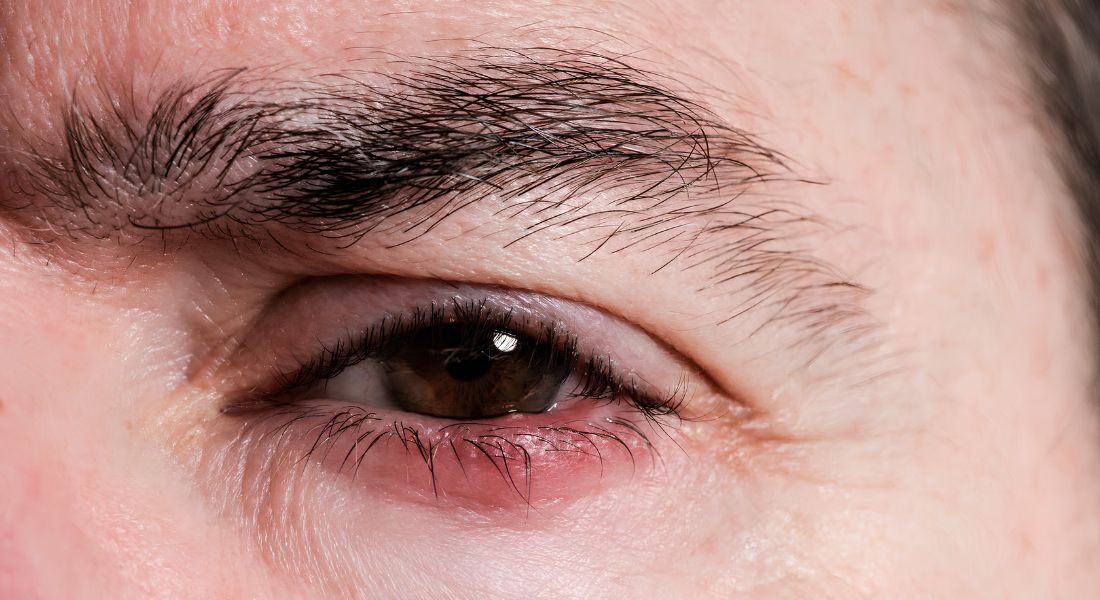
A small corneal scratch can sometimes cause problems again even after it appears to have healed. This happens when the new epithelial cells do not attach securely to the underlying tissue.
Your eye may feel normal for weeks or months before symptoms return suddenly. You may then experience similar pain, irritation or discomfort to the original injury.
What Is Epithelial Basement Membrane Dystrophy?
Epithelial basement membrane dystrophy (EBMD) is a corneal surface condition that can affect how firmly the outer layer of your cornea attaches. It is also known as map-dot-fingerprint dystrophy because of the patterns seen during examination.
Your condition may cause no symptoms, but in some people it can contribute to recurrent corneal erosions. Your ophthalmologist can assess whether these surface changes are affecting your eye.
How Is Recurrent Corneal Erosion Diagnosed?
Your eye specialist will ask about your symptoms, previous injuries and when your pain occurs. Morning pain when opening your eye can be an important clue.
Your cornea can be examined with a slit lamp, and fluorescein dye may help identify damaged areas. Your specialist will also check for any underlying corneal conditions that may be causing repeated episodes.
UK Guidance Note
NHS hospital patient information describes recurrent corneal erosion as a condition that can cause repeated eye pain, particularly on waking after sleep. Assessment usually involves examining the corneal surface and considering previous injury, symptoms and other possible causes.
NHS eye-hospital information also describes treatments such as antibiotic drops or ointment during an acute episode and longer-term lubrication to reduce recurrence. Further treatment may be considered when episodes continue despite conservative measures.
Could Your Symptoms Be Caused by Something Else?
Your sudden eye pain, redness, watering and light sensitivity can have several causes, not only recurrent corneal erosion. Problems such as scratches, infections or foreign bodies can produce similar symptoms.
Your eye should be properly assessed, especially if symptoms are new, worsening or affecting your vision. If you wear contact lenses and develop a painful red eye or blurred vision, seek urgent eye assessment because a corneal infection can require urgent treatment.
How Is an Acute Corneal Erosion Treated?
Treatment during an acute corneal erosion aims to help your cornea heal, reduce pain and protect against complications. Your specialist may prescribe antibiotic drops or ointment to reduce the risk of infection while the corneal surface heals.
Your recovery time depends on the size and severity of the erosion. Depending on your symptoms, your specialist may also recommend pain relief or a pupil-dilating drop to help manage discomfort. Your treatment should always be based on an eye examination to confirm the cause of your symptoms.
Why Are Lubricating Drops and Ointments Important?
Lubricating drops and ointments may help reduce friction between your eyelid and cornea and may reduce the chance of another erosion. Night-time ointment may help prevent your eyelid from sticking to a vulnerable area while you sleep.
Your specialist may recommend continued lubrication for several months to support healing. The right treatment plan depends on your symptoms and corneal condition.
Evidence Note
Lubrication is commonly used as an initial treatment for recurrent corneal erosion because keeping the ocular surface moist may reduce friction between the eyelid and vulnerable corneal epithelium. Night-time ointment is often used because symptoms commonly occur when the eyelid opens after sleep.
However, the evidence comparing different treatments for recurrent corneal erosion is limited. A Cochrane review found that the available studies were generally small and of limited quality, meaning there is not enough strong evidence to identify one treatment as the best option for every patient.
Can Hypertonic Ointment Be Used?
Your specialist may recommend hypertonic sodium chloride ointment in some cases of recurrent corneal erosion. It can help draw fluid from the cornea and may provide overnight protection.
Your treatment depends on the cause of your erosions and your corneal findings. Hypertonic ointment may help manage corneal surface swelling but does not correct the underlying epithelial attachment problem.
What Is a Bandage Contact Lens?
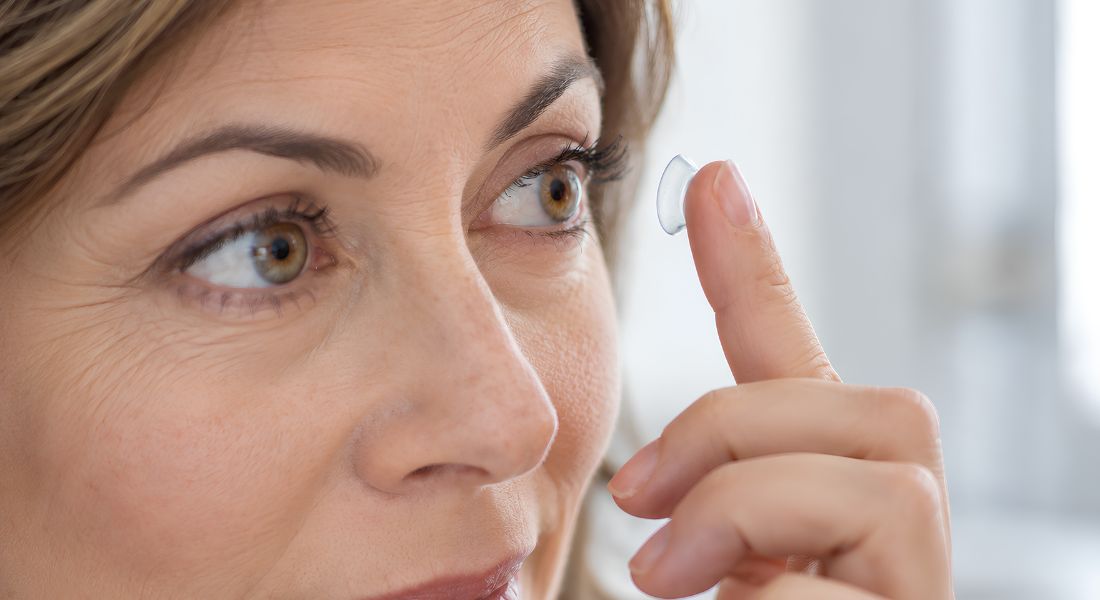
A bandage contact lens is a therapeutic lens that protects your corneal surface while it heals. It creates a barrier between your eyelid and the sensitive epithelium, helping reduce friction.
Your specialist may consider this option if your erosions continue despite other treatments. It requires professional fitting and monitoring to ensure it is safe and suitable for you.
What If Lubrication Does Not Stop the Erosions?
Your recurrent corneal erosions may continue despite regular lubrication. If this happens, your ophthalmologist can reassess your corneal surface and identify the cause of repeated episodes.
Your specialist may discuss further treatments, such as removing loose tissue, using a bandage contact lens or procedures that help improve epithelial attachment when conservative treatment is not enough.
Treatment Options for Recurrent Corneal Erosion
| Treatment | When it may be considered | What it does |
| Lubricating eye drops | Often used during the day for ongoing surface lubrication | Helps keep the corneal surface moist and may reduce friction. |
| Night-time lubricating ointment | Commonly used to reduce recurrence, particularly when symptoms occur on waking | Provides a thicker protective layer between the eyelid and cornea during sleep. |
| Hypertonic sodium chloride ointment | May be considered for some people with recurrent episodes | Provides an overnight protective layer and may help reduce corneal swelling. |
| Bandage contact lens | May be considered when symptoms continue despite conservative treatment | Protects the corneal surface and can support epithelial healing, but requires professional fitting and monitoring because infection can occur. |
| Epithelial debridement | May be considered when loose or poorly attached epithelium continues to cause recurrent erosions | Removes unstable surface tissue so the corneal epithelium can heal over a more stable surface. |
| Phototherapeutic keratectomy (PTK) | May be considered for recurrent erosions that do not respond adequately to conservative treatment | Uses an excimer laser to remove a small amount of superficial corneal tissue and create a smoother healing surface. |
What Is Epithelial Debridement?
Epithelial debridement removes loose or poorly attached epithelial tissue from your corneal surface to allow the surface to heal. The procedure is performed with appropriate anaesthesia and follow-up care.
Your eye specialist may use a bandage contact lens afterwards to protect your cornea while it heals. You may be offered this option if your recurrent erosions continue despite simpler treatments.
What Is Phototherapeutic Keratectomy?
Phototherapeutic keratectomy (PTK) uses an excimer laser to remove a very small amount of superficial corneal tissue. This helps create a smoother surface for your epithelium to heal over.
Your corneal specialist may consider PTK if your recurrent erosions continue despite other treatments. Your symptoms, previous treatments and corneal condition will help decide whether this procedure is suitable for you.
Research Insight
Phototherapeutic keratectomy (PTK) is an established treatment option for recurrent corneal erosion that does not respond adequately to conservative treatment. A 2023 systematic review and meta-analysis found an overall recurrence rate of about 18% after PTK, although results varied between studies and according to the underlying cause.
This evidence suggests that PTK can be useful for selected patients, but it is not a guaranteed permanent solution. Your corneal specialist will consider the cause and location of your erosions, previous treatment and the condition of your cornea before recommending the procedure.
Can Recurrent Corneal Erosion Damage Your Vision Permanently?

Your vision may become temporarily blurred during an episode because your corneal surface is disrupted. However, long-term complications are uncommon, although recurrent episodes can occasionally lead to corneal scarring that affects vision.
Your specialist can discuss treatment options that may reduce repeated episodes and help protect your corneal surface. You should urgent advice if you notice worsening pain, redness or changes in your vision.
Myth vs Fact
| Myth | Fact |
| Recurrent corneal erosion only happens after a serious eye injury. | A previous scratch or trauma is a common cause, but recurrent erosions can also occur because of corneal surface conditions such as epithelial basement membrane dystrophy. |
| If the original scratch healed, it cannot cause pain months or years later. | Recurrent erosion can develop months or years after an apparently healed injury because the new epithelial cells may not have attached securely. |
| Morning eye pain always means recurrent corneal erosion. | Morning pain is characteristic of recurrent corneal erosion, but other corneal conditions can cause similar symptoms. An eye examination is needed to confirm the cause. |
| Recurrent corneal erosion is the same as dry eye. | Dry eye can contribute to ocular surface symptoms, but recurrent corneal erosion involves repeated breakdown or lifting of the corneal epithelium. |
| Once the pain settles, no further treatment is needed. | Repeated episodes may benefit from longer-term lubrication or other treatment to reduce recurrence. |
| Antibiotic drops permanently prevent recurrent corneal erosion. | Antibiotics may be prescribed during an acute episode to reduce the risk of infection, but they do not correct the underlying epithelial attachment problem. |
| Hypertonic ointment permanently fixes recurrent erosion. | Hypertonic ointment may be used as part of conservative treatment, but it does not guarantee that further episodes will not occur. |
| A bandage contact lens is just like an ordinary contact lens. | A bandage contact lens is a therapeutic lens used under professional supervision. It requires monitoring because corneal infection can occur. |
| PTK guarantees that recurrent erosion will never return. | PTK can be effective for selected patients, but recurrence can still occur after treatment. |
| Recurrent corneal erosion always causes permanent vision loss. | Long-term complications are uncommon, although infection or corneal scarring can occasionally affect vision. |
| You can use leftover eye drops whenever the pain returns. | Similar symptoms can have different causes. You should not restart prescription eye treatment without appropriate professional advice. |
| Severe pain and worsening vision can wait until a routine appointment. | Increasing pain, redness or blurred vision should be assessed urgently because infection or another corneal problem may require treatment. |
Key Takeaways
- Recurrent corneal erosion happens when the outer epithelial layer of your cornea does not attach securely.
- A previous corneal scratch is a common cause, but epithelial basement membrane dystrophy and other corneal surface conditions can also contribute.
- Sudden sharp pain when opening your eye after sleep is a characteristic symptom.
- Watering, redness, light sensitivity, foreign-body sensation and temporary blurred vision can also occur.
- Your ophthalmologist can assess your cornea with a slit lamp and fluorescein staining when appropriate.
- Lubricating drops and night-time ointment are commonly used to reduce friction and help prevent recurrence.
- Hypertonic sodium chloride ointment may be considered in some patients.
- A bandage contact lens may be used when conservative treatment is not sufficient, but it requires professional monitoring because of the risk of infection.
- Epithelial debridement and PTK may be considered when recurrent episodes continue despite simpler treatment.
- Current evidence does not establish one treatment as the best option for every patient.
- Long-term complications are uncommon, although infection or corneal scarring can occasionally affect vision.
- Increasing pain, redness or blurred vision should be assessed urgently rather than assumed to be another routine episode.
Frequently Asked Questions
- What is recurrent corneal erosion?
Recurrent corneal erosion is a condition where the outer layer of your cornea (the epithelium) does not attach properly, causing it to repeatedly lift or break away. This can lead to sudden eye pain, watering, irritation and light sensitivity. - Why does recurrent corneal erosion cause pain when you wake up?
Your eyelid can stick to a weakened area of your cornea while you sleep. When you open your eye in the morning, the eyelid may pull on the loose surface layer, causing sudden sharp pain and irritation. - What causes recurrent corneal erosion?
Recurrent corneal erosion often develops after a previous corneal scratch or injury, even after the corneal surface appears to have healed. It can also occur due to corneal surface conditions such as epithelial basement membrane dystrophy. - What are the symptoms of recurrent corneal erosion?
You may experience sudden eye pain, especially when waking up, along with watering, redness, light sensitivity and temporary blurred vision. You may also feel as though something is stuck in your eye. - How is recurrent corneal erosion diagnosed?
Your ophthalmologist will ask about your symptoms, previous eye injuries and when your pain occurs. They may examine your cornea using a slit lamp and fluorescein dye to identify areas where the surface layer is damaged. - Can recurrent corneal erosion heal on its own?
Some episodes may improve as your cornea heals, but repeated erosions may continue without treatment. Lubrication, protective measures and other treatments can help your corneal surface heal more securely and reduce future episodes. - How can you prevent recurrent corneal erosion from coming back?
Your ophthalmologist may recommend regular lubricating drops, night-time ointment and other treatments to reduce friction between your eyelid and cornea. Managing any underlying corneal surface condition may also help reduce the risk of recurrence. - What treatments are available for recurrent corneal erosion?
Treatment may include lubricating drops and ointments, antibiotic ointment during an acute episode, hypertonic ointment, bandage contact lenses or procedures such as epithelial debridement and phototherapeutic keratectomy (PTK). Your specialist will recommend treatment based on your symptoms and corneal health. - Can recurrent corneal erosion permanently damage your vision?
Most cases do not cause permanent vision loss. However, repeated episodes can affect your comfort and temporarily blur your vision, so ongoing symptoms should be assessed by an eye specialist. - When should you see an eye specialist for recurrent corneal erosion?
You should seek an eye assessment if you have repeated morning eye pain, persistent redness, worsening discomfort, light sensitivity or changes in your vision. Urgent assessment may be needed if symptoms are worsening or your vision is affected.
Final Thoughts: Recurrent Corneal Erosion
Recurrent corneal erosion can cause sudden and severe eye pain, particularly when you wake up and open your eyes. While symptoms may improve between episodes, repeated erosions can affect your comfort and may require treatment to help your corneal surface heal more securely.
If you have recurring morning eye pain, irritation or changes in your vision, you can contact the Eye Clinic London team for a comprehensive assessment.
References:
- Miller, D.D., Hasan, S.A., Simmons, N.L. and Stewart, M.W. (2019) ‘Recurrent corneal erosion: a comprehensive review’, Clinical Ophthalmology, 13, pp. 325–335. Available at: https://pmc.ncbi.nlm.nih.gov/articles/PMC6376883/
- Watson, S.L. and Leung, V. (2018) ‘Interventions for recurrent corneal erosions’, Cochrane Database of Systematic Reviews, 7(7), Article CD001861. Available at: https://pmc.ncbi.nlm.nih.gov/articles/PMC6513638/
- Lin, S.R., Aldave, A.J. and Chodosh, J. (2019) ‘Recurrent corneal erosion syndrome’, British Journal of Ophthalmology, 103(9), pp. 1204–1208. Available at: https://pubmed.ncbi.nlm.nih.gov/30760455/
- Chen, S., Chu, X., Zhang, C., Jia, Z., Yang, L., Yang, R., Huang, Y. and Zhao, S. (2023) ‘Safety and Efficacy of the Phototherapeutic Keratectomy for Treatment of Recurrent Corneal Erosions: A Systematic Review and Meta-Analysis’, Ophthalmic Research, 66(1), pp. 1114–1127. Available at: https://pubmed.ncbi.nlm.nih.gov/37490883/
- Yang, Y., Mimouni, M., Trinh, T., Sorkin, N., Cohen, E., Santaella, G., Rootman, D.S., Chan, C.C. and Slomovic, A.R. (2023) ‘Phototherapeutic keratectomy versus epithelial debridement combined with anterior stromal puncture or diamond burr for recurrent corneal erosions’, Canadian Journal of Ophthalmology, 58(3), pp. 198–203. Available at: https://www.sciencedirect.com/science/article/pii/S0008418222000436