


HLA-B27 and Eye Inflammation: What Patients Should Know
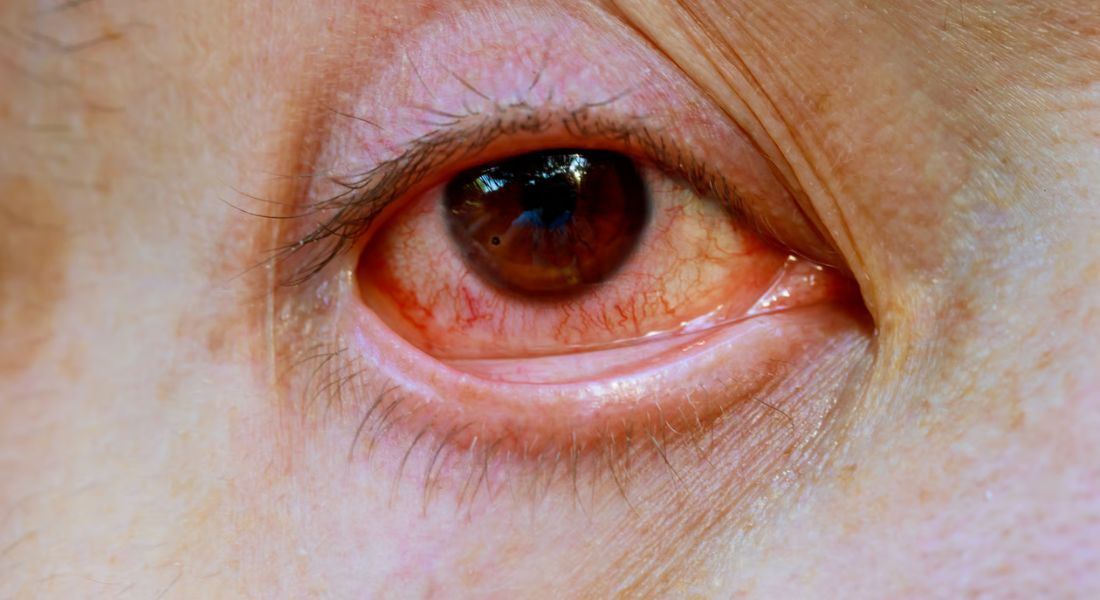
If you have a painful, red or light-sensitive eye, your specialist may mention HLA-B27. It is a genetic marker linked with a higher chance of developing acute anterior uveitis.
Having HLA-B27 does not mean you have a disease. If your uveitis keeps returning, your specialist may recommend further tests or assessment.
What Is HLA-B27?
HLA-B27 is a genetic marker that you inherit from your parents and is part of your immune system. Having it does not mean that you have a disease or that anything is wrong with your health.
However, HLA-B27 is linked with some inflammatory conditions. If you have certain patterns of eye, joint or spinal inflammation, your specialist may recommend an HLA-B27 test to help understand your condition.
How Is HLA-B27 Connected to Eye Inflammation?
HLA-B27 is linked with acute anterior uveitis, which affects the front part of your eye. However, having HLA-B27 does not mean it is the direct cause of your eye inflammation.
Your specialist will interpret your HLA-B27 result alongside your symptoms, eye examination and medical history.
Evidence Note
HLA-B27 has a well-established association with acute anterior uveitis. Research shows that HLA-B27-associated inflammation commonly presents as sudden anterior uveitis and may recur, sometimes affecting the opposite eye later.
However, HLA-B27 is a risk marker rather than a diagnosis. Some people who carry HLA-B27 never develop uveitis, while anterior uveitis can also occur in people who are HLA-B27 negative. This is why your ophthalmologist considers the blood test as one part of a wider clinical assessment.
What Is Anterior Uveitis?
Uveitis means inflammation inside your eye, and anterior uveitis affects the front part, particularly your iris and ciliary body. HLA-B27-associated attacks typically start suddenly and usually affect one eye at a time, although later episodes may affect either eye.
Anterior uveitis is different from dry eye or conjunctivitis because the inflammation is inside your eye. If you develop a painful, red or light-sensitive eye, particularly with blurred vision, you should seek urgent medical or eye-care assessment. Symptoms of acute anterior uveitis require prompt assessment rather than being treated as a minor irritation.
What Symptoms Can HLA-B27-Associated Uveitis Cause?
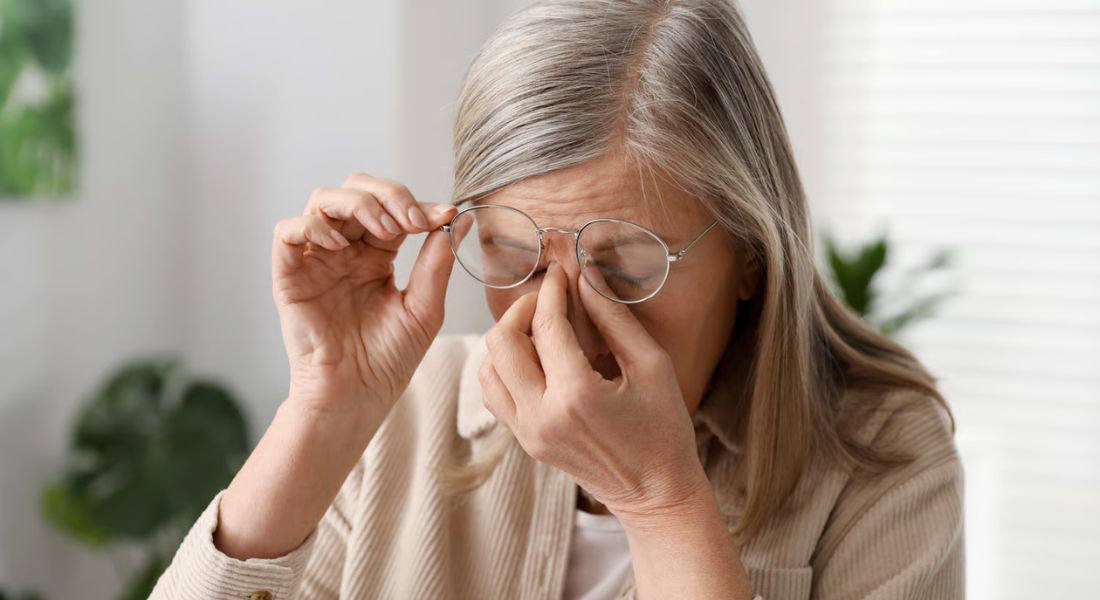
You may develop eye pain, redness, light sensitivity or blurred vision with HLA-B27-associated anterior uveitis. Your symptoms may appear over hours or days and can include watering or an aching feeling around your eye.
These symptoms can also occur with other eye conditions, including infections and some forms of glaucoma. If you notice these symptoms, you should seek urgent, same-day eye assessment to identify the cause and receive appropriate treatment.
UK Guidance Note
NICE recommends immediate, same-day ophthalmological assessment if you have symptoms that suggest acute anterior uveitis, such as eye pain, redness, sensitivity to light or blurred vision. These symptoms can also occur with other eye conditions, so they should not be ignored.
The NHS also advises urgent assessment for eye pain, sensitivity to light, very red eyes or changes in vision. If you suddenly lose your vision, go to A&E or call 999.
Why Can HLA-B27-Associated Uveitis Come Back?
If you have HLA-B27-associated uveitis, you may experience repeated attacks, sometimes in the same eye and sometimes in the other eye. You cannot always predict when another episode will occur, as the time between attacks can vary.
Repeated attacks can occur even after a previous episode has settled with treatment. However, your recurrence pattern may prompt your ophthalmologist to look for underlying inflammation and review your ongoing care.
Does Being HLA-B27 Positive Mean You Will Develop Uveitis?
No. You can carry HLA-B27 without ever developing uveitis, and you can develop anterior uveitis without being HLA-B27 positive.
Your specialist will consider your test result alongside your symptoms and medical history. Your pattern of eye inflammation, recurrence and any joint, spine, skin or digestive symptoms can all provide useful clues.
When Might HLA-B27 Testing Be Considered?
HLA-B27 testing may be considered when your eye inflammation follows certain patterns or when your specialist suspects a possible link with inflammatory conditions. Testing depends on your symptoms, medical history and eye examination findings.
- Recurrent anterior uveitis: Repeated episodes of anterior uveitis may prompt your specialist to consider HLA-B27 testing as part of a wider assessment.
- Inflammatory symptoms elsewhere in your body: Joint pain, back problems or symptoms affecting other areas may provide additional clues when deciding whether testing is appropriate.
- Patterns linked with inflammatory conditions: Certain combinations of eye inflammation and other symptoms may make HLA-B27 testing more relevant during your assessment.
- Understanding your condition better: The result provides additional information but must be interpreted alongside your examination, symptoms and medical history.
HLA-B27 testing is not needed after every episode of uveitis, and a positive or negative result does not provide a complete diagnosis on its own. Your ophthalmologist will decide whether testing may be useful based on your individual circumstances and overall clinical picture.
What Happens During an HLA-B27 Test?
Your HLA-B27 test usually involves a simple blood sample. The result is generally reported as positive, meaning you carry the marker, or negative, meaning it was not detected.
Your result does not diagnose uveitis or prove its cause. Your specialist will consider it alongside your eye examination, symptoms and medical history to understand what may be contributing to your inflammation.
What Can an HLA-B27 Test Tell You?
| HLA-B27 result or question | What it may tell you | What it does not tell you |
| HLA-B27 positive | The HLA-B27 marker has been detected. In the right clinical setting, this can support investigation of recurrent anterior uveitis or a possible HLA-B27-associated inflammatory condition. | It does not mean that you definitely have uveitis, ankylosing spondylitis or another inflammatory disease. |
| HLA-B27 negative | The HLA-B27 marker was not detected. This may make an HLA-B27-associated explanation less likely depending on your overall clinical picture. | It does not rule out anterior uveitis, and NICE advises that spondyloarthritis should not be excluded solely because an HLA-B27 test is negative. |
| Recurrent anterior uveitis | A recurrent pattern may make your ophthalmologist consider HLA-B27 and associated inflammatory conditions as part of your assessment. | Recurrence does not prove that HLA-B27 is responsible or that you have a wider inflammatory condition. |
| Joint or back symptoms | Symptoms such as persistent back pain or joint problems may provide additional clues when your ophthalmologist is assessing possible spondyloarthritis. | Joint or back symptoms alone do not confirm that your eye inflammation and musculoskeletal symptoms have the same cause. |
| Positive result with other symptoms | A positive result together with compatible symptoms may help determine whether rheumatology assessment is appropriate. | The blood test cannot replace examination and specialist assessment. |
| Future risk | HLA-B27 positivity indicates an association with certain inflammatory conditions and anterior uveitis. | The result cannot predict whether you will develop uveitis, when a flare-up may happen or its severity. |
What Conditions Are Associated with HLA-B27?
HLA-B27 is linked with inflammatory conditions called spondyloarthritis, which can affect your spine and joints. These include axial spondyloarthritis, ankylosing spondylitis, psoriatic arthritis, reactive arthritis and arthritis linked with inflammatory bowel disease.
Having HLA-B27 does not mean you have any of these conditions. Your specialist will consider your symptoms, medical history and examination findings to understand whether your result is relevant to you.
Can Eye Inflammation Be the First Sign of a Wider Condition?
Sometimes, your anterior uveitis can be the first sign of an inflammatory condition elsewhere in your body. Your specialist may ask about back pain, joint problems, psoriasis or bowel symptoms to look for possible clues.
However, you do not necessarily have a wider condition. If your symptoms suggest possible spondyloarthritis, your ophthalmologist may recommend further assessment, which can include referral to a rheumatologist.
Why Is Your Medical History So Important?
Your medical history can give your specialist important clues about recurrent eye inflammation. You may be asked when your symptoms started, which eye was affected and whether you have conditions such as psoriasis, arthritis or inflammatory bowel disease.
Your family history may also be relevant because HLA-B27 is inherited. Sharing this information can help guide testing decisions.
How Is Anterior Uveitis Diagnosed?
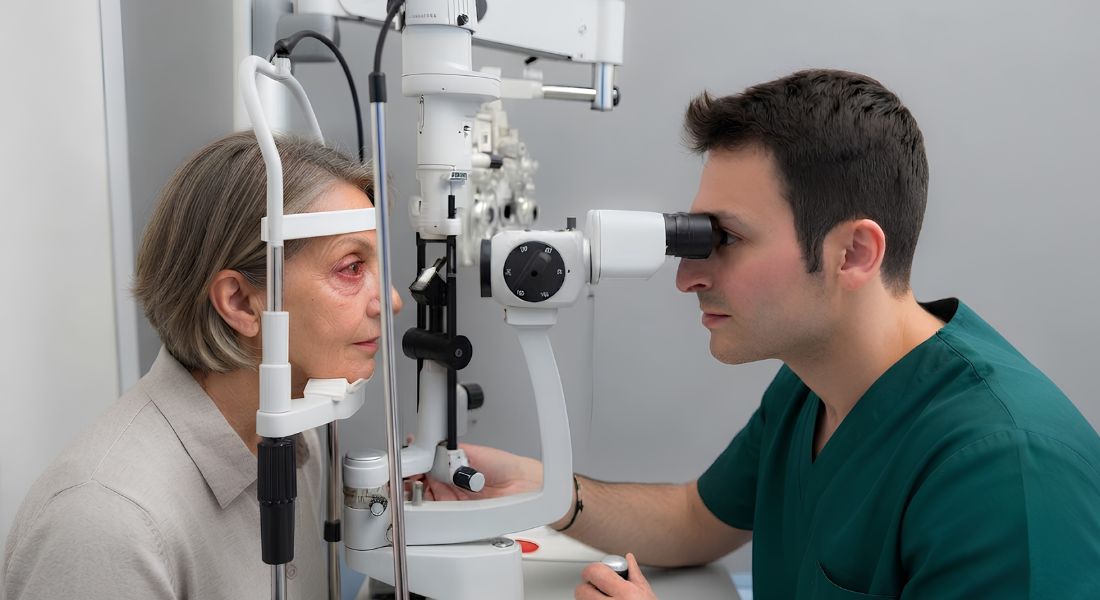
Your ophthalmologist diagnoses anterior uveitis through a detailed eye examination rather than an HLA-B27 blood test alone. Your vision and eye pressure may be checked, while a slit lamp helps your specialist look for inflammation inside your eye.
You may also need further examination or imaging depending on your symptoms. If you develop eye redness, pain, light sensitivity or changes in vision, you should seek urgent, same-day eye assessment so the cause can be identified.
How Is HLA-B27-Associated Anterior Uveitis Treated?
Your treatment aims to control inflammation and protect your vision. You may be prescribed steroid eye drops and drops to widen your pupil and reduce discomfort.
Your specialist may adjust your drops as your eye improves, so you should follow the prescribed schedule and not stop steroids suddenly. If your uveitis is severe or keeps returning, you may need additional specialist treatment.
Why Are Follow-Up Appointments Important?
Even when your eye feels better, you may still have inflammation inside your eye. Your follow-up appointments allow your ophthalmologist to check healing, eye pressure and whether your treatment is working.
Your specialist can adjust your treatment and identify complications early, so you should not change your prescribed drops without medical advice.
What Complications Can Recurrent Uveitis Cause?
If your uveitis is severe or keeps returning, you may have a higher risk of complications such as cataracts, raised eye pressure, glaucoma or cystoid macular oedema. Inflammation can also cause the iris to stick to the lens, known as posterior synechiae.
You may recover well with appropriate treatment, but repeated uveitis still needs monitoring. Your regular eye reviews help your specialist detect complications early and protect your vision.
Research Insight
A long-term study involving 562 people with HLA-B27-positive uveitis followed patients for an average of 9.8 years. Complications were recorded in 48.4% of the eyes studied, with posterior synechiae, cataract and raised eye pressure among the most frequently reported problems.
Importantly, the same research found that most patients maintained a good long-term visual outcome. These results do not predict individual risk but highlight the importance of controlling inflammation and attending follow-up appointments.
Can Uveitis Affect Both Eyes?

Your uveitis can affect one or both eyes, and you may develop inflammation in a different eye during another episode. HLA-B27-associated uveitis often starts in one eye, but this does not mean your other eye cannot be affected later.
You should have each new episode assessed because similar symptoms can have different causes. Even if you recognise your usual symptoms, you should not restart old medication without professional advice.
Clinical Tip
If familiar pain, redness, light sensitivity or blurred vision returns, do not assume that it is automatically another identical uveitis flare-up. Similar symptoms can occur with other eye conditions, and each new episode should be assessed appropriately.
Do not restart steroid eye drops or other prescription medicines left over from a previous episode unless your ophthalmologist has advised you to do so. Your treatment may need to be adjusted according to the severity and findings of the current episode.
Can You Prevent HLA-B27-Associated Uveitis?
You cannot always prevent another episode of HLA-B27-associated uveitis, and an HLA-B27 result cannot predict exactly when another flare-up may occur. You can, however, seek prompt advice when your usual symptoms appear and follow your treatment plan carefully.
If you have an inflammatory condition elsewhere in your body, managing it can be part of your wider care. Keeping a record of previous uveitis and treatment history may help clinicians if symptoms return.
Myth vs Fact
| Myth | Fact |
| Being HLA-B27 positive means you have a disease. | HLA-B27 is an inherited genetic marker rather than a disease. Many people who carry it do not develop uveitis or an associated inflammatory condition. |
| If you are HLA-B27 positive, you will eventually develop uveitis. | A positive result increases the relevance of HLA-B27 when certain inflammatory patterns are present, but it cannot predict whether you will ever develop uveitis. |
| A positive HLA-B27 test proves why your eye is inflamed. | The test does not establish the cause of uveitis by itself. Your ophthalmologist interprets it alongside your symptoms and medical history. |
| A negative HLA-B27 result means you cannot have anterior uveitis. | Anterior uveitis also occurs in people who are HLA-B27 negative. The diagnosis is made through examination of your eye rather than the blood test alone. |
| A negative HLA-B27 result completely rules out spondyloarthritis. | NICE advises that spondyloarthritis should not be ruled out solely because HLA-B27 is negative. Your symptoms and other clinical findings remain important. |
| Recurrent uveitis always means you have ankylosing spondylitis. | Recurrent anterior uveitis can be associated with spondyloarthritis, but recurrence alone does not establish that diagnosis. Some people have recurrent eye inflammation without an identified systemic condition. |
| HLA-B27-associated uveitis always affects both eyes at the same time. | It often presents in one eye during an individual episode. Another flare-up may affect the same eye or the opposite eye. |
| Once your eye feels better, follow-up is unnecessary. | Inflammation and treatment-related changes may still need monitoring even after symptoms improve. Follow-up allows your ophthalmologist to check inflammation, eye pressure and possible complications. |
| You can restart your old steroid drops whenever familiar symptoms return. | You should not automatically restart leftover prescription drops. New symptoms should be assessed because the cause or severity may differ, and steroid treatment should be supervised appropriately. |
| Repeated uveitis is harmless if every attack eventually settles. | Recurrent or severe inflammation can be associated with complications including posterior synechiae, cataract, raised eye pressure, glaucoma and macular oedema. |
| Eye pain and redness can wait several days if you have experienced uveitis before. | NICE recommends same-day ophthalmological assessment for symptoms suggesting acute anterior uveitis, including eye pain, redness, sensitivity to light or blurred vision. |
Key Takeaways
- HLA-B27 is an inherited genetic marker and is not itself a disease.
- Being HLA-B27 positive does not mean that you will definitely develop uveitis or another inflammatory condition.
- HLA-B27 is strongly associated with acute anterior uveitis, particularly when episodes are sudden or recurrent.
- Anterior uveitis can cause eye pain, redness, sensitivity to light and blurred vision and may affect one or both eyes over time.
- NICE recommends same-day ophthalmological assessment when symptoms suggest acute anterior uveitis.
- An HLA-B27 blood test cannot diagnose uveitis or prove the cause of eye inflammation on its own.
- A negative HLA-B27 test does not completely rule out anterior uveitis or spondyloarthritis.
- Recurrent or severe uveitis can increase the risk of complications such as posterior synechiae, cataract, raised eye pressure, glaucoma and macular oedema.
- Steroid and pupil-dilating eye drops are commonly used to manage acute HLA-B27-associated anterior uveitis, but treatment should be adjusted by your ophthalmologist.
- Do not reduce, stop or restart prescription steroid eye drops without appropriate medical advice.
- Keeping your follow-up appointments is important even when your eye feels better because your specialist may need to monitor inflammation, eye pressure and treatment response.
- If symptoms return, seek appropriate assessment rather than assuming every red or painful eye is another identical uveitis flare-up.
Frequently Asked Questions
- What is HLA-B27?
HLA-B27 is an inherited genetic marker linked with immune system function. Having it does not mean you have a disease. - How is HLA-B27 linked to eye inflammation?
HLA-B27 is associated with acute anterior uveitis, but your specialist interprets the result alongside symptoms and medical history. - What symptoms can HLA-B27-associated uveitis cause?
You may develop eye pain, redness, light sensitivity and blurred vision. Symptoms can appear over hours or days and may include watering or aching. - Does being HLA-B27 positive mean you will develop uveitis?
No. You can carry HLA-B27 without ever developing uveitis, and you can also develop anterior uveitis without being HLA-B27 positive. Your symptoms, recurrence pattern and medical history are also important. - When might you need an HLA-B27 test?
Your specialist may consider testing if your anterior uveitis keeps returning or follows a pattern associated with inflammatory conditions. Testing may also be considered if you have symptoms affecting your joints, spine or other parts of your body. - What happens during an HLA-B27 test?
The test usually involves taking a blood sample. A positive result means that you carry the HLA-B27 marker, while a negative result means it was not detected, but the result does not diagnose uveitis or prove its cause. - What conditions are associated with HLA-B27?
HLA-B27 is associated with spondyloarthritis conditions, including axial spondyloarthritis, ankylosing spondylitis, psoriatic arthritis, reactive arthritis and arthritis linked with inflammatory bowel disease. Being HLA-B27 positive does not mean you have any of these conditions. - Can HLA-B27-associated uveitis keep coming back?
Yes. You may experience repeated attacks, sometimes affecting the same eye and sometimes the other eye. The time between episodes can vary, so your recurrence pattern may lead your ophthalmologist to investigate possible underlying inflammation. - How is HLA-B27-associated anterior uveitis treated?
Treatment aims to control inflammation and protect your vision. You may be prescribed steroid eye drops and drops to widen your pupil and reduce discomfort, with treatment adjusted as your eye improves. - What complications can recurrent HLA-B27-associated uveitis cause?
Repeated or severe uveitis can increase your risk of complications such as cataracts, raised eye pressure, glaucoma, posterior synechiae and cystoid macular oedema. Regular follow-up appointments help your specialist identify and manage these changes.
Final Thoughts: HLA-B27 and Eye Inflammation
HLA-B27 is a genetic marker associated with a higher risk of acute anterior uveitis, but testing positive does not mean that you will develop uveitis or have an underlying inflammatory condition. If your eye inflammation keeps returning, your ophthalmologist can consider your symptoms, medical history and related symptoms when deciding whether further investigation is appropriate.
If you have recurrent eye inflammation or have been told that you are HLA-B27 positive, you can contact the Eye Clinic London team to arrange an ophthalmology assessment.
References:
- Wakefield, D., Clarke, D. and McCluskey, P. (2021) ‘Recent developments in HLA B27 anterior uveitis’, Frontiers in Immunology, 11, Article 608134. Available at: https://pmc.ncbi.nlm.nih.gov/articles/PMC7813675/
- Al-Ani, H.H., Sims, J.L. and Niederer, R.L. (2023) ‘Long term complications and vision loss in HLA-B27 uveitis’, Eye, 37(8), pp. 1673–1677. Available at: https://pmc.ncbi.nlm.nih.gov/articles/PMC10219953/
- Werkl, P., Rademacher, J. and Pleyer, U. (2024) ‘HLA-B27-positive anterior uveitis: clinical aspects, diagnostics, interdisciplinary management, and treatment’, Die Ophthalmologie, 121(Suppl 1), pp. 12–22. Available at: https://pubmed.ncbi.nlm.nih.gov/38085287/
- D’Ambrosio, E.M., La Cava, M., Tortorella, P., Gharbiya, M., Campanella, M. and Iannetti, L. (2017) ‘Clinical features and complications of the HLA-B27-associated acute anterior uveitis: a metanalysis’, Seminars in Ophthalmology, 32(6), pp. 689–701. Available at: https://pubmed.ncbi.nlm.nih.gov/27404944/
- Chang, J.H., McCluskey, P.J. and Wakefield, D. (2005) ‘Acute anterior uveitis and HLA-B27’, Survey of Ophthalmology, 50(4), pp. 364–388. Available at: https://www.sciencedirect.com/science/article/pii/S003962570500041X
- Tay-Kearney, M.L., Schwam, B.L., Lowder, C., Dunn, J.P., Meisler, D.M., Vitale, S. and Jabs, D.A. (1996) ‘Clinical features and associated systemic diseases of HLA-B27 uveitis’, American Journal of Ophthalmology, 121(1), pp. 47–56. Available at: https://www.sciencedirect.com/science/article/pii/S0002939414705331