


How Can Multiple Sclerosis Affect Your Eyes?
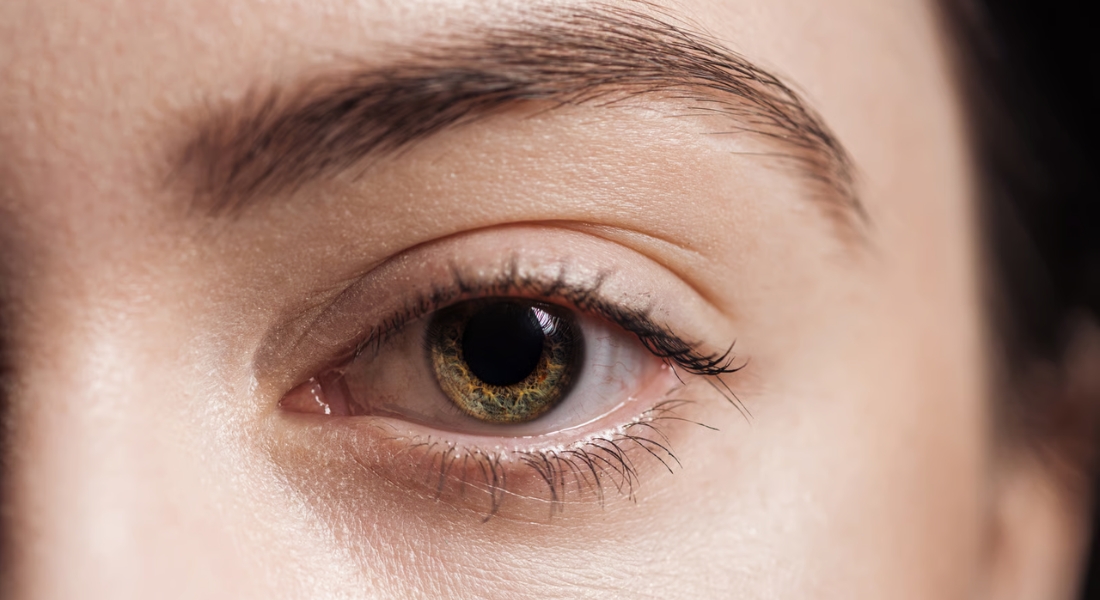
If you have multiple sclerosis (MS), changes in your vision can sometimes be one of the first signs that something is affecting your nervous system. You may notice blurred vision, changes in colour, pain when moving your eye or double vision.
These symptoms can feel unsettling, particularly when they appear suddenly. MS can affect vision in different ways, so your eyes may be healthy while the optic nerve or parts of the brain controlling vision and eye movement are affected, sometimes requiring both ophthalmic and neurological assessment.
Why Can Multiple Sclerosis Affect Your Vision?
Multiple sclerosis affects the central nervous system, which includes your brain, spinal cord and optic nerves. In MS, inflammation and damage to myelin, the protective covering around nerve fibres, can interfere with the electrical signals that allow different parts of your nervous system to communicate.
Vision depends on signals travelling from your eyes through the optic nerves and into areas of the brain that process sight and coordinate eye movements. If MS affects the optic nerve, brainstem, cerebellum or other parts of these visual pathways, the signals may not travel normally.
If MS affects any part of these visual pathways, you may notice blurred vision, double vision or other changes. The symptoms can vary between people depending on which nerves or areas of the brain are affected.
Common Visual Problems Associated With MS
| Visual problem | What may be affected | What you may notice |
| Optic neuritis | Optic nerve | Blurred or dim vision, pain with eye movement and reduced colour perception |
| Double vision | Nerve pathways controlling coordinated eye movements | Two images of the same object, particularly when both eyes are open |
| Internuclear ophthalmoplegia (INO) | Brainstem pathways coordinating side-to-side eye movement | Double vision, blurred vision or difficulty moving the eyes together |
| Nystagmus | Brainstem or cerebellar pathways involved in eye movement and balance | Involuntary eye movements, blurred vision or a sensation that surroundings are moving |
| Reduced colour vision | Optic nerve or visual pathways | Colours may appear faded or less vivid, sometimes more noticeable in one eye |
| Reduced contrast sensitivity | Optic nerve and visual pathways | Difficulty seeing fine detail, particularly in dim lighting or low-contrast situations |
| Uhthoff’s phenomenon | Previously affected nerve pathways | Temporary worsening of previous visual symptoms when your body temperature rises |
Can Optic Neuritis Be the First Sign of Multiple Sclerosis?
Optic neuritis can sometimes be the first neurological episode that leads to investigation for multiple sclerosis, although it can also occur for reasons unrelated to MS.
However, having optic neuritis does not mean that you definitely have or will develop MS. Optic neuritis can have several causes, and your specialist may consider your examination findings, MRI results and other clinical information before deciding whether further neurological investigation is needed.
What Does Optic Neuritis Feel Like?
You may notice that vision in one eye becomes hazy, cloudy or less sharp than usual, sometimes feeling like you are looking through mist. Pain around or behind the eye, especially when moving it, is also common, although it does not occur in everyone.
The amount of vision loss can vary from mild blurring to a more noticeable change. You may also develop a darker area or blind spot near the centre of your vision, which can make activities such as reading or recognising faces more difficult.
How Long Can Optic Neuritis Affect Your Vision?
Typical demyelinating optic neuritis usually develops over hours or several days, and vision may worsen for a short period before beginning to stabilise. Recovery is generally gradual and can continue over weeks or months. How quickly your sight improves will depend on factors such as the severity of the initial episode and whether the presentation is typical of MS-related optic neuritis.
Even when standard visual acuity improves well, you may continue to notice differences in colour perception, contrast or overall visual quality through the affected eye. If your vision continues to deteriorate, recovery is unusually limited or your symptoms do not follow the expected pattern, your specialist may reassess you and consider whether another cause needs to be investigated.
Can MS Change the Way You See Colours?
MS-related optic nerve problems can affect more than visual sharpness. You may notice that colours look faded or less vivid, with differences between your two eyes.
Changes in red perception can sometimes be noticeable, with red appearing less vivid or more washed out through the affected eye. Colour and contrast changes can sometimes remain even after your standard visual acuity improves, so changes in how your vision feels are still worth mentioning to your specialist.
What Is Optic Neuritis?
 l̥
l̥
Optic neuritis is a common eye-related problem associated with multiple sclerosis. It occurs when inflammation affects the optic nerve, which carries visual information from your eye to your brain, and may cause blurred or dim vision.
It often affects one eye and can develop over hours or days, sometimes with pain when moving the eye. Optic neuritis does not automatically mean you have MS, as other conditions can cause it and further assessment may be needed.
Can Multiple Sclerosis Affect Contrast and Visual Detail?
You may find it harder to see objects when there is little contrast, such as grey text on a white page or objects in dim lighting. This reduced contrast sensitivity can occur after optic neuritis, even when your standard vision test appears normal.
You may also find reading or focusing on fine detail more tiring than before. These changes are worth mentioning during an eye assessment, as everyday visual difficulties can provide useful information beyond a standard eye chart.
Why Can MS Cause Double Vision?
Multiple sclerosis can cause double vision, or diplopia, when the eyes no longer move together correctly. MS can affect nerve pathways in the brainstem that control coordinated eye movements, causing you to see two images of the same object.
The two images may appear side by side, one above the other or diagonally, depending on which eye-movement pathways are affected. If it disappears when either eye is covered, it is usually binocular double vision, but sudden new symptoms should be medically assessed.
What Is Internuclear Ophthalmoplegia?
Internuclear ophthalmoplegia (INO) is an eye movement disorder that can occur with MS when a nerve pathway in the brainstem is affected. This pathway helps your eyes move together when you look from side to side.
You may notice double or blurred vision, or feel that your eyes are not moving together properly, particularly when reading or looking between objects. INO can also have causes other than MS, so your specialist will consider your symptoms, medical history and examination findings.
Can MS Cause Your Eyes to Move or Shake?
Multiple sclerosis can sometimes cause nystagmus, where your eyes make repetitive, involuntary movements. This can happen when MS affects areas involved in eye movement, balance and coordination, such as the brainstem or cerebellum.
You may notice blurred vision, difficulty focusing or a feeling that your surroundings are moving. This sensation is known as oscillopsia and can make activities such as reading, walking or watching moving objects more difficult.
Why Can Your Vision Become Worse When You Are Hot?
You may notice previous visual symptoms becoming more noticeable when you are hot, such as after exercise, a hot bath or during a fever. This is known as Uhthoff’s phenomenon and can temporarily affect vision, particularly after optic neuritis.
Heat can make nerve signals travel less efficiently through areas affected by MS, causing symptoms such as blurred or dimmer vision. This does not usually mean new nerve damage is occurring, and symptoms often improve once your body cools.
If the symptoms are new, unusually severe, persist after you have cooled down or occur while you are unwell with an infection or fever, contact your MS team rather than assuming they are simply due to heat.
Is Every Episode of Blurred Vision Caused by MS?
If you have MS, it can be easy to assume that every change in your vision is related to the condition. However, blurred vision can have many other causes, including dry eyes, changes to your glasses prescription, migraine and common eye conditions.
MS can affect vision in different ways depending on which part of the visual system is involved. Regular eye examinations remain important, as having MS does not prevent you from developing an unrelated eye condition.
How Are MS-Related Eye Symptoms Assessed?
Your assessment will usually begin with questions about what has changed, when it started and whether one or both eyes are affected. Your specialist may also ask about pain, how quickly the symptoms developed and any previous MS-related visual problems.
Your vision may then be checked in each eye, along with colour vision, pupils, visual fields and eye movements. Your neurological history will also be considered to help determine whether further eye or neurological investigations are needed.
What Tests May Be Used to Investigate Your Vision?

The tests you need will depend on your symptoms and examination findings. An eye examination can check the structures of your eyes and help rule out other conditions that may cause similar visual problems.
Your specialist may use tests such as OCT to examine the retina and retinal nerve fibres, or visual evoked potentials (VEP) to assess how quickly visual signals reach your brain. MRI may also be recommended to investigate optic neuritis or other changes affecting your brain or optic nerves.
OCT and visual evoked potentials provide different types of information. OCT uses light imaging to measure layers of the retina and the nerve fibres that contribute to the optic nerve, while a visual evoked potential records the brain’s electrical response to a visual stimulus and can identify delayed signal transmission along the visual pathway. Neither test is interpreted in isolation; the findings are considered alongside your symptoms, examination and, where relevant, MRI results.
How Are Visual Problems Related to MS Treated?
Treatment depends on the cause and severity of your visual symptoms, as there is no single approach for every MS-related eye problem. Optic neuritis often improves gradually over time. If optic neuritis forms part of an MS relapse that significantly affects your ability to carry out your usual activities, your clinical team may consider high-dose corticosteroid treatment. High-dose corticosteroids can accelerate early visual recovery in typical acute optic neuritis, but they do not appear to substantially improve the final visual outcome for most people.
Double vision may be managed with options such as prisms or temporarily covering one eye, depending on the cause. Persistent eye movement problems may need more individualised care from an ophthalmologist, orthoptist, neuro-ophthalmologist or neurologist.
UK Guidance Note
NICE recommends clinical assessment of suspected MS relapses and advises that not every relapse needs corticosteroid treatment. When a relapse significantly affects your ability to carry out usual activities, your clinical team can discuss whether corticosteroid treatment is appropriate for you.
NICE also provides specific guidance for persistent oscillopsia associated with MS, including specialist treatment options when symptoms are troublesome. This reinforces the importance of identifying the particular cause of your visual symptoms rather than treating all MS-related vision problems in the same way.
Will Your Vision Recover After Optic Neuritis?
Many people experience significant improvement in their vision after optic neuritis, although recovery can vary. Improvement is usually gradual, and colour perception, contrast or overall visual quality may take longer to return.
You may still feel that your affected eye looks different even when an eye chart shows good vision. If recovery is slower than expected or your symptoms are unusual, your specialist may reassess you and consider other possible causes.
Evidence Note
Research provides reassurance that vision often improves substantially after typical demyelinating optic neuritis. The Optic Neuritis Treatment Trial found that visual recovery was generally good for most patients, although recovery varied and the severity of vision loss at the beginning of the episode influenced the eventual outcome. High-dose corticosteroids can accelerate early recovery, but they have not been shown to guarantee a better long-term visual result.
This means that treatment decisions should take account of how severely your vision is affected, your overall neurological situation and whether the presentation is typical of MS-related optic neuritis.
How Can You Manage Visual Symptoms in Everyday Life?
MS-related visual symptoms can make everyday activities such as reading, computer work and moving around more difficult. A few practical changes may help you manage these symptoms more comfortably.
- Improve visibility: Better lighting, larger text and higher screen contrast can make reading easier.
- Take regular breaks: Resting your eyes during screen or close-up work may reduce visual fatigue.
- Stay cool: Avoiding excessive heat may help if your vision worsens when your body temperature rises.
- Prioritise safety: Avoid driving or hazardous activities if double vision or reduced vision affects you.
Small adjustments can make daily tasks easier while your symptoms are being assessed or treated. Speak to your healthcare team if visual problems continue to interfere with your everyday activities.
UK Driving Safety Note
If you develop double vision, stop driving and seek appropriate medical advice. In Great Britain, drivers with diplopia must notify the DVLA. Group 1 car and motorcycle drivers must not drive, and driving may resume after the DVLA has received confirmation that the diplopia is appropriately controlled and the relevant visual and licensing requirements are met.
When Should You Have Your Eyes Assessed?

If you have MS and develop a new visual symptom, tell your healthcare team rather than assuming it is related to MS. An eye assessment can help identify whether the change is linked to MS or another condition requiring treatment.
Seek urgent medical advice through your GP or NHS 111 if you develop sudden new double vision. Go to A&E or call 999 if you suddenly cannot see from one or both eyes or develop sudden severe eye pain. Call 999 if a sudden visual change occurs alongside possible signs of a stroke, such as facial weakness, arm weakness or difficulty speaking.
Myth vs Fact
| Myth | Fact |
| If you have blurred vision and MS, the MS must be causing it. | Not necessarily. Dry eye, refractive changes, migraine and unrelated eye conditions can also cause blurred vision, so new symptoms should be assessed. |
| Optic neuritis means you definitely have multiple sclerosis. | No. Optic neuritis is associated with MS, but it can occur for other reasons and needs appropriate investigation. |
| MS only affects how clearly you can see. | MS can also affect colour perception, contrast sensitivity, eye movements and visual stability. |
| If heat temporarily worsens your vision, your MS is permanently getting worse. | Uhthoff’s phenomenon can temporarily worsen previous neurological symptoms when body temperature rises and usually improves after cooling. |
| Steroids permanently restore vision after optic neuritis. | Steroids may speed early visual recovery in appropriate cases, but they do not guarantee a better final visual outcome. |
Key Takeaways
- MS can affect the optic nerves and brain pathways responsible for vision and coordinated eye movements.
- Optic neuritis is one of the best-known visual problems associated with MS and can cause blurred or dim vision, reduced colour perception and pain with eye movement.
- MS can also cause double vision, internuclear ophthalmoplegia, nystagmus, oscillopsia and reduced contrast sensitivity.
- Heat can temporarily worsen previous MS-related visual symptoms through Uhthoff’s phenomenon, but persistent or new symptoms should still be assessed.
- Many people experience substantial visual improvement after typical optic neuritis, although recovery varies between individuals.
- Sudden loss of vision or sudden severe eye pain requires immediate assessment, and you should call 999 if visual changes occur alongside possible signs of a stroke.
Frequently Asked Questions
- Can multiple sclerosis affect your eyes?
Yes. MS can affect the optic nerves and areas of the brain involved in vision and eye movement. This may cause blurred vision, colour changes, double vision or other visual symptoms. - What is optic neuritis?
Optic neuritis is inflammation of the optic nerve and is commonly associated with MS. It can cause blurred or dim vision, reduced colour perception and pain, particularly when moving the eye. - Can MS cause double vision?
Yes. MS can affect the nerve pathways that coordinate eye movements, causing the eyes to move out of alignment. This can result in double vision, which may require assessment and treatment. - Can MS cause nystagmus?
MS can sometimes cause nystagmus, which involves involuntary, repetitive eye movements. It may lead to blurred vision, difficulty focusing or a sensation that your surroundings are moving. - Can heat make MS-related vision symptoms worse?
Yes. Uhthoff’s phenomenon can temporarily make previous visual symptoms more noticeable when your body temperature rises. Symptoms usually improve once you cool down. - Can MS affect colour vision?
Yes. Optic nerve involvement can make colours appear faded or less vivid. Some people notice a particular difference in how red appears between their two eyes. - Can MS affect contrast sensitivity?
MS-related optic nerve problems can reduce contrast sensitivity, making objects harder to see in dim lighting or against similar-coloured backgrounds. This can occur even when standard visual acuity is good. - How are MS-related eye problems diagnosed?
An assessment may include visual acuity, colour vision, pupil responses, visual fields and eye movements. OCT, visual evoked potentials or MRI may also be recommended depending on the symptoms. - Can vision recover after optic neuritis?
Many people experience significant improvement after optic neuritis, although recovery varies. Colour vision, contrast and overall visual quality may take longer to improve than standard visual acuity. - When should you have your eyes assessed?
New or unexplained visual symptoms should be discussed with your healthcare team. Seek urgent medical advice for sudden new double vision. Go to A&E or call 999 if you suddenly cannot see from one or both eyes, develop sudden severe eye pain or have visual changes alongside possible symptoms of a stroke.
Final Thoughts on MS and Your Vision
Multiple sclerosis can affect vision in several ways, including optic neuritis, double vision, colour changes and difficulties with eye movement. New or unexplained changes in your eyesight should always be assessed, as they may be related to MS or another eye condition requiring attention.
If you have MS and are concerned about new or changing visual symptoms, our team at Eye Clinic London would be happy to talk through what you have noticed and how an eye assessment may help. If it feels helpful, we can also arrange an appointment.
References:
- Dhanapalaratnam, R., Markoulli, M. and Krishnan, A.V. (2022) ‘Disorders of vision in multiple sclerosis’, Clinical and Experimental Optometry, 105(1), pp. 3–12. Available at: https://pubmed.ncbi.nlm.nih.gov/34348598/
- Graves, J. and Balcer, L.J. (2010) ‘Eye disorders in patients with multiple sclerosis: natural history and management’, Clinical Ophthalmology, 4, pp. 1409–1422. Available at: https://pmc.ncbi.nlm.nih.gov/articles/PMC3000766/
- Pleșa, A. et al. (2024) ‘Eyes as Windows: Unveiling Neuroinflammation in Multiple Sclerosis via Optic Neuritis and Uhthoff’s Phenomenon’, Diagnostics, 14(19), 2198. Available at: https://www.mdpi.com/2075-4418/14/19/2198
- Costa Novo, J. and Felgueiras, H. (2021) ‘Neuro-ophthalmologic manifestations of multiple sclerosis other than acute optic neuritis’, Multiple Sclerosis and Related Disorders, 48, 102730. Available at: https://www.sciencedirect.com/science/article/abs/pii/S221103482030804X
- Beck, R.W. et al. (1992) ‘A randomized, controlled trial of corticosteroids in the treatment of acute optic neuritis’, New England Journal of Medicine, 326(9), pp. 581–588. Available at: https://pubmed.ncbi.nlm.nih.gov/1734247/