


The History of Contact Lenses
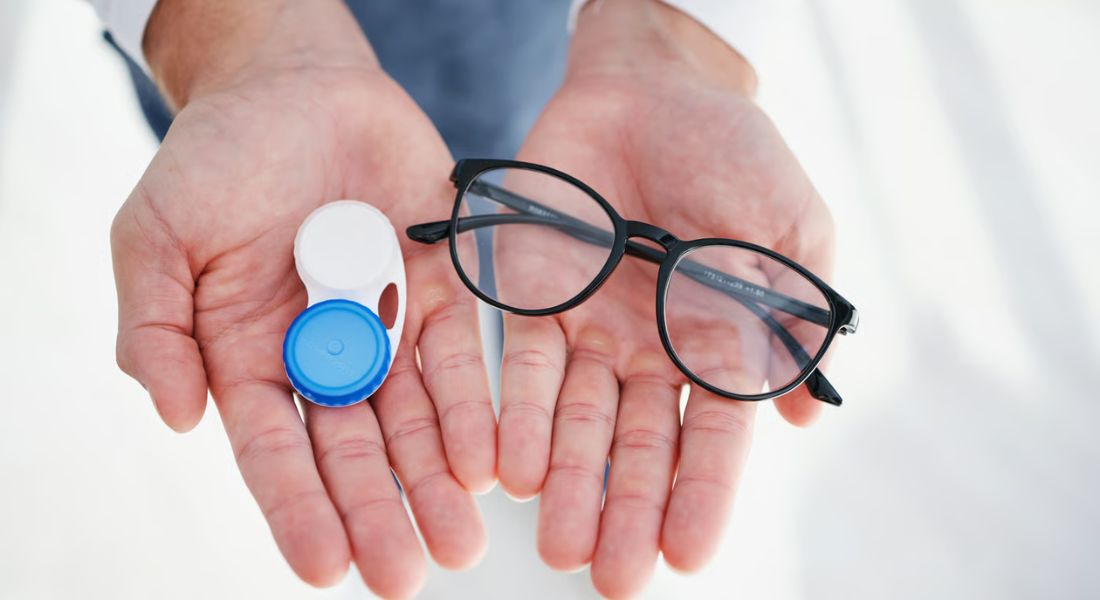
Contact lenses have evolved from early experiments with water and glass into comfortable designs that can correct a wide range of vision problems. If you wear contact lenses today, you can choose from options designed to improve your vision while supporting comfort and eye health.
Modern lenses include soft, rigid gas-permeable and scleral designs, with specialised options for astigmatism and presbyopia. Each stage of development has helped give you better vision, greater comfort and more personalised lens choices.
Leonardo da Vinci’s Early Idea
In 1508, Leonardo da Vinci described an optical experiment involving the eye and water. It was not a wearable contact lens and was not proposed as a method of correcting refractive error, but it explored how changing the optical environment in front of the cornea could alter vision.
This early idea helped introduce a principle that later became important in contact lens development. Although you could not use it as a practical lens, it was an early step towards understanding how vision could be altered at the surface of your eye.
Key Milestones in the History of Contact Lenses
| Year | Development | Why it mattered |
| 1508 | Leonardo da Vinci’s water experiment | Explored how placing water in front of the eye altered its optical conditions |
| 1637 | Descartes’ water-filled optical tube | Extended the idea of changing refraction directly at the eye |
| 1801 | Thomas Young’s corneal optical experiment | Demonstrated corneal neutralisation experimentally |
| Early 19th century | John Herschel proposed using a transparent medium and an individually fitted ocular surface to compensate for corneal irregularity | Introduced the idea of an individually shaped ocular surface |
| 1887 | Friedrich Anton Müller produces a blown-glass protective shell | Demonstrated practical prolonged placement of a glass shell on the eye |
| 1888 | Fick and Kalt fit corrective glass lenses | Important transition to refractive correction |
| 1930s | Plastic lens materials emerge | Made lenses lighter and less fragile |
| 1947–1950 | Kevin Tuohy’s PMMA corneal lens | Helped establish the transition from large scleral lenses to smaller corneal designs |
| Late 1950s | Wichterle and Lím develop hydrogel materials | Created the material foundation for modern soft lenses |
| 1961 | Spin-casting development | Enabled practical soft-lens manufacture |
| Early 1970s | Soft hydrogel lenses enter wider commercial use in the US | Accelerated commercial adoption |
| 1970s | Rigid gas-permeable materials | Improved oxygen transmission compared with PMMA |
| Late 1980s | Disposable soft lenses become established | Introduced planned frequent replacement |
| Mid-1990s | Daily disposable lenses become available | Allowed a fresh lens to be used each day and reduced the need for cleaning and storage |
| Late 1990s | Silicone hydrogel | Greatly increased oxygen transmission through soft lenses |
| 2019 | Three-year MiSight clinical trial published | Provided randomised clinical-trial evidence that a dual-focus daily disposable soft contact lens could slow myopia progression in selected children |
René Descartes and the Water-Filled Tube
In 1637, René Descartes described and illustrated a water-filled tube that would be placed against the eye as part of a theoretical optical design. It was not a practical contact lens because the device would have needed to remain against the eye and would have interfered with normal blinking.
Although the idea was impractical, it helped demonstrate how altering the optical surface of your eye could change the way light enters it. This concept later contributed to the development of more practical contact lens designs.
Thomas Young’s Experiment
In 1801, Thomas Young placed a fluid-filled optical system against his own cornea to investigate how the eye focuses light. It was not intended as a practical contact lens, but it helped demonstrate how altering the optical conditions at the cornea could affect vision.
Young’s experiment was another early step towards the principles behind contact lenses. Although you could not use his design for everyday vision correction, it contributed to the growing understanding of how lenses interact with your cornea.
John Herschel’s Contribution
In the early nineteenth century, astronomer John Herschel discussed using a transparent material to compensate for irregularities of the cornea. His ideas contributed to the later concept of creating an individually fitted optical surface for the eye.
Herschel also proposed creating a glass shell shaped to fit the individual eye. Although the idea was not practical at the time, it helped move contact lens development towards personalised designs that could better match your cornea.
The First Glass Contact Shells
In 1887, Friedrich Anton Müller produced a blown-glass shell that covered your cornea and sclera. The design was mainly intended to protect a diseased eye rather than correct your vision.
Although Müller’s shell was primarily protective rather than corrective, it demonstrated that a glass shell could be fitted over the ocular surface and retained beneath the eyelids. The development became an important step towards later corrective scleral contact lenses.
Fick and Kalt Develop Corrective Lenses
In 1888, Adolf Eugen Fick and Eugène Kalt independently developed glass lenses that could correct vision. These early designs covered much of your visible eye, making them uncomfortable to wear for long periods.
These large glass lenses could generally be tolerated only for relatively short periods, but they demonstrated that lenses placed directly on the eye could provide refractive correction. Their work helped move contact lenses from experimental ideas towards a practical form of vision correction.
The Era of Glass Scleral Lenses
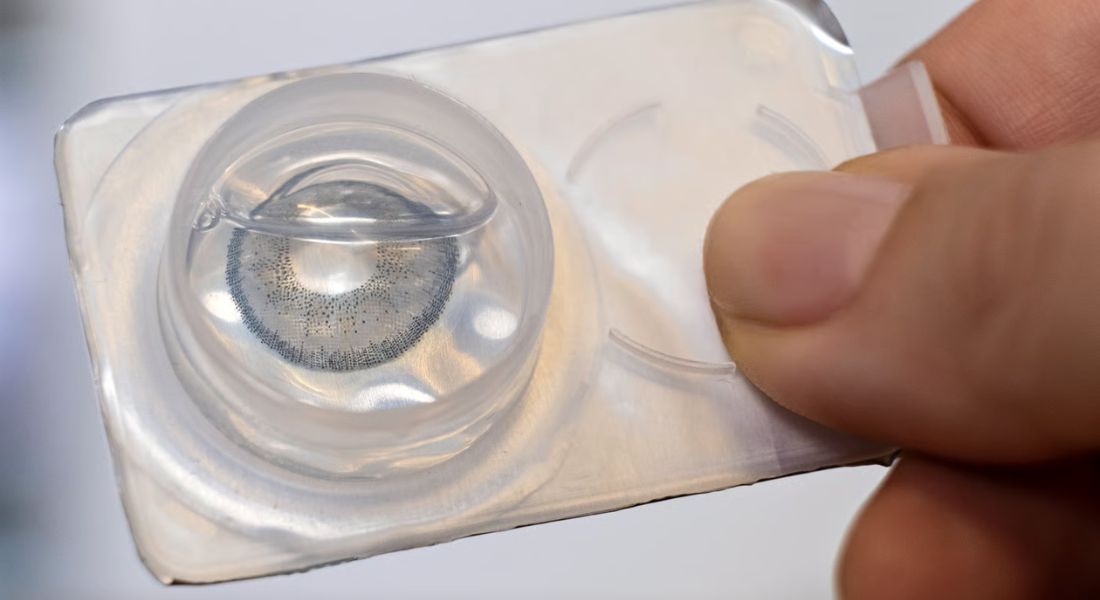
By the early twentieth century, glass scleral contact lenses were being manufactured commercially. These lenses covered both your cornea and the white part of your eye, making them much larger than modern contact lenses.
Fluid was often placed beneath the lens to improve comfort and protect your cornea. However, the size and limited oxygen supply meant you could usually wear these early lenses only for relatively short periods.
Moving from Glass to Plastic
During the 1930s, manufacturers began experimenting with acrylic plastics as an alternative to heavy glass lenses. This made contact lenses lighter, more durable and easier for you to use, while also reducing the risk of breakage.
However, early plastic materials allowed very little oxygen to reach your cornea. This limited how long you could comfortably wear the lenses and highlighted the need for materials that offered better oxygen permeability.
The Development of PMMA Lenses
Polymethyl methacrylate (PMMA) became an important material for rigid contact lenses because it was clear, lightweight and more practical than glass. If you wore PMMA lenses, they could provide effective vision correction without the weight of earlier glass designs.
However, PMMA did not allow enough oxygen to reach your cornea. This could make prolonged wear uncomfortable and highlighted the need for newer materials with better oxygen permeability.
The First Corneal Contact Lens
A major change came in the late 1940s when smaller contact lenses were developed to sit mainly over your cornea rather than covering the sclera. These lenses were more practical and comfortable for you than the larger scleral designs used previously.
Kevin Tuohy developed an influential PMMA corneal lens during this period. His patent followed in 1950, and the design helped establish smaller corneal lenses as an important stage in the development of modern contact lenses.
Otto Wichterle and Soft Lenses
Czech chemists Otto Wichterle and Drahoslav Lím developed hydrophilic hydrogel polymers that became the material foundation for soft contact lenses. Their research on these water-absorbing materials was followed by Wichterle’s development of practical soft hydrogel contact lenses in 1961.
Hydrogel lenses were flexible and contained water, giving them different properties from rigid PMMA lenses. Their development helped open the way for the widespread adoption of soft contact lenses during the following decades.
The Spin-Casting Breakthrough
During the early 1960s, Otto Wichterle developed a practical spin-casting technique for producing soft hydrogel contact lenses. This made it easier to manufacture flexible lenses that could sit comfortably on your cornea.
The new method helped move soft contact lenses towards everyday use. Compared with many earlier rigid designs, these lenses offered you greater comfort and helped make contact lens wear more accessible.
Soft Lenses Become Commercially Available
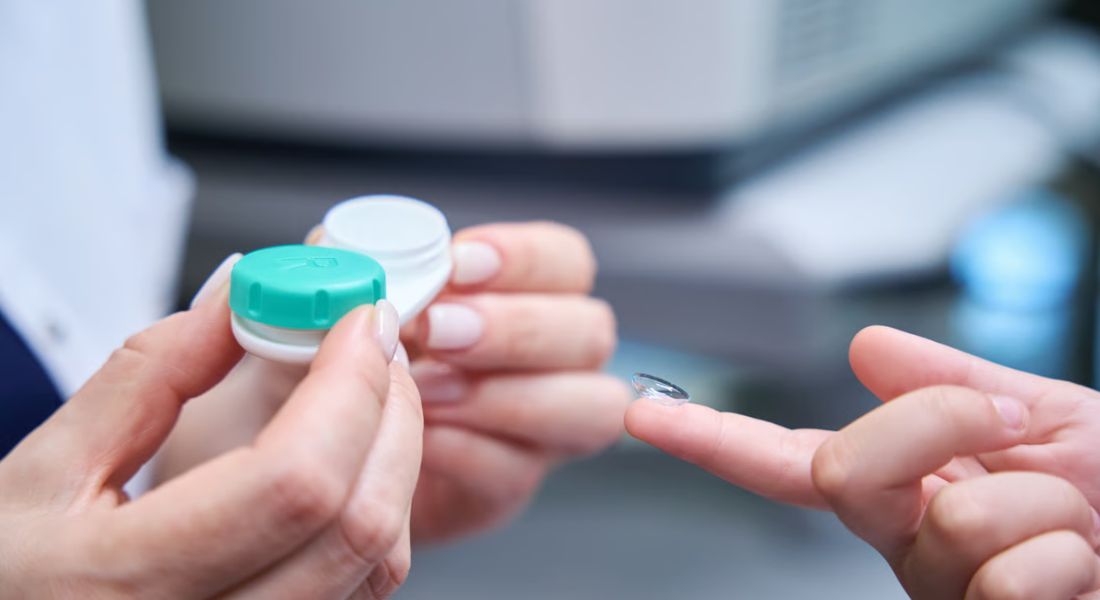
Soft contact lenses began reaching patients during the 1960s and became increasingly popular during the following decade. If you wanted vision correction without wearing glasses, these flexible lenses offered you a more comfortable option for everyday use.
During the early 1970s, soft hydrogel lenses entered wider commercial use in the United States. This helped make soft contact lenses more accessible and encouraged their wider adoption.
Why Soft Lenses Changed Contact Lens Wear
Soft hydrogel lenses represented a major change because they were more flexible and could adapt more easily to the surface of your eye. Their improved initial comfort helped make contact lenses a more practical option for everyday vision correction.
- Greater Comfort: Soft hydrogel materials generally felt more comfortable when you first started wearing contact lenses.
- Flexible Design: The lenses could conform more closely to your eye than earlier rigid PMMA designs.
- Everyday Convenience: Improved comfort made contact lenses easier for many people to use regularly instead of relying only on spectacles.
- Wider Adoption: As soft lenses became more accessible, contact lens wear became a practical choice for a larger number of people.
Soft lenses helped transform contact lenses from a relatively specialised form of vision correction into a widely used everyday option. Later advances in materials and lens design continued to improve oxygen transmission, comfort and the range of prescriptions that could be corrected.
Rigid Gas-Permeable Lenses
During the 1970s, new rigid materials were developed that allowed more oxygen to reach your cornea. This made rigid gas-permeable lenses more suitable for longer wear than earlier PMMA lenses.
These lenses also maintained the clear optics associated with rigid designs while improving oxygen supply to your eye. For you, they offered a useful balance between vision quality, durability and better corneal health.
The Development of Disposable Lenses
Disposable contact lenses emerged during the 1980s, giving you the option to replace your lenses more regularly instead of wearing the same pair for long periods. This reduced the time available for deposits to build up and could make lens wear more convenient.
Daily disposable lenses followed in the 1990s and allowed you to use a fresh pair each day. For you, this offered a simple routine with less need for cleaning, storing and maintaining lenses.
Silicone Hydrogel Changes Soft Lenses
Silicone hydrogel lenses entered the market in the late 1990s and allowed much more oxygen to reach your cornea than older hydrogel materials. Their higher oxygen permeability helped reduce physiological problems associated with inadequate oxygen reaching the cornea.
For many wearers, silicone hydrogel technology reduced problems associated with inadequate oxygen transmission and expanded the range of soft-lens wearing options. However, greater oxygen permeability does not remove the risks of inflammation, infection or other contact-lens complications.
Toric and Multifocal Contact Lenses
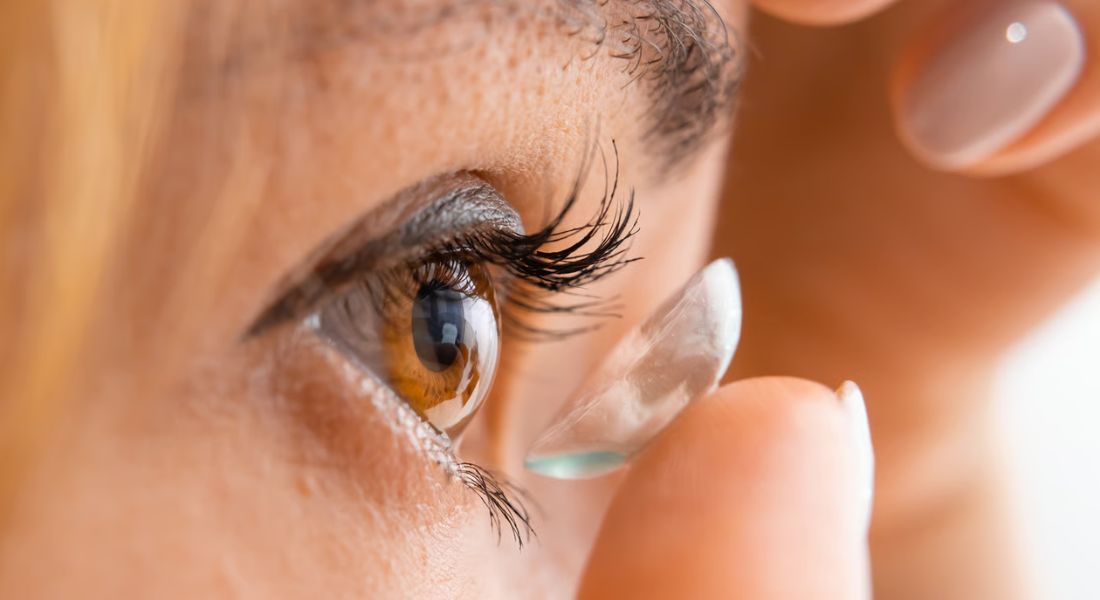
Advances in lens design have made it easier for you to correct more complex vision problems with contact lenses. Toric lenses can correct astigmatism, while multifocal lenses can help you manage presbyopia and see at different distances.
These designs can give you greater freedom from spectacles in everyday life. With the right lens fitted for your eyes, you may be able to enjoy clearer vision while maintaining the convenience of contact lens wear.
Clinical Safety Note
Modern materials, manufacturing and replacement schedules have greatly improved oxygen delivery, convenience and fitting options, but contact lenses remain medical devices worn directly on the ocular surface. Poor hygiene, contact with water, inappropriate wear schedules and sleeping in lenses when this has not been specifically advised can increase the risk of inflammation and potentially serious eye infection.
Microbial keratitis can cause pain, redness, light sensitivity, discharge and blurred or reduced vision and may threaten sight. If you develop significant pain, increasing redness, light sensitivity or changes in vision while wearing contact lenses, remove the lenses and seek urgent professional assessment rather than continuing to wear them.
Myth vs Fact
| Myth | Fact |
| Leonardo da Vinci invented the first wearable contact lens. | His 1508 work involved an optical water experiment rather than a wearable lens. |
| The first contact lenses looked like today’s small soft lenses. | Early practical lenses were large glass scleral shells covering much of the visible eye. |
| Soft contact lenses were the first practical contact lenses. | Glass and rigid plastic lenses had already been used for many decades before soft hydrogels arrived. |
| PMMA was abandoned because it gave poor vision. | PMMA could provide good optics, but its lack of oxygen permeability was a major physiological limitation. |
| Wichterle invented only a new lens shape. | His work with Drahoslav Lím helped introduce hydrogel materials, followed by manufacturing advances such as spin casting. |
| Disposable and daily disposable lenses appeared at the same time. | Disposable lenses emerged in the 1980s, while daily disposable lenses followed in the mid-1990s. |
| Silicone hydrogel means contact lenses can safely be worn indefinitely. | Silicone hydrogel improves oxygen transmission but does not eliminate infection or inflammation risks. |
| Scleral lenses are obsolete historical designs. | Modern oxygen-permeable scleral lenses are important specialised lenses for irregular corneas and ocular-surface conditions. |
| Contact lenses only correct existing refractive error. | Certain modern designs can also be used to slow myopia progression in selected children. |
Key Takeaways
- Leonardo da Vinci’s 1508 work was an optical experiment rather than a wearable contact lens.
- Practical corrective contact lenses developed during the late nineteenth century, initially using large glass scleral designs.
- Plastic and later gas-permeable materials made rigid lenses lighter and improved oxygen transmission.
- Wichterle and Lím’s hydrogel work in the late 1950s provided the material foundation for modern soft lenses.
- Silicone hydrogel lenses emerged in the late 1990s and substantially improved oxygen transmission, although infection and inflammation risks remain.
- Modern scleral, toric, multifocal and myopia-management lenses have expanded the range of people who may benefit from contact lenses.
Frequently Asked Questions
- When were contact lenses first invented?
The history of contact lenses is often traced to Leonardo da Vinci’s 1508 optical experiments involving water and the eye. However, he did not develop a wearable contact lens, and practical corrective contact lenses appeared much later. - Who invented the first practical contact lens?
Several people contributed to the development of practical contact lenses rather than one individual inventing the modern lens. Adolf Eugen Fick and Eugène Kalt independently fitted early glass corrective lenses in 1888, marking an important milestone. - When were soft contact lenses developed?
Soft contact lenses were developed from hydrogel materials researched by Otto Wichterle and Drahoslav Lím during the mid-twentieth century. Wichterle’s work on spin-casting helped make flexible lenses suitable for wider use. - When did soft contact lenses become commercially available?
Soft contact lenses began reaching patients during the 1960s and became increasingly popular during the following decade. Wider commercial use during the early 1970s helped make soft hydrogel lenses more accessible. - What were contact lenses made from originally?
The earliest practical contact lenses were made from glass and were relatively large, often covering the cornea and sclera. Later developments introduced plastics such as PMMA, followed by hydrogel and silicone hydrogel materials. - Why were PMMA contact lenses replaced?
PMMA lenses were lighter and less fragile than glass, but they did not allow sufficient oxygen to pass through to the cornea. This limited how comfortably they could be worn for extended periods and encouraged the development of gas-permeable materials. - When were disposable contact lenses introduced?
Disposable contact lenses became available during the 1980s, while daily disposable lenses followed during the 1990s. Using a fresh lens more frequently helped reduce the accumulation of deposits and simplified lens care for many wearers. - When did silicone hydrogel contact lenses become available?
Silicone hydrogel lenses entered the market in the late 1990s. Their higher oxygen transmission represented an important development in soft contact lens design and helped address some limitations associated with older hydrogel materials. - How have contact lenses evolved to correct astigmatism and presbyopia?
Advances in lens design led to toric lenses for astigmatism and multifocal lenses for presbyopia. These developments have allowed more people with complex or age-related vision changes to use contact lenses successfully. - What are modern contact lenses made from?
Modern contact lenses are commonly made from hydrogel or silicone hydrogel materials, while rigid gas-permeable lenses use specialised oxygen-permeable polymers. Scleral lenses and other advanced designs are also available for specific vision needs and corneal conditions.
Final Thoughts: From Early Experiments to Modern Contact Lenses
The history of contact lenses spans more than five centuries, from early optical experiments to glass scleral shells, rigid corneal lenses, hydrogels and modern oxygen-permeable materials. Improvements in lens design and manufacturing have expanded the range of prescriptions and eye conditions that can be managed with contact lenses, although safe fitting, hygiene and appropriate follow-up remain essential.
If you have concerns about your eyesight, you can contact our team at Eye Clinic London to discuss your symptoms and whether a comprehensive assessment may be appropriate for you.
References:
- Pillay, R., Hansraj, R. and Rampersad, N. (2020) ‘Historical development, applications and advances in materials used in spectacle lenses and contact lenses’, Clinical Optometry, 12, pp. 157–167. Available at: https://pmc.ncbi.nlm.nih.gov/articles/PMC7532918/
- Walsh, K., Jones, L.W., Morgan, P., Papas, E.B. and Sulley, A. (2025) ‘Topical review: Twenty-five years of silicone hydrogel soft contact lenses’, Optometry and Vision Science, 102(6), pp. 361–374. Available at: https://pmc.ncbi.nlm.nih.gov/articles/PMC12184980/
- Barnett, M., Courey, C., Fadel, D., Lee, K., Michaud, L., Montani, G., van der Worp, E., Vincent, S.J., Walker, M., Bilkhu, P. and Morgan, P.B. (2021) ‘BCLA CLEAR – Scleral lenses’, Contact Lens and Anterior Eye, 44(2), pp. 270–288. Available at: https://www.sciencedirect.com/science/article/abs/pii/S1367048421000151
- Chamberlain, P., Peixoto-de-Matos, S.C., Logan, N.S., Ngo, C., Jones, D. and Young, G. (2019) ‘A 3-year randomized clinical trial of MiSight lenses for myopia control’, Optometry and Vision Science, 96(8), pp. 556–567. Available at: https://pubmed.ncbi.nlm.nih.gov/31343513/
- Arshad, M., Carnt, N., Tan, J., Ekkeshis, I. and Stapleton, F. (2019) ‘Water exposure and the risk of contact lens-related disease’, Cornea, 38(6), pp. 791–797. Available at: https://pubmed.ncbi.nlm.nih.gov/30789440/