


How Can Crohn’s Disease Affect Your Eyes?

If you have Crohn’s disease, you may mainly associate it with digestive symptoms such as abdominal pain, diarrhoea or fatigue. However, Crohn’s can also cause inflammation outside your digestive system, including problems affecting your eyes. You may develop relatively mild conditions such as episcleritis or more significant inflammation such as uveitis.
The symptoms can vary depending on which part of your eye is affected. You may notice redness and irritation, while deeper inflammation can cause pain, light sensitivity or blurred vision. Having Crohn’s does not mean every eye problem is related to your condition, but persistent or unusual symptoms are worth discussing with an eye specialist.
Why Can Crohn’s Disease Affect More Than Your Digestive System?
Crohn’s disease is a type of inflammatory bowel disease (IBD), and the immune-mediated inflammation involved can sometimes affect other parts of your body. These are known as extraintestinal manifestations and may involve areas such as your joints, skin and eyes. However, having Crohn’s does not mean you will automatically develop eye problems.
If your eyes are affected, inflammation can involve tissues on the surface or deeper inside the eye. The symptoms you experience will depend on the area involved, and significant eye inflammation may sometimes require your gastroenterology and ophthalmology teams to work together.
What Eye Problems Are Associated With Crohn’s Disease?
If you have Crohn’s disease, you may develop inflammatory eye problems such as episcleritis or uveitis. Episcleritis affects tissue over the white of your eye and usually causes redness and mild discomfort, while uveitis involves inflammation inside the eye and can cause more significant symptoms such as pain, light sensitivity or blurred vision. A less common but important condition is scleritis, which affects the white outer coat of your eye. Unlike the usually mild discomfort of episcleritis, scleritis can cause intense eye pain and marked redness and may threaten your vision if it is not treated. If your eye is very painful or your vision changes, you should seek urgent assessment rather than assuming you have episcleritis.
These conditions are not the only possible causes of eye irritation, as allergies, dry eye and infections can produce similar symptoms. Because uveitis can affect your vision and lead to complications if untreated, you should arrange an ophthalmic assessment if you develop persistent redness, eye pain, light sensitivity or changes in your vision.
Evidence Note
Research confirms that eye inflammation is a recognised extraintestinal manifestation of inflammatory bowel disease. A 2024 review estimated that ocular problems affect around 4–12% of people with IBD, although reported rates vary between studies and populations. Episcleritis has been reported in approximately 2–5% of people with IBD, while uveitis is less common, at around 0.5–3.5%.
A systematic review and meta-analysis of 52 studies involving 352,454 people also found that ocular extraintestinal manifestations were reported more often in Crohn’s disease than in ulcerative colitis. These are population-level figures, so they do not predict whether you personally will develop an eye problem.
What Is Episcleritis?
Episcleritis is inflammation of a superficial layer covering the white part of your eye. You may notice a clearly defined area of redness, along with mild soreness, irritation or grittiness, but severe pain is not usually typical.
If you have Crohn’s disease, episcleritis can occur as an inflammatory complication and is often self-limiting. Lubricating eye drops may help relieve irritation, while persistent, recurrent or uncertain symptoms should be assessed to confirm the diagnosis and determine whether further treatment is needed.
What Does Episcleritis Feel Like?

If you develop episcleritis, the most noticeable sign is usually a patch of bright redness on the white part of your eye. You may also experience mild soreness, tenderness, irritation or a gritty feeling, but your vision should generally remain unaffected.
The discomfort is usually milder than the deep pain caused by conditions such as scleritis or uveitis. If you develop significant pain, strong light sensitivity or blurred vision, you should have your eye assessed promptly, even if you have experienced episcleritis before.
Does Episcleritis Get Worse When Your Crohn’s Flares?
If you have Crohn’s disease, your episcleritis may sometimes flare when your bowel symptoms become more active. You may notice eye redness appearing around the same time as abdominal symptoms or other signs of increased inflammation. Episcleritis often follows intestinal disease activity, although this pattern is not the same for everyone.
However, eye redness alone cannot tell you whether your Crohn’s is flaring, and not every red eye is related to your bowel condition. If episcleritis keeps returning alongside your Crohn’s symptoms, let both your gastroenterology and eye teams know so they can consider the pattern when planning your care.
What Is Uveitis?
Uveitis is inflammation inside your eye, affecting part of the uvea, which includes the iris, ciliary body and choroid. If you have Crohn’s disease, you may be at increased risk of inflammatory eye problems such as uveitis. Anterior uveitis, sometimes called iritis when the iris is mainly affected, is a common form.
Unlike uncomplicated episcleritis, uveitis can affect your vision and may lead to complications if it is not treated promptly. You may develop eye pain, redness, light sensitivity or blurred vision, so these symptoms should be assessed by an eye specialist rather than left to settle on their own.
What Symptoms Can Uveitis Cause?
Uveitis can cause noticeable changes in how your eye feels and how well you see. Symptoms may develop gradually or appear more suddenly.
- Eye pain: Your eye may feel sore, aching or uncomfortable.
- Light sensitivity: Bright light may become unusually uncomfortable.
- Blurred vision: Your sight may become cloudy or less clear.
- Floaters: You may notice dots, strands or shapes moving across your vision.
If you develop these symptoms, especially pain or changes in vision, you should arrange a prompt eye assessment.
How Is Uveitis Different From Episcleritis?
Both episcleritis and uveitis can cause a red eye, but they affect different parts of your eye. Episcleritis is closer to the surface and usually causes redness with mild soreness or irritation, while uveitis involves inflammation inside the eye and can cause pain, light sensitivity, blurred vision or floaters.
The distinction matters because uveitis can lead to complications and vision problems if it is not treated promptly. You cannot reliably tell the difference by looking at your eye, so significant pain, light sensitivity or changes in vision should be assessed by an eye specialist.
Episcleritis vs Uveitis: Key Differences
| Feature | Episcleritis | Uveitis |
| Area affected | Superficial tissue over the sclera | Structures inside the eye |
| Redness | Often localised or sectoral | May cause deeper redness, often around the iris |
| Pain | Usually mild discomfort or tenderness | May cause aching or more significant pain |
| Light sensitivity | Usually minimal | Common, particularly with anterior uveitis |
| Vision | Usually unaffected | May become blurred or cloudy |
| Floaters | Not typical | Can occur |
| Relation to Crohn’s activity | May occur alongside a bowel flare | Can occur independently of bowel activity |
| Need for assessment | Persistent or uncertain symptoms should be checked | Prompt ophthalmic assessment is important |
Can Crohn’s-Related Eye Inflammation Affect Your Vision?
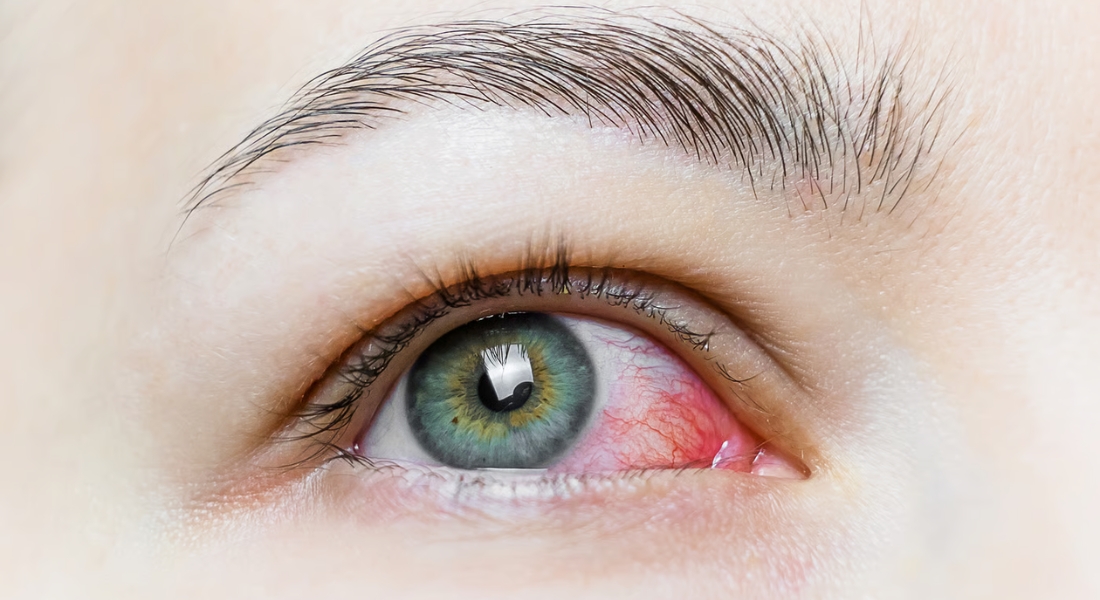
Episcleritis usually does not cause significant vision loss, although your eye may feel sore or irritated. Uveitis is different because inflammation occurs inside your eye and can cause blurred or cloudy vision, light sensitivity or floaters.
If uveitis is severe, recurrent or left untreated, it can lead to complications that may affect your sight. If you develop a significant new reduction in vision, missing areas in your visual field or rapidly worsening blurring, seek urgent ophthalmic advice. If you suddenly cannot see from one or both eyes, go to A&E or call 999.
Are Dry or Irritated Eyes Always Caused by Crohn’s Disease?
No. If you have Crohn’s disease, dry, burning or gritty eyes can have many causes, including prolonged screen use, air conditioning, windy weather, contact lenses, allergies or blepharitis. These symptoms do not automatically mean that your Crohn’s is affecting your eyes.
The nature of your symptoms can provide useful clues. Mild dryness is very different from a deeply painful, red eye with strong light sensitivity or blurred vision. If your symptoms are persistent, recurrent or unusual for you, you should arrange an eye assessment to identify the underlying cause.
Can Crohn’s Treatments Affect Your Eyes?
If you have Crohn’s disease, your medication history is important when you have an eye examination. Corticosteroids may be used to control Crohn’s-related inflammation, but prolonged exposure can increase the risk of cataracts and raised intraocular pressure in some patients.
Steroid eye drops may also be prescribed to treat conditions such as uveitis, but they need appropriate monitoring when used for longer periods. You should not stop steroid tablets suddenly or change prescribed eye treatment without medical advice. Tell your eye specialist about all the medicines you take so they can consider whether your symptoms may be related to Crohn’s, its treatment or another cause.
How Are Crohn’s-Related Eye Problems Diagnosed?
Your eye specialist will ask about your symptoms, including whether you have pain, redness, light sensitivity, floaters or changes in your vision. They may also ask about your Crohn’s disease, previous eye problems and the medicines you currently take.
Your vision will usually be checked before your eyes are examined with a slit lamp microscope. If uveitis or deeper inflammation is suspected, your pupils may be dilated so the retina and other structures can be assessed. Depending on what your specialist finds, you may also need eye scans or further medical investigations.
What Tests Might You Need for Uveitis?
You may not need extensive testing every time you develop eye inflammation. The tests your specialist recommends will depend on the type of uveitis, your previous history and your overall health. Your eye pressure may be checked, while OCT imaging can provide detailed views of your retina and macula.
Depending on your symptoms and examination findings, you may also need other scans, blood tests or medical investigations. Because you have Crohn’s disease, your gastroenterology history and current treatment may also be relevant. The aim is to identify the cause, location and severity of the inflammation so you can receive appropriate treatment.
How Is Crohn’s-Associated Episcleritis Treated?
If you develop episcleritis alongside Crohn’s disease, it will often settle on its own without significant treatment. Lubricating eye drops can help relieve irritation and grittiness while the inflammation improves. If your symptoms persist or are particularly uncomfortable, your eye specialist may recommend additional anti-inflammatory treatment.
Because episcleritis can flare alongside Crohn’s activity, controlling your underlying bowel inflammation may also help. You should not use leftover steroid eye drops without medical advice, as the treatment depends on confirming that the redness is actually episcleritis and not a more serious eye condition.
How Is Uveitis Treated When You Have Crohn’s Disease?
Treatment for uveitis aims to control inflammation, relieve symptoms and protect your vision. Once anterior uveitis has been diagnosed by an appropriate eye-care specialist, treatment often includes corticosteroid eye drops. Pupil-dilating drops may also be prescribed to reduce discomfort and help prevent certain complications.
More severe or deeper inflammation may require steroid tablets or other immune-modifying treatment. If you already take medication for Crohn’s disease, your ophthalmologist may coordinate with your gastroenterology team to ensure your eye and bowel inflammation are managed together.
UK Guidance Note
NHS guidance advises seeking urgent GP or NHS 111 assessment for eye pain, sensitivity to light, changes in vision or a very red eye. If you suddenly cannot see, you should go to A&E or call 999.
Crohn’s & Colitis UK recognises eye inflammation as an extraintestinal manifestation of Crohn’s disease. It notes that episcleritis often occurs alongside Crohn’s activity, while uveitis and scleritis are more serious conditions that require appropriate eye assessment and treatment. When significant inflammation is present, your ophthalmology and IBD teams may need to coordinate your care.
When Should You Have Your Eyes Assessed?
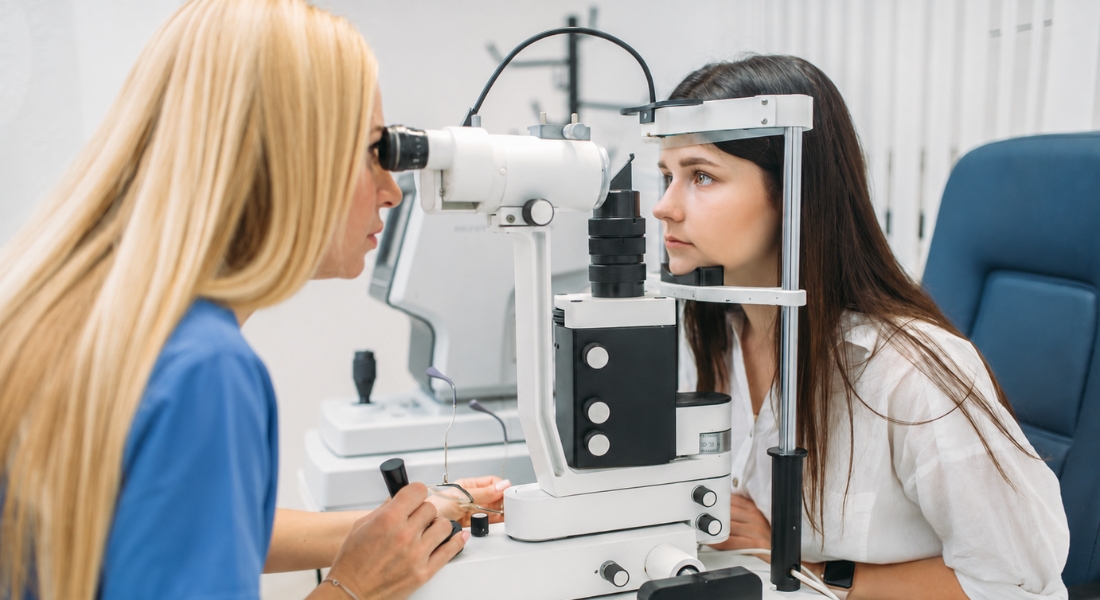
If you have Crohn’s disease and develop persistent or recurrent eye redness or irritation, arrange an eye assessment rather than assuming it is part of your bowel condition. Seek prompt medical or ophthalmic advice if you develop eye pain, marked sensitivity to light, blurred or changing vision, new floaters or a very red eye. If your symptoms suddenly become severe or you lose your vision, follow the urgent advice above.
Myth vs Fact
| Myth | Fact |
| Crohn’s disease only affects your digestive system. | Crohn’s can cause extraintestinal inflammation involving the joints, skin and eyes as well as the digestive tract. |
| Every red eye in someone with Crohn’s is episcleritis. | No. Dry eye, infection, allergy, uveitis and other conditions can also cause redness, so persistent or painful symptoms need assessment. |
| Episcleritis and uveitis are basically the same condition. | No. Episcleritis is superficial and usually mild, while uveitis involves inflammation inside the eye and may affect vision. |
| Eye inflammation only happens when Crohn’s bowel symptoms flare. | Episcleritis often follows intestinal disease activity, but uveitis can develop independently of bowel symptoms. |
| You can reuse steroid eye drops whenever your eye becomes red. | Steroid drops should only be used when prescribed for the current episode because different causes of a red eye require different treatment and steroids need clinical monitoring. |
Key Takeaways
- Crohn’s disease can cause inflammation outside the digestive system, including ocular extraintestinal manifestations.
- Episcleritis and uveitis are among the best-recognised inflammatory eye problems associated with Crohn’s disease.
- Episcleritis is usually superficial and mild and may occur alongside a Crohn’s flare, while uveitis can cause pain, light sensitivity and visual changes and may occur even when bowel symptoms are stable.
- Scleritis is less common than episcleritis but is more serious and can cause severe eye pain and potentially threaten vision.
- Steroid eye drops should only be used under appropriate clinical supervision and prescribed treatment should not be changed without medical advice.
- Eye pain, marked light sensitivity, significant visual change or a very red eye requires prompt assessment, while sudden loss of vision requires emergency care.
Frequently Asked Questions
- Can Crohn’s disease affect your eyes?
Yes, Crohn’s disease can cause inflammation outside your digestive system, including your eyes. You may develop conditions such as episcleritis or uveitis. However, not every eye problem you experience will be related to Crohn’s. - What eye problems are linked to Crohn’s disease?
Episcleritis and uveitis are among the main inflammatory eye problems associated with Crohn’s disease. Episcleritis usually causes redness and mild discomfort, while uveitis can cause pain, light sensitivity and blurred vision. Dry or irritated eyes can also occur for other reasons. - What is episcleritis?
Episcleritis is inflammation of a superficial layer covering the white part of your eye. It can cause a noticeable patch of redness, mild soreness or irritation. It often settles on its own, but a new or unexplained red eye should still be assessed. - What is uveitis?
Uveitis is inflammation inside your eye and can occur as an inflammatory complication of Crohn’s disease. You may experience eye pain, redness, light sensitivity, blurred vision or floaters. Prompt treatment is important because untreated uveitis can sometimes affect your vision. - Can Crohn’s disease cause a red or painful eye?
Yes, Crohn’s-related inflammation can cause redness and discomfort, particularly with episcleritis or uveitis. Episcleritis usually causes milder symptoms, while uveitis can cause more significant pain and light sensitivity. A painful red eye should be assessed by an eye specialist. - Can Crohn’s-related eye inflammation affect your vision?
Yes, particularly when inflammation affects deeper parts of your eye, such as with uveitis. You may experience blurred or cloudy vision, floaters or changes in your visual field. Significant new visual changes require prompt assessment. If you suddenly cannot see from one or both eyes, go to A&E or call 999. - Does episcleritis get worse when Crohn’s disease flares?
It can sometimes flare when your Crohn’s disease becomes more active. Your eye redness may appear alongside abdominal symptoms or other signs of inflammation. However, eye redness alone does not confirm that your Crohn’s is flaring. - Are dry or irritated eyes always caused by Crohn’s disease?
No. Dry, burning or gritty eyes can have many causes, including screen use, allergies, contact lenses and air conditioning. If your symptoms are persistent, recurrent or unusual, an eye assessment can help identify the underlying cause. - How are Crohn’s-related eye problems treated?
Treatment depends on the type and severity of your eye condition. Episcleritis may settle with lubricating drops, while uveitis may require steroid eye drops or other anti-inflammatory treatment. Your ophthalmologist may work with your gastroenterology team to manage both conditions. - When should you have your eyes assessed?
You should arrange an eye assessment if you develop persistent or recurrent redness, irritation or dryness. A painful red eye, strong light sensitivity, blurred vision or new floaters needs prompt assessment. Sudden or significant vision loss requires urgent medical attention.
Final Thoughts: Looking After Your Eyes With Crohn’s Disease
Crohn’s disease can sometimes affect your eyes as well as your digestive system, with conditions such as episcleritis and uveitis causing symptoms ranging from mild redness and irritation to pain, light sensitivity and changes in your vision. If you develop persistent or unusual eye symptoms, you should not assume they are simply part of your Crohn’s disease, as different eye conditions can require very different treatment.
If you have Crohn’s disease and are concerned about persistent or changing symptoms in your eyes or vision, our team at Eye Clinic London would be happy to talk through what you have noticed and how an eye assessment may help. If it feels helpful, we can also arrange an appointment.
References:
- Richardson, H. et al. (2024) ‘Ocular Manifestations of IBD: Pathophysiology, Epidemiology, and Iatrogenic Associations of Emerging Treatment Strategies’, Biomedicines, 12(12), 2856. Available at: https://www.mdpi.com/2227-9059/12/12/2856
- Migliorisi, G. et al. (2024) ‘Ophthalmological Manifestations in Inflammatory Bowel Diseases: Keep an Eye on It’, Cells, 13(2), 142. Available at: https://www.mdpi.com/2073-4409/13/2/142
- Crohn’s & Colitis UK (no date) ‘Crohn’s Disease’. Available at: https://www.crohnsandcolitis.org.uk/info-support/information-about-crohns-and-colitis/all-information-about-crohns-and-colitis/understanding-crohns-and-colitis/crohns-disease
- NHS (2024) ‘Uveitis’. Last reviewed 20 March 2024. Available at: https://www.nhs.uk/conditions/uveitis/
- Kilic, Y. et al. (2024) ‘Prevalence of Extraintestinal Manifestations in Inflammatory Bowel Disease: A Systematic Review and Meta-analysis’, Inflammatory Bowel Diseases, 30(2), pp. 230–239. Available at: https://pubmed.ncbi.nlm.nih.gov/37042969/