


Adult Ptosis (Droopy Eyelid): When Is Surgery Needed?
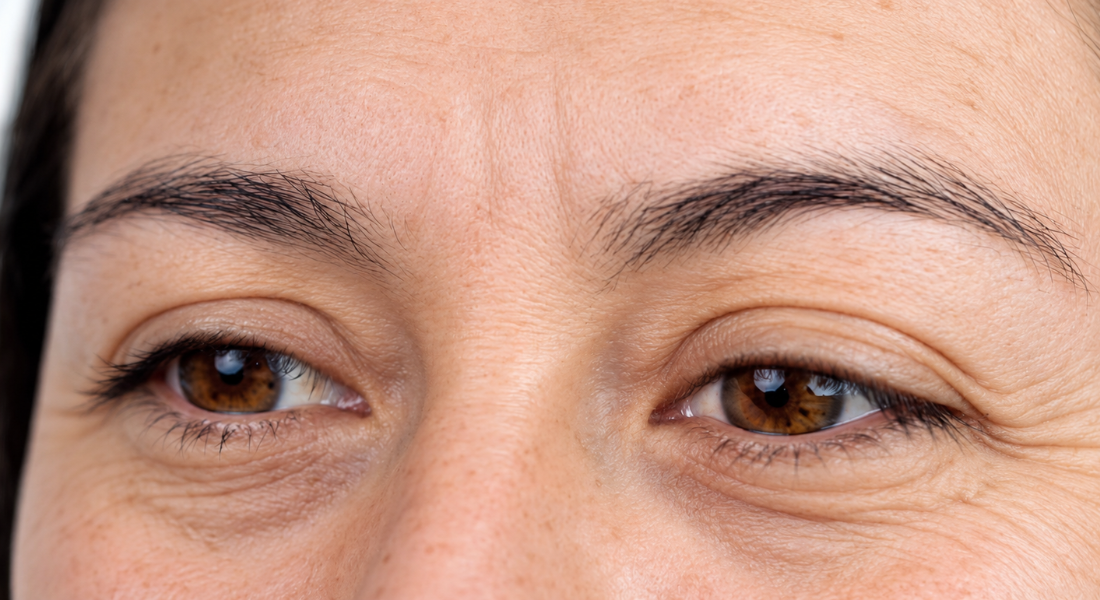
Adult ptosis can make your upper eyelid droop and may affect your appearance, vision or daily activities. It can develop with age or after surgery, trauma or other conditions affecting the eyelid.
Surgery is not always necessary. Your ophthalmologist will assess why your eyelid is drooping, how well the lifting muscle works and whether your vision is affected before recommending treatment.
What Is Adult Ptosis?
Adult ptosis means your upper eyelid droops lower than it should. It can affect one or both eyes and may partly cover your pupil or reduce your upper visual field.
Your drooping eyelid can also make you raise your eyebrows or tilt your head back to see more clearly. These movements may lead to forehead fatigue, eyebrow ache or eyestrain, especially when reading or concentrating.
Why Does Ptosis Develop in Adults?
Adult ptosis can develop as you get older when the tissue connecting your eyelid-lifting muscle to your eyelid becomes stretched, thinned or separated from its normal attachment. You may also develop ptosis after eye surgery, long-term contact lens wear or trauma.
Your drooping eyelid can sometimes have other causes, including eyelid swelling or a mass, a muscle disorder or a nerve problem. Your ophthalmologist will therefore assess why your eyelid has changed before deciding which treatment is right for you.
Is Age-Related Ptosis the Same as a Droopy Eyelid From Nerve Problems?
Age-related ptosis usually develops gradually as the tissues supporting your eyelid become weaker or stretched. Nerve- or muscle-related ptosis can behave differently and may occur alongside double vision, abnormal eye movements or changes that vary during the day.
Your ophthalmologist needs to identify what is causing your drooping before recommending surgery. Your treatment may be different when a nerve or muscle problem is responsible.
What Symptoms Can Adult Ptosis Cause?
Adult ptosis can cause more than a droopy appearance. You may notice a reduced upper visual field, difficulty reading and tiredness when concentrating.
Your drooping eyelid may also make you raise your eyebrows, lift your chin or change your head position to see more clearly. These efforts can lead to eyebrow ache, forehead discomfort or eyestrain.
Can Ptosis Affect Your Driving or Daily Activities?
Ptosis can affect your daily activities if your drooping eyelid blocks part of your visual field. You may find reading, computer work, looking upwards or driving more difficult.
Your raised eyebrows or tilted head may help you compensate, but these habits can become tiring. Tell your ophthalmologist if your eyelid is affecting how safely or comfortably you manage everyday tasks.
When Is Ptosis Considered a Medical Problem Rather Than a Cosmetic Concern?
Ptosis may be mainly cosmetic when your drooping eyelid does not affect your vision or comfort. In this situation, you may decide that surgery is not necessary.
- Visual field restriction: Ptosis may be considered a medical problem when the drooping eyelid blocks part of your vision.
- Daily activities: Difficulty reading, driving or carrying out everyday tasks may indicate that the ptosis is affecting your function.
- Severity of drooping: Your ophthalmologist can measure how much your eyelid is covering the eye and assess its effect on your vision.
- Potential benefit from surgery: Surgery may be considered when lifting the eyelid could improve your visual field or daily function.
The decision depends on how your ptosis affects your vision and quality of life, rather than its appearance alone. Your ophthalmologist can assess whether treatment is medically appropriate for you.
What Happens During a Ptosis Assessment?
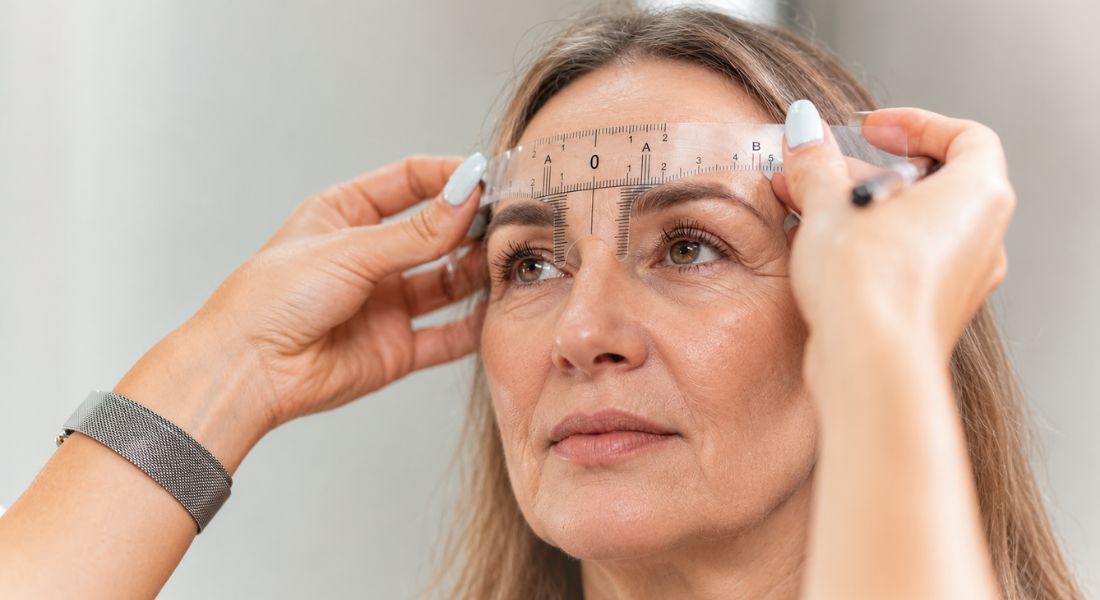
Your ophthalmologist will ask when your drooping started, whether it is changing and whether it becomes worse when you are tired. You may also be asked about double vision, headaches or other symptoms.
Your eyelid position and lifting muscle will be measured, and your pupils and eye movements may also be checked. Your specialist may take photographs to document your eyelids and compare changes over time.
Research Insight
A 2025 UK survey of oculoplastic surgeons found that levator function was the most commonly performed measurement during ptosis assessment, with almost all responding surgeons routinely assessing it. Other commonly assessed features included eye movements, pupil responses, eyelid measurements, brow position and Bell’s phenomenon.
This supports a comprehensive assessment rather than judging ptosis from eyelid height alone. Your ophthalmologist may therefore assess several aspects of your eyelid and eye function before deciding whether your drooping is primarily age-related, neurological, muscular or related to another eyelid problem.
Why Is Levator Function Important?
Your levator muscle helps lift your upper eyelid, so your surgeon will check how well it works before choosing your ptosis treatment. If your levator function is good, your surgeon may tighten or reposition the muscle or its tendon to lift your eyelid more effectively.
Your levator function may be poor in some cases, meaning a different operation may be needed. The aim is to improve your visual field while still allowing your eye to close properly.
Evidence Note
Research indicates that levator function is an important factor when deciding which type of ptosis surgery may be appropriate. The underlying cause of the ptosis, the amount of eyelid drooping and how well the levator muscle works all influence the surgical approach, rather than the amount of drooping alone.
This is why your assessment needs to look beyond the appearance of your eyelid. Your ophthalmologist may combine levator function, eyelid measurements, visual-field findings and other examination features to decide whether surgery is appropriate and which procedure is most likely to give you a useful result.
Why Might You Need a Visual Field Test?
Your visual field test measures how much of your surrounding vision you can see while looking straight ahead. Your ptosis can block part of your upper visual field, and testing can show whether your drooping eyelid is affecting your vision.
Your surgeon may compare your visual field with your eyelid in its natural position and when it is lifted. Your results, symptoms and eyelid measurements can then help determine whether surgery may provide a functional benefit.
Clinical Tip
If your drooping eyelid is affecting your daily activities, tell your ophthalmologist exactly what you find difficult. Reading, computer work, driving, looking upwards or keeping your eyes open for long periods can provide useful information about how your ptosis affects your function.
You should also mention whether you compensate by raising your eyebrows, lifting your chin or tilting your head backwards. These habits can indicate that you are trying to improve your view around the drooping eyelid and may help your specialist understand the practical effect of your ptosis.
Can Ptosis Be Caused by Myasthenia Gravis?
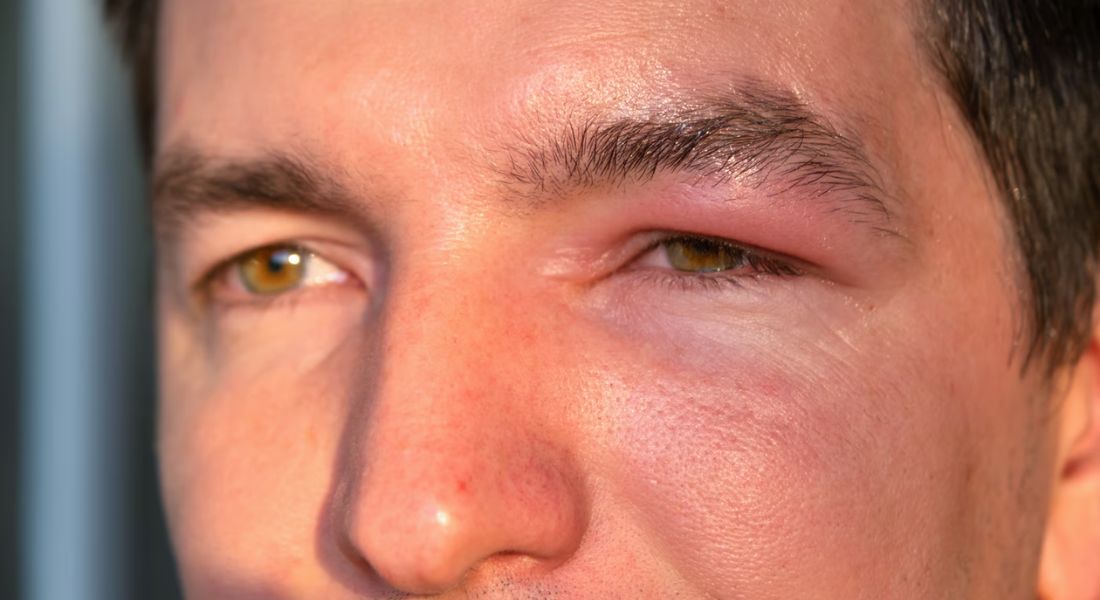
Myasthenia gravis can cause ptosis that varies throughout the day. You may notice that your eyelid looks higher when you are rested but droops more when you are tired, and you may also experience double vision.
Surgery is not usually the first treatment when a neuromuscular condition is causing your ptosis. Your doctor should investigate and manage the underlying condition before considering eyelid surgery.
When Should Sudden Ptosis Be Urgently Assessed?
Sudden ptosis should not simply be assumed to be age-related. You should seek urgent medical assessment, particularly if your drooping eyelid is accompanied by double vision, eye pain, a severe headache or a change in pupil size.
If sudden ptosis occurs with a severe headache and blurred or double vision, or with an enlarged pupil and blurred or double vision, you should call 999 or go to A&E. Facial weakness or other sudden neurological symptoms may also require emergency assessment.
UK Guidance Note
You should seek urgent medical assessment if your eyelid suddenly droops, particularly when this occurs with eye pain, headache, changes in eyesight or other concerning symptoms. Sudden ptosis should not simply be assumed to be an age-related change because some neurological conditions can cause a new drooping eyelid.
For established adult ptosis, surgery may be considered when the drooping significantly affects your visual field, with assessment including eyelid measurements and visual-field testing. Whether surgery is considered medically necessary depends on your clinical findings and the criteria of the service providing treatment, so your ophthalmologist can explain whether surgery is appropriate for you.
What Type of Surgery Is Used for Adult Ptosis?
Your ptosis surgery depends on why your eyelid is drooping and how well your levator muscle works. If your levator muscle works well, your surgeon may adjust the muscle or its tendon to lift your eyelid.
Your surgeon may consider a brow suspension or sling procedure when your levator function is poor. Your treatment will be tailored to your eyelid so that it is lifted without making it too high or affecting your ability to close your eye.
Adult Ptosis Assessment and Treatment Options
| Assessment or treatment factor | What it tells your ophthalmologist | Why it matters |
| Eyelid position | How low your upper eyelid sits | Helps determine the severity and effect of the ptosis |
| Levator function | How well your main eyelid-lifting muscle works | Helps guide the choice of surgical technique |
| Visual field testing | Whether your upper visual field is restricted | Can demonstrate a functional effect of the drooping eyelid |
| Eye movements | Whether your eye movements are normal | Can help identify possible neurological or muscular causes |
| Pupil assessment | Whether your pupils respond normally | Can provide clues when a nerve problem is suspected |
| Levator or tendon repair | Lifts the eyelid by adjusting the muscle or its tendon | Often considered when levator function is sufficiently good |
| Brow suspension or sling | Uses the forehead/brow mechanism to help lift the eyelid | May be considered when levator function is poor |
| Observation | Monitors mild or stable ptosis without immediate surgery | May be appropriate when vision and daily activities are not significantly affected |
Is Adult Ptosis Surgery Usually Performed Under Local Anaesthetic?
Adult ptosis surgery is commonly performed as a day-case procedure using local anaesthetic. Your eyelid will be numbed while you remain awake, allowing your surgeon to assess and adjust its position during the operation.
Your surgeon will explain your anaesthetic plan before surgery and discuss any medicines or health conditions that may affect you. You should arrange transport home after the procedure and follow your surgeon’s advice about when you can safely drive, as ointment or temporary visual changes may make driving unsafe.
What Can You Expect After Ptosis Surgery?
Your eyelid may be swollen, bruised or appear higher than expected immediately after surgery. Your eyelid position can take time to settle, so your final result cannot always be judged straight away.
Your surgeon may advise cold packs, sleeping with your head elevated and avoiding swimming, contact lenses or eye make-up while you heal. Your exact recovery instructions will depend on the procedure you have had.
Can Ptosis Surgery Affect Your Ability to Close Your Eye?
Your eyelid may be harder to close fully after ptosis surgery, particularly during the early recovery period. This can leave your eye feeling dry, gritty, red or uncomfortable.
Your surgeon may recommend lubricating drops or ointment to protect your cornea while you heal. Your eyelid height needs to be balanced with your ability to close your eye safely.
What Are the Risks of Adult Ptosis Surgery?
Ptosis surgery can cause swelling, bruising, dry eye or difficulty closing your eye fully. Your eyelid may also end up slightly higher, lower or less symmetrical than expected, and your ptosis can return over time.
Your surgeon will discuss these risks with you and explain what they may mean for your individual result. Further surgery may sometimes be needed if your eyelid does not settle as expected.
Can Ptosis Surgery Improve Vision as Well as Appearance?
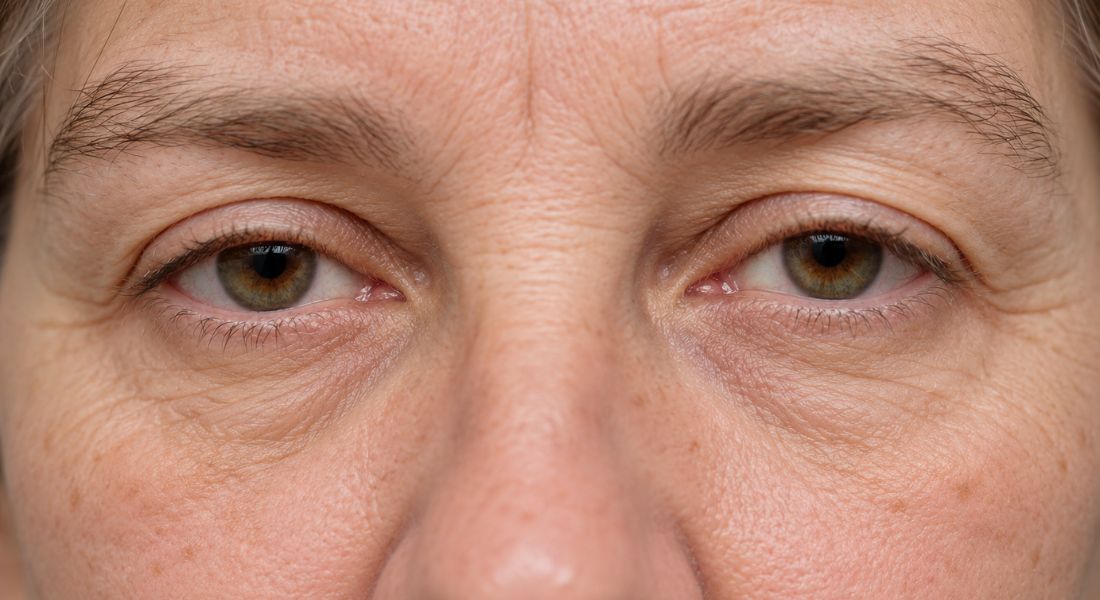
Ptosis surgery can improve your visual field when your drooping eyelid is blocking part of it. Raising your eyelid may help you see more of your upper visual field and reduce the need to raise your eyebrows or tilt your head back.
Your surgery will not treat other eye conditions such as cataracts, glaucoma or retinal disease. Your ophthalmologist will therefore check your overall eye health before deciding whether surgery is likely to improve your visual field.
Myth vs Fact
| Myth | Fact |
| Adult ptosis is always caused by ageing. | Age-related changes are common, but ptosis can also result from previous surgery, trauma, contact lens wear, muscle disorders or nerve problems. |
| Ptosis surgery is only for cosmetic reasons. | Surgery may improve the visual field and daily function when the drooping eyelid obstructs vision. |
| The amount of eyelid drooping is the only thing that matters. | Your levator function, visual field, eyelid measurements and underlying cause also influence treatment decisions. |
| A droopy eyelid that develops suddenly can be watched at home. | Sudden ptosis should be assessed urgently, particularly when accompanied by double vision, headache, pupil changes, eye pain or other neurological symptoms. |
| Good levator function means surgery is not needed. | Good levator function can help determine which surgical technique may be suitable when surgery is otherwise indicated. |
| Ptosis surgery always produces perfectly symmetrical eyelids. | Eyelid height and symmetry can be improved, but some people may have residual asymmetry, over- or under-correction or require further surgery. |
Key Takeaways
- Adult ptosis is a drooping of the upper eyelid that can affect appearance, vision and daily activities.
- Age-related changes to the eyelid-supporting tissues are a common cause, but other causes need to be considered.
- Your levator muscle function is an important part of your ptosis assessment.
- A visual field test can help show whether your drooping eyelid is affecting your vision.
- Surgery is not always necessary, particularly when ptosis is mild and does not cause significant functional problems.
- Sudden ptosis needs urgent assessment, especially when it occurs with double vision, headache, pupil changes or other neurological symptoms.
- The type of ptosis surgery depends on the cause and how well your levator muscle works.
- Ptosis surgery may improve your upper visual field as well as the position of your eyelid.
- Temporary difficulty closing the eye, dryness, swelling and bruising can occur after surgery.
- Your ophthalmologist should discuss the expected benefits, limitations and risks before you decide on treatment.
Frequently Asked Questions
- What is adult ptosis?
Adult ptosis is when your upper eyelid droops lower than it should. It can affect one or both eyes and may partly cover your pupil or reduce your upper visual field. - What causes ptosis in adults?
Your ptosis can develop with age when the tissues connecting your eyelid-lifting muscle become stretched or weakened. Other causes include previous eye surgery, long-term contact lens wear, trauma, muscle disorders or nerve problems. - What symptoms can adult ptosis cause?
Your drooping eyelid may reduce your upper visual field and make reading, computer work or driving more difficult. You may also raise your eyebrows or tilt your head back, causing forehead fatigue, eyebrow ache or eyestrain. - When is ptosis considered a medical problem?
Your ptosis may be considered a medical problem when the drooping eyelid restricts your visual field or affects your everyday activities. Your ophthalmologist can assess whether surgery is likely to provide a functional benefit. - How is adult ptosis assessed?
Your ophthalmologist will assess when your ptosis started, whether it changes during the day and whether you have other symptoms such as double vision. They will also measure your eyelid position and levator function and may check your pupils, eye movements and visual field. - Can myasthenia gravis cause ptosis?
Yes. Myasthenia gravis can cause ptosis that varies during the day, often becoming more noticeable when you are tired. You may also experience double vision, so the underlying condition should be investigated before considering eyelid surgery. - What type of surgery is used to treat adult ptosis?
Your surgery depends on how well your levator muscle works and what is causing your ptosis. Your surgeon may adjust the levator muscle or its tendon, while a brow suspension or sling procedure may be considered when levator function is poor. - Is ptosis surgery performed under local anaesthetic?
Adult ptosis surgery is commonly performed as a day-case procedure using local anaesthetic. Your eyelid is numbed while you remain awake, allowing your surgeon to assess and adjust its position during the operation. - Can ptosis surgery affect your ability to close your eye?
Yes. Your eyelid may be harder to close fully after surgery, particularly during early healing. This can cause dryness, grittiness or redness, so your surgeon may recommend lubricating drops or ointment to protect your cornea. - When should sudden ptosis be urgently assessed?
Sudden ptosis should be assessed urgently, especially if it occurs with double vision, eye pain, severe headache, a change in pupil size, facial weakness or other sudden neurological symptoms. These features may indicate a problem that needs prompt medical assessment.
Final Thoughts: Adult Ptosis
Adult ptosis can affect your appearance, visual field and everyday activities, but surgery is not always necessary. Your ophthalmologist will assess the cause of your drooping eyelid, levator function, vision and overall eye health before deciding whether surgery is likely to provide a functional or cosmetic benefit.
If you would like to explore the latest diagnostic and treatment options, you can book a consultation with the Eye Clinic London team.
References:
- Vasović, D.D., Karamarković, M.L., Stojičić, M., Musić, N., Colić, M., Kalezić, T., Vasilijević, J., Kovačević, I., Marjanović, I., Jeremić, M., Karamarković, V. and Rašić, D.M. (2025) ‘The Impact of Levator Muscle Advancement With and Without Upper Blepharoplasty on Dry-Eye Symptoms in Unilateral Ptosis: A Comparative Study’, Life, 15(3), 332. Available at: https://www.mdpi.com/2075-1729/15/3/332
- Vinciguerra, C., Bevilacqua, L., Lupica, A., Ginanneschi, F., Piscosquito, G., Rini, N., Rossi, A., Barone, P., Brighina, F. and Di Stefano, V. (2023) ‘Diagnosis and Management of Seronegative Myasthenia Gravis: Lights and Shadows’, Brain Sciences, 13(9), 1286. Available at: https://www.mdpi.com/2076-3425/13/9/1286
- Cutting, S., Yardy, R., Khandwala, M. and Athwal, S. (2025) ‘Ptosis assessment: Current practice across the United Kingdom and future recommendations’, Journal of Plastic, Reconstructive & Aesthetic Surgery, 106, pp. 66–72. Available at: https://pubmed.ncbi.nlm.nih.gov/40382830/
- Finsterer, J. (2003) ‘Ptosis: causes, presentation, and management’, Aesthetic Plastic Surgery, 27(3), pp. 193–204. Available at: https://pubmed.ncbi.nlm.nih.gov/12925861/
- Bacharach, J., Lee, W.W., Harrison, A.R. and Freddo, T.F. (2021) ‘A review of acquired blepharoptosis: prevalence, diagnosis, and current treatment options’, Eye, 35(9), pp. 2468–2481. Available at: https://pmc.ncbi.nlm.nih.gov/articles/PMC8376882/
- Latting, M.W., Huggins, A.B., Marx, D.P. and Giacometti, J.N. (2017) ‘Clinical Evaluation of Blepharoptosis: Distinguishing Age-Related Ptosis from Masquerade Conditions’, Seminars in Plastic Surgery, 31(1), pp. 5–16. Available at: https://pmc.ncbi.nlm.nih.gov/articles/PMC5330793/