


What Is Anterior Uveitis and Why Does It Keep Coming Back?

If you have had anterior uveitis more than once, you may notice recurring eye pain, redness, light sensitivity or blurred vision. These episodes can sometimes return without a clear cause.
Anterior uveitis affects the front part of your eye and may be linked to inflammatory conditions, infections or immune activity. Understanding the cause can help your specialist investigate recurring symptoms and guide treatment.
What Is Anterior Uveitis?
Anterior uveitis is inflammation affecting the front of your eye, particularly the iris and sometimes the nearby ciliary body. You may develop symptoms suddenly, such as eye pain, redness, light sensitivity or blurred vision.
It is the most common form of uveitis and can often be treated successfully when diagnosed promptly. However, your inflammation can sometimes return, so understanding the cause may be important for your long-term eye care.
Why Does Anterior Uveitis Come Back?
Your anterior uveitis can come back for several reasons, and sometimes no clear cause is found. You may also have an underlying inflammatory condition affecting your joints, skin, digestive system or immune system.
Some forms of anterior uveitis naturally follow a relapsing pattern, particularly when they are associated with HLA-B27 or an underlying inflammatory condition. You should have recurring symptoms assessed so your specialist can look for possible causes or patterns and plan appropriate long-term care.
What Are the Common Symptoms of Anterior Uveitis?
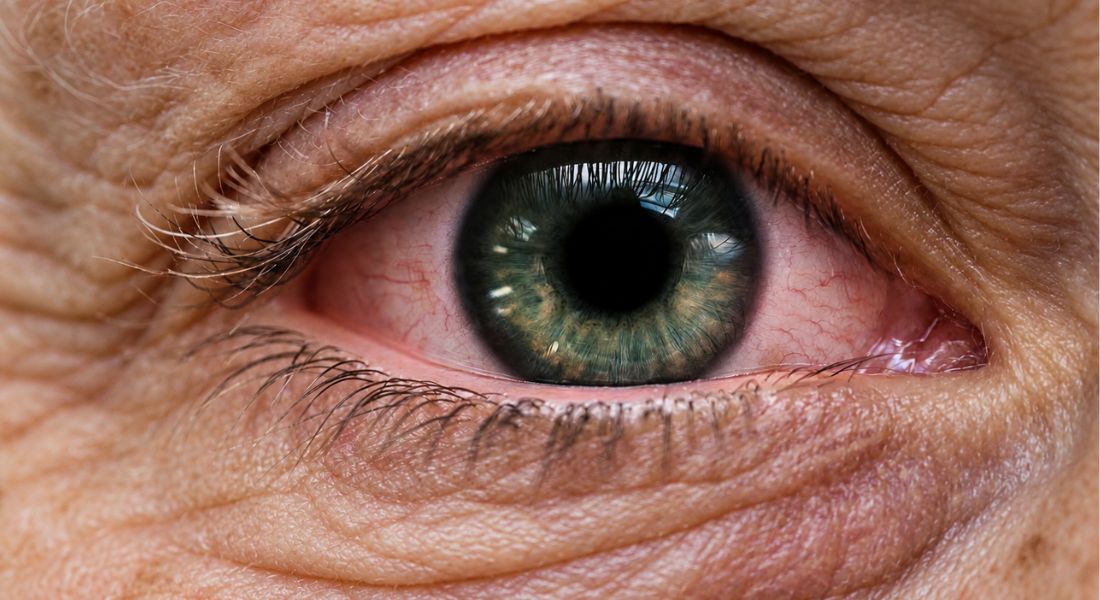
You may notice eye redness, pain, light sensitivity or blurred vision when you have anterior uveitis. Your vision may also feel hazy, and bright light can become uncomfortable for you.
If you develop eye pain, redness, light sensitivity or blurred vision, you should seek urgent, same-day eye assessment. Prompt diagnosis and treatment can help control inflammation and reduce the risk of complications.
Is Recurrent Anterior Uveitis Different From a Single Episode?
A single episode of anterior uveitis may settle with treatment and never return. Recurrent anterior uveitis involves separate flare-ups with periods when the inflammation settles between episodes.
Chronic anterior uveitis is different because inflammation persists or relapses within three months after treatment is stopped. Your ophthalmologist can assess which pattern best describes your condition.
Can Stress Cause Anterior Uveitis to Return?
You may notice that your anterior uveitis symptoms appear during stressful periods. Research into stress as a trigger for recurrent anterior uveitis is mixed, with some studies suggesting an association while others have not found a clear link. Stress should therefore not be assumed to be the direct cause of a flare-up.
- The evidence is mixed: Some research has found an association between stress and recurrent anterior uveitis, but this does not prove that stress directly causes a flare-up.
- Stress is not always the cause: A flare-up may happen because of underlying inflammation, infection or other factors rather than stress alone.
- Tracking symptoms can help: Keeping a record of when symptoms appear and possible triggers may help your ophthalmologist identify patterns.
- Medical assessment is still important: You should not assume stress is the only reason your uveitis has returned, especially if symptoms are new or worsening.
Understanding possible triggers can help you and your specialist manage recurrent episodes more effectively. If your symptoms return, an eye assessment can help identify the cause and guide appropriate treatment.
Is Anterior Uveitis Linked to Autoimmune Conditions?

Recurrent anterior uveitis can sometimes be associated with inflammatory or immune-mediated conditions, particularly spondyloarthritis, which includes ankylosing spondylitis. Other associated conditions may affect your joints, skin or digestive system.
However, recurrent uveitis does not mean you have an autoimmune condition. Your symptoms, medical history and eye examination will help your specialist decide whether you need further investigation.
Research Insight
Research has shown that recurrent anterior uveitis can be associated with systemic inflammatory conditions, particularly spondyloarthritis, which is strongly associated with HLA-B27. However, most people with recurrent uveitis will need assessment based on their individual symptoms and medical history rather than assuming an underlying condition is present.
Research has highlighted the importance of recognising links between uveitis and systemic inflammatory diseases because eye inflammation can sometimes appear before other features of a wider inflammatory condition. This means your ophthalmologist may ask about joint pain, back symptoms, skin changes or digestive symptoms when investigating recurrent episodes.
What Is the Connection Between Anterior Uveitis and Ankylosing Spondylitis?
Ankylosing spondylitis is an inflammatory condition affecting your spine and joints and can be associated with anterior uveitis. If you have recurrent uveitis, your specialist may ask whether you have persistent back pain, morning stiffness, painful or swollen joints, psoriasis or digestive symptoms.
These questions do not mean you have arthritis. They help your ophthalmologist understand whether your eye inflammation may be part of a wider inflammatory condition and whether you may need further specialist assessment.
Can Infections Cause Anterior Uveitis?
Anterior uveitis can sometimes occur in association with certain infections, which can cause or contribute to inflammation inside your eye. However, infection is not the cause of every case.
Your ophthalmologist will consider your symptoms, medical history and examination findings to decide whether infection needs investigation. Treatment for you will depend on the underlying cause and may differ between infectious and immune-related inflammation.
Possible Causes Associated with Recurrent Anterior Uveitis
| Possible association | How it may relate to anterior uveitis |
| Immune-related inflammation | Your immune system may trigger inflammation inside the eye without an active infection being present. Some recurrent cases remain unexplained. |
| Inflammatory arthritis | Conditions such as ankylosing spondylitis and other spondyloarthritis conditions can be associated with recurrent anterior uveitis. |
| Skin-related inflammatory conditions | Some inflammatory skin conditions may occur alongside eye inflammation and may be considered during assessment. |
| Digestive inflammatory conditions | Conditions affecting the digestive system, such as inflammatory bowel disease, can sometimes be associated with uveitis. |
| Infections | Certain infections can trigger inflammation inside the eye, but infection is not responsible for every case of anterior uveitis. |
| Unknown cause (idiopathic) | In some people, no specific cause is identified despite appropriate investigation. |
How Is Recurrent Anterior Uveitis Diagnosed?
Your ophthalmologist will examine your eye with a slit lamp to look for signs of inflammation. Your vision, eye pressure and general eye health may also be checked.
If your uveitis keeps returning, you may be asked about your joint, skin or digestive symptoms. Your specialist may recommend blood tests or other investigations if they think you need further assessment.
UK Guidance Note
In the UK, recurrent or unexplained uveitis is usually assessed by an ophthalmologist, with further investigations considered when your symptoms, examination findings or medical history suggest an underlying cause. The approach is personalised because not everyone with recurrent anterior uveitis requires the same tests.
If your ophthalmologist suspects a wider inflammatory condition, you may be referred for further assessment by another specialist, such as a rheumatologist. This collaborative approach can help identify and manage conditions that may affect both your eyes and general health.
What Tests May Be Needed for Recurrent Uveitis?
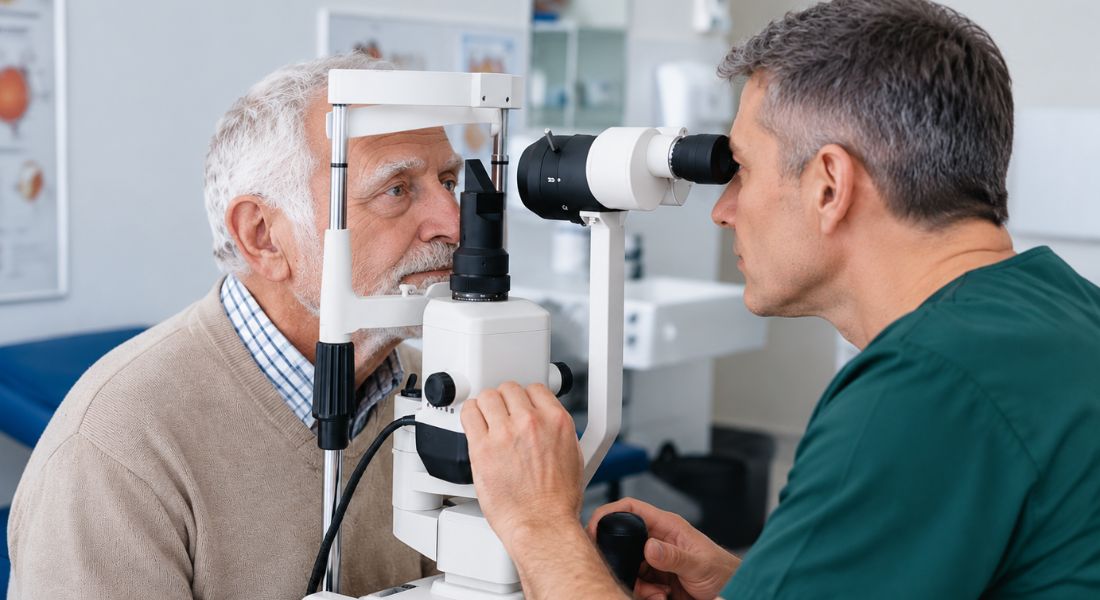
Your tests will depend on your symptoms, recurrence pattern and eye examination. Your ophthalmologist may recommend selected blood tests or other investigations to look for possible inflammatory or infectious causes.
In some recurrent cases, HLA-B27 testing may be considered. HLA-B27 is a genetic marker associated with anterior uveitis and spondyloarthritis, but a positive result alone does not mean that you have ankylosing spondylitis or another inflammatory condition.
Evidence Note
There is no single blood test that diagnoses recurrent anterior uveitis in every patient. Investigations are usually guided by your pattern of inflammation, medical history, examination findings and whether there are signs suggesting an underlying inflammatory or infectious cause.
Investigations are generally selected according to your symptoms, medical history, examination findings and pattern of uveitis rather than performing every possible test routinely. This helps avoid unnecessary investigations while ensuring that important associated conditions are considered when your symptoms suggest they may be relevant.
How Is Anterior Uveitis Treated?
Your treatment will depend on the cause and severity of your anterior uveitis. Corticosteroid eye drops are commonly used for non-infectious inflammation, and you may also be prescribed pupil-dilating drops to reduce discomfort and help prevent complications.
Use your medicines exactly as prescribed and do not change or stop your steroid eye drops without medical advice. If infection is involved or your uveitis is severe or repeatedly returns, additional treatment may sometimes be needed.
Why Can Anterior Uveitis Need Long-Term Monitoring?
Even when your symptoms improve, recurrent anterior uveitis may need ongoing monitoring. Repeated inflammation can increase your risk of complications such as raised eye pressure, glaucoma, cataracts, posterior synechiae or cystoid macular oedema.
Your follow-up schedule will depend on how often your uveitis returns and how you respond to treatment. Regular reviews help your ophthalmologist spot changes early and adjust your care when needed.
What Complications Can Recurrent Anterior Uveitis Cause?
If your anterior uveitis is severe or keeps returning, you may have a higher risk of complications such as raised eye pressure, glaucoma, cataracts, posterior synechiae or cystoid macular oedema. Steroid treatment can also raise eye pressure in some people.
Posterior synechiae occur when the inflamed iris sticks to the lens, while cystoid macular oedema is swelling that affects the central part of the retina. Regular monitoring helps your ophthalmologist identify and manage these changes.
Can Anterior Uveitis Affect Both Eyes?
Anterior uveitis can affect one or both eyes, either during the same episode or at different times. Some recurrent forms, including HLA-B27-associated anterior uveitis, commonly affect one eye during an episode but may affect the opposite eye during a later flare-up.
The pattern can help your ophthalmologist understand your condition and guide your care. You should have symptoms assessed promptly, whether your inflammation affects one eye or both.
Can You Prevent Anterior Uveitis From Coming Back?
You cannot always prevent anterior uveitis from returning, particularly when the cause is unclear or linked to immune activity. However, you can attend your follow-up appointments and manage any underlying conditions that may affect your inflammation.
You should also learn to recognise your usual symptoms and seek advice early when they return. Prompt treatment can help your ophthalmologist control a flare-up and reduce the risk of complications.
Clinical Tip
Keeping a record of your flare-ups can help your ophthalmologist understand your condition. You may find it useful to note when symptoms started, which eye was affected, how long symptoms lasted and whether you experienced other symptoms such as joint pain or skin changes.
You should also continue attending recommended follow-up appointments even when your eye feels better. Recurrent inflammation can sometimes cause complications without obvious symptoms, so regular monitoring allows your specialist to adjust your care when needed.
When Should You Seek Urgent Eye Advice?
You should seek urgent, same-day eye assessment if you develop eye pain, marked redness, sensitivity to light, blurred or reduced vision, particularly if these symptoms resemble a previous uveitis flare-up. Prompt assessment can help identify the cause and allow treatment to begin if needed.
In the UK, contact an urgent eye service, your GP or NHS 111 if you cannot access prompt ophthalmic care. If you suddenly lose your vision, go to A&E or call 999.
Can Lifestyle Changes Help Manage Recurrent Uveitis?
Lifestyle changes cannot replace your medical treatment, but healthy habits may support your overall wellbeing. Managing stress, eating a balanced diet and keeping active can form part of looking after your general health.
You can keep a record of your flare-ups, including when your symptoms start and how long they last. Sharing this information with your ophthalmologist may help your specialist identify patterns alongside your eye examination.
Myth vs Fact
| Myth | Fact |
| Recurrent anterior uveitis always means you have an autoimmune disease. | Recurrent uveitis can be associated with inflammatory conditions, but many people do not have an identifiable underlying autoimmune condition. Your symptoms and investigations help guide assessment. |
| Stress is the main cause of anterior uveitis returning. | Some studies have found an association between stress and recurrent anterior uveitis, while others have not shown a clear relationship. Stress should therefore not be assumed to be the direct cause of a flare-up. Other inflammatory, infectious or immune factors may be involved. |
| If your eye feels better, you do not need follow-up appointments. | Follow-up remains important because inflammation can sometimes cause complications even when symptoms improve. |
| Every person with recurrent uveitis needs the same tests. | Investigations depend on your symptoms, medical history, examination findings and recurrence pattern. |
| Anterior uveitis only affects one eye. | It can affect one or both eyes, either at the same time or during different episodes. |
| Lifestyle changes can replace medical treatment. | Healthy lifestyle habits may support your general wellbeing, but they do not replace prescribed treatment or specialist monitoring. |
Key Takeaways
- Anterior uveitis affects the front part of your eye and can cause pain, redness, light sensitivity and blurred vision.
- Recurrent episodes can happen because of ongoing immune activity, inflammatory conditions, infections or sometimes an unknown cause.
- Having recurrent anterior uveitis does not automatically mean you have an autoimmune condition.
- Your ophthalmologist may ask about symptoms outside the eye, including joint pain, back stiffness, skin changes or digestive symptoms.
- Investigations are personalised and may include eye examination, medical history review, blood tests or other assessments when appropriate.
- Early assessment of recurring symptoms can help your specialist manage inflammation and reduce the risk of complications.
- Treatment commonly aims to control inflammation and may involve steroid eye drops or other therapies depending on the cause.
- Long-term monitoring may be needed because repeated inflammation can increase the risk of complications such as raised eye pressure, glaucoma, cataracts, posterior synechiae or cystoid macular oedema.
- Lifestyle measures can support general health but should not replace prescribed treatment or specialist advice.
- Seek urgent eye advice for eye pain, marked redness, sensitivity to light or changes in your vision, and seek emergency medical help if you suddenly lose your vision.
Frequently Asked Questions
- What is anterior uveitis?
Anterior uveitis is inflammation affecting the front of your eye, particularly the iris and sometimes the nearby ciliary body. It can cause eye pain, redness, light sensitivity and blurred vision. - Why does anterior uveitis keep coming back?
Anterior uveitis can recur for several reasons. Some forms naturally follow a relapsing pattern, particularly HLA-B27-associated anterior uveitis. Recurrence may also be associated with inflammatory conditions or certain infections, although sometimes no clear cause is identified. - What are the common symptoms of recurrent anterior uveitis?
You may experience eye redness, pain, light sensitivity, blurred or hazy vision. These symptoms should be assessed promptly, particularly if they feel similar to a previous flare-up. - Can stress cause anterior uveitis to return?
Research into stress and recurrent anterior uveitis has produced mixed results. Some studies suggest an association, but this does not prove that stress directly causes a flare-up. Keeping a record of your symptoms and possible triggers can help your ophthalmologist identify patterns. - Is recurrent anterior uveitis linked to autoimmune conditions?
It can sometimes be associated with inflammatory or autoimmune conditions affecting your joints, skin or digestive system. However, having recurrent uveitis does not necessarily mean that you have an autoimmune condition. - What is the connection between anterior uveitis and ankylosing spondylitis?
Ankylosing spondylitis is an inflammatory condition affecting your spine and joints that can be associated with anterior uveitis. Your ophthalmologist may ask about symptoms such as back pain, morning stiffness and joint problems when investigating recurrent inflammation. - How is recurrent anterior uveitis diagnosed?
Your ophthalmologist will usually examine your eye with a slit lamp and may check your vision, eye pressure and general eye health. If your uveitis keeps returning, you may also need blood tests or other investigations depending on your symptoms and medical history. - How is anterior uveitis treated?
Treatment aims to control inflammation and protect your vision. Corticosteroid eye drops are commonly used for non-infectious anterior uveitis, and you may also be prescribed pupil-dilating drops to relieve discomfort and help prevent complications. Other treatment may be needed depending on the underlying cause and severity. - What complications can recurrent anterior uveitis cause?
Repeated or severe inflammation can increase your risk of complications including raised eye pressure, glaucoma, cataracts, posterior synechiae and cystoid macular oedema. Steroid treatment can also affect your eye pressure in some people, so regular monitoring is important. - When should you seek urgent eye advice for anterior uveitis?
You should seek urgent eye advice for eye pain, marked redness, sensitivity to light or changes in your vision. If you suddenly lose your vision, seek emergency medical help.
Final Thoughts: Recurrent Anterior Uveitis
Recurrent anterior uveitis can be unsettling, particularly when symptoms such as eye pain, redness, light sensitivity or blurred vision keep returning. While the cause is not always clear, appropriate assessment can help your ophthalmologist identify possible inflammatory, infectious or immune-related factors and monitor your eyes for complications.
If you have recurring eye pain, redness, light sensitivity or blurred vision, seek prompt ophthalmic assessment. You can contact the Eye Clinic London team to discuss your symptoms and whether further investigation may be appropriate.
References:
- Neti, N., Pimsri, A., Boonsopon, S., Tesavibul, N. and Choopong, P. (2021) ‘Triggering factors associated with a new episode of recurrent acute anterior uveitis’, Scientific Reports, 11(1), Article 12156. Available at: https://pubmed.ncbi.nlm.nih.gov/34108578/
- Mulholland, B., Marks, M. and Lightman, S.L. (2000) ‘Anterior uveitis and its relation to stress’, British Journal of Ophthalmology, 84(10), pp. 1121–1124. Available at: https://pubmed.ncbi.nlm.nih.gov/11004096/
- Agrawal, R.V., Murthy, S., Sangwan, V. and Biswas, J. (2010) ‘Current approach in diagnosis and management of anterior uveitis’, Indian Journal of Ophthalmology, 58(1), pp. 11–19. Available at: https://pmc.ncbi.nlm.nih.gov/articles/PMC2841369/
- Rademacher, J., Poddubnyy, D. and Pleyer, U. (2020) ‘Uveitis in spondyloarthritis’, Therapeutic Advances in Musculoskeletal Disease, 12, Article 1759720X20951733. Available at: https://pmc.ncbi.nlm.nih.gov/articles/PMC7488890/
- Brodie, J.T., Thotathil, A.Z., Jordan, C.A., Sims, J. and Niederer, R.L. (2024) ‘Risk of recurrence in acute anterior uveitis’, Ophthalmology, 131(11), pp. 1281–1289. Available at: https://www.sciencedirect.com/science/article/pii/S0161642024003233
- Chang, J.H., McCluskey, P.J. and Wakefield, D. (2005) ‘Acute anterior uveitis and HLA-B27’, Survey of Ophthalmology, 50(4), pp. 364–388. Available at: https://www.sciencedirect.com/science/article/pii/S003962570500041X