


What Was Discussed at the World Glaucoma Congress?

The World Glaucoma Congress is one of the leading international meetings for glaucoma specialists, researchers, surgeons, optometrists, and eye care professionals. It brings experts together to discuss the latest developments in glaucoma diagnosis, monitoring, surgery, medications, imaging technology, and long-term patient care.
The most recent meeting, WGC 2025, took place from 25-28 June 2025 at the Hawaii Convention Center in Honolulu, Hawaii. The World Glaucoma Association describes the congress as a major biennial event where thousands of glaucoma professionals gather to exchange scientific knowledge, present research, and discuss advances in glaucoma management.
For patients, meetings like this are important because glaucoma is a lifelong condition that requires ongoing care and careful monitoring. New evidence and clinical discussions presented at international congresses can influence how specialists detect glaucoma earlier, monitor progression more accurately, select treatments, and improve long-term protection of vision.
The congress also provides an opportunity for specialists from different countries to compare experiences and discuss practical challenges in glaucoma care. This helps encourage more consistent, evidence-based approaches and supports the continued improvement of patient care worldwide.
Why the World Glaucoma Congress Matters
The World Glaucoma Congress matters because glaucoma care continues to evolve as new research, technologies, and treatment strategies emerge. Specialists need to stay informed about developments in imaging, surgery, medications, drug delivery systems, and long-term disease management.
International meetings such as WGC allow glaucoma experts to compare evidence from different countries, healthcare systems, and patient populations. They also provide a forum to discuss practical challenges including delayed diagnosis, treatment burden, progression despite therapy, and access to specialist care.
For patients, this is important because the knowledge shared at global meetings can influence real-world clinical practice. A specialist who stays engaged with international research and discussion may be better equipped to apply current evidence, refine treatment decisions, and offer more personalised long-term glaucoma care.
A Global Focus on Glaucoma Care
Glaucoma affects people across the world, which is why international collaboration is so important. The World Glaucoma Congress gives specialists the opportunity to discuss how glaucoma is diagnosed, monitored, and treated in different populations, healthcare systems, and clinical environments.
Different regions may face very different challenges. Some countries focus heavily on improving access to basic screening and regular follow-up, while others may be discussing advanced imaging, surgical innovation, artificial intelligence, or newer treatment technologies. Bringing these perspectives together helps broaden understanding and encourages shared learning.
The aim is not simply to improve care within one hospital or clinic, but to improve glaucoma management more widely. International discussions can help shape future research, influence clinical guidelines, and support more effective and consistent glaucoma care for patients around the world.
New Research Presentations

Research presentations are a central part of the World Glaucoma Congress programme. These sessions often include clinical studies, laboratory research, imaging developments, surgical outcomes, treatment comparisons, and public health findings related to glaucoma care.
New research helps specialists understand which treatments are performing well, which approaches may need refinement, and where important gaps in evidence still exist. It also allows researchers to share early findings that could influence future diagnosis, monitoring, and treatment strategies.
For patients, this research focus is important because glaucoma care should be guided by evidence rather than assumption or routine practice alone. Scientific studies help doctors make more informed decisions about medications, laser treatment, surgery, follow-up schedules, and long-term protection of vision.
Glaucoma Surgery Updates
Surgical innovation remains a major focus at the World Glaucoma Congress. Specialists discuss established glaucoma operations, newer drainage devices, minimally invasive procedures, bleb-forming surgery, and strategies for managing complications and long-term surgical outcomes.
The WGC 2025 programme included a parallel symposium on Minimally Invasive Bleb Surgery, highlighting continued interest in surgical approaches that aim to improve eye pressure control while reducing tissue disruption and recovery burden.
These discussions are important because glaucoma surgery is not the same for every patient. Surgeons need to understand which procedures are most suitable for different stages of glaucoma, different eye anatomies, and different long-term pressure targets.
By comparing techniques and reviewing clinical evidence, specialists can better evaluate where newer procedures fit into everyday glaucoma care and how they compare with more traditional surgical approaches.
Minimally Invasive Glaucoma Surgery
Minimally invasive glaucoma surgery, commonly known as MIGS, continues to be widely discussed at major glaucoma meetings such as the World Glaucoma Congress. These procedures are designed to improve fluid drainage from the eye while generally causing less tissue disruption than traditional glaucoma surgery.
MIGS may be suitable for some patients, particularly those with mild to moderate glaucoma or those already undergoing cataract surgery. In selected cases, these procedures may help reduce eye pressure and lower dependence on glaucoma drops.
However, MIGS is not the right option for every patient. Some people with advanced glaucoma or very low pressure targets may still require more traditional surgery to achieve adequate pressure control. This is why conference discussions place strong emphasis on patient selection, realistic expectations, and matching the procedure to the stage and behaviour of the disease.
These conversations help specialists better understand where MIGS fits within long-term glaucoma management and how to balance safety, effectiveness, recovery time, and long-term vision protection.
Bleb-Forming Glaucoma Surgery
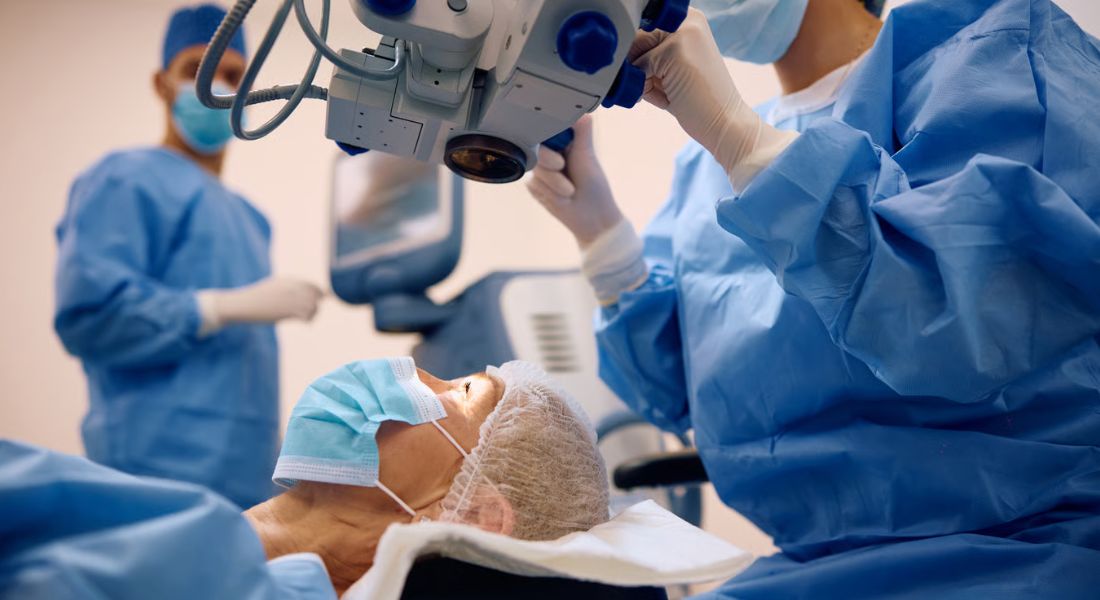
Bleb-forming glaucoma surgery is designed to create a controlled drainage pathway that allows fluid to leave the eye more effectively, helping to reduce eye pressure. Traditional trabeculectomy is one of the best-known examples, although newer minimally invasive bleb-forming procedures are also being increasingly discussed.
At the World Glaucoma Congress, sessions on minimally invasive bleb surgery reflected ongoing interest in improving how these drainage pathways are created, controlled, and maintained over time. Specialists continue to compare techniques, healing responses, complication rates, and long-term pressure control.
For patients, the most important issues are safety, effectiveness, and careful follow-up. The healing process after glaucoma surgery can strongly influence the final result, which is why ongoing monitoring is essential. Even successful surgery may require adjustments, additional treatment, or close observation during recovery to achieve stable long-term pressure control.
Neuroprotection Beyond Eye Pressure
One of the most forward-looking areas of glaucoma research is neuroprotection. Traditional glaucoma treatments mainly focus on lowering intraocular pressure (IOP), as this is currently the most proven way to slow optic nerve damage. However, neuroprotection explores additional methods aimed directly at protecting the optic nerve and retinal nerve cells themselves. This area of research is receiving increasing attention because some patients continue to experience vision loss even when eye pressure appears well controlled.
- Looking Beyond Pressure Reduction: Most glaucoma treatments are designed to reduce eye pressure, but neuroprotection focuses on preserving the health of the optic nerve directly. Researchers are exploring whether additional therapies could help reduce ongoing nerve damage.
- Addressing Continued Vision Loss: Some patients may still experience glaucoma progression despite apparently successful pressure control. This suggests that factors beyond eye pressure may also contribute to optic nerve injury.
- Emerging Therapies and Research Interest: International meetings such as WGC 2025 have included dedicated discussions on non-IOP lowering therapies. These sessions explore current evidence and future possibilities for treatments aimed at protecting vision more directly.
- Potential for Future Treatment Strategies: If effective neuroprotective therapies are developed, glaucoma care may eventually involve a combination of pressure control and direct optic nerve protection. This could potentially improve long-term outcomes for certain patients.
Neuroprotection represents an important and evolving area of glaucoma research that goes beyond traditional pressure-lowering treatment alone. Conferences and specialist meetings continue to explore how optic nerve protection might become part of future glaucoma care. Although much of this research is still developing, it reflects a growing understanding that glaucoma management may need to address more than eye pressure alone. For patients, this research offers hope for more advanced and comprehensive treatment approaches in the future.
Non-Pressure-Lowering Therapies
Researchers are increasingly exploring non-pressure-lowering therapies because glaucoma is not thought to be purely an eye pressure problem. Although lowering eye pressure remains the main proven treatment approach, factors such as blood flow, nerve cell health, mitochondrial function, inflammation, and genetics may also contribute to glaucoma damage.
At international meetings such as the World Glaucoma Congress, these topics are usually discussed with caution because many potential treatments are still being investigated. Specialists need strong clinical evidence before newer therapies can become part of routine glaucoma care.
For patients, it is encouraging to know that researchers are looking beyond pressure control and exploring broader ways to protect vision. However, it is also important not to rely on early headlines, supplements, or unproven treatments without proper medical guidance. Research findings often take time to be fully tested and translated into safe, evidence-based care.
Diagnostic Advances
Improving glaucoma diagnosis remains a major area of discussion at international glaucoma meetings. Glaucoma often develops slowly, and early disease may not cause noticeable symptoms, which makes accurate detection especially important.
Specialists continue to discuss advances in optic nerve imaging, OCT scanning, visual field testing, gonioscopy, intraocular pressure measurement, and overall risk assessment. The aim is not only to diagnose glaucoma earlier, but also to identify which patients are more likely to progress and require closer monitoring or earlier treatment.
Better diagnostic tools can help doctors detect subtle changes sooner and follow disease progression more accurately over time. For patients, earlier diagnosis may provide more opportunity to protect vision before significant damage occurs.
Gonioscopy and Angle Assessment
Gonioscopy is a clinical examination used to assess the drainage angle of the eye, where fluid leaves the eye to help control pressure. This examination is important for understanding whether glaucoma is open-angle, narrow-angle, or linked to another underlying cause.
The WGC 2025 programme included a dedicated Gonioscopy Workshop, highlighting that traditional clinical examination skills remain highly important even alongside modern imaging technology and digital diagnostics.
For glaucoma specialists, careful angle assessment can directly influence diagnosis and treatment planning. Some patients may need laser treatment, others may require medication or surgery, and some forms of glaucoma need urgent attention because of the risk of sudden pressure rise.
For patients, this reinforces the idea that glaucoma care is not based on one single scan or pressure reading alone. A full clinical assessment, including examination of the drainage angle, helps doctors choose safer and more appropriate treatment strategies.
Artificial Intelligence in Glaucoma
Artificial intelligence (AI) is becoming an increasingly important area of discussion in glaucoma care and research. Specialists are exploring how AI systems may help analyse imaging, detect optic nerve changes, predict disease risk, and identify progression earlier than traditional methods alone. As glaucoma often develops slowly and silently, earlier detection could play a major role in protecting long-term vision. Conferences and major congresses are therefore focusing heavily on how AI may fit into future clinical practice.
- Helping Analyse Eye Scans: AI systems can assist in reviewing OCT scans, optic nerve photographs, and visual field tests. These tools may help identify subtle structural or functional changes that could otherwise be difficult to detect early.
- Supporting Earlier Detection of Progression: One of the main goals of AI in glaucoma is recognising progression sooner and more consistently. Earlier identification of worsening disease may allow treatment to be adjusted before significant vision loss develops.
- Assessing Accuracy and Safety: At major meetings, specialists discuss whether AI tools are accurate, reliable, and safe enough for real clinical settings. Researchers also evaluate how these systems perform across different patient groups and disease stages.
- Maintaining Specialist Oversight: Although AI may become a valuable support tool, it is not intended to replace clinical expertise. Diagnosis, treatment planning, and final decision-making still rely on the judgement of experienced glaucoma specialists.
Artificial intelligence is opening new possibilities in glaucoma diagnosis and monitoring, particularly in areas such as scan interpretation and progression analysis. Ongoing conference discussions are helping specialists understand both the potential benefits and the limitations of these technologies. While AI may improve efficiency and support earlier detection, careful medical supervision remains essential. For patients, the future of glaucoma care may involve a combination of advanced technology and specialist expertise working together to protect vision more effectively.
Better Monitoring of Disease Progression
Glaucoma management depends heavily on monitoring change over time rather than relying on a single test result. Eye pressure measurements, optic nerve appearance, OCT imaging, and visual field tests all need to be interpreted together to build a clearer picture of whether the disease is stable or progressing.
At the World Glaucoma Congress, specialists discuss how to improve detection of progression and how to identify meaningful change earlier. These discussions are important because glaucoma damage is often gradual, silent, and permanent once it occurs.
Better monitoring can help doctors decide when treatment should be adjusted, intensified, or changed altogether. This may involve adding medication, considering laser treatment, or discussing surgery before further vision is lost. For patients, careful long-term monitoring is one of the most important parts of glaucoma care. Detecting progression early can provide a better chance of protecting useful vision over time.
Eye Drops and Medication Burden

Many glaucoma patients use eye drops for years as part of long-term treatment. While these medications can be very effective, they are not always easy to use consistently. Some patients forget doses, struggle with drop application, or develop irritation and dryness from long-term treatment.
At meetings such as the World Glaucoma Congress, specialists often discuss ways to reduce treatment burden and improve adherence. These discussions may include newer medications, preservative-free eye drops, laser treatment, sustained drug delivery systems, implants, or surgical options for suitable patients.
The goal is not simply to lower eye pressure on a chart, but to create a treatment plan that patients can realistically manage in everyday life. Even a highly effective treatment may not work well if it is uncomfortable, difficult to follow, or disruptive to daily routines.
Sustained-Release Drug Delivery
Sustained-release drug delivery is becoming one of the most closely watched developments in glaucoma treatment. These systems are designed to release medication gradually over time, which may reduce the need for daily eye drops and improve long-term treatment consistency.
Recent reviews of emerging glaucoma therapies have highlighted options such as bimatoprost implants, travoprost implants, direct selective laser trabeculoplasty, and other evolving technologies aimed at improving pressure control while reducing treatment burden.
This area of research is especially important because many patients find long-term drop routines difficult. Forgetting medication, struggling with application, or experiencing irritation from drops can all affect treatment success.
For patients, sustained-release treatments may eventually offer a more convenient and reliable way to manage glaucoma in suitable cases. However, specialists still need to evaluate long-term safety, effectiveness, durability, and which patients are most likely to benefit from these newer approaches.
Laser Treatment Developments
Laser treatment continues to be an important area of discussion at major glaucoma meetings. Selective laser trabeculoplasty (SLT) is already widely used for some patients with open-angle glaucoma and may help lower eye pressure while reducing reliance on daily eye drops.
Specialists are also discussing newer approaches, including direct selective laser trabeculoplasty and other evolving laser technologies, as they look for ways to make glaucoma treatment more accessible, efficient, and easier for patients to maintain over time. Recent reviews of glaucoma management have described novel laser procedures as part of ongoing advances in open-angle glaucoma treatment.
These developments are important because many patients benefit from treatments that reduce medication burden and simplify long-term care. However, laser treatment is not suitable for every patient or every form of glaucoma.
The most important principle remains careful patient selection. The type of glaucoma, stage of disease, eye anatomy, pressure target, and previous treatment history all influence whether laser treatment is likely to be effective and appropriate.
Patient-Centred Glaucoma Care
Modern glaucoma care is not only focused on scans, eye pressure readings, and test results. Specialists are also paying increasing attention to treatment burden, quality of life, communication, and the individual needs of each patient.
A patient may be anxious about future vision loss, struggling to use eye drops consistently, or finding it difficult to attend repeated clinic appointments. These practical and emotional factors can have a major effect on whether treatment works successfully over the long term.
Meetings such as the World Glaucoma Congress encourage specialists to think about glaucoma care from the patient’s perspective as well as the disease perspective. This helps support more personalised care, clearer communication, and treatment plans that are realistic for everyday life rather than simply effective in theory.
Training and Surgical Education
The World Glaucoma Congress is not only a research meeting but also a major educational event for glaucoma professionals. Workshops, symposia, case discussions, and practical teaching sessions help specialists improve both their clinical knowledge and hands-on surgical skills.
The WGC 2025 programme included workshops and parallel symposia covering topics such as gonioscopy, clinical debates, minimally invasive bleb surgery, and neuroprotection. These sessions allow specialists to review techniques, discuss difficult decisions, and learn from experts with different experiences and perspectives.
Ongoing education is especially important in glaucoma because managing the disease often requires careful judgement rather than simple rule-based decisions. Complex or advanced glaucoma cases may involve difficult choices around monitoring, medication, laser treatment, or surgery, and continued professional learning helps specialists provide safer and more informed patient care.
What These Highlights Mean for Patients
Patients do not need to understand every technical detail discussed at an international glaucoma congress. However, it is reassuring to know that glaucoma specialists are continually reviewing new evidence, discussing difficult cases, and exploring ways to improve patient care.
Meetings such as the World Glaucoma Congress show that glaucoma management is constantly evolving. Specialists are working to improve diagnosis, monitoring, surgery, laser treatment, medication delivery, and long-term support for patients living with glaucoma.
If you are looking for glaucoma treatment in London, it is worth choosing care that focuses on detailed assessment, regular monitoring, and personalised treatment planning rather than a one-size-fits-all approach. The best glaucoma care usually combines current scientific evidence, experienced clinical judgement, clear communication, and careful long-term follow-up designed to protect vision over time.
The Future of Glaucoma Treatment
The future of glaucoma treatment is likely to involve increasingly personalised care, improved imaging technology, earlier detection of progression, reduced dependence on daily eye drops, and more targeted surgical approaches.
The World Glaucoma Congress highlights how many areas of glaucoma care are developing at the same time. Advances in surgery, diagnostics, sustained drug delivery, artificial intelligence, laser treatment, and neuroprotection are all contributing to a broader understanding of how glaucoma may be managed in the future. Researchers and specialists are also focusing on ways to identify higher-risk patients earlier and tailor treatment more precisely to the individual rather than relying on a single standard pathway for everyone.
For patients, the most important point is that new ideas must be tested carefully and introduced responsibly. Promising technology or treatment trends still need proper evidence, safety monitoring, and long-term evaluation before they become part of routine glaucoma care.
FAQs:
- What is the World Glaucoma Congress?
The World Glaucoma Congress (WGC) is one of the largest international meetings dedicated to glaucoma care and research. It brings together glaucoma specialists, ophthalmologists, surgeons, optometrists, researchers, imaging experts, and wider eye care teams from around the world to discuss the latest advances in diagnosis, monitoring, surgery, medications, laser treatment, and long-term patient care. - When and where was WGC 2025 held?
WGC 2025 took place from 25–28 June 2025 at the Hawaii Convention Center in Honolulu, Hawaii. The congress included scientific presentations, research sessions, surgical discussions, workshops, clinical debates, and educational meetings focused on improving glaucoma management worldwide. - Why is the World Glaucoma Congress important for patients?
The World Glaucoma Congress is important because the research and clinical discussions presented there can influence real-world patient care. Specialists learn about new technologies, treatment strategies, surgical techniques, and monitoring approaches that may improve early diagnosis, long-term vision protection, and overall glaucoma management. - What is minimally invasive glaucoma surgery (MIGS)?
Minimally invasive glaucoma surgery, often called MIGS, refers to newer surgical procedures designed to lower eye pressure with less tissue disruption than traditional glaucoma surgery. MIGS may be suitable for some patients with mild to moderate glaucoma, especially when combined with cataract surgery, although advanced glaucoma may still require more traditional surgical procedures. - What is neuroprotection in glaucoma treatment?
Neuroprotection is an area of glaucoma research focused on protecting the optic nerve and retinal nerve cells directly rather than only lowering eye pressure. Researchers are exploring whether future treatments could help reduce ongoing nerve damage in patients who continue to progress despite apparently controlled eye pressure. - How is artificial intelligence being used in glaucoma care?
Artificial intelligence (AI) is being studied to help analyse OCT scans, optic nerve photographs, and visual field tests more efficiently and consistently. AI may support earlier detection of glaucoma progression, improve monitoring accuracy, and help identify subtle changes that could otherwise be missed during routine assessment. - What are sustained-release glaucoma treatments?
Sustained-release glaucoma treatments are designed to release medication gradually over time instead of relying on daily eye drops. Examples being studied include implants and long-acting drug delivery systems that may improve treatment consistency, reduce medication burden, and help patients who struggle with regular drop use. - Why is glaucoma progression monitoring so important?
Glaucoma progression monitoring is essential because the condition often worsens slowly without noticeable symptoms in the early stages. Regular monitoring with eye pressure checks, optic nerve assessment, OCT imaging, and visual field testing helps specialists identify changes early and adjust treatment before significant vision loss occurs. - What role does laser treatment play in glaucoma management?
Laser treatments such as selective laser trabeculoplasty (SLT) are commonly used to help lower eye pressure in suitable glaucoma patients. In some cases, laser treatment may reduce the need for daily eye drops or delay the need for surgery as part of a long-term glaucoma management plan. - What does the future of glaucoma treatment look like?
The future of glaucoma treatment is likely to involve more personalised care, improved imaging technology, earlier detection of progression, artificial intelligence support, sustained drug delivery systems, and increasingly targeted surgical approaches. Researchers are also exploring neuroprotection and non-pressure-lowering therapies that may eventually expand how glaucoma is managed beyond traditional eye pressure control alone.
Final Thoughts: What These World Glaucoma Congress Highlights Mean for Patients
The World Glaucoma Congress demonstrates how rapidly glaucoma care continues to evolve through international research, collaboration, and clinical discussion. Topics such as artificial intelligence, minimally invasive surgery, neuroprotection, sustained drug delivery, and improved progression monitoring all reflect a growing focus on protecting vision earlier and more effectively. These developments are important because glaucoma is a long-term condition that often requires careful monitoring and personalised treatment over many years.
For patients, the most reassuring message is that glaucoma specialists around the world are continually working to improve diagnosis, treatment accuracy, surgical safety, and long-term care strategies. While many emerging technologies and therapies are still being evaluated carefully, the overall direction of glaucoma research is focused on more precise, patient-centred, and sustainable care. If you’re exploring whether glaucoma treatment in London could benefit you, get in touch with us at Eye Clinic London to schedule your consultation.
Reference:
- Kass, M.A. et al. (2002) The Ocular Hypertension Treatment Study: a randomized trial determines that topical ocular hypotensive medication delays or prevents primary open-angle glaucoma. Archives of Ophthalmology, 120(6), pp. 701-713. Available at: https://pubmed.ncbi.nlm.nih.gov/12049574/
- Balas, M. and Mathew, D.J. (2023) Minimally invasive glaucoma surgery: a review of the literature. Vision (Basel), 7(3), 54. Available at: https://www.mdpi.com/2411-5150/7/3/54
- Chen, X., Li, M., Chen, Y. et al. (2022) Comparing surgical outcomes in neovascular glaucoma between tube shunt surgery and trabeculectomy: a multicenter study. Ophthalmology Glaucoma, 5(6), pp. 672-680. Available at: https://www.sciencedirect.com/science/article/pii/S2589419622000849
- Zaifar, A., Pratomo, T.G. and Suryono, A.N. (2024) Comparison between MIGS with trabeculectomy in the management of open-angle glaucoma with cataract: a systematic review, pp. S345-S353. Available at: https://pmc.ncbi.nlm.nih.gov/articles/PMC467019/
- Tanihara, H., Negi, A., Akimoto, M. et al. (2012) A twenty-year follow-up study of trabeculectomy: risk factors and outcomes. Ophthalmology, 119(4), pp. 694-702. Available at: https://www.sciencedirect.com/science/article/abs/pii/S0161642011009298