


New Advances in MIGS Presented at the European Glaucoma Society Congress
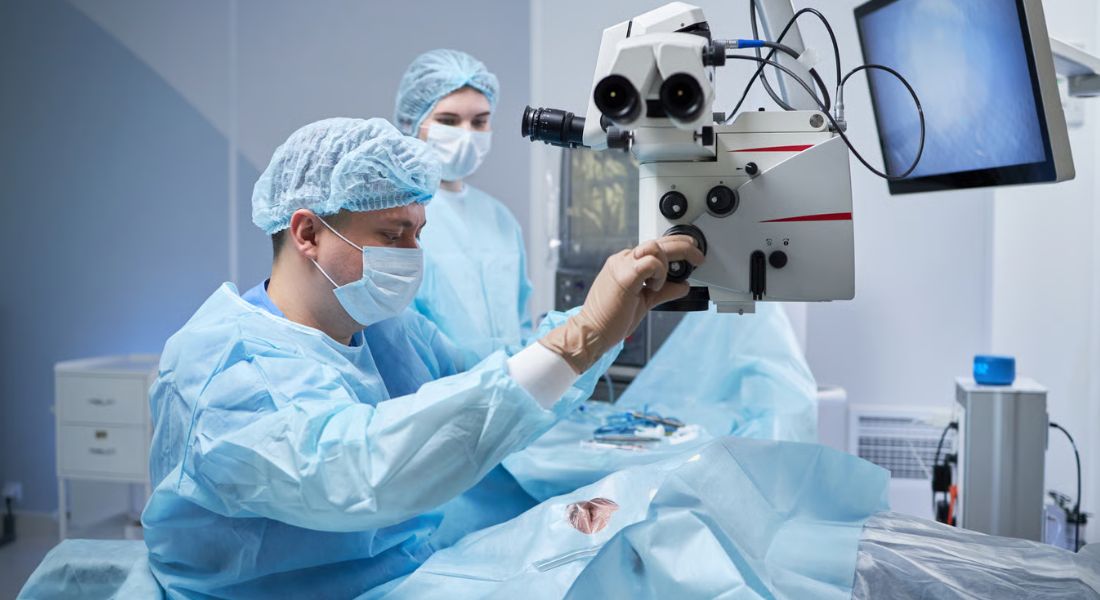
Minimally invasive glaucoma surgery, commonly known as MIGS, has become one of the most widely discussed areas in modern glaucoma care. At European Glaucoma Society congresses, specialists regularly review how these procedures are developing, where they fit within glaucoma treatment pathways, and which patients are most likely to benefit.
MIGS is not one single operation. Instead, it refers to a group of glaucoma procedures designed to lower eye pressure while generally causing less tissue disruption than traditional glaucoma surgery. The European Glaucoma Society has described MIGS as a newer category of procedures that has attracted strong interest, while also emphasising the importance of careful patient selection and long-term evidence.
For patients, the key message is that MIGS may offer an additional treatment option between eye drops, laser treatment, and more invasive surgery. In suitable cases, these procedures may help lower eye pressure, reduce medication burden, and support earlier surgical intervention when appropriate.
However, MIGS is not the right solution for every patient or every stage of glaucoma. Some patients with advanced disease or very low pressure targets may still require more traditional glaucoma surgery to achieve adequate pressure control.
This is why discussions at major meetings such as the European Glaucoma Society Congress are so important. Specialists continue to compare surgical techniques, long-term outcomes, complication rates, and patient selection criteria in order to understand where MIGS fits best within real-world glaucoma care.
Why MIGS Is a Major Topic at EGS Congresses
MIGS is widely discussed at European Glaucoma Society congresses because specialists are continually exploring ways to lower eye pressure while reducing treatment burden, surgical impact, and recovery time for patients.
Many people with glaucoma rely on eye drops for long periods, and some experience difficulties such as irritation, missed doses, or the need for multiple medications. These practical challenges can affect comfort, adherence, and long-term disease control.
The European Glaucoma Society’s educational material notes that MIGS procedures generally provide a modest pressure-lowering effect compared with traditional glaucoma surgery, but they may reduce the number of medications needed in selected patients. For this reason, MIGS is considered part of a personalised treatment approach rather than a universal replacement for other glaucoma treatments.
MIGS as Part of a Wider Glaucoma Treatment Pathway
At specialist congresses, MIGS is usually discussed alongside other key glaucoma treatments such as eye drops, selective laser trabeculoplasty (SLT), cataract surgery, trabeculectomy, and tube surgery. This reflects the fact that glaucoma management is not a one-size-fits-all approach.
Patients with early or moderate glaucoma may have very different treatment needs compared with those who have advanced optic nerve damage or rapidly progressing disease. MIGS can be useful in selected cases, particularly where a moderate reduction in eye pressure is needed, but it may not always provide sufficient pressure lowering for advanced glaucoma.
The latest European Glaucoma Society guidance notes that MIGS is generally not indicated for patients with advanced glaucoma. For this reason, specialists carefully consider disease stage, target eye pressure, and long-term progression risk before deciding where MIGS fits within an individual patient’s treatment pathway.
Patient Selection for MIGS

One of the most important discussions around MIGS at glaucoma congresses is patient selection. Surgeons need to carefully decide which patients are most likely to benefit from MIGS and which may require more powerful pressure-lowering procedures.
Key factors include current eye pressure, the severity of glaucoma, optic nerve damage, visual field loss, age, tolerance of medications, whether cataract surgery is also planned, and the individual target pressure needed to protect vision. If a patient requires very low eye pressure to prevent progression, MIGS alone may not be sufficient.
This is why discussions about MIGS are not simply focused on whether it is a newer technique. The more important question is whether MIGS is the right option for a specific patient’s stage of glaucoma, treatment goals, and long-term risk profile.
MIGS Combined with Cataract Surgery
Many MIGS procedures are frequently discussed in relation to cataract surgery, because some devices and techniques can be performed at the same time as cataract removal when a patient requires both treatments.
In suitable patients, combining cataract surgery with MIGS may help lower eye pressure and, in some cases, reduce dependence on glaucoma eye drops. However, the level of pressure reduction should be realistic and based on the severity of glaucoma and the patient’s long-term target pressure.
At major glaucoma conferences, specialists often compare outcomes between cataract surgery alone, cataract surgery combined with MIGS, and standalone glaucoma procedures. These comparisons help clarify which approach offers the best balance of safety, effectiveness, and long-term disease control for different patient groups.
Trabecular MIGS Procedures
Trabecular minimally invasive glaucoma surgery (MIGS) procedures focus on improving the eye’s natural drainage system. In glaucoma, fluid outflow through the trabecular meshwork can become restricted, leading to raised intraocular pressure. These surgical techniques aim to bypass or remove areas of resistance so that fluid can drain more easily. Compared with traditional glaucoma surgery, trabecular MIGS procedures are generally less invasive and are designed to offer a safer recovery profile for selected patients.
- Improving Natural Drainage Pathways: Trabecular MIGS procedures work by enhancing flow through the eye’s existing drainage system. This helps reduce intraocular pressure by making it easier for fluid to exit through the trabecular meshwork.
- Different Surgical Techniques: At specialist meetings such as EGS discussions, surgeons review a range of approaches including trabecular bypass stents and excisional techniques. Each method targets resistance within the outflow pathway in slightly different ways.
- Aiming to Reduce Need for Major Surgery: One of the key goals of these procedures is to lower eye pressure without resorting to more invasive filtration surgeries. This can be particularly beneficial in earlier or moderate stages of open-angle glaucoma.
- Careful Patient Selection: Trabecular MIGS procedures are not suitable for all patients. They are typically considered in cases of open-angle glaucoma where the required pressure reduction is moderate rather than extremely low.
Trabecular MIGS procedures represent a modern, less invasive approach to glaucoma surgery that focuses on improving the eye’s natural drainage system. Conference discussions continue to refine how these techniques are used and which patients benefit most. While they may reduce the need for more complex surgery in selected cases, careful assessment remains essential to ensure appropriate treatment choice. For patients, this approach offers additional options that balance effectiveness with safety and recovery considerations.
Suprachoroidal and Supraciliary Approaches
Another area of MIGS research and discussion involves procedures that enhance fluid drainage through alternative pathways, such as the suprachoroidal or supraciliary space. These approaches have attracted attention because they offer a different mechanism for lowering eye pressure compared with traditional trabecular outflow procedures.
However, at glaucoma congresses, discussion around these techniques often focuses heavily on long-term clinical evidence, safety outcomes, device design, and regulatory experience. Some devices in this category have shown evolving roles over time, which makes ongoing critical evaluation essential before widespread adoption.
For this reason, glaucoma specialists do not automatically adopt every new device or approach as it emerges. Instead, decisions are guided by robust evidence, real-world outcomes, and careful assessment of which patients are most likely to benefit safely and effectively.
Subconjunctival and Bleb-Forming MIGS
Some newer MIGS-style procedures aim to create a controlled drainage pathway under the conjunctiva, leading to the formation of a small bleb. These approaches are sometimes discussed as less invasive alternatives to traditional filtering surgeries.
The interest in these techniques is understandable because procedures like trabeculectomy can be highly effective at lowering eye pressure, but they often require careful post-operative monitoring and ongoing management of the bleb. Newer bleb-forming approaches aim to achieve effective pressure reduction while potentially offering a more controlled or standardised surgical experience.
At glaucoma congresses, specialists discuss these procedures in detail, focusing not only on eye pressure outcomes but also on bleb behaviour, wound healing responses, complication rates, and long-term follow-up results. This helps determine how these newer approaches compare with established surgical techniques in real-world clinical practice.
MIGS Complications and How to Reduce Them
Minimally invasive glaucoma surgery (MIGS) is often described as a safer and less invasive surgical option compared with traditional glaucoma procedures. However, “minimally invasive” does not mean “risk-free.” Like any surgical intervention, MIGS procedures can still be associated with complications, and careful planning is essential to achieve the best outcomes. Ongoing training and conference discussions focus heavily on recognising, preventing, and managing these issues effectively.
- Possible Surgical Complications: Although generally well tolerated, MIGS procedures may still involve risks such as bleeding, inflammation, device malposition, postoperative pressure spikes, or inadequate pressure reduction. In some cases, additional treatment or further surgery may be required.
- Importance of Surgical Training and Guidance: European Glaucoma Society educational materials have included practical sessions such as “MIGS: How to overcome the complications” and “MIGS: How should I start?” These topics highlight that structured training is essential for safe and effective use of MIGS techniques.
- Managing Outcomes and Expectations: Not all patients achieve the same level of pressure reduction with MIGS. Careful patient selection and realistic goal-setting are important to ensure the chosen procedure matches the severity of glaucoma and treatment targets.
- Balancing Technology and Clinical Judgement: Successful MIGS outcomes depend not only on surgical devices but also on clinical decision-making. Surgeon experience, judgement, and proper case selection all play a key role in reducing complications and improving long-term results.
MIGS procedures offer a valuable, less invasive option in glaucoma surgery, but they still require careful attention to safety and technique. Conference education continues to focus on complication prevention, management strategies, and surgical training. This helps ensure that outcomes are improved not just through new technology, but also through better clinical judgement. For patients, it means that even minimally invasive surgery is approached with careful planning and a strong focus on safety.
Training and the MIGS Learning Curve
MIGS procedures are often described as less invasive than traditional glaucoma surgery, but they still require specific surgical skills and careful training. Surgeons need to understand angle anatomy, device handling, intraoperative visualisation, patient positioning, and how to manage unexpected findings during surgery.
For this reason, training is an important part of MIGS-focused discussions at glaucoma congresses. Surgeons develop their skills through lectures, surgical videos, wet labs, dry labs, and expert-led case reviews, which help standardise techniques and improve consistency of outcomes.
For patients, this aspect of training is important because surgical experience and careful technique can influence both safety and effectiveness. As with any glaucoma procedure, outcomes are often shaped not only by the device or method used, but also by the surgeon’s familiarity with the procedure and their ability to manage individual patient variations.
MIGS and Medication Reduction
One of the key reasons MIGS attracts significant attention is its potential to reduce the number of daily glaucoma eye drops needed. This can be particularly beneficial for patients who find long-term drop routines difficult to manage or who experience irritation and side effects from ongoing medication use.
European Glaucoma Society educational material has highlighted medication reduction as an important theme in glaucoma surgery discussions, including the role of newer surgical approaches such as MIGS.
However, it is important for patients to understand that MIGS does not always eliminate the need for eye drops entirely. In many cases, the goal is to reduce treatment burden rather than achieve complete independence from medication. The final outcome depends on factors such as disease severity, target eye pressure, and individual response to surgery.
Real-World Data on MIGS
Real-world data is becoming increasingly important in discussions about MIGS because it helps specialists understand how these procedures perform outside of controlled clinical trials. While clinical trials provide essential evidence under ideal conditions, doctors also need information on how treatments work in everyday clinical practice.
The European Glaucoma Society has highlighted “Real world data: what for?” as an educational topic in recent congress discussions, reflecting the growing interest in how research translates into routine patient care.
This is important because real-world glaucoma patients often differ from those in clinical trials. They may be older, have more advanced or complex disease, use multiple medications, or have additional eye conditions alongside glaucoma. These factors can influence surgical outcomes, recovery, and long-term effectiveness, making real-world evidence a valuable complement to trial data.
Comparing MIGS with Traditional Glaucoma Surgery
Traditional glaucoma operations, such as trabeculectomy and tube surgery, can often achieve more significant eye pressure reduction than MIGS procedures. However, they may also involve more intensive follow-up, a longer recovery period, and a different profile of potential risks and complications.
MIGS is generally discussed as part of a broader treatment spectrum rather than a direct replacement for traditional surgery. It may be most suitable in cases where a moderate reduction in eye pressure is sufficient, or where reducing medication burden is an important goal.
In contrast, patients with advanced glaucoma or rapidly progressing disease may still require traditional surgical approaches to achieve the lower target pressures needed to protect vision.
Balanced discussions at glaucoma congresses do not present MIGS as the best option for everyone. Instead, they focus on understanding where each procedure fits within the overall treatment pathway and how best to match surgical choice to individual patient needs.
MIGS in Mild to Moderate Glaucoma
MIGS is most commonly discussed in the context of mild to moderate glaucoma, particularly where patients require additional eye pressure control or wish to reduce their dependence on daily eye drops. In these cases, the balance between safety, recovery time, and moderate pressure reduction can be particularly beneficial.
For selected patients, MIGS may help slow disease progression and improve long-term management while keeping treatment more manageable. In some cases, it may also delay or reduce the need for more invasive glaucoma surgery.
However, ongoing follow-up remains essential even after MIGS. Glaucoma is a chronic condition, and disease progression can still occur over time. Regular monitoring helps ensure that eye pressure remains controlled and that any changes in the optic nerve or visual field are detected early.
MIGS and Advanced Glaucoma
Advanced glaucoma requires very careful and individualised treatment planning. When there is significant optic nerve damage, the target eye pressure is often much lower in order to reduce the risk of further vision loss.
European glaucoma guidance indicates that MIGS is not usually recommended for advanced glaucoma. This reflects the fact that many patients with severe disease may need stronger pressure-lowering interventions than MIGS can typically provide.
For this reason, a glaucoma specialist must carefully assess disease severity, visual field loss, optic nerve status, and progression risk before recommending any surgical option. Treatment decisions in advanced glaucoma are often focused on achieving reliable, long-term pressure control to preserve remaining vision as much as possible.
New Devices and Surgical Innovation

New minimally invasive glaucoma surgery (MIGS) devices and techniques are frequently introduced and discussed at specialist glaucoma meetings. These innovations may involve different ways of improving aqueous outflow, new implant materials, refined delivery systems, or updated surgical designs. The aim of these developments is to improve safety, consistency, and effectiveness while minimising tissue disruption compared with traditional glaucoma surgery.
- Expanding Surgical Options: New MIGS devices are designed to target different drainage pathways within the eye. This gives surgeons more options when tailoring treatment to individual cases of glaucoma.
- Evolving Implant and Delivery Designs: Innovations often focus on improving how devices are inserted and how they function once in place. This may include better biocompatibility, more controlled placement, or simplified surgical techniques.
- Evidence-Based Procedure Selection: Recent reviews of MIGS highlight that procedure choice should be guided by multiple factors, including glaucoma severity, target pressure, surgeon experience, and patient-specific needs. This helps ensure the most appropriate technique is selected for each case.
- Balancing Innovation With Patient Safety: While new technology is important, its value depends on whether it meaningfully improves patient outcomes. Careful evaluation is needed to ensure that innovation leads to safer, more effective, and more appropriate care.
Innovation in MIGS continues to expand the range of treatment options available for glaucoma patients. However, conferences and clinical reviews consistently emphasise that new devices must be assessed carefully before widespread use. The most effective treatments are those that combine technological advancement with sound clinical judgement. For patients, this ensures that new surgical options are introduced thoughtfully, with safety and suitability always as the priority.
Evidence and Guidelines Around MIGS
Because MIGS is a rapidly evolving area of glaucoma treatment, clinical guidelines and evidence reviews play an important role in guiding practice. They help specialists understand which procedures are supported by stronger evidence and where uncertainty or variation in outcomes still exists.
A scoping review published through PubMed has examined how clinical practice guidelines address MIGS in open-angle glaucoma, highlighting that recommendations in this area continue to develop as new studies and longer-term data become available.
At major glaucoma congresses, these evidence gaps are often discussed openly. This allows specialists to critically evaluate emerging techniques, compare real-world outcomes, and make more informed and responsible decisions about which MIGS procedures are appropriate for different patient groups.
MIGS and Patient Expectations

Patients may hear the term “minimally invasive” and assume that MIGS procedures are simple or guarantee strong, predictable results. In reality, all glaucoma procedures have benefits as well as limitations, and outcomes can vary between individuals.
MIGS may help lower eye pressure, reduce the need for daily eye drops, and support longer-term disease control in suitable patients. However, it does not always remove the need for ongoing medication, laser treatment, or even additional surgery in the future, depending on how the disease progresses.
For this reason, clear and realistic communication is a key part of MIGS care. Patients should understand what level of improvement is expected, what the limitations are, and how MIGS fits into their overall glaucoma treatment plan so that expectations remain aligned with likely outcomes.
How EGS Congress Discussions Help Patients
European Glaucoma Society meetings allow specialists to review emerging evidence, question existing practices, and compare outcomes across different surgical techniques. This ongoing professional learning helps refine how glaucoma treatments are selected and how options are explained to patients.
For patients considering glaucoma treatment in London, the most important factor is not simply whether a clinic offers MIGS, but whether the specialist can clearly explain why a particular procedure is suitable or unsuitable for their individual case. This includes discussing disease stage, target eye pressure, risks, benefits, and alternative treatment options.
Ultimately, the value of these congress discussions lies in supporting more thoughtful, evidence-based, and personalised decision-making in everyday clinical practice. In glaucoma care, tailored advice based on the patient’s specific condition remains the most important part of achieving long-term vision protection.
The Future of MIGS
The future of MIGS is likely to focus on improved patient selection, stronger long-term clinical evidence, refinements in surgical design, and more personalised treatment pathways. As the field develops, surgeons will continue to compare MIGS with eye drops, laser treatment, cataract surgery, and traditional glaucoma operations to determine where each approach fits best.
The 17th European Glaucoma Society Congress is scheduled to take place in Brussels from 30 May to 2 June 2026, with a theme centred on collaboration and innovation in glaucoma care. Meetings like this reflect the ongoing effort to bring together research, clinical experience, and emerging technologies to improve outcomes for patients with glaucoma.
This collaborative approach is particularly important because MIGS sits at the intersection of surgery, technology, clinical evidence, and patient-centred care. Its role in glaucoma management will continue to evolve as new data emerges and long-term results become clearer, helping specialists refine how and when these procedures are best used.
FAQs:
- What is MIGS in glaucoma treatment?
Minimally invasive glaucoma surgery (MIGS) refers to a group of surgical procedures designed to lower intraocular pressure using smaller incisions and less tissue disruption than traditional glaucoma surgery. MIGS aims to improve fluid drainage from the eye while offering a safer recovery profile for selected patients. - Why is MIGS widely discussed at the European Glaucoma Society Congress?
MIGS is a major topic because specialists are still defining its long-term role in glaucoma care. At EGS congresses, experts review new devices, surgical techniques, clinical outcomes, and patient selection criteria to understand where MIGS fits alongside eye drops, laser treatment, and traditional surgery. - Who is most suitable for MIGS procedures?
MIGS is generally most suitable for patients with mild to moderate open-angle glaucoma who need a moderate reduction in eye pressure or want to reduce their reliance on eye drops. It is often considered when cataract surgery is also planned, but suitability depends on individual clinical assessment. - Is MIGS suitable for advanced glaucoma?
In most cases, MIGS is not recommended for advanced glaucoma. Patients with severe optic nerve damage or very low target eye pressure often require more traditional surgeries, such as trabeculectomy or tube procedures, which can achieve greater pressure reduction. - Can MIGS replace eye drops completely?
Not always. While MIGS may reduce the number of eye drops needed, many patients still require medication after surgery. The goal is often to reduce treatment burden rather than completely eliminate the need for ongoing glaucoma drops. - What are the main types of MIGS procedures?
MIGS procedures include trabecular bypass techniques, suprachoroidal or supraciliary drainage approaches, and subconjunctival (bleb-forming) methods. Each targets a different fluid drainage pathway in the eye to lower intraocular pressure. - What role does MIGS play in cataract surgery?
In suitable patients, MIGS can be performed at the same time as cataract surgery. This combined approach may help lower eye pressure further and reduce medication use, but the expected benefit depends on the severity and stage of glaucoma. - Are there risks or complications with MIGS?
Yes. Although MIGS is generally considered safer than traditional glaucoma surgery, complications can still occur. These may include inflammation, bleeding, device-related issues, pressure spikes, or insufficient pressure reduction, sometimes requiring further treatment. - How does MIGS compare with traditional glaucoma surgery?
Traditional surgeries like trabeculectomy and tube surgery usually achieve greater eye pressure reduction but involve more intensive recovery and follow-up. MIGS is less invasive and may be suitable for earlier stages of disease, but is not always sufficient for advanced glaucoma. - What is the future of MIGS?
The future of MIGS is expected to focus on better patient selection, improved long-term evidence, safer device designs, and more personalised treatment strategies. Ongoing research and conferences such as the EGS Congress continue to refine its role in glaucoma care pathways.
Final Thoughts: The Evolving Role of MIGS in Modern Glaucoma Care
Minimally invasive glaucoma surgery continues to represent one of the most dynamic and closely studied areas in modern ophthalmology. As highlighted at the European Glaucoma Society Congress, MIGS is not a replacement for traditional glaucoma surgery but rather an additional option within a broader treatment pathway. Ongoing discussions around patient selection, surgical techniques, long-term outcomes, and device innovation reflect the careful balance between improving effectiveness and maintaining safety for patients at different stages of glaucoma.
For patients, the most important message is that MIGS should always be considered as part of a personalised treatment plan rather than a one-size-fits-all solution. Its role may involve reducing eye pressure, lowering medication burden, or supporting earlier intervention in selected cases, but decisions must always be guided by specialist assessment and long-term disease goals. If you’re considering glaucoma treatment in London and want to know if it’s the right option, you’re welcome to reach out to us at Eye Clinic London to book a consultation.
References:
- Weinreb, R.N., Aung, T. and Medeiros, F.A. (2021) Improving medication adherence in glaucoma: clinical approaches and patient-centred strategies. Available at: https://academic.oup.com/book/33123/chapter-abstract/284173332/
- Almidani, L. et al. (2026) The effect of medication adherence on intraocular pressure and glaucoma progression. Ophthalmology and Glaucoma. Available at: https://www.sciencedirect.com/science/article/abs/pii/S2589419626000189/
- Sharma, N. et al. (2023) Adherence to glaucoma medication and its impact on intraocular pressure control and disease progression. Available at: https://pmc.ncbi.nlm.nih.gov/articles/PMC10539375/
- Kassam, F. et al. (2020) Medication adherence in glaucoma patients: barriers, outcomes, and clinical implications. Journal of Ophthalmology. Available at: https://pubmed.ncbi.nlm.nih.gov/32607093/
- Bourne, R.R.A. et al. (2021) Global burden of glaucoma and importance of treatment adherence in preventing vision loss. International Journal of Environmental Research and Public Health, 18(14). Available at: https://www.mdpi.com/1660-4601/18/14/7654/