


Key Highlights from the UK & Ireland Glaucoma Society (UKIGS) Annual Meeting

The UK & Ireland Glaucoma Society Annual Meeting is an important event for glaucoma specialists, researchers, optometrists, and wider clinical teams involved in eye care. It brings professionals together to discuss the latest developments in glaucoma diagnosis, monitoring, treatment, surgery, and long-term patient management.
The latest UKEGS meeting took place in Edinburgh from 5-6 November 2025 and focused on the theme, “What matters most? Priorities for improving glaucoma care.” The meeting was designed to encourage discussion around current research, clinical challenges, professional education, and practical improvements in patient care.
For patients, meetings like this matter because glaucoma management is rarely a one-time decision. Glaucoma is a long-term condition that depends on ongoing monitoring, early detection of progression, careful pressure control, and treatment plans that can adapt over time as the condition changes.
These meetings also help clinicians compare experiences, review new evidence, and discuss how to balance treatment effectiveness with quality of life. This can influence how doctors approach follow-up schedules, surgical timing, medication choices, and communication with patients in everyday clinical practice.
Why the UK & Ireland Glaucoma Society Meeting Matters
The UK & Ireland Glaucoma Society brings together specialists who are dedicated to improving glaucoma care across diagnosis, monitoring, treatment, and long-term management. These meetings allow clinicians to compare experiences, review new research, and discuss how glaucoma services can become more effective and patient-focused.
Glaucoma is a condition that can gradually damage vision, often without noticeable symptoms in the early stages. Because of this, ongoing professional education and discussion are extremely important. Early detection, careful monitoring, and timely treatment decisions can make a significant difference to long-term visual outcomes.
When glaucoma specialists meet regularly, they can share practical experience, identify areas where care needs improvement, and explore how patients can receive safer, more personalised, and more consistent treatment throughout their glaucoma journey.
A Focus on Improving Glaucoma Care
The 2025 UKEGS meeting theme, “What matters most? Priorities for improving glaucoma care,” highlights that the discussion was not only about new technology or research developments, but also about improving practical day-to-day patient care.
This is important because glaucoma management involves far more than simply lowering eye pressure. It also includes protecting long-term vision, reducing unnecessary treatment burden, improving monitoring systems, and helping patients understand and live with a lifelong condition.
A well-run glaucoma service should feel organised, careful, and centred around the individual patient. Effective care depends on accurate monitoring, timely decisions, clear communication, and support that helps patients feel informed rather than overwhelmed.
Case Discussions from Across the UK and Ireland
One of the important parts of the UKEGS meeting was case-based discussion. Public conference previews highlighted real clinical cases from across the UK as part of the programme, allowing specialists to review challenging or unusual glaucoma situations together.
These sessions are valuable because glaucoma does not always follow a predictable pattern. Some patients progress rapidly, others remain stable for many years, and some develop glaucoma alongside other complex eye conditions that can affect diagnosis and treatment decisions.
Discussing real cases helps specialists learn from each other’s experience, compare different approaches, and think more carefully about how to manage similar patients in everyday clinical practice. This type of discussion can improve decision-making, monitoring strategies, and long-term patient care.
Tomorrow’s Glaucoma Clinic
The 2025 programme preview also mentioned discussions around “tomorrow’s glaucoma clinic.” This reflects an important challenge in modern eye care, as glaucoma services are managing increasing demand from ageing populations and the need for long-term monitoring.
Glaucoma care often involves repeated appointments, visual field testing, optic nerve imaging, pressure checks, and ongoing treatment review over many years. As more people require monitoring, clinics need to find ways to remain efficient without compromising patient safety.
Future glaucoma clinics may make greater use of digital systems, advanced imaging, shared-care models, and risk-based follow-up pathways. The aim is to improve efficiency while ensuring that patients who need closer specialist attention are identified early and managed appropriately.
Artificial Intelligence in Glaucoma Diagnosis
Artificial intelligence (AI) was one of the major discussion themes at the 2025 glaucoma meeting, reflecting the growing interest in how technology may support earlier and more accurate diagnosis. Research presentations and keynote lectures explored how AI systems can analyse eye scans, identify subtle structural changes, and assist in tracking glaucoma progression over time. These developments are generating interest because glaucoma often progresses slowly and silently before noticeable symptoms appear.
- AI-Assisted Scan Analysis: AI systems are being developed to analyse imaging such as OCT scans and optic nerve photographs. These tools may help detect small changes that could be difficult to identify during routine review.
- Earlier Detection of Disease Progression: One of the main goals of AI in glaucoma care is recognising progression sooner. Earlier identification of worsening disease may allow treatment to be adjusted before significant vision loss occurs.
- Supporting More Accurate Monitoring: AI may help improve consistency when comparing scans over time. This could support more reliable monitoring and reduce the chance of subtle changes being overlooked.
- Technology Supporting, Not Replacing, Specialists: Although AI shows promise, it is intended to assist clinical decision-making rather than replace glaucoma specialists. Final diagnosis and treatment decisions still rely on expert examination and professional judgement.
Artificial intelligence is becoming an important area of innovation in glaucoma diagnosis and monitoring. Conference discussions continue to explore how AI can improve early detection, progression tracking, and long-term patient care. While the technology is promising, specialist expertise remains central to safe and effective glaucoma management. For patients, the potential benefit is earlier recognition of important changes and more accurate monitoring over time.
Glaucoma Progression Monitoring
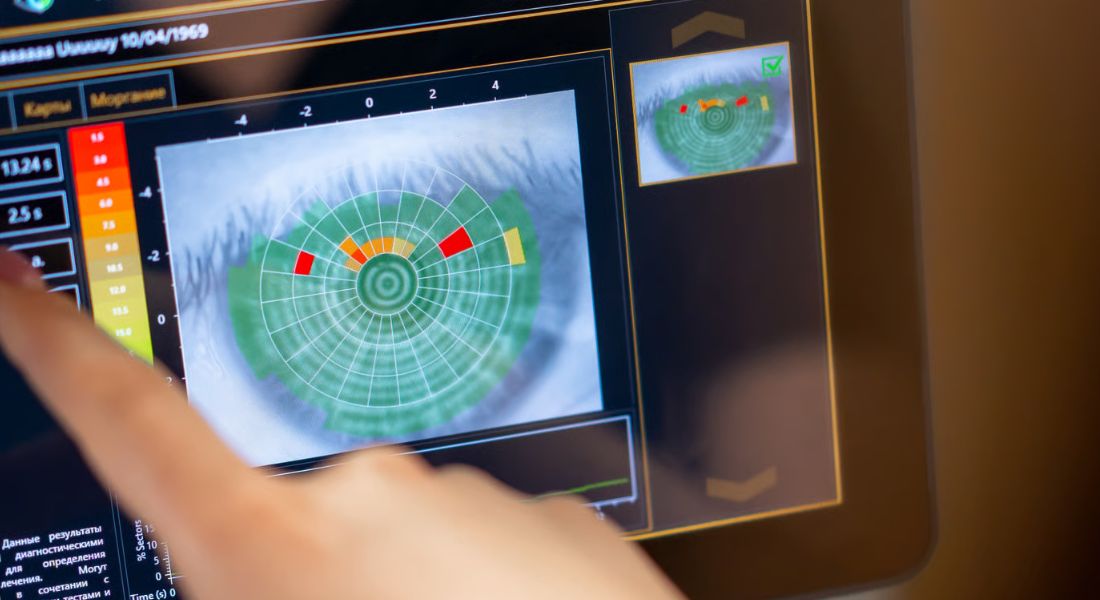
Glaucoma is not a condition that is diagnosed once and then forgotten. It requires long-term monitoring to check whether the optic nerve or visual field is changing over time and whether treatment is still controlling the disease effectively.
At specialist meetings such as UKEGS, progression monitoring is often a major topic because it is one of the most challenging parts of glaucoma care. A single eye pressure reading or one scan does not always give the full picture. Some patients remain stable for years, while others continue to lose vision slowly despite treatment.
This is why glaucoma specialists rely on repeated measurements over time. Visual field tests, optic nerve imaging, eye pressure trends, and clinical examination all need to be interpreted together to identify meaningful change rather than normal test variation.
Improving how progression is detected can help doctors make earlier and more accurate treatment decisions. It may influence whether medication is adjusted, laser treatment is considered, or surgery is recommended to better protect long-term vision.
Abstract Presentations and New Research
The 2025 UKEGS conference preview highlighted abstract presentations, judging panels, and award-winning research as part of the meeting programme. These sessions are an important way for specialists to share newer ideas, clinical findings, and ongoing research with colleagues.
Abstract presentations often include studies on glaucoma imaging, surgical techniques, medications, service delivery, patient outcomes, and new diagnostic technologies. Some research may focus on improving accuracy and safety, while other studies may explore how glaucoma clinics can work more efficiently for patients.
For patients, these presentations matter because conference research discussions can influence future clinical practice. New evidence presented at specialist meetings may later contribute to treatment guidelines, monitoring strategies, surgical approaches, and improvements in long-term glaucoma care.
Sharing the Latest Research
The UKEGS conference is described as an opportunity for specialists to share the latest research and hear from leading speakers in the field of glaucoma care. Meetings like this help clinicians stay informed about new evidence, evolving treatment approaches, and emerging technologies.
This is important because glaucoma management continues to change over time. New research may influence how doctors use eye drops, laser treatment, surgery, optic nerve imaging, and long-term monitoring strategies.
When glaucoma specialists remain connected to current research, patient care can become more evidence-based and less reliant on older habits or outdated assumptions. This helps support safer decision-making, more personalised treatment, and improved long-term outcomes for patients living with glaucoma.
Surgical Developments in Glaucoma
Glaucoma surgery remains one of the most important areas of discussion at specialist conferences and training meetings. Surgeons regularly review traditional procedures such as trabeculectomy and tube surgery alongside newer minimally invasive glaucoma surgery (MIGS) techniques. These discussions focus not only on surgical technique, but also on patient selection, long-term pressure control, and postoperative care. Ongoing education is essential because glaucoma surgery requires both technical precision and careful clinical judgement.
- Comparing Different Surgical Approaches: Conference sessions often explore the differences between trabeculectomy, tube surgery, and MIGS procedures. Specialists discuss which operations may be most appropriate depending on glaucoma severity, pressure targets, and patient factors.
- Importance of Hands-On Surgical Training: Practical workshops and dry labs allow surgeons to learn directly from experienced glaucoma specialists. The 2025 UKEGS meeting included additional trabeculectomy training sessions to support surgical skill development and confidence.
- Managing Healing and Long-Term Outcomes: Successful glaucoma surgery depends not only on the operation itself but also on how the eye heals afterwards. Surgeons discuss wound healing, scar management, and ways to maintain long-term pressure control after surgery.
- Balancing Safety and Effectiveness: Each surgical option carries different risks and benefits. Conference discussions help surgeons refine decision-making so procedures are chosen carefully and tailored to the patient’s condition and overall needs.
Surgical developments in glaucoma continue to evolve through research, clinical discussion, and practical training. Conferences provide valuable opportunities for specialists to improve technique, review outcomes, and learn from experienced surgeons. This ongoing education supports safer surgery, better healing management, and more thoughtful treatment planning. For patients, it means glaucoma surgery is guided by continually improving knowledge and surgical expertise.
Trabeculectomy Skills and Training
Trabeculectomy remains one of the most important glaucoma operations, particularly for patients who need substantial and long-term reduction in eye pressure. Even though newer minimally invasive procedures are increasingly discussed, traditional glaucoma surgery still plays a major role in advanced or difficult cases.
Meetings such as UKEGS often include practical surgical education, including dry lab training sessions where surgeons can practise techniques in a structured environment. These sessions allow clinicians to refine surgical steps, improve confidence, and develop technical skills outside the operating theatre.
For patients, this type of training matters because well-trained surgeons are better prepared to manage both routine and complex glaucoma surgery. Ongoing surgical education supports safer procedures, better decision-making, and improved long-term care for people with glaucoma.
Minimally Invasive Glaucoma Surgery
Minimally invasive glaucoma surgery, often called MIGS, continues to be an important topic at glaucoma meetings and specialist discussions. These procedures are designed to lower eye pressure while causing less tissue disruption than more traditional glaucoma operations.
Previous UKEGS programme previews have included debate around implants and the role of MIGS in glaucoma care. This reflects the fact that specialists are still carefully evaluating which patients are most likely to benefit and where these procedures fit within long-term treatment strategies.
For some patients, MIGS may offer pressure reduction with shorter recovery times and a lower surgical burden. However, MIGS is not suitable for every type or stage of glaucoma. Patients with more advanced disease or very high pressure targets may still require more established glaucoma surgery such as trabeculectomy or tube procedures.
These discussions are important because glaucoma treatment should be personalised. The best surgical option depends on factors such as glaucoma severity, pressure control, previous treatment, eye anatomy, and long-term risk to vision.
Choosing the Right Treatment for the Right Patient
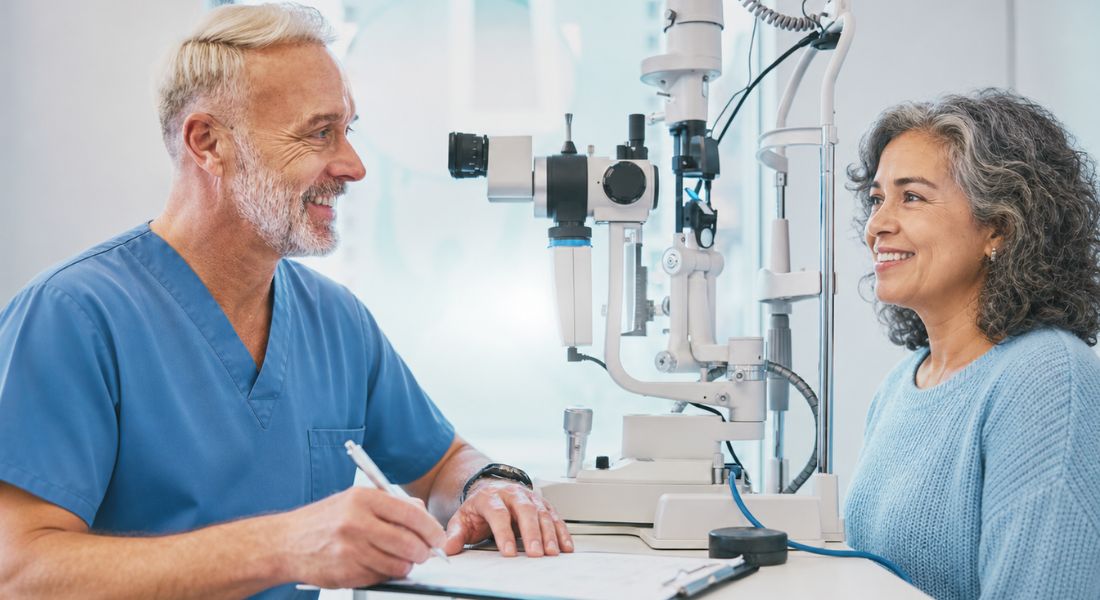
One of the most valuable aspects of glaucoma conference discussions is the focus on patient selection and personalised care. Glaucoma patients do not all require the same treatment approach, even when they share a similar diagnosis.
Some patients may remain stable for years using eye drops alone, while others may benefit from laser treatment, minimally invasive procedures, traditional surgery, or a combination of treatments. The right approach depends on many factors rather than one single test result.
Specialists need to consider eye pressure levels, optic nerve damage, visual field changes, age, general health, lifestyle, treatment tolerance, and how quickly the glaucoma appears to be progressing. A younger patient with rapidly worsening glaucoma may need a very different strategy from an older patient with stable disease.
Conference discussions help clinicians refine these decisions by comparing evidence, reviewing case examples, and discussing long-term outcomes. This supports more individualised treatment plans that balance vision protection with quality of life and treatment burden.
Laser Treatment Discussions
Laser treatment, particularly selective laser trabeculoplasty (SLT), remains an important topic in glaucoma care discussions. In suitable patients, SLT may help lower eye pressure and reduce reliance on daily eye drops.
Conference sessions allow specialists to review current evidence on when laser treatment should be offered, how effective it may be over time, and whether repeat treatment can still provide benefit in selected cases. These discussions are important because the role of laser therapy in glaucoma management continues to evolve.
For patients, this matters because laser treatment is often part of a broader long-term glaucoma strategy rather than a completely separate decision. The best approach depends on factors such as glaucoma severity, eye pressure control, treatment tolerance, and how manageable long-term drop treatment is for the individual patient.
Eye Drops and Treatment Burden
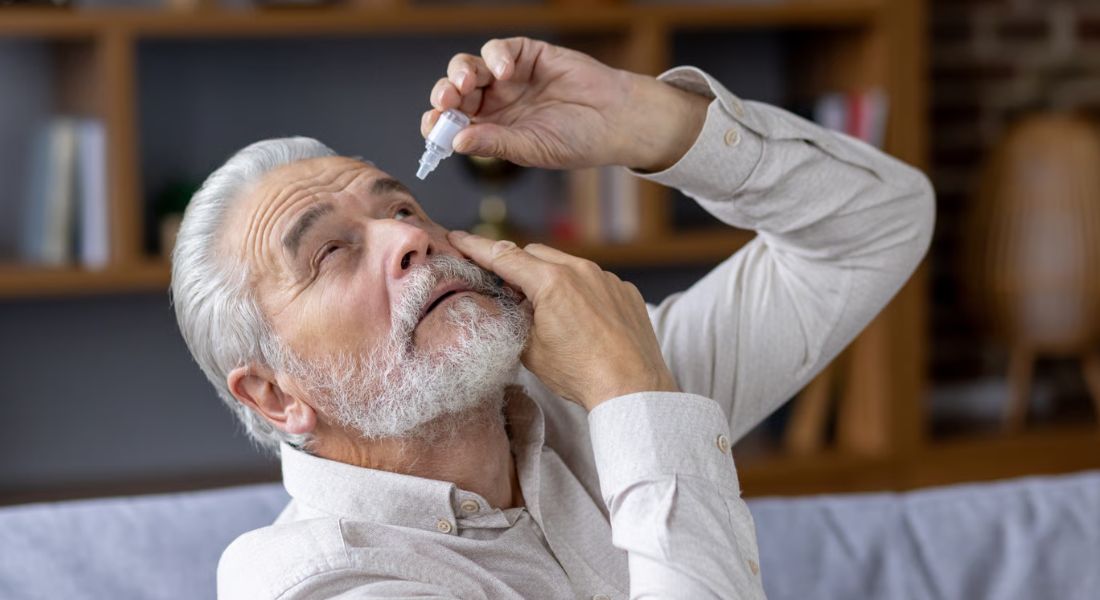
Eye drops remain one of the most common treatments for glaucoma, but using them every day can be challenging for many patients. Some people forget doses, struggle to apply the drops correctly, or develop irritation and dryness from long-term use.
At meetings such as UKEGS, specialists often discuss ways to reduce treatment burden while still protecting long-term vision. This may include simplifying drop schedules, using preservative-free medications, considering laser treatment, or discussing surgical options for suitable patients.
The aim is not simply to prescribe treatment, but to make sure the treatment is realistic and sustainable for the person using it. Even an effective medication may not work well in practice if it is difficult to tolerate or follow consistently over time.
Improving Glaucoma Services
The phrase “priorities for improving glaucoma care” also highlights the importance of service-level discussions within glaucoma management. These conversations may involve clinic capacity, shared-care systems, monitoring pathways, waiting times, and how appointments can be made more efficient and useful for patients.
Glaucoma services often face the challenge of balancing long-term monitoring needs with increasing patient numbers. Better organisation and risk-based systems can help ensure that patients with higher-risk or progressing glaucoma are reviewed promptly, while stable patients continue to be monitored safely and appropriately.
This is where meetings such as UKEGS can influence more than just individual treatment decisions. Conference discussions may help shape how glaucoma care is delivered across clinics and hospitals, improving access, consistency, safety, and the overall patient experience.
Networking and Shared Learning
UKEGS describes its conference as an opportunity to network, share research, and hear from experienced speakers. While networking may sound less clinical than surgery or research presentations, it plays an important role in improving healthcare.
When glaucoma specialists connect with colleagues from different hospitals and regions, they can exchange practical experience, discuss challenging cases, and learn how others manage similar problems in clinical practice. These conversations often provide insights that are difficult to gain from textbooks alone.
Professional connections can also support better referral pathways, collaborative research projects, shared training opportunities, and more consistent standards of glaucoma care across different regions. In the long term, this kind of shared learning can contribute to safer, more coordinated, and more effective patient care.
The Role of Optometrists and Research Teams
Glaucoma care is delivered by a wider team of professionals rather than a single specialist working alone. Conferences such as the UKEGS meeting bring together ophthalmologists, optometrists, researchers, imaging specialists, nurses, and clinic staff to share knowledge and improve patient care. This collaborative approach is important because glaucoma often requires long-term monitoring, repeated testing, and coordinated treatment planning. When different professionals learn together, the overall patient journey can become more organised and consistent.
- Optometrists Support Early Detection and Monitoring: Optometrists often play a key role in identifying possible glaucoma during routine eye examinations. They may also assist with ongoing monitoring through vision tests, pressure checks, and imaging assessments.
- Researchers Help Advance Future Treatment: Research teams study new diagnostic tools, medications, imaging methods, and surgical techniques. Their work helps improve understanding of glaucoma and supports the development of better treatments over time.
- Imaging and Clinical Teams Improve Accuracy: Imaging specialists and clinic staff help ensure tests such as OCT scans and visual field assessments are performed accurately and consistently. Reliable testing is essential for detecting progression and guiding treatment decisions.
- Team-Based Learning Improves Patient Care: When ophthalmologists, optometrists, nurses, and researchers learn together at conferences, communication and collaboration can improve. This helps create a more joined-up approach to diagnosis, treatment, and long-term follow-up.
Modern glaucoma care depends on teamwork across multiple healthcare and research roles. Conferences that bring these professionals together help improve communication, share new knowledge, and support better patient outcomes. This collaborative learning environment strengthens every stage of glaucoma management, from early diagnosis to long-term monitoring and treatment. For patients, it means care is supported by a coordinated team working together to protect vision over time.
What Patients Can Learn from These Highlights
Patients do not need to understand every technical detail discussed at a glaucoma conference. However, it is reassuring to know that specialists are continually reviewing how glaucoma is diagnosed, monitored, and treated in order to improve patient safety and long-term outcomes.
Meetings such as UKEGS show that glaucoma care is constantly evolving. Specialists are not simply relying on older routines or assumptions. They are reviewing new evidence, discussing practical challenges, and exploring how care can become more accurate, efficient, and personalised.
For patients, this highlights the importance of choosing a clinic that values careful monitoring, evidence-based treatment, and clear communication. Glaucoma is a long-term condition, so good care should involve not only treatment itself, but also ongoing support, regular review, and a personalised approach to protecting vision over time.
FAQs
- What is the UK & Ireland Glaucoma Society (UKIGS) Annual Meeting?
The UKIGS Annual Meeting is a specialist conference where glaucoma experts, ophthalmologists, optometrists, researchers, and clinical teams discuss the latest developments in glaucoma diagnosis, monitoring, treatment, surgery, and patient care. - Why are glaucoma conferences important for patients?
Glaucoma conferences help specialists stay updated with new research, technologies, and treatment approaches. This can improve early diagnosis, monitoring accuracy, surgical techniques, and long-term patient care. - What was the theme of the 2025 UKIGS meeting?
The 2025 meeting focused on “What matters most? Priorities for improving glaucoma care,” highlighting practical ways to improve patient safety, monitoring, treatment decisions, and clinic efficiency. - How is artificial intelligence being used in glaucoma care?
Artificial intelligence (AI) is being explored to help analyse OCT scans, optic nerve images, and progression patterns. AI may support earlier detection of glaucoma changes and improve monitoring consistency, although specialists still make the final clinical decisions. - What is glaucoma progression monitoring?
Progression monitoring means checking whether glaucoma is worsening over time. Specialists use repeated visual field tests, optic nerve imaging, eye pressure measurements, and clinical examinations to identify meaningful changes and adjust treatment if needed. - What surgical treatments for glaucoma were discussed at the meeting?
The conference included discussions on traditional glaucoma surgeries such as trabeculectomy and tube surgery, alongside minimally invasive glaucoma surgery (MIGS). Specialists reviewed patient selection, safety, long-term pressure control, and surgical outcomes. - What is minimally invasive glaucoma surgery (MIGS)?
MIGS refers to newer glaucoma procedures designed to lower eye pressure with less tissue disruption and often faster recovery compared with traditional surgery. However, MIGS may not be suitable for every patient or stage of glaucoma. - Can laser treatment help glaucoma patients?
Yes. Selective laser trabeculoplasty (SLT) is commonly used to lower eye pressure in suitable patients. It may reduce the need for daily eye drops and is often discussed as part of long-term glaucoma management strategies. - Why is personalised glaucoma treatment important?
Glaucoma affects patients differently. Some people remain stable with eye drops alone, while others may require laser treatment or surgery. Specialists tailor treatment plans based on disease severity, progression rate, pressure control, age, and lifestyle factors. - How do glaucoma meetings improve future patient care?
Meetings like UKIGS encourage specialists to share research, compare clinical experiences, discuss difficult cases, and improve treatment strategies. These discussions can influence future glaucoma services, monitoring systems, and patient care standards.
Final Thoughts: Why Continued Advances in Glaucoma Care Matter
The UK & Ireland Glaucoma Society Annual Meeting highlights how glaucoma care continues to develop through research, shared clinical experience, and ongoing professional education. Discussions around artificial intelligence, progression monitoring, laser treatment, surgical techniques, and service improvements all reflect the wider goal of protecting vision more effectively while improving the patient experience. These meetings are important because glaucoma is a lifelong condition that often requires regular monitoring and treatment adjustments over many years.
For patients, the key message is that glaucoma specialists are continually working to improve how care is delivered. Better imaging, more personalised treatment planning, improved surgical training, and stronger collaboration between clinical teams can all contribute to safer and more accurate long-term management. If you’d like to find out whether glaucoma treatment in London may be suitable for you, feel free to contact us at Eye Clinic London to arrange a consultation.
References:
- Lee, H.-P. et al. (2024) Glaucoma: Current and New Therapeutic Approaches, Biomedicines, 12(9), p. 2000. Available at: https://www.mdpi.com/2227-9059/12/9/2000
- and Higginbotham, E.J. (2005) Glaucoma and its treatment: A review, American Journal of Health-System Pharmacy, 62(7), pp. 691–699. Available at: https://pubmed.ncbi.nlm.nih.gov/15790795/
- Weinreb, R.N., Aung, T. and Medeiros, F.A. (2014) The pathophysiology and treatment of glaucoma: A review, JAMA,311(18), pp. 1901–1911. Available at: https://pmc.ncbi.nlm.nih.gov/articles/PMC4523637/
- Weinreb, R.N., Aung, T. and Medeiros, F.A. (2014) The pathophysiology and treatment of glaucoma: A review, JAMA,311(18), pp. 1901–1911. Available at: https://www.sciencedirect.com/topics/medicine-and-dentistry/glaucoma-treatment
- Salim, S. (2012) Evidence-Based Guidelines in Management of Glaucoma, in Glaucoma. Oxford University Press. Available at: https://academic.oup.com/book/40793/chapter/348732482