


Why Is Keratoconus More Common in Certain Ethnic Groups?

Keratoconus is a condition in which the cornea gradually becomes thinner, weaker, and more cone-shaped over time. Because the cornea helps focus light into your eye, these changes can lead to blurred vision, distorted vision, glare, haloes, and increasing astigmatism. Symptoms often develop slowly, which can make early detection important.
Research suggests that keratoconus may be more common in some ethnic groups than others. Studies have reported higher rates in some Asian, South Asian, Middle Eastern, Black, and Hispanic populations. However, the exact figures vary depending on the country, study design, diagnostic methods, and access to healthcare.
These differences do not mean ethnicity alone explains the condition. Instead, many factors are likely involved, including genetics, family history, environmental influences, allergies, eye rubbing, climate, and how early the condition is diagnosed. These factors can interact with each other, making the picture more complex.
This is why keratoconus risk should always be understood on an individual level. Your symptoms, eye health, and clinical examination are far more important than ethnicity alone when assessing your personal risk.
What Is Keratoconus?
Keratoconus affects the cornea, which is the clear front window of your eye that plays a vital role in focusing light properly. In a healthy eye, the cornea has a smooth, rounded shape that allows light to enter in a controlled way so you can see clearly and sharply.
In keratoconus, the cornea gradually becomes thinner and starts to bulge forward into a cone-like shape. This change alters how light enters your eye, which can lead to blurred vision, distortion, and increasing difficulty with clear focus.
It often begins during the teenage years or early adulthood. Because of this, early eye checks are very important, as they can help detect changes sooner and support better long-term management of your vision.
Why Ethnicity Is Discussed in Keratoconus
Ethnicity is discussed in keratoconus research because studies have found differences in rates between populations. For example, a UK study reported an annual incidence of 25 per 100,000 in Asian patients compared with 3.3 per 100,000 in white patients. It also found that Asian patients tended to present at a younger age.
Another UK study showed similar patterns, reporting a fourfold increase in incidence in Asian patients. It also found earlier age at presentation and a greater likelihood of needing corneal grafting at a younger age.
These findings suggest that ethnicity may be linked with keratoconus risk and disease pattern. However, it does not act alone, and other factors such as genetics, environment, and healthcare access are also important in understanding these differences.
Ethnicity Is Not a Simple Explanation
If you look at ethnicity in keratoconus research, it is not a simple or single explanation. It can reflect a mix of ancestry, genetics, family patterns, geography, culture, environment, and healthcare access. It does not mean one ethnic group “causes” keratoconus or determines who will develop it.
Even if you share the same ethnic background as someone else, your personal risk can be very different. For example, you may have a family history, allergies, and a habit of eye rubbing, while another person from the same background may not have any of these risk factors at all.
This is why you should see ethnicity only as a risk-awareness factor, not as a diagnosis. Your individual symptoms, eye health, and clinical examination matter far more when it comes to understanding your true risk.
Genetics May Play a Role
Keratoconus is considered a multifactorial condition, which means it does not have a single cause. Instead, it can develop through a combination of genetic predisposition, environmental factors, and mechanical stress on the cornea over time. This explains why the condition can vary so much from person to person.
- Genetic Susceptibility: Some people may inherit a cornea that is naturally more prone to thinning or shape changes.
- Not a Single-Gene Condition: Having a genetic tendency alone is usually not enough to cause keratoconus without other contributing factors.
- Interaction with Environmental Triggers: Factors such as eye rubbing, allergies, and irritation may increase the impact of underlying vulnerability.
- Family Clustering Can Occur: Keratoconus may run in families, which supports the role of inherited risk factors.
- Variation Between Populations: Differences seen in some ethnic groups in research may partly reflect genetic susceptibility combined with environmental influences.
Overall, genetics can increase your risk of keratoconus, but it is only one part of a wider picture. Understanding this helps explain why the condition develops in some people and not others, even within the same family or environment.
Family History Is Important
If a parent, sibling, or close relative has keratoconus, your own risk may be higher. This applies across all ethnic groups, not just specific populations. Family history is one of the most consistent risk factors identified in keratoconus research.
This can be especially important in families where keratoconus appears more frequently. If one person in your family is diagnosed, it is helpful for younger relatives to mention this during routine eye examinations so that opticians or specialists can monitor their eyes more closely if needed.
Being aware of your family history can make a real difference. It can support earlier diagnosis, closer monitoring, and timely treatment if any signs of keratoconus begin to develop. This early awareness can also help you access specialist care sooner, reduce the risk of progression, and protect your long-term vision more effectively.
Consanguinity and Inherited Risk
If you are not familiar with the term, consanguinity means having children with a biologically related partner, such as a cousin. It is discussed in keratoconus research because it may increase the likelihood that inherited risk factors appear within the same family.
A review of keratoconus epidemiology noted that some UK studies reporting higher prevalence in certain Asian groups also mentioned consanguinity as a possible contributing factor. This is thought to be linked to genetic patterns that can increase the chance of inherited conditions in some families.
However, this does not mean consanguinity directly causes keratoconus. It simply means it may increase risk in some cases where genetic susceptibility is already present. Your individual risk still depends on a combination of factors, not a single family or genetic pattern.
Eye Rubbing Can Trigger or Worsen Keratoconus

If you rub your eyes often, it is important to understand that eye rubbing is one of the most significant modifiable risk factors linked with keratoconus. Repeated rubbing can place mechanical stress on your cornea, which may weaken its structure over time, especially if you are already at risk.
A review on eye rubbing and keratoconus has suggested that rubbing may contribute to corneal thinning. It also noted that the impact may depend on how forcefully and how frequently you rub your eyes. This means both the intensity and duration of rubbing can matter.
If your eyes feel itchy, the best approach is to treat the cause of the irritation rather than rubbing them. Managing allergies or dryness can help reduce discomfort and protect your cornea from unnecessary stress in the long term.
Allergy and Itchy Eyes
If you have allergies, they can contribute to keratoconus risk indirectly because they often cause itchy eyes. When your eyes feel itchy or irritated, you may be more likely to rub them. Over time, repeated rubbing can place stress on your cornea, especially if you are already vulnerable.
A 2023 systematic review looked at allergic eye disease, atopy, eye rubbing, family history, and keratoconus risk. It highlighted how these factors can be connected and may work together rather than acting in isolation.
This is important because allergy management is practical and can make a real difference. If you can control itching with appropriate treatment, you may reduce the urge to rub your eyes. This simple step can help protect your cornea and support better long-term eye health.
Environment and Climate
Environmental factors may also play a role in your risk of developing keratoconus. If you live in dry, dusty, or high-sunlight environments, your eyes may become more irritated, which can increase discomfort and the urge to rub them. Over time, this repeated irritation may contribute to changes in the cornea in people who are already at risk.
A 2022 keratoconus epidemiology review noted that factors such as sunlight exposure, dry weather, eye rubbing, and genetics may all work together in the development of keratoconus. This means it is often a combination of influences rather than a single cause.
This may help explain why keratoconus appears more common in some regions than others. However, environment alone does not determine your risk. Your individual factors, such as your eye health, habits, and genetics, still play a much more important role.
Why Middle Eastern Rates May Be Higher
Some studies suggest that keratoconus may be more common in parts of the Middle East compared with other regions. A 2022 review reported that prevalence in certain Middle Eastern populations may reach up to around 5%. However, these figures can vary depending on the population studied and the diagnostic methods used.
- Higher Reported Prevalence in Some Studies: Research has shown that keratoconus rates may be relatively higher in certain Middle Eastern regions compared with global averages.
- Multiple Contributing Factors: Possible influences include genetics, family history, consanguinity, dry climate, high sunlight exposure, allergy, and frequent eye rubbing.
- Factors Often Overlap: These risks do not act in isolation and may interact with each other, increasing overall susceptibility.
- Awareness Is Key, Not Alarm: A higher reported rate does not mean everyone is affected, but it highlights the importance of early eye checks.
Overall, higher reported keratoconus rates in some Middle Eastern populations are likely due to a combination of genetic and environmental factors. The most important message for you is awareness and early screening, rather than concern. Regular eye examinations can help detect changes early and support timely management when needed.
Why Asian and South Asian Rates May Be Higher
UK research has reported higher keratoconus rates in Asian patients, including people of Indian, Pakistani, and Bangladeshi origin. Some reviews have highlighted findings from UK surveys where keratoconus prevalence was reported to be several times higher in Asian groups compared with white Caucasian populations. These results help researchers understand possible patterns of risk across different communities.
Several factors may help explain these differences. These include genetic susceptibility, family history patterns, younger age at presentation, and environmental or behavioural influences such as eye rubbing. These factors may act together rather than individually, which makes the picture more complex.
However, “Asian” is a broad term that includes many different populations. Risk is not the same across all groups, including South Asian, East Asian, Southeast Asian, and West Asian populations. This is why individual assessment is always more important than general population trends.
Why Some Black and Hispanic Populations Show Higher Rates
Recent US research has reported higher keratoconus prevalence in Black and Hispanic populations compared with White and Asian populations in some datasets. These findings vary between studies and are influenced by how and where the data is collected.
Several factors may contribute to these differences. These include biological influences, access to healthcare, referral patterns, delays in diagnosis, environmental exposure, and wider social determinants of health. It is unlikely that genetics alone can explain the variation seen across studies.
For you as a patient, the key message is that symptoms should always be taken seriously. Access to corneal imaging and timely eye assessments is important, especially if you notice changes in your vision or have risk factors such as frequent prescription changes or eye rubbing.
Healthcare Access Can Affect Diagnosis
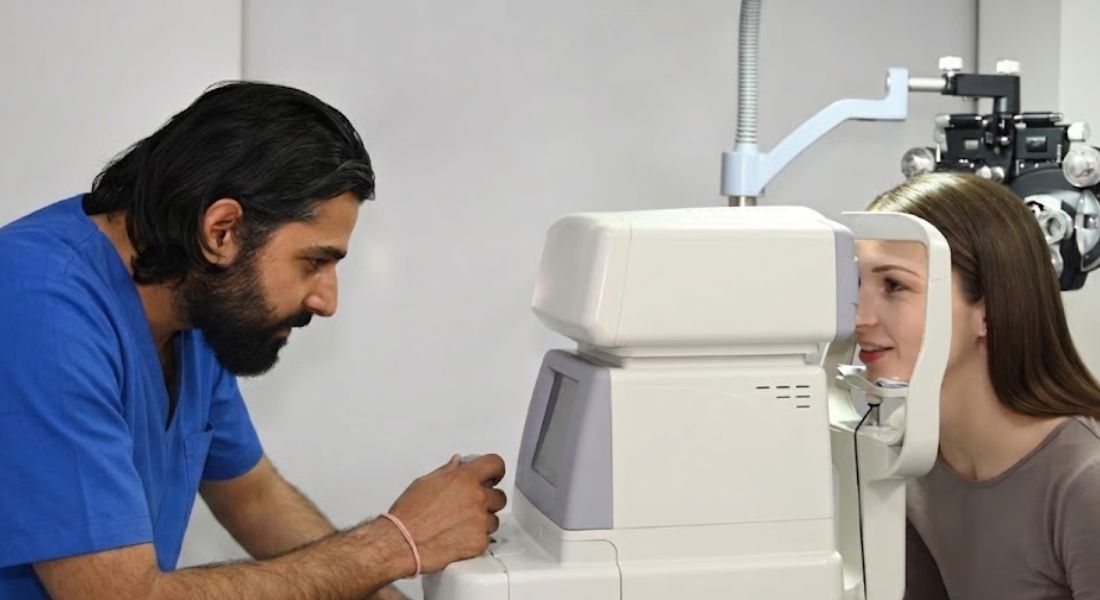
Differences in keratoconus rates between ethnic groups may sometimes reflect differences in diagnosis rather than true disease frequency. It can depend on who gets access to eye care, how early they are assessed, and whether specialist corneal scans are available.
If you have less access to routine eye examinations or advanced imaging, keratoconus may only be detected at a later stage. This can make the condition appear more severe at diagnosis and can also affect how research results are interpreted across different populations.
This is why consistent screening and earlier referral are so important. Improving access to eye care for all communities helps ensure keratoconus is identified sooner, monitored properly, and managed before significant progression occurs.
Diagnostic Technology Changes the Numbers
Modern corneal topography and tomography have made it much easier to detect keratoconus early, even when changes in your vision are still very mild. Because of this, newer studies often report higher prevalence rates, but this does not necessarily mean more people are developing the condition. Instead, it often means more early or subtle cases are being picked up.
- Earlier Detection With Modern Scans: With today’s imaging, you can detect small corneal changes that older eye tests may have missed.
- More Mild Cases Are Found: You may be diagnosed earlier now, before significant vision problems develop.
- Older Studies May Underestimate Cases: In the past, you usually needed clear symptoms before keratoconus was identified, so early cases were often missed.
- Changing Criteria Affects Comparisons: If you compare studies from different time periods, differences in testing methods can affect the results.
- Important When Looking at Ethnicity Data: When researchers compare ethnic groups, they need to consider the technology used, not just the numbers.
Overall, what this means for you is that modern testing gives a much clearer and earlier picture of keratoconus. So if you are diagnosed today, it may simply be because the technology is better at picking up early changes, not because your condition is necessarily more severe.
Younger Age at Onset Matters
Keratoconus often begins in the teenage years or early adulthood. When it starts earlier, there is more time for the condition to progress if it is not detected and managed in time. This makes early recognition and regular eye checks especially important in younger patients.
Some studies have reported that Asian patients may present with keratoconus at a younger age compared with white patients. This does not apply to everyone, but it has been observed in certain research groups and clinical datasets.
This is important because younger patients may benefit from closer monitoring and earlier intervention if progression is detected. Early assessment can help protect vision and reduce the risk of long-term complications.
Does Ethnicity Change Treatment?
Ethnicity does not automatically change how keratoconus is treated. Your treatment is based on your individual corneal scans, symptoms, age, disease progression, corneal thickness, and visual needs. These clinical findings guide decisions much more than ethnicity alone.
However, research on ethnicity may influence how closely clinicians monitor certain patients during screening. If you are from a group with higher reported rates and you also have suspicious symptoms, earlier corneal imaging may be considered to ensure nothing is missed. This can help with earlier identification rather than changing the treatment itself.
The key point is that treatment is not different because of ethnicity. The goal is to support earlier diagnosis where needed and reduce the risk of progression through timely monitoring and appropriate care.
Corneal Cross-Linking and Early Detection
Corneal cross-linking is a treatment designed to strengthen the cornea and slow or stop the progression of keratoconus. Your specialist may recommend it if corneal scans show that the condition is becoming worse over time. The treatment aims to stabilise the cornea and reduce the risk of further weakening.
Early detection is important because cross-linking is generally most effective before the cornea becomes very thin, scarred, or highly irregular. Identifying keratoconus at an earlier stage can give you more treatment options and allow closer monitoring of any changes.
If you have risk factors such as a family history of keratoconus, frequent eye rubbing, allergies, or ongoing changes in your prescription, it is best not to wait until your vision becomes severely affected. Seeking assessment early can help protect your long-term vision and improve the chances of successful management.
What You Can Do to Reduce Risk
You cannot change factors such as your ethnicity or family history, but there are steps you can take to reduce avoidable risks. One of the most important is avoiding eye rubbing. Repeated rubbing can place stress on the cornea and may contribute to the development or progression of keratoconus in people who are susceptible.
If your eyes are itchy, dry, red, or irritated, it is important to address the underlying cause rather than continue rubbing them. Treatments such as allergy drops, lubricating eye drops, eyelid care, and professional advice may help reduce discomfort and make eye rubbing less likely.
Regular eye examinations are also important, especially if your prescription changes frequently or keratoconus runs in your family. Early assessment can help identify any changes in your cornea before significant symptoms develop. Detecting the condition sooner often allows for better monitoring and more timely treatment if needed.
When to See a Specialist

You should consider seeing a specialist if your optician mentions irregular astigmatism, corneal steepening, corneal thinning, or possible keratoconus. It is also worth seeking further advice if your vision continues to change despite having an updated glasses prescription. These signs may indicate that a more detailed assessment is needed.
If you are looking for keratoconus treatment in London, choose a clinic that provides detailed corneal imaging and regular progression monitoring. Access to cross-linking advice and specialist contact lens support can also be important when planning your care.
The earlier keratoconus is detected, the easier it is to manage. Early diagnosis allows your specialist to monitor the condition more closely and identify any signs of progression at an earlier stage. It may also give you access to a wider range of treatment options and help protect your long-term vision. Acting early can make a significant difference to future eye health and visual outcomes.
Future Research
Future research is likely to focus on gene environment interactions, better ethnicity-specific data, artificial intelligence, corneal biomechanics, screening programmes, and access to eye care. These areas may help researchers understand why keratoconus affects some populations differently and how the condition develops and progresses over time.
Recent studies have highlighted the importance of both genetics and behaviour. A 2024 study identified gene–environment interactions involving variants in the CAST gene and eye rubbing. This suggests that genetic susceptibility and environmental factors may work together to influence keratoconus risk.
This type of research could lead to earlier diagnosis and more personalised care for you as a patient. It may also improve understanding of why keratoconus appears more common in some populations than others. Over time, it could support more targeted prevention, better monitoring, and improved long-term outcomes.
FAQs:
- Why does keratoconus appear more common in certain ethnic groups?
Keratoconus appears more common in some ethnic groups due to a combination of genetic factors, family history, eye rubbing, allergies, environmental exposure, and differences in healthcare access. It is not caused by ethnicity itself, but these overlapping factors can influence how often it is diagnosed in different populations. - Is keratoconus caused by ethnicity?
No. Ethnicity does not cause keratoconus. It is a complex condition influenced by genetics and environmental triggers. Ethnicity is mainly used in research to understand population trends, not as a direct risk factor. - Which ethnic groups have higher reported rates of keratoconus?
Studies have reported higher rates in some Asian, South Asian, Middle Eastern, Black, and Hispanic populations. However, prevalence varies widely between studies, and keratoconus can affect people from all ethnic backgrounds. - Why might Asian and South Asian populations show higher rates?
Possible reasons include genetic susceptibility, earlier age of onset, and higher rates of eye rubbing or allergy. Environmental factors and differences in access to early diagnosis may also play a role in reported rates. - Why is keratoconus sometimes diagnosed later in some groups?
Delayed diagnosis can happen due to reduced access to specialist eye care, fewer routine corneal scans, or symptoms being mistaken for simple vision changes. This can lead to more advanced disease being detected later. - Can environmental factors affect keratoconus?
Yes. Factors such as dry climate, dust, pollution, and sunlight exposure may irritate the eyes and increase eye rubbing. While environment alone does not cause keratoconus, it can contribute to worsening in people who are already at risk. - Does eye rubbing increase risk?
Yes. Eye rubbing is a well-known risk factor for keratoconus. Repeated rubbing can weaken the cornea over time, especially in people who already have genetic susceptibility or underlying allergies. - Is keratoconus more severe in some ethnic groups?
Some studies suggest that certain groups may present with more advanced keratoconus at diagnosis. However, this is often linked to later detection or reduced access to early screening rather than true differences in disease severity. - Does family history increase risk?
Yes. Having a close family member with keratoconus increases your risk significantly. This applies across all ethnic groups, and early eye checks are recommended for relatives, even before symptoms appear. - Does ethnicity change treatment?
No. Treatment is based on individual clinical findings such as corneal shape, thickness, progression, and symptoms. Ethnicity does not change treatment, but it may influence how early someone is screened or monitored.
Final Thoughts: Understanding Why Keratoconus Rates Vary Across Ethnic Groups
Keratoconus appears more common in certain ethnic groups due to a combination of genetic predisposition, family history, environmental influences, eye rubbing habits, allergies, and differences in access to eye care and early diagnosis. Ethnicity itself is not a cause of keratoconus, but it can reflect patterns of risk factors that cluster within certain populations. This is why prevalence rates vary between studies and why no single explanation can account for all differences seen globally.
Ultimately, keratoconus is an individual condition that depends on personal risk factors rather than ethnicity alone. Early detection through regular eye examinations and corneal imaging remains the most effective way to protect vision and manage the condition successfully. If you would like to find out whether keratoconus treatment in London may be suitable for your needs, you can contact us at Eye Clinic London to arrange a specialist consultation.
References:
- Pearson, A.R., Soneji, B., Sarvananthan, N. and Sandford-Smith, J.H. (2000) Does ethnic origin influence the incidence or severity of keratoconus? Eye, 14(4), pp. 625–628. Available at: https://pubmed.ncbi.nlm.nih.gov/11040911/
- Gordon-Shaag, A., Millodot, M. and Shneor, E. (2022) Keratoconus: An updated review, Contact Lens & Anterior Eye, 45(3), 101559. Available at: https://www.sciencedirect.com/science/article/pii/S1367048421002058
- Hashemi, H., Heydarian, S., Hooshmand, E., Saatchi, M., Yekta, A., Aghamirsalim, M., Valadkhan, M., Mortazavi, M. and Khabazkhoob, M. (2020) The prevalence and risk factors for keratoconus: A systematic review and meta-analysis, Journal of Clinical Medicine, 9(4), 663. Available at: https://www.mdpi.com/2077-0383/14/13/4587
- Ferreira-Mendes, J., Lopes, B.T., Faria-Correia, F., Salomão, M.Q. and Ambrósio Jr, R. (2022) Keratoconus epidemiology: A review. Saudi Journal of Ophthalmology, 36(1), pp. 3–6. Available at: https://pmc.ncbi.nlm.nih.gov/articles/PMC9375461/
- Rabinowitz, Y.S. (1998) Keratoconus, Survey of Ophthalmology, 42(4), pp. 297–319. Available at: https://pubmed.ncbi.nlm.nih.gov/9493273/