


Does Ethnicity Affect Your Risk of Developing Keratoconus?
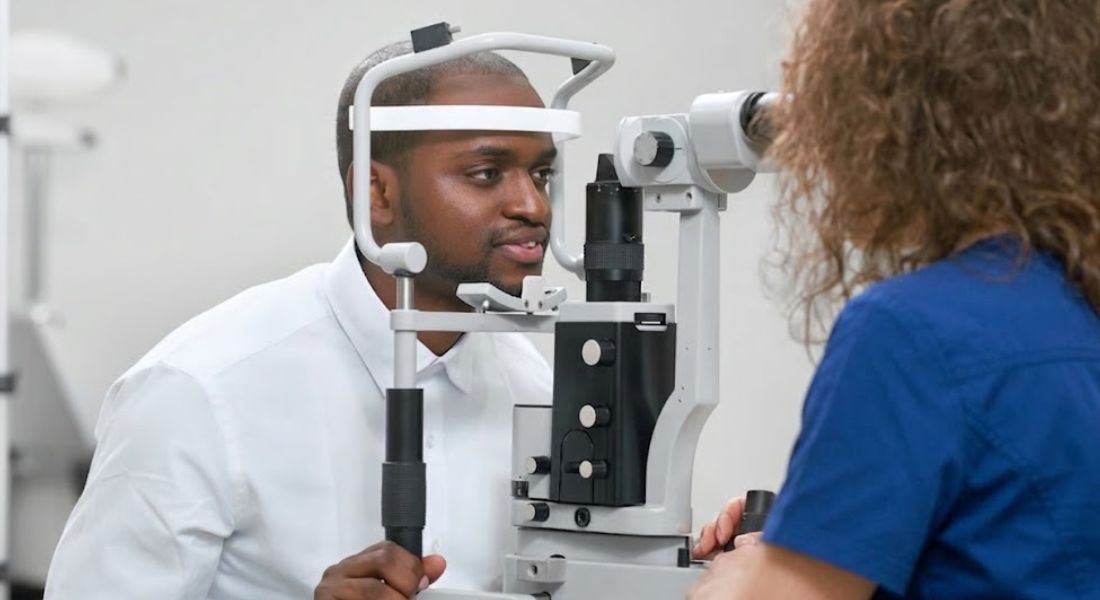
Keratoconus is a condition in which the cornea gradually becomes thinner, weaker, and more cone-shaped over time. The cornea is the clear front surface of your eye and plays an important role in focusing light. When its shape changes, your vision can become less clear and more difficult to correct.
As keratoconus progresses, you may notice blurred vision, distorted vision, glare, haloes, and increasing astigmatism. These symptoms often develop gradually and may be mistaken for ordinary prescription changes at first. This is one reason why regular eye examinations are so important.
Researchers have studied whether keratoconus affects some ethnic groups more often than others. Current evidence suggests that ethnicity may be linked to differences in prevalence, age at diagnosis, severity at presentation, and access to specialist care. However, ethnicity is only one part of a much larger picture.
Your individual risk depends on many factors, including family history, eye rubbing, allergies, age, corneal shape, genetics, and environmental influences. Access to early diagnosis and specialist assessment can also make a difference. While ethnicity may contribute to risk awareness, it cannot predict whether you will personally develop keratoconus.
What Is Keratoconus?
Keratoconus is an eye condition that affects the cornea, the clear front surface of your eye. In a healthy eye, the cornea has a smooth, dome-shaped structure that helps focus light clearly onto the retina. This allows you to see sharp and detailed images.
If you have keratoconus, the cornea gradually becomes thinner and starts to bulge forwards into a more cone-like shape. As this change develops, the surface of the cornea becomes less regular. This can cause blurred vision, ghosting around objects, distortion, and increasing astigmatism.
The condition often begins during the teenage years or early adulthood, although it can develop at other ages. Because keratoconus may worsen over time, early diagnosis is very important. Identifying the condition sooner can help you access appropriate monitoring and treatment before significant vision changes occur.
Why Ethnicity Is Discussed in Keratoconus Research
Ethnicity is discussed in keratoconus research because studies have identified differences in prevalence between populations. Some Asian, South Asian, Middle Eastern, Black, and Hispanic groups have been reported to have higher rates of keratoconus in certain datasets compared with some white European populations. These findings help researchers explore factors that may influence risk and diagnosis.
For example, a UK study found that Asian patients had a higher incidence of keratoconus than white patients and were diagnosed at a younger age. Earlier onset is important because it may allow the condition more time to progress before treatment is considered. This is one reason why changes in vision in younger patients should be investigated carefully.
However, ethnicity alone does not cause keratoconus. Instead, it may be linked to a combination of genetic, environmental, social, and healthcare-access factors that influence who develops the condition and when it is diagnosed. For you as a patient, your symptoms, family history, and eye examination results remain far more important than ethnicity alone.
What the Global Evidence Shows
Keratoconus prevalence varies widely across different parts of the world. A large global review and meta-analysis estimated that more than 23.7 million people may be affected by keratoconus worldwide. This highlights that the condition is a significant global eye health concern.
Research has also shown that reported prevalence rates can vary depending on the country, population, and diagnostic methods used. Older studies may have missed milder cases because they relied on less advanced testing, while modern corneal imaging can detect keratoconus much earlier and with greater accuracy.
For this reason, it is difficult to apply a single prevalence figure to every ethnic group or population. Differences in geography, diagnostic criteria, healthcare access, and study design can all influence the results. This is why keratoconus risk should always be assessed on an individual basis rather than relying on one overall statistic.
Asian and South Asian Patients
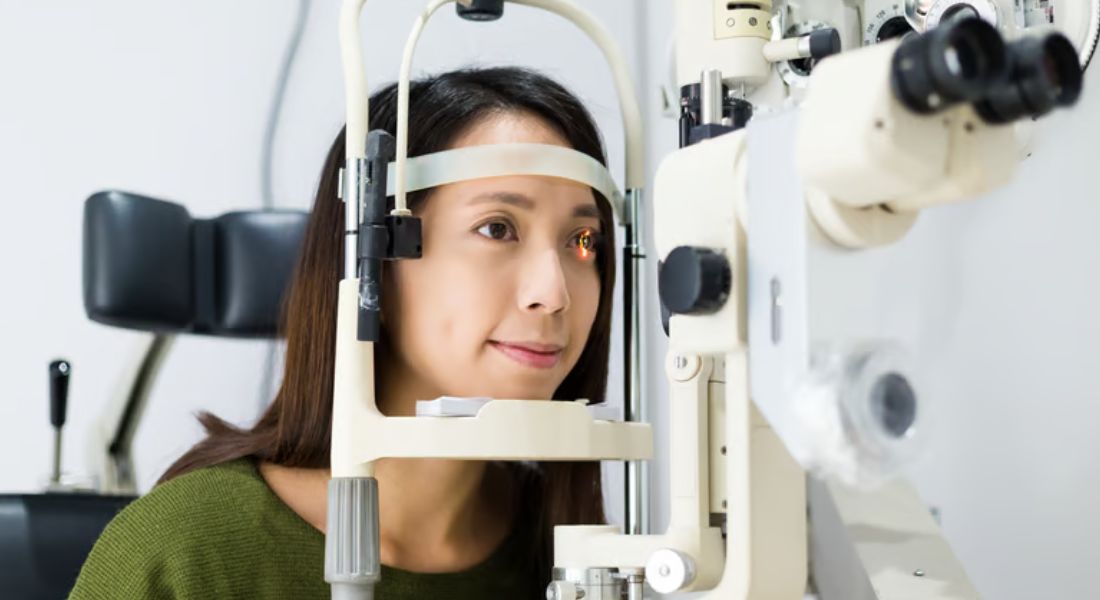
Several UK studies have reported higher rates of keratoconus in Asian patients compared with white patients. Some research has found that Asian patients may develop the condition at a younger age and may require treatment, such as corneal grafting, earlier in life. These findings suggest that keratoconus can sometimes progress more quickly in certain populations.
A younger age of onset is important because it gives the condition more time to progress. If you are a teenager or young adult and experience frequent prescription changes, increasing astigmatism, or unexplained vision problems, it is important not to ignore these symptoms. Early assessment can help identify keratoconus before significant progression occurs.
It is also important to remember that “Asian” is a very broad term. South Asian, East Asian, Southeast Asian, West Asian, and Middle Eastern populations may not share the same level of risk. This is why your individual symptoms, family history, and eye examination results remain more important than ethnicity alone.
Middle Eastern Patients
Keratoconus has been reported at relatively high rates in some Middle Eastern populations. Research suggests that prevalence may be higher in certain regions than in many other parts of the world. This has led researchers to investigate the factors that may contribute to the increased risk.
Several factors may play a role, including genetics, family history, consanguinity, dry climates, sunlight exposure, allergies, and frequent eye rubbing. These influences are unlikely to act alone and may interact with one another to affect the development and progression of keratoconus.
If you are from a Middle Eastern background, being aware of these potential risk factors can be helpful. This is particularly important if you have a family history of keratoconus or a habit of rubbing your eyes. Early assessment can help identify the condition sooner and support appropriate monitoring if needed.
Black Patients
Recent research from the United States suggests that keratoconus may be more common in Black patients than in some other ethnic groups. Some studies have reported higher prevalence rates in Black and Hispanic populations compared with White and Asian populations. These findings have encouraged researchers to look more closely at how ethnicity may influence risk and diagnosis.
Other research has found that keratoconus may be diagnosed more frequently in Black patients, particularly among women. Some studies have also suggested that diagnosis can be delayed in certain cases, which may allow the condition to progress before treatment begins. This highlights the importance of recognising symptoms and seeking assessment when vision changes occur.
For you, the key message is that prevalence statistics do not determine individual risk. Differences in diagnosis may reflect a combination of biological factors, healthcare access, and referral patterns. This is why regular eye examinations and timely corneal assessment remain important, regardless of your ethnic background.
Hispanic Patients
Some studies from the United States have reported higher rates of keratoconus in Hispanic patients compared with certain other groups. This does not mean that every Hispanic patient is at high risk. However, it does highlight the importance of taking symptoms and vision changes seriously.
If you experience frequent prescription changes, high astigmatism, blurred vision that does not fully improve with glasses, or a habit of rubbing your eyes, further assessment may be needed. In some cases, your eye care professional may recommend corneal imaging to look for early signs of keratoconus.
As with all ethnic groups, your individual risk is influenced by more than ethnicity alone. Factors such as your symptoms, family history, eye-rubbing habits, and corneal scan results are much more important when deciding whether keratoconus may be present.
White European Patients
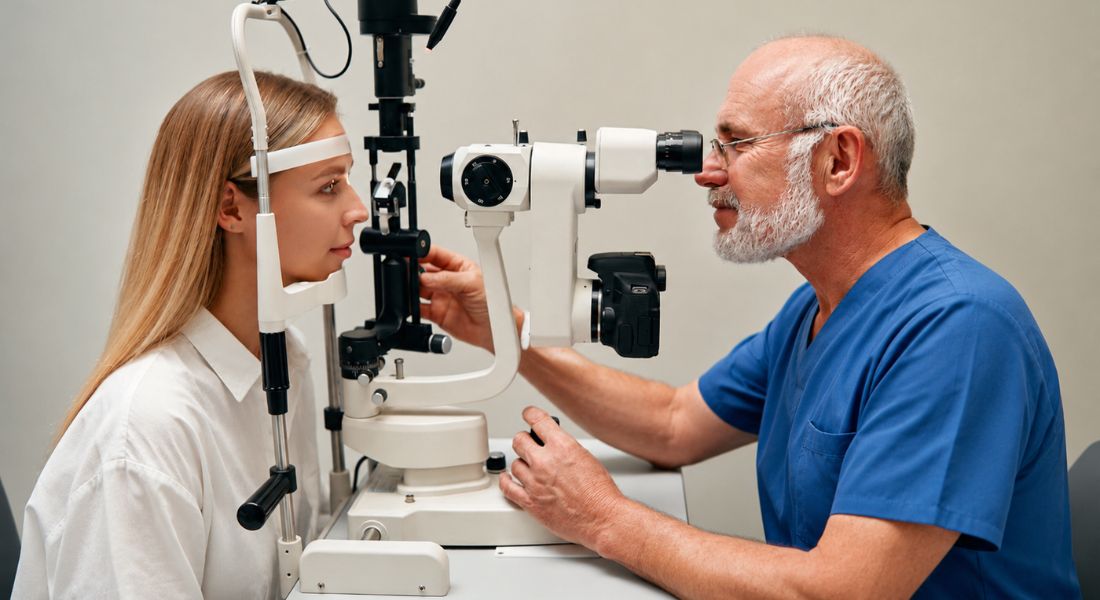
Keratoconus can affect white European patients just as it can affect people from any other ethnic background. Although some studies report lower average rates in certain populations, this does not mean that every individual has a low risk. Your personal risk depends on a range of factors, not ethnicity alone.
For example, you may still be at significant risk if you have a strong family history of keratoconus, frequent eye rubbing, allergies, high astigmatism, or suspicious corneal scan findings. These factors can be much more important than population averages when assessing your individual situation.
The safest approach is to focus on your symptoms and eye examination results. Keratoconus should never be ruled out simply because you belong to a group with a lower reported prevalence. Proper assessment and corneal measurements remain the most reliable way to identify the condition.
Why Study Results Can Seem Confusing
Keratoconus research can sometimes seem confusing because different studies use different methods. Some researchers analyse hospital records, while others use insurance databases, population screening programmes, or advanced corneal imaging. These differences can affect the results and make direct comparisons more difficult.
Hospital-based studies often include patients who already have noticeable symptoms or more advanced disease. In contrast, population studies may identify milder cases that have not yet been diagnosed. Insurance data can also be influenced by who has access to eye care and specialist assessment.
As a result, studies may report different rates of keratoconus or different levels of disease severity. This does not necessarily mean the research is wrong. Instead, it highlights why findings need to be interpreted carefully and considered within the context of how each study was conducted.
Ethnicity Is Not the Same as Genetics
Ethnicity can be linked to ancestry, culture, geography, environmental influences, and healthcare experiences. However, it is not the same as a simple genetic test. While ethnicity may provide useful information in research, it cannot accurately predict your individual risk of keratoconus on its own.
People from the same ethnic background can have very different levels of risk. For example, one person may have a family history of keratoconus and a habit of rubbing their eyes, while another may have none of these risk factors. This is why individual circumstances are always important when assessing risk.
For you, factors such as your symptoms, family history, eye health, and corneal scan results are much more useful than ethnicity alone. Ethnicity may help guide awareness, but it should never replace a proper eye examination. A thorough assessment remains the best way to identify keratoconus and understand your personal risk.
Family History and Inherited Risk
Family history is one of the most important risk factors for keratoconus. If a close relative has been diagnosed with the condition, your own risk may be higher. This is because genetic factors are believed to play a role in the development of keratoconus.
This increased risk applies across all ethnic groups. If someone in your family has keratoconus, it may be sensible for parents, siblings, and children to have their eyes checked, particularly if they are experiencing symptoms or changes in vision.
Being aware of your family history can help you take action sooner. Early eye examinations may allow keratoconus to be detected before significant progression occurs. This can make monitoring and treatment decisions easier if the condition develops.
Eye Rubbing and Allergy
Eye rubbing is one of the most important risk factors for keratoconus that you can control. Repeated rubbing places mechanical stress on the cornea and may contribute to the development or progression of the condition in people who are already vulnerable. Reducing this habit can play an important role in protecting your eye health.
Conditions such as allergies, hay fever, eczema, asthma, dry eye, and itchy eyes can make you more likely to rub your eyes. Research has identified eye rubbing, environmental influences, and genetic factors as contributors to keratoconus development. This suggests that several factors may work together to increase risk.
If your eyes often feel itchy, it is important to address the underlying cause rather than continue rubbing them. Managing allergies or other eye conditions may help reduce irritation and discomfort. Taking this approach can also help limit unnecessary stress on the cornea over time.
Age at Diagnosis
Age at diagnosis is an important factor in keratoconus because the condition often progresses more rapidly in younger patients. When keratoconus develops during the teenage years or early adulthood, there may be many years ahead for further corneal change to occur. This is why early detection and regular monitoring are especially important in younger individuals.
- Younger Patients May Progress Faster: Keratoconus often shows more active progression in teenagers and young adults compared with older patients.
- Earlier Diagnosis Supports Better Monitoring: Detecting the condition early allows specialists to track changes more closely and intervene when necessary.
- Research Shows Differences Between Groups: Some studies have reported that certain ethnic groups, including Asian patients in the UK, may present with keratoconus at a younger age.
- Suspicious Symptoms Should Be Investigated: Frequent prescription changes, increasing astigmatism, blurred vision, or eye rubbing in younger patients may justify corneal imaging.
- Early Scanning Can Make a Difference: Corneal topography and tomography can identify keratoconus before it becomes more advanced, helping to protect long-term vision.
Overall, age at diagnosis can influence both monitoring and treatment decisions. The earlier keratoconus is identified, the greater the opportunity to detect progression promptly and manage the condition before significant vision changes occur.
Severity at Presentation
Some studies suggest that people from certain ethnic groups may present with more advanced keratoconus when they are first diagnosed. Several factors may contribute to this, including later diagnosis, reduced access to specialist care, genetic influences, or differences in referral patterns. These factors can affect how early the condition is identified and managed.
Research has also found differences in disease severity between patient groups. One study on racial variation in keratoconus reported that Black patients had higher odds of visual impairment, higher Kmax values, and lower thinnest pachymetry measurements. These findings suggest that the condition may be more advanced at the time of presentation in some patients.
For you, this highlights the importance of recognising symptoms early and seeking appropriate assessment when needed. Earlier diagnosis can improve monitoring and treatment planning. It also reinforces the need for equal access to specialist eye care for all patients.
Symptoms You Should Not Ignore
You should not ignore frequent changes in your glasses prescription, especially if they happen over a short period. Increasing astigmatism can be one of the early signs of keratoconus. If your vision seems to change despite updated glasses, it is worth having your eyes assessed.
Other symptoms may include blurred vision, ghosting around letters, glare, haloes, light sensitivity, eye strain, and difficulty seeing at night. You may also notice that one eye seems significantly worse than the other. These symptoms can affect everyday activities such as reading, driving, and using digital screens.
While these symptoms do not always mean you have keratoconus, they should not be ignored. A proper corneal assessment can help identify the cause of your vision changes. Early investigation can also lead to earlier treatment if keratoconus is present.
The Importance of Corneal Imaging
Corneal imaging plays a vital role in diagnosing keratoconus and monitoring how the condition changes over time. Tests such as corneal topography and tomography create detailed maps of your cornea, allowing specialists to detect abnormalities that may not be visible during a routine eye examination. This is particularly important when symptoms are mild or the condition is still in its early stages.
- Detects Early Keratoconus: Corneal imaging can identify subtle changes in corneal shape and structure before symptoms become severe.
- Measures Corneal Shape and Thickness: Topography and tomography provide detailed information about corneal steepening, thinning, and irregularity.
- More Sensitive Than a Routine Eye Test: Standard sight tests may not always detect early keratoconus, especially when vision changes are still mild.
- Supports Accurate Diagnosis: Imaging helps confirm whether symptoms or risk factors are related to keratoconus or another eye condition.
- Useful for Ongoing Monitoring: Repeat scans can show whether the condition is stable or progressing, helping guide treatment decisions.
Overall, corneal imaging is one of the most important tools in modern keratoconus care. If you have suspicious symptoms, frequent prescription changes, or known risk factors, these scans can provide a much clearer picture of your corneal health and help ensure early diagnosis when needed.
Does Ethnicity Change Treatment?
Your ethnicity does not automatically determine how keratoconus is treated. Treatment decisions are based on factors such as your corneal scans, age, symptoms, disease progression, corneal thickness, and visual needs. These details provide a much clearer picture of your condition than ethnicity alone.
However, research on ethnicity may influence how closely clinicians monitor certain patients. If you belong to a group that appears to have a higher risk of keratoconus, your doctor may be more likely to recommend earlier scans or specialist assessment. This can help identify the condition before significant progression occurs.
The key message is that ethnicity does not lead to different treatment. Instead, it may support earlier awareness, closer monitoring, and more careful screening when needed. This approach can help ensure that you receive the right care at the right time.
Corneal Cross-Linking
Corneal cross-linking is a treatment that helps strengthen the cornea and slow or stop the progression of keratoconus. Your specialist may recommend it if corneal scans show that the condition is getting worse over time. The aim is to help preserve the shape and stability of your cornea.
It is important to understand that cross-linking does not usually remove all the vision distortion caused by keratoconus. Instead, its main purpose is to reduce the risk of further corneal weakening and progression. Additional treatments or specialist contact lenses may still be needed to improve vision.
Early diagnosis can make a significant difference. Cross-linking is often most effective when it is performed before keratoconus becomes very advanced. This is why regular monitoring and timely assessment are so important if you are at risk of progression.
Glasses and Contact Lens Options
In the early stages of keratoconus, you may still achieve good vision with glasses. As the condition progresses and the cornea becomes more irregular, glasses may no longer provide the same level of clarity. This is often when other vision correction options are considered.
Specialist contact lenses can help improve vision by creating a smoother optical surface over the cornea. Depending on your needs, options may include rigid gas permeable lenses, hybrid lenses, or scleral lenses. These lenses are designed to provide clearer vision when standard glasses are no longer effective.
The best option for you will depend on several factors. Your corneal shape, comfort, visual requirements, and the stage of keratoconus all play an important role in determining the most suitable lens type. A specialist can help identify the option that offers the best balance of vision and comfort.
When to See a Specialist

You should consider seeing a specialist if your optician mentions irregular astigmatism, corneal thinning, corneal steepening, or possible keratoconus. It is also worth seeking further advice if your vision continues to change, even after updating your glasses prescription.
If you are looking for keratoconus treatment in London, choose a clinic that offers detailed corneal imaging and ongoing monitoring. Access to cross-linking advice and specialist contact lens support can also be important, depending on your needs.
Early assessment can make a real difference to your long-term eye health. It may give you access to more treatment options and allow any progression to be detected sooner. This can help protect your vision and support better outcomes over time.
What This Means for Patients
For patients, ethnicity should be viewed as a risk-awareness factor rather than a diagnosis. It may help doctors identify people who could benefit from closer monitoring, but it cannot determine whether you have keratoconus. A proper eye examination is always needed to confirm the condition.
Your symptoms, family history, eye-rubbing habits, allergies, and corneal scan results are much more important when assessing your individual risk. These factors provide a clearer picture of your eye health than ethnicity alone.
If you notice changes in your vision, it is important to have your eyes checked. Early detection allows doctors to monitor keratoconus more effectively and start treatment when needed. This can help reduce the risk of further progression and vision problems.
Future Research on Ethnicity and Keratoconus
Future research is expected to focus on genetics, corneal structure, environmental factors, healthcare access, early screening, artificial intelligence, and predicting disease progression. These areas may help researchers better understand why keratoconus develops differently across populations and how risk varies between individuals.
Larger and more diverse studies are still needed because many older studies grouped broad populations together. More detailed research could help explain why keratoconus appears more common or more severe in some ethnic groups. It may also identify factors that contribute to earlier onset or faster progression.
For you as a patient, this research could lead to earlier diagnosis and more tailored care in the future. Researchers hope to improve treatment planning and risk assessment so that support can be provided at the right time. The overall goal is to make keratoconus care fairer, earlier, and more personalised for everyone.
FAQs:
- Does ethnicity increase the risk of developing keratoconus?
Research suggests that some ethnic groups may have higher rates of keratoconus than others. Studies have reported increased prevalence in certain Asian, South Asian, Middle Eastern, Black, and Hispanic populations. However, ethnicity alone does not cause keratoconus, and individual risk depends on factors such as genetics, family history, eye rubbing, allergies, and environmental influences. - Which ethnic groups have the highest reported rates of keratoconus?
Higher rates of keratoconus have been reported in some South Asian, Middle Eastern, Black, and Hispanic populations. However, prevalence varies between studies and regions, and not every person within these groups has an increased risk. - Can white European patients develop keratoconus?
Yes. Although some studies report lower average prevalence in white European populations compared with certain other groups, keratoconus can affect people of all ethnic backgrounds. Family history, eye rubbing, allergies, and corneal characteristics remain important risk factors regardless of ethnicity. - Is keratoconus genetic or inherited?
Keratoconus has a genetic component, and having a close family member with the condition can increase your risk. However, genetics is only part of the picture. Environmental factors such as eye rubbing and allergies may also contribute to disease development and progression. - Why do some ethnic groups develop keratoconus at a younger age?
Research has shown that certain populations, particularly some South Asian groups, may be diagnosed at a younger age. The exact reasons are not fully understood but may involve a combination of genetic factors, environmental influences, and differences in healthcare access or screening practices. - Does ethnicity affect how severe keratoconus becomes?
Some studies suggest that certain ethnic groups may present with more advanced keratoconus at diagnosis. This could be related to delayed diagnosis, reduced access to specialist care, genetic factors, or differences in disease progression. Early detection remains important for all patients. - Should I be screened for keratoconus if a family member has it?
Yes. If a parent, sibling, or child has keratoconus, you may have a higher risk of developing the condition. Regular eye examinations and corneal imaging can help detect keratoconus at an early stage, particularly if you are experiencing vision changes. - What symptoms of keratoconus should I watch for?
Common symptoms include blurred or distorted vision, increasing astigmatism, frequent prescription changes, glare, haloes around lights, ghosting of images, and difficulty seeing at night. If these symptoms occur, a comprehensive eye examination is recommended. - Does ethnicity change the treatment for keratoconus?
No. Treatment decisions are based on factors such as corneal thickness, disease progression, visual symptoms, and scan results rather than ethnicity. However, awareness of higher-risk populations may encourage earlier screening and monitoring. - How can keratoconus be diagnosed early?
The most effective way to diagnose keratoconus early is through corneal topography or tomography. These specialised scans can detect subtle changes in corneal shape and thickness before significant vision problems develop, allowing earlier treatment and monitoring when necessary.
Final Thoughts: Taking a Proactive Approach to Eye Health
Although research has shown that keratoconus may be more common in certain ethnic groups, ethnicity alone does not determine whether you will develop the condition. Individual risk is influenced by many factors, including family history, genetics, eye rubbing, allergies, environmental exposures, and the overall health and shape of the cornea. Regardless of your background, symptoms such as worsening astigmatism, frequent prescription changes, blurred vision, glare, haloes, or distorted vision should always be investigated promptly.
The key message is that early diagnosis and monitoring are far more important than ethnicity alone. Modern corneal imaging can detect keratoconus at an early stage, helping to preserve vision and expand treatment options if progression occurs. If you would like to find out whether keratoconus treatment in London is suitable for you, feel free to contact us at Eye Clinic London to arrange a consultation. Early specialist assessment can provide reassurance, identify potential concerns sooner, and help protect your long-term visual health.
References:
- Hashemi, H., Heydarian, S., Hooshmand, E., Saatchi, M., Yekta, A., Aghamirsalim, M., Valadkhan, M., Mortazavi, M., Hashemi, A. and Khabazkhoob, M. (2020) The prevalence and risk factors for keratoconus: A systematic review and meta-analysis, Cornea, 39(2), pp. 263–270. Available at: https://pubmed.ncbi.nlm.nih.gov/31498247/
- Ferreira-Mendes, J., Lopes, B.T., Faria-Correia, F., Salomão, M.Q. and Ambrósio Jr, R. (2022) Keratoconus epidemiology: A review. Available at: https://pmc.ncbi.nlm.nih.gov/articles/PMC9375461/
- Sriranganathan, A., Chan, C.C., Dhillon, J. and Felfeli, T. (2025) Global incidence and prevalence of keratoconus: A systematic review and meta-analysis, Cornea. Available at: https://pubmed.ncbi.nlm.nih.gov/40833011/
- Song, M., Chen, T., Moktar, A., Chan, E., Chong, E.W., Daniell, M. and Sahebjada, S. (2022) Diagnosis and Management of Keratoconus A Narrative Review of Clinicians Perspectives, Children, 9(12), 1973. Available at: https://www.mdpi.com/2227-9067/9/12/1973.
- Gordon-Shaag, A., Millodot, M. and Shneor, E. (2022) Keratoconus: An updated review, Contact Lens and Anterior Eye, 45(3), 101559. Available at: https://www.sciencedirect.com/science/article/pii/S1367048421002058