


How Are Surgeons Improving RLE Lens Selection? Insights from Recent Conferences

Choosing the right intraocular lens is one of the most important parts of RLE surgery. You would have heard experts at recent ophthalmology conferences explaining that while surgical technique remains crucial, lens selection often has the greatest influence on your visual experience after treatment. As lens technology continues to advance, surgeons now have access to a wider range of options than ever before.
Leading ophthalmology conferences regularly dedicate sessions to lens selection because of its direct impact on patient satisfaction. You may find it interesting that researchers, refractive surgeons, and lens manufacturers frequently present new clinical data, research findings, and technological innovations aimed at helping surgeons make more informed decisions for patients like you.
A major theme at recent meetings has been the growing importance of personalised treatment planning. Rather than recommending the same lens type for every patient, surgeons increasingly consider factors such as your lifestyle, occupation, visual priorities, and the unique characteristics of your eyes. This approach helps ensure that lens selection is tailored to your individual needs rather than following a standard formula.
As new technologies emerge and clinical evidence continues to grow, lens selection is becoming increasingly sophisticated and precise. You are likely to benefit from these ongoing developments, as they support more customised treatment planning, better visual outcomes, and higher levels of long-term satisfaction following RLE surgery.
Why Lens Selection Matters So Much in RLE Surgery
The intraocular lens implanted during RLE permanently replaces your eye’s natural lens. Because of this, choosing the right lens is one of the most important decisions made during your treatment journey.
Different lenses are designed to provide different visual benefits. You may find it useful to know that some lenses are primarily focused on improving distance vision, while others are designed to support a broader range of vision, including near and intermediate tasks such as reading or using digital devices.
Conference speakers consistently emphasise that successful outcomes depend on matching the lens to the individual patient. You would have heard experts explain that factors such as your lifestyle, visual priorities, daily activities, and eye health all play an important role in determining which lens is most suitable for you.
This personalised approach helps maximise satisfaction after surgery. You are more likely to achieve the visual outcome you want when lens selection is tailored specifically to your needs rather than based on a one-size-fits-all solution.
The Shift Towards Personalised Vision Correction
Personalisation has become one of the biggest themes at recent ophthalmology meetings. You would have heard experts explaining that visual needs can vary greatly from one person to another, which is why a tailored approach to lens selection is becoming increasingly important.
Your lifestyle plays a major role in determining which lens may be most suitable for you. For example, if you spend long hours working on a computer, your visual priorities may be very different from someone who regularly drives at night or spends a lot of time reading. These day-to-day activities are now considered an essential part of the decision-making process.
Conference experts frequently discuss how personalised planning can improve patient satisfaction. You are more likely to achieve a visual outcome that matches your expectations when lens selection is based on your individual needs, habits, and goals rather than a standard recommendation. This shift towards customised vision correction is helping make RLE surgery more precise and patient-focused than ever before.
Better Understanding of Patient Expectations
Modern consultations place greater emphasis on understanding your personal goals and visual priorities. You would have heard experts at conferences highlighting the importance of detailed preoperative discussions, as these conversations help ensure that lens selection is aligned with what matters most to you.
Your expectations can vary significantly depending on your lifestyle and preferences. You may prioritise reading without glasses, achieving excellent distance vision, or maintaining a balanced range of vision for different daily activities. Understanding these goals is a crucial part of the planning process.
Conference presentations frequently emphasise that successful outcomes are not only measured by clinical results but also by how well the final outcome matches your expectations. You are more likely to be satisfied with your RLE results when your surgeon has a clear understanding of your visual needs and uses that information to guide lens selection.
This patient-centred approach is becoming increasingly important in modern refractive surgery. By taking the time to understand your expectations, surgeons can make more informed recommendations and help you achieve a visual outcome that fits your lifestyle and long-term goals.
Improvements in Lens Design
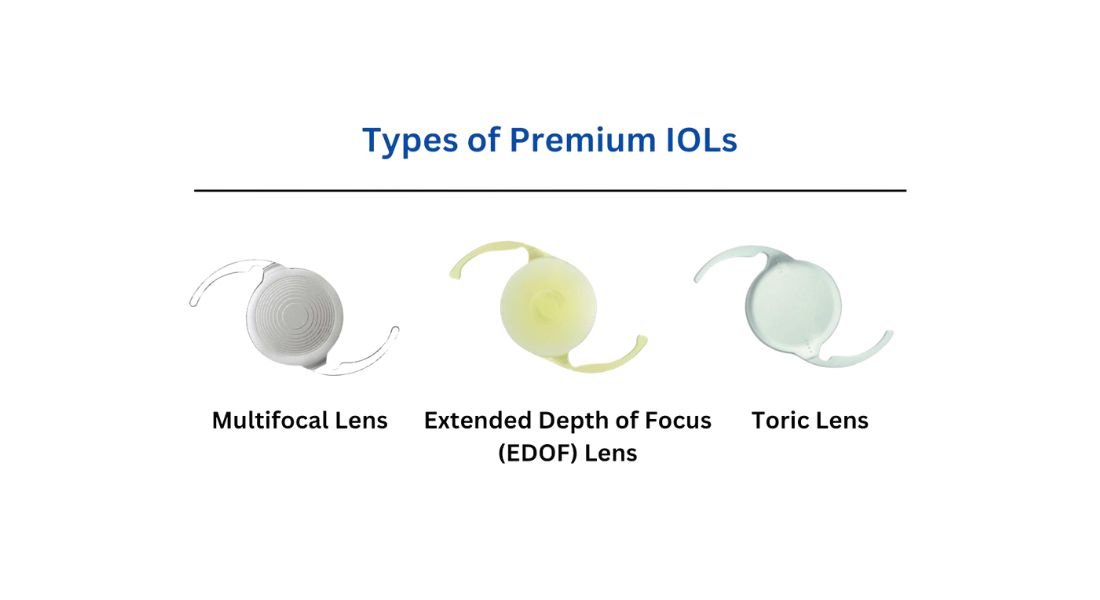
Lens manufacturers continue to develop new optical designs, and ophthalmology conferences provide an important platform for showcasing these innovations. You would have heard experts discussing how even small changes in lens design can influence the quality of vision you experience after RLE surgery. These developments are helping to make lens selection more precise and patient-focused.
Researchers frequently present data on ways to enhance visual performance while reducing unwanted visual symptoms. You may find it interesting that improvements in lens optics are often aimed at providing clearer vision across different distances while maintaining comfort in everyday situations. Conference discussions regularly explore how these refinements affect real-world patient experiences.
As lens technology continues to evolve, surgeons have access to an increasingly wide range of options. You are more likely to benefit from a lens that closely matches your lifestyle and visual goals, as modern designs offer greater flexibility than ever before. These ongoing innovations continue to expand the possibilities available in RLE surgery and support more personalised treatment planning.
Advances in Multifocal Lens Technology
At international ophthalmology conferences, you will often hear that multifocal lens technology remains one of the most exciting areas of development in refractive lens exchange (RLE). These lenses are designed to help you see clearly at more than one distance, reducing your dependence on glasses for everyday activities.
- Helping you see at multiple distances: You will hear experts explain that multifocal lenses are designed to provide vision for near, intermediate, and distance tasks. This can make activities such as reading, using a computer, and driving more convenient.
- Lens designs continue to improve: Researchers are constantly refining lens technology to improve visual quality. Newer designs aim to provide clearer vision across different distances while creating a more natural visual experience for you.
- Reducing visual disturbances remains a priority: Conference presentations frequently focus on minimising side effects such as glare, halos, and reduced contrast sensitivity. Advances in optical design are helping improve comfort and satisfaction after surgery.
- Improving adaptation to multifocal lenses: You will often hear discussions about how patients adapt to multifocal vision. Researchers are exploring ways to make this adjustment process smoother, helping you become comfortable with your new vision more quickly.
- More personalised treatment options: Modern multifocal lenses give surgeons greater flexibility when selecting the most suitable option for you. Your lifestyle, visual needs, and expectations can all be considered when choosing a lens.
Overall, conference discussions highlight how advances in multifocal lens technology are helping to improve both visual outcomes and patient experience. As these lenses continue to evolve, you can expect more personalised solutions that provide clearer vision at multiple distances while reducing unwanted visual effects.
Growing Interest in Trifocal Lenses
Trifocal lenses have attracted significant attention at recent ophthalmology conferences. You would have heard experts discussing how these advanced intraocular lenses are designed to provide clear vision at three important distances: far, intermediate, and near. This makes them an appealing option if you would like greater visual freedom in your day-to-day life.
One of the main reasons for the growing interest in trifocal technology is its potential to reduce your reliance on glasses. You may find it useful to know that these lenses are designed to support a variety of everyday activities, including driving, using a computer, reading, and other close-up tasks. Conference presentations often explore how well trifocal lenses perform in real-world situations and how satisfied patients are with their results.
Researchers continue to study long-term visual outcomes and patient experiences with trifocal lenses. You would have heard discussions about the importance of identifying which patients are most likely to benefit from this technology, as everyone has different visual needs and lifestyle priorities. Many surgeons now consider trifocal lenses an important option for suitable candidates, particularly when lens selection is tailored carefully to your individual goals and expectations.
Extended Depth of Focus Lenses Continue to Evolve
Extended Depth of Focus (EDOF) lenses are frequently discussed at refractive surgery conferences. You would have heard experts explaining that these lenses are designed to create a broader range of functional vision, helping you see clearly across multiple distances without relying as heavily on glasses.
Conference presentations often compare EDOF lenses with multifocal and trifocal alternatives. You may find it useful to know that each lens type offers different benefits, and the most suitable option depends on your lifestyle, visual priorities, and expectations after surgery. Discussions frequently focus on how these lenses perform in everyday activities such as driving, computer work, and reading.
As more clinical evidence becomes available, surgeons are gaining a better understanding of which patients are most likely to benefit from EDOF technology. You are more likely to achieve a satisfactory visual outcome when lens selection is guided by both the latest research and a detailed assessment of your individual needs. This growing body of evidence is helping surgeons make increasingly informed and personalised recommendations.
The Role of Advanced Biometry
Biometry is one of the most important components of lens selection in RLE surgery. You would have heard experts at conferences emphasising that accurate measurements of your eye are essential for calculating the most appropriate intraocular lens power. Even small measurement errors can affect the final visual outcome, which is why precision is such a major focus.
Recent ophthalmology meetings have highlighted significant advances in biometric technology. You may find it useful to know that modern devices can measure various aspects of your eye with greater accuracy than ever before, including corneal curvature, axial length, and anterior chamber depth. These detailed measurements help surgeons make more informed decisions when selecting the most suitable lens for you.
Improved measurement accuracy contributes to more predictable visual outcomes and higher patient satisfaction. You are more likely to achieve the vision you expect when lens calculations are based on precise diagnostic data. As biometric technology continues to evolve, it is playing an increasingly important role in supporting personalised treatment planning and optimising RLE results.
Artificial Intelligence and Lens Selection
At international ophthalmology conferences, you will often hear that artificial intelligence (AI) is becoming an increasingly important part of refractive lens exchange (RLE) planning. While the technology is still developing, experts are exploring how AI can help support more accurate and personalised lens recommendations for you.
- AI is designed to support surgeons, not replace them: You will hear specialists explain that AI is intended to work alongside clinical expertise. It can provide additional information and insights, helping your surgeon make more informed decisions during the planning process.
- Large amounts of data can be analysed quickly: AI systems are capable of reviewing thousands of patient records, biometric measurements, and surgical outcomes. This allows them to identify trends and patterns that may be difficult to detect through manual analysis alone.
- More personalised lens recommendations: By analysing multiple factors at the same time, AI may help identify which lens option is most suitable for your eyes, lifestyle, and visual goals. This supports a more tailored approach to treatment planning.
- Improving accuracy and predictability: Conference presentations often focus on how AI could improve the precision of lens selection. More accurate planning may help reduce variability and increase the likelihood of achieving the visual outcome you are hoping for.
- An important area of future development: Although AI is still evolving, you will often hear experts describe it as a technology with significant potential. Ongoing research is exploring how it can be integrated safely and effectively into everyday ophthalmic practice.
Overall, conference discussions suggest that AI could play an increasingly valuable role in lens selection and surgical planning. By combining advanced data analysis with the experience of your surgeon, future treatment decisions may become even more personalised, precise, and aligned with your visual needs.
Reducing Refractive Surprises
One of the main goals of modern lens selection strategies is reducing refractive surprises after RLE surgery. You would have heard experts at conferences explaining that patients naturally expect their visual outcomes to closely match the goals discussed before treatment, making predictability an important measure of success.
Conference presentations frequently focus on ways to improve refractive accuracy through better diagnostics, refined lens calculation formulas, and more advanced planning tools. You may find it useful to know that these technologies help surgeons make more precise decisions when selecting the most appropriate intraocular lens for your eye. Even small improvements in accuracy can have a meaningful impact on your visual experience after surgery.
Improving predictability remains a major area of research in refractive surgery. You are likely to benefit from these ongoing advancements, as they help reduce the risk of unexpected outcomes and increase the likelihood of achieving the vision you were aiming for. As technology and clinical knowledge continue to evolve, surgeons are becoming increasingly effective at delivering consistent and reliable results.
Importance of Ocular Surface Assessment
At international ophthalmology conferences, you will often hear that ocular surface health plays a vital role in successful refractive lens exchange (RLE) outcomes. Experts increasingly recognise that conditions affecting the surface of your eye, particularly dry eye disease, can influence both pre-operative measurements and the quality of your final visual result.
- Ocular surface health affects measurement accuracy: You will hear specialists explain that accurate measurements are essential when planning RLE. If the surface of your eye is unstable due to dryness or irritation, the data used for lens calculations may be less reliable.
- Dry eye is receiving greater attention: Conference presentations frequently highlight dry eye as a common condition that can affect both surgical planning and recovery. Identifying and managing it before surgery can help improve the accuracy of treatment decisions.
- Lens selection depends on reliable data: Surgeons increasingly assess the quality of your tear film and ocular surface before finalising lens choices. Stable measurements help ensure that the selected lens is the most suitable option for your eyes and visual needs.
- Pre-treatment may be recommended: If ocular surface issues are detected, you may be advised to undergo treatment before surgery proceeds. Addressing these concerns first can help create a more stable foundation for accurate calculations and better outcomes.
- Comprehensive assessment is becoming standard practice: You will often hear that evaluating ocular surface health is now considered an essential part of modern refractive surgery planning. This reflects a broader move towards more detailed and personalised patient assessments.
Overall, conference discussions highlight that a healthy ocular surface is an important foundation for successful RLE. By carefully assessing and managing conditions such as dry eye before surgery, your surgeon can make more accurate decisions and help improve the quality and predictability of your visual outcome.
Understanding Visual Quality Beyond Vision Charts
Conference speakers are increasingly discussing visual quality rather than focusing solely on visual acuity. You would have heard experts explain that being able to read letters on an eye chart is only one measure of success, and it does not always reflect how well you see in everyday situations.
Factors such as contrast sensitivity, night vision, glare resistance, and overall visual comfort are becoming increasingly important when evaluating lens performance. You may find it useful to know that these aspects can affect activities such as driving at night, using digital devices, or seeing clearly in low-light environments. As a result, surgeons now look beyond standard vision tests when recommending a lens.
This broader understanding of vision is helping to improve patient outcomes and satisfaction. You are more likely to achieve results that match your lifestyle when lens selection considers not only how clearly you can see on a chart, but also how comfortably and effectively you can use your vision throughout the day. This patient-centred approach continues to shape modern RLE planning and lens selection strategies.
Addressing Night Vision Concerns
Night driving and low-light vision are common topics at ophthalmology conferences. You would have heard experts discussing how different intraocular lens designs can influence your visual experience in challenging lighting conditions, particularly when driving after dark or moving between bright and dim environments.
Researchers continue to investigate ways to minimise visual disturbances such as glare, halos, and starbursts around lights. You may find it useful to know that newer lens designs are being developed with the aim of improving visual comfort while maintaining a broad range of vision. Conference presentations often focus on balancing spectacle independence with high-quality vision in real-world situations.
Understanding these factors plays an important role in lens selection. You are more likely to be satisfied with your outcome when your surgeon considers not only your daytime visual needs but also how often you drive at night or spend time in low-light settings. This personalised approach helps ensure that the chosen lens aligns with your lifestyle and visual expectations.
Managing Astigmatism More Effectively
Astigmatism correction is another major focus of lens selection discussions at ophthalmology conferences. You would have heard experts explaining that if you have significant corneal astigmatism, it can affect the clarity and quality of your vision, making accurate correction an important part of RLE planning.
Toric intraocular lenses provide a dedicated option for correcting astigmatism during surgery. You may find it useful to know that conference presentations often focus on improving the accuracy of toric lens calculations, positioning, and alignment, as even small adjustments can influence your final visual outcome.
Better astigmatism correction can significantly enhance the quality of vision you achieve after treatment. You are more likely to experience sharper and more predictable results when astigmatism is carefully addressed as part of your lens selection strategy. This remains an active area of research, with ongoing refinements helping surgeons deliver increasingly precise and personalised outcomes.
Long-Term Outcome Data Is Influencing Decisions
Long-term studies presented at ophthalmology conferences help surgeons understand how different intraocular lenses perform over many years. You would have heard experts discussing the importance of looking beyond the initial results after surgery and focusing on how well patients continue to see and function in the long term. This provides valuable information about the durability and reliability of different lens technologies.
Researchers regularly analyse factors such as visual stability, complication rates, and overall quality of life following RLE surgery. You may find it useful to know that these studies help determine whether patients remain satisfied with their vision years after treatment. By tracking outcomes over extended periods, clinicians can gain a clearer understanding of which lenses consistently deliver strong results.
This evidence plays an important role in guiding lens selection decisions. You are more likely to benefit from a recommendation that is supported by both current research and proven long-term performance. As a result, long-term outcome data remains a key part of evaluating lenses and helping surgeons choose the most suitable option for your individual needs.
Greater Focus on Lifestyle-Based Recommendations

Lifestyle considerations are playing an increasingly important role in lens selection strategies. You would have heard conference speakers emphasising that successful RLE outcomes are not just about achieving good vision on a chart, but about ensuring your vision supports the way you live and work every day.
Your occupation, hobbies, travel habits, and reading preferences can all influence which lens may be most suitable for you. You may find it useful to know that someone who spends hours working on a computer could have different visual priorities from someone who frequently drives at night, enjoys detailed close-up tasks, or travels regularly. Understanding these day-to-day requirements helps surgeons make more tailored recommendations.
This lifestyle-focused approach is helping create more personalised outcomes and higher levels of patient satisfaction. You are more likely to achieve a visual result that meets your expectations when lens selection is based not only on your eye measurements but also on how you use your vision in everyday life. As a result, lifestyle-based planning continues to gain popularity and is becoming a key part of modern RLE consultations.
Enhanced Patient Education Tools
At international ophthalmology conferences, you will often hear that patient education is becoming an increasingly important part of refractive lens exchange (RLE) care. Experts recognise that when you fully understand your treatment options, you are more likely to feel confident in your decisions and satisfied with your results.
- Informed patients tend to have better experiences: You will hear specialists explain that understanding the benefits, limitations, and potential outcomes of surgery can help you feel more comfortable throughout the treatment journey. Well-informed patients often report higher levels of satisfaction.
- Educational tools are becoming more advanced: Conferences frequently showcase new resources designed to explain lens options in a clearer and more accessible way. These may include visual simulations, digital platforms, and interactive educational materials.
- Helping you understand lens choices: With a growing range of intraocular lenses available, it can sometimes be difficult to understand the differences between them. Modern educational tools aim to make these options easier for you to compare and evaluate.
- Supporting realistic expectations: You will often hear that one of the most important goals of patient education is helping you develop realistic expectations. When you understand what a procedure can and cannot achieve, you are more likely to be satisfied with the outcome.
- Better communication improves decision-making: Enhanced educational resources support more productive discussions between you and your surgeon. This helps ensure that treatment decisions are based on a clear understanding of your visual needs, lifestyle, and goals.
Overall, conference discussions highlight that improved patient education is benefiting both patients and surgeons. By helping you better understand your options and expectations, these tools support more informed decisions, smoother consultations, and greater satisfaction with your results.
Digital Planning Platforms Are Expanding
Digital planning systems are becoming increasingly sophisticated and are now a common topic at ophthalmology conferences. You would have heard experts demonstrating how advanced software can support lens calculations, analyse diagnostic data, and assist surgeons in developing more accurate treatment plans.
These platforms help organise large amounts of clinical information in a clear and efficient way. You may find it useful to know that they can combine measurements from multiple diagnostic devices, allowing surgeons to assess your eyes more comprehensively and make more informed decisions about lens selection. Many systems also support personalised recommendations based on your individual visual needs and ocular characteristics.
Technology is continuing to transform refractive surgery workflows. You are likely to benefit from these developments because they help improve planning accuracy, reduce the risk of errors, and support a more customised approach to treatment. As digital tools continue to evolve, they are playing an increasingly important role in making RLE surgery more precise, efficient, and patient-centred.
Research into Future Lens Technologies
Many conference sessions focus on the development of next-generation intraocular lenses. You would have heard researchers discussing innovative optical designs, advanced materials, and emerging technologies that could shape the future of RLE surgery. These presentations give surgeons an early look at developments that may eventually become part of routine clinical practice.
The aim of these new technologies is to improve the quality of vision you experience after surgery while expanding the range of available treatment options. You may find it interesting that researchers are exploring ways to provide clearer vision across multiple distances, improve visual comfort, and reduce unwanted visual effects such as glare and halos. Even small improvements in lens design can make a meaningful difference to everyday visual performance.
Future innovations could make RLE surgery even more precise and personalised. You are likely to benefit from these ongoing advances as new lens technologies continue to evolve and become supported by clinical evidence. As research progresses, surgeons will have more options available to help match lens selection to your individual visual needs, lifestyle, and long-term expectations.
The Future of Lens Selection in RLE Surgery
Conference discussions suggest that lens selection will become increasingly personalised, data-driven, and technology-assisted in the years ahead. You would have heard experts explaining that surgeons now have access to more information than ever before, allowing them to make more precise decisions when planning your treatment. This shift is helping move RLE surgery away from a one-size-fits-all approach and towards truly individualised care.
Advances in diagnostic technology are playing a major role in this evolution. You may find it useful to know that modern imaging systems, biometric devices, and digital planning platforms can provide highly detailed information about your eyes and visual needs. Combined with growing research into artificial intelligence, these tools are helping surgeons predict outcomes more accurately and select the most suitable lens for each patient.
These developments are helping to improve visual outcomes and increase patient satisfaction. You are likely to benefit from more tailored recommendations, greater predictability, and a treatment plan that reflects your lifestyle and personal goals. As lens technology, diagnostics, and data analysis continue to advance, the future of RLE surgery is expected to become even more precise, customised, and patient-focused.
FAQs:
- Why is lens selection so important in RLE surgery?
Lens selection is one of the most important parts of Refractive Lens Exchange because the implanted lens permanently replaces your natural lens. The type of lens chosen can significantly affect your vision at different distances and your overall satisfaction with the procedure. Recent conferences consistently highlight lens selection as a key factor in successful outcomes. - What types of intraocular lenses are available for RLE?
Several lens options are available, including monofocal, multifocal, trifocal, Extended Depth of Focus (EDOF), and toric lenses. Each lens is designed to address different visual needs. The most suitable option depends on your prescription, lifestyle, and expectations. - How do surgeons decide which lens is right for you?
Surgeons assess multiple factors, including your eye measurements, visual goals, occupation, hobbies, and overall eye health. Detailed consultations help identify what matters most to you. This personalised approach helps ensure the lens selected matches your daily visual requirements. - What are trifocal lenses and why are they discussed so often at conferences?
Trifocal lenses are designed to provide vision at near, intermediate, and distance ranges. They have become increasingly popular because they can reduce dependence on glasses for many activities. Conference presentations frequently evaluate their long-term performance and patient satisfaction. - How do EDOF lenses differ from multifocal lenses?
Extended Depth of Focus (EDOF) lenses create a continuous range of vision rather than multiple distinct focal points. They may reduce some visual disturbances associated with multifocal lenses while still providing a broad range of functional vision. The best choice depends on individual visual priorities. - What role does artificial intelligence play in lens selection?
AI is being explored as a tool to assist with treatment planning by analysing large amounts of patient data. It may help identify patterns and support more accurate lens recommendations. While AI is not replacing clinical judgement, it could become an increasingly valuable planning tool in the future. - Can lens selection help reduce glare and halos?
Yes, modern lens design aims to improve visual quality while minimising unwanted side effects such as glare and halos. Conference research frequently focuses on enhancing optical performance. Careful patient selection and lens matching are also important in reducing these symptoms. - Why are eye measurements so important before RLE surgery?
Accurate measurements, known as biometry, are essential for calculating the correct lens power. Even small inaccuracies can affect visual outcomes. Advances in diagnostic technology presented at conferences are helping improve measurement precision and predictability. - Can astigmatism be corrected during RLE surgery?
Yes, toric intraocular lenses are specifically designed to correct astigmatism. Recent conference discussions have highlighted improvements in toric lens planning and positioning. Correcting astigmatism can significantly enhance overall visual quality after surgery. - What does the future hold for RLE lens selection?
Experts believe lens selection will become increasingly personalised and technology-driven. Advances in AI, diagnostics, digital planning platforms, and lens design are expected to improve accuracy and patient satisfaction. Future innovations may allow even more customised vision correction solutions.
Final Thoughts: The Future of Personalised Lens Selection in RLE Surgery
Artificial intelligence is changing many areas of healthcare, and RLE surgery is no exception. As researchers and ophthalmologists continue to explore its potential, AI is helping make treatment planning more precise and personalised. By analysing complex eye measurements and clinical data, these technologies can support more informed decision-making. For you as a patient, this could lead to a treatment plan that is tailored more closely to your individual vision needs and lifestyle.
Another important advantage of AI is its potential to improve consistency and predictability. RLE surgery already depends on highly accurate measurements, and AI may help refine these calculations even further. By identifying patterns within large datasets, AI can provide valuable insights that support lens selection and outcome prediction. This may help improve refractive accuracy and enhance overall patient satisfaction. If you’d like to find out whether RLE surgery in London is suitable for you, feel free to contact us at Eye Clinic London to arrange a consultation.
References:
- Horgan, N., Condon, P.I. and Beatty, S. (2005) ‘Refractive lens exchange in high myopia: long-term follow-up’, British Journal of Ophthalmology, 89(6), pp. 670-672. https://pmc.ncbi.nlm.nih.gov/articles/PMC1772665/
- Balparda, K., Vanegas-Ramírez, C.M., Segura-Muñoz, L. and Gómez-Londoño, M. (2019) ‘Contralateral posterior chamber phakic intraocular lens implantation as rehabilitation of refractive lens exchange with a monofocal intraocular lens in a young, non-presbyopic, bilateral highly myopic patient’, Case Reports in Ophthalmology, 10(3), pp. 585-592. https://pmc.ncbi.nlm.nih.gov/articles/PMC6815972/
- Nanavaty, M.A. and Daya, S.M. (2012) ‘Refractive lens exchange versus phakic intraocular lenses’, Current Opinion in Ophthalmology, 23(1), pp. 54-61. https://pubmed.ncbi.nlm.nih.gov/22081028/
- Hannan, S.J., Schallhorn, S.C., Venter, J.A., Teenan, D. and Schallhorn, J.M. (2023) ‘Immediate sequential bilateral surgery in refractive lens exchange patients: clinical outcomes and adverse events’, Ophthalmology, 130(9), pp. 924-936. https://pubmed.ncbi.nlm.nih.gov/37086858/
- Matsuura, M., Sato, T., Suzuki, Y., Kato, M. and Yamamoto, H. (2023) ‘Clinical outcomes of minimally invasive ophthalmic procedure techniques in anterior segment surgery’, Journal of Cataract and Refractive Surgery, 49(8), pp. 1023-1031. https://www.sciencedirect.com/science/article/abs/pii/S2173579423001081