


Dry Eye Disease in Asian Eyes: Are There Differences in Risk and Symptoms?
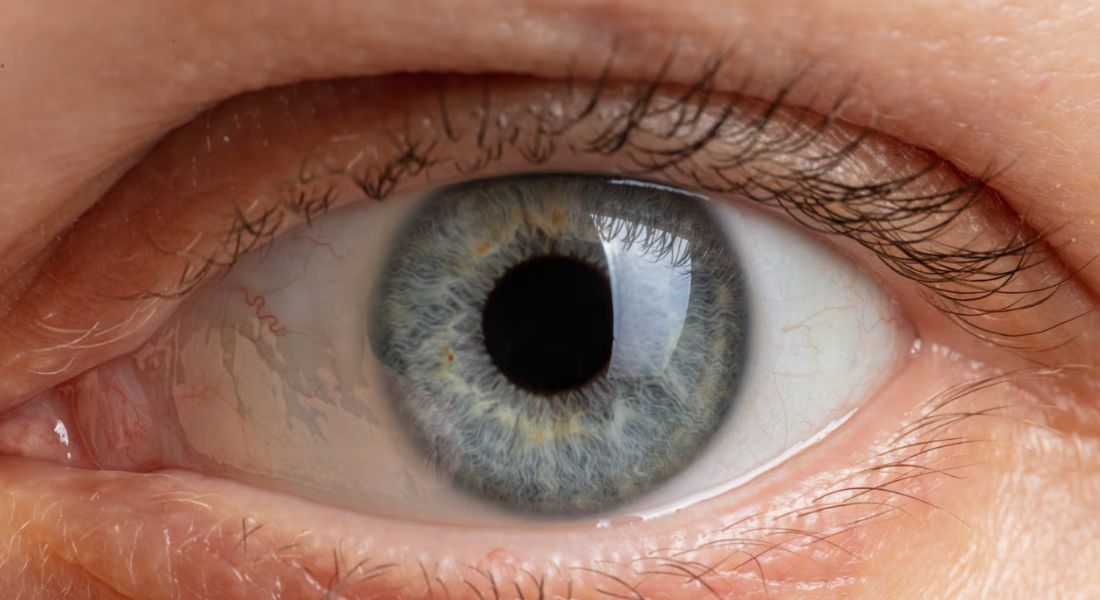
Dry eye disease is one of the most common eye conditions worldwide, affecting millions of people across different age groups and ethnic backgrounds. However, research suggests that if you are of Asian ethnicity, you may experience dry eye disease differently from people in other populations. These differences have become an increasingly important topic in ophthalmology research and clinical practice.
Experts believe that a combination of anatomical, environmental, genetic, and lifestyle factors may influence how dry eye disease develops and progresses in your eyes. As research continues to grow, specialists are gaining a better understanding of these unique characteristics and how they may affect diagnosis and treatment. This is helping clinicians provide more personalised care for patients with dry eye symptoms.
You will often find that international ophthalmology conferences discuss ethnic and regional differences in eye disease because personalised treatment is becoming increasingly important. By understanding how dry eye affects different populations, specialists can develop more targeted treatment strategies and improve patient outcomes. These discussions continue to shape how dry eye disease is managed around the world.
If you experience symptoms such as irritation, burning, fluctuating vision, or excessive watering, it can be helpful to understand that dry eye disease does not affect everyone in the same way. The factors contributing to your symptoms may differ from those affecting another person. Understanding these variations can help you appreciate why diagnosis and treatment are often tailored to the individual rather than following a single approach for everyone.
Understanding Dry Eye Disease
Dry eye disease develops when your eyes do not produce enough tears or when your tears evaporate too quickly. This disrupts the tear film that normally protects, lubricates, and nourishes the surface of your eyes. When this protective layer becomes unstable, your eyes can become irritated and uncomfortable.
You may experience symptoms such as dryness, burning, grittiness, blurred vision, or excessive watering. The severity and combination of symptoms can vary considerably from one person to another. This is one reason why dry eye disease can sometimes be challenging to diagnose and manage.
Today, specialists recognise that dry eye disease is far more complex than simply having a lack of tears. It is now considered a multifactorial condition that can involve tear production, tear quality, inflammation, and changes to the eye surface. Understanding this complexity helps clinicians develop more personalised treatment plans for you.
Why Ethnicity Matters in Eye Health
Your ethnicity can influence various aspects of your eye anatomy and how your eyes function. Researchers have found that certain eye conditions occur more frequently in some populations than in others. These differences can affect how eye diseases develop, progress, and present with symptoms.
You may not realise that factors such as genetics, eyelid structure, tear film characteristics, and environmental influences can all vary between ethnic groups. These variations may influence disease prevalence, symptom severity, and even how well certain treatments work. Understanding these differences helps clinicians take a more individualised approach to your care.
Dry eye disease is one area where ethnicity appears to play an important role. Research suggests that some populations may have a higher risk of developing dry eye symptoms or experiencing more severe disease. By recognising these patterns, eye specialists can make more informed decisions when diagnosing and managing your condition.
Higher Rates of Dry Eye in Asian Populations
Dry eye disease is an increasingly important topic in eye health research, particularly across Asia. Several studies have suggested that you may be more likely to experience dry eye disease if you are part of an Asian population compared with some Western populations. Researchers are still working to understand exactly why this occurs, and current evidence points to a combination of factors rather than a single explanation. As a result, dry eye disease continues to receive significant attention from ophthalmologists and researchers throughout the region.
- Studies suggest dry eye may be more common: Research has found that dry eye disease appears to occur at higher rates in some Asian populations. This has encouraged further investigation into the factors that may increase the risk.
- There is unlikely to be one single cause: Experts believe that several factors may contribute to this trend. Genetics, environmental conditions, lifestyle habits, and differences in eye anatomy are all being explored as possible influences.
- Research is improving understanding of the condition: Ongoing studies are helping specialists learn more about how dry eye develops and affects different groups of people. This knowledge may support better diagnosis and treatment in the future.
- A major focus of ophthalmology research across Asia: You’ll often find dry eye disease featured in research presentations and discussions at ophthalmology conferences throughout Asia. The condition remains a priority because of its impact on comfort, vision, and quality of life.
Overall, dry eye disease continues to be an important area of research, particularly within Asian populations. As scientists gain a better understanding of the factors involved, you may benefit from more targeted approaches to diagnosis and management. This ongoing work could help improve outcomes for people affected by dry eye in the years ahead.
Anatomical Differences in Eyelid Structure
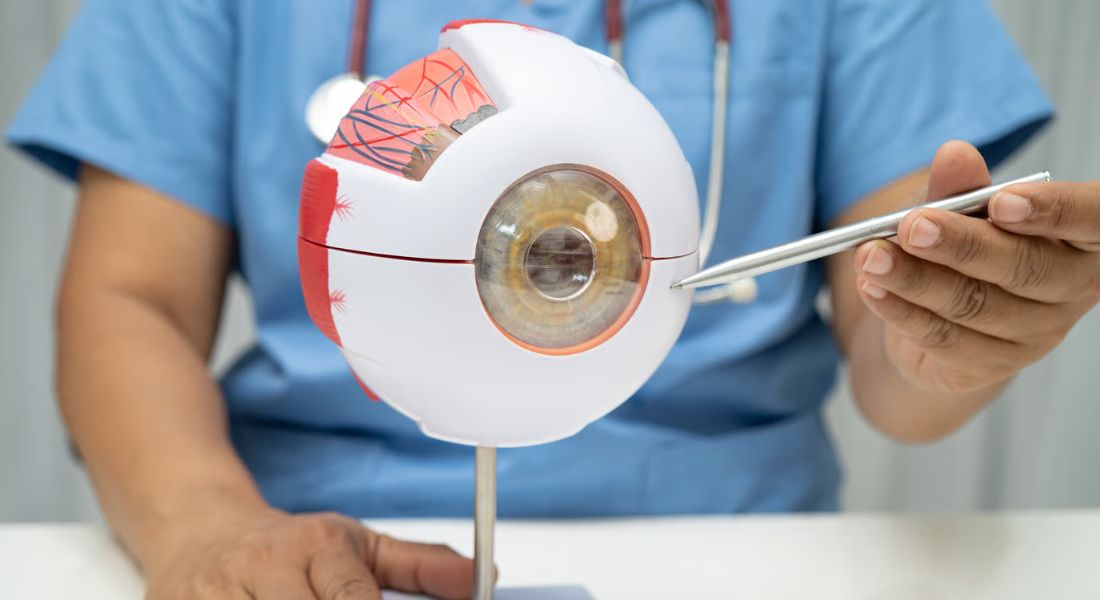
One area that researchers are particularly interested in is the difference in eyelid structure between various ethnic groups. If you are of Asian ethnicity, certain aspects of your eyelid anatomy may differ from those seen in other populations. These differences are completely normal, but they may influence how your eyes function and maintain a healthy tear film.
Your eyelids play an important role in spreading tears evenly across the surface of your eyes every time you blink. Small variations in eyelid shape or position may affect tear distribution and tear film stability. This can influence how well your tears stay on the eye surface and keep your eyes comfortable throughout the day.
Because tear film stability is closely linked to dry eye disease, these anatomical differences may contribute to variations in symptoms and risk. Researchers continue to study how eyelid structure affects the development of dry eye in different populations. This growing understanding may help clinicians provide more personalised care for you.
Meibomian Gland Dysfunction and Asian Eyes
Your meibomian glands are responsible for producing the oils that help prevent your tears from evaporating too quickly. These glands form an important part of the tear film and help keep the surface of your eyes comfortable and well lubricated. When the glands do not function properly, the stability of your tear film can be affected.
Meibomian gland dysfunction is recognised as one of the leading causes of dry eye disease. Research suggests that this condition may be particularly common in Asian populations, which may increase the risk of evaporative dry eye. As a result, you may experience symptoms such as dryness, irritation, burning, or fluctuating vision even when your eyes are producing enough tears.
Because gland function plays such an important role in eye comfort, many specialists now routinely assess meibomian gland health during dry eye evaluations. This helps identify underlying causes of your symptoms rather than focusing only on tear production. A more detailed assessment can help your clinician develop a treatment plan that is better suited to your individual needs.
Tear Film Stability Differences
Your tear film is made up of several layers that work together to protect, lubricate, and nourish the surface of your eyes. When these layers function properly, they help keep your vision clear and your eyes comfortable throughout the day. If the tear film becomes unstable, your eyes may become dry, irritated, or sensitive.
Tear film instability is considered one of the main causes of dry eye symptoms. Some studies suggest that certain tear film characteristics may differ between ethnic groups, including Asian populations. Researchers are continuing to investigate these differences to better understand how they may influence dry eye risk and symptom development.
Understanding how your tear film behaves can help clinicians make a more accurate diagnosis. It also allows them to identify the underlying causes of your symptoms rather than focusing on the symptoms alone. This information can play an important role in creating a treatment plan that is tailored to your individual needs.
Environmental Influences Across Asia
Your environment can have a significant impact on the health of your eyes and the stability of your tear film. Factors such as climate, pollution, humidity, and air quality can all influence how comfortable your eyes feel on a daily basis. In some cases, these environmental conditions may contribute to the development or worsening of dry eye symptoms.
Many urban areas across Asia experience high levels of pollution and other environmental stressors. If you are regularly exposed to these conditions, your tear film may become less stable, increasing the likelihood of irritation, dryness, and discomfort. These effects can be particularly noticeable if you are already prone to dry eye disease.
Researchers continue to study how environmental exposure affects eye health in different populations. Understanding these influences helps specialists identify risk factors that may contribute to your symptoms. This ongoing research may also help guide future prevention and treatment strategies for dry eye disease.
The Impact of Digital Screen Use
Digital devices have become a major part of everyday life, whether you are working, studying, or simply staying connected. While technology offers many benefits, spending long periods looking at screens can affect your eye comfort. Researchers have found that extended screen use may contribute to dry eye symptoms by reducing how often you blink. As digital technology becomes increasingly integrated into daily life, its impact on eye health continues to attract significant attention.
- Screen use can reduce your blink rate: When you focus on a computer, tablet, or smartphone, you tend to blink less often than normal. This can make it harder for your tears to spread evenly across the surface of your eyes.
- Tears may evaporate more quickly: A reduced blink rate can increase tear evaporation, leaving your eyes feeling dry or irritated. Over time, this may contribute to the development or worsening of dry eye symptoms.
- Digital technology is widely used across Asia: Many Asian countries have high levels of screen use in both education and employment. Researchers are therefore paying close attention to how this trend may influence the prevalence of dry eye disease.
- Eye strain and dry eye symptoms often overlap: If you spend long hours in front of a screen, you may experience symptoms such as discomfort, blurred vision, tired eyes, or dryness. These symptoms often occur together, making screen-related eye strain an important area of study.
Overall, the relationship between screen use and dry eye disease is becoming increasingly important as digital technology continues to shape modern life. If you spend a significant amount of time using screens, understanding this connection can help you take steps to support your eye comfort. Ongoing research is helping specialists better understand how digital habits affect eye health and what can be done to reduce their impact.
Urban Living and Dry Eye Disease
The way you live and work can have a significant impact on your eye health. As cities continue to grow, many people spend more time indoors in environments with air conditioning, artificial lighting, and limited natural humidity. These conditions can affect the stability of your tear film and contribute to eye discomfort.
You may also spend long periods looking at computers, smartphones, or other digital devices during the day. Screen use often reduces your blink rate, which can increase tear evaporation and make dry eye symptoms more noticeable. This is one reason why dry eye disease is becoming increasingly common in modern urban lifestyles.
Researchers continue to study the relationship between urban living and ocular surface disease. You will often hear this topic discussed at international ophthalmology meetings as specialists explore how environmental and lifestyle factors affect eye health. Understanding these influences may help improve future approaches to prevention and treatment.
Hormonal Influences on Dry Eye
Hormones play an important role in maintaining healthy tear production and supporting the surface of your eyes. Changes in hormone levels can affect the quantity and quality of your tears, which may increase the likelihood of developing dry eye symptoms. This is one reason why dry eye disease is often more common in women, particularly after menopause.
Researchers continue to investigate how hormonal factors interact with ethnicity, genetics, and environmental influences. These relationships can be complex, as multiple factors may contribute to the development and severity of dry eye disease. Understanding these interactions helps specialists gain a clearer picture of why symptoms can vary so much between individuals.
Hormonal health remains an important consideration when assessing dry eye disease. Your clinician may take factors such as age, hormonal changes, and medical history into account when evaluating your symptoms. This helps ensure that your diagnosis and treatment plan are tailored to your individual circumstances.
Differences in Symptom Reporting

One of the challenges with dry eye disease is that your symptoms do not always match what your clinician sees during an examination. You may experience significant discomfort, irritation, or blurred vision even when there are relatively few visible signs of disease. This can sometimes make diagnosis more complicated than expected.
On the other hand, some people have noticeable changes to the ocular surface but report very few symptoms. This means that the severity of dry eye cannot always be judged by symptoms alone. For this reason, specialists often combine symptom questionnaires with clinical tests to gain a more complete picture of your condition.
Researchers are also exploring whether cultural and ethnic factors may influence how people perceive and report their symptoms. Understanding these differences may help improve the accuracy of dry eye assessments in diverse populations. This highlights the complex nature of dry eye disease and the importance of an individualised approach to diagnosis.
Challenges in Diagnosis
Diagnosing dry eye disease is not always straightforward because your symptoms do not necessarily match what can be seen during an eye examination. You may experience significant discomfort even when clinical signs appear mild, or vice versa. This makes diagnosis more complex than many other eye conditions. As a result, specialists often use several assessment methods to build a more complete understanding of your eye health.
- Symptoms and test results do not always match: You may report symptoms such as dryness, irritation, or blurred vision, yet show only limited signs during an examination. Conversely, some people have noticeable clinical findings but experience few symptoms.
- Multiple diagnostic tools are often needed: Rather than relying on a single test, your specialist may use a combination of assessments. These can include symptom questionnaires, tear film evaluations, and examinations of the eye’s surface.
- A more complete picture of your eye health: Using several diagnostic methods helps your practitioner understand both how your eyes function and how your symptoms affect you. This supports a more accurate diagnosis and treatment plan.
- Research is improving diagnostic accuracy: Researchers continue to explore new ways of identifying dry eye disease more effectively. The goal is to improve consistency and accuracy across different patient groups and populations.
Overall, diagnosing dry eye disease requires a careful and comprehensive approach. Because the condition can present differently from one person to another, your specialist may need to consider several factors before reaching a diagnosis. Ongoing research is helping to refine diagnostic methods and improve the way dry eye disease is identified. As these advances continue, you can expect more accurate assessments and increasingly personalised treatment recommendations.
The Role of Inflammation
Inflammation is now recognised as a central part of dry eye disease. If inflammation develops on the surface of your eyes, it can contribute to symptoms such as irritation, burning, discomfort, and fluctuating vision. It can also interfere with the normal function of your tear film, making your symptoms more noticeable and persistent.
Researchers are continuing to explore how inflammatory pathways may vary between different groups of patients. Factors such as ethnicity, genetics, environmental exposure, and overall health may all play a role in how inflammation affects your eyes. Understanding these differences could eventually help specialists provide more targeted and personalised treatments.
The recognition of inflammation has transformed how dry eye disease is managed today. Rather than focusing only on replacing tears, clinicians now often look at ways to address the underlying inflammatory processes as well. This more comprehensive approach can help improve both the diagnosis and long-term management of your condition.
Advances in Diagnostic Technology
New technologies are helping clinicians evaluate your dry eye disease with greater precision than ever before. Modern imaging systems can assess factors such as tear film quality, ocular surface health, and the structure of your meibomian glands. This allows specialists to gain a more detailed understanding of what may be causing your symptoms.
These advanced tools can provide valuable information that may not be visible during a routine eye examination. By identifying subtle changes in your tear film or gland function, clinicians can often detect problems earlier and more accurately. This helps support a more personalised approach to diagnosis and treatment.
Advances in diagnostic technology continue to improve the way dry eye disease is assessed and managed. They can be particularly useful if your symptoms are complex, persistent, or do not match the findings of a standard examination. As technology evolves, you can expect even more precise methods of evaluating and monitoring dry eye disease.
Personalised Treatment Approaches
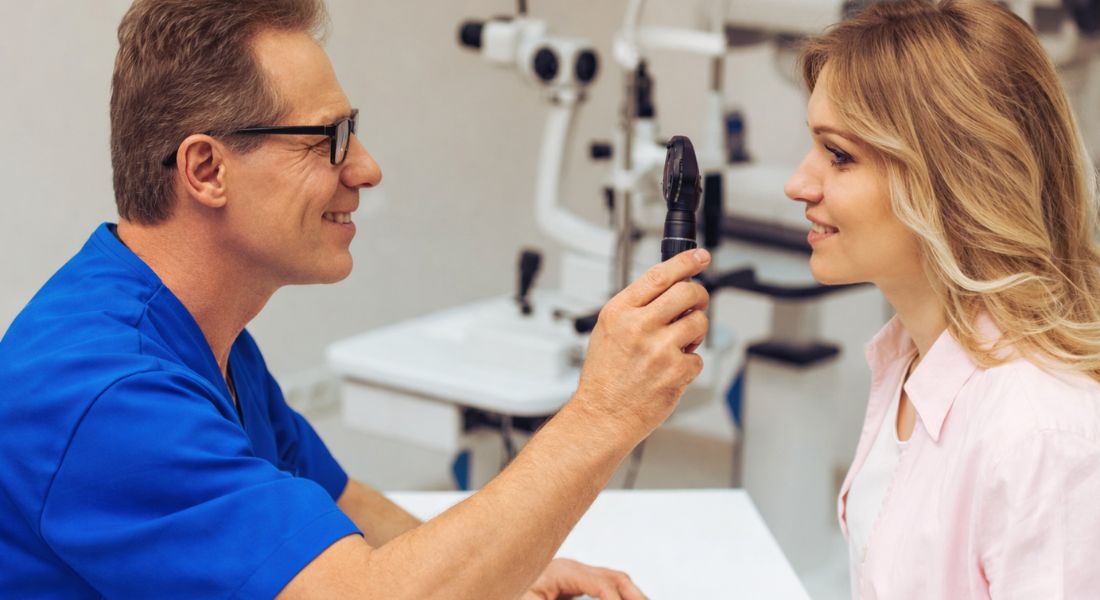
As our understanding of dry eye disease continues to grow, you are increasingly likely to receive a treatment plan that is tailored to your specific needs. Specialists now recognise that dry eye is a complex condition, and the same approach may not work equally well for everyone. This has led to a greater focus on personalised care rather than one-size-fits-all treatment strategies.
Factors such as your eye anatomy, environment, daily habits, and symptom profile can all influence treatment decisions. For example, the underlying cause of your dry eye may differ from that of another patient, even if your symptoms appear similar. Identifying these differences helps clinicians choose the most appropriate management approach for you.
This personalised approach often leads to more effective and targeted care. By addressing the specific factors contributing to your condition, treatment can be better aligned with your individual circumstances and goals. This reflects a wider trend across modern medicine, where healthcare is becoming increasingly focused on the needs of each patient.
Managing Meibomian Gland Dysfunction
Meibomian gland dysfunction (MGD) is one of the most common causes of dry eye disease and occurs when the glands along your eyelids do not produce enough healthy oil for your tear film. Without this protective oil layer, tears can evaporate more quickly, leading to dryness and discomfort. Because of this close connection, managing gland function is often an important part of dry eye treatment. Early recognition and treatment can help support better long-term eye comfort.
- Improving gland function is a key treatment goal: Many dry eye treatments focus on helping your meibomian glands work more effectively. Healthier gland function can improve tear stability and reduce symptoms of dryness.
- Simple at-home measures may help: Your specialist may recommend regular eyelid hygiene and warm compresses to help keep the glands clear. These measures can encourage healthier oil flow and support your tear film.
- In-office treatments may be considered:
Depending on the severity of your condition, you may be offered specialised procedures designed to improve gland performance. These treatments aim to address blockages and support long-term gland health. - Early intervention can be beneficial: Addressing meibomian gland dysfunction early may help prevent symptoms from worsening over time. It can also support better management of dry eye disease in the long term.
- Long-term gland health matters: Maintaining healthy meibomian glands is often an ongoing process rather than a one-time treatment. Regular care and monitoring can help you manage symptoms more effectively and maintain greater eye comfort.
Overall, managing meibomian gland dysfunction is an important part of treating and preventing dry eye symptoms. By supporting the health of your eyelid glands, you can help improve tear quality and reduce discomfort. Whether through simple home care or specialised treatments, maintaining gland function plays a valuable role in long-term eye health. As research continues, new approaches may further improve how MGD is managed and treated.
Lifestyle Modifications Can Help
You may be surprised to learn that simple lifestyle changes can play an important role in managing dry eye symptoms. Reducing screen strain, taking regular breaks from digital devices, and improving your blinking habits can all help support a healthier tear film. These small adjustments can make your eyes feel more comfortable throughout the day.
Environmental changes may also help reduce irritation and dryness. For example, avoiding direct airflow from fans or air conditioning, maintaining good indoor humidity, and protecting your eyes in windy conditions can all be beneficial. These steps can help minimise factors that may be contributing to your symptoms.
You are increasingly encouraged to take an active role in managing your dry eye disease. While medical treatments may be important, everyday habits can also have a meaningful impact on your eye comfort. By making small but consistent changes, you may be able to improve your symptoms and support your long-term eye health.
Emerging Research in Dry Eye Disease
Researchers around the world are continuing to explore new ways of diagnosing and treating dry eye disease. As advances in ocular surface science develop, specialists are gaining a better understanding of what causes your symptoms and why the condition can affect people differently. This growing knowledge is helping to shape more effective approaches to care.
Many studies are now focusing on areas such as biomarkers, inflammation, and tear film biology. By understanding these processes in greater detail, researchers hope to identify more accurate ways of diagnosing dry eye disease and predicting how it may progress. This could eventually help clinicians choose treatments that are better suited to your individual needs.
Dry eye research remains highly active across the world, with new findings emerging every year. You will often see these developments discussed at major ophthalmology conferences and in scientific publications. As research continues to advance, you may benefit from more targeted and personalised treatment options in the future.
Why Early Diagnosis Matters
If you are experiencing dry eye symptoms, obtaining an early diagnosis can make an important difference. Identifying the condition at an earlier stage may help prevent symptoms from becoming more severe and difficult to manage. Prompt treatment can also improve your comfort and support your overall quality of life.
Many people assume that occasional irritation, dryness, or watering is simply a normal part of daily life. As a result, they may delay seeking professional advice even when symptoms persist. However, if your symptoms continue or begin to affect your daily activities, it is important to have them assessed properly.
Early intervention often leads to better long-term outcomes. By identifying the underlying cause of your symptoms sooner, your clinician can recommend appropriate management strategies before the condition progresses. This can help protect the health of your ocular surface and reduce the impact of dry eye disease over time.
Future Directions in Personalised Dry Eye Care
The future of dry eye management is likely to become increasingly personalised. Researchers are continuing to explore how factors such as ethnicity, genetics, environment, and lifestyle work together to influence your risk of developing dry eye disease. This growing knowledge is helping specialists better understand why the condition can affect individuals in different ways.
As research progresses, clinicians may be able to tailor treatments more precisely to your specific needs. Instead of focusing only on your symptoms, future treatment plans could consider the underlying factors contributing to your condition. This may help improve treatment effectiveness and provide better long-term control of your symptoms.
Personalised medicine is becoming an increasingly important focus across ophthalmology. You are likely to benefit from more targeted approaches as researchers continue to identify which treatments work best for different patient groups. Over time, this could lead to more effective, individualised care and improved outcomes for people with dry eye disease.
FAQs:
- What is dry eye disease?
Dry eye disease is a common condition that occurs when your eyes do not produce enough tears or when tears evaporate too quickly. Tears are essential for keeping the eye surface comfortable, healthy, and clear. When the tear film becomes unstable, symptoms such as irritation, burning, redness, and fluctuating vision may develop. - Is dry eye disease more common in Asian populations?
Research suggests that dry eye disease may be more prevalent in Asian populations than in some Western populations. Experts believe this may be linked to a combination of anatomical, environmental, genetic, and lifestyle factors. Ongoing studies continue to explore why these differences occur and how they influence treatment. - Why might Asian eyes be more prone to dry eye symptoms?
Several factors may contribute to a higher risk of dry eye symptoms in Asian patients. Researchers have identified differences in eyelid anatomy, tear film stability, and rates of meibomian gland dysfunction. Environmental influences and prolonged digital device use may also play an important role. - What is meibomian gland dysfunction?
Meibomian gland dysfunction occurs when the oil-producing glands in the eyelids do not function properly. These glands produce oils that help prevent tears from evaporating too quickly. When gland function is reduced, the tear film becomes less stable and dry eye symptoms may worsen. - Can excessive screen use worsen dry eye disease?
Yes, prolonged screen use can contribute to dry eye symptoms. People tend to blink less frequently when using computers, smartphones, or tablets, which increases tear evaporation. This may lead to discomfort, eye strain, blurred vision, and worsening dry eye symptoms over time. - How do environmental factors affect dry eye disease?
Environmental conditions such as pollution, air conditioning, low humidity, wind, and smoke can all affect tear film stability. These factors may increase irritation and accelerate tear evaporation. For some individuals, environmental exposure can significantly influence the severity of symptoms. - What are the most common symptoms of dry eye disease?
Dry eye disease can cause a wide range of symptoms, including burning, stinging, redness, irritation, and sensitivity to light. Some people experience blurred or fluctuating vision, while others notice excessive watering. Symptoms can vary considerably from one individual to another. - How is dry eye disease diagnosed?
Diagnosis usually involves a combination of symptom assessment and clinical examination. Your eye specialist may evaluate tear production, tear film quality, ocular surface health, and meibomian gland function. Advanced imaging technologies may also be used to provide additional information. - Can dry eye disease be treated effectively?
Many patients experience significant improvement with appropriate management. Treatment may include artificial tears, eyelid hygiene, warm compresses, lifestyle modifications, and therapies targeting inflammation or meibomian gland dysfunction. The most suitable treatment depends on the underlying cause of the condition. - Why is personalised treatment important for dry eye disease?
Dry eye disease is a complex condition with multiple contributing factors. What works well for one patient may not be appropriate for another. Personalised treatment allows your eye specialist to consider your symptoms, anatomy, lifestyle, and environmental influences when developing a management plan.
Final Thoughts: What Dry Eye Research Means for You
As research into dry eye disease continues to evolve, specialists are gaining a better understanding of why symptoms and risk factors may differ between individuals and populations. Studies suggest that factors such as eyelid anatomy, meibomian gland function, environmental exposure and lifestyle habits may all influence how dry eye develops and how it affects you. This growing knowledge is helping clinicians move beyond a one-size-fits-all approach to diagnosis and treatment.
For you as a patient, this is an encouraging development. Modern dry eye management increasingly focuses on understanding your specific symptoms, daily habits, eye health and individual risk factors rather than simply treating the condition in a general way. Whether your symptoms are linked to screen use, tear film instability, meibomian gland dysfunction or environmental triggers, a personalised assessment can help identify the factors that may be contributing to your discomfort.
The future of dry eye care is expected to become even more targeted and individualised as research continues to uncover new insights into ocular surface health. Advances in diagnostic technology, inflammation research and personalised medicine are helping specialists develop more effective treatment strategies for different patient groups. If you’d like to find out whether dry eye treatment in London is suitable for you, feel free to contact us at Eye Clinic London to arrange a consultation.
References:
- Tsubota, K., Pflugfelder, S.C., Liu, Z., Baudouin, C., Kim, H.M., Messmer, E.M., Kruse, F., Liang, L., Carreno-Galeano, J.T., Rolando, M. and Yokoi, N. (2020) Defining Dry Eye from a Clinical Perspective. International Journal of Molecular Sciences, 21(23), 9271. https://pmc.ncbi.nlm.nih.gov/articles/PMC7423530/
- Kim, J.S., Wang, M.T.M. and Craig, J.P. (2019) Exploring the Asian ethnic predisposition to dry eye disease in a pediatric population. The Ocular Surface, 17(1), pp.70-76. https://pubmed.ncbi.nlm.nih.gov/30219270/
- Al-Mohtaseb, Z., Schachter, S., Shen Lee, B., Garlich, J. and Trattler, W. (2021) The Relationship Between Dry Eye Disease and Digital Screen Use. Clinical Ophthalmology, 15, pp.3811-3820. https://pmc.ncbi.nlm.nih.gov/articles/PMC8439964/
- Periman, L.M., Perez, V.L., Saban, D.R., Lin, M.C. and Neri, P. (2020) ‘The immunological basis of dry eye disease and current topical treatment options’, Journal of Ocular Pharmacology and Therapeutics, 36(3), pp. 137-146. https://pubmed.ncbi.nlm.nih.gov/32175799/
- Tauber, J., Owen, J., Bloomenstein, M., Hovanesian, J. and Bullimore, M.A. (2023) NOV03 for Dry Eye Disease Associated with Meibomian Gland Dysfunction. Ophthalmology, 130(5), pp.516-524. https://www.sciencedirect.com/science/article/pii/S0161642022010168