


Retinal Treatment Breakthroughs Expected in 2027
The retina is a vital part of your eye, responsible for converting light into signals that are sent to your brain. If retinal disease develops, it can affect your vision significantly and may even lead to permanent vision loss if not treated in time. Understanding this helps you see why early diagnosis is so important for protecting your eyesight.
Over the past decade, retinal care has improved with better medications, advanced imaging techniques, and more precise treatment approaches. These developments allow clinicians to detect changes earlier and manage conditions more effectively. This means you may benefit from more accurate diagnosis and closer monitoring of your eye health.
As we move through 2027, researchers are focusing on treatments that improve visual outcomes while reducing the number of hospital visits needed. Many of these innovations aim to slow disease progression and make long-term management easier for you. This could help you maintain better vision with a more convenient treatment plan.
While some of these advances are already being used in clinical practice, others are still under investigation. However, they all highlight the rapid progress being made in retinal medicine. In the future, you may benefit from more effective and personalised treatment options designed to protect your vision.
Advances in Retinal Imaging
Retinal imaging has become a key part of modern eye care, helping clinicians examine the retina in great detail. These advanced technologies allow you to receive a more accurate assessment of your eye health. As a result, you may benefit from earlier detection of retinal changes.
In 2027, further improvements in image quality and analysis are expected. These developments may help clinicians identify subtle retinal changes before they become more serious. This means you may receive earlier and more precise monitoring of your condition.
Ongoing innovation in imaging technology continues to drive progress in retinal care. These tools can help you and your clinician track disease progression more effectively over time. Ultimately, you may benefit from more accurate diagnosis and better-informed treatment decisions.
Longer-Lasting Retinal Treatments
If you are undergoing treatment for a retinal condition, you may already be familiar with the need for repeated injections over long periods. These regular treatments can be effective, but they can also feel demanding and time-consuming. Researchers are now working on new therapies designed to last longer while still maintaining strong disease control. The aim is to reduce how often you need treatment while keeping your condition stable.
- Reducing the Need for Frequent Injections: Many retinal diseases currently require ongoing injections to maintain effectiveness. New treatments are being developed to extend the time between doses.
- Maintaining Consistent Disease Control: Longer-lasting therapies aim to keep your condition stable for extended periods. This helps reduce fluctuations in disease activity that may occur between treatments.
- Improving Patient Convenience: Fewer injections mean fewer hospital visits and less disruption to your routine. This can make long-term management easier for you.
- Reducing Overall Treatment Burden: By extending treatment duration, researchers hope to lessen the physical and emotional burden of ongoing therapy. This may significantly improve your overall treatment experience.
Longer-lasting retinal treatments represent an important area of ongoing research in ophthalmology. You may benefit in the future from therapies that require fewer interventions while still maintaining effective disease control. This could make long-term management more convenient and less demanding. As research progresses, you are likely to see continued improvements in how retinal conditions are treated.
Artificial Intelligence in Retinal Care
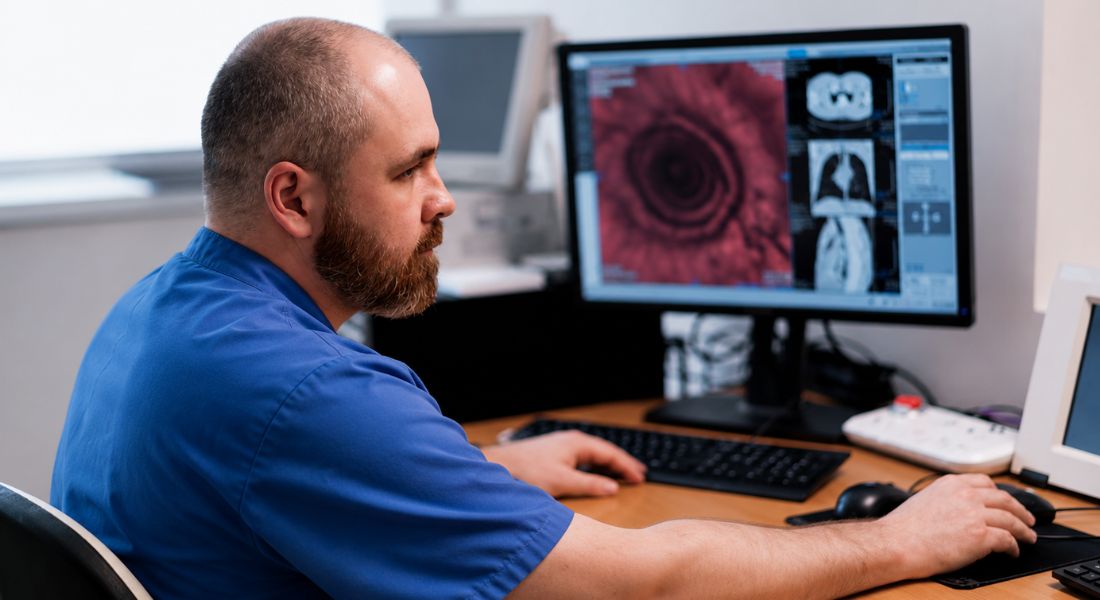
Artificial intelligence is becoming an important tool in retinal care, helping clinicians analyse retinal images with greater speed and accuracy. These systems can process large amounts of data efficiently, supporting more detailed assessments of your eye health. As a result, you may benefit from quicker and more precise evaluations.
In 2027, AI technologies are expected to become more widely integrated into everyday clinical workflows. These tools may help clinicians detect subtle retinal abnormalities at an earlier stage. This means you may receive earlier diagnosis and more timely treatment for retinal conditions.
AI is expected to play an increasingly important role in retinal medicine in the coming years. It can support clinicians in making more informed decisions, while still relying on expert judgement for final diagnosis. You may benefit from a combination of advanced technology and specialist clinical care for more accurate results.
New Approaches to Age-Related Macular Degeneration
Age-related macular degeneration (AMD) remains one of the leading causes of vision loss in older adults. Researchers continue to focus on improving treatment options to help slow disease progression and protect vision. If you are at risk or already affected, you may benefit from these ongoing advances.
Scientists are investigating new therapies that target additional disease pathways beyond current standard treatments. These emerging approaches aim to preserve central vision more effectively and reduce long-term damage. This means you may have access to more advanced and personalised treatment options in the future.
Research in this area remains highly active and continues to evolve rapidly. As new evidence becomes available, treatment strategies for AMD are expected to improve further. Ultimately, you may benefit from therapies that help maintain your vision for longer.
Advances in Geographic Atrophy Management
Geographic atrophy is an advanced form of age-related macular degeneration that can significantly affect your central vision. It develops gradually and can have a major impact on daily activities such as reading and recognising faces. If you are affected, early and ongoing monitoring is especially important.
Recent years have seen important developments in treatments aimed at slowing the progression of geographic atrophy. Researchers are also exploring new therapeutic targets and combination approaches to improve outcomes. This may give you more options to help preserve your vision for longer.
Further advancements are expected during 2027 as research continues to evolve. These emerging therapies aim to better protect retinal cells and reduce vision loss over time. Ultimately, you may benefit from more effective and targeted treatment strategies in the future.
Improved Treatments for Diabetic Retinopathy
Diabetic retinopathy remains a major cause of visual impairment worldwide and can affect your vision if blood sugar levels are not well controlled. Early diagnosis and timely treatment are essential to help preserve sight and prevent long-term damage. If you have diabetes, regular eye checks are especially important for you.
New medications and advanced monitoring technologies are being developed to improve how the condition is managed. These innovations aim to detect changes earlier and provide more targeted treatment when needed. This means you may benefit from closer monitoring and more effective disease control.
Researchers are also working on ways to reduce how often you need treatment while maintaining good results. This could help make long-term management more convenient and less burdensome for you. Overall, these advances aim to improve your long-term visual outcomes and quality of life.
Progress in Diabetic Macular Oedema Therapy
Diabetic macular oedema occurs when fluid builds up within the retina, which can affect your central vision and make daily tasks more difficult. It is a common complication of diabetes, and you may notice blurred or distorted vision if it develops. Early detection is important to help protect your sight.
Scientists are continuing to refine treatment strategies to improve visual outcomes and reduce the chance of recurrence. These advances aim to make treatments more effective and longer lasting, so you may need fewer interventions over time. This could help you achieve more stable and consistent vision results.
New therapeutic approaches are also being explored to better target the underlying causes of fluid leakage in the retina. Ongoing research remains promising and may lead to more reliable treatment options in the future. Ultimately, you may benefit from improved control of the condition and better preservation of your vision.
Gene Therapy Research
If you are following advances in retinal disease treatment, you may have heard a lot about gene therapy as one of the most promising areas of research. This approach aims to treat certain inherited retinal conditions by targeting the underlying genetic cause rather than just managing symptoms. Although still developing, early results in selected conditions have been encouraging. As research continues, you are likely to see gene therapy becoming an increasingly important part of future retinal care.
- Targets the Root Cause of Disease: Gene therapy works by addressing the genetic mutations responsible for certain inherited retinal diseases. This means it focuses on correcting or compensating for the underlying cause rather than only treating symptoms.
- Early Results Show Encouraging Outcomes: In selected conditions, gene-based treatments have already shown positive clinical results. If you have an inherited retinal condition, this may represent a potential future treatment option.
- Still an Area of Active Research: Gene therapy is still being refined and tested in clinical trials. Researchers are working to improve its safety, effectiveness, and long-term benefits.
- Potential to Transform Retinal Care: As more therapies are developed and approved, gene therapy may significantly change how retinal diseases are managed. You may see it becoming a more established treatment option in the future.
Gene therapy represents a major step forward in retinal research and offers hope for conditions that were previously difficult to treat. While it is still in the early stages for many diseases, progress has been promising. You can expect continued advancements as clinical trials expand and new techniques emerge. Over time, gene therapy may play a transformative role in how retinal disorders are treated.
Stem Cell-Based Treatments
Stem cell research continues to generate significant interest in ophthalmology. Scientists are exploring whether specialised cells could help repair or replace damaged retinal tissue and support your vision. This area of research may eventually offer you new treatment possibilities for complex eye conditions.
Although much of this work is still experimental, progress is being made steadily. Researchers are working to understand how stem cells behave in the eye and how they can be used safely and effectively. In the future, you may benefit from therapies designed to restore or preserve retinal function.
As research continues to expand rapidly, stem cell-based treatments remain a promising area of development. These advances could provide new options for conditions that currently have limited treatment choices. Ultimately, you may see more innovative approaches aimed at protecting and improving your vision.
Retinal Regeneration Strategies
Retinal regeneration is a major scientific goal in ophthalmology. Researchers are studying how the retina might repair or regenerate damaged tissue to restore visual function. This could eventually offer you new hope for conditions that currently have limited treatment options.
Scientists are investigating biological mechanisms that support cellular repair within the eye. These processes are complex, but understanding them may help develop entirely new treatment approaches. In the future, you may benefit from therapies that aim to restore retinal health rather than only slow disease progression.
Although challenges still remain, progress in this field is moving forward steadily. Retinal regeneration continues to be one of the most exciting areas of eye research. As these advances develop, you may see new possibilities for protecting and improving your vision.
Teleophthalmology and Remote Monitoring

Remote monitoring technologies are becoming increasingly important in modern eye care. These systems allow you to have certain eye assessments carried out without needing frequent hospital visits. This can make ongoing care more convenient and accessible for you.
When combined with digital imaging and artificial intelligence analysis, remote monitoring can help improve access to specialist care. Your eye condition can be tracked more closely, even from a distance, allowing for earlier identification of any changes. This is especially useful for chronic retinal conditions that require long-term follow-up.
Adoption of teleophthalmology is expected to continue growing in the coming years. This means you may have more flexible options for monitoring your eye health while reducing the need for in-person appointments. Ultimately, you may benefit from more efficient and patient-friendly care.
Enhanced Drug Delivery Systems
Scientists are developing innovative ways to deliver retinal medications more effectively. These systems are designed to maintain therapeutic levels for longer periods, helping you achieve more stable treatment outcomes. This may also improve how well your condition is managed over time.
Potential approaches include sustained-release implants, slow-release formulations, and other long-acting delivery technologies. These innovations aim to reduce the need for frequent injections while maintaining treatment effectiveness. As a result, you may experience fewer hospital visits and a more comfortable treatment routine.
Improving patient convenience remains a key goal in retinal care research. By making treatments longer-lasting and easier to administer, clinicians aim to support better adherence and outcomes for you. Ultimately, you may benefit from more efficient and less burdensome treatment options.
Precision Medicine in Retinal Disease
If you are living with a retinal condition, you may find that future treatments become increasingly tailored to your individual needs. Precision medicine is an emerging approach that focuses on personalising care based on your genetic profile, disease characteristics, and how you respond to treatment. Instead of a one-size-fits-all approach, clinicians aim to use detailed information about you to guide more targeted decisions. This is becoming an important direction in modern retinal care.
- Treatment Tailored to Individual Patients: Precision medicine aims to match treatment to your specific condition rather than using a standard approach for everyone. This can help ensure your care is better suited to your unique disease pattern.
- Genetic Information May Guide Decisions: Your genetic profile may provide important insights into how your retinal disease develops. This information can help clinicians choose the most appropriate management strategy for you.
- Data-Driven Treatment Strategies: Patterns in your disease progression and response to treatment may help shape future care plans. This allows for more informed and personalised decision-making.
- Improved Outcomes and Efficiency: By focusing on what works best for you individually, precision medicine may improve treatment effectiveness. It may also reduce unnecessary treatments and improve overall efficiency of care.
Precision medicine is expected to play a growing role in retinal disease management. You may benefit from more personalised treatment strategies as research continues to advance. This approach aims to improve both outcomes and efficiency by focusing on your specific needs. As evidence builds, precision medicine is likely to become an increasingly important part of future ophthalmic care.
Better Understanding of Disease Progression
Researchers are gaining a deeper understanding of how retinal diseases develop and progress over time. This helps clinicians recognise patterns that may indicate faster or more severe deterioration in your vision. As a result, you may benefit from closer and more proactive monitoring.
This growing knowledge is also helping to identify patients who may be at higher risk of rapid disease progression. With improved predictive models, clinicians can better anticipate changes in your condition. This may allow you to receive earlier and more targeted intervention when needed.
Understanding how retinal diseases behave remains essential for improving long-term outcomes. As research continues, you may benefit from more personalised treatment strategies based on your individual risk profile. Ultimately, this can support earlier care decisions and better protection of your vision.
Improvements in Surgical Technology
Retinal surgery has benefited from major technological advances in recent years. Modern surgical systems allow surgeons to perform procedures with greater precision and control. This can help you receive safer and more accurate treatment outcomes.
Further innovations are expected to improve visualisation during surgery and enhance surgical accuracy. These developments may allow surgeons to operate with even finer detail and reduced risk of complications. As a result, you may benefit from more effective and predictable surgical outcomes.
Technology continues to play a key role in advancing retinal surgery. Improved equipment and techniques are helping to make procedures more efficient and less invasive for you. Ultimately, you may experience safer treatment with better long-term visual results.
Research into Inflammatory Retinal Diseases
If you are affected by an inflammatory retinal condition, you may know how complex and difficult these diseases can be to manage. Researchers are actively studying how the immune system contributes to retinal inflammation, with the aim of developing more targeted and effective treatments. By focusing on specific immune pathways, newer therapies may help control inflammation more precisely. This growing area of research is offering hope for better long-term outcomes in retinal care.
- Targeting Specific Immune Pathways: Researchers are exploring treatments that focus on particular parts of the immune system involved in retinal inflammation. This more targeted approach may help improve disease control while reducing unwanted effects.
- Better Understanding of Inflammation: Advances in research are helping scientists understand how inflammation affects retinal tissues. This knowledge is important for developing more effective and precise treatment strategies.
- Potential to Reduce Long-Term Damage: By controlling inflammation more effectively, future therapies may help limit ongoing retinal damage. This could improve long-term visual outcomes for you if you are living with these conditions.
- Strong Ongoing Research Activity: Work in this field is continuing at a rapid pace, with many new therapies being studied. You can expect further developments as scientists refine their understanding of retinal inflammation.
Research into inflammatory retinal diseases is an active and evolving field in ophthalmology. You may benefit in the future from more targeted treatments that address the underlying immune processes. These advances aim to improve disease control and reduce the risk of long-term retinal damage. As studies continue, this area is expected to deliver more effective and personalised treatment options.
Combining Multiple Treatment Approaches
Many retinal diseases involve complex biological processes that affect your vision in different ways. Because of this, researchers are exploring whether using more than one treatment at the same time could improve outcomes for you. This approach aims to address multiple aspects of the disease together.
Combination strategies may target different disease mechanisms simultaneously to provide a more comprehensive effect. For you, this could mean treatments that work together to improve results and slow disease progression more effectively. In some cases, this may also help reduce the limitations of single therapies.
Clinical trials are continuing to evaluate how safe and effective these combination approaches may be. Early findings suggest that carefully selected patients could benefit from enhanced treatment outcomes. As research progresses, you may see more personalised combination strategies becoming part of retinal care.
Predictive Analytics and Risk Assessment
Advanced data analysis tools are helping researchers better understand the risk factors linked to retinal disease progression. These systems can identify patterns in large datasets that may not be obvious in routine clinical assessments. This may help you receive more accurate risk evaluations based on your individual profile.
Predictive analytics can support earlier intervention and more personalised treatment planning. By analysing your clinical data, these tools may help clinicians anticipate how your condition could progress over time. Artificial intelligence is expected to play a key role in improving the accuracy of these predictions for you.
The ability to forecast disease changes could significantly improve patient care in the future. With earlier warnings, you may benefit from timely treatment adjustments and closer monitoring. Ultimately, this could help protect your vision and improve long-term outcomes.
Future Clinical Trials and Innovation
If you are interested in advances in retinal care, you may find that clinical trials play a central role in shaping future treatments. These studies are essential for testing new drugs, devices, and biological therapies before they become widely available. Researchers around the world are currently investigating a wide range of innovative approaches aimed at improving outcomes for retinal diseases. As these trials progress, you are likely to see meaningful changes in clinical practice over the coming years.
- Clinical Trials Test New Treatment Options: Clinical trials are designed to evaluate the safety and effectiveness of emerging retinal therapies. This ensures that any new treatment you may receive has been carefully studied before being used in routine care.
- Wide Range of Innovations Under Investigation: Researchers are exploring novel drugs, advanced devices, and biological therapies for retinal conditions. This broad approach increases the chances of finding more effective treatment options in the future.
- Impact on Future Clinical Practice: Results from ongoing trials may directly influence how retinal diseases are managed in 2027 and beyond. If successful, these innovations could become part of standard treatment pathways.
- Continuous Progress in Retinal Medicine: Innovation in retinal care is ongoing, with new discoveries emerging regularly. You can expect continued improvements in both treatment options and disease management strategies.
Future clinical trials are expected to play a key role in advancing retinal medicine. You may benefit from new therapies that emerge from this ongoing research in the coming years. These developments aim to improve both the effectiveness and accessibility of treatment. As innovation continues, the future of retinal care is becoming increasingly promising.
Seeking Specialist Retinal Care

Retinal diseases often require early diagnosis and careful long-term management to protect your vision. If you notice any changes in your sight, seeking specialist advice early can make a significant difference to your outcomes. Timely assessment helps ensure you receive the right care at the right stage.
Advances in treatment and technology are creating new opportunities for improved patient outcomes. These developments allow clinicians to diagnose conditions more accurately and tailor treatment plans to your specific needs. This means you may benefit from more effective and personalised retinal care.
With ongoing progress in retinal medicine, early specialist involvement is becoming even more important. By working closely with an eye care professional, you can help protect your vision and maintain long-term eye health. Ultimately, you may achieve better results through proactive and informed care.
FAQs:
- What are the most important retinal treatment advances expected in 2027?
Key advances include improved retinal imaging, longer-lasting injectable treatments, gene therapy research, and AI-assisted diagnosis. Researchers are also developing better drug delivery systems and personalised treatment approaches. These innovations aim to improve vision outcomes and reduce treatment burden. The overall focus is on earlier detection and more effective long-term management. - How is artificial intelligence improving retinal care?
AI is being used to analyse retinal images quickly and detect subtle signs of disease. This helps clinicians identify conditions earlier and with greater consistency. It can also support monitoring over time and assist with treatment planning. AI is expected to become more integrated into routine retinal care. - What are longer-lasting retinal treatments?
Longer-lasting treatments are therapies designed to maintain their effect for extended periods, reducing the need for frequent injections. These include sustained-release medications and implant-based delivery systems. They aim to improve convenience while maintaining disease control. Research is ongoing to optimise their safety and effectiveness. - How will gene therapy help treat retinal diseases?
Gene therapy targets the underlying genetic causes of certain inherited retinal conditions. It aims to correct or replace faulty genes responsible for disease progression. Early studies have shown promising results in selected conditions. This approach could transform treatment for previously untreatable eye diseases. - What is the role of stem cell therapy in retinal treatment?
Stem cell therapy is being studied to see if damaged retinal cells can be repaired or replaced. Although still largely experimental, it shows potential for treating degenerative eye conditions. Researchers are working to ensure safety and effectiveness before wider use. It remains a promising area of future research. - Can retinal diseases be detected earlier in the future?
Yes, advances in imaging and AI are making earlier detection more likely. High-resolution scans can reveal subtle changes before symptoms develop. Predictive tools may also identify patients at higher risk of progression. Early diagnosis is key to preventing long-term vision loss. - What is geographic atrophy and how is it being treated?
Geographic atrophy is an advanced form of age-related macular degeneration that leads to gradual central vision loss. New treatments aim to slow its progression and preserve remaining vision. Researchers are exploring multiple therapeutic pathways to improve outcomes. Further advances are expected in the coming years. - How is diabetic retinopathy treatment improving?
New medications and monitoring systems are improving how diabetic retinopathy is managed. Treatments are becoming more effective and may require fewer injections over time. Early detection remains essential to prevent vision loss. AI-assisted screening is also helping identify cases earlier. - What is precision medicine in retinal care?
Precision medicine means tailoring treatment based on individual patient characteristics such as genetics and disease pattern. This approach helps clinicians choose the most effective therapy for each patient. It may improve outcomes and reduce unnecessary treatments. It is becoming increasingly important in retinal disease management. - How could future technology change retinal surgery?
Future surgical technology is expected to improve precision, safety, and visualisation during procedures. Enhanced imaging systems and advanced instruments will help surgeons operate more accurately. These improvements may lead to better outcomes and faster recovery. Ongoing innovation continues to shape retinal surgery.
Final Thoughts: The Future of Retinal Treatment in 2027
Retinal care is entering a highly innovative phase, with 2027 expected to bring meaningful advances in imaging, drug development, and disease monitoring. From artificial intelligence-assisted diagnosis to longer-lasting injectable therapies and early-stage gene and stem cell research, the focus is increasingly on improving both precision and long-term outcomes. These developments aim to help clinicians detect disease earlier, slow progression more effectively, and reduce the overall treatment burden for patients.
Although many of these technologies are still evolving, they reflect a clear shift towards more personalised and proactive retinal care. As research continues, patients may benefit from more targeted treatments and improved vision preservation strategies. If you would like to discuss your eye health concerns with an experienced specialist, get in touch with us at the Eye Clinic London today.
References:
- Nuzzi, R., Vagge, A., Traverso, C.E. and et al. (2026) ‘Artificial intelligence in retinal disease: Current applications and future perspectives’, Journal of Personalized Medicine, 16(6), p. 292. Available at: https://www.mdpi.com/2075-4426/16/6/292
- Mimouni et al. (2026) ‘Oxidative stress and retinal diseases: Current evidence and therapeutic perspectives’, Antioxidants, 15(6), p. 765. Available at: https://www.mdpi.com/2076-3921/15/6/765
- Palczewski, K. (2010) ‘Retinoids for treatment of retinal diseases’, Trends in Pharmacological Sciences, 31(6), pp. 284–295. Available at: https://pubmed.ncbi.nlm.nih.gov/20435355/
- Wang, Y., Li, X., Chen, H. and et al. (2025) ‘Recent advances in artificial intelligence for retinal disease diagnosis and management’, Progress in Retinal and Eye Research. Available at: https://pubmed.ncbi.nlm.nih.gov/40244572/
- Yadav, N.K., Jayadev, C., Rajendran, A. and Nagpal, M. (2014) ‘Recent developments in retinal lasers and delivery systems’, Indian Journal of Ophthalmology, 62(1), pp. 50–54. Available at: https://pmc.ncbi.nlm.nih.gov/articles/PMC3955070/