


Myopia Control Advances Expected in 2027
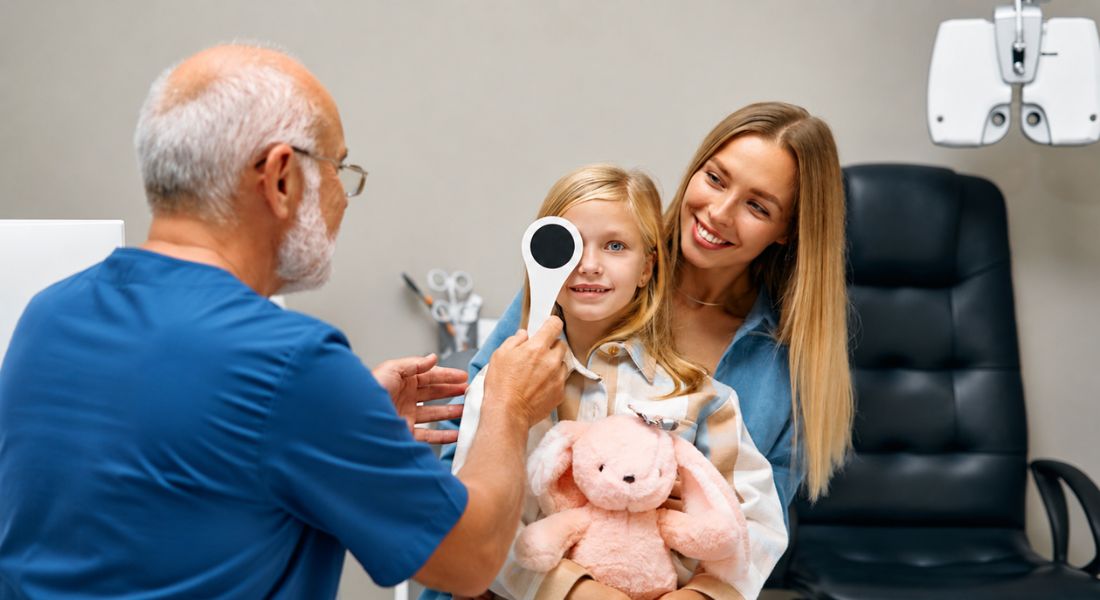
Myopia, commonly known as short-sightedness, is becoming increasingly common among children worldwide. Experts predict that the number of people affected by myopia will continue to rise in the coming decades. As a parent, you may be hearing more about the importance of managing myopia early. This growing trend has made myopia control a major focus of eye care research.
Although glasses and contact lenses can correct blurred distance vision, they do not stop myopia from progressing. This means your child’s prescription may continue to increase over time. Researchers are therefore focusing on treatments that can slow eye growth and reduce the rate of progression. These approaches aim to support better long-term eye health.
In recent years, scientists have gained a better understanding of why myopia develops and which factors influence its progression. This knowledge has helped clinicians develop more targeted management strategies. As a result, you may now have access to a wider range of myopia control options than ever before. Many of these treatments are designed to be both safe and effective for children.
As we move through 2027, several innovations and emerging technologies are expected to further improve myopia management. Researchers are working towards treatments that can be tailored to your child’s individual needs and risk factors. These advances may help provide more personalised care and better long-term outcomes. Ultimately, they aim to protect your child’s vision and reduce the risk of future eye complications.
Growing Focus on Early Intervention
Researchers increasingly recognise the importance of identifying myopia as early as possible. When myopia is detected at an early stage, there may be a greater opportunity to slow its progression. This can help protect your child’s long-term eye health.
In 2027, screening programmes and early detection strategies are expected to receive even greater attention. Regular eye examinations may help you identify changes in your child’s vision before they become more significant. Earlier intervention can often lead to more effective myopia management.
This proactive approach is becoming a key part of modern myopia care. By monitoring your child’s vision closely, you and your eye care professional can take steps to reduce the risk of high myopia developing later in life. This may help support healthier vision outcomes in the future.
Improved Understanding of Myopia Development
Scientific understanding of myopia has expanded significantly over the past decade. Researchers continue to investigate how genetic, environmental, and lifestyle factors influence eye growth and myopia progression. These findings are helping clinicians better understand why your child may develop myopia and how it progresses over time.
As knowledge in this area grows, more targeted approaches to myopia management are becoming possible. By understanding the factors that affect your child’s vision, clinicians can recommend strategies that are better suited to your child’s individual needs. This means you may have access to more personalised treatment options than ever before.
Research in this field remains highly active and continues to uncover new insights. As scientists learn more about the mechanisms behind myopia, you may benefit from new therapies and improved management strategies. These advances could help you make more informed decisions about protecting your child’s long-term eye health.
Advances in Low-Dose Atropine Therapy
Low-dose atropine eye drops have become one of the most widely studied treatments for myopia control. These drops are designed to help slow the progression of short-sightedness in children. If your child has myopia, you may already be familiar with atropine as a potential treatment option.
Researchers continue to investigate the most effective atropine concentrations and treatment schedules. By refining how these drops are used, clinicians hope to improve results while minimising side effects. This may help you feel more confident about long-term treatment decisions for your child.
Atropine remains a major focus of myopia research in 2027. As new evidence becomes available, you may benefit from more personalised treatment recommendations and improved management strategies. These advances could help you better protect your child’s vision and long-term eye health.
Environmental Risk Factors

Environmental factors play an important role in myopia development and progression. Research has shown that reduced time outdoors and increased near-work activities, such as reading and screen use, may increase the risk of myopia. Understanding these influences can help you support your child’s eye health.
Researchers continue to investigate how lifestyle changes may help slow myopia progression. Encouraging your child to spend more time outdoors and take regular breaks from near-work activities may form part of a comprehensive myopia management plan. These simple habits could provide benefits alongside other treatment approaches.
Prevention remains an important goal in myopia research. As more evidence becomes available, you may receive clearer guidance on the environmental factors that affect your child’s vision. This knowledge can help you make informed choices to support your child’s long-term eye health.
Personalised Atropine Treatment Plans
If your child is undergoing atropine treatment for myopia control, you may find that their response differs from that of other children. Researchers have found that myopia progression can vary considerably from one child to another, which is why personalised treatment approaches are receiving increasing attention. Rather than following a standard plan for every patient, clinicians are exploring ways to tailor treatment based on individual needs and risk factors. As this area of research develops, you may see more customised approaches becoming available in clinical practice.
- Children Do Not All Respond in the Same Way: Some children respond very well to atropine treatment, while others may experience different levels of benefit. This is one reason why researchers are investigating more personalised treatment strategies.
- Risk Factors Can Help Guide Treatment: Factors such as age, family history, and the rate of myopia progression may influence treatment decisions. By considering these factors, your eye care professional can develop a plan that is better suited to your child’s needs.
- Personalisation May Improve Treatment Effectiveness: Tailoring treatment allows clinicians to select the most appropriate approach for each child. This may help you achieve better myopia control while avoiding unnecessary treatment adjustments.
- Reducing Unnecessary Medication Exposure: A personalised approach may help ensure that your child receives the most appropriate dose and treatment schedule. This can support effective management while limiting medication exposure where possible.
Personalised atropine treatment plans reflect a broader shift towards individualised healthcare. As researchers learn more about why children respond differently to treatment, you can expect management strategies to become increasingly tailored. This approach aims to balance effectiveness with safety while addressing each child’s unique circumstances. In 2027 and beyond, you are likely to see personalised care playing a larger role in myopia management.
Next-Generation Myopia Control Contact Lenses
Specially designed contact lenses are already being used to help slow myopia progression in children. These lenses do more than correct vision, as they are also designed to influence eye growth. If your child wears contact lenses, you may be interested in the latest developments in this area.
Researchers are developing new generations of lenses that aim to improve both comfort and effectiveness. Innovative optical designs are being studied to influence how light focuses on the retina and help control eye growth more effectively. This may provide your child with improved long-term myopia management.
Lens technology continues to evolve rapidly as research advances. As new options become available, you may have access to contact lenses that offer greater convenience and better treatment outcomes. These developments could give you more choices when managing your child’s myopia.
Advances in Orthokeratology
Orthokeratology involves wearing specially designed contact lenses overnight to temporarily reshape the cornea. This approach can provide clear daytime vision without the need for glasses or contact lenses during the day. If your child has myopia, you may be considering orthokeratology as part of a myopia control plan.
Researchers continue to refine lens designs and treatment protocols to improve outcomes. Advances in fitting techniques may help increase both the safety and effectiveness of treatment. This could give you greater confidence in the long-term management of your child’s myopia.
Orthokeratology remains an important area of innovation within myopia control. As research continues, you may benefit from improved treatment options and more personalised care. These developments could help you better manage your child’s vision while slowing myopia progression.
Better Risk Prediction Models
One of the most exciting developments in myopia research is the ability to predict progression risk more accurately. Researchers are developing advanced models that combine multiple factors to assess how myopia may progress over time. This could help you gain a clearer understanding of your child’s individual risk.
These models may consider factors such as age, genetics, eye measurements, and environmental influences. By analysing this information, clinicians may be able to identify children who are more likely to experience rapid myopia progression. This can help you and your eye care professional make more informed treatment decisions.
Improved risk prediction may allow earlier and more targeted intervention. If your child is identified as being at higher risk, you may be able to start appropriate management strategies sooner. Earlier action could help you better protect your child’s long-term eye health and vision.
Artificial Intelligence in Myopia Management
Artificial intelligence is playing an increasingly important role in modern eye care. AI systems can analyse large amounts of information and identify patterns that may not be immediately obvious to clinicians. This may help you gain a better understanding of your child’s myopia and how it may progress over time.
In myopia management, AI has the potential to support more accurate predictions and treatment planning. By analysing data such as age, prescription changes, and eye measurements, these systems may help clinicians make more informed decisions. This could provide you with more personalised recommendations for managing your child’s vision.
Research in this field continues to expand rapidly. As AI technologies become more advanced, you may benefit from more efficient assessments and improved monitoring of your child’s eye health. These developments could help you make timely decisions and support better long-term outcomes.
Improved Patient Education

Educating children and parents about myopia is an important part of successful management. When you understand how myopia develops and why treatment is recommended, it can be easier to follow the management plan. This knowledge can help you make informed decisions about your child’s eye health.
Digital resources and educational tools are becoming increasingly available. These resources may help you learn more about myopia control, treatment options, and the importance of regular monitoring. Better access to information can support long-term engagement with treatment plans.
Patient and parent involvement remains essential for achieving the best possible outcomes. By working closely with your eye care professional, you can help ensure that your child receives consistent and appropriate care. This partnership may play an important role in protecting your child’s long-term vision.
Enhanced Optical Designs
If your child has myopia, you may be interested to know that researchers are developing increasingly advanced optical designs for glasses and contact lenses. These designs are intended not only to provide clear vision but also to influence eye growth and help slow myopia progression. As technology continues to improve, optical treatments are becoming more sophisticated and targeted. This area of innovation remains a major focus of myopia research and may provide you with more treatment options in the future.
- Designed to Help Manage Eye Growth: Modern optical designs aim to alter how light is focused on the retina. This may help influence eye growth patterns that contribute to myopia progression.
- Clear Vision Remains a Priority: While these lenses are designed to support myopia control, they also aim to provide clear and comfortable vision. This helps ensure that your child can continue daily activities without compromising visual quality.
- Potential for Improved Effectiveness: New optical approaches are being developed to build on the results achieved with conventional correction methods. Researchers hope these innovations will offer more effective myopia management for some children.
- Ongoing Innovation Is Expanding Treatment Choices: Optical technology continues to evolve as new designs are tested and refined. As research progresses, you may have access to a wider range of myopia control options tailored to your child’s needs.
Enhanced optical designs represent an exciting area of advancement in myopia management. By combining vision correction with strategies aimed at influencing eye growth, these technologies offer a more targeted approach to treatment. You may see an increasing number of specialised glasses and contact lenses becoming available as research continues. In the coming years, these innovations could play an even greater role in helping children manage myopia effectively.
Combination Treatment Strategies
Researchers are increasingly investigating whether combining different myopia control treatments can provide greater benefits than using a single approach. This may involve pairing low-dose atropine eye drops with optical treatments such as specialised contact lenses or spectacle lenses. If your child has rapidly progressing myopia, you may hear more about these combination strategies.
The aim is to maximise treatment effectiveness while maintaining a strong safety profile. By targeting myopia progression in different ways, combined treatments may help achieve better control of eye growth. This could give you additional options when managing your child’s vision.
Clinical trials are continuing to evaluate which treatment combinations work best for different children. As more evidence becomes available, you may benefit from more personalised recommendations based on your child’s specific needs. Combination approaches could become an increasingly common part of myopia management in the future.
Understanding Genetic Influences
Genetics plays an important role in the development of myopia. If you or your child’s other parent are short-sighted, your child may have a higher risk of developing myopia as well. Understanding these inherited factors can help you take a more proactive approach to eye care.
Researchers continue to identify genetic factors that influence both the development and progression of myopia. These discoveries are helping clinicians better understand why some children experience faster progression than others. As a result, you may benefit from more personalised assessments and management strategies.
Genetic research remains a rapidly advancing area of myopia science. As new findings emerge, you may have access to more tailored treatment recommendations based on your child’s individual risk profile. This could help you make more informed decisions about protecting your child’s long-term vision.
Outdoor Activity Research
If your child has myopia or is at risk of developing it, you may have heard recommendations about spending more time outdoors. Research has consistently suggested that outdoor activity may have a protective effect against the development of myopia, although the exact reasons are still being investigated. Scientists continue to explore how natural light and outdoor environments influence eye growth. As evidence grows, you may see these findings playing an even greater role in myopia management strategies.
- Outdoor Time May Reduce Myopia Risk: Studies suggest that children who spend more time outdoors may be less likely to develop myopia. This has made outdoor activity an important area of interest for researchers.
- Scientists Are Exploring the Underlying Mechanisms: Researchers are investigating why outdoor exposure appears to benefit eye health. Factors such as natural light levels and visual environments may play a role.
- Often Recommended as Part of Myopia Management: Increasing outdoor activity is frequently included in comprehensive myopia control plans. If your child is at risk of myopia, this simple lifestyle measure may provide additional benefits.
- Guidance May Become More Refined: As research continues, experts hope to determine the most beneficial amount and type of outdoor activity. This could help you make more informed decisions about supporting your child’s eye health.
Outdoor activity remains one of the simplest and most accessible approaches being studied in myopia prevention. While researchers continue to investigate exactly how it works, the evidence supporting its potential benefits continues to grow. You may find that spending more time outdoors becomes an important part of a broader myopia management strategy. As future studies provide new insights, recommendations are likely to become even more precise and effective.
Advances in Eye Growth Monitoring
New imaging technologies are improving the ability to monitor eye growth with greater accuracy. These tools help clinicians track changes over time and gain a clearer understanding of how your child’s myopia is progressing. This may allow you to make more informed decisions about treatment.
Earlier detection of rapid progression can support timely adjustments to a myopia management plan. By monitoring eye growth closely, clinicians can identify when additional intervention may be needed. This helps ensure your child receives the most appropriate care at the right time.
Monitoring technology continues to advance as research evolves. As these tools become more widely available, you may benefit from more precise assessments and personalised treatment recommendations. Accurate measurement remains essential for protecting your child’s long-term eye health.
Long-Term Outcome Studies
Researchers are placing increasing emphasis on understanding the long-term outcomes of myopia control treatments. While many therapies have shown promising results, it is important to understand how they perform over several years. This information can help you make more informed decisions about your child’s eye care.
Long-term studies allow clinicians to evaluate which treatments provide the most lasting benefits. By tracking patients over extended periods, researchers can assess both effectiveness and safety. This may give you greater confidence in the treatment options recommended for your child.
As more long-term evidence becomes available, clinical decision-making is expected to become even more informed. These studies continue to provide valuable data that supports best practice in myopia management. Ultimately, you may benefit from treatment recommendations that are backed by stronger and more comprehensive evidence.
Expanding Global Research Efforts
Myopia has become a major public health concern in many parts of the world. As a result, researchers and healthcare organisations are investing significant resources into understanding and managing the condition. These efforts may ultimately benefit you and your child through improved myopia control strategies.
International collaboration continues to play an important role in advancing myopia research. Scientists are sharing data, expertise, and research findings to better understand how myopia develops and progresses. This cooperation may help you gain access to more effective and evidence-based treatment options in the future.
Global research is driving significant advances in myopia management. By working together, researchers can accelerate innovation and identify new ways to protect long-term eye health. These developments may provide you with more choices and better outcomes for your child’s vision care.
Reducing Future Eye Disease Risk
If your child has myopia, managing its progression is about more than simply improving vision today. Higher levels of myopia are associated with an increased risk of several serious eye conditions later in life. This is one of the main reasons why myopia control has become such an important focus in modern eye care. By slowing progression early, you may help protect your child’s long-term eye health and reduce the likelihood of future complications.
- High Myopia Increases the Risk of Eye Disease: As myopia becomes more severe, the risk of certain eye conditions tends to increase. This is why preventing excessive eye growth is an important treatment goal.
- Retinal Detachment Is a Key Concern: People with high myopia have a greater risk of retinal detachment later in life. This serious condition can threaten vision and often requires prompt treatment.
- Risk of Other Sight-Threatening Conditions: High myopia is also associated with an increased risk of glaucoma and myopic macular degeneration. These conditions can affect vision significantly if they develop over time.
- Myopia Control May Help Reduce Long-Term Risks: By slowing myopia progression during childhood, you may help lower the risk of future eye complications. This makes early intervention an important part of long-term eye care.
Protecting future eye health remains one of the primary goals of myopia management. While myopia control cannot eliminate all risks, it may help reduce the likelihood of serious eye conditions developing later in life. By addressing myopia progression early, you can take proactive steps to support your child’s long-term visual wellbeing. As research continues, the importance of preventing high myopia is becoming increasingly clear.
Future Technologies Under Investigation
Researchers continue to explore new and innovative ways to control myopia progression. Areas of investigation include advanced optical technologies, emerging pharmaceutical treatments, and digital monitoring systems. These developments may provide you with additional options for managing your child’s myopia in the future.
Many of these technologies are still being studied and are not yet widely available. However, ongoing research is helping clinicians better understand which approaches may be most effective and safe. This means you may benefit from more advanced treatment options as the field continues to evolve.
The pace of progress in myopia research remains remarkably fast. As new discoveries emerge, you can expect myopia management to become increasingly precise and personalised. These innovations offer promising opportunities to support your child’s long-term eye health and vision.
Seeking Professional Advice

If your child has been diagnosed with myopia, regular eye examinations and ongoing monitoring can play an important role in managing progression. Early intervention may help slow the development of short-sightedness and support your child’s long-term eye health. The sooner you seek professional advice, the more treatment options may be available.
Advances in myopia research are providing more management options than ever before. From specialised lenses to low-dose atropine therapy, a range of approaches may be considered depending on your child’s individual needs. Understanding these options can help you make informed decisions about your child’s care.
By working closely with an eye care professional, you can develop a personalised plan to help protect your child’s vision. Regular follow-up appointments allow treatment to be monitored and adjusted when necessary. This proactive approach may help you achieve the best possible long-term outcomes for your child.
FAQs:
- What are the most important myopia control advances expected in 2027?
Several advances are expected in 2027, including improved low-dose atropine treatments, next-generation contact lenses, and enhanced risk prediction tools. Researchers are also exploring artificial intelligence and personalised treatment strategies. These developments aim to slow myopia progression more effectively. The overall focus is on protecting long-term eye health in children. - Why is early intervention important for myopia control?
Early intervention can help slow the progression of myopia before it becomes severe. Children who receive treatment at an earlier stage may have a lower risk of developing high myopia later in life. This can reduce the likelihood of future eye complications. Regular eye examinations play a key role in early detection. - How does low-dose atropine help manage myopia?
Low-dose atropine eye drops are used to slow the growth of the eye, which contributes to myopia progression. Researchers continue to study the most effective doses and treatment schedules. The aim is to maximise benefits while minimising side effects. Atropine remains one of the most widely researched myopia control treatments. - What are myopia control contact lenses?
Myopia control contact lenses are specially designed lenses that not only correct vision but also help slow eye growth. They use advanced optical designs to influence how light focuses on the retina. Researchers are developing newer versions with improved comfort and effectiveness. These lenses are becoming an increasingly popular treatment option. - What is orthokeratology and how does it work?
Orthokeratology involves wearing specially designed contact lenses overnight to gently reshape the cornea. This provides clear vision during the day without the need for glasses or contact lenses. Studies also suggest it may help slow myopia progression in some children. Ongoing research is focused on improving safety and treatment outcomes. - Can artificial intelligence improve myopia management?
Artificial intelligence has the potential to analyse large amounts of patient data and identify patterns linked to myopia progression. This may help clinicians predict which children are at higher risk of worsening short-sightedness. AI could also support treatment planning and monitoring. However, it is intended to assist rather than replace professional judgement. - Why is spending time outdoors important for children with myopia?
Research suggests that spending more time outdoors may help reduce the risk of developing myopia and slow its progression. Natural light exposure appears to play a protective role in eye development. Many specialists recommend regular outdoor activity as part of a comprehensive myopia management plan. It is a simple but valuable strategy. - Are personalised myopia treatments becoming more common?
Yes, personalised treatment is becoming an important trend in myopia management. Clinicians are increasingly considering factors such as age, progression rate, family history, and lifestyle when recommending treatment. This tailored approach may improve effectiveness. It also helps ensure that each child receives the most appropriate care. - What are combination treatments for myopia control?
Combination treatments involve using more than one myopia control method at the same time. For example, low-dose atropine may be combined with specialised contact lenses or glasses. Researchers are studying whether these approaches can provide greater benefits than a single treatment alone. More evidence is expected in the coming years. - How can myopia control benefit long-term eye health?
Slowing myopia progression can reduce the risk of developing high myopia, which is associated with serious eye conditions later in life. These include retinal detachment, glaucoma, and myopic macular degeneration. Effective myopia management aims to protect vision over the long term. Early treatment and regular monitoring are important parts of this strategy.
Final Thoughts: The Future of Myopia Control in 2027
The field of myopia control continues to advance rapidly, offering new opportunities to slow the progression of short-sightedness and protect children’s long-term eye health. From improvements in low-dose atropine therapy and next-generation contact lenses to artificial intelligence and personalised treatment strategies, the focus is increasingly on providing targeted care that meets each child’s individual needs. These developments may help clinicians intervene earlier and manage myopia more effectively than ever before.
While many of these innovations are still being refined through ongoing research, they highlight the growing importance of proactive myopia management. Early detection, regular monitoring, and timely treatment remain key factors in reducing the risk of future complications associated with high myopia. If you would like a detailed assessment of your eye health, our team at Eye Clinic London is available to help you.
References:
- Ruiz-Pomeda, A., Hernández-Verdejo, J.L., Cañadas, P., Guemes-Villahoz, N. and Povedano-Montero, F.J. (2025) ‘Child myopia prevalence in Europe: A systematic review and meta-analysis’, Children, 12(6), p. 771. Available at: https://www.mdpi.com/2227-9067/12/6/771
- Li, Y., Zheng, F., Foo, L.L., Wong, Q.Y., Ting, D., Hoang, Q.V., Chong, R., Ang, M. and Wong, C.W. (2022) ‘Advances in OCT imaging in myopia and pathologic myopia’, Diagnostics, 12(6), p. 1418. Available at: https://www.mdpi.com/2075-4418/12/6/1418
- Bremond-Gignac, D. (2020) ‘Myopia in children’, Médecine/Sciences, 36(8–9), pp. 763–768. Available at: https://pubmed.ncbi.nlm.nih.gov/32821053/
- Zhang, S., Webber, A.L. and Dai, S. (2026) ‘Myopia progression management: Current trends and future directions’, Clinical and Experimental Ophthalmology, 54(2), pp. 250–259. Available at: https://pubmed.ncbi.nlm.nih.gov/41169119/
- Morgan, I.G., French, A.N., Ashby, R.S., et al. (2018). The Epidemics of Myopia: Aetiology and Prevention. Progress in Retinal and Eye Research. Available at: https://pmc.ncbi.nlm.nih.gov/articles/PMC6170055/