


What Is Residual Stromal Bed and Why Does It Matter in Laser Eye Surgery?
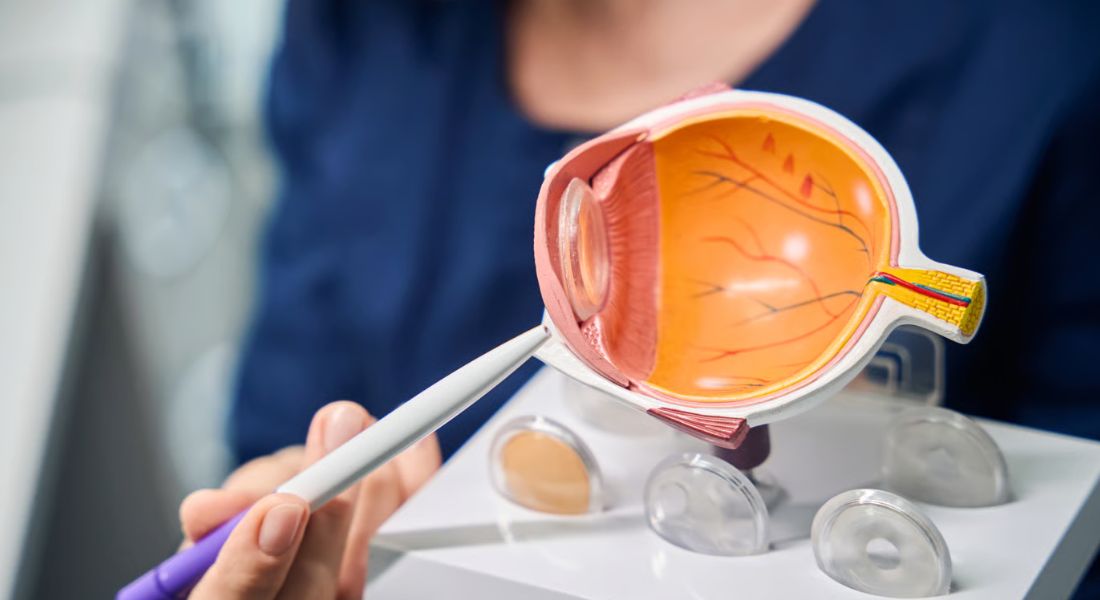
If you are seriously considering laser eye surgery, you have probably come across a range of technical terms that can feel slightly overwhelming at first. When it comes to your vision, every detail suddenly seems more important, and that is completely understandable. You want to feel confident that you are making the right decision. Taking the time to understand these terms can make the whole process much clearer and less stressful.
One term you should become familiar with is the residual stromal bed. It may sound complex, but it becomes much easier to understand when it is explained in simple terms. It refers to the layer of corneal tissue that remains after the laser has reshaped your eye. This remaining layer plays a crucial role in keeping your cornea strong and stable.
The reason this matters so much is because your cornea needs to maintain its structure after surgery. If too much tissue is removed and the remaining layer is too thin, it can weaken the eye over time. This could increase the risk of complications and affect your long-term results. That is why your surgeon carefully calculates how much tissue can be safely removed.
By understanding the importance of the residual stromal bed, you are in a better position to make informed decisions. It shows you how your treatment is planned with safety as a priority. You can also ask more relevant questions during your consultation. This step-by-step understanding helps you feel more confident about the entire process.
What Is the Residual Stromal Bed?
To understand the residual stromal bed, it helps to picture the structure of your cornea. Your cornea is made up of several layers, each playing an important role in protecting your eye and helping you see clearly. These layers work together to maintain both clarity and strength. This structure is what allows your eye to function properly every day.
The thickest and most important layer is called the stroma. It gives your cornea its shape and strength, and it is the layer reshaped during laser eye surgery. When you undergo a procedure such as LASIK, a small portion of this stromal tissue is removed to correct your vision. This reshaping allows light to focus more accurately onto your retina.
What remains after this process is known as the residual stromal bed. In simple terms, it is the untouched stromal tissue left behind after surgery. This remaining layer is essential for keeping your cornea stable and strong. Understanding this helps you see why it is such an important factor in your treatment plan.
Why Does the Residual Stromal Bed Matter So Much?
You might be wondering why the remaining thickness of your cornea is treated as such an important factor. The answer is quite simple when you look at how your eye functions after surgery. Your cornea needs to stay strong and stable to support clear vision. This is why careful planning is essential before any tissue is removed.
If too much tissue is taken away and the residual stromal bed is too thin, the cornea can become weaker over time. This loss of strength may affect how well your eye holds its shape. As a result, your vision could become less stable in the long term. Your surgeon works to avoid this by keeping enough tissue intact.
One of the main concerns linked to this is a condition called corneal ectasia. In this situation, the cornea begins to bulge forward due to reduced structural support. This can distort your vision and may require additional treatment to manage. By maintaining a safe residual stromal bed, your surgeon helps protect both your immediate recovery and your long-term results.
How Is the Residual Stromal Bed Calculated?
This is where things become slightly more technical, but it is still easy to understand when broken down. The residual stromal bed refers to the amount of corneal tissue left after laser eye surgery, and it is a key factor in ensuring long-term safety. Surgeons carefully calculate this value before proceeding with treatment. The aim is always to preserve enough corneal strength while achieving effective vision correction.
- Total Corneal Thickness: This is the starting point for the calculation and represents the full thickness of your cornea before surgery. It is measured using advanced imaging technology to ensure precision. A higher starting thickness generally provides more flexibility in planning the procedure safely.
- Flap Thickness (for LASIK): In procedures like LASIK, a thin flap is created on the cornea before reshaping begins. This flap has a specific thickness that must be accounted for in the calculation. Since it is lifted during surgery, it reduces the amount of underlying tissue available for safe laser correction.
- Ablation Depth (Tissue Removal): Ablation depth refers to how much corneal tissue the laser removes to correct your vision. This depends largely on your prescription, with stronger prescriptions requiring more tissue removal. Surgeons carefully control this value to avoid removing too much and compromising corneal stability.
- Why the Calculation Matters: The final residual stromal bed must be thick enough to maintain the cornea’s structural integrity. If too little tissue remains, there is a higher risk of complications such as corneal weakening over time. This is why every value in the calculation is measured and verified with great care before surgery.
In conclusion, calculating the residual stromal bed is a crucial step in determining whether laser eye surgery is safe for you. It combines multiple measurements to ensure that enough corneal tissue remains after the procedure. This careful planning helps protect the long-term stability of your eyes. Ultimately, it is this level of precision that allows surgeons to balance safety with effective vision correction.
What Is Considered a Safe Residual Stromal Bed?
There is no single number that applies to everyone when it comes to a safe residual stromal bed. However, there are widely accepted guidelines that surgeons follow to protect your eye health. These guidelines are based on research and long-term outcomes from previous treatments. They help ensure that your procedure is carried out within safe limits.
In general, surgeons aim to leave at least 250 microns of residual stromal tissue after surgery. Many specialists prefer to be more cautious and target around 280 to 300 microns or even more. This additional margin provides extra reassurance that your cornea will remain stable. It is a way of reducing risk while still achieving good visual results.
The exact target for you will depend on your individual eye structure and prescription. Factors such as your corneal thickness and the amount of correction needed are carefully considered. Your surgeon uses these details to create a plan that balances safety and effectiveness. This personalised approach helps ensure strong, stable, and long-lasting outcomes.
How Your Prescription Affects the Residual Stromal Bed
Your prescription plays a direct role in how much corneal tissue needs to be removed during laser eye surgery. The stronger your prescription, the more reshaping is required to correct your vision. This means your surgeon must carefully calculate how much tissue can be safely taken away. It is always about finding the right balance between improvement and safety.
If you have a mild prescription, only a small amount of tissue needs to be removed. This makes it easier to maintain a healthy residual stromal bed after the procedure. As a result, there is more flexibility in choosing the type of treatment that suits you. Your cornea is more likely to remain strong and stable over time.
However, if your prescription is higher, more tissue must be removed to achieve the desired correction. This reduces the amount of stromal tissue left behind, which requires extra caution. That is why people with stronger prescriptions go through more detailed evaluation. In some cases, your surgeon may recommend alternative treatments to ensure your long-term eye health is protected.
The Role of the Corneal Flap in LASIK
If you are considering LASIK, the corneal flap is another important factor you need to understand. During the procedure, a thin flap is carefully created on the surface of your cornea. This flap allows the laser to access and reshape the underlying stromal tissue. It is a key step that makes the treatment both effective and precise.
The thickness of this flap can vary, but it usually falls between 90 and 120 microns. Although this may seem small, it plays a significant role in your overall treatment plan. This is because the flap thickness must be included when calculating how much corneal tissue remains. Every micron matters when it comes to maintaining the strength of your cornea.
A thicker flap means that less stromal tissue is left behind after the procedure. This can reduce the amount of residual stromal bed available, which may affect long-term stability. That is why modern LASIK techniques focus on creating thinner and more precise flaps. This approach helps preserve more tissue and improves both safety and outcomes.
How PRK Differs in Terms of Residual Stromal Bed
PRK is slightly different from LASIK because it does not involve creating a corneal flap. Instead, the thin outer layer of your cornea is gently removed before the laser reshapes the surface. This allows the treatment to be performed directly on the cornea without cutting into deeper layers. As a result, the overall structure of your eye is preserved in a different way.
Because no flap is created, more of your stromal tissue remains untouched. This helps maintain a thicker residual stromal bed after the procedure. For you, this can be especially important if your cornea is thinner or if you have a higher prescription. It provides an added level of safety when laser correction is still possible.
Although PRK can involve a longer recovery period, it often offers strong long-term stability. Your cornea gradually heals and rebuilds its surface over time. This process supports lasting results while maintaining structural strength. For many people, this makes PRK a reliable and safe alternative.
Why Personalised Assessment Is Essential
One of the biggest mistakes you can make is assuming that laser eye surgery is the same for everyone. In reality, every eye is completely unique, and no two treatment plans are identical. Your corneal thickness, prescription, and overall eye health all play a role in determining what is suitable for you. This is why a detailed assessment is always necessary before any decision is made.
The residual stromal bed is not just a standalone number on a report. It forms part of a much larger picture that includes several important measurements. Your surgeon needs to understand how all these factors work together in your specific case. This combined view helps ensure that nothing important is overlooked.
Your surgeon will carefully analyse all of these details to create a personalised treatment plan for you. This plan is designed to balance vision correction with long-term eye safety. It ensures that your cornea remains strong while still achieving the best possible visual outcome. In the end, this tailored approach is what makes the procedure both safe and effective.
Advanced Technology and Precision Planning
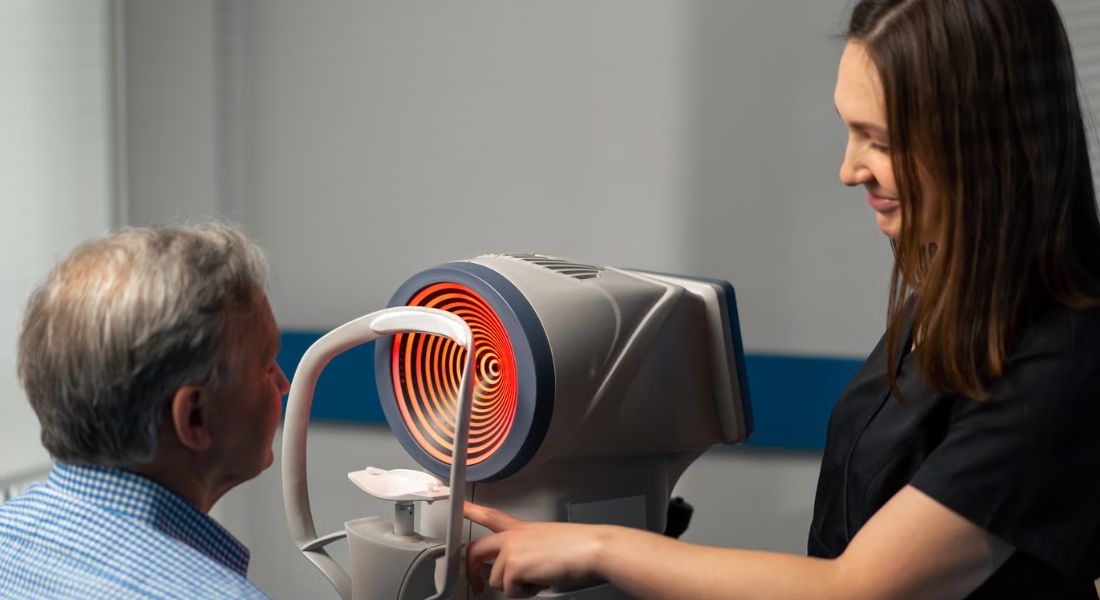
Modern eye clinics use highly advanced imaging systems to assess your cornea in great detail before any surgery is planned. These systems are designed to give your surgeon a clear and accurate understanding of your eye’s structure. The process is quick, comfortable, and completely non-invasive. It allows for a much more personalised and precise approach to treatment.
These technologies create a detailed three-dimensional map of your eye, showing its shape and structure from multiple angles. They measure important factors such as corneal thickness, curvature, and overall structural integrity with a very high level of accuracy. This means even small variations in your cornea can be identified and analysed. Nothing important is left to guesswork during this stage.
With all this information, your surgeon can calculate your residual stromal bed with a high degree of confidence. This ensures that enough corneal tissue will remain after surgery to keep your eye strong and stable. It also helps identify any potential risks before the procedure even begins. As a result, your treatment plan becomes safer, more precise, and better tailored to your individual eyes.
What Happens If the Residual Stromal Bed Would Be Too Thin?
When surgeons calculate the residual stromal bed and find that it would be too thin after LASIK, they will not proceed with the procedure. This decision is not about limiting your options, but about ensuring long-term safety for your vision. The cornea needs a certain level of structural strength to remain stable after surgery. If that strength cannot be preserved, the surgical plan must be adjusted.
- LASIK Is Safely Ruled Out: If the predicted residual stromal bed falls below the safe threshold, LASIK is considered unsuitable. This is because too little remaining corneal tissue can increase the risk of weakening over time. Surgeons prioritise preventing complications such as corneal instability rather than pushing forward with an unsafe procedure.
- Safety Comes Before Eligibility: Being told you are not suitable for LASIK is actually a protective decision rather than a negative one. It reflects careful planning based on detailed measurements and risk assessment. The goal is always to preserve the long-term health and stability of your eyes, even if that means choosing a different approach.
- Alternative Procedures May Be Recommended: If LASIK is not suitable, surgeons often suggest other options such as PRK or implantable lenses. These procedures do not rely on the same level of corneal tissue or structural alteration. As a result, they can be safer choices for patients with thinner corneas while still providing effective vision correction.
- Good Visual Outcomes Are Still Possible: Even when LASIK is not an option, patients can still achieve excellent visual results through alternative treatments. Modern procedures are designed to accommodate a wide range of corneal conditions safely. With the right approach, vision improvement can still be highly successful without compromising corneal strength.
In conclusion, a thin residual stromal bed simply redirects the treatment plan rather than preventing vision correction altogether. Surgeons prioritise safety by selecting procedures that best suit your corneal structure. This ensures that long-term eye health is protected while still aiming for strong visual outcomes. Ultimately, the decision is about choosing the safest and most effective path for your individual eyes.
Long-Term Stability and Why It Matters
Laser eye surgery is not only about improving your vision in the short term, but also about ensuring that those results remain stable for many years. A successful outcome should continue to support clear, consistent vision in your everyday life. This long-term stability is just as important as the initial improvement you notice after the procedure. It is what makes the treatment truly worthwhile over time.
A healthy residual stromal bed plays a key role in maintaining this stability. It helps preserve the natural strength and structure of your cornea after surgery. When enough stromal tissue is left intact, your eye is better able to keep its shape and function properly. This reduces the risk of gradual changes that could affect your vision later on.
By preserving sufficient corneal tissue, your eye becomes more resistant to weakening over time. This supports steady, reliable vision and lowers the chance of long-term complications. It also helps ensure that your surgical results remain consistent and dependable. In the end, this careful balance is what allows laser eye surgery to deliver lasting and safe outcomes.
Common Misunderstandings About Residual Stromal Bed
There are a few common misconceptions about the residual stromal bed that often cause confusion. One of the main ones is the belief that if you are eligible for laser eye surgery, then all surgical techniques will be equally safe for you. In reality, this is not the case, as each procedure depends heavily on your individual eye measurements. Your corneal thickness and overall structure play a major role in determining what is suitable.
Another misunderstanding is the idea that achieving the maximum possible correction is always the best outcome. While it may seem logical to aim for the strongest level of vision correction, this is not always the safest approach. In some situations, a slightly more conservative treatment plan can provide better long-term stability. This helps ensure that your cornea remains strong and healthy after surgery.
Understanding these nuances can make a significant difference in how you approach your treatment decision. It helps you see that laser eye surgery is not a one-size-fits-all procedure. Instead, it is carefully tailored to balance improvement with safety. This knowledge allows you to have more realistic expectations and a more informed overall experience.
Choosing a Trusted Clinic

The expertise of your clinic plays a major role in the outcome of your laser eye surgery. You need a team that not only understands the procedure in detail but also applies strict safety standards at every stage. A good clinic will never rush your decision and will always prioritise your long-term eye health. This level of professionalism directly influences both your safety and your results.
You should look for a clinic that uses advanced technology and takes time to explain every step of the process clearly. From your initial consultation through to your final treatment plan, communication should be straightforward and easy to understand. A trustworthy team will make sure you know exactly what is happening and why each test is important. This helps you feel more confident and informed throughout your journey.
If you are researching options for advanced vision correction and laser surgery in London through reputable providers such as this detailed resource on Laser surgery in London, you will notice that thorough corneal assessment is always a key part of the process. This includes careful evaluation of corneal thickness, residual stromal bed, and overall eye structure. This level of detailed assessment ensures that your treatment is fully tailored to your individual needs and focused on achieving the safest possible outcome.
Preparing for Your Consultation
If you are planning to explore laser eye surgery, preparation is an important first step. It helps ensure your consultation is accurate and gives your specialist the best possible information about your eyes. Taking simple steps beforehand can make the whole process smoother and more reliable. It also supports better decision-making from the start.
You may be asked to stop wearing contact lenses before your appointment. This is because they can temporarily change the shape of your cornea. Allowing your eyes to return to their natural state ensures that all measurements are as precise as possible. This step is essential for an accurate assessment.
During your consultation, detailed measurements will be taken, including those needed to calculate your residual stromal bed. These results help your surgeon understand your corneal thickness and overall suitability for treatment. You should also feel free to ask questions so you fully understand your options. The more informed you are, the more confident you will feel about your decision.
How This Knowledge Helps You Make Better Decisions

Understanding the residual stromal bed gives you a much clearer insight into how laser eye surgery actually works. It helps you move beyond the idea that it is just a quick vision correction procedure and shows you the careful planning involved. When you know what is happening beneath the surface, the process becomes easier to understand and trust. This knowledge also reduces uncertainty and confusion.
It allows you to appreciate why detailed measurements and safety checks are so important. Instead of focusing only on how clear your vision might be after surgery, you start to understand what keeps your eyes safe in the long term. This broader perspective helps you see the full picture of treatment planning. It also highlights why personalised assessment is essential for every patient.
Rather than focusing only on the end result, you are able to consider both safety and long-term outcomes together. This means you can evaluate whether a procedure is truly suitable for your specific eye structure. You begin to understand that good results are not just about improvement, but also about stability. This balance is what makes the decision more informed and realistic.
The Balance Between Vision and Safety
At the end of the day, laser eye surgery is all about balance. You are aiming to achieve clearer vision and reduce your dependence on glasses or contact lenses, but this should never come at the expense of your long-term eye health. Both improvement and safety need to work together for a successful outcome. This is why careful planning is such an important part of the process.
The residual stromal bed is one of the key factors that helps maintain this balance. It ensures that enough corneal tissue is left behind after surgery to support the natural strength of your eye. Without this consideration, the cornea could become weakened over time, which may affect stability. This is why surgeons place so much importance on preserving it.
By carefully preserving enough tissue, your surgeon is able to protect the structure of your cornea while still achieving excellent visual correction. This means you can benefit from improved vision without compromising the health of your eye. Every decision is made to strike the right balance between effectiveness and safety. In the end, this careful approach is what leads to the best possible long-term results.
FAQs:
- What is the residual stromal bed in laser eye surgery?
The residual stromal bed is the layer of corneal tissue that remains after laser eye surgery has reshaped your cornea. It is the untouched portion of the stroma left behind after the laser removes tissue to correct your vision. This remaining layer is essential for maintaining the strength, stability, and overall structure of your eye. - Why is the residual stromal bed important?
It is important because it helps ensure your cornea remains strong and stable after surgery. If too little tissue is left behind, the cornea may weaken over time, increasing the risk of complications. A healthy residual stromal bed supports long-term visual stability and reduces the likelihood of structural issues. - What is considered a safe residual stromal bed thickness?
Most surgeons aim to leave at least 250 microns of residual stromal tissue. However, many prefer a safer margin of around 280 to 300 microns or more. The exact safe level depends on your eye health, corneal thickness, and the amount of correction required. - How do surgeons calculate the residual stromal bed?
It is calculated by subtracting the flap thickness (in LASIK) and the amount of tissue removed by the laser (ablation depth) from the total corneal thickness. This allows surgeons to determine how much corneal tissue will remain after surgery and whether it is safe. - What happens if the residual stromal bed is too thin?
If the remaining tissue would be too thin, surgeons will not proceed with LASIK. A thin residual stromal bed increases the risk of corneal weakening and complications such as ectasia. Instead, alternative treatments like PRK or implantable lenses may be recommended. - How does my prescription affect the residual stromal bed?
A stronger prescription requires more corneal tissue to be removed during surgery. This means less tissue remains afterward, which can reduce the residual stromal bed. Higher prescriptions therefore require more careful assessment to ensure safety. - Does LASIK reduce the residual stromal bed more than PRK?
Yes. LASIK involves creating a corneal flap, which reduces the amount of remaining stromal tissue. PRK does not use a flap, so more of the corneal structure is preserved, often resulting in a thicker residual stromal bed after treatment. - Why is the corneal flap important in LASIK calculations?
The flap must be included in the calculation because it permanently alters the corneal structure. Even though it is repositioned after surgery, its thickness reduces the amount of stromal tissue available for structural support, which affects safety planning. - Can I still have laser eye surgery if my residual stromal bed would be too thin?
Yes, but LASIK may not be suitable. In such cases, surgeons often recommend alternatives such as PRK or implantable contact lenses. These options do not rely on the same level of stromal tissue removal and can still provide excellent results. - Why is personalised assessment so important for residual stromal bed planning?
Every eye is different, so a personalised assessment ensures all factors such as corneal thickness, prescription strength, and eye health are carefully evaluated. This allows surgeons to calculate a safe residual stromal bed and choose the most suitable procedure for your individual needs.
Final Thoughts: Understanding the Residual Stromal Bed
The residual stromal bed is one of the most important safety considerations in laser eye surgery because it refers to the layer of corneal tissue that remains after the laser has reshaped your eye. This remaining tissue must be thick enough to keep your cornea strong, stable, and able to maintain its natural shape over time. If it is too thin, the long-term structural integrity of the eye could be affected, which is why surgeons plan every detail very carefully before treatment.
What makes this concept so important is that it directly influences both safety and long-term visual outcomes. By ensuring an adequate residual stromal bed, your surgeon helps reduce the risk of complications and supports more predictable, stable results for years after the procedure. It is this careful balance between correction and preservation that allows laser eye surgery to deliver effective vision improvement without compromising eye health. If you’re exploring whether laser surgery in London could benefit you, get in touch with us at Eye Clinic London to schedule your consultation.
References:
- Tukan, A.N., Bundogji, N., Liu, H.Y. and Moshirfar, M. (2021) Ectasia after corneal refractive surgery: a systematic review, Clinical Ophthalmology. Available at: https://pmc.ncbi.nlm.nih.gov/articles/PMC8589911/
- Ogasawara, K. and Onodera, T. (2016) Residual stromal bed thickness correlates with regression of myopia after LASIK, Clinical Ophthalmology, 10, pp. 1977–1981. Available at: https://pubmed.ncbi.nlm.nih.gov/27784987/
- Woodward, M., Lynn, M.J. and Stulting, R.D. (2008) Risk assessment for ectasia after corneal refractive surgery, Ophthalmology, 115(1), pp. 37–50. Available at: https://pubmed.ncbi.nlm.nih.gov/17624434/
- Santhiago, M.R. et al. (2014) Percent tissue altered and residual stromal bed in LASIK ectasia risk, American Journal of Ophthalmology. Available at: https://pmc.ncbi.nlm.nih.gov/articles/PMC4081172/
- Randleman, J.B. et al. (2002) Keratectasia after LASIK: evaluation of residual stromal bed thickness, American Journal of Ophthalmology. Available at: https://www.sciencedirect.com/science/article/abs/pii/S0002939402016562