


How Does Corneal Thickness Affect Laser Eye Surgery Results?
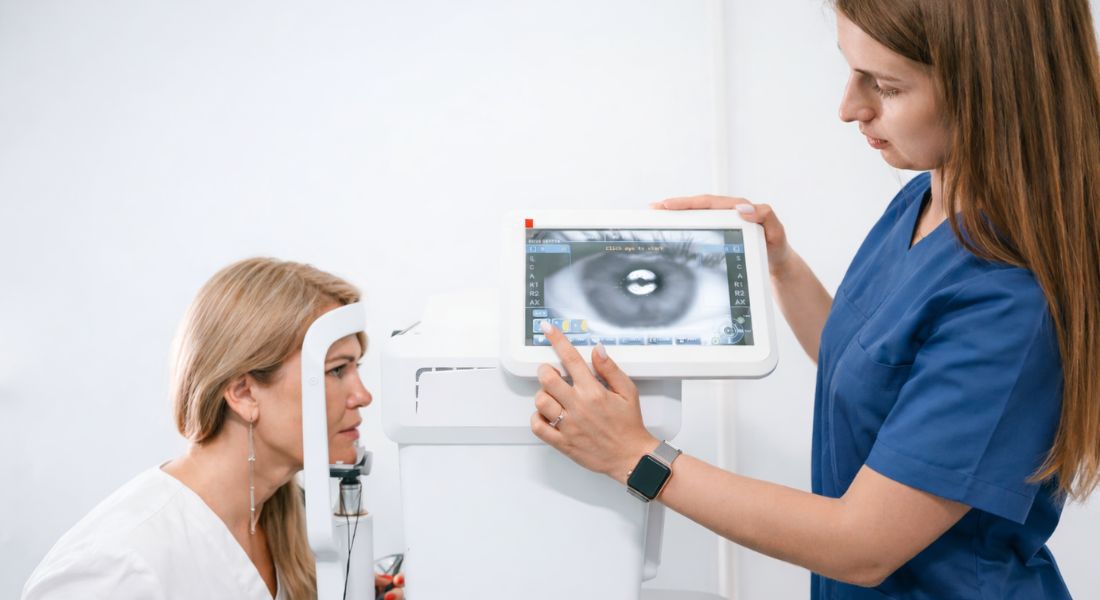
When you first start thinking about laser eye surgery, it is natural to focus on the end result. You want clearer vision, less reliance on glasses, and a smoother daily routine overall. These benefits are often what make the procedure so appealing in the first place. However, before any of that can happen, your eyes need to go through a detailed and careful assessment.
This assessment is more important than you might expect, as it determines whether your eyes are suitable for treatment. Every eye is different, and what works well for someone else may not be right for you. That is why specialists carefully evaluate several factors before making any decisions. This step ensures that your treatment is both safe and effective.
One of the key factors you need to understand is corneal thickness, which plays a central role in the process. It may sound technical at first, but it is quite simple when explained clearly. The thickness of your cornea affects how much tissue can be safely reshaped during surgery. If it is too thin, certain procedures may not be suitable for you.
Understanding this can help you feel more confident about your choices and what to expect. Your surgeon uses this measurement to decide the safest and most effective approach for your eyes. This ensures that your results are stable and long-lasting over time. When you see how carefully everything is planned, the process becomes much easier to trust.
What Is the Cornea and Why Does Thickness Matter?
Your cornea is the clear, curved surface at the front of your eye. It acts as a protective layer while also helping to focus light onto your retina. In many ways, it plays a vital role in how clearly and comfortably you see every day. Without it working properly, your vision would not be as sharp or stable.
When you undergo laser eye surgery, the shape of your cornea is carefully adjusted to improve how light enters your eye. This reshaping allows light to focus more accurately onto the retina, leading to clearer vision. Although this may sound straightforward, it requires a high level of precision and careful planning. Every small adjustment is tailored to suit your specific eye structure.
This is where corneal thickness becomes especially important for your safety and results. The laser removes microscopic layers of tissue to reshape the cornea, and this must be done within safe limits. If your cornea is too thin, removing tissue could weaken its structure and affect long-term stability. That is why thickness is not just a simple measurement, but a key safety checkpoint in your treatment plan.
How Corneal Thickness Is Measured
Before any decision is made about your surgery, your eye specialist will measure your corneal thickness as part of a detailed assessment. This step is essential in deciding whether you are suitable for treatment and which option is safest. The tests used are quick, completely painless, and highly accurate. You will simply sit comfortably while the equipment scans your eye.
One of the most common methods used is called pachymetry, which measures your cornea in microns. It can use ultrasound or advanced optical technology to provide precise readings within seconds. To give you some context, a human hair is around 70 microns thick, showing just how detailed these measurements are. This precision helps your specialist make informed and safe decisions about your treatment.
Your cornea usually measures between 500 and 600 microns, although this can vary from person to person. In addition to thickness, your surgeon will also check the shape and stability of your cornea. These factors work together to determine whether laser eye surgery is suitable for you. This careful evaluation ensures that your treatment is tailored to your eyes and designed for the best possible outcome.
Why Thickness Is Crucial for Laser Eye Surgery
You might be wondering why corneal thickness is treated as such an important factor. After all, modern laser technology is extremely precise, so it may seem like a few microns should not make much difference. However, even very small changes can have a significant impact on your eye’s structure. This is why thickness is carefully considered before any treatment is recommended.
The key reason lies in the structural integrity of your cornea. After surgery, your cornea still needs to remain strong and stable to support clear vision. If too much tissue is removed during the procedure, it can weaken the cornea over time. This is something your surgeon works carefully to avoid through detailed planning.
One of the main risks linked to insufficient thickness is a condition called corneal ectasia. This happens when the cornea starts to bulge outward due to a weakened structure, which can affect your vision. In some cases, it may require additional treatment to manage the condition. By measuring your corneal thickness in advance, your surgeon can reduce this risk and plan a treatment that keeps your eyes safe while improving your vision.
Different Types of Laser Eye Surgery and Thickness Requirements
Laser eye surgery is not a one-size-fits-all solution, and each procedure interacts with the cornea in a slightly different way. Because of these differences, corneal thickness plays a crucial role in determining which option is most suitable. Some techniques require more tissue to be available, while others are designed specifically for thinner corneas. Understanding these variations helps ensure both safety and long-term effectiveness.
- LASIK (Laser-Assisted In Situ Keratomileusis): LASIK involves creating a thin flap on the surface of the cornea before reshaping the tissue underneath. This means your cornea must be thick enough to support both the flap and the laser correction safely. If the cornea is too thin, removing additional tissue could weaken its structure and increase the risk of complications.
- PRK (Photorefractive Keratectomy): PRK takes a different approach by removing the outer layer of the cornea entirely instead of creating a flap. Because no flap is involved, less structural thickness is required, making it a better option for individuals with thinner corneas. Although recovery may take longer, the final visual outcomes are typically just as reliable as other procedures.
- SMILE (Small Incision Lenticule Extraction): SMILE is a more advanced and minimally invasive technique that uses a small incision to remove a tiny piece of corneal tissue. This method preserves more of the cornea’s surface, which can be beneficial for maintaining strength. However, even with its advantages, adequate corneal thickness is still necessary, and not every patient will qualify.
In summary, the type of laser eye surgery you can undergo largely depends on your corneal thickness and overall eye health. Procedures like LASIK require more tissue, while PRK and SMILE may offer alternatives for those with thinner corneas. Each option has its own balance of safety, recovery time, and effectiveness. A thorough assessment by an eye specialist is essential to determine the most appropriate and safest choice for your vision needs.
What Happens If Your Cornea Is Too Thin?
If your cornea is thinner than average, it does not automatically mean you cannot have vision correction. It simply means that your options may be different from those of someone with a thicker cornea. Your eye specialist will look at your overall eye health before making any recommendations. This ensures that whatever choice is made is both safe and effective for you.
In many cases, your surgeon may suggest an alternative procedure such as PRK. This method does not involve creating a flap, which helps reduce the amount of corneal tissue affected. Because of this, it is often considered a safer option for thinner corneas. It still aims to improve your vision, but with a more cautious approach.
Another option you might be offered is implantable lenses, which work without reshaping the cornea at all. These lenses are placed inside the eye and can provide excellent visual results for suitable candidates. This approach completely avoids removing corneal tissue, making it a strong alternative. The key point is that there is no one-size-fits-all solution, and your treatment will always be tailored to your specific eye structure.
The Relationship Between Thickness and Prescription
Your prescription plays an important role in how much corneal tissue needs to be removed during laser eye surgery. Stronger prescriptions usually require more reshaping, which means a greater amount of tissue is taken away. This is because the laser needs to make more significant adjustments to correct your vision. As a result, your prescription and corneal thickness are always considered together.
If you have a high prescription and a thinner cornea, this combination can limit the options available to you. Removing too much tissue could weaken the cornea and affect its long-term stability. Your surgeon will carefully assess this balance before recommending any procedure. The aim is to avoid unnecessary risks while still improving your vision as much as possible.
In situations like this, you may be advised to consider alternative treatments or a more conservative level of correction. This approach focuses on achieving safe and stable results rather than pushing for maximum change. Your long-term eye health is always the top priority in these decisions. By taking this careful approach, your surgeon ensures that your vision improvement is both effective and safe.
Can Corneal Thickness Change Over Time?
Corneal thickness is generally stable throughout your life, but it can change slightly under certain conditions or circumstances. These changes are usually small, yet they are still important when planning your treatment. Your specialist takes this into account to ensure the most accurate assessment. This helps provide results that are both safe and reliable.
For example, long-term contact lens use can temporarily affect the shape and thickness of your cornea. This is why you are often asked to stop wearing your lenses for a period before your eye examination. It allows your cornea to return to its natural state before measurements are taken. This step ensures that the readings reflect your true eye condition.
Certain eye conditions can also influence corneal thickness and overall stability. If there are any irregularities, your surgeon will identify them during the screening process. These checks are designed to catch even minor issues that could affect your treatment. Understanding these variations helps ensure that your measurements are accurate and that your care is properly tailored.
How Surgeons Decide What Is Safe

When you attend a consultation for laser eye surgery, the decision-making process goes far beyond a single measurement. Surgeons carefully evaluate multiple aspects of your eye health to determine whether a procedure is both safe and effective. This comprehensive approach ensures that risks are minimised and outcomes are optimised. Rather than relying on one factor alone, they build a complete picture of your eyes before making any recommendation.
- Corneal Thickness: Corneal thickness is one of the most important measurements, as it determines how much tissue can be safely removed during surgery. Surgeons need to ensure that enough corneal structure remains after the procedure to maintain stability. If the cornea is too thin, certain procedures may be ruled out to avoid long-term complications.
- Corneal Shape and Curvature: The shape and curvature of your cornea are analysed to detect irregularities or conditions such as uneven surfaces. These factors can affect how well the laser reshapes the eye and how predictable the results will be. Abnormalities in curvature may increase risks and influence the type of procedure recommended.
- Prescription Strength: Your level of refractive error, whether it is short-sightedness, long-sightedness, or astigmatism, also plays a key role. Stronger prescriptions typically require more corneal tissue to be removed, which can impact eligibility. Surgeons balance your prescription needs with the available corneal thickness to ensure safe correction.
- Eye Health History: Your overall eye health, including past conditions, injuries, or diseases, is carefully reviewed. Issues such as dry eyes, infections, or underlying disorders can affect healing and outcomes. A detailed history helps surgeons anticipate potential risks and tailor the procedure accordingly.
In conclusion, determining suitability for laser eye surgery involves a detailed and personalised assessment rather than a simple yes-or-no decision. Each factor, from corneal thickness to medical history, contributes to the overall safety profile. Even if one aspect seems favourable, others must align to ensure the best possible outcome. This thorough evaluation is what allows surgeons to recommend the most appropriate and safest treatment for your vision.
Why Personalised Planning Matters
No two eyes are exactly the same, and this is something you should always keep in mind. Even between your own left and right eye, there can be small but important differences. These variations can affect how each eye responds to treatment. That is why a general approach is never suitable when it comes to laser eye surgery.
This is where personalised treatment planning becomes essential for your safety and results. Your surgeon uses detailed measurements to create a plan that is tailored specifically to your eyes. These measurements include factors such as corneal thickness, shape, and overall stability. By combining this information, your treatment is designed to suit your unique eye structure.
Corneal thickness plays a key role in shaping this personalised plan. It helps determine how much tissue can be safely removed and which procedure is most appropriate for you. When this planning is done carefully and correctly, it greatly improves both safety and long-term outcomes. As a result, you can feel more confident that your treatment has been designed with your individual needs in mind.
The Role of Technology in Measuring Thickness
Modern eye clinics use highly advanced technology to assess your cornea in great detail. These tools are designed to give a clear and accurate picture of your eye’s structure within seconds. The process is quick, comfortable, and completely non-invasive for you. This level of precision helps your specialist make well-informed decisions about your treatment.
With this technology, your surgeon can see more than just the overall thickness of your cornea. It also shows how thickness varies across different areas of the surface. This is important because some areas may be slightly thinner or weaker than others. Understanding these variations allows your treatment to be planned with greater accuracy.
These detailed insights help identify any weak points or irregularities that might affect your results. They also ensure that the laser is applied with maximum precision during the procedure. As a result, your treatment is both safer and more carefully controlled. This advanced approach leads to more predictable and reliable outcomes for your vision.
Preparing for Your Consultation

If you are considering laser eye surgery, preparing in advance can make a noticeable difference to your experience. It helps ensure that your assessment is as accurate and useful as possible. Even small steps before your appointment can improve the quality of your results. This preparation also helps you feel more relaxed and informed on the day.
You may be asked to stop wearing contact lenses for a period before your consultation. This is because lenses can temporarily alter the shape of your cornea. Allowing your eyes to return to their natural state ensures that measurements are accurate. Following this advice is important for getting reliable results.
During your consultation, you will go through a series of tests, including corneal thickness measurement. These tests are quick, painless, and designed to give a complete picture of your eye health. It is also a good idea to ask questions and understand your results clearly. Knowing how your corneal thickness affects your options will help you make a confident and informed decision.
Common Misconceptions About Corneal Thickness
When discussing corneal thickness and laser eye surgery, a number of misconceptions tend to surface. These misunderstandings can lead to unnecessary worry or unrealistic expectations about suitability. The truth is that corneal thickness is just one part of a much bigger picture. A clear understanding of these myths helps you approach surgery decisions with more confidence and accuracy.
- Thicker Is Always Better: It is easy to assume that having a thicker cornea automatically makes you an ideal candidate for surgery. While a thicker cornea does provide more flexibility in terms of treatment options, it does not guarantee suitability. Other factors, such as corneal shape and overall eye health, still play an equally important role in determining safety.
- Thin Corneas Mean No Surgery: Many people believe that having thin corneas completely rules out laser eye surgery. In reality, this is not always the case, as certain procedures are specifically designed for thinner corneas. Options like PRK or SMILE may still deliver excellent results, depending on your individual assessment.
- The Number Is All That Matters: Focusing solely on the thickness measurement can be misleading. Surgeons do not rely on a single number but instead evaluate how that measurement fits within your overall eye profile. Factors such as prescription strength, corneal stability, and medical history all influence the final decision.
- Same Thickness Means Same Outcome: Another common misconception is that two people with the same corneal thickness will have identical suitability and results. In reality, every eye is unique, and outcomes depend on a combination of multiple variables. Personalised assessments ensure that treatment plans are tailored to each individual rather than based on a single measurement.
In conclusion, corneal thickness is an important factor, but it should never be viewed in isolation. Misconceptions can create confusion, especially when they oversimplify how suitability is determined. A balanced understanding of all contributing factors is essential for making informed decisions. Ultimately, a professional assessment remains the most reliable way to determine what is safe and effective for your eyes.
Finding the Right Clinic

Choosing the right clinic is just as important as understanding the procedure itself. You want a team that takes the time to assess your eyes thoroughly and explain your options in a clear and honest way. A careful and detailed approach shows that your safety is being taken seriously. This also helps you feel more confident about moving forward with treatment.
If you are exploring options for laser surgery in London, it is worth looking at trusted clinics that provide detailed information and guidance. Reputable providers place a strong emphasis on corneal assessment as part of their process. They take time to explain how factors like thickness and eye structure affect your suitability. This level of transparency helps you understand exactly what to expect.
When a clinic focuses on thorough testing and personalised planning, it leads to better outcomes. Your treatment is designed specifically for your eyes rather than using a general approach. This not only improves the effectiveness of the procedure but also supports long-term safety. Taking the time to choose the right clinic can make a significant difference to your overall experience.
Long-Term Results and Corneal Stability
The success of laser eye surgery is not only about the immediate improvement in your vision. It is also about maintaining stable and healthy eyes for many years after the procedure. Long-term results depend on how well your eyes heal and adapt over time. This is why careful planning before surgery is so important.
Corneal thickness plays a direct role in ensuring this long-term stability. By preserving enough corneal tissue, your surgeon helps maintain the strength and shape of your eye after treatment. This balance is essential for keeping your vision consistent and reliable. It also reduces the likelihood of changes developing later on.
When enough tissue is maintained, the risk of complications is significantly lowered. This helps support clear and stable vision over the years. When everything is done correctly, the results can feel truly life-changing in a positive way. You benefit not just in the short term, but in your everyday life going forward.
What You Should Take Away From All This
Corneal thickness might seem like a small detail at first, but it has a significant impact on your entire treatment journey. It is one of the key factors that specialists rely on when assessing your eyes. Even though it is measured in tiny units, it plays a very large role in decision-making. Understanding this helps you see why it is given so much attention during your consultation.
It influences whether you are suitable for surgery and which procedure is most appropriate for you. It also affects how safely the treatment can be carried out and how stable your results will be over time. Your surgeon uses this information alongside other measurements to build a complete picture of your eye health. This ensures that every decision is made with your safety in mind.
By understanding the importance of corneal thickness, you are better prepared to ask the right questions. It allows you to take an active role in your consultation rather than feeling unsure or overwhelmed. This knowledge helps you make informed and confident decisions about your treatment. Ultimately, that is what leads to the best and most reliable results.
FAQs:
- What is corneal thickness and why is it important for laser eye surgery?
Corneal thickness refers to the measurement of the clear, dome-shaped surface at the front of your eye. It is crucial because laser eye surgery works by removing tiny amounts of corneal tissue to reshape it. If the cornea is not thick enough, removing tissue could weaken its structure, which may affect both safety and long-term results. - What is the normal range for corneal thickness?
In most individuals, corneal thickness typically falls between 500 and 600 microns. However, this can vary naturally depending on the person. What matters most is not just the number itself, but whether your cornea has enough thickness to safely support the level of correction you need. - How is corneal thickness measured?
Corneal thickness is measured using a quick and painless test known as pachymetry. This can be done using ultrasound or advanced optical scanning devices that map the surface of your eye. The process takes only a few seconds and provides highly accurate measurements used to guide treatment decisions. - Can I have laser eye surgery if I have thin corneas?
Yes, thin corneas do not automatically disqualify you from laser eye surgery. While procedures like LASIK may not be suitable, alternatives such as PRK or SMILE could still be options. In some cases, non-laser treatments like implantable lenses may also be recommended for safe and effective vision correction. - Why does LASIK require a thicker cornea?
LASIK involves creating a thin flap on the surface of the cornea before reshaping the underlying tissue. This means there must be enough corneal thickness to accommodate both the flap and the laser correction. If the cornea is too thin, it may not maintain enough strength after the procedure. - What happens if too much corneal tissue is removed?
If excessive tissue is removed, the cornea can become structurally unstable. This may lead to a condition called corneal ectasia, where the cornea begins to bulge outward and distort vision. Although rare, this is why surgeons carefully calculate safe limits before recommending any treatment. - Does a higher prescription affect corneal thickness requirements?
Yes, higher prescriptions usually require more corneal tissue to be removed in order to achieve clear vision. This means that individuals with stronger prescriptions need sufficient corneal thickness to safely undergo laser correction. If not, alternative treatments may be suggested. - Can corneal thickness change over time?
Corneal thickness is generally stable throughout life, but temporary changes can occur. For example, wearing contact lenses for long periods can slightly alter the cornea’s shape and thickness. This is why patients are often advised to stop wearing lenses before their eye assessment. - Is thicker cornea always better for laser eye surgery?
Not always. While a thicker cornea can offer more flexibility in choosing treatment options, it does not guarantee suitability. Other factors such as corneal shape, stability, and overall eye health are equally important in determining whether surgery is safe and effective. - Why is a personalised consultation important before surgery?
A personalised consultation allows your eye specialist to assess multiple factors, including corneal thickness, prescription strength, and eye health. This detailed evaluation ensures that the chosen procedure is tailored specifically to your eyes. It helps minimise risks and improves the chances of achieving safe, stable, and long-lasting results.
Final Thoughts: Making Confident, Informed Decisions About Your Vision
When I look at everything we have covered, one thing becomes very clear corneal thickness is far more than just a technical measurement. It is a key part of how your treatment is planned, how safe it will be, and how well your vision holds up over time. Even though it is measured in tiny microns, its impact on your overall results is significant.
I always find that understanding these details makes the entire process feel much less overwhelming. Instead of seeing laser eye surgery as a one-size-fits-all solution, you begin to recognise how carefully it is tailored to each individual. Your eyes are unique, and your treatment should reflect that at every stage.
It is also reassuring to know that having a thinner cornea does not automatically close the door on vision correction. There are multiple approaches available, and the right one depends on a combination of factors not just a single number. What matters most is choosing a safe option that supports both your immediate results and your long-term eye health. If you’d like to find out whether laser surgery in London is suitable for you, feel free to contact us at Eye Clinic London to arrange a consultation.
References:
- Wierzbowska, J., Smorawski, M., Sierdziński, J. and Stróżecki, Ł. (2026) Impact of flap thickness on refractive outcomes and corneal biomechanics following femtosecond LASIK, Journal of Clinical Medicine, 15(5), p. 1923. Available at: https://www.mdpi.com/2077-0383/15/5/1923
- Alió Del Barrio, J.L. et al. (2022) Corneal stromal thickness changes after myopic laser refractive surgery, Journal of Cataract & Refractive Surgery, 48(3), pp. 334–341. Available at: https://pubmed.ncbi.nlm.nih.gov/34326281/
- Tukan, A.N., Bundogji, N., Liu, H.Y. and Moshirfar, M. (2021) Ectasia after corneal refractive surgery: A systematic review, Clinical Ophthalmology. Available at: https://pmc.ncbi.nlm.nih.gov/articles/PMC8589911/
- Kim, J.H., Kim, H.M. and Song, J.S. (2007) A longitudinal study of LASIK flap and stromal thickness with high-speed optical coherence tomography, Ophthalmology, 114(6), pp. 1124–1132.
Available at: https://www.sciencedirect.com/science/article/abs/pii/S0161642006013674 - Cummings, A.B., Marshall, J. and Morgan, S.J. (2013) Predictability of corneal flap thickness in laser in situ keratomileusis using a 200 kHz femtosecond laser, Journal of Cataract & Refractive Surgery, 39(3), pp. 378–385. Available at: https://www.sciencedirect.com/science/article/abs/pii/S0886335012016355