


Can LASIK Surgery Be Repeated More Than Once?
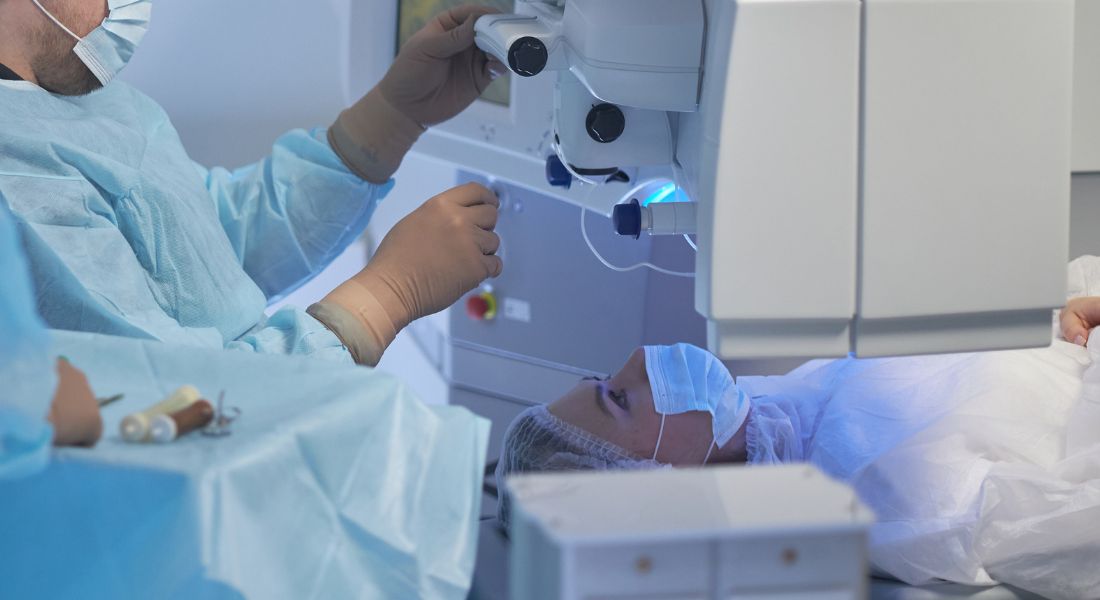
This question is often raised by people who have had laser eye surgery: can LASIK be done more than once? It is a very reasonable thing to ask, especially if your vision has changed over time. You may start to notice that your eyesight is no longer as sharp as it was after the first procedure. Naturally, this leads you to wonder what your options are.
Vision can change for several reasons, including age, natural eye changes, or the original prescription not being fully stable. In some cases, the initial results may not feel quite as clear or comfortable as you expected. This does not necessarily mean something has gone wrong, but it can leave you wanting improvement. Understanding why your vision has changed is an important first step.
The idea of repeating LASIK is possible, but it is not suitable for everyone. It depends on several important factors, such as the thickness of your cornea, the overall health of your eyes, and how much correction is needed. Your surgeon will carefully assess whether your eyes can safely undergo another procedure. Safety always comes before convenience in these decisions.
It is helpful to go through this clearly so you know what to expect. The answer is not simply yes or no, as it varies from person to person. Some people are good candidates for a second procedure, often called an enhancement, while others may be advised against it. The key is a thorough eye examination and honest discussion with your specialist before making any decision.
What Does “Repeat LASIK” Actually Mean?
Before going any further, it helps to clarify what we mean by repeat LASIK. In most cases, a second procedure is not considered a completely new surgery. Instead, it is referred to as an enhancement. This distinction is important because it reflects the purpose of the procedure.
An enhancement means refining or adjusting the original correction rather than starting again from the beginning. It is typically performed to improve visual sharpness or address small residual refractive errors that remain after the first treatment. These adjustments are usually minor and targeted.
So when people ask whether LASIK can be done twice, they are usually asking if an enhancement is possible. The answer depends on several factors, including eye health and how the initial procedure has settled. Understanding this helps set realistic expectations about what a second treatment involves.
Why Would Someone Need LASIK Again?
There are a few common reasons why someone might consider a second LASIK procedure. One of the most frequent is residual refractive error, where vision improves after the first treatment but does not reach the level expected. In these cases, an enhancement can help fine-tune the result. This is usually a small adjustment rather than a major correction.
Another reason is regression, where vision gradually shifts back slightly over time. This can happen as the eye heals and settles after the initial procedure. It does not mean the surgery has failed, but rather that the outcome has changed a little since the original correction. An enhancement may be considered if the change becomes noticeable.
There are also natural age-related changes to consider. Your eyes continue to evolve over time, regardless of previous surgery. Conditions such as presbyopia can affect near vision as you get older. So needing a second procedure does not necessarily mean something went wrong it is often part of how vision changes over time.
Is It Safe to Have LASIK More Than Once?
The short answer is yes, it can be safe but only in the right circumstances. A second LASIK procedure is not automatically suitable for everyone, and careful evaluation is essential. Safety depends largely on the overall health of your eyes and how they responded to the first treatment. This is why a detailed assessment is always required before considering an enhancement.
One of the most important factors is the thickness and strength of your cornea. LASIK works by reshaping the cornea to correct vision, and each procedure removes a small amount of corneal tissue. Because of this, there must be enough remaining thickness to ensure the eye stays structurally stable after another treatment. If the cornea is too thin, an enhancement may not be recommended.
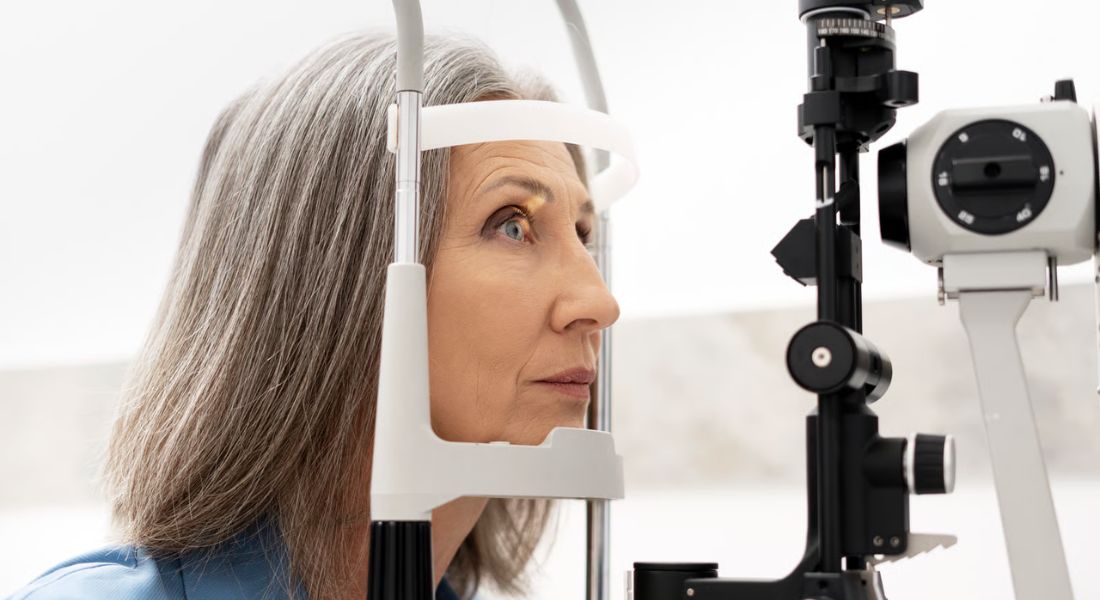
Your eye specialist will assess these factors very carefully before making any decision. This typically includes detailed scans and measurements to check corneal thickness, shape, and overall eye health. The goal is to ensure that any additional procedure is both safe and beneficial, rather than increasing risk.
How Many Times Can LASIK Be Repeated?
There isn’t a single fixed number for how many times LASIK can be repeated, as it varies from person to person. I’ve seen that most individuals who require further correction typically only need one additional enhancement after their initial procedure. The decision depends on factors like corneal thickness, eye health, and how vision has changed over time. Ultimately, the aim is not to perform multiple procedures, but to achieve stable and lasting vision with minimal intervention.
- Most People Only Need One Enhancement: In the majority of cases, if a second procedure is needed, it is done as a single enhancement. This usually fine-tunes the original result rather than correcting a major issue. Once this is done, vision often remains stable for many years.
- A Third Procedure Is Rare: While it is technically possible in some situations, a third LASIK treatment is uncommon. It is only considered when the eye remains suitable and there is a clear clinical benefit. Careful evaluation is always required before proceeding further.
- Suitability Depends on Eye Health: The ability to repeat LASIK depends largely on factors such as corneal thickness and overall eye condition. Since each procedure removes a small amount of corneal tissue, there must be enough remaining for it to be safe. This is why thorough assessment is essential before any repeat treatment.
- Focus on Long-Term Stability, Not Repetition: The goal of LASIK is to provide lasting visual improvement with as few procedures as possible. Repeating the surgery is not the objective, but rather a solution when refinement is needed. A well-planned initial treatment and proper follow-up care help reduce the need for additional procedures.
In conclusion, LASIK can be repeated in certain cases, but there is no standard number that applies to everyone. Most people who need further correction only require one enhancement, and additional treatments are rare. The decision always depends on individual eye health and safety considerations. The primary focus remains achieving stable, long-term vision with minimal intervention.
Timing: When Can LASIK Be Repeated?
Timing is a critical factor when considering a second LASIK procedure. You cannot have an enhancement immediately after the first surgery, as your eyes need time to heal properly. The healing process allows the cornea to stabilise and your vision to settle into its final outcome. Without this period, it is difficult to assess whether further correction is actually needed.
In most cases, this stabilisation takes several months. Surgeons typically recommend waiting at least three to six months before considering an enhancement. This timeframe gives your eyes enough opportunity to recover fully and for any temporary fluctuations in vision to resolve. It also ensures that measurements taken later are accurate and reliable.
Rushing into a second procedure too early can lead to less predictable results. If the vision has not fully stabilised, any additional correction may be based on incomplete or changing data. This is why patience is so important in this process. Waiting ensures that any further treatment is both precise and beneficial.
Factors That Determine Eligibility
Not everyone is a suitable candidate for repeat LASIK, and this decision is always made carefully. I’ve seen that several important factors must be assessed to ensure the procedure remains safe and effective. It’s not just about whether vision has changed, but whether the eye can safely undergo another treatment. A thorough evaluation helps determine if an enhancement is appropriate or if alternative options are better.
- Corneal Thickness: This is the most critical factor when considering repeat LASIK. Each procedure removes a small amount of corneal tissue, so there must be enough remaining to maintain structural integrity. If the cornea is too thin, performing another treatment could increase the risk of complications and may not be recommended.
- Corneal Stability and Shape: The cornea must be both stable and structurally healthy before any repeat procedure. Conditions such as irregular curvature or weakening of the cornea can make LASIK unsafe. In such cases, alternative treatments may be considered instead of another laser procedure.
- Overall Eye Health: Healthy eyes are essential for safe and successful LASIK enhancement. Issues like significant dry eye, inflammation, or infection need to be addressed first. If these conditions are present, surgery may be postponed or avoided altogether to prevent further complications.
- Prescription Stability: Your vision should remain stable for a period of time before considering another procedure. If your prescription is still changing, it suggests that the eyes have not yet settled. Performing LASIK too early in this phase could lead to less predictable results.
In conclusion, eligibility for repeat LASIK depends on a combination of structural, medical, and visual factors. Careful assessment ensures that any additional treatment is both safe and beneficial. Not everyone will be suitable for another procedure, and that’s an important part of protecting long-term eye health. The priority is always achieving the best possible outcome with the least risk.
What Happens During a LASIK Enhancement?
The procedure for a LASIK enhancement is often very similar to the original treatment. In many cases, the surgeon can gently lift the original corneal flap that was created during the first surgery. This means there is usually no need to create a new flap, which simplifies the process. It also helps reduce additional disruption to the cornea.
Once the flap is lifted, the laser is used to refine the original correction. This step is precise and targeted, focusing only on the areas that need adjustment. The aim is to improve visual sharpness or correct any remaining refractive error. The procedure itself is typically quick and designed to be as comfortable as possible.
Recovery after an enhancement is often faster than after the initial LASIK procedure. Many people notice improvement in their vision within a short period. There may still be some mild discomfort or temporary visual fluctuations, but these usually settle quickly. Overall, the process is generally straightforward when performed under the right conditions.
What If LASIK Cannot Be Repeated?
If repeat LASIK is not suitable, it does not mean you have run out of options. There are several alternative treatments available, depending on your eye health and specific needs. The most appropriate choice will depend on factors such as corneal thickness, stability of your vision, and overall eye condition. This is why a detailed assessment is always important.
One common alternative is PRK (photorefractive keratectomy), which is another form of laser eye surgery. Unlike LASIK, it does not involve creating a corneal flap, making it a safer option for people with thinner corneas. The laser is applied directly to the surface of the cornea to reshape it. Although recovery may take a little longer than LASIK, it can provide effective and stable results.
Other options may include lens-based procedures, particularly if laser correction is not suitable at all. These approaches work by correcting vision from inside the eye rather than reshaping the cornea. Your specialist will guide you through the available options and recommend the safest and most effective treatment for your individual situation.
Risks of Repeat LASIK
Like any surgical procedure, repeat LASIK carries certain risks that need to be considered carefully. I’ve seen that while the overall risk profile is similar to the initial treatment, the decision to proceed always depends on a thorough evaluation of the eye. Most complications are uncommon, especially when patients are properly selected. The key is understanding the potential risks while recognising that careful screening significantly reduces them.
- Dry Eyes: Dryness is one of the more commonly reported side effects after LASIK. A repeat procedure can sometimes increase this tendency, particularly if dryness was present before. In most cases, it is temporary and manageable with appropriate treatment.
- Glare or Halos: Some people notice visual disturbances such as glare or halos around lights, especially at night. These effects can occur after both initial and repeat procedures. They often improve over time, but in some cases may persist to a mild degree.
- Under- or Over-Correction: There is a possibility that the desired visual outcome is not achieved exactly. This can result in slight under-correction or over-correction of vision. In many cases, this is minor and may not significantly affect daily activities.
- Infection (Rare): Infection is a rare but serious risk with any eye surgery. Proper surgical technique and post-operative care greatly reduce this likelihood. Following aftercare instructions is essential to minimise this risk.
In conclusion, repeat LASIK is generally safe for suitable candidates, but it does carry some risks similar to the initial procedure. Most of these risks are uncommon and often manageable when they do occur. Careful screening and expert evaluation play a crucial role in reducing complications. Ultimately, the goal is to ensure that any additional procedure is both safe and beneficial for long-term vision.
Does Repeat LASIK Guarantee Perfect Vision?
This is something that is worth clarifying. No procedure, including repeat LASIK, can guarantee “perfect” vision. The goal is not perfection, but meaningful improvement in how well you see. Understanding this helps set the right expectations from the start.
Whether it is your first treatment or an enhancement, LASIK is designed to improve visual clarity and reduce dependence on glasses or contact lenses. Most people achieve very good, and often excellent, results. However, outcomes can vary depending on factors such as your original prescription, healing response, and overall eye health.
Setting realistic expectations is an important part of the process. An enhancement can refine your vision, but it may not create flawless sight in every situation. The focus is on achieving the best possible outcome for your individual eyes, rather than aiming for perfection.
Long-Term Stability After Enhancement
For many people, a LASIK enhancement provides stable and long-lasting results. Once the vision has settled, the improvement can remain consistent for years. This is especially true when the eyes are healthy and the correction has been carefully planned. However, it is still important to understand that stability does not mean your vision will never change again.
Your eyes continue to age naturally over time, regardless of any previous surgery. One common example is Presbyopia, which affects the ability to focus on close objects. This usually develops later in life and can make reading or near tasks more difficult. It is a normal part of ageing and happens whether or not you have had LASIK.
This kind of change is not a failure of the procedure. Instead, it reflects how the eye naturally evolves over time. While LASIK corrects your vision at the time of treatment, it cannot prevent future age-related changes. Understanding this helps set realistic expectations about long-term outcomes.
Emotional Considerations
Needing a second procedure can feel disappointing at first. You might start to question whether the first surgery worked as expected. These thoughts are very common, especially when you were hoping for a complete result the first time. It is a natural emotional response rather than a reflection of failure.
In reality, enhancements are a recognised and accepted part of laser eye care. They are not a sign that something has gone wrong, but rather a way to refine and improve the original outcome. Vision can settle differently for each person, and small adjustments are sometimes needed to reach the best possible result. This is why enhancements are built into the overall treatment approach.
Many people actually feel more satisfied after an enhancement than they did after the initial procedure. The second treatment often fine-tunes vision to a level that feels clearer and more comfortable. Over time, this can increase confidence in daily activities and reduce any lingering concerns. Understanding this can help you approach the process with more reassurance and realistic expectations.
Choosing the Right Clinic Matters

If you are considering repeat LASIK, choosing the right clinic is essential. The quality of assessment and care can have a direct impact on both safety and results. You want to feel confident that your eyes are being evaluated thoroughly before any decision is made. This step is just as important as the procedure itself.
A good clinic will offer detailed pre-operative assessments to determine whether an enhancement is suitable for you. This usually includes advanced diagnostic technology to measure corneal thickness, shape, and overall eye health. Honest advice is also key, as not everyone is a candidate for repeat LASIK. A responsible specialist will guide you towards the safest option rather than simply recommending another procedure.
Ongoing follow-up care is another important part of the process. Regular reviews after treatment help ensure your eyes are healing well and that your vision remains stable. When you choose an experienced clinic with a structured approach, you are more likely to feel supported at every stage. This level of care helps you make informed decisions and achieve the best possible outcome.
Managing Expectations Moving Forward
One of the most important parts of this process is managing expectations clearly and realistically. LASIK is designed to reduce your dependence on glasses or contact lenses, not necessarily to create perfect vision in every situation. Understanding this from the beginning can help you approach the outcome with greater confidence and less uncertainty.
It is important to remember that vision can vary depending on lighting, time of day, and individual healing response. Even after a successful procedure, you may notice small differences in how clearly you see in certain conditions. These variations are normal and do not mean the treatment has not worked. They are part of how the eyes naturally function.
Enhancements should be seen as a way of refining and improving the original result, rather than correcting a failure. In many cases, they help bring vision closer to the desired outcome. When expectations are set appropriately, the overall experience tends to feel more positive and reassuring.
The Role of Follow-Up Care
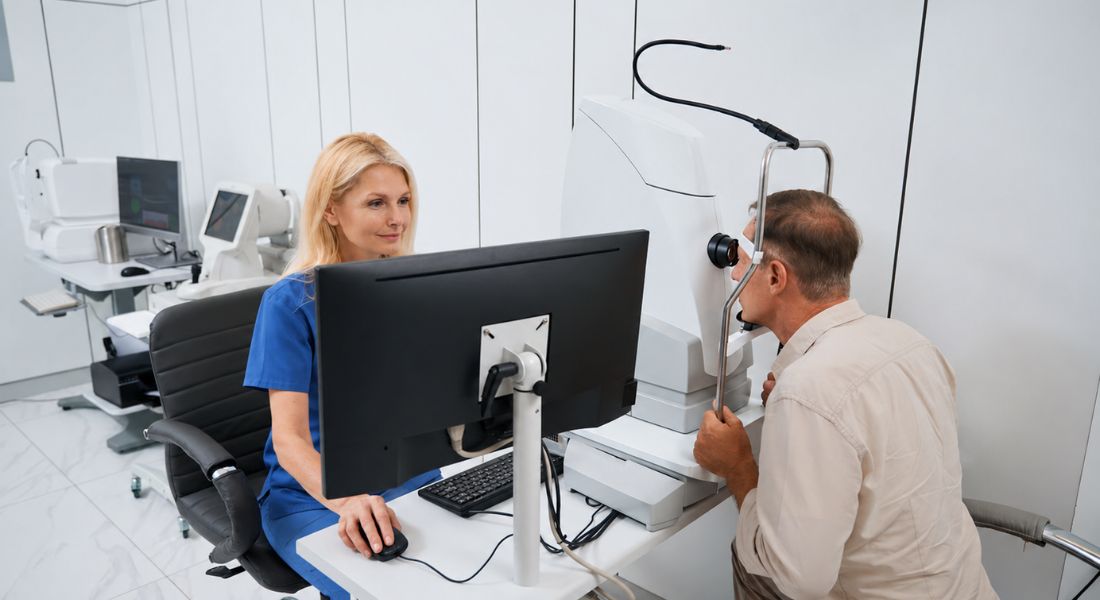
Ongoing care is essential after any eye procedure, including LASIK and enhancements. The treatment itself is only one part of the process, and what happens afterwards is just as important. Follow-up care helps ensure that your eyes are healing properly and that the results remain stable. It also provides reassurance during the recovery period.
Regular check-ups allow your specialist to monitor your eye health over time. They can assess how well your vision has settled and identify any early signs of change. If anything needs attention, it can be addressed promptly before it becomes a bigger issue. This proactive approach plays a key role in maintaining good outcomes.
Good follow-up care supports long-term success and overall eye health. It keeps you informed about your condition and helps you feel confident in your recovery. Staying consistent with appointments and guidance ensures that you get the most benefit from your procedure.
FAQs:
- Can LASIK surgery be repeated more than once?
Yes, LASIK can be repeated in certain cases, but it is not common to have multiple repeat procedures. Most people who need further correction only require one enhancement after their initial surgery. The possibility of additional treatments depends on factors such as corneal thickness, stability, and overall eye health. The priority is always safety rather than repeating the procedure unnecessarily. - How long should I wait before having a LASIK enhancement?
You will usually need to wait at least 3 to 6 months after your first LASIK procedure. This allows enough time for your eyes to heal and for your vision to stabilise fully. During this period, temporary fluctuations in vision can settle on their own. Waiting ensures that any further correction is accurate and based on stable measurements. - Is repeat LASIK safe?
Repeat LASIK is generally safe when performed on carefully selected patients. Your surgeon will carry out detailed tests to check corneal thickness, shape, and overall eye health before recommending another procedure. If your eyes meet the necessary criteria, the risks remain low and similar to the initial surgery. Safety and long-term stability are always the main priorities. - Why might I need a second LASIK procedure?
There are several reasons why a second procedure may be considered. Some people may have a small residual prescription after the first surgery, while others may experience slight regression over time. In some cases, natural changes in the eye can also affect vision. An enhancement is typically used to fine-tune the results rather than correct a major issue. - Does a LASIK enhancement hurt?
A LASIK enhancement is generally not painful. Numbing eye drops are used during the procedure, so you should not feel discomfort while it is being performed. After the treatment, you may notice mild irritation, dryness, or a gritty sensation for a short period. These symptoms are usually temporary and settle quickly with proper aftercare. - Will repeat LASIK give me perfect vision?
No form of LASIK, including repeat procedures, can guarantee perfect vision. The goal is to improve clarity and reduce dependence on glasses or contact lenses as much as possible. Most people achieve very good results, but outcomes can vary depending on individual healing and eye characteristics. Having realistic expectations is an important part of the process. - What happens if I am not suitable for repeat LASIK?
If you are not a suitable candidate for repeat LASIK, there are still other options available. Procedures such as PRK or lens-based treatments may be recommended depending on your specific situation. These alternatives can provide effective vision correction without placing additional strain on the cornea. Your specialist will guide you towards the safest and most appropriate choice. - Can LASIK fix age-related vision changes like reading difficulty?
LASIK does not prevent natural age-related changes such as presbyopia, which affects near vision. This condition typically develops as you get older and can make reading more difficult. Even if your distance vision is corrected, you may still need reading glasses later in life. This is a normal part of ageing and not a failure of the procedure. - Are the risks higher with a second LASIK procedure?
The risks of a second LASIK procedure are generally similar to those of the first. These may include dry eyes, glare, halos, or minor under- or over-correction. In most cases, these effects are temporary or mild. Careful screening and proper aftercare significantly reduce the likelihood of complications. - How long do results last after a LASIK enhancement?
Results from a LASIK enhancement are often long-lasting, especially when the eyes are healthy and the prescription is stable. Many people enjoy clear vision for years after the procedure. However, natural changes in the eye over time can still affect vision. Regular eye check-ups help ensure long-term stability and eye health.
Final Thoughts: Making Informed Decisions About Repeat LASIK
Repeat LASIK is not about starting over, but about refining and improving your vision when the right conditions allow it. For many people, one well-planned enhancement is enough to achieve stable and satisfying results. The key is understanding that every eye is different, and the decision to proceed with another procedure must always be guided by safety, careful assessment, and realistic expectations. With the right approach, repeat LASIK can be a safe and effective way to fine-tune your vision.
What matters most is working closely with an experienced specialist who can evaluate your eyes thoroughly and guide you towards the best option for your long-term eye health. If you’re considering whether Lasik surgery in London might be suitable for your vision needs, it’s important to get personalised advice based on your individual situation. If you’re considering Lasik surgery in London and want to know if it’s the right option, you’re welcome to reach out to us at Eye Clinic London to book a consultation.
References:
- Moshirfar, M., Basharat, N.F., Bundogji, N., Ungricht, E.L., Darquea, I.M., Conley, M.E., Ronquillo, Y.C. and Hoopes, P.C. (2022) Laser-assisted in situ keratomileusis (LASIK) enhancement for residual refractive error after primary LASIK, Journal of Clinical Medicine, 11(16), p. 4832. Available at: https://pubmed.ncbi.nlm.nih.gov/36013070/
- Cha, D.S., Moshirfar, M., Herron, M.S., Santos, J.M. and Hoopes, P.C., 2023. Prediction of posterior-to-anterior corneal curvature radii ratio in myopic patients after LASIK, SMILE, and PRK using multivariate regression analysis. Journal of Clinical Medicine, 12(13), p.4536. Available at: https://www.mdpi.com/2077-0383/12/13/4536
- Al-Swailem, S.A. (2020) Results of laser enhancement for residual myopia after primary laser in situ keratomileusis. Clinical Ophthalmology, available at: https://pmc.ncbi.nlm.nih.gov/articles/PMC7787091/
- Solomon, K.D., Fernández de Castro, L.E., Sandoval, H.P., et al. (2003) Incidence and associations of retreatment after LASIK. Ophthalmology, 110(4), pp. 748–754. Available at: https://www.sciencedirect.com/science/article/abs/pii/S0161642002019814
- Li, X. & Gu, Y. (2024) Unusual visual impairment after enhancement refractive surgery
Journal of Surgical Case Reports Available at: https://academic.oup.com/jscr/article/2024/2/rjae074/7609359