


What Happens If You Rub Your Eyes After LASIK Surgery?
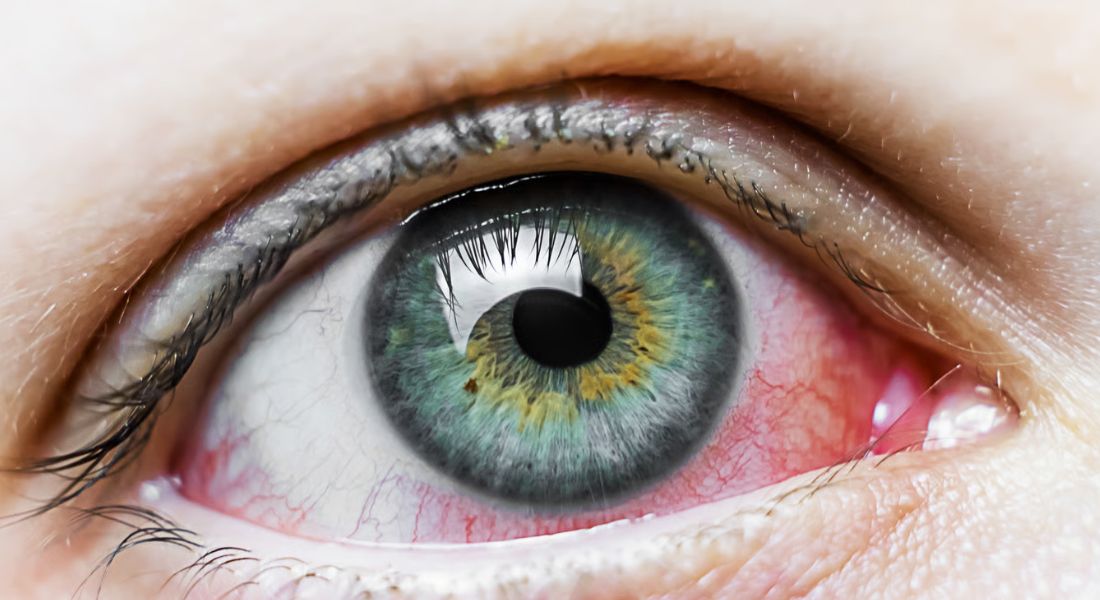
A practical question frequently asked after LASIK surgery is: what happens if you accidentally rub your eyes? This is a completely natural concern. After surgery, your eyes can feel a little unusual, and you may become more aware of every sensation. It is common to worry about doing something unintentionally that could affect healing.
In the days after LASIK, your eyes may feel slightly dry, itchy, or mildly irritated. This is part of the normal healing process and can make you more aware of your eyes than usual. Because rubbing your eyes is often an automatic habit, especially when they feel uncomfortable, it is understandable to feel concerned about doing it without thinking.
Rubbing your eyes too soon after LASIK can potentially disturb the healing surface of the cornea. In the early recovery period, the eye is more delicate, and pressure from rubbing could affect how it settles. This is why surgeons strongly advise avoiding eye rubbing, especially in the first few weeks after the procedure. Following aftercare instructions helps reduce any risk and supports smooth healing.
It is helpful to explain this in a calm and realistic way so you know what to do if it happens. A light accidental touch is unlikely to cause serious harm, but repeated or forceful rubbing should be avoided. If you do accidentally rub your eyes, it is important not to panic, but to monitor how your eyes feel afterwards. If anything feels unusual or uncomfortable, contacting your eye specialist is always the safest step.
Why Eye Rubbing Becomes a Concern After LASIK
To understand why rubbing your eyes matters after LASIK, it helps to first understand what the procedure involves. During LASIK, a very thin flap is created on the surface of the cornea. This flap is carefully lifted so that a laser can reshape the underlying corneal tissue to correct vision. Once this is completed, the flap is gently placed back into position.
The flap naturally reattaches on its own without the need for stitches. This is one of the reasons why recovery after LASIK is usually relatively quick compared to other types of eye surgery. Most people experience a smooth healing process as the eye gradually stabilises.
However, in the early stages of healing, the flap is still settling into place and is not yet fully secure. During this period, anything that places pressure or friction on the eye can potentially disrupt healing. This is why eye rubbing is treated as an important precaution during recovery, as protecting the flap helps ensure the best possible outcome.
What the Corneal Flap Means for Your Eyes
The corneal flap created during LASIK is extremely delicate in the first few days after surgery. Even though it is placed carefully back into position, it has not yet fully healed or firmly secured itself to the underlying tissue. This early phase is a normal part of the healing process and is expected after the procedure.
Over time, the flap gradually becomes stable as natural healing processes help it bond into place. This is why vision continues to settle and improve in the weeks following surgery. However, in the early stage, the flap can still be slightly vulnerable to movement or pressure before it fully stabilises.
For this reason, surgeons strongly advise avoiding rubbing or pressing the eyes during recovery. It is not because the eye remains fragile forever, but because timing is crucial in the healing process. Protecting the flap during this early period helps ensure proper healing and the best possible long-term outcome.
What Actually Happens If You Rub Your Eyes Too Soon
It’s important to be clear about this because eye rubbing after LASIK can have consequences, especially in the early healing phase. I’ve seen that the risk is highest within the first 24 to 48 hours after surgery, when the cornea is still settling and healing. During this period, even light pressure can potentially interfere with recovery. That’s why post-operative instructions are given very carefully and should be followed closely.
- Movement of the Corneal Flap: In the early stages after LASIK, the corneal flap is still stabilising in place. Rubbing the eyes too soon can potentially shift this flap, which may affect healing. This is why patients are strongly advised to avoid any direct pressure on the eyes immediately after surgery.
- Increased Irritation and Inflammation: Eye rubbing can introduce irritation to already sensitive tissue. This may lead to increased redness, discomfort, or mild inflammation. While usually temporary, it can make the recovery process feel less comfortable.
- Temporary Visual Disturbances: Rubbing the eyes too early may cause short-term changes in vision, such as blurring or fluctuation. These effects are often temporary but can be unsettling during the healing phase. Resting the eyes and avoiding unnecessary contact helps maintain visual stability.
- Slower Healing Process: Any unnecessary pressure or irritation can delay normal healing. The eye needs a stable environment to recover properly after LASIK. Avoiding rubbing helps ensure the cornea heals as smoothly and quickly as possible.
In conclusion, rubbing your eyes too soon after LASIK can interfere with healing, particularly in the first couple of days. While serious complications are rare, the risk is highest during this early period. Most patients are carefully guided on how to avoid this and recover safely. By following instructions closely, healing is usually smooth and predictable, with a very low risk of long-term problems.
Accidental vs Repeated Rubbing
There is an important distinction to understand when it comes to touching your eyes after LASIK. Accidental, light contact is very different from repeated or forceful rubbing. Your eyes may feel slightly irritated or dry during the early healing phase, which can make you more aware of them. This is normal, but how you respond to that sensation matters.
Most concerns arise from habitual or unconscious rubbing, especially when you are tired or asleep. Repeated pressure on the eyes can interfere with the healing corneal flap and increase the risk of complications. This is why surgeons often recommend protective measures, such as wearing eye shields while sleeping during the first few nights.
A brief, accidental touch is unlikely to cause any serious problem on its own. However, repeated or firm rubbing carries a much higher risk, particularly in the early days after surgery. Staying aware of your habits and avoiding unnecessary pressure on the eyes is one of the simplest ways to support proper healing.
Why Your Eyes Feel Itchy After LASIK
One of the main reasons people feel tempted to rub their eyes after LASIK is itching or mild irritation. This is a very common and expected part of the healing process. Your eyes have just undergone a precise procedure, and the surface is adjusting as it recovers. Because of this, sensations like dryness or sensitivity can feel more noticeable than usual.
There are several reasons why this happens during recovery. Temporary dryness is one of the most common causes, as the tear film can take time to stabilise. The surface of the eye may also feel more sensitive while it heals. In addition, eye drops used during recovery can slightly alter how your eyes feel as they support healing. Mild inflammation can also contribute to the urge to rub.
This combination of sensations can create a strong instinct to rub your eyes, even without thinking about it. However, this is exactly the moment when it is most important to resist that urge. Avoiding rubbing during this stage helps protect the healing corneal flap and supports a smoother recovery overall.
The First 24 Hours Are the Most Important
If there is one period that truly matters after LASIK, it is the first 24 hours. I’ve seen that this early phase plays a critical role in how smoothly and successfully the eye heals. During this time, the cornea is still settling, and the eye is more vulnerable to irritation or disruption. Taking extra care during this window can significantly reduce the risk of complications and support better long-term results.
- The Corneal Flap Is Still Settling: Immediately after LASIK, the corneal flap has not fully adhered into place. It naturally begins to stabilise on its own, but this process takes time. Any rubbing or pressure during this stage can interfere with proper positioning.
- Increased Sensitivity in the Eyes: It is completely normal for the eyes to feel more sensitive in the first day. You may notice light sensitivity, mild irritation, or a watery feeling. These sensations are part of the healing process and usually improve quickly with rest.
- Vision May Fluctuate: Vision is not always perfectly clear straight away and may vary during the first 24 hours. This fluctuation is expected as the eye adjusts after the procedure. It typically stabilises as healing progresses over the next few days.
- Avoid All Rubbing and Pressure: This is the most important precaution during the early recovery period. Even light rubbing can disrupt healing or affect the flap. Most surgeons strongly advise keeping hands away from the eyes and using protective measures if needed.
In conclusion, the first 24 hours after LASIK are crucial for setting the foundation of a smooth recovery. During this time, the eyes are more sensitive and require careful protection. Avoiding rubbing, allowing proper rest, and following post-operative guidance can make a significant difference. By taking this period seriously, you greatly improve the chances of a stable and successful visual outcome.
What About Sleeping After LASIK?
Sleep is one of the most common concerns after LASIK, mainly because you cannot control your movements while you are asleep. Many people naturally touch or rub their eyes without realising it during the night. This can be a concern in the early healing phase when the corneal flap is still settling. Being aware of this helps you take the right precautions.
That is why protective eye shields are usually provided after the procedure. These shields act as a barrier, preventing accidental rubbing or pressure on the eyes while you sleep. They are simple but very effective in protecting the healing surface during the most vulnerable period.
Wearing these shields for the recommended time is very important. Even if your eyes start to feel better quickly, the healing process is still ongoing beneath the surface. Using protection while you sleep ensures your eyes remain safe when you cannot consciously control your movements.
What If You Accidentally Rubbed Your Eyes?
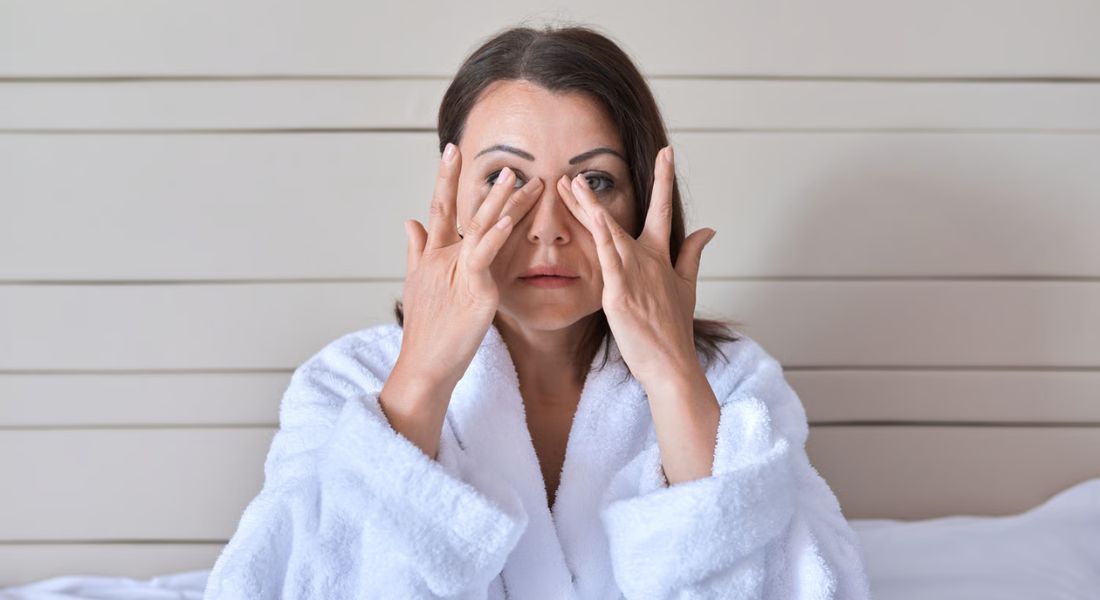
This is the question most people are quietly concerned about after LASIK, and it’s completely understandable. I’ve seen that a single accidental rub is very common, especially in the early days when the eyes feel sensitive or itchy. The important thing is how you respond afterwards rather than the mistake itself. In most cases, one brief rub does not lead to serious problems, especially if you act sensibly straight away.
- Stop Immediately: If you realise you’ve rubbed your eyes, the first step is simply to stop. Avoid any further contact, even if the eye still feels irritated. Giving the eye space to settle again is the most important immediate action.
- Avoid Further Touching: It’s important not to keep checking or touching the eye repeatedly. Even light pressure can add unnecessary stress during healing. Keeping your hands away helps maintain a stable environment for recovery.
- Use Prescribed Eye Drops: Lubricating or medicated eye drops can help soothe irritation and support healing. They also reduce the urge to rub by keeping the eye comfortable. Using them as directed is a simple but effective step.
- Monitor Your Vision and Comfort: Pay attention to any noticeable changes in vision, such as increased blurriness or discomfort. Mild irritation is usually temporary, but anything that feels unusual or persistent should be noted. If symptoms worsen, it’s best to seek advice.
In conclusion, accidentally rubbing your eyes once after LASIK is usually not a cause for alarm. Most people recover without any complications, especially if they avoid further irritation and follow aftercare guidance. The key is to stay calm, take simple precautions, and monitor how your eyes feel. If anything seems unusual, contacting your clinic provides reassurance and ensures everything is healing as expected.
Signs That Need Attention
While minor accidental rubbing is usually harmless, there are certain signs you should not ignore during recovery. Your eyes should gradually feel more comfortable over time, not worse. If something feels noticeably different or concerning, it is worth paying attention to. Early awareness can make a significant difference.
You should seek advice if you notice sudden changes in your vision, increased pain or discomfort, or persistent blurriness that does not improve. A sensation that something is moving in the eye can also be a warning sign. Unusual sensitivity to light, especially if it feels stronger than expected, is another symptom to take seriously. These changes are not typical and should be checked.
If any of these signs occur, it is important to get your eyes reviewed promptly. Early assessment helps ensure that everything is healing correctly and allows any issues to be addressed quickly. Taking action at the right time supports a safer recovery and better long-term results.
How Long You Need to Avoid Eye Rubbing
The most critical period for avoiding eye rubbing is the first week after LASIK. During this time, the corneal flap is still settling and is more vulnerable to pressure or movement. Even small amounts of force can interfere with healing in these early days. This is why strict care is especially important at the beginning.
In general, guidance usually includes complete avoidance of rubbing for the first three to seven days. After that, continued caution is recommended for the next two to four weeks while healing continues. During this phase, your eyes are becoming more stable, but they are not fully settled yet. Gradually, you can return to more normal habits as your recovery progresses.
By around one month, the corneal flap is typically much more secure. However, even at this stage, avoiding habitual or forceful rubbing is still a good practice for long-term eye health. Being mindful of this habit can help protect your eyes well beyond the initial recovery period.
How to Prevent the Urge to Rub Your Eyes
This is where practical strategies can make a real difference during recovery. It is completely normal to feel the urge to rub your eyes, especially when they feel dry or slightly irritated. However, finding safer alternatives helps protect the healing process while still relieving discomfort. Small, consistent habits can make this much easier to manage.
If your eyes feel itchy or dry, using prescribed lubricating drops is often the most effective solution. These help restore moisture and reduce irritation without causing harm. Blinking slowly and more frequently can also help spread natural tears across the surface of your eyes. If advised by your specialist, a cool compress may provide additional relief and soothe sensitivity.
You can also rest your eyes in dim lighting, especially if they feel tired or overstimulated. Reducing screen time and giving your eyes regular breaks can further ease discomfort. These simple methods allow you to manage symptoms safely without putting pressure on the healing corneal flap. Over time, as your eyes recover, the urge to rub usually reduces on its own.
Dry Eyes and Why They Trigger Rubbing
Dry eyes are one of the most common side effects after LASIK, especially in the early stages of recovery. This happens because the tear film can take time to stabilise after the procedure. For some people, the dryness settles within a few weeks, while for others it may last a bit longer. It is a normal part of healing and usually improves gradually.
Dryness can create several uncomfortable sensations that make your eyes feel irritated. You might notice a gritty or sandy feeling, a mild burning sensation, or even temporary blurred vision. These symptoms can come and go throughout the day, often becoming more noticeable in dry environments or after screen use. This discomfort is what often triggers the instinct to rub your eyes.
However, managing dryness properly can significantly reduce this urge. Using lubricating eye drops as prescribed, staying hydrated, and taking breaks from screens can all help. When dryness is controlled, irritation decreases, making it much easier to avoid rubbing. This supports a smoother and safer recovery overall.
The Role of Eye Drops in Healing
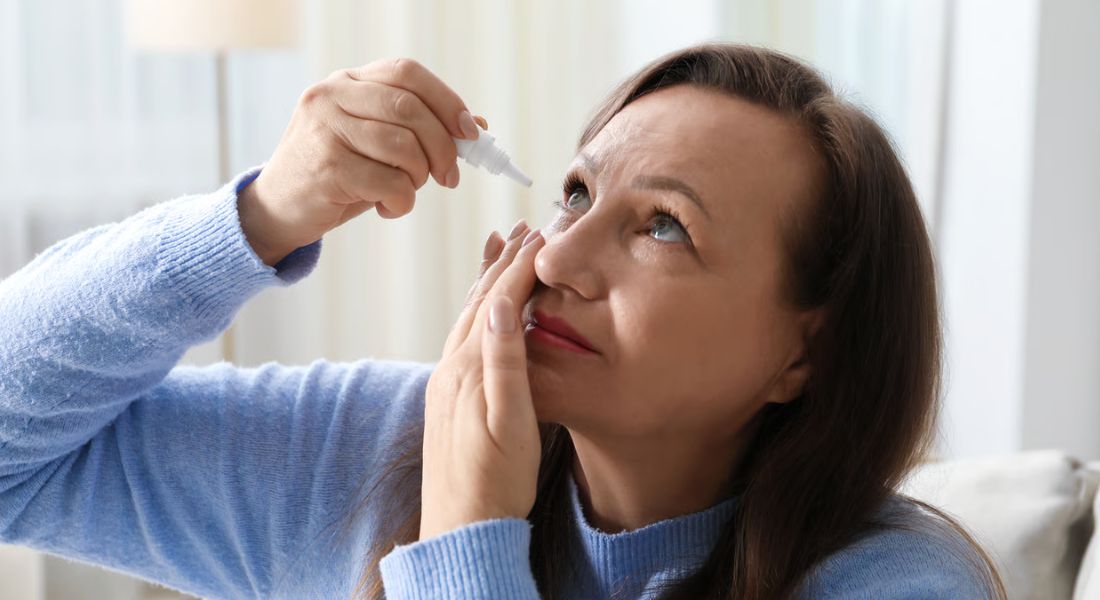
Eye drops play a much more important role after LASIK than many people initially realise. I’ve seen that they are not just about relieving dryness or discomfort they are a key part of the healing process itself. After the procedure, the surface of the eye needs support to recover smoothly and safely. Using drops as prescribed helps create the right conditions for stable and comfortable healing.
- Keeping the Eye Surface Moist: After LASIK, the eyes can feel dry because tear production may be temporarily reduced. Eye drops help maintain proper moisture on the surface of the eye. This prevents dryness-related discomfort and supports a healthier healing environment.
- Reducing Inflammation: Certain prescribed drops are designed to control inflammation after the procedure. This helps the eye recover more efficiently and reduces the risk of complications. Managing inflammation is an important part of ensuring clear and stable vision.
- Supporting the Healing Process: Eye drops assist the natural recovery of the cornea by keeping the surface stable and protected. They help minimise irritation and allow the eye to heal without unnecessary disruption. Consistent use plays a direct role in achieving good outcomes.
- Improving Comfort and Reducing the Urge to Rub: Dryness and irritation often trigger the instinct to rub your eyes. By keeping the eyes comfortable, drops reduce this urge significantly. This is especially important in the early healing phase when rubbing must be avoided.
In conclusion, eye drops are an essential part of post-LASIK care rather than just an optional comfort measure. They help maintain moisture, control inflammation, and support proper healing. Regular use also reduces irritation and the temptation to rub your eyes. Following your prescribed routine closely can make a significant difference in both comfort and recovery quality.
Can Rubbing Affect Long-Term Results?
In most cases, occasional or very light contact with your eyes does not affect long-term results after LASIK. The eyes are more resilient than they may feel during recovery. However, the early healing phase is when they need the most protection. This is the period where habits like rubbing can have a greater impact.
Repeated or forceful rubbing during this time can interfere with the stability of the corneal flap. It may also slow down the healing process or affect how your vision settles. These risks are why surgeons place so much emphasis on avoiding pressure on the eyes in the first few weeks. Being careful during this stage helps support a smoother and more predictable recovery.
Once healing is complete, the flap is generally secure and much less vulnerable. At that point, normal daily activities are unlikely to cause problems. However, protecting your eyes early on plays a key role in achieving the best possible long-term outcome.
Emotional Side of Post-Surgery Anxiety
This is important to acknowledge, as many people experience it but rarely talk about it. After LASIK, you naturally become much more aware of your eyes. Sensations that you would normally ignore can suddenly feel more noticeable. This heightened awareness can make everything feel more significant than it actually is.
It is very common to worry after even a small accidental touch or unfamiliar sensation. You might find yourself questioning whether something has gone wrong or whether you have affected the healing process. This kind of anxiety is a normal response, especially when you are focused on protecting your results. It reflects care, not a problem.
In most cases, the eyes are more resilient than they feel in the moment. Minor sensations or brief contact are unlikely to cause harm. As healing progresses and your confidence grows, this awareness usually fades. Over time, your focus shifts away from your eyes, and things begin to feel normal again.
When to Contact Your Clinic
It is always better to ask if you are unsure about anything during your recovery. After LASIK, it is normal to feel more aware of your eyes and to question whether certain sensations are expected. Reaching out for reassurance is not overreacting it is part of taking proper care of your eye health.
You should contact your clinic if you have experienced significant or forceful eye rubbing, especially in the early days after surgery. It is also important to get checked if your vision feels noticeably different afterwards, or if you are experiencing symptoms that concern you. Increasing discomfort, rather than gradual improvement, is another sign that should not be ignored.
Reassurance and early assessment are key parts of safe recovery. In many cases, everything will be fine, but checking ensures that any potential issues are identified early. This helps protect your healing process and gives you peace of mind as your eyes continue to recover.
Protecting Your Eyes During Recovery
Simple habits can make a significant difference to how smoothly your eyes heal after LASIK. In the early stages, your focus should be on protecting the cornea while it settles. Avoiding unnecessary contact with your eyes is one of the most important steps you can take. Clean hands and general hygiene also play a key role in reducing the risk of irritation or infection.
Wearing protective shields when advised, especially while sleeping, helps prevent accidental rubbing or pressure. Following your aftercare instructions carefully ensures that your eyes receive the support they need during healing. This includes using prescribed eye drops correctly and avoiding activities that may strain or irritate your eyes.
Attending follow-up appointments is equally important, as it allows your specialist to monitor progress and address any concerns early. These small but consistent actions work together to support safe recovery. By staying mindful and following guidance, you significantly reduce risks and help achieve the best possible outcome.
Choosing a Safe Surgical Environment
Proper guidance before and after surgery is essential for a safe and successful LASIK experience. The procedure itself is only one part of the process what surrounds it matters just as much. A well-managed approach includes clear communication, detailed assessments, and structured aftercare to support healing and long-term results.
A good surgical environment will provide thorough pre-operative evaluation to ensure you are a suitable candidate. It will also include clear aftercare instructions so you know exactly how to care for your eyes during recovery. Ongoing follow-up support is equally important, allowing your progress to be monitored and any concerns addressed early. This level of care helps reduce risks and improves overall confidence in the process.
Choosing an experienced clinic with a structured approach ensures you are supported at every stage. From initial consultation through to recovery, consistent guidance plays a key role in achieving the best possible outcome. It allows you to move through the process with clarity, reassurance, and a strong focus on safety.
How Healing Progresses Over Time
Healing after LASIK doesn’t happen all at once it follows a gradual, predictable timeline. I’ve seen that understanding these stages helps reduce unnecessary worry, especially when vision or comfort seems to fluctuate early on. Each phase has its own expectations, and most changes are part of normal recovery. Knowing what to expect makes the process feel much more manageable and reassuring.
- Early Stage (First Few Days): This is the most sensitive phase of recovery. The eyes are still adjusting, and the corneal flap is settling into position. Protection is essential during this time, and avoiding rubbing or pressure is especially important.
- Short-Term Recovery (1–2 Weeks): During this stage, comfort begins to improve noticeably. Vision typically becomes clearer and more stable, although minor fluctuations can still occur. Most daily activities can be resumed with some care and awareness.
- Long-Term Healing (1–3 Months): Over time, the eye continues to strengthen and stabilise fully. The corneal flap becomes securely settled, and vision reaches a more consistent state. By this stage, most people return to their normal routines without concern.
- Gradual Improvement and Adaptation: Healing is not a sudden change but a steady progression. Small improvements in clarity and comfort build over time. Being patient with this process helps reduce unnecessary concern about temporary changes.
In conclusion, LASIK recovery follows a clear and structured timeline, from early sensitivity to long-term stability. Each stage plays an important role in achieving a successful outcome. Understanding this progression helps you stay calm and confident during healing. With proper care and patience, most people experience a smooth recovery and lasting visual improvement.
FAQs:
- Can rubbing your eyes after LASIK cause damage?
Yes, rubbing your eyes too soon after LASIK can potentially disturb the healing corneal flap. In the early stages, the flap has not fully stabilised, so pressure or friction can interfere with how it settles. This is why avoiding rubbing is strongly advised during recovery. - What happens if I accidentally rub my eyes after LASIK?
A light, accidental rub is usually not harmful in most cases. However, you should stop immediately, avoid further contact, and monitor your eyes for any unusual symptoms. If you notice changes in vision or increased discomfort, it’s best to contact your clinic for reassurance. - How long should I avoid rubbing my eyes after LASIK?
You should strictly avoid rubbing your eyes for at least the first week, as this is the most sensitive phase of healing. Continued caution is recommended for up to one month while the eye stabilises further. Even after that, avoiding habitual rubbing is beneficial for long-term eye health. - Why do my eyes feel itchy after LASIK?
Itching is common due to temporary dryness, mild inflammation, and the healing process of the eye surface. Your tear film may take time to stabilise, making your eyes feel different than usual. This sensation is normal and typically improves gradually over time. - Is it normal to feel the urge to rub my eyes after LASIK?
Yes, this is completely normal and very common. Increased awareness of your eyes, combined with dryness or irritation, can trigger the urge to rub. Being mindful of this habit is important, especially during the early healing phase. - What should I do instead of rubbing my eyes?
Instead of rubbing, you can use lubricating eye drops to relieve dryness and discomfort. Blinking gently, resting your eyes, and reducing screen time can also help. Following your aftercare routine closely is the safest way to manage these sensations. - Can rubbing affect my long-term LASIK results?
Repeated or forceful rubbing during the early healing phase can affect the stability of the corneal flap and may impact how your vision settles. However, occasional light contact is unlikely to cause long-term problems. Protecting your eyes early on plays a key role in achieving the best results. - Are the first 24 hours after LASIK the most important?
Yes, the first 24 hours are considered the most critical part of recovery. During this time, the corneal flap is still settling, and the eyes are more sensitive. Avoiding any pressure, rubbing, or irritation during this period helps support proper healing. - Why do I need to wear eye shields while sleeping after LASIK?
Eye shields are recommended to prevent accidental rubbing or pressure while you sleep. Since you cannot control your movements during sleep, they act as a protective barrier. Wearing them for the advised duration helps keep your eyes safe during the most vulnerable stage. - When should I contact my clinic after rubbing my eyes?
You should contact your clinic if you experience increased pain, noticeable changes in vision, persistent blurriness, or unusual discomfort. It is always better to seek reassurance if something feels different. Early advice helps ensure your eyes are healing properly and safely.
Final Thoughts: Protecting Your Results with Simple Care
The most important thing to remember is that LASIK recovery is a short but crucial phase where simple habits can protect your long-term results. Avoiding eye rubbing, using your prescribed drops, and following aftercare advice all help create the right environment for smooth healing. It’s completely normal to feel more aware of your eyes during this time, but in most cases, they are healing exactly as expected. If you’d like to find out whether Lasik surgery in London is suitable for you, feel free to contact us at Eye Clinic London to arrange a consultation.
References:
- Solomon, K.D., Fernández de Castro, L.E., Sandoval, H.P., Biber, J.M., Groat, B., Neff, K.D., Ying, M.S. and French, J.W. (2009) LASIK world literature review: quality of life and patient satisfaction, Ophthalmology, 116(4), pp. 691–701. Available at: https://www.sciencedirect.com/science/article/abs/pii/S0161642008013377
- Moshirfar, M., et al. (2020) Anatomical and visual outcomes after LASIK performed in myopic eyes, Clinical Ophthalmology. Available at: https://pmc.ncbi.nlm.nih.gov/articles/PMC7556114/
- Fang, L., Wang, Y., Yang, R., Deng, S., Deng, J. and Wan, L. (2020) Effects of the LASIK flap thickness on corneal biomechanical behavior: a finite element analysis, BMC Ophthalmology, 20(1), p. 67. Available at: https://pubmed.ncbi.nlm.nih.gov/32093676/
- Wierzbowska, J., Smorawski, M., Sierdziński, J., Stróżecki, Ł. and Roszkowska, A.M. (2026) Impact of flap thickness on refractive outcomes and corneal biomechanics following myopic femtosecond laser-assisted LASIK, Journal of Clinical Medicine, 15(5), p. 1923. Available at: https://www.mdpi.com/2077-0383/15/5/1923
- Gupta, P.K., Stevens, M.N., Kashyap, N. and Priestley, Y. (2018) LASIK complications and management, Journal of Surgical Case Reports, 2018(2), rjy034. Available at: https://academic.oup.com/jscr/article/2018/2/rjy034/4857364