


Artificial Intelligence in Ophthalmology: Advances Expected in 2027

Artificial intelligence (AI) is rapidly transforming many areas of healthcare, and ophthalmology is expected to be one of the specialties that benefits most from these advances. By analysing large volumes of clinical data and eye images, AI systems can help clinicians identify potential problems more efficiently. As a patient, you may benefit from faster assessments and earlier detection of certain eye conditions.
Over the past few years, AI technologies have moved beyond research settings and into everyday clinical practice. Screening programmes, diagnostic services, and patient monitoring systems are increasingly incorporating AI-powered tools. As these technologies become more widely available, you may experience more streamlined and efficient eye care.
One of the key advantages of AI is its ability to process complex information quickly and consistently. This can help clinicians identify patterns that may be difficult to detect through manual analysis alone. As a result, you may benefit from more accurate assessments and earlier intervention when treatment is needed.
Although AI continues to evolve, it is designed to support rather than replace eye care professionals. You will still rely on the expertise, judgement, and experience of your clinician when making decisions about your eye health. With continued research and development, AI is expected to become an increasingly valuable tool in the future of ophthalmology.
AI and Retinal Imaging
Retinal imaging plays a central role in modern ophthalmology and helps clinicians assess the health of the back of your eye. AI systems can analyse retinal photographs and scans with remarkable speed and accuracy. This may help you receive faster assessments and more efficient eye care.
These technologies can identify subtle changes that might otherwise be difficult to detect. By recognising potential problems at an earlier stage, AI may help you access treatment sooner and reduce the risk of disease progression. This can be particularly valuable if you are not yet experiencing noticeable symptoms.
AI is also supporting large-scale screening programmes by analysing large numbers of retinal images efficiently. This may help you receive quicker referrals when further investigation is needed and improve access to specialist care. As AI technology continues to advance, you may benefit from more accurate screening and better protection of your long-term vision.
You’re right. For your preferred style, “you” should appear consistently throughout the section (around 5-6 times total). Here’s the revised version:
Improvements in Glaucoma Detection
If you are concerned about protecting your eyesight, early glaucoma detection is one of the most important aspects of eye care. Glaucoma is a leading cause of irreversible vision loss worldwide, and it often develops without obvious symptoms in its early stages. Because optic nerve damage cannot be reversed, identifying the condition as early as possible is essential. Researchers are increasingly exploring how artificial intelligence can help you receive earlier and more accurate glaucoma assessments.
- Early Detection Can Help Protect Your Vision: Glaucoma may progress silently for years before you notice any changes in your sight. Detecting the condition early can give you a better opportunity to begin treatment and preserve your vision.
- AI Can Analyse Optic Nerve Images: Researchers are developing AI systems that can evaluate optic nerve images for signs of glaucoma. This may help your eye care professional identify subtle changes more efficiently.
- Visual Field Testing Can Be Enhanced: AI tools can also analyse visual field data to detect patterns associated with glaucoma. This may help you receive a diagnosis at an earlier stage of the disease.
- Diagnostic Accuracy Continues to Improve: Ongoing research is helping to refine AI technologies and improve their performance. As these systems advance, you may benefit from more accurate assessments and earlier intervention.
Improving glaucoma detection remains a major focus of ophthalmology research. By combining artificial intelligence with traditional diagnostic methods, clinicians may be able to identify glaucoma sooner and monitor it more effectively. This could help you access treatment before significant vision loss occurs. As research continues, you are likely to see AI playing an increasingly important role in protecting long-term eye health.
Advances in Diabetic Eye Disease Screening
Diabetic retinopathy screening is one of the most successful applications of artificial intelligence in ophthalmology. Automated systems can analyse retinal images and identify signs of diabetic eye disease with increasing accuracy. If you have diabetes, these technologies may help support earlier detection of potential eye problems.
AI-assisted screening can help increase access to eye care services and reduce delays in diagnosis. By analysing large numbers of retinal images efficiently, these systems may help you receive timely assessments and referrals when needed. Earlier detection can be important for protecting your vision and preventing complications.
AI is expected to play an even greater role in diabetic eye disease screening throughout 2027. As these technologies continue to improve, you may benefit from more efficient screening programmes and enhanced monitoring of your eye health. This could help you access treatment sooner and achieve better long-term outcomes.
AI in Age-Related Macular Degeneration
Age-related macular degeneration (AMD) is another eye condition where artificial intelligence may offer significant benefits. AI systems can analyse advanced retinal images and identify subtle changes associated with disease progression. If you are at risk of AMD, these technologies may help support earlier detection and monitoring.
AI tools can assist clinicians in tracking changes in your retina over time. By identifying patterns that may indicate worsening disease, these systems can help support more timely treatment decisions. This may allow you to receive appropriate care before significant vision changes occur.
Research in this field is advancing rapidly, and AI is expected to play an increasingly important role in AMD management. As these technologies continue to improve, you may benefit from more accurate monitoring and personalised follow-up care. This could help you better protect your long-term vision and eye health.
Predicting Disease Progression
Artificial intelligence is increasingly being used not only to detect eye diseases but also to predict how they may progress over time. By analysing large amounts of historical clinical data, AI systems can identify patterns associated with future deterioration. This may help you gain a better understanding of your potential risk and treatment needs.
These predictive tools may allow clinicians to identify high-risk patients earlier and plan appropriate interventions. By recognising signs of progression before significant damage occurs, AI could help you access treatment at the most beneficial stage. This may improve outcomes and support better long-term eye health.
Predictive modelling remains one of the most exciting areas of AI development in ophthalmology. As technology continues to advance, you may benefit from more accurate forecasts and personalised monitoring strategies. More sophisticated AI systems are expected to emerge throughout 2027.
Personalised Treatment Planning
If you are receiving treatment for an eye condition, you may benefit from a more personalised approach to care in the future. Artificial intelligence is increasingly being explored as a tool to help clinicians analyse large amounts of clinical data and identify patterns that may influence treatment outcomes. By providing deeper insights into individual patient characteristics, AI could support more tailored management strategies. As personalised medicine continues to grow, you are likely to see its influence expanding across ophthalmology.
- AI Can Analyse Large Amounts of Clinical Data: AI systems can process complex information from multiple sources and identify meaningful trends. This may help your clinician gain a more comprehensive understanding of your condition.
- Treatment Decisions May Become More Personalised: By recognising patterns linked to treatment response, AI may help guide more individualised care. This could allow your treatment plan to be better suited to your specific needs.
- Improved Management of Eye Conditions: Personalised insights may help clinicians select the most appropriate monitoring and treatment strategies. As a result, you may receive care that is more targeted and effective.
- Part of a Wider Healthcare Trend: Personalised medicine is becoming increasingly important across many medical specialties. You can expect ophthalmology to continue adopting new technologies that support more customised patient care.
Personalised treatment planning is expected to become an increasingly important part of ophthalmology in the coming years. By helping clinicians analyse data more effectively, AI may support treatment decisions that are better tailored to individual patients. This approach has the potential to improve both efficiency and outcomes. As research continues, you are likely to see personalised eye care playing a larger role in clinical practice.
Enhancing Clinical Efficiency
Healthcare systems face increasing demands, and clinicians are often required to manage large numbers of patients. Artificial intelligence technologies may help improve efficiency by automating routine tasks and processing information more quickly. As a result, you may benefit from faster assessments and a more efficient healthcare experience.
By reducing the time spent on repetitive processes, AI can allow clinicians to focus more attention on patient care and complex decision-making. This means you may receive more personalised care and have more time to discuss your concerns during appointments. Ultimately, AI can help clinicians dedicate more of their expertise directly to you.
Improved workflow efficiency is one of the major advantages of AI in ophthalmology. As more healthcare providers adopt these technologies, you may experience shorter waiting times and quicker access to services. These advances are designed to support clinicians while helping you receive high-quality care more efficiently.
Early Detection of Eye Disease
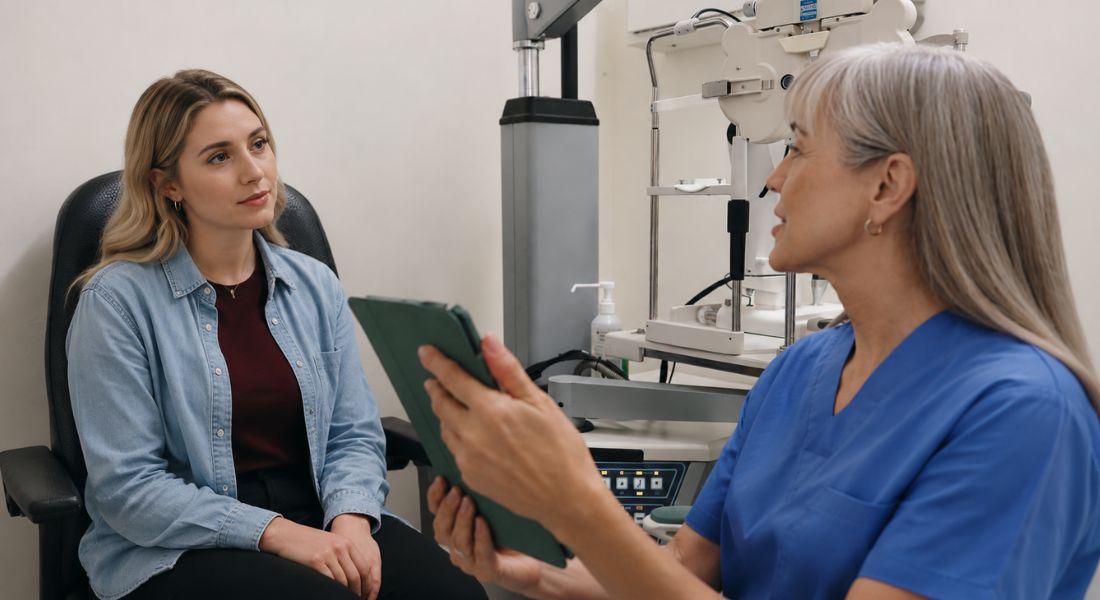
One of the greatest strengths of artificial intelligence is its ability to identify early signs of eye disease. Many eye conditions develop gradually and may not cause noticeable symptoms in the early stages. This means you may be unaware that changes are occurring until the condition has progressed.
AI-assisted analysis can help detect subtle abnormalities that might otherwise be difficult to identify. By recognising potential warning signs earlier, these systems may support faster diagnosis and referral for treatment. This could help you access care before significant vision loss occurs.
Early detection remains a major focus of ophthalmic research. As AI technologies continue to improve, you may benefit from more accurate screening and earlier intervention. These advances have the potential to improve long-term outcomes and help protect your vision.
Automated Image Analysis
Modern ophthalmology relies heavily on advanced imaging technologies to assess and monitor eye health. Artificial intelligence systems can rapidly analyse thousands of images and highlight areas that may need closer attention. This means you may benefit from quicker interpretation of your eye scans.
Automated analysis can also improve consistency by reducing variation in how images are reviewed. By supporting clinicians with detailed image assessments, AI helps ensure that important findings are less likely to be missed. This may lead to more reliable results when your eye images are evaluated.
At the same time, these systems help reduce the workload associated with manual image review. This allows clinicians to spend more time focusing on your care and treatment planning. Accuracy remains a key priority as these technologies continue to develop and improve.
AI and Optical Coherence Tomography
Optical coherence tomography (OCT) provides highly detailed cross-sectional images of the retina and is widely used in modern ophthalmology. Artificial intelligence systems are increasingly being trained to interpret these OCT scans with greater speed and accuracy. This may help you receive more efficient and reliable eye assessments.
AI-assisted OCT analysis may improve the detection of retinal diseases by identifying subtle structural changes that could otherwise be missed. It can also support clinicians in monitoring disease progression over time. This means you may benefit from earlier detection and more consistent follow-up of your eye condition.
OCT analysis is expected to become even more advanced as AI technology continues to evolve. Researchers are working to refine these systems to improve diagnostic accuracy and clinical usefulness. As a result, you may receive more precise monitoring and better-informed treatment decisions.
Remote Eye Care Applications
Telemedicine has expanded significantly in recent years, allowing patients to access eye care without always visiting a clinic in person. Artificial intelligence may further enhance these remote ophthalmology services by assisting with image interpretation and basic risk assessment. This means you may receive quicker guidance on your eye health from home.
AI-supported remote screening can help identify patients who need urgent specialist review. By analysing images and data remotely, clinicians can prioritise cases more effectively and reduce unnecessary delays. This may help you access the right level of care sooner, even if you live far from specialist services.
Improving accessibility is one of the key benefits of these developments. Remote eye care programmes supported by AI may make it easier for you to receive timely assessments and follow-up care. As these systems continue to evolve, you may experience more convenient and efficient access to ophthalmology services.
AI in Paediatric Ophthalmology
If you are concerned about your child’s vision, you may be interested in how artificial intelligence is being explored in paediatric ophthalmology. Researchers are developing AI tools that can support early screening for common childhood eye conditions, including amblyopia and refractive errors. Early detection is especially important in children, as timely treatment can significantly improve long-term visual outcomes. As this field develops, you may see AI playing a larger role in helping identify eye problems sooner and more efficiently.
- AI Can Support Early Childhood Screening: AI systems are being designed to help detect conditions like amblyopia and refractive errors at an early stage. This may allow your child to be assessed more quickly and accurately during routine screening.
- Improved Early Detection of Eye Problems: Identifying vision issues early in childhood is crucial for effective treatment. AI may help ensure that potential problems are recognised before they affect visual development.
- Better Access to Screening Services: AI-assisted tools could help expand screening programmes, especially in areas with limited specialist access. This may make it easier for your child to receive timely eye assessments.
- Growing Role in Paediatric Eye Care: Research in this area is expanding rapidly as technology improves. You can expect AI to become an increasingly important support tool in children’s eye care services.
AI in paediatric ophthalmology is an evolving field with significant potential to improve early detection and management of childhood eye conditions. By supporting screening and diagnosis, these tools may help ensure your child receives timely care. This can make a meaningful difference to long-term visual development. As research continues, you are likely to see wider use of AI in supporting children’s eye health.
Understanding Artificial Intelligence in Eye Care
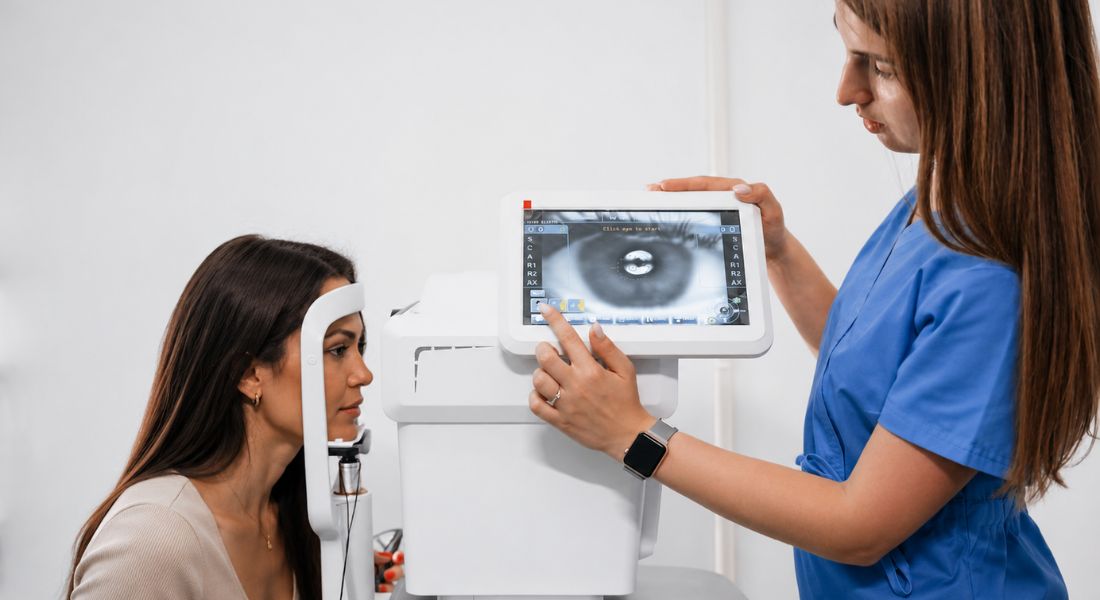
Artificial intelligence refers to computer systems that can analyse information and perform tasks that traditionally require human expertise. In ophthalmology, AI is often used to assess retinal scans and other eye images to identify potential signs of disease. This may help you receive a faster and more efficient evaluation of your eye health.
These systems are trained using large datasets that allow them to recognise patterns associated with various eye conditions. As technology continues to advance, AI tools are becoming increasingly accurate and reliable. This means you may benefit from more precise assessments and earlier detection of certain problems.
AI is becoming an important support tool for eye care professionals. Rather than replacing clinicians, it helps them interpret information more efficiently and make informed decisions. As a patient, you can benefit from a combination of advanced technology and professional clinical expertise.
Improving Diagnostic Consistency
Variability in clinical interpretation can sometimes occur between different healthcare professionals. Artificial intelligence systems can help reduce this variation by providing more consistent analysis of imaging data. This means you may receive more standardised assessments of your eye condition.
By supporting clinicians with objective image evaluation, AI can help ensure that key findings are identified more reliably. This may lead to more uniform diagnostic decisions across different clinics and healthcare settings. As a result, you may benefit from greater confidence in the consistency of your eye care.
Improved diagnostic consistency can contribute to better overall patient care. Research is continuing to evaluate how these systems perform in real-world clinical practice. As these technologies develop further, you may experience more reliable and standardised eye health assessments.
Integration with Electronic Health Records
Future artificial intelligence systems are expected to become increasingly integrated with electronic health records. This means imaging results, clinical history, and other relevant health information could be analysed together in one system. As a result, you may benefit from more comprehensive and joined-up eye care.
By combining multiple sources of data, AI may improve clinical decision support and help clinicians make more informed choices. This integrated approach can provide a clearer picture of your overall eye health and risk profile. You may therefore receive more accurate and personalised treatment recommendations.
Such integration also has the potential to improve clinical workflows and efficiency. Development in this area is ongoing, with healthcare systems actively exploring how to implement these technologies safely. In the future, you may experience more seamless and coordinated eye care across different services.
Challenges and Limitations
Despite its significant promise, artificial intelligence in ophthalmology also presents several challenges. AI systems must be carefully validated to ensure they perform accurately across different populations and clinical settings. This means you should not rely on AI alone for final decisions about your eye health.
One important concern is the potential for bias in training data, which may affect how well systems perform for different groups of patients. Technical limitations can also influence accuracy, particularly in complex or unclear cases. These factors mean that results must always be interpreted with clinical oversight.
Ongoing evaluation and testing are essential before widespread implementation in routine care. Responsible adoption ensures that AI is used safely and effectively alongside clinician expertise. This approach helps ensure that you continue to receive reliable and high-quality eye care.
Data Security and Privacy
Artificial intelligence systems rely on large amounts of patient data to function effectively. Because of this, protecting your privacy and ensuring secure handling of information is extremely important in ophthalmology. You should always expect your personal data to be treated with strict confidentiality.
Healthcare providers must comply with strict regulations that govern how medical data is collected, stored, and used. These safeguards are designed to protect your information and maintain trust in digital healthcare systems. As a patient, you can be reassured that your data should only be used for appropriate clinical purposes.
Data security remains a major focus area as AI continues to expand in healthcare. Ongoing improvements in encryption, access control, and system monitoring are helping strengthen protection measures. This ensures that your information is kept safe while still allowing you to benefit from advanced AI-driven eye care.
Regulatory Developments
If you are following the rise of artificial intelligence in eye care, you may notice that regulations are evolving alongside the technology. As AI tools become more widely used in clinical settings, authorities are working to establish clear standards to ensure they are safe, reliable, and effective. These rules are designed to protect you as a patient while still encouraging innovation in healthcare. As the field grows, you are likely to see more structured oversight shaping how AI is used in ophthalmology.
- Safety and Effectiveness Standards Are Being Developed: Regulators are creating guidelines to ensure AI systems used in healthcare are properly tested. This helps make sure the tools your clinician uses are both safe and clinically reliable.
- Patient Protection Is a Key Priority: Regulatory frameworks are designed to safeguard your health and data. These measures help ensure that AI-based decisions support, rather than replace, professional clinical judgement.
- Supporting Responsible Innovation: Clear rules help balance innovation with patient safety. This allows new technologies to be introduced in a controlled way without compromising care quality.
- Increasing Oversight in Clinical Use: As AI becomes more integrated into eye care, regulatory oversight is expected to expand. This means you can expect more consistent standards across different healthcare systems.
Regulatory developments play a crucial role in ensuring that AI is used safely and effectively in ophthalmology. While technology continues to advance rapidly, guidelines help ensure that patient care remains the top priority. You are likely to see continued updates to these frameworks as new applications emerge. Ultimately, this oversight supports the responsible adoption of AI in modern eye care.
Future Research Directions
Researchers continue to explore new applications of artificial intelligence across ophthalmology. Future systems may become more accurate, more adaptable, and capable of analysing multiple types of clinical data at the same time. This could help you benefit from more advanced and well-rounded eye assessments.
Advances in machine learning are expected to drive further innovation in diagnostic tools and treatment planning. As these systems improve, they may support clinicians in making more precise and timely decisions about your eye health. The pace of development in this field remains extremely rapid.
The coming years may bring significant changes to clinical practice in ophthalmology. You may see AI becoming more integrated into routine eye care, from screening to long-term monitoring. These developments could lead to more efficient, personalised, and proactive management of your vision.
Seeking Professional Eye Care
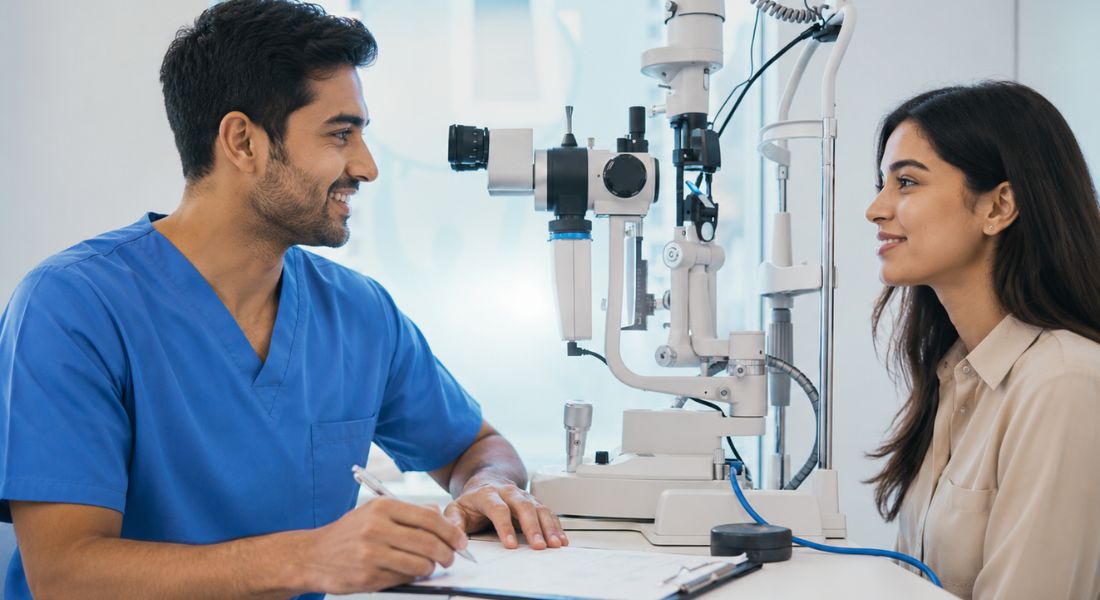
Although artificial intelligence is becoming an increasingly valuable tool in ophthalmology, expert clinical assessment remains essential. AI can support decision-making, but it does not replace the judgement and experience of a trained eye care professional. You should always rely on a clinician for final diagnosis and treatment decisions.
In practice, AI is designed to work alongside ophthalmologists to enhance the quality and efficiency of care. It may help highlight important findings, but interpretation and clinical context still depend on your specialist. This ensures you receive care that is both accurate and appropriately tailored to your condition.
Ultimately, maintaining regular visits with an eye care professional is the most important step in protecting your vision. You benefit most when AI technology is combined with expert medical oversight. This balanced approach helps ensure your eye health is managed safely and effectively.
FAQs:
- What is artificial intelligence in ophthalmology?
Artificial intelligence in ophthalmology refers to computer systems that analyse eye images and clinical data to support diagnosis and treatment decisions. These systems are trained to recognise patterns associated with various eye diseases. AI can process large amounts of information quickly and consistently. It is designed to assist eye care professionals rather than replace them. - How can AI help detect eye diseases earlier?
AI can identify subtle changes in eye scans and retinal images that may indicate disease before symptoms appear. This can help clinicians detect conditions at an earlier stage. Earlier diagnosis often allows treatment to begin sooner, which may improve outcomes. Early detection remains one of the most promising uses of AI in eye care. - Which eye conditions can AI help identify?
AI is being developed to assist in the detection of conditions such as diabetic retinopathy, glaucoma, and age-related macular degeneration. It can also help identify other retinal abnormalities through image analysis. Researchers continue to expand its capabilities across different eye diseases. The range of applications is expected to grow in the coming years. - How is AI used in retinal imaging?
AI can analyse retinal photographs and scans rapidly, highlighting areas that may require further attention. This helps clinicians review images more efficiently and consistently. It may also support large-scale screening programmes by identifying patients who need specialist assessment. Retinal imaging remains one of the leading areas of AI development. - Can AI predict how eye diseases will progress?
Researchers are developing AI systems that can analyse historical and clinical data to predict disease progression. These tools may help identify patients who are at higher risk of vision loss or worsening disease. Earlier intervention could then be planned when appropriate. Predictive modelling is a rapidly evolving area of research. - Will AI replace ophthalmologists in the future?
No, AI is expected to support ophthalmologists rather than replace them. While AI can assist with image analysis and data interpretation, clinical judgement remains essential. Ophthalmologists consider many factors beyond what technology can assess. Human expertise continues to play a central role in patient care. - How could AI improve glaucoma detection?
AI systems can analyse optic nerve images and visual field tests to identify signs of glaucoma. This may help detect the condition earlier, before significant vision loss occurs. Researchers are continually refining these tools to improve accuracy. Early detection is particularly important because glaucoma damage is irreversible. - What role could AI play in telemedicine and remote eye care?
AI may enhance telemedicine by helping interpret eye images collected remotely. This can support screening and risk assessment in areas with limited access to specialists. Patients may benefit from faster referrals and earlier diagnosis. These applications could improve access to eye care services. - Are there concerns about privacy when using AI in ophthalmology?
Yes, AI systems often require large amounts of patient data to function effectively. Protecting privacy and ensuring secure data handling are therefore important priorities. Healthcare providers must follow strict regulations regarding data use and storage. Maintaining patient trust remains essential as AI adoption grows. - What are the biggest AI advances expected in ophthalmology during 2027?
Expected advances include improved disease detection, more accurate prediction of disease progression, and enhanced personalised treatment planning. AI is also likely to become more integrated with retinal imaging, OCT analysis, and electronic health records. These developments may improve efficiency and clinical decision-making. However, ongoing research and validation will remain important before widespread adoption.
Final Thoughts: The Future of AI in Ophthalmology
Artificial intelligence is expected to play an increasingly important role in ophthalmology throughout 2027, helping clinicians detect eye diseases earlier, monitor progression more accurately, and support personalised treatment decisions. From retinal imaging and glaucoma detection to diabetic eye disease screening and predictive analytics, AI technologies have the potential to enhance both efficiency and clinical outcomes. As these systems continue to evolve, they may help make specialist eye care more accessible while supporting informed decision-making.
Despite these exciting developments, AI remains a tool that complements rather than replaces clinical expertise. Accurate diagnosis and treatment planning still rely on the knowledge and judgement of experienced eye specialists. As research advances and new technologies are integrated into clinical practice, patients may benefit from earlier intervention and more tailored care pathways. If you would like to discuss your symptoms with an experienced eye specialist, you can contact us at Eye Clinic London.
References:
- Tappeiner, C. (2025) ‘Artificial intelligence in ophthalmology: Acceptance, clinical integration, and educational needs in Switzerland’, Journal of Clinical Medicine, 14(17), p. 6307. Available at: https://www.mdpi.com/2077-0383/14/17/6307
- Mikhail et al. (2025) ‘Multimodal performance of GPT-4 in complex ophthalmology cases’, Journal of Personalized Medicine, 15(4), p. 160. Available at: https://www.mdpi.com/2075-4426/15/4/160
- Popescu Patoni et al. (2023) ‘Artificial intelligence in ophthalmology’, Romanian Journal of Ophthalmology, 67(3), pp. 207–213. Available at: https://pubmed.ncbi.nlm.nih.gov/37876505/
- Waisberg, E., Ong, J., Kamran, S.A., Masalkhi, M., Paladugu, P., Zaman, N., Lee, A.G. and Tavakkoli, A. (2025) ‘Generative artificial intelligence in ophthalmology’, Survey of Ophthalmology, 70(1), pp. 1–11. Available at: https://pubmed.ncbi.nlm.nih.gov/38762072/
- Pattathil et al. (2023) ‘Adherence of randomised controlled trials using artificial intelligence in ophthalmology to CONSORT-AI guidelines: A systematic review and critical appraisal’, BMJ Health & Care Informatics, 30(1), e100757. Available at: https://pmc.ncbi.nlm.nih.gov/articles/PMC10357814/