


What Is Minimally Invasive Glaucoma Surgery (MIGS)? (Explained Simply)
When you first hear the term “minimally invasive glaucoma surgery,” it can sound more complicated than it really is. The name itself may feel technical and a bit intimidating. However, the idea behind it is much simpler than it appears at first. It is designed to be a gentler approach to eye surgery.
If you have recently been diagnosed with Glaucoma or are exploring treatment options, you may have come across MIGS. You might be wondering what it actually means for your eyes and your daily life. It is normal to feel unsure when faced with medical terms like this. Understanding it in simple language can make things less overwhelming.
In simple terms, MIGS is a modern type of surgery used to help lower eye pressure. It is designed to cause less disruption to your eye compared to traditional surgery. The goal is to protect your vision while supporting your overall comfort and recovery. This makes it a less invasive option for many people.
Let me walk you through what you need to know in a clear and straightforward way. MIGS focuses on improving fluid drainage in the eye to reduce pressure. By doing this, it helps slow down further damage to the optic nerve. Overall, it is aimed at managing your condition in a safer and more comfortable manner.
Understanding the Goal of Glaucoma Treatment
Before you explore MIGS in more detail, it is important to understand the main goal of treating Glaucoma. This helps you see why different treatments are recommended and how they work together. It also makes the overall approach much easier to understand. Knowing the purpose behind treatment can reduce confusion and anxiety.
Glaucoma damages the optic nerve, often because of increased pressure inside the eye. This pressure builds up gradually and can slowly affect your vision over time. If left untreated, it may lead to permanent vision loss. That is why controlling this pressure is so important.
The only proven way to slow or stop this damage is by lowering the pressure inside the eye, known as intraocular pressure. Every treatment option is focused on achieving this goal in one way or another. Whether it is medication, laser treatment, or surgery, the purpose remains the same. The aim is to protect your optic nerve and preserve your vision for as long as possible.
Why Traditional Glaucoma Surgery Isn’t Always Ideal
For many years, traditional surgeries such as trabeculectomy were the main option when medications were not enough to control Glaucoma. These procedures have been used for a long time and can be very effective in lowering eye pressure. However, they are generally more invasive compared to newer treatments. This means they involve a more complex surgical process on the eye.
Although traditional surgery can work well, it often comes with a longer recovery period. You may need more time for your eye to heal and more follow-up care after the procedure. This can temporarily affect your daily routine and comfort. Because of this, some people find the recovery process more demanding.
There is also a higher chance of complications compared to modern approaches. These may include infection, bleeding, or changes in vision during healing. Due to these risks, some patients and doctors may prefer less invasive options. This is one of the key reasons MIGS was developed as an alternative for managing Glaucoma.
What MIGS Actually Means
MIGS stands for Minimally Invasive Glaucoma Surgery. The name clearly reflects the main idea behind the procedure, which is to treat glaucoma in a gentler and less disruptive way. It is designed to reduce eye pressure while minimising impact on the eye itself. This makes it a more modern approach compared to traditional surgery.
These procedures are specifically created to be less invasive while still effectively managing Glaucoma. The goal remains the same as other treatments, which is to lower intraocular pressure and protect the optic nerve. However, MIGS achieves this using more delicate and precise techniques. This helps reduce the overall strain on the eye during treatment.
Unlike traditional surgery, MIGS involves very small incisions and specialised microscopic tools. Because of this, there is usually less trauma to the eye and surrounding tissue. This often leads to a quicker and more comfortable recovery process. Many people are able to return to their normal daily activities sooner after treatment.
How MIGS Works in Simple Terms
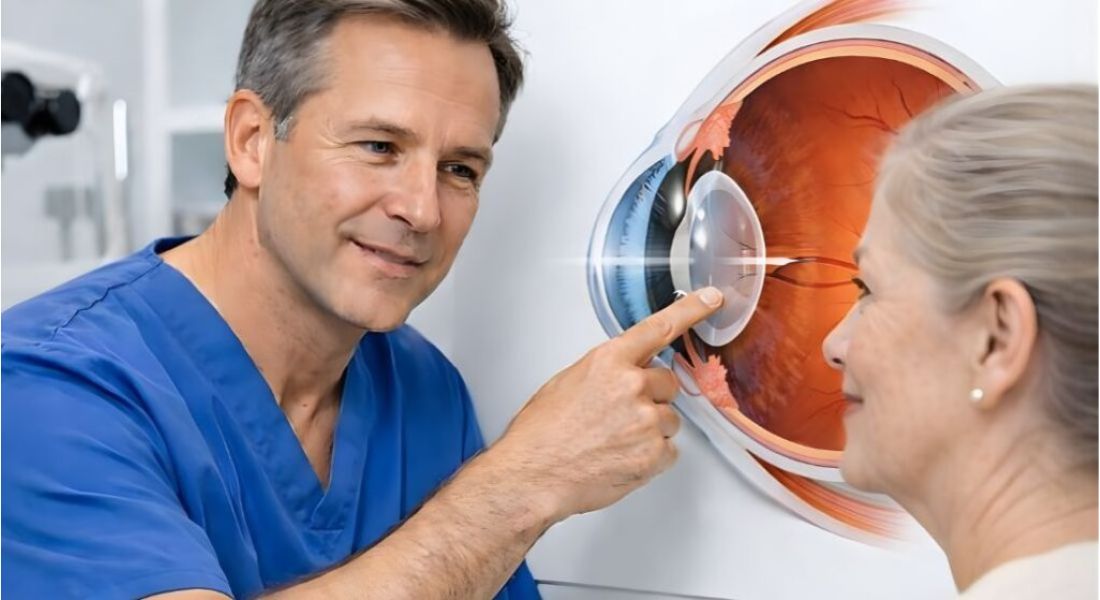
Minimally Invasive Glaucoma Surgery (MIGS) is designed to lower eye pressure in a gentle and targeted way. To understand how it works, it helps to first know that your eye naturally contains a fluid called aqueous humour, which is constantly produced and drained. When this fluid does not drain properly, pressure builds up inside the eye, which can damage the optic nerve and lead to glaucoma progression. MIGS focuses on improving this drainage system in a safer, less invasive manner.
- Improving Natural Fluid Drainage: MIGS works by helping the eye’s existing drainage pathways function more effectively. Instead of replacing the system, it supports and enhances how fluid naturally exits the eye. This helps restore a more balanced flow and reduces pressure build-up.
- Creating New Outflow Channels: In some cases, MIGS procedures create tiny new channels to allow fluid to drain more easily. These micro-openings provide additional routes for aqueous humour to leave the eye. This extra drainage capacity helps prevent pressure from rising to damaging levels.
- Reducing Pressure Inside the Eye: The main goal of MIGS is to lower intraocular pressure safely and consistently. By improving fluid outflow, the internal pressure decreases, reducing strain on the optic nerve. This is important for slowing or preventing further vision loss.
- Minimally Invasive Approach: MIGS procedures are designed to be less disruptive than traditional glaucoma surgeries. They typically involve smaller incisions and a quicker recovery period. This makes them a suitable option for many patients who need pressure control with fewer surgical risks.
Overall, MIGS works by restoring balance to the eye’s fluid system in a simple but effective way. It does not remove the problem entirely but helps manage it by improving drainage. This can play an important role in protecting vision over time. For many patients, it offers a safer and more comfortable surgical option for glaucoma management.
Types of MIGS Procedures
Minimally Invasive Glaucoma Surgery (MIGS) is not a single procedure but a group of different surgical techniques. Each type is designed to improve fluid drainage in the eye, but they work in slightly different ways depending on where the blockage or resistance is occurring. The choice of procedure depends on the severity of glaucoma, the structure of your eye, and how much pressure reduction is needed. This tailored approach allows doctors to select the most suitable and least invasive option for each patient.
- Trabecular Micro-Bypass Stents: These tiny stents are placed into the eye’s natural drainage system to help fluid flow more freely. They work by bypassing resistance in the trabecular meshwork, which is often the main blockage point in glaucoma. By improving this pathway, they help lower eye pressure in a controlled and effective way.
- Suprachoroidal Shunts: This type of MIGS procedure creates a new route for fluid to drain into the suprachoroidal space of the eye. It uses the natural pressure differences within the eye to encourage fluid movement. This additional pathway helps reduce intraocular pressure when standard drainage routes are not sufficient.
- Subconjunctival Devices: These devices allow fluid to drain beneath the conjunctiva, which is the outer layer covering the white part of the eye. Although slightly more involved than other MIGS options, they are still less invasive than traditional glaucoma surgery. They provide an alternative drainage route when stronger pressure control is needed.
Choosing between these procedures depends on how advanced the glaucoma is and how the eye responds to treatment. Each option aims to improve fluid drainage while keeping the procedure as minimally invasive as possible. In many cases, more than one factor is considered to ensure the best outcome. Overall, MIGS offers a flexible range of solutions tailored to individual patient needs.
Who Is MIGS Suitable For?
You may be wondering whether MIGS is the right treatment for you. In general, it is most suitable for people with mild to moderate Glaucoma. It is usually considered when the condition needs better control, but does not yet require highly aggressive surgery. Your eye specialist will always assess your individual case before recommending it.
MIGS is often suggested when eye drops are no longer enough to manage eye pressure effectively. It may also be an option if you are experiencing unwanted side effects from your current medication. In these situations, MIGS can provide an alternative way to help lower pressure in a more controlled manner. This can improve comfort while still protecting your vision.
Another common situation where MIGS is used is alongside cataract surgery. If you already need cataract removal, both procedures can often be done together. This can make treatment more efficient and reduce the need for separate surgeries. However, in more advanced cases of , stronger surgical approaches may still be necessary.
What Happens During a MIGS Procedure?
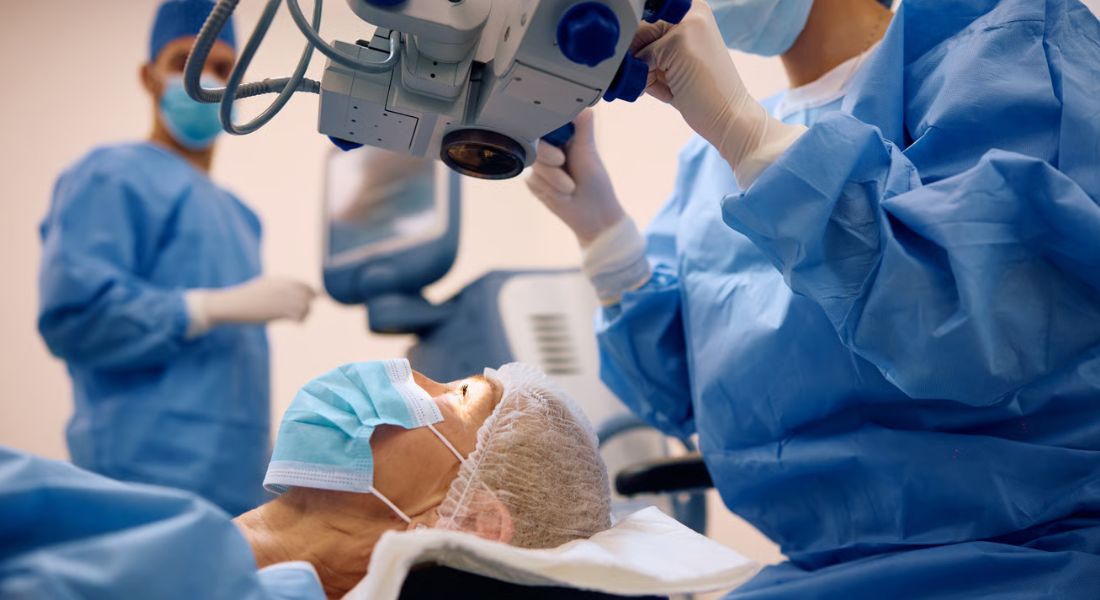
One of the most reassuring things about MIGS for Glaucoma is that the procedure is usually quite straightforward. It is designed to be minimally invasive, which means less disruption to your eye compared to traditional surgery. This often helps reduce anxiety before the procedure. Knowing what will happen can make you feel more prepared and comfortable.
The procedure is typically done under local anaesthetic, so you are awake but feel no pain. You may notice some light pressure or movement, but it should not be uncomfortable. The surgeon works carefully using tiny instruments and advanced imaging to guide every step. The incision made is very small and precise.
In many cases, the incision is so small that stitches are not needed. The aim is to improve fluid drainage in the eye and reduce pressure in a gentle way. The whole procedure is usually quick, often taking around 30 minutes. After this, you can normally go home the same day to begin recovery and follow-up care for.
Recovery After MIGS
Recovery is one of the main advantages of MIGS for Glaucoma. Because the procedure is minimally invasive, your eye experiences less trauma during surgery. This usually means the healing process is smoother and more comfortable compared to traditional operations. Many people find this helps them feel more at ease after treatment.
Most patients are able to return to normal daily activities within a few days. You may still need to avoid heavy strain or rubbing your eye while it heals. Your vision might feel slightly different at first, but this generally settles over time. Following your specialist’s advice during this stage is very important.
After MIGS, you will usually be given eye drops to prevent infection and reduce inflammation. Regular follow-up appointments are also needed to check healing and ensure eye pressure is under control. These steps help make sure your recovery stays on track. Overall, downtime is much shorter compared to traditional surgery for Glaucoma.
Benefits of MIGS
Minimally Invasive Glaucoma Surgery (MIGS) has gained popularity because it offers a safer and more comfortable approach to lowering eye pressure. Unlike traditional glaucoma surgeries, MIGS focuses on smaller interventions that aim to reduce risk while still improving fluid drainage. This balance between effectiveness and safety makes it an attractive option for many patients. Understanding its benefits can help you see why it is increasingly recommended in suitable cases.
- Less Invasive Approach: MIGS procedures involve very small incisions, which means less disruption to the eye’s natural structure. This reduced level of intervention lowers the chance of surgical trauma and related complications. As a result, patients often experience a gentler surgical process overall.
- Faster Recovery Time: One of the key advantages of MIGS is the quicker healing period compared to traditional glaucoma surgery. Most people can return to their normal daily activities sooner, depending on individual recovery. This makes it particularly beneficial for those with active or busy lifestyles.
- Improved Safety Profile: MIGS is generally associated with fewer risks and complications than more invasive surgical options. The techniques are designed to be precise and controlled, which helps improve overall safety. This reassures many patients who may be concerned about undergoing eye surgery.
- Reduced Dependence on Eye Drops: In some cases, MIGS can lower the need for long-term use of glaucoma eye drops. By improving fluid drainage and reducing eye pressure, it may lessen reliance on daily medication. This can make treatment easier and improve overall quality of life for some patients.
Overall, MIGS offers a modern approach to glaucoma management that focuses on safety, efficiency, and comfort. While it may not replace the need for treatment in every case, it provides an important option for many people. Its combination of benefits has made it a widely considered choice in contemporary glaucoma care.
Limitations of MIGS
While MIGS offers many benefits for Glaucoma, it is important to stay realistic about its role. It is not a treatment that works the same way for everyone. The results can vary depending on the stage and severity of your condition. Your eye specialist will always consider this before recommending it.
MIGS is not a one-size-fits-all solution for managing Glaucoma. Although it can help reduce eye pressure, the level of reduction may be more modest compared to traditional surgery. This means it is often best suited for earlier stages of the condition. It may not be enough on its own in more severe cases.
For people with advanced Glaucoma, stronger or more invasive treatments may still be required. These options are sometimes needed to achieve a greater reduction in eye pressure. The right choice depends on how much damage has already occurred and how well your condition is controlled. Your specialist will guide you toward the most appropriate treatment for your situation.
Is MIGS a Permanent Solution?
This is a question you may often wonder about when considering treatment for Glaucoma. It is natural to hope for a permanent fix, especially when dealing with a long-term condition. However, it is important to understand what MIGS can and cannot do. Having clear expectations helps you make informed decisions.
The reality is that MIGS helps manage Glaucoma, but it does not cure it. Glaucoma is a chronic condition, which means it requires ongoing monitoring and care throughout your life. MIGS works by improving fluid drainage and lowering eye pressure. This helps slow down further damage rather than completely stopping the disease.
The main goal of MIGS is to slow progression and protect your remaining vision for as long as possible. It is part of a wider treatment plan rather than a one-time solution. Even after the procedure, your condition still needs regular attention. This may include medication, lifestyle adjustments, or additional treatments depending on your case.
Combining MIGS With Other Treatments
MIGS does not replace all other treatments for Glaucoma. Instead, it is usually part of a broader, long-term management plan. The goal is to control eye pressure in the most effective way for your specific condition. Your eye specialist will decide how it fits into your overall care.
In many cases, you may still need to continue using eye drops after MIGS. However, the amount or frequency of drops is often reduced, depending on how your eye responds. This can make managing Glaucoma feel more manageable in daily life. It may also help reduce side effects linked to medication.
Sometimes, MIGS is combined with other treatments such as laser therapy or additional procedures. This combined approach can provide better control of eye pressure when one treatment alone is not enough. Every treatment plan is tailored to your individual needs and stage of Glaucoma. Your specialist will guide you towards the safest and most effective option.
Risks and Possible Complications
Although MIGS is considered a safe and modern treatment for Glaucoma, it is important to understand that no medical procedure is completely without risk. Like any surgery, there can be some side effects or complications, even if they are usually mild. Being aware of this helps you set realistic expectations. It also allows you to feel more prepared before treatment.
Some possible complications include mild inflammation in the eye after the procedure. You might also experience temporary changes in eye pressure while your eye adjusts. In rare cases, there can be issues related to the small devices used during MIGS. These effects are usually monitored closely by your eye specialist.
The good news is that serious complications are relatively uncommon. Most people recover well with only minor or short-term symptoms. Careful surgical techniques and modern technology have made MIGS a safer option for managing Glaucoma. Your surgeon will always discuss these risks with you before the procedure.
The Importance of Early Intervention
One thing that is very important to understand about Glaucoma is the value of early treatment. When the condition is detected and managed early, there is a much better chance of protecting your vision. This is because damage to the optic nerve can be slowed before it becomes more serious. Acting early can make a real difference to long-term outcomes.
The earlier Glaucoma is treated, the better your chances of preserving useful vision for longer. Treatments like MIGS can be especially effective when used at the right stage of the condition. At this point, the eye still has more function to protect, which improves results. Early intervention is often about prevention rather than trying to reverse damage later.
However, waiting too long can limit your treatment options. As Glaucoma progresses, it can become more difficult to control eye pressure effectively. In more advanced stages, stronger or more invasive treatments may be needed. This is why timing plays such an important role in managing the condition.
How to Know If You Need MIGS
Deciding whether MIGS is right for you is not something you should do on your own when managing Glaucoma. It is a decision that must be made with a qualified eye specialist. They will carefully assess your condition before suggesting any surgical option. This ensures the treatment is safe and appropriate for your needs.
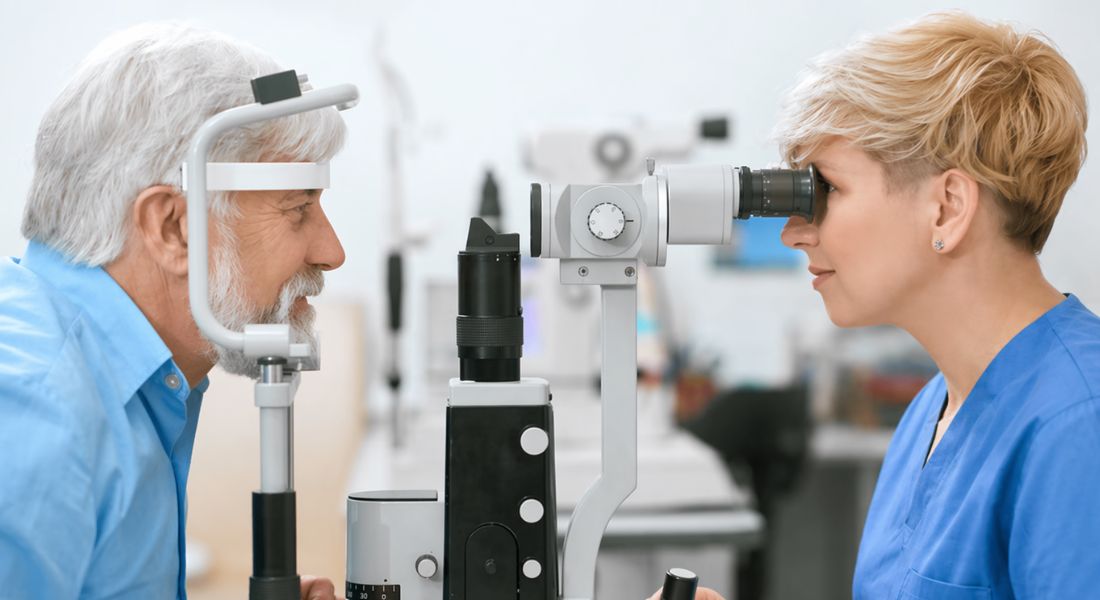
Your specialist will carry out a detailed examination of your eyes. This usually includes checking your eye pressure, testing your visual field, and assessing your overall eye health. These tests help them understand how far Glaucoma has progressed. The results give a clear picture of how well your vision is being affected.
They will also review how well your current treatment is working. If medications are not controlling your eye pressure properly or are causing side effects, MIGS may be considered. It is often suggested as an option when additional help is needed to manage Glaucoma more effectively.
Choosing the Right Specialist

If you are considering surgery for Glaucoma, choosing the right specialist is very important. The experience and skill of your eye doctor can have a real impact on your treatment results. A knowledgeable specialist can guide you through each step with clarity and confidence. This helps you feel more secure about your decision.
Experience and expertise often make a significant difference in outcomes. A specialist who regularly treats Glaucoma will be more familiar with advanced options like MIGS. They can assess your condition accurately and recommend the most suitable approach. This ensures you receive care that matches your specific needs.
It is worth taking the time to find a trusted clinic rather than rushing your decision. Good communication, clear explanations, and a supportive environment are all important factors. When you feel comfortable with your specialist, it becomes easier to follow treatment plans. This can improve both your confidence and your long-term eye health.
Emotional Considerations
It is completely understandable that the idea of eye surgery for Glaucoma can feel overwhelming. Even when the procedure is minimally invasive, it is still a significant step that affects your health. You may feel unsure about what will happen or how it might affect your vision. These feelings are a normal part of the decision-making process.
Even with modern options like MIGS, it is natural to feel some anxiety or uncertainty. Any procedure involving your eyes can feel emotionally challenging, especially when your vision is so important to daily life. You might worry about the outcome or the recovery process. Acknowledging these concerns is an important part of preparing for treatment.
What often helps most is having clear and honest information from your eye specialist. When you understand what is involved in treating Glaucoma, it becomes easier to manage your concerns. Open communication allows you to ask questions and express any worries you may have. This support can make the experience feel less stressful.
Life After MIGS
After undergoing MIGS for Glaucoma, many people find that their condition feels easier to manage in daily life. It does not cure glaucoma, but it can help reduce the pressure on your routine. You may notice that things feel more stable and less stressful overall. This often brings a sense of relief after treatment.
There is often less reliance on daily eye drops following the procedure, although this depends on your individual case. Some people still need medication, but usually in smaller amounts than before. This can make managing Glaucoma feel more convenient and less demanding. Your specialist will guide you based on how your eye responds.
Follow-up appointments remain an important part of your care after MIGS. These visits are usually simple and focused on checking eye pressure and overall eye health. Regular monitoring helps ensure that Glaucoma stays under control. Consistency is key to protecting your vision in the long term.
Supporting a Loved One Considering MIGS
If someone close to you is considering MIGS for Glaucoma, your support can make a meaningful difference. Even though MIGS is minimally invasive, the idea of eye surgery can still feel worrying or overwhelming for them. They may have concerns about recovery, results, or how it will affect their daily life. Your calm presence can help ease some of that stress.
It is important to listen to their concerns without rushing or trying to solve everything immediately. Encourage them to speak openly about their fears and also to ask their eye specialist questions. Understanding more about Glaucoma and the procedure can help them feel more in control. Shared information often makes decisions feel less intimidating.
Focus on reassurance rather than pressure when discussing their choices. Try not to influence their decision, but instead support them in feeling confident about whatever they choose. You can also offer practical help, such as attending appointments with them or helping them remember medical advice. This kind of support can make managing Glaucoma feel less overwhelming.
FAQs:
- What is MIGS in simple terms?
MIGS stands for Minimally Invasive Glaucoma Surgery. It is a modern surgical approach designed to lower eye pressure using smaller incisions and gentler techniques than traditional glaucoma surgery. - How does MIGS help with glaucoma?
MIGS helps by improving the drainage of fluid inside the eye. This reduces intraocular pressure, which helps slow down or prevent further damage to the optic nerve. - Is MIGS a cure for glaucoma?
No, MIGS is not a cure. It helps manage glaucoma by lowering eye pressure and slowing disease progression, but ongoing monitoring and treatment are still needed. - Who is suitable for MIGS?
MIGS is generally suitable for people with mild to moderate glaucoma, especially when eye drops are not effective enough or cause side effects. - How is MIGS different from traditional glaucoma surgery?
MIGS is less invasive, uses smaller incisions, has fewer risks, and usually offers a quicker recovery compared to traditional surgeries like trabeculectomy. - What happens during a MIGS procedure?
The procedure is usually done under local anaesthetic and involves tiny instruments to improve fluid drainage in the eye. It typically takes around 30 minutes and patients often go home the same day. - How long does recovery take after MIGS?
Most people recover within a few days and can return to normal activities quickly, although full healing and follow-up monitoring continue for several weeks. - Will I still need eye drops after MIGS?
Some patients still need eye drops after MIGS, but often in reduced amounts. This depends on how well eye pressure is controlled after surgery. - What are the risks of MIGS?
Risks are generally low but may include mild inflammation, temporary pressure changes, or rare device-related complications. Serious complications are uncommon. - Can MIGS be done with other eye procedures?
Yes, MIGS is often combined with cataract surgery and may also be used alongside other treatments depending on the severity of glaucoma.
Final Thoughts: A Modern, Gentle Approach to Managing Glaucoma
Minimally Invasive Glaucoma Surgery (MIGS) represents a significant step forward in how glaucoma is managed today. By focusing on reducing eye pressure through smaller, more precise procedures, it offers a safer and less disruptive option compared to traditional surgery. While it is not a cure, it plays an important role in slowing disease progression and helping protect vision for the long term.
If you are considering your options, it is essential to remember that treatment decisions should always be based on your individual condition and guided by a specialist. Early assessment and the right care plan can make a meaningful difference in outcomes. If you’re exploring whether glaucoma treatment in London as part of a personalised care approach could benefit you, get in touch with us at Eye Clinic London to schedule your consultation.
References:
- Gottehrer, J. and Davey, P.G., 2026. The efficacy and safety of minimally invasive glaucoma surgery for primary open-angle glaucoma: a systematic review. Available at: https://www.mdpi.com/2227-9032/14/3/319
- Gurnani, B. and Tripathy, K., 2023. Minimally invasive glaucoma surgery. Available at: https://pubmed.ncbi.nlm.nih.gov/35881761/
- Richter, G.M. and Coleman, A.L., 2016. Minimally invasive glaucoma surgery: current status and future prospects. Therapeutic Advances in Ophthalmology, 8(3), pp.189-206. Available at: https://pmc.ncbi.nlm.nih.gov/articles/PMC4734795/
- Medeiros, F.A. et al., 2026. Outcomes of minimally invasive and traditional incisional glaucoma surgery: an IRIS Registry study. Available at: https://www.sciencedirect.com/science/article/pii/S2950253526000237
- Saheb, H. and Ahmed, I.I.K., 2012. Micro-invasive glaucoma surgery: current perspectives and future directions. Available at: https://www.sciencedirect.com/science/article/pii/S0039625720301351