


How Does Glaucoma Affect Your Ability to Drive?
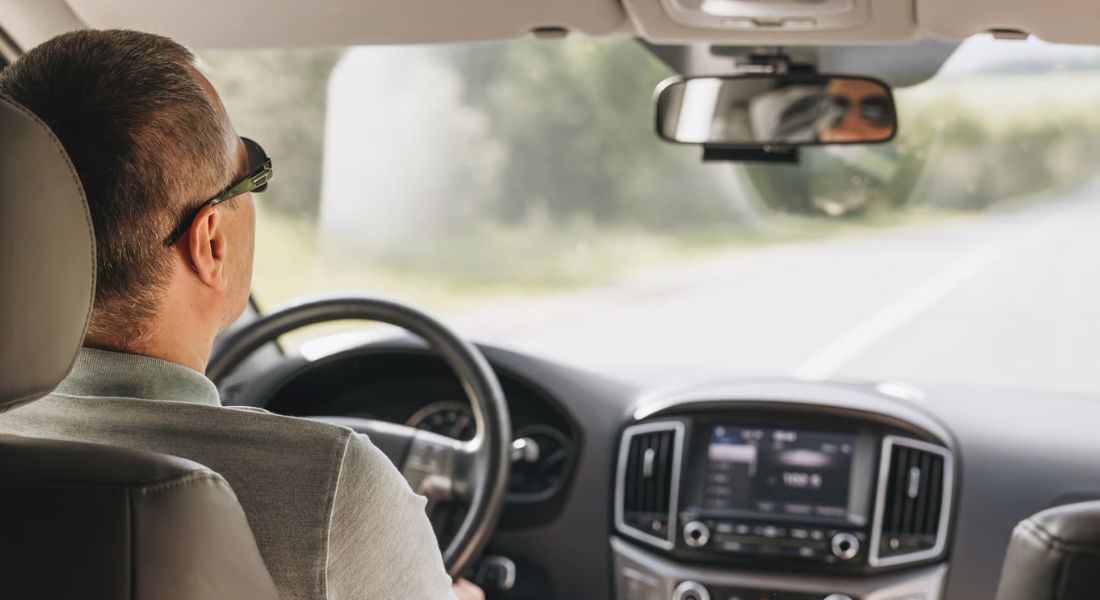
When you think about driving, it is not just about getting from one place to another. You are also thinking about your independence, your confidence, and your freedom to move through life on your own terms. Driving gives you control over your daily routine and helps you stay connected with the world around you. It is a key part of living life the way you choose.
If you have been diagnosed with Glaucoma, it is natural to wonder how it might affect your ability to drive safely. You may start to question whether your vision is still reliable enough for the road. These thoughts can feel worrying, especially if driving is an important part of your everyday life. It is a common concern, and you are not alone in thinking this way.
This concern is completely valid because Glaucoma does not usually affect your vision in a sudden or obvious way at first. Instead, it develops gradually and can be difficult to notice in the early stages. You may not realise that your vision is changing until it begins to interfere with everyday tasks. One of the main ways it affects you is by altering how you see the world around the edges.
In this article, you will learn exactly how Glaucoma can affect your driving and what changes you should be aware of. You will also discover the warning signs that may indicate your vision is no longer safe for driving. Most importantly, you will find practical ways to stay safe on the road while maintaining your independence.
Understanding Glaucoma in Simple Terms
Before you think about how driving might be affected, it helps to understand what Glaucoma actually does to your eyes. This condition affects how your eyes send visual information to your brain. Even if your eyes seem normal, changes can be happening without you noticing. Learning the basics can help you stay more aware and prepared.
Glaucoma damages the optic nerve, often because of increased pressure inside your eye. Over time, this damage makes it harder for visual signals to reach your brain properly. As a result, your vision can slowly begin to change. These changes are usually gradual rather than sudden.
One of the most difficult things about Glaucoma is that it develops quietly. In the early stages, you may not notice any symptoms at all. You might feel your vision is perfectly fine, even while changes are already happening. This is why regular eye checks are so important for early detection.
Why Peripheral Vision Matters More Than You Think
When you think about your vision, you usually focus on what is directly in front of you. This central view feels the most important because it helps you read signs and see the road ahead. However, driving safely depends on much more than just what you can see straight ahead. Your overall awareness comes from a wider field of vision.
Your peripheral vision plays a key role when you are behind the wheel. It helps you notice movement at the sides, spot approaching vehicles, and stay aware of pedestrians or cyclists nearby. Without it, your reaction time can be slower in busy traffic situations. This side vision supports your ability to make quick and safe decisions.
With Glaucoma, this peripheral vision is often the first thing to be affected. You may not immediately notice a car coming from your left or right, especially at junctions or roundabouts. These changes can happen gradually, making them easy to overlook at first. Over time, this can have a direct impact on how safely you are able to drive.
How Glaucoma Can Affect Driving in Real Situations

Driving is not just about looking straight ahead; it demands constant awareness of everything happening around you. In real-world situations, this includes reacting to unexpected movements, monitoring multiple directions, and making quick decisions. Glaucoma can quietly interfere with these abilities, often without you immediately realising it. The result is a gradual reduction in driving confidence and safety, especially in complex or busy environments.
- Difficulty Noticing Side Hazards: Glaucoma often affects peripheral vision first, making it harder to detect movement from the sides. You might fail to notice a pedestrian stepping off the pavement or a cyclist approaching from an angle. In busy urban areas, where activity is constant, this limitation can significantly increase the risk of accidents.
- Problems at Junctions and Roundabouts: Navigating junctions and roundabouts requires you to observe multiple directions at once and make quick decisions. With reduced peripheral vision, vehicles approaching from the side may go unnoticed unless you deliberately turn your head. This can lead to hesitation or misjudgement in situations where timing is critical.
- Lane Position Awareness: Staying correctly positioned within your lane depends on spatial awareness and subtle visual cues. Glaucoma can make it more difficult to judge distances between your car, lane markings, and nearby vehicles. As a result, you may drift slightly within your lane or feel less confident maintaining consistent positioning.
- Delayed Reaction Times: When visual information is not picked up immediately, your response is naturally slower. Glaucoma can delay how quickly you notice hazards, giving you less time to react appropriately. Even a brief delay can make a meaningful difference when trying to avoid sudden obstacles or changes in traffic flow.
In everyday driving scenarios, these challenges can build up and affect overall safety without being immediately obvious. Many people adapt by becoming more cautious, but this may not fully compensate for reduced visual awareness. Recognising these changes is an important step toward safer driving decisions. Regular eye checks and honest self-assessment can help ensure that you remain safe on the road while managing glaucoma.
The Subtle Nature of Vision Loss
One of the most concerning aspects of Glaucoma is how subtle the vision loss can be. It does not usually begin with anything sudden or alarming that immediately grabs your attention. Instead, the changes are quiet and gradual, making them easy to miss. This can give you a false sense of confidence in your vision.
Rather than experiencing a sudden blackout or a clear blind spot, your field of vision slowly becomes narrower over time. You may still see clearly in front of you, which can make everything feel normal. However, the edges of your vision are not as reliable as they once were. This gradual narrowing can affect how you notice things around you.
You might start to adjust without even realising it. For example, you may turn your head more often or depend more on your central vision to make up for what you are missing. Because these changes happen so slowly, it is easy to underestimate how much your vision has changed. Over time, this can impact your awareness, especially when you are driving.
Night Driving Becomes More Challenging
Driving at night can already feel more difficult, even if your vision is otherwise normal. The reduced lighting makes it harder to see clearly and react quickly. You may need to concentrate more and take extra care on darker roads. This is a common experience for many drivers.
With Glaucoma, this challenge can become much more noticeable. Your eyes may struggle to adjust properly when moving between bright and dark areas. Glare from oncoming headlights can feel stronger and more uncomfortable than usual. These issues can make night driving feel more stressful and less predictable.
You may also notice that your contrast sensitivity is reduced. This means it becomes harder to tell the difference between objects and their background in low light. Things like pedestrians, road signs, or obstacles may not stand out as clearly as they should. As a result, driving in dim conditions can feel more demanding and require extra caution.
Glare Sensitivity and Light Adaptation
Another issue that often comes with Glaucoma is increased sensitivity to light and glare. Bright conditions may feel more intense than they used to, which can be uncomfortable for your eyes. This can make everyday driving situations more difficult to manage. You may find yourself needing to take extra care in strong sunlight.
Driving in bright light can sometimes feel overwhelming and even unsafe. Glare from the sun or reflective surfaces can reduce how clearly you see the road ahead. This can affect your confidence, especially during busy traffic conditions. As a result, you may need to slow down or adjust your driving habits.
You might also notice that your eyes take longer to adjust when moving between different lighting conditions. For example, going from bright sunlight into a shaded area may temporarily affect your vision. These changes happen often on the road, such as when passing through tunnels, underpasses, or tree-lined streets. This delay in adjustment can make it harder to react quickly.
Recognising Warning Signs in Your Own Driving
It’s not always easy to admit that something may be affecting your driving ability, especially when changes happen gradually. Many people adapt without realising how much their vision or confidence has shifted over time. Being honest with yourself is essential, as early recognition can help prevent more serious risks on the road. Paying attention to subtle changes in your driving habits can make a meaningful difference in maintaining safety.
- Frequently Missing Side Objects or Vehicles: If you often fail to notice vehicles, pedestrians, or movement coming from the side, it may indicate reduced peripheral awareness. This can lead to delayed reactions in situations where quick responses are necessary. Over time, this increases the likelihood of unsafe driving conditions, particularly in busy environments.
- Reduced Confidence Behind the Wheel; Feeling less confident than you used to while driving can be an early warning sign. You may find yourself second-guessing decisions or feeling uneasy in situations that once felt routine. This drop in confidence often reflects underlying visual or awareness challenges.
- Near-Misses or Minor Accidents: Experiencing more frequent near-misses or small collisions should not be ignored. These incidents can suggest that your reaction time or ability to detect hazards has changed. Even minor events can point to a larger issue that needs attention.
- Relying Heavily on Head Movements: Turning your head more often to compensate for limited vision is a common adjustment. While this may help temporarily, it can also indicate that your natural field of vision has narrowed. Over-reliance on this habit can make it harder to respond quickly in dynamic situations.
In many cases, these warning signs appear gradually and can be easy to dismiss at first. However, recognising them early allows you to take practical steps to stay safe. Seeking professional advice and reassessing your driving habits can help you make informed decisions. Ultimately, prioritising safety for yourself and others is what matters most.
The Importance of Regular Eye Examinations
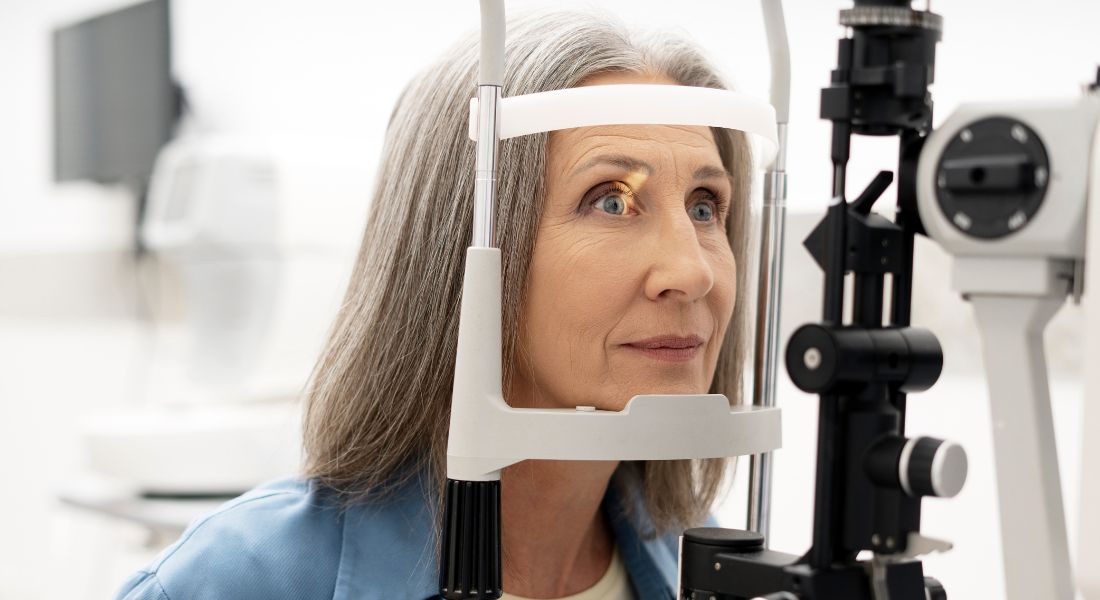
One of the best things you can do is stay consistent with your eye check-ups, especially if you have Glaucoma. Regular visits help you understand how your vision is changing over time. Even if you feel your sight is stable, small changes can still be happening. Keeping up with appointments allows you to stay informed and prepared.
During these examinations, your eye specialist can monitor your condition and adjust your treatment if needed. This helps slow down further damage and protect your remaining vision. You also get a clearer picture of how your eyes are functioning in everyday situations. These insights are important for maintaining both safety and independence.
Many of these tests include visual field assessments, which measure how much of your surroundings you can see. This type of test is especially important for understanding your peripheral vision. The results can help determine whether it is still safe for you to continue driving. By staying consistent with your check-ups, you can make more confident decisions about your driving ability.
Legal Responsibilities and Driving Regulations
Depending on where you live, there may be specific legal requirements related to driving with Glaucoma. These rules are designed to make sure that all drivers meet a safe standard of vision. You may need to check with your local driving authority to understand what applies to you. Being aware of these regulations helps you stay both safe and compliant.
In many places, you are required to inform the relevant authority if your vision is affected. This allows them to assess whether you are still fit to drive safely. It may involve providing medical information or undergoing additional vision tests. While this can feel worrying, it is a standard process meant to protect everyone on the road.
This is not about taking away your independence, but about ensuring safety for you and others. If a significant visual impairment is not reported, it could lead to serious legal consequences. This is especially important if an accident occurs and your vision is found to be a factor. Being honest and proactive helps you avoid unnecessary risks and complications.
Can You Still Drive With Glaucoma?
This is probably the question you are most interested in. You may be wondering whether you can continue driving as normal or if changes are needed. The answer is not always straightforward and can vary from person to person. It largely depends on how much your vision has been affected.
In the early stages of Glaucoma, many people are still able to drive safely. If your central vision remains clear, you may not notice major difficulties at first. However, subtle changes in your peripheral vision can still affect your awareness. This means you need to stay alert to any small differences in how you see.
As the condition progresses, driving can become more challenging and, in some cases, unsafe. Tasks like noticing side traffic, judging distances, or reacting quickly may become harder. This is why regular monitoring is so important. Being honest with yourself about your vision helps you make the safest decision for you and others.
Exploring Alternatives to Driving
You may feel that giving up driving means losing a part of your independence, and that feeling is completely understandable. Driving often gives you a sense of control and freedom in your daily life. However, it is important to look at the bigger picture, especially when dealing with Glaucoma. Your safety, along with the safety of others on the road, should always come first.
There are many practical alternatives available that can help you stay mobile and connected. You can consider using public transport, which is often reliable and widely available. Ride-sharing services can also offer a convenient and flexible way to travel when needed. In addition, community transport options and support from friends or family can make a big difference.
Adapting to these changes does not mean you are losing your freedom. Instead, it means you are finding new and safe ways to maintain your independence. You can still go where you need to go and stay active in your daily life. With the right approach, you can continue to feel confident and in control.
Practical Tips for Safer Driving
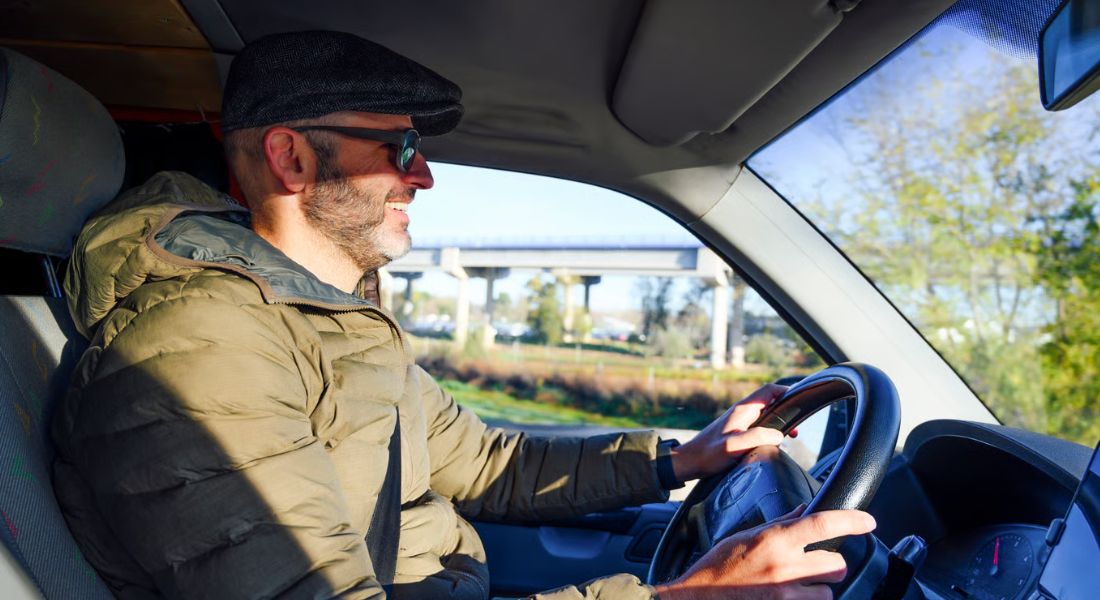
If you have glaucoma and continue to drive, making small adjustments can significantly improve your safety on the road. These changes are not about restricting your independence, but about adapting to maintain control and awareness. By being mindful of your limitations and planning accordingly, you can reduce risks in everyday driving situations. Simple, practical habits often make the biggest difference over time.
- Drive During Daylight: Driving in daylight provides better visibility and reduces the strain on your eyes. Natural light helps you detect movement and judge distances more accurately. This can be especially helpful if your vision is affected in low-light conditions.
- Avoid Busy or Unfamiliar Roads: Heavy traffic and unfamiliar routes can increase the mental and visual demands of driving. Choosing quieter, well-known roads allows you to feel more in control and reduces unexpected challenges. This can lead to a calmer and safer driving experience overall.
- Keep Your Windscreen Clean: A clean windscreen plays a crucial role in maintaining clear visibility. Dirt, smudges, and glare can make it harder to see hazards, especially in bright sunlight or at night. Regular cleaning helps ensure your view of the road remains as sharp as possible.
- Use Proper Lighting: Well-functioning headlights and interior lights are essential for safe driving, particularly in dim conditions. Good lighting improves your ability to see and be seen by others on the road. Even small improvements in lighting can enhance overall visibility and confidence.
- Take Breaks When Needed: Fatigue can worsen the effects of reduced vision and slow your reaction time. Taking regular breaks helps you stay alert and focused while driving. If you begin to feel tired, it’s safer to stop and rest or consider alternative transport options.
Making these adjustments can help you stay safer while continuing to drive with glaucoma. It’s about recognising your limits and taking proactive steps to manage them effectively. Over time, these habits can build confidence and reduce stress behind the wheel. Prioritising safety ensures that you protect not only yourself but everyone else on the road.
The Role of Treatment in Preserving Vision
While Glaucoma cannot be reversed, treatment can help slow down its progression. This means that with the right care, you can protect your remaining vision for longer. The earlier you begin treatment, the better your chances of maintaining stable eyesight. Taking action at the right time can make a meaningful difference.
This is where professional care becomes essential for managing your condition. Eye specialists can recommend treatments such as medicated eye drops, laser procedures, or surgery, depending on your needs. If you are exploring options, learning more about glaucoma treatment in London can help you understand how specialists manage the condition. It also gives you a clearer idea of how your vision can be preserved over time.
Early and consistent treatment plays a key role in maintaining your quality of life. It can help you continue daily activities with greater confidence and independence. This includes your ability to drive for as long as it remains safe for you to do so. Staying committed to your treatment plan is one of the most important steps you can take.
Emotional Impact of Driving Limitations
It is not just about your vision it is also about how you feel. Changes caused by Glaucoma can affect your confidence in ways you might not expect. You may start to feel uncertain about situations that once felt routine. These emotional responses are a natural part of adjusting to change.
Losing confidence in your driving can affect your sense of independence and your daily routine. You might also feel that it changes how you see yourself and your role in everyday life. This can be frustrating, especially if driving has always been important to you. It is completely normal to feel this way as you adapt.
What matters most is how you respond to these changes over time. Being proactive, staying informed, and remaining open to adjustments can make a big difference. You can find new ways to stay independent while prioritising your safety. With the right mindset and support, you can continue to feel in control of your life.
Talking to Your Eye Specialist
If you are unsure about your ability to drive, your eye specialist is the best person to guide you. They understand how Glaucoma affects your vision and can provide clear, personalised advice. Speaking openly with them can help you feel more confident about your situation. It also gives you a better understanding of what to expect.
Your specialist can assess your vision in detail and explain any limitations you may have. They can also suggest practical steps to help you stay safe, whether that means adjusting your driving habits or considering alternatives. These recommendations are based on your specific condition and needs. This makes their guidance especially valuable.
Do not hesitate to ask direct questions about your driving safety. The more you understand about your vision, the easier it is to make informed decisions. Clear communication can help you feel more in control of your choices. This way, you can prioritise both your safety and your independence.
Supporting a Loved One With Glaucoma
If someone close to you has Glaucoma, you may feel concerned about their driving. You might notice small changes in their confidence or awareness on the road. These observations can make you worry about their safety. It is natural to want to help and protect them.
This can be a sensitive topic, so it is important to approach it with care and understanding. Try to have calm and respectful conversations rather than making demands. Focus on how you can support them rather than taking control away. A gentle approach can make it easier for them to open up.
Encourage regular eye check-ups and honest discussions about how they feel when driving. Ask about their confidence and whether they have noticed any changes in their vision. Offering support, such as helping with transport when needed, can also be reassuring. This way, you help them prioritise safety while still respecting their independence.
FAQs:
- Can you legally drive with glaucoma?
Yes, many people with glaucoma can legally drive, especially in the early stages. However, you must meet the required vision standards and, in some cases, inform your local driving authority about your condition. - How does glaucoma affect driving vision?
Glaucoma mainly affects peripheral (side) vision. This can make it harder to notice hazards, vehicles, or pedestrians approaching from the sides while driving. - What are the warning signs that glaucoma is affecting my driving?
Common signs include missing side objects, delayed reactions, reduced confidence, frequent near-misses, and relying heavily on head movements to see clearly. - Is it safe to drive at night with glaucoma?
Night driving can be more challenging due to glare sensitivity, reduced contrast, and slower adaptation to changing light conditions. Many people with glaucoma prefer to avoid driving at night. - Can glaucoma cause sudden vision loss while driving?
No, glaucoma usually causes gradual vision loss rather than sudden blindness. However, this slow progression can make it harder to notice changes until they start affecting daily activities like driving. - How often should I have my eyes tested if I have glaucoma?
Regular eye examinations are essential. Your eye specialist will recommend how often you should be tested, but consistent monitoring is key to tracking changes in your vision. - Can treatment improve my ability to drive with glaucoma?
Treatment cannot restore lost vision, but it can slow down further damage. This helps preserve your remaining vision and may allow you to continue driving safely for longer. - What practical steps can make driving safer with glaucoma?
Driving during daylight, avoiding busy roads, keeping your windscreen clean, ensuring proper lighting, and taking breaks can all improve safety. - When should I stop driving with glaucoma?
You should consider stopping if your vision no longer meets legal standards, your reaction times are significantly reduced, or you experience frequent near-misses or unsafe situations. - How can I stay independent if I stop driving?
You can use public transport, ride-sharing services, or get support from friends and family. These alternatives can help you maintain independence without compromising safety.
Final Thoughts: Balancing Safety and Independence
Living with glaucoma does not automatically mean giving up driving, but it does require greater awareness and responsibility. As your vision changes gradually, being honest with yourself about your ability to drive safely is essential. Regular eye examinations, recognising warning signs, and making small adjustments to your driving habits can help you maintain both confidence and safety on the road.
At the same time, protecting your long-term vision should always be a priority. Exploring glaucoma treatment in London as part of a personalised care plan can help you better understand how to manage your condition effectively. If you’re exploring whether glaucoma treatment in London could benefit you, get in touch with us at Eye Clinic London to schedule your consultation.
References:
- Munteanu, G.Z., Munteanu, Z.V.I., Daina, C.M., Daina, L.G., Coroi, M.C., Domnariu, C., Badau, D. and Roiu, G. (2022) Study to identify and evaluate predictor factors for primary open-angle glaucoma in tertiary prophylactic actions, Journal of Personalized Medicine, 12(9), 1384. Available at: https://www.mdpi.com/2075-4426/12/9/1384
- Toh, Z.H., Koh, S.Y.N., Yang, W.Y.L., Munro, Y.L. and Ang, B.C.H. (2025) The effect of glaucomatous visual field defects on driving: A systematic review, Journal of Glaucoma, 34(11), pp. 837–852. Available at: https://pubmed.ncbi.nlm.nih.gov/40960416/
- Diniz-Filho, A., Boer, E.R., Elhosseiny, A., Wu, Z. and Medeiros, F.A. (2016) Glaucoma and driving risk under simulated fog conditions, Investigative Ophthalmology & Visual Science. Available at: https://pmc.ncbi.nlm.nih.gov/articles/PMC5156445/
- Kasneci, E., Sippel, K., Heister, M., Aehling, K., Rosenstiel, W., Schiefer, U. and Papageorgiou, E. (2016) On-road driving performance of patients with bilateral moderate and advanced glaucoma, American Journal of Ophthalmology, 166, pp. 43–51. Available at: https://www.sciencedirect.com/science/article/abs/pii/S0002939416300812
- Denniston, A.K.O. and Murray, P.I. (eds.) (2018) Glaucoma, in Oxford Handbook of Ophthalmology. Oxford: Oxford University Press, pp. 380–442. Available at: https://academic.oup.com/book/29891/chapter-abstract/253260066