


How Do You Know If Your Glaucoma Is Getting Worse?
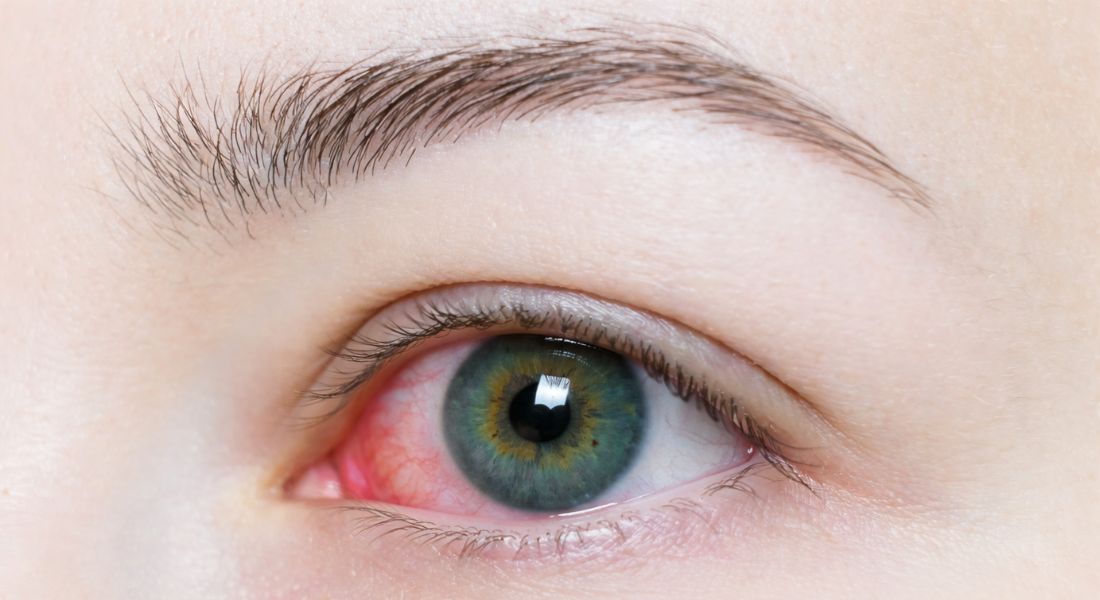
If you have been diagnosed with Glaucoma, one of the most worrying thoughts you may have is whether it is getting worse. This concern is very understandable because it affects something as important as your vision. You may find yourself paying closer attention to small changes in how you see things. That feeling of uncertainty can be stressful at times.
Glaucoma is not like many other conditions where changes are obvious or easy to notice day by day. Instead, it usually progresses slowly and quietly over time. Because of this, you might not see clear or immediate signs that anything is changing. Often, vision loss happens gradually, making it difficult to detect early on.
This is why progression can sometimes go unnoticed until your vision has already been affected. You may not realise that your peripheral vision is reducing or that your awareness in certain situations is changing. Many people continue daily life without obvious symptoms in the early stages. This is what makes regular monitoring so important.
In this article, the focus is on helping you understand how Glaucoma progresses over time. You will learn about possible signs that may indicate changes in your vision. You will also understand how eye specialists track progression through regular tests and examinations. This knowledge can help you feel more informed and in control of your eye health.
Why Glaucoma Progression Feels So Uncertain
One of the most difficult things about Glaucoma is that it does not usually show dramatic or sudden changes. You are not likely to wake up one day and notice a major loss of vision. Instead, it tends to develop slowly over a long period. This can make it hard to recognise when anything is actually changing.
Vision changes in Glaucoma usually happen gradually over months or even years. Because the process is so slow, it often feels like your sight is staying the same from day to day. Small changes can be very easy to miss in normal life. This is why many people find the condition confusing to monitor on their own.
Your brain also plays a role in this uncertainty because it adapts to gradual changes in vision. It can compensate without you noticing, especially in the early stages. This means you may not realise that your peripheral vision is reducing. Regular eye tests are therefore essential to track changes in accurately.
What Actually Happens When Glaucoma Worsens
To understand progression, it helps to know what is actually being affected in Glaucoma. The condition damages the optic nerve, which carries visual signals from your eye to your brain. When this nerve is affected, your ability to see clearly begins to change over time. This process usually happens slowly and gradually.
As Glaucoma worsens, the nerve fibres become increasingly damaged. This leads to missing areas in your visual field, often starting with small gaps that are difficult to notice. Because the changes develop slowly, you may not immediately realise your vision is being affected. Over time, these gaps can become more noticeable.
In most cases, vision loss begins with peripheral (side) vision and slowly moves inward if the condition is not well controlled. Central vision is usually preserved until later stages, which is why early changes often go unnoticed. Many people continue daily life without realising their vision is narrowing. Regular monitoring is essential to track progression accurately.
The Silent Nature of Vision Loss
What makes Glaucoma particularly challenging is how silent it can be. It often develops without obvious warning signs that you can easily notice in daily life. Because the changes are so gradual, you may not realise anything is happening at first. This makes the condition harder to detect early.
You may not feel any pain or discomfort as Glaucoma progresses. In fact, your eyes can feel completely normal even while damage is occurring inside. This lack of symptoms can be misleading and give you a false sense of security. It is one of the reasons the condition often goes unnoticed.
You might also pass a basic vision test and assume everything is fine. However, early changes in peripheral vision are not always picked up in simple checks. This means your eyesight may not be fully assessed without detailed testing. Regular specialist monitoring is essential to track Glaucoma accurately over time.
Early Signs You Might Notice Yourself
Glaucoma often develops slowly, which means the early changes in vision can be subtle and easy to overlook. Many people do not experience obvious symptoms at first, but instead notice small differences in how they perceive their surroundings. These changes tend to progress gradually over time rather than appearing suddenly. Being aware of these early signs can help you seek timely eye care and protect your vision.
- Difficulty With Peripheral Awareness: One of the earliest changes you may notice is reduced side vision awareness. You might not easily detect movement coming from the edges of your visual field. This can result in being startled by people or objects that appear suddenly beside you.
- Bumping Into Objects: You may begin to accidentally bump into furniture, walls, or door frames more often. This is especially noticeable in tighter spaces or unfamiliar environments. In lower lighting conditions, this issue can become even more frequent due to reduced visual clarity.
- Trouble in Crowded Spaces: Busy environments such as markets or public transport areas may start to feel more challenging. Tracking multiple moving objects or people at once can become difficult. This may lead to feelings of discomfort or a need to move more slowly and cautiously.
- Changes in Night Vision: You might notice that your vision feels less sharp or more strained in low-light conditions. Activities such as walking outdoors at night or driving after dark may become less comfortable. This change can affect confidence and overall ease of movement in dim environments.
These early signs are often subtle, but they can gradually become more noticeable over time. Recognising them early allows for timely eye examinations and appropriate treatment. While they do not confirm glaucoma on their own, they are important warning signals. Seeking professional advice can help protect your long-term vision and maintain quality of life.
Why You Might Not Notice Anything at All
It may surprise you, but many people with progressing Glaucoma do not notice clear symptoms in the early stages. This is because the changes in vision happen very slowly over time. Your day-to-day sight may still feel completely normal, even when small areas are being affected. As a result, it can be difficult to recognise any worsening on your own.
Another key reason is that your brain naturally tries to compensate for missing visual information. It fills in gaps so that your surroundings still appear complete and familiar. This means you may not consciously realise that part of your vision is no longer as strong. This adaptation can hide early signs of progression.
You may also adjust your behaviour without noticing it, such as turning your head more often or shifting your gaze. These small changes happen automatically as you adapt to reduced peripheral vision. Over time, they can mask how much your vision has actually changed. This is why regular clinical testing is essential for monitoring Glaucoma accurately.
How Eye Specialists Monitor Glaucoma Progression
If you are wondering how doctors know whether Glaucoma is getting worse, the answer lies in a combination of different tests. These tests are designed to detect even very small changes in your vision and eye health. Because glaucoma often progresses slowly, this level of detail is essential. It helps specialists build a clear picture over time.
Instead of relying on a single result, eye specialists compare changes across multiple visits. This means your results are tracked over months or even years to look for patterns. A one-off test may not show much, but gradual changes become clearer when reviewed together. This long-term tracking is key in managing Glaucoma effectively.
Common tests include visual field assessments, optic nerve scans, and regular eye pressure measurements. Each of these looks at a different part of your eye health. When combined, they give a much more complete understanding of how Glaucoma is progressing. This helps your doctor decide if any treatment changes are needed.
Eye Pressure Testing (Intraocular Pressure)
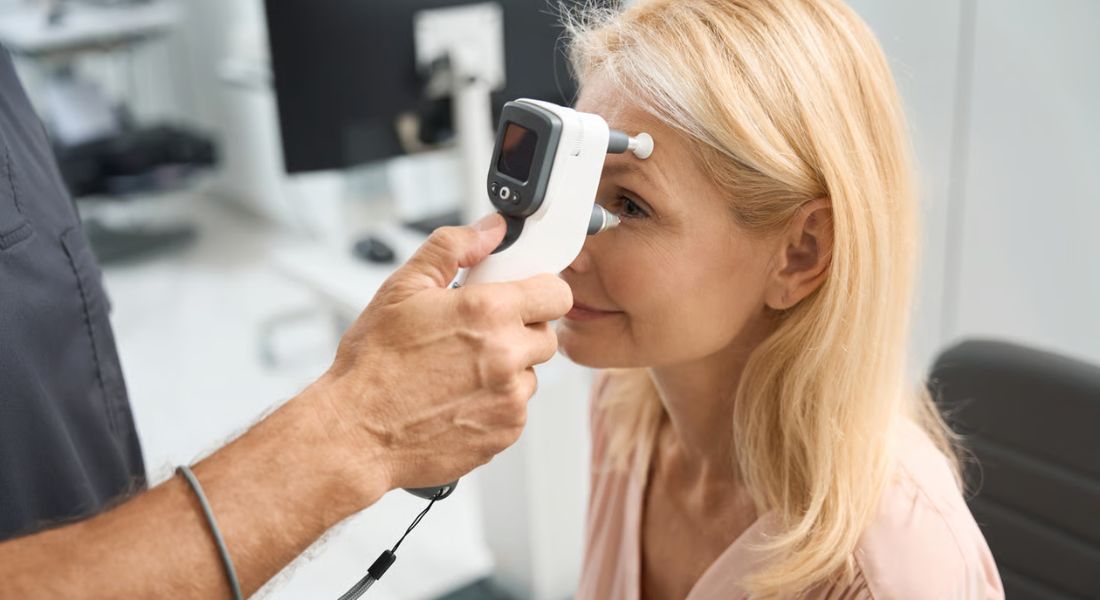
One of the key measurements used in monitoring Glaucoma is eye pressure, also known as intraocular pressure. This test is quick, simple, and routinely done during eye check-ups. It helps your specialist understand the pressure inside your eye at that moment. Regular readings also help track changes over time.
Higher eye pressure can increase the risk of further damage to the optic nerve. This is why controlling pressure is a major focus in managing Glaucoma. If pressure stays too high for too long, it can contribute to gradual vision loss. Keeping it within a safe range is essential for protecting your eyesight.
However, eye pressure alone does not give the full picture of the condition. Some people can still experience progression of Glaucoma even when their pressure appears normal. Because of this, doctors always use additional tests alongside pressure measurements. This ensures a more accurate understanding of your eye health.
OCT Scans (Optical Coherence Tomography)
OCT scans provide highly detailed images of your optic nerve and retina when monitoring Glaucoma. This test allows specialists to examine the internal structure of your eye with great precision. It helps them identify whether any thinning or damage is occurring in the optic nerve. The scan is quick, painless, and non-invasive.
One of the key advantages of OCT is that it can detect structural changes before you notice any symptoms. In Glaucoma, vision loss often develops slowly, so early warning signs are very important. OCT can pick up subtle damage that may not yet affect your day-to-day vision. This allows for earlier intervention if needed.
Doctors often use OCT results together with visual field tests to get a complete understanding of your condition. While OCT shows physical changes in the eye, visual field testing shows how your vision is functioning. Combining both methods gives a more accurate picture of Glaucoma progression. This helps ensure better long-term monitoring and care.
Visual Field Testing
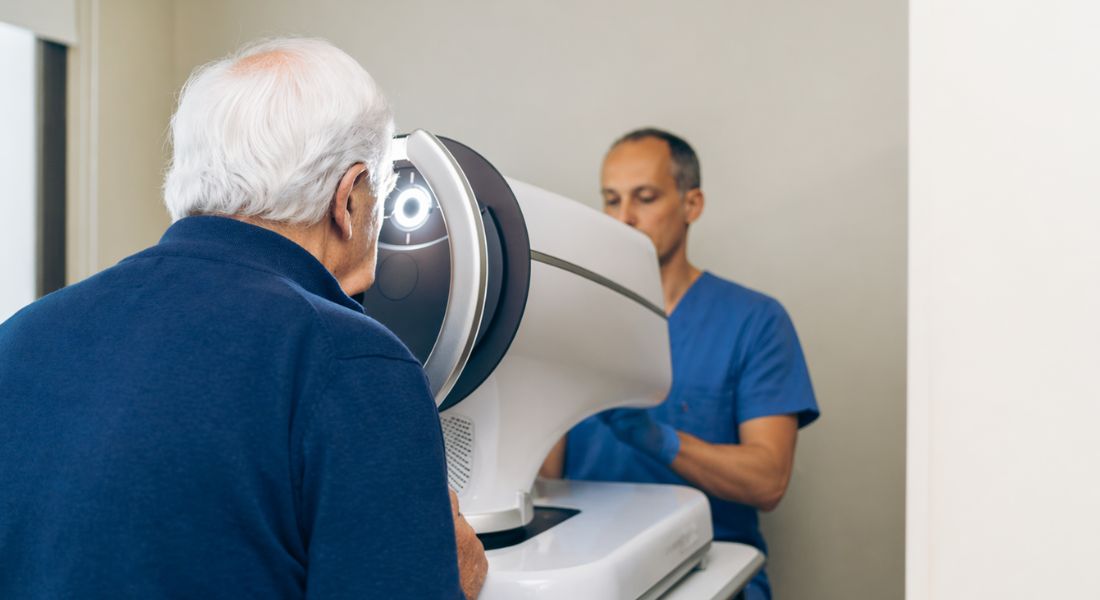
Visual field testing is one of the most important methods used to monitor Glaucoma. It helps measure how well you can see in all directions, not just straight ahead. This is especially important because glaucoma often affects peripheral vision first. The test gives a clear picture of your overall field of view.
During the test, you are asked to respond when you see small flashes of light in different areas. These flashes appear in various parts of your vision, and you press a button each time you notice one. This helps map out which areas of your vision are working properly. It is a simple but very detailed way of checking vision changes.
Over time, doctors compare your test results to see if there are any changes. This allows them to track whether your peripheral vision is stable or declining. Even small differences between tests can be important in detecting progression of . This makes the test essential for long-term monitoring.
Why Regular Monitoring Is So Important
Glaucoma is not a condition that can be accurately judged at home. Even when your vision feels completely stable, subtle changes may still be happening. Because these changes are so gradual, they are often impossible to notice day to day. This is why professional monitoring is essential.
Even if nothing feels different, your vision can still be changing slowly over time. You may adapt without realising it, which makes it harder to detect early progression. Regular eye checks help uncover these hidden changes. This ensures that the true condition of Glaucoma is properly understood.
Regular appointments allow specialists to track patterns rather than relying on single results. By comparing tests over months and years, they can see whether the condition is stable or worsening. This long-term tracking is the most reliable way to monitor Glaucoma. Missing appointments can delay important treatment decisions that protect your vision.
How Often Should You Be Checked?
The frequency of eye examinations for Glaucoma depends on how advanced or stable your condition is. There is no fixed schedule that applies to everyone, as each case is different. Your eye specialist will decide the timing based on your individual needs. This ensures your condition is monitored appropriately.
In the early stages of Glaucoma, check-ups are often needed every 6–12 months. At this point, changes tend to be slower and more stable. These regular visits help confirm that your condition is not progressing. They also allow your specialist to adjust treatment if necessary.
If your condition is more advanced or less stable, you may need more frequent appointments. This allows closer monitoring and quicker response to any changes. Your specialist can then act early if progression is detected. Consistent follow-up is essential in managing Glaucoma effectively.
The Role of Treatment in Slowing Progression
Treatment plays a central role in managing Glaucoma and helping to slow down its progression. The main aim is to reduce pressure inside the eye so the optic nerve is protected from further damage. Without proper treatment, the condition is more likely to worsen over time. This is why ongoing care is so important.
Treatment options can include eye drops, laser therapy, or surgery depending on how advanced the condition is. Eye drops are often the first step, while laser or surgical options may be needed in more severe cases. Each approach is designed to improve fluid drainage or reduce fluid production in the eye. Your specialist will choose the most suitable method for your situation.
The goal of all treatments for Glaucoma is the same: lower eye pressure and protect the optic nerve. When treatment is effective and followed properly, progression can often be slowed significantly. This helps preserve vision for a longer period of time. Consistent use of prescribed treatment is essential for the best results.
When Treatment May Need to Change
Sometimes Glaucoma can continue to progress even when you are following treatment correctly. This does not necessarily mean the treatment has completely failed. It often means your eyes need a different or stronger approach to keep the condition under control. Adjustments are a normal part of long-term care.
If progression is detected, your doctor may change your medication or adjust the dosage of your eye drops. In some cases, additional treatments such as laser therapy or surgery may be recommended. These changes are made to better control eye pressure and protect the optic nerve. The aim is always to slow down further damage from Glaucoma.
Ongoing monitoring is what makes these decisions possible at the right time. Regular tests help your specialist see small changes before they become more serious. This allows treatment to be adjusted early rather than waiting for noticeable vision loss. Careful follow-up is essential for effective long-term management.
Emotional Impact of Worrying About Progression
It is important to acknowledge something very real about living with Glaucoma. Feeling anxious about whether the condition is getting worse is completely normal. The uncertainty can sometimes feel more stressful than the condition itself. These emotions are a natural response to a long-term eye condition.
The unpredictable nature of Glaucoma can make people worry even when nothing obvious has changed. Because progression is often slow and silent, it is easy to overthink small details in your vision. This can create ongoing concern about stability. Many people experience this at different stages of the condition.
However, it helps to remember that you are not dealing with this alone. Your eye specialist is actively monitoring your condition using regular tests and long-term comparisons. This structured approach means changes are carefully tracked over time. Knowing this can help reduce some of the emotional pressure.
What You Should NOT Rely On
When it comes to monitoring glaucoma or noticing changes in your vision, it is easy to be misled by everyday experiences. The condition often progresses slowly, and your brain can adapt in ways that mask subtle changes. Because of this, relying on personal perception alone can give a false sense of stability. Understanding what not to depend on is just as important as recognising warning signs.
- How Your Vision “Feels”: Your vision may feel normal even when gradual changes are occurring. The brain is very good at adapting and filling in missing information, which can hide early damage. This means you might not notice progression until it becomes more advanced.
- Occasional Good Days: Vision can naturally fluctuate from day to day depending on factors like fatigue, lighting, or general health. On better days, you may assume your vision is stable, even if underlying changes are still present. This variability can make it difficult to accurately judge long-term progression.
- Comparing One Eye to the Other: It is common for glaucoma to affect each eye differently, especially in the early stages. If one eye sees better, it may compensate for the other, masking overall vision loss. This can create a misleading impression that your vision is still functioning normally.
Because these factors can hide or distort changes, regular professional eye examinations are essential. Relying on how things seem day-to-day is not enough to track progression accurately. Objective testing by an eye specialist provides a much clearer picture of eye health. Staying consistent with check-ups is the safest way to monitor glaucoma effectively.
Practical Ways You Can Stay Aware
While clinical tests are essential for monitoring Glaucoma, there are still simple things you can notice in everyday life. These observations are not diagnostic signs, but they can help you stay aware of subtle changes. Paying attention to how you function day to day can support earlier conversations with your eye specialist. This helps keep your care proactive rather than reactive.
You may notice that you are becoming more cautious in unfamiliar environments. This can include needing more time to adjust when walking in new places or feeling less confident about your surroundings. In Glaucoma, this may sometimes be linked to changes in peripheral vision. However, it is not a definite sign of progression on its own.
You might also find yourself turning your head more often without realising it. This can be an unconscious way of compensating for reduced side vision over time. Many people with Glaucoma develop this habit gradually. Noticing it can be useful when discussing any changes with your specialist.
Lifestyle Factors That Can Influence Progression
Your overall health can influence how Glaucoma is managed over time. While the condition mainly affects the eyes, general health and circulation can also play a role. This means your daily habits may have an indirect impact on eye health. Looking after your body supports better long-term wellbeing.
Conditions such as high blood pressure or diabetes may affect eye health. These health issues can influence blood flow to the optic nerve, which is important in Glaucoma. Keeping them well controlled can help reduce additional risk factors. Regular medical check-ups for these conditions are therefore important.
Staying physically active and eating a balanced diet can also support your overall health. Exercise helps improve circulation, while good nutrition supports the body’s systems, including the eyes. These habits can contribute positively alongside your treatment plan. However, they are only supportive measures, not a replacement for medical care.
The Importance of Medication Adherence
One of the most common reasons for progression of Glaucoma is inconsistent use of eye drops. When medication is missed, eye pressure can rise again without warning. Over time, even small gaps in treatment can reduce how well the condition is controlled. This makes regular use of prescribed treatment very important.
Missing doses can allow eye pressure to fluctuate, which increases the risk of further optic nerve damage in Glaucoma. Because progression is often slow, the effects of missed doses may not be immediately noticeable. However, over weeks and months, this can contribute to gradual worsening. Consistency is key to keeping pressure stable.
If you struggle with using eye drops, it is important to speak to your doctor. Many people find adherence difficult, and you are not alone in this. There are often simpler routines, reminders, or alternative treatments that can help. Adjusting your plan can make managing Glaucoma much easier in the long term.
When You Should Seek Urgent Advice

While Glaucoma usually progresses slowly, there are rare situations where urgent medical attention is needed. Most changes happen gradually, so sudden symptoms should always be taken seriously. Recognising these warning signs early is important for protecting your vision. Quick action can make a real difference.
Sudden eye pain is one of the main symptoms that should never be ignored. If the pain comes on quickly or feels severe, it may indicate a sudden rise in eye pressure. This is not typical of slow progression in Glaucoma. It requires immediate medical assessment.
Severe headache or rapid vision loss are also serious warning signs. These symptoms can appear suddenly and may point to a glaucoma-related emergency. Any quick change in vision should be treated as urgent. Prompt care is essential to prevent further damage.
Understanding Long-Term Outlook
Glaucoma is a long-term condition, but in many cases it can be managed effectively. Although it cannot be cured, its progression can often be slowed with the right treatment and monitoring. Regular care helps protect vision for as long as possible. Many people maintain stable sight for years with proper management.
With consistent treatment, progression of Glaucoma can often be significantly reduced. This may include eye drops, laser therapy, or surgery depending on the situation. These treatments work by lowering eye pressure and protecting the optic nerve. When used properly, they can help maintain vision stability.
The key to a better long-term outcome is early detection and ongoing care. When changes are found early, doctors can adjust treatment more effectively. This helps slow down further damage and preserve vision. Regular follow-up is essential in managing Glaucoma successfully.
The Role of Specialist Care
Seeing a specialist is essential in managing Glaucoma because they use advanced diagnostic tools that go beyond routine eye checks. These tools help detect even very small changes in your vision and eye health. This is important because glaucoma often progresses slowly and without obvious symptoms. Specialist monitoring helps ensure nothing subtle is missed.
Specialists can identify early signs of progression that may not be noticeable in everyday life. They use a combination of tests such as eye pressure measurements, visual field testing, and OCT scans to build a full picture of your condition. By comparing results over time, they can see whether Glaucoma is stable or changing. This allows for earlier and more accurate treatment decisions.
If you are exploring expert care, you can learn more about glaucoma treatment in London and specialist management approaches through trusted clinical services such as Eye Clinic London’s glaucoma information page. Accessing specialist care can help you better understand your condition and the treatments available. It also ensures your management plan is tailored to your specific needs.
Living With Uncertainty
Seeing a specialist is essential in managing Glaucoma because they use advanced diagnostic tools that go beyond routine eye checks. These tools help detect even very small changes in your vision and eye health. This is important because glaucoma often progresses slowly and without obvious symptoms. Specialist monitoring helps ensure nothing subtle is missed.
Specialists can identify early signs of progression that may not be noticeable in everyday life. They use a combination of tests such as eye pressure measurements, visual field testing, and OCT scans to build a full picture of your condition. By comparing results over time, they can see whether Glaucoma is stable or changing. This allows for earlier and more accurate treatment decisions.
If you are exploring expert care, you can learn more about glaucoma treatment in London and specialist management approaches through trusted clinical services such as Eye Clinic London’s glaucoma information page. Accessing specialist care can help you better understand your condition and the treatments available. It also ensures your management plan is tailored to your specific needs.
FAQs:
- How can I tell if my glaucoma is getting worse?
Glaucoma progression is usually not something you can easily detect on your own. Most changes happen slowly and without obvious warning signs. Instead of relying on symptoms, eye specialists monitor progression through detailed eye tests over time. These include visual field tests, OCT scans, and eye pressure measurements, which together show whether the condition is stable or worsening. - Does worsening glaucoma cause noticeable symptoms?
In most cases, no clear symptoms appear when glaucoma worsens, especially in the early and moderate stages. The condition often progresses silently without pain, redness, or sudden vision loss. Because changes are gradual, many people continue daily life without realising their vision is being affected. This is why regular monitoring is essential rather than waiting for symptoms to appear. - What is the first sign that glaucoma is progressing?
The earliest and most common sign is a gradual reduction in peripheral (side) vision. You may start missing objects or movement at the edges of your visual field. However, this change is often very subtle and easy to overlook because central vision usually remains clear. Over time, these small gaps in vision can become more noticeable if the condition is not well controlled. - Can glaucoma get worse even if my vision feels normal?
Yes, this is very common. Glaucoma can progress without you noticing any obvious difference in your day-to-day sight. Your brain can automatically adjust and compensate for small areas of vision loss, making everything feel normal. Because of this adaptation, you may feel your vision is stable even when damage is slowly occurring in the optic nerve. - How do eye specialists check if glaucoma is worsening?
Eye specialists use a combination of tests to track glaucoma progression over time. These include visual field testing to measure side vision, OCT scans to examine the optic nerve structure, and regular eye pressure checks. Instead of looking at one result alone, doctors compare multiple tests over several visits. This long-term pattern helps them detect even small changes in your condition. - What is visual field testing in glaucoma monitoring?
Visual field testing is a key diagnostic tool that maps your entire field of vision, not just what you see straight ahead. During the test, you respond to small flashes of light appearing in different areas. This helps identify any missing or weak areas in your peripheral vision. Over time, repeated tests show whether these gaps are increasing, which can indicate glaucoma progression. - Can eye pressure show if glaucoma is getting worse?
Eye pressure (intraocular pressure) is an important factor, but it does not tell the full story on its own. Some people may have normal pressure readings but still experience progression of glaucoma. This is why doctors always combine pressure readings with other tests like OCT scans and visual field assessments. A full picture of eye health is needed to accurately track changes. - How often should glaucoma be monitored?
The frequency of monitoring depends on how stable or advanced your glaucoma is. In early or stable cases, eye exams are usually recommended every 6–12 months. If the condition is more advanced or showing signs of change, appointments may be needed more often. Regular monitoring allows specialists to detect progression early and adjust treatment when necessary. - What lifestyle factors can affect glaucoma progression?
While glaucoma is primarily treated medically, overall health can still play a supporting role. Conditions like high blood pressure or diabetes may influence blood flow to the optic nerve. Maintaining good general health, staying active, and following prescribed treatment consistently can support eye health. However, lifestyle changes alone cannot replace medical treatment or monitoring. - When should I seek urgent help for glaucoma?
Although glaucoma usually progresses slowly, certain symptoms require immediate medical attention. Sudden eye pain, rapid vision loss, or severe headache can indicate a sudden spike in eye pressure. These symptoms are not typical of gradual progression and may represent an emergency. Seeking urgent care quickly is important to protect your vision and prevent further damage.
Final Thoughts: Staying Informed About Glaucoma Progression
Living with glaucoma often means learning to accept a degree of uncertainty, especially because changes in vision can be so gradual and difficult to notice day to day. The most important thing to remember is that progression is not usually judged by how your vision feels, but by consistent, detailed monitoring over time. Regular eye tests, including visual field assessments and OCT scans, are the most reliable way to understand whether your condition is stable or changing.
With the right treatment plan and ongoing specialist care, glaucoma can often be managed effectively for many years. Staying consistent with your appointments and prescribed treatment gives you the best chance of protecting your vision in the long term. If you’re considering glaucoma treatment in London and want to know if it’s the right option, you’re welcome to reach out to us at Eye Clinic London to book a consultation.
References:
- Kass, M.A., Heuer, D.K., Higginbotham, E.J., Johnson, C.A., Gordon, M.O., Miller (2002) The Ocular Hypertension Treatment Study: a randomized trial determines that topical ocular hypotensive medication delays or prevents the onset of primary open-angle glaucoma, JAMA, 288(18), pp. 2371-2381. Available at: https://pubmed.ncbi.nlm.nih.gov/12049574/
- Li, X., Balas, M. and Mathew, D.J. (2025) A review of ocular and systemic side effects in glaucoma pharmacotherapy, Journal of Clinical and Translational Ophthalmology, 3(1), pp. 1-20. Available at: https://www.mdpi.com/2813-1053/3/1/2
- Weinreb, R.N., Aung, T. and Medeiros, F.A. (2014) The pathophysiology and treatment of glaucoma, JAMA, 311(18), pp. 1901-1911. Available at: https://pmc.ncbi.nlm.nih.gov/articles/PMC4523637
- Crandall, D.A. and Yousif, C. (2021) Glaucoma treatment approaches: medical, laser and surgical therapy. Available at: https://www.sciencedirect.com/topics/medicine-and-dentistry/glaucoma-treatment
- Lee, D.A. (2005) Glaucoma and its treatment: a review, American Journal of Health-System Pharmacy, 62(7), pp. 691-699. Available at: https://academic.oup.com/ajhp/article-abstract/62/7/691/5134357