


Can You Read Normally With Glaucoma?

If you have recently been diagnosed with glaucoma, you may find yourself asking an important question: will you still be able to read normally? This is something I hear quite often, and it is completely understandable. Reading plays a big part in your everyday life, whether you are checking your phone, reading messages, or enjoying a book. When glaucoma is introduced, it can naturally make you feel uncertain about what lies ahead.
It is important to recognise that this concern is valid and shared by many people in your situation. Reading is something you may not think twice about until your vision becomes affected. The thought of losing that ability, even partially, can feel worrying. However, understanding how glaucoma works can help you feel more in control.
Glaucoma does not usually affect your reading ability straight away. In many cases, it develops slowly and mainly impacts your peripheral, or side, vision first. This means that in the early stages, you can often continue reading as you normally would without noticing any major changes. Still, the idea of potential vision loss can create uncertainty.
I want to guide you through this in a clear and honest way so you know what to expect. By understanding how glaucoma may influence your vision over time, you can better prepare and adapt if needed. You will also learn what practical steps you can take to protect your reading ability. This knowledge can help you feel more confident and reassured about managing your condition.
Understanding What Glaucoma Actually Does
Before you think about how reading might be affected, it helps to understand what glaucoma really is. This gives you a clearer idea of what is happening inside your eyes and why changes in vision can occur. When you understand the basics, everything else becomes easier to follow. It also helps you feel more prepared and less uncertain about the condition.
Glaucoma is a condition that damages the optic nerve, which is responsible for sending visual information from your eye to your brain. This damage is often linked to increased pressure inside your eye, although that is not always the case. Even when eye pressure is normal, glaucoma can still develop, which is why regular eye checks matter. As the nerve becomes damaged, the way your brain receives visual signals can gradually change.
One of the most important things to know is how glaucoma affects your vision over time. It does not usually blur your sight straight away, so you may not notice anything at first. Instead, it slowly reduces your peripheral vision, which is what you use to see things off to the side. Because this happens gradually, your brain may adjust for a while, making the changes harder to spot early on.
Why Reading Feels Like It Should Be Safe
At first glance, you might assume that reading would not be affected by glaucoma at all. This is because reading mainly depends on your central vision, which is the sharp focus you use to see words clearly in front of you. When you are looking directly at a page or a screen, this part of your vision does most of the work. So it can seem like reading should remain completely unaffected.
In the early stages of glaucoma, your central vision is often preserved. This means you can usually continue reading in the same way as before without noticing any obvious changes. Words may still appear clear, and you might not feel any difference in your ability to focus. Because of this, many people feel reassured in the beginning.
However, this does not tell the whole story. Even if your central vision remains strong, glaucoma is still affecting other parts of your sight. These changes may be subtle at first but can begin to influence how comfortable reading feels. Over time, you might notice small differences that were not obvious earlier.
The Subtle Ways Glaucoma Can Affect Reading
Glaucoma doesn’t always interfere with reading in obvious ways, especially in the early stages when central vision is still intact. However, I’ve noticed that many people begin to experience small but frustrating changes in how reading feels over time. It’s not always about being unable to see words clearly, but rather how smoothly and comfortably the eyes work together while reading. These subtle shifts can gradually make reading feel more like a task than an effortless habit.
- Losing Your Place While Reading: One of the most common issues is unexpectedly losing your place on the page. This often happens because peripheral vision helps guide your eyes from one word or line to the next, and glaucoma can weaken that support. As a result, you may find yourself re-reading lines or pausing more often to refocus.
- Skipping Lines Without Realising: Another subtle effect is skipping lines of text without noticing immediately. This can occur when the visual field isn’t fully supporting your eye movements across the page. It may lead to confusion or missing key parts of what you’re reading, making the experience less fluid.
- Increased Eye Fatigue: Reading may start to feel more tiring than it used to, even if your vision seems clear. This happens because your eyes are working harder to compensate for gaps in peripheral awareness. Over time, this added effort can reduce reading stamina and enjoyment.
- Reduced Reading Comfort: Even when words are visible, the overall comfort of reading can decline. You might notice that longer reading sessions feel more demanding or less relaxing. This shift can be subtle at first but becomes more noticeable as the condition progresses.
In conclusion, glaucoma can influence reading in ways that aren’t immediately obvious but still have a meaningful impact on daily life. While central vision may remain strong, the loss of peripheral support can affect how smoothly you read. These small changes like losing your place or feeling more tired can add up over time. Recognising these signs early can help you adapt and maintain a more comfortable reading experience.
Peripheral Vision and Line Tracking
One of the important roles of your peripheral vision when reading is helping you keep track of where you are on the page. It allows you to move smoothly from one word to the next without losing your place. You often rely on it without even realising. This automatic guidance makes reading feel natural and effortless.
It also helps you anticipate what comes next, such as the next word or the next line of text. Because of this, your eyes do not need to stop and search as often. When glaucoma reduces this peripheral awareness, that smooth flow can be disrupted. As a result, your eyes have to work harder to stay on track.
You may find yourself needing to move your head more or make more deliberate eye movements to follow the text. This can slow down your reading speed and make the process feel less comfortable. Over time, longer reading sessions may start to feel tiring or even frustrating. These small changes can build up, even if your central vision still seems clear.
Does Glaucoma Cause Blurred Vision When Reading?
This is something you should understand clearly, as it often causes confusion. Glaucoma does not usually lead to blurred central vision, especially in the early and moderate stages. Your ability to see words clearly in front of you is often still intact during this time. That is why many people can continue reading without noticing blur at first.
If you do experience blurring while reading, it is often linked to something else rather than glaucoma itself. You might simply need an updated glasses prescription, or your eyes could be dry or tired. Even poor lighting can make text appear less clear than usual. These are common and often easily manageable causes.
However, things can change in more advanced stages of glaucoma. At that point, central vision may start to become affected as the damage progresses. When this happens, reading can become much more challenging and less comfortable. It may take more effort to focus, and the clarity you once relied on may begin to reduce.
Early-Stage Glaucoma: What to Expect
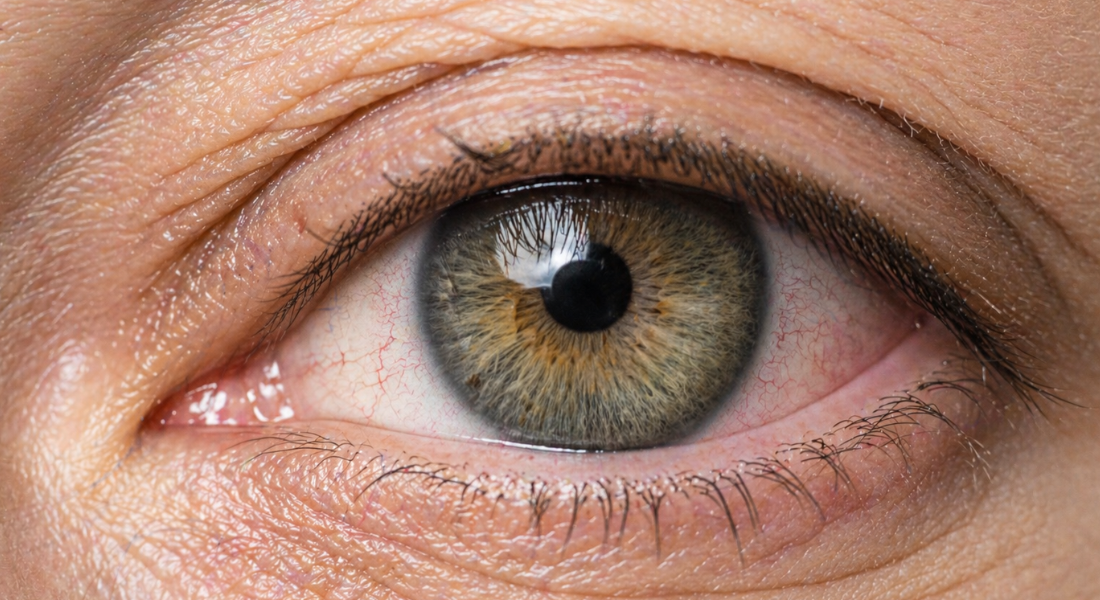
If you have been diagnosed at an early stage, there is a strong chance that your reading ability will not change very much. You may find that you can continue reading just as you always have, without any major difficulty. In many cases, your central vision remains clear and reliable. This allows you to carry on with daily activities like reading without concern.
That said, you might begin to notice very subtle differences over time. These changes tend to develop slowly, so they can be easy to overlook at first. You may not immediately connect them to glaucoma. However, small shifts in how your eyes feel during reading can begin to appear.
For example, you might feel slightly slower when reading or find that you need to focus a bit more than before. You may also prefer brighter lighting to see text more comfortably. These adjustments are usually minor but can become more noticeable over time. Even so, most people in the early stage can continue reading without significant disruption.
Moderate Glaucoma: Small Adjustments Become Necessary
As glaucoma progresses, you may find that reading starts to require a bit more effort than before. The changes are usually gradual, but they can become more noticeable over time. You might feel that reading is not as smooth or effortless as it once was. This can make everyday reading feel slightly more demanding.
You may notice that you need to re-read lines more often to stay on track. It can also feel like your eyes become tired more quickly, especially during longer reading sessions. This does not mean your vision is failing completely, but rather that your visual system is working harder to keep up. As a result, tasks that once felt easy may now need more focus.
At this stage, small adjustments can make a meaningful difference to your comfort. Using better lighting, increasing text size, and taking regular breaks can all help reduce strain. These simple changes can make reading feel more manageable again. With the right approach, you can continue to read with greater ease and less fatigue.
Advanced Glaucoma: When Reading Becomes Challenging
In the more advanced stages of glaucoma, your central vision may start to become affected. This is when reading can feel genuinely difficult rather than just slightly tiring. You may notice that the clarity you once relied on is no longer as strong. As a result, reading can require much more effort and concentration.
Words may begin to appear incomplete, faded, or even missing in places. You might also find it harder to recognise letters clearly, especially when reading smaller text. These changes can make it frustrating to follow sentences or stay engaged with what you are reading. It can feel like your eyes are no longer giving you the full picture.
Even at this stage, reading is still possible for many people with the right support. You may need to rely on assistive tools to make reading more comfortable and practical. Magnifiers, high-contrast text, and digital adjustments can all make a noticeable difference. These tools can help you maintain your independence and continue reading in a way that suits your needs.
The Emotional Side of Reading Loss
This is something that often does not get talked about enough, even though it matters a great deal. Reading is not just a practical task you do every day. It is also something that brings comfort, enjoyment, and a sense of normality. Because of that, any change to your reading ability can feel more personal than expected.
For many people, reading is how you relax, learn new things, and stay connected to the world around you. It might be part of your daily routine, whether it is books, messages, or news on your phone. So the thought of losing that ability can feel overwhelming and difficult to process. These feelings are completely understandable.
If you are feeling anxious or uncertain about this, you are not alone in thinking this way. Many people with glaucoma share the same concerns, especially in the early stages after diagnosis. It is important to remember that losing your reading ability is not inevitable. With the right care, awareness, and adjustments, you can often continue reading for many years.
Can You Continue Reading Normally?
The honest answer is yes, in many cases, you can continue reading for a long time even after a glaucoma diagnosis. I’ve seen that with early detection and proper management, reading remains a part of daily life for many people. It’s important to understand that changes tend to happen gradually rather than suddenly. This gradual shift gives you the opportunity to adjust and maintain your reading habits.
- Early Diagnosis Makes a Big Difference: When glaucoma is detected early, there is often minimal impact on central vision, which is essential for reading. With timely treatment, progression can be slowed significantly. This means you can continue reading with little to no noticeable disruption for quite some time.
- Changes Happen Gradually, Not Suddenly: Reading ability doesn’t disappear overnight with glaucoma. Instead, small changes develop over time, allowing you to adapt step by step. This gradual progression is important because it gives you control in adjusting your reading environment and habits.
- Adaptation Helps Maintain Reading Ability: Many people continue reading by making simple adjustments such as improving lighting or using larger text. These changes reduce strain and make reading more comfortable. Over time, these adaptations become second nature and help preserve the reading experience.
- Ongoing Management Supports Long-Term Reading: Regular eye check-ups and following treatment plans play a crucial role in maintaining vision. Proper management helps protect the remaining vision and slows further loss. With consistent care, reading can remain a lifelong activity.
In conclusion, glaucoma does not mean you have to give up reading. While some adjustments may be needed over time, many people continue to read comfortably for years. The key lies in early awareness, proper management, and a willingness to adapt. By understanding how the condition progresses, you can take proactive steps to protect and preserve your reading ability.
Practical Ways to Make Reading Easier
When reading starts to feel more challenging, small adjustments can make a meaningful difference. I’ve found that simple changes in your environment and habits often improve both comfort and clarity. The goal isn’t to overhaul everything, but to support your eyes in a way that reduces strain. With the right approach, reading can remain an enjoyable and sustainable activity.
- Improve Your Lighting: Good lighting is one of the easiest and most effective changes you can make. A well-lit space helps reduce eye strain and makes text appear clearer and sharper. Natural light or a focused reading lamp often works best for consistent visibility.
- Increase Text Size: Enlarging text can significantly improve readability, especially on digital devices. Most phones, tablets, and e-readers allow quick adjustments to font size. This small change reduces the effort your eyes need to focus and track words.
- Use High Contrast: High contrast between text and background makes reading easier on the eyes. Black text on a white background is typically the most comfortable combination. It helps letters stand out clearly, reducing confusion and visual strain.
- Take Regular Breaks: Reading for long periods can lead to fatigue, even with good vision. Taking short, regular breaks allows your eyes to rest and reset. This can improve focus and make it easier to continue reading without discomfort.
In conclusion, making reading easier often comes down to practical, manageable changes. By adjusting lighting, text size, contrast, and taking breaks, you can greatly reduce strain. These strategies don’t require much effort but can have a lasting impact on comfort. Over time, they help you maintain a more relaxed and enjoyable reading experience.
Digital Devices Can Be Your Ally
One clear advantage you have today is the support of modern technology. Digital devices offer a level of flexibility that printed books simply cannot provide. This makes it easier for you to adapt your reading experience to suit your needs. As a result, reading can remain more comfortable even if your vision changes.
You can quickly adjust the font size, brightness, and contrast to make text easier to see. Many devices also allow you to switch to dark mode, which some people find more comfortable on the eyes. These small changes can reduce strain and help you read for longer periods. It gives you more control over how you interact with text.
Audiobooks are another excellent option to consider. They allow you to enjoy books, articles, and stories without relying on your vision at all. This can be especially helpful if reading starts to feel tiring. By using these tools, you can continue enjoying content in a way that works best for you.
Training Your Eyes and Brain
Reading with glaucoma is not just about what your eyes can see, but also about how your brain processes that information. Your brain plays a key role in helping you make sense of what is in front of you. Over time, it can begin to adjust to changes in your visual field. This ability to adapt can make a real difference in how you experience reading.
This process is known as visual adaptation. It does not restore any vision that has been lost, but it helps you use your remaining vision more effectively. Your brain becomes better at filling in gaps and guiding your focus. As a result, reading can still feel manageable, even if your vision has changed.
You might find that you naturally develop new ways of scanning text as time goes on. You may rely more on deliberate eye movements rather than quick, automatic ones. These changes often happen gradually and without you even noticing. With time, your reading habits can adjust in a way that supports your needs.
The Importance of Regular Eye Care

One of the most important things you can do is stay consistent with your eye care. Regular check-ups allow your condition to be monitored closely over time. This helps your eye specialist make any necessary changes to your treatment. By staying on top of this, you give yourself the best chance of maintaining your vision.
When glaucoma is managed properly, its impact on your reading ability can often be reduced. Treatment can help slow down progression and protect the vision you still have. This is why early diagnosis plays such a key role in long-term outcomes. The sooner it is detected, the more effectively it can be controlled.
If you are exploring your options or feel you need specialist support, it can be helpful to learn more about available treatments. You can consider expert-led clinics that focus on glaucoma care and management. Access to the right guidance and treatment approach can make a meaningful difference in how you manage the condition over time.
When Should You Be Concerned?
There are certain signs that may suggest your reading difficulties are linked to glaucoma progression. It is important to pay attention to changes that feel different from your usual experience. Even small shifts in how you see text can be meaningful. Being aware of these signs can help you act early.
If you start to notice missing areas in your vision while reading, it is worth getting this checked. You may also find that words appear distorted, unclear, or incomplete at times. These changes should not be ignored, even if they seem minor at first. They can be early indicators that something has changed in your vision.
Sudden changes should always be taken seriously and evaluated as soon as possible. The sooner you address these issues, the more options you are likely to have. Early action can help protect your remaining vision and improve your comfort while reading. Staying proactive makes a real difference in long-term eye health.
Supporting Yourself Emotionally and Practically
Adjusting to changes in your vision can take time, and it is not always a straightforward process. It is not just about the physical side of seeing differently, but also about how you feel mentally and emotionally. You may need time to come to terms with these changes. Being patient with yourself is an important part of adapting.
It is completely normal to experience small frustrations along the way. You might find certain tasks, like reading, take more effort than they used to. These moments can feel discouraging, but they are a natural part of the adjustment process. With time, many of these challenges become easier to manage.
It can really help to explore new ways of enjoying reading that suit your needs. Audiobooks, larger print editions, and reading apps can all offer practical alternatives. These options allow you to stay connected to the content you enjoy. By making small changes, you can continue reading in a way that feels comfortable and achievable.
Will You Eventually Lose the Ability to Read?
This is one of the most common fears people have when they are diagnosed with glaucoma. It is completely understandable to worry about losing something as important as reading. However, the reality is more nuanced than it may first appear. Not everyone with glaucoma will lose their ability to read.
Many people are able to maintain functional vision throughout their lives, especially when the condition is properly managed. With the right treatment and regular monitoring, progression can often be slowed significantly. This means you can continue reading for many years without major disruption. Early care plays a key role in protecting your vision.
Even in more advanced stages, support tools can make a meaningful difference. You can use magnifiers, digital settings, or audio options to adapt how you read. While challenges may arise over time, complete loss of reading ability is not a guaranteed outcome. With the right approach, you can continue to stay connected to the content you enjoy.
The Role of Early Detection
If there’s one message that truly matters, it’s that early detection can make a significant difference. I’ve seen how identifying glaucoma at an early stage opens the door to better management and long-term stability. It’s not just about preventing vision loss, but about maintaining everyday activities like reading without major disruption. Taking action early gives you more control over how the condition affects your life.
- Early Detection Improves Treatment Outcomes: When glaucoma is caught early, treatment can begin before significant damage occurs. This helps slow progression and protect essential vision, including the central vision used for reading. The earlier you act, the more options you typically have for managing the condition effectively.
- Supports Comfortable Reading for Longer: Detecting glaucoma early helps preserve the visual functions needed for reading. With proper care, many people maintain comfortable reading ability for years. This makes a noticeable difference in daily life, especially for those who rely heavily on reading.
- Helps Maintain Overall Quality of Life: Vision plays a key role in independence and confidence. By identifying glaucoma early, you can take steps to protect not just your eyesight but your overall lifestyle. This includes continuing hobbies, work, and daily routines with fewer limitations.
- Routine Eye Tests Are Essential: Regular eye examinations are one of the simplest and most effective ways to catch glaucoma early. These tests are quick, non-invasive, and provide valuable insights into your eye health. Making them a habit can significantly reduce the risk of unnoticed progression.
In conclusion, early detection is one of the most powerful tools in managing glaucoma. It allows for timely treatment, better outcomes, and a greater chance of maintaining comfortable reading. By prioritising routine eye tests, you take an active role in protecting your vision. Over time, this proactive approach can make a lasting difference in both eye health and quality of life.
Adapting Your Reading Habits Over Time
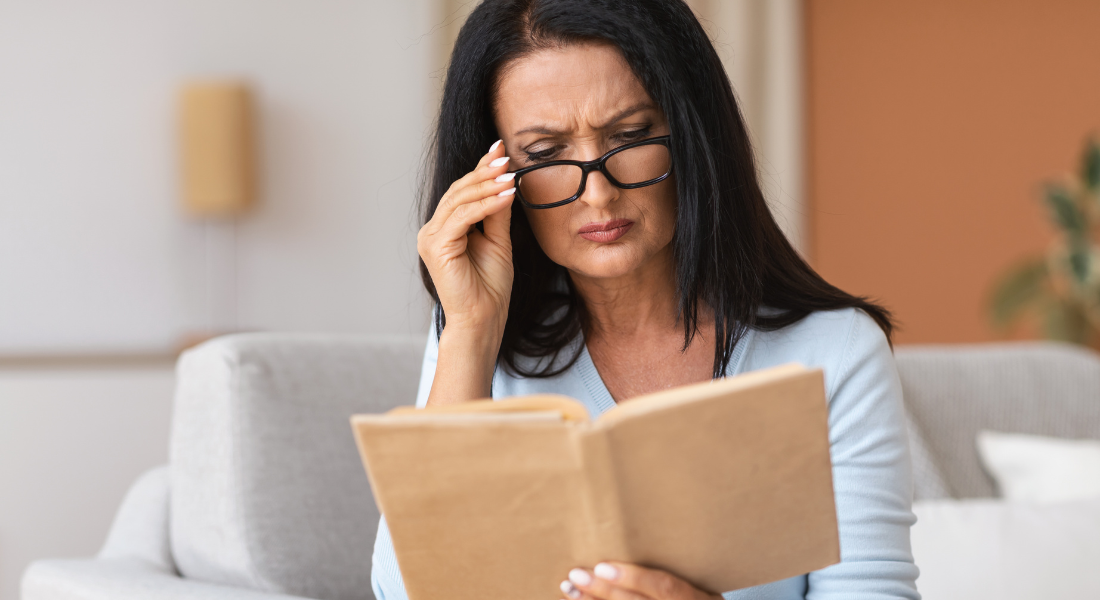
As your vision changes, you may find that your reading habits need to evolve as well. This does not mean you have to give up reading altogether. Instead, it is about making small adjustments that suit your current needs. These changes can help you stay comfortable and continue enjoying what you read.
You might prefer shorter reading sessions to avoid eye strain and fatigue. Switching to digital formats can also give you more flexibility with text size and brightness. Some people find that reading at certain times of the day feels easier than others. For example, you may notice that your eyes feel less tired in the morning.
These small adjustments can make a meaningful difference over time. They allow you to adapt without feeling restricted or overwhelmed. By paying attention to what works best for you, reading can remain an enjoyable part of your routine. It is about finding a rhythm that supports your comfort and focus.
Reading Is Still Possible Just Different
It helps to rethink how you approach this topic as your vision changes. Reading with glaucoma is not simply about losing your ability to read. Instead, it is more about adapting the way you engage with text. This shift in perspective can make the experience feel more manageable and less discouraging.
You might find that you read more slowly than before, and that is perfectly normal. You may also begin using tools or settings that you did not need in the past. These changes are not setbacks, but practical ways to support your reading. They allow you to continue enjoying content in a way that suits your needs.
Even with these adjustments, the core experience of reading can still remain. Your connection with words, stories, and information does not have to disappear. It may feel different, but it can still be meaningful and enjoyable. With the right approach, reading can continue to be part of your life.
FAQs:
- Can you still read normally after being diagnosed with glaucoma?
Yes, in many cases you can continue reading normally, especially in the early stages. Glaucoma typically affects peripheral vision first, while central vision used for reading remains intact. With proper treatment and regular monitoring, many people maintain comfortable reading ability for years. - Does glaucoma cause blurry vision when reading?
Glaucoma does not usually cause blurred central vision in its early or moderate stages. If you notice blurriness while reading, it is often due to other factors such as outdated glasses, dry eyes, or poor lighting conditions. However, in advanced stages, central vision may become affected, which can impact clarity. - How does glaucoma affect reading over time?
Over time, glaucoma can subtly affect how smoothly you read rather than what you see. You may experience issues like losing your place, skipping lines, or needing more effort to track text. These changes tend to develop gradually, giving you time to adapt your reading habits. - Why do I lose my place while reading with glaucoma?
Peripheral vision plays an important role in guiding your eyes across lines of text. When glaucoma reduces this side vision, it becomes harder for your eyes to move naturally from one line to the next. This can lead to frequent pauses or re-reading sections. - Can glaucoma make reading more tiring?
Yes, reading can become more tiring because your eyes and brain have to work harder to compensate for gaps in your visual field. Even if words appear clear, the extra effort required to stay focused and track text can lead to quicker fatigue. - Will I eventually lose the ability to read completely?
Not necessarily. Many people with glaucoma continue reading throughout their lives, especially with early diagnosis and effective management. Even in more advanced stages, assistive tools like magnifiers, larger text, and audiobooks can help you continue engaging with written content. - What are the early signs that glaucoma is affecting reading?
Early signs are often subtle and easy to overlook. You might notice slower reading speed, needing brighter light, losing your place more often, or feeling that reading requires more concentration. These small changes can gradually become more noticeable over time. - How can I make reading easier with glaucoma?
Simple adjustments can make a big difference. Improving lighting, increasing text size, using high-contrast text, and taking regular breaks can all reduce strain. Creating a comfortable reading environment helps maintain both clarity and endurance. - Are digital devices helpful for people with glaucoma?
Yes, digital devices can be very helpful because they allow you to customise your reading experience. You can adjust font size, brightness, contrast, and even switch to dark mode. These features make it easier to read comfortably as your vision changes. - Why is early detection important for maintaining reading ability?
Early detection allows treatment to begin before significant vision loss occurs. This helps preserve central vision, which is essential for reading. Regular eye exams and timely care can significantly slow progression and support long-term reading comfort.
Final Thoughts: Moving Forward With Confidence
Living with glaucoma does not mean you have to lose your connection with reading. With the right understanding, regular care, and a few practical adjustments, many people continue to read comfortably for years. Your vision may change gradually, but this also gives you time to adapt your habits and environment in ways that support your comfort and independence.
Staying proactive is essential. Routine eye tests, early treatment, and simple reading adjustments can make a lasting difference in preserving your vision. If you’d like to find out whether glaucoma treatment in London is suitable for you, feel free to contact us at Eye Clinic London to arrange a consultation.
References:
- Kwon, M., Liu, R., Patel, B.N. and Girkin, C. (2017) Slow reading in glaucoma: Is it due to the shrinking visual span in central vision?, Investigative Ophthalmology & Visual Science, 58(13), pp. 5810–5818. Available at: https://pubmed.ncbi.nlm.nih.gov/29131903/
- Alnawaiseh, M. et al. (2023) Reading vision impairment in glaucoma under different lighting conditions, Investigative Ophthalmology & Visual Science (PMC version). Available at: https://pmc.ncbi.nlm.nih.gov/articles/PMC10756241/
- Ikeda, M.C. et al. (2021) Interventions to improve reading performance in glaucoma, Ophthalmology Glaucoma. Available at: https://pubmed.ncbi.nlm.nih.gov/33813064/
- Vuković, A., Rukavina, D., Pavičić, A.S., Babić, J., Lovrić, D., Čulina, T. and Mandić, Z. (2022) Investigation of biomedical students knowledge on glaucoma reveals a need for education: A cross-sectional study, Healthcare, 10(7), p. 1241. Available at: https://www.mdpi.com/2227-9032/10/7/1241
- Lee, D.A. and Higginbotham, E.J. (2005) Glaucoma and its treatment: A review, American Journal of Health-System Pharmacy, 62(7), pp. 691–699. Available at: https://academic.oup.com/ajhp/article-abstract/62/7/691/5134357