


Can Glaucoma Affect Your Ability to Work?
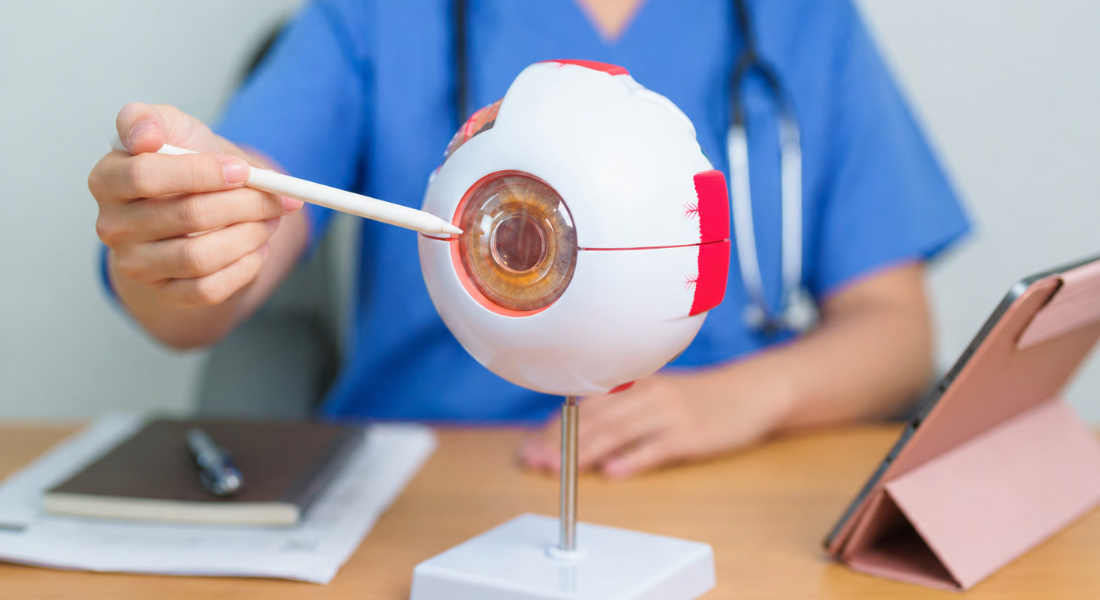
If you have recently been diagnosed with glaucoma, you may find yourself asking a very direct and understandable question: will it affect your ability to work? This concern can feel immediate and deeply personal, especially when you are trying to process the diagnosis. It is completely natural to think ahead and wonder how your daily routine might be impacted. Understanding the situation clearly can help you feel more prepared.
Work is not just about earning an income; it plays a much bigger role in your life. It gives you structure, helps maintain your independence, and often shapes your sense of identity and purpose. Because of this, any potential change linked to your vision can feel significant. You may begin to question whether you will be able to continue in the same way as before.
When your eyesight is involved, these thoughts can becomeCommunicating With Your Employereven more pressing. You might worry about performance, safety, or keeping up with responsibilities. These concerns are valid and shared by many people living with glaucoma. However, it is important to remember that the condition often develops gradually, giving you time to adjust.
I want to guide you through this in an honest and reassuring way, without causing unnecessary alarm. By understanding what glaucoma may mean for your work, you can start thinking about practical ways to adapt. There are often solutions and adjustments that can help you continue working effectively. With the right approach, many people are able to maintain their careers successfully.
Understanding How Glaucoma Impacts Vision
Before you think about how glaucoma might affect your work, it helps to understand what the condition actually does. Having a clear picture makes it easier to recognise any changes you may experience. It also helps you prepare and adjust where needed. This understanding can give you more confidence moving forward.
Glaucoma mainly affects the optic nerve and gradually reduces your peripheral vision over time. Because this happens slowly, you may not notice any problems straight away. Your central vision, which you use to read, focus, and recognise faces, often stays intact in the early stages. This is why many people do not realise anything has changed at first.
As a result, you can often continue working normally after diagnosis, especially in the beginning. However, there can still be subtle changes that influence how you carry out certain tasks. You might find that some activities require more attention or effort than before. These small differences can become more noticeable over time, even if your main vision feels unchanged.
Why Work Can Feel Different, Even Early On
You might assume that if you can still see clearly, your work will not be affected at all. In many cases, that is true, especially in the early stages of glaucoma. Your central vision often remains strong, allowing you to carry on with most tasks. This can make everything seem normal at first.
However, you may begin to notice changes not in what you can see, but in how tasks feel. Work that once felt simple may start to require a bit more effort or attention. You might feel slightly slower when completing certain activities. These changes can be subtle but still noticeable over time.
You may also find that you need to concentrate harder to stay focused on your work. Taking more frequent breaks can become necessary, even if you are not sure why. This is often because your visual system is working harder behind the scenes. As a result, tasks can feel more mentally tiring than they did before.
Jobs That Rely Heavily on Peripheral Vision
Certain jobs depend strongly on peripheral (side) vision, and this is where glaucoma can begin to have a more noticeable impact. I’ve seen that when side vision becomes reduced, everyday tasks that once felt automatic may require more conscious effort. It doesn’t usually stop people from working right away, but it can gradually change how safely and efficiently certain duties are performed. Understanding this shift is an important step in adapting to it.
- High-Dependency Roles on Side Vision: Jobs such as driving, operating machinery, or monitoring multiple screens rely heavily on awareness beyond your direct line of sight. Peripheral vision helps you detect movement, objects, and changes in your environment. When this is reduced, these tasks can feel more demanding and less intuitive.
- Slower Reaction to Surrounding Movement: With limited side vision, it may take longer to notice objects or people approaching from the edges. This can affect reaction time in fast-moving or dynamic environments. As a result, situations that once required quick instinctive responses may need more deliberate attention.
- Increased Mental Focus and Awareness Needed: Tasks that were previously automatic may now require more concentration. You may need to consciously scan your environment more often to compensate for reduced peripheral input. This added effort can make work feel more mentally tiring over time.
- Adaptation and Safety-Focused Adjustments: Working in these roles is still possible for many people, but adjustments may be necessary. This could include changing work methods, using assistive tools, or modifying responsibilities where appropriate. Recognising these changes early helps you stay safer and more effective in your role.
In conclusion, jobs that depend heavily on peripheral vision can be more affected by glaucoma, but this does not automatically mean you must stop working. The key is understanding how your vision is changing and adapting your approach accordingly. With awareness and practical adjustments, many people continue to perform their roles safely. Early recognition of these challenges helps ensure better long-term management and workplace confidence.
Office-Based Work and Screen Use
If you work at a desk, you may feel somewhat reassured about managing glaucoma. Office-based tasks usually rely more on your central vision, which often remains stable in the early stages. This means you can continue working with screens, documents, and emails without major disruption. At first, everything may feel largely unchanged.
That said, glaucoma can still influence how you experience screen-based work over time. You might notice that staring at a screen feels more tiring than it used to. Tasks like reading documents, switching between tabs, or scanning spreadsheets may require more effort. These changes can be subtle but gradually become more noticeable.
This is especially true if your peripheral awareness is reduced. You may need to move your eyes more deliberately to keep track of information across the screen. As a result, your workflow can feel slightly slower or more demanding. The good news is that simple adjustments can make a real difference, which you can apply to improve comfort and efficiency.
Manual and Physical Jobs
When it comes to manual or physically demanding work, the impact of glaucoma can vary depending on the nature of the job. I’ve seen that roles requiring movement, coordination, and awareness of surroundings can feel different over time. It’s not always about losing the ability to work, but about how safely and confidently tasks can be performed. With the right adjustments, many people continue working effectively in these environments.
- Impact on Spatial Awareness: Jobs that rely on judging distances or navigating spaces can become more challenging. Glaucoma often affects peripheral vision, which plays a key role in spatial awareness. This may mean you need to move more carefully and take extra time to assess your surroundings.
- Balance and Coordination Challenges: Physical roles often require steady balance and coordinated movement. Changes in vision can subtly affect how you maintain stability, especially in busy or uneven environments. Being more mindful of your footing and posture can help reduce risks.
- Adapting to Busy Work Environments: Fast-paced settings, such as construction sites or crowded workplaces, may feel more demanding. You might need to be more deliberate in observing movement around you. Taking a slower, more aware approach can improve both safety and confidence.
- Adjusting Work Habits Instead of Stopping: A diagnosis doesn’t automatically mean you need to leave your job. In many cases, small adjustments to how you perform tasks can make a big difference. This might include changing techniques, using additional support, or modifying your workflow.
In conclusion, glaucoma can influence how you approach manual and physical work, but it doesn’t necessarily prevent you from continuing. The key lies in understanding the changes and adapting your habits accordingly. By becoming more aware and making practical adjustments, you can maintain both safety and productivity. Over time, these adaptations can help you stay confident and capable in your role.
Driving as Part of Your Job
This is one of the most sensitive areas when it comes to glaucoma and work. If your job involves driving, it is important to be aware that your vision may be affected over time. Driving relies on more than just clear central vision. It also depends heavily on your ability to see what is happening around you.
Peripheral vision plays a key role in safe driving. It helps you detect vehicles, pedestrians, and potential hazards without needing to turn your head constantly. When this side vision is reduced, your awareness of your surroundings can change. This can make certain driving situations feel more challenging or demanding.
Depending on the severity of your condition, there may also be legal requirements you need to meet for vision standards. Regular eye tests will help you understand whether you are still safe to drive. It is always better to approach this proactively rather than waiting for a problem to develop. Staying informed allows you to make safe and confident decisions about your work.
Fatigue and Visual Strain at Work
One of the most overlooked aspects of glaucoma is the fatigue that can come with it. Even if your vision appears stable, your eyes and brain may be working harder than before. This extra effort is not always obvious at first. However, it can build up over the course of the day.
You may start to feel more tired, especially during long workdays or demanding tasks. This feeling often becomes more noticeable in the afternoon or after extended screen use. Your eyes might feel strained, and your concentration may begin to drop. These changes can affect how comfortable and productive you feel at work.
Taking short, regular breaks can make a meaningful difference to how you manage this. Giving your eyes time to rest helps reduce strain and improve focus. Even brief pauses can help you reset and feel more refreshed. It is a simple adjustment, but it can have a powerful impact on your daily routine.
The Emotional Impact on Work Confidence

This is something that often does not get enough attention, even though it plays a big role in your daily work life. Changes in your vision can affect how confident you feel in your abilities. You might start to question yourself in situations that once felt completely routine. These thoughts can develop quietly but still have a strong impact.
You may worry more about making mistakes or missing important details. Tasks that never used to concern you might begin to feel more challenging or uncertain. This hesitation can affect how you approach your work and interact with others. In many cases, this emotional response can be just as important as the physical changes in your vision.
Acknowledging these feelings is an important step in managing them effectively. When you recognise what you are experiencing, it becomes easier to find ways to adapt and move forward. With time, support, and the right adjustments, your confidence can begin to return. Many people find that they regain a sense of control as they learn what works best for them.
Practical Adjustments That Can Help
It is important to focus on solutions, because there are many practical ways to make your work easier. Small adjustments can have a noticeable impact on your daily experience. You do not need to make major changes to see improvement. Often, simple steps can make a real difference.
Start by looking at your environment and how it supports your vision. Good lighting is essential, as it helps reduce strain and makes details easier to see. You can also increase the text size on your computer and devices to improve clarity. These small changes can make reading and screen work feel much more comfortable.
Positioning also plays an important role in how you manage your tasks. Keeping your screen directly in front of you can help compensate for reduced peripheral vision. It is also helpful to keep your workspace organised and clutter-free. When you know exactly where everything is, you reduce the need for unnecessary visual searching and effort.
Using Technology to Your Advantage
Modern technology can be incredibly helpful when you are managing glaucoma at work. Many devices already come with built-in accessibility features that are easy to use. These tools are designed to make everyday tasks more comfortable and efficient. Using them can reduce strain and help you stay productive.
You can enlarge text, adjust contrast, and even use screen readers to support your vision. These features allow you to customise how information appears on your screen. Voice-to-text software is another useful option, especially during longer tasks. It can reduce the need for constant typing and give your eyes a break.
It is important to see these tools in the right way. They are not signs of limitation or weakness in your ability. Instead, they are practical and smart ways to work more efficiently. By using the support available to you, you can continue performing your tasks with greater ease and confidence.
Communicating With Your Employer

This is something many people feel uncertain about when managing glaucoma at work. You might wonder whether you should tell your employer or keep it private. It is a personal decision, but in many cases, being open can be helpful. Sharing the right information can make your work environment more supportive.
When your employer understands your needs, it becomes easier to make reasonable adjustments. You do not have to go into every detail about your condition. Simply explaining what helps you work comfortably is often enough. This can lead to small but meaningful changes in your daily routine.
Many workplaces are more supportive than people expect. Employers are often willing to make adjustments once they understand the situation. These changes are usually simple and practical to implement. With clear communication, you can create a work setup that supports both your comfort and performance.
Knowing Your Rights at Work
Depending on where you work, there may be legal protections available for people with health conditions, including glaucoma. These protections are designed to ensure you are treated fairly and supported in your role. They also help make sure that your condition does not unnecessarily limit your opportunities at work. Understanding this can give you a stronger sense of security.
In many cases, employers are required to make reasonable adjustments to support your needs. This could include changes to your equipment, working hours, or even certain job responsibilities. The aim is to help you continue working effectively while managing your condition. These adjustments are usually practical and tailored to your situation.
Knowing your rights can give you more confidence in the workplace. It also helps you speak up and advocate for yourself if any difficulties arise. When you understand what support is available, you are in a better position to ask for what you need. This can make a real difference to your overall work experience.
The Role of Regular Eye Care
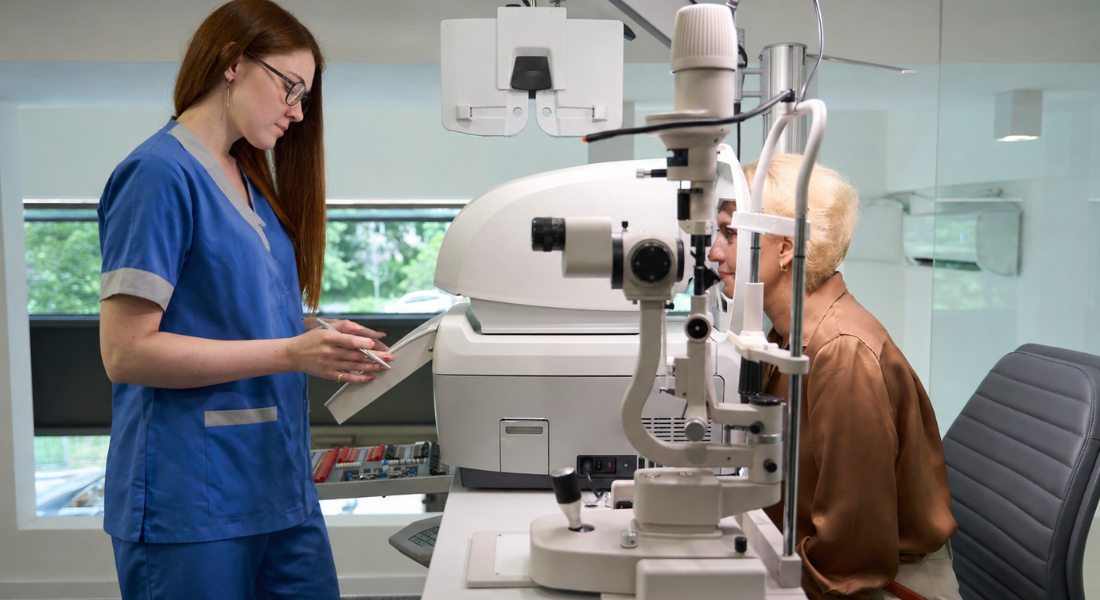
Managing glaucoma effectively plays a central role in preserving long-term vision and maintaining day-to-day independence, including your ability to continue working. I’ve seen that consistent monitoring and timely treatment make a significant difference in slowing down progression. It’s not just about protecting eyesight, but also about maintaining stability in your personal and professional life. With a proactive approach to eye care, many of the challenges associated with glaucoma can be managed more effectively.
- Ongoing Monitoring of Vision Changes: Regular eye examinations allow specialists to track even subtle changes in your vision. This is important because glaucoma often progresses slowly and without obvious symptoms. Early detection of changes helps ensure treatment can be adjusted before more serious vision loss occurs.
- Slowing Disease Progression with Treatment: One of the main goals of glaucoma care is to slow its progression as much as possible. With consistent treatment, many people are able to preserve useful vision for a long time. This directly supports continued independence in both daily activities and work.
- Protecting Independence and Work Ability: By maintaining stable vision, regular eye care helps preserve your ability to perform tasks confidently. This is especially important in jobs that require attention, coordination, or visual accuracy. Staying on top of eye health reduces the risk of unexpected limitations affecting your routine.
- Access to Specialist Care Options: In some cases, advanced treatment options may be recommended depending on the severity of the condition. Consulting a specialist clinic can provide access to tailored care plans and modern treatment approaches. For example, expert-led glaucoma care is available through dedicated eye health services such as Eye Clinic London.
In conclusion, regular eye care is one of the most important factors in managing glaucoma effectively over time. It helps detect changes early, slows progression, and supports continued independence in daily life and work. With consistent monitoring and appropriate treatment, the impact of glaucoma can often be significantly reduced. Taking a proactive approach ensures better long-term outcomes and greater confidence in managing your vision health.
Will You Have to Change Jobs?
This is one of the biggest concerns people often have after a glaucoma diagnosis. It is completely understandable to worry about whether your career might be affected. However, the honest answer is that a job change is not necessarily something you will need to do. In many cases, people continue in the same role for years.
This is especially true when glaucoma is detected early and managed properly. With regular treatment and monitoring, many people are able to carry on working without major changes. In some situations, simple adjustments within your current job are enough to support your needs. These may be small but effective in helping you continue comfortably.
In other cases, a role change might be considered if certain tasks become more difficult over time. However, this is usually a gradual process rather than an immediate decision. You are typically given time to adapt, explore options, and plan ahead carefully. This allows you to make thoughtful choices that suit both your health and your career.
Adapting Your Work Routine
Sometimes it is not the job itself that needs to change, but the way you approach your daily routine. Small adjustments in how you structure your day can make a noticeable difference. This can help you manage visual strain more effectively. It also allows you to stay productive without feeling overwhelmed.
You may find it helpful to plan more visually demanding tasks earlier in the day. This is often when your eyes feel fresher and more alert. Completing these tasks at the right time can make them feel easier and less tiring. It is a simple way to work with your natural energy levels.
You might also benefit from taking more frequent breaks throughout the day. Alternating between different types of tasks can reduce continuous strain on your vision. These small changes can improve both comfort and efficiency. Over time, they can help you maintain a more balanced and sustainable work routine.
Building Confidence Over Time
Adjusting to glaucoma in the workplace is not something that happens overnight. It is usually a gradual process that unfolds over time. At the beginning, it is normal to feel uncertain about how things will change. These feelings are completely natural when you are adapting to a new situation.
As you begin to discover strategies that work for you, things often start to feel easier. Small improvements in how you manage tasks can make a noticeable difference. With each positive experience, your sense of control gradually increases. This helps you feel more comfortable in your daily work routine.
Confidence tends to build with experience and consistency. The more you adapt and apply helpful techniques, the more confident you become in handling challenges. The key is to stay patient with yourself and take a proactive approach. Over time, this steady adjustment process can help you feel more capable and secure in your work.
When Should You Seek Extra Support?
There may be times when you need a bit of extra help, and that is completely okay. Managing glaucoma at work is not something you have to do entirely on your own. Knowing when to ask for support is an important part of looking after your vision and your wellbeing.
If you notice that tasks are becoming increasingly difficult, it is important not to ignore those changes. Likewise, if your work starts to feel consistently more tiring or stressful than before, it is worth paying attention to. These signs can indicate that adjustments or additional support may be needed.
Support can come from different places depending on your situation. This may include your eye specialist, your employer, or workplace support services. Acting early can help prevent small issues from becoming bigger challenges over time. You do not have to manage everything alone, and reaching out can make a real difference.
Long-Term Outlook: What Can You Expect?
Glaucoma is a long-term condition, but it does not affect everyone in the same way. The way it progresses can vary significantly from person to person. For some, changes happen very slowly over many years or even decades. For others, the effects may become more noticeable over time.
A key factor in how the condition develops is how well it is managed. Regular treatment, monitoring, and follow-up care all play an important role in slowing progression. When glaucoma is well controlled, many people are able to maintain functional vision for life. This greatly reduces its impact on daily activities, including work.
Because of this, continuing to work is entirely possible for many people living with glaucoma. With the right care and adjustments, you can often remain active in your role for a long time. The most important thing is ongoing management and staying engaged with your eye care plan.
Work Is Still Possible Just Evolving
It is helpful to reframe how you think about this situation. Glaucoma does not automatically take your work away from you. Instead, it often changes the way you approach your tasks and manage your day. This shift can feel challenging at first, but it is more about adaptation than limitation.
You may find yourself becoming more intentional in how you work. This could include using tools that were not necessary for you before or making small changes to your daily routine. You might also begin to structure your day differently to match your energy and visual comfort. These adjustments are practical ways of supporting your ongoing performance.
Even with these changes, your ability to think clearly, contribute, and perform your role does not disappear. It simply evolves over time as you adapt to your visual needs. Many people find that they continue working effectively by learning new strategies. In this way, work remains possible it just takes on a different form.
FAQs:
- Can glaucoma affect your ability to work?
Yes, glaucoma can affect work in some cases, but it usually develops slowly. Many people continue working normally, especially in the early stages, with only minor adjustments needed over time. - Will I have to stop working after a glaucoma diagnosis?
No, a diagnosis does not automatically mean you must stop working. Most people are able to continue their jobs, particularly when the condition is detected early and properly managed. - Which types of jobs are most affected by glaucoma?
Jobs that rely heavily on peripheral vision, such as driving, operating machinery, or safety-critical roles, may be more affected. Office-based jobs are usually less impacted in early stages. - Can I still do office or screen-based work with glaucoma?
Yes, most office-based work can continue as usual. You may just need adjustments like better lighting, larger text, or screen settings to reduce eye strain and improve comfort. - Does glaucoma affect driving for work?
It can, because driving depends heavily on peripheral vision. As glaucoma progresses, your ability to meet legal driving vision standards may be affected, so regular eye tests are essential. - How does glaucoma impact performance at work?
You may notice increased fatigue, slower task completion, or needing more concentration. These changes are often subtle at first but can build up over time. - What workplace adjustments can help with glaucoma?
Helpful adjustments include improved lighting, larger text size, screen positioning, regular breaks, and use of accessibility tools like screen readers or voice-to-text software. - Should I tell my employer about my glaucoma?
It is a personal choice, but informing your employer can help you access reasonable adjustments. Most workplaces are supportive once they understand your needs. - Can glaucoma cause fatigue at work?
Yes, eye strain and visual effort can lead to tiredness, especially during long work hours or screen use. Taking regular breaks can significantly reduce this fatigue. - Will I need to change my job because of glaucoma?
Not necessarily. Many people continue in the same role for years. Job changes are only considered in more advanced cases or when specific tasks become unsafe or too difficult.
Final Thoughts: Managing Work Life With Glaucoma
Living and working with glaucoma can feel uncertain at first, but it is important to remember that a diagnosis does not automatically mean the end of your career. In many cases, people continue working for years with only small adjustments to their routines, environment, or responsibilities. The key is understanding how your vision is changing and making practical adaptations that support both comfort and safety in your role.
With regular eye care, early treatment, and the right workplace support, most people are able to maintain their independence and continue working effectively. Simple changes such as improved lighting, screen adjustments, and taking regular breaks can make a real difference over time. Staying proactive and informed allows you to remain confident in your abilities while protecting your long-term vision. If you’re considering glaucoma treatment in London and want to know if it’s the right option, you’re welcome to reach out to us at Eye Clinic London to book a consultation.
References:
- Lee, H.-P. et al. (2024) Glaucoma: Current and New Therapeutic Approaches, Biomedicines, 12(9), p. 2000. Available at: https://www.mdpi.com/2227-9059/12/9/2000
- A. and Higginbotham, E.J. (2005) Glaucoma and its treatment: A review, American Journal of Health-System Pharmacy, 62(7), pp. 691–699. Available at: https://pubmed.ncbi.nlm.nih.gov/15790795/
- Weinreb, R.N., Aung, T. and Medeiros, F.A. (2014) The pathophysiology and treatment of glaucoma: A review, JAMA, 311(18), pp. 1901–1911. Available at: https://pmc.ncbi.nlm.nih.gov/articles/PMC4523637/
- Weinreb, R.N., Aung, T. and Medeiros, F.A. (2014) The pathophysiology and treatment of glaucoma: A review, JAMA, 311(18), pp. 1901–1911. Available at: https://www.sciencedirect.com/topics/medicine-and-dentistry/glaucoma-treatment
- Salim, S. (2012) Evidence-Based Guidelines in Management of Glaucoma, in Glaucoma. Oxford University Press. Available at: https://academic.oup.com/book/40793/chapter/348732482