


How Serious Is Glaucoma Compared to Other Eye Conditions?
When you start learning more about eye health, you may notice that conditions are often judged by how obvious or painful they feel. If something causes immediate discomfort or quickly affects your vision, it naturally seems more serious. On the other hand, if there are no clear symptoms, it is easy to underestimate the condition. This is exactly why questions about glaucoma come up so often and can sometimes be misunderstood.
You might find yourself comparing glaucoma to more familiar issues such as cataracts or dry eyes. Cataracts, for example, can sound worrying at first, but they are usually treatable with a relatively straightforward procedure. Glaucoma is quite different because it often does not show clear symptoms in its early stages. This can make it seem less urgent than it actually is, even though it requires careful attention.
What makes glaucoma particularly serious is how quietly it can progress over time. You may feel completely fine and notice no changes, yet damage to your vision could already be happening. By the time it becomes noticeable, some of that vision loss may already be permanent. This is what sets glaucoma apart from many other eye conditions and makes early detection so important.
It is important for you to keep the right perspective when thinking about glaucoma. While it is a serious condition, it is not without hope or options. With early diagnosis and proper management, many people are able to maintain useful vision throughout their lives. The key is to understand its silent and progressive nature, and to give it consistent attention rather than reacting only when problems appear.
Why People Ask This Question
When you talk about eye health, it is quite common for this question to come up: how serious is glaucoma compared to other eye conditions? It is a fair and reasonable thing for you to ask. Not all eye problems carry the same level of risk or long-term impact. Understanding the differences can help you make better decisions about your care.
You may notice that some conditions sound frightening at first but are actually quite easy to treat. In contrast, others like glaucoma can be much more subtle in how they develop. Because it often progresses without clear symptoms, it can be overlooked or underestimated. This is what makes it potentially more dangerous despite seeming less urgent.
Understanding where glaucoma fits within this range is very important for you. It helps you recognise the seriousness of the condition without causing unnecessary worry. When you have the right perspective, you are more likely to take appropriate action at the right time. This balanced understanding can make a real difference in how you manage your eye health.
What Exactly Is Glaucoma?
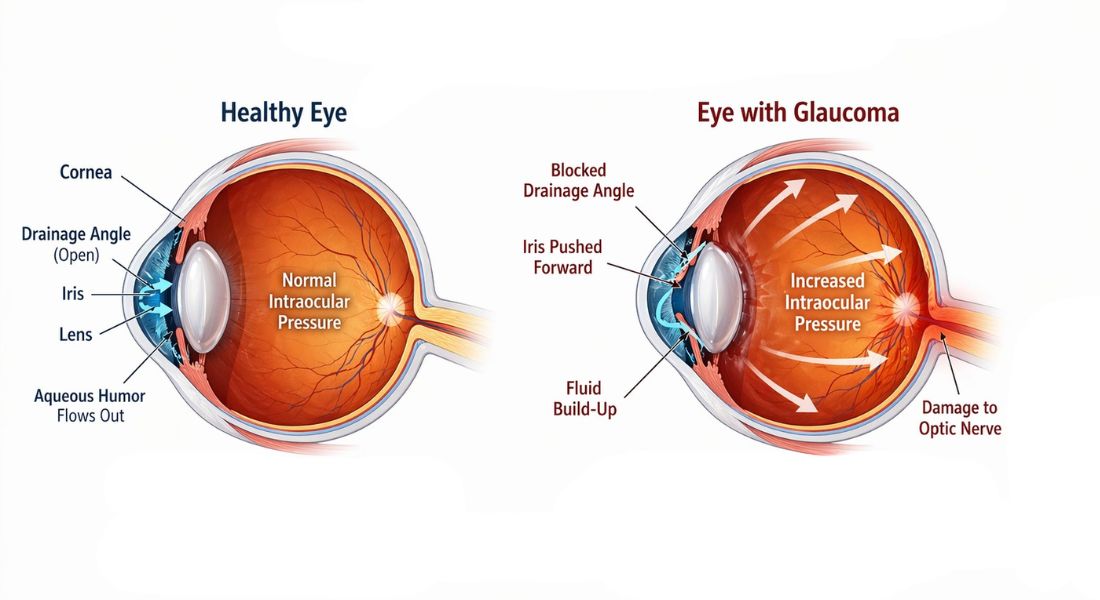
Glaucoma is not just a single condition, but a group of eye disorders that affect the optic nerve. This nerve plays a vital role in your vision, as it carries visual information from your eye to your brain. When it becomes damaged, the signals are disrupted, which can affect how you see. Understanding this helps you see why protecting the optic nerve is so important.
In many cases, this damage is linked to increased pressure inside your eye. This pressure, known as intraocular pressure, can build up when fluid does not drain properly. However, it is important for you to know that glaucoma can still develop even when pressure levels appear to be normal. This is why regular eye checks are essential, as pressure alone does not tell the full story.
What makes glaucoma particularly concerning is that the damage it causes is permanent. Once the optic nerve has been affected, any vision that is lost cannot be restored. This is why early detection and ongoing management are so important for you. By acting early and staying consistent with your care, you can help protect the vision you still have.
Why Glaucoma Is Often Called the “Silent Thief of Sight”
One of the most serious aspects of glaucoma is how quietly it can develop over time. In the early stages, you will usually not notice any clear or obvious symptoms. Your vision may seem completely normal, which can give a false sense of reassurance. This is why many people are unaware of the condition until it has already progressed.
The vision loss caused by glaucoma often begins at the edges of your sight. This affects your peripheral vision first, rather than your central vision. Because of this, it can be very difficult for you to notice any changes in the beginning. By the time it becomes more noticeable, significant damage may have already occurred.
It can be helpful to think of glaucoma as something happening in the background without drawing attention to itself. You may continue with your daily life without realising anything is wrong. However, the condition can continue to progress silently during this time. This is why regular eye examinations are so important for detecting glaucoma early and protecting your vision.
Comparing Glaucoma to Cataracts
Cataracts are one of the most common eye conditions, particularly as you get older. They develop when the natural lens in your eye becomes cloudy, which can lead to blurred or dim vision. You may notice colours looking dull or find it harder to see clearly in low light. These changes can affect your daily activities, especially tasks like reading or driving.
Although cataracts can have a noticeable impact on your quality of life, they are usually treatable with surgery. This procedure involves replacing the cloudy lens with a clear artificial one. In most cases, your vision can be restored quite effectively after treatment. Because of this, cataracts are often considered manageable despite how they may initially sound.
Glaucoma, however, is very different in how it affects your eyes. The damage it causes to the optic nerve cannot be reversed once it has occurred. This means that any vision loss is permanent, which makes it more serious over the long term. While cataracts can often be corrected, glaucoma requires ongoing management to protect the vision you still have.
Glaucoma vs Age-Related Macular Degeneration
Age-related macular degeneration, often called AMD, mainly affects your central vision. This is the part of your sight you rely on for tasks like reading, recognising faces, and seeing fine details. You may notice a blurred or dark area in the centre of your vision as the condition progresses. This can make everyday activities more challenging over time.
Glaucoma, in contrast, usually affects your peripheral vision first. This means the outer edges of your sight are impacted before the centre is involved. Because central vision often remains clear in the early stages, it can be harder for you to notice any changes. Over time, however, glaucoma can progress and begin to affect your central vision as well.
Both conditions are serious, but they affect your vision in different ways. AMD tends to impact what you see directly in front of you, while glaucoma often develops more quietly at the edges. In many cases, glaucoma’s gradual and subtle progression makes it more difficult to detect early. This is why regular eye examinations are so important for identifying changes as soon as possible.
How It Compares to Dry Eye Syndrome
Dry eye syndrome is a very common condition that many people experience at some point. You may notice symptoms such as irritation, redness, or a gritty sensation in your eyes. Your vision can also fluctuate at times, especially after long periods of reading or screen use. While it can be uncomfortable, it is usually not dangerous.
In most cases, dry eye can be managed quite effectively with simple treatments. Using lubricating eye drops, making small lifestyle changes, and taking regular breaks can all help improve your symptoms. You may also find that adjusting your environment, such as reducing screen time or improving air quality, makes a difference. These steps can help keep your eyes more comfortable on a daily basis.
When compared to glaucoma, dry eye syndrome is far less serious in terms of long-term impact. Dry eye mainly affects your comfort rather than causing lasting damage to your vision. Glaucoma, on the other hand, can lead to permanent vision loss if not properly managed. This is why it is important for you to understand the difference and give each condition the appropriate level of attention.
Glaucoma vs Retinal Detachment
Retinal detachment is considered a medical emergency that requires immediate attention. You may experience sudden vision loss, flashes of light, or a shadow moving across your field of vision. These symptoms can appear quickly and should never be ignored. Acting fast is essential to give yourself the best chance of protecting your sight.
If treatment is received promptly, there is often a possibility of preserving your vision. However, any delay can increase the risk of permanent damage. This is why recognising the warning signs and seeking urgent care is so important. Quick action can make a significant difference in the outcome.
Glaucoma, on the other hand, is usually not sudden in the same way. It tends to develop slowly over time, often without obvious symptoms in the early stages. Because of this gradual progression, it can go unnoticed for longer. This makes it dangerous in a different way, as damage can build up quietly before you become aware of it.
The Long-Term Risks of Glaucoma
Glaucoma is a serious eye condition that can have lasting consequences if not properly managed. Its effects often develop gradually, making it easy to underestimate the potential damage. Over time, untreated or poorly controlled glaucoma can lead to significant and permanent changes in vision. Understanding these long-term risks is essential for taking the condition seriously and acting early.
- Permanent Vision Loss: The most significant risk associated with glaucoma is irreversible vision loss. Damage to the optic nerve cannot be repaired once it has occurred. This is why protecting vision early is crucial to maintaining long-term eye health.
- Progression to Blindness: If glaucoma is left untreated, it can eventually lead to complete blindness. The progression may be slow, but it is continuous without proper intervention. Early and ongoing treatment helps to prevent the condition from reaching this advanced stage.
- Irreversible Damage: One of the most challenging aspects of glaucoma is that any vision loss cannot be restored. Treatments are designed to slow or halt further damage rather than reverse it. This makes timely diagnosis and management incredibly important.
- Need for Early Detection and Management: Detecting glaucoma early allows for more effective control of the condition. Regular eye exams and adherence to treatment can significantly reduce the risk of severe outcomes. Consistent care plays a vital role in preserving vision over time.
In conclusion, the long-term risks of glaucoma are serious and should not be overlooked. Its ability to cause permanent and progressive vision loss makes early action essential. While treatment cannot reverse damage, it can help protect the vision you still have. Staying proactive with detection and management is key to maintaining your eye health.
Can Glaucoma Lead to Blindness?
Glaucoma is a serious eye condition that can lead to vision loss, but it does not always result in blindness. The outcome largely depends on how early the condition is detected and how well it is managed over time. Many people live with glaucoma for years without losing their central vision, especially when they follow the right treatment plan. Understanding the risks alongside the possibilities can help you approach the condition with both caution and confidence.
- Risk of Blindness: Yes, glaucoma can lead to blindness if it is left untreated or poorly controlled. The damage to the optic nerve progresses over time, eventually affecting all areas of vision. However, this outcome is usually preventable with timely intervention.
- Not an Inevitable Outcome: Blindness is not a guaranteed result of glaucoma. Many patients maintain useful vision throughout their lives with proper care. The key lies in early detection and consistent management.
- Effectiveness of Early Treatment: Starting treatment early can significantly slow or even halt the progression of the disease. This helps preserve as much vision as possible for as long as possible. Regular monitoring ensures that any changes are addressed quickly.
- Importance of Ongoing Care: Managing glaucoma is a long-term commitment that requires regular check-ups and adherence to treatment. Staying engaged with your care plan can make a substantial difference in outcomes. With the right approach, many people continue to lead normal, visually active lives.
In conclusion, while glaucoma can lead to blindness, it is far from inevitable. Early diagnosis and proper treatment play a crucial role in preserving vision. With consistent care and monitoring, the condition can often be managed effectively. Taking it seriously while staying proactive is the best way to protect your sight.
How Quickly Does Glaucoma Progress?
The speed at which glaucoma progresses can vary quite a lot from person to person. You may find that changes happen very slowly over many years, with little noticeable impact at first. In these cases, the condition can often be managed effectively with consistent care. This slower progression can make it easier to maintain stable vision over time.
However, for some people, glaucoma may progress more quickly. This is more likely if the condition is more aggressive or if it is diagnosed at a later stage. In these situations, changes in vision can occur over a shorter period. This is why early detection plays such an important role in managing the condition.
Regular monitoring is essential to understand how your glaucoma is behaving. Eye tests and follow-up appointments help track even small changes in your condition. If any progression is detected, your treatment can be adjusted accordingly. This ongoing approach helps you stay one step ahead and protect your vision as much as possible.
Why Early Detection Matters So Much
Early detection can make a real difference to your long-term outcome with glaucoma. When the condition is identified early, treatment can begin before significant damage has taken place. This gives you a much better chance of preserving your vision over time. Acting early allows your care to focus on prevention rather than reacting to loss.
Routine eye examinations play a key role in making this possible. Many people are diagnosed during a regular check-up rather than because they noticed symptoms themselves. This is because glaucoma often develops quietly without obvious warning signs. Regular tests help detect changes that you might not be able to see or feel.
It is important that you do not wait for vision problems before getting your eyes tested. By the time symptoms appear, some damage may have already occurred. Staying consistent with eye checks helps catch the condition as early as possible. This simple step can have a lasting impact on protecting your eyesight.
Treatment Options and Their Effectiveness
There are several treatment options available to help you manage glaucoma effectively. These usually include eye drops, laser procedures, and different types of surgery depending on your condition. Each option works in a slightly different way to control pressure inside your eye. Your specialist will guide you towards the most suitable approach based on your needs.
The main goal of any treatment is to lower your eye pressure and protect the optic nerve from further damage. While treatment cannot restore vision that has already been lost, it can help preserve the vision you still have. This makes early and consistent treatment especially important for long-term outcomes. Staying committed to your plan gives you the best chance of slowing progression.
If you are exploring more advanced care, you may want to look into options such as accessing glaucoma treatment in London through experienced specialists. This can provide you with access to a wider range of techniques and personalised treatment plans. In some cases, it may open up options that are not available elsewhere. Having access to this level of expertise can make a meaningful difference in how your condition is managed.
Is Glaucoma More Serious Than Other Eye Conditions?
In many ways, glaucoma can be considered more serious than several other eye conditions. One of the main reasons is that it causes permanent damage, often without any clear early warning signs. You may not notice anything unusual until the condition has already progressed. This silent nature is what makes it particularly concerning.
Other eye conditions may feel more obvious or uncomfortable, which can prompt you to seek help quickly. In many cases, these conditions are treatable or even reversible with the right care. Because the symptoms are more noticeable, they are often addressed earlier. This can lead to better and faster outcomes.
Glaucoma is different because it combines slow, silent progression with irreversible damage. Once vision is lost, it cannot be restored, which increases its long-term impact. This is why early detection and consistent management are so important for you. Taking the condition seriously from the start can help protect your vision over time.
Living with Glaucoma
A diagnosis of glaucoma does not mean that you will lose your vision. Many people continue to live full and active lives while managing the condition effectively. With the right care, it is possible to maintain good quality of life for many years. Understanding this can help you feel more reassured and in control.
The key to managing glaucoma successfully is consistency in your care. Following your treatment plan as prescribed and not missing doses is very important. Attending regular check-ups allows your specialist to monitor your condition and make any necessary adjustments. These small but steady efforts can make a significant difference over time.
With the right approach, many people manage glaucoma well for years without major issues. You may need to adapt your routine slightly, but it soon becomes part of your daily life. Staying informed and engaged in your care helps you make better decisions. This ongoing commitment plays a crucial role in protecting your vision.
The Emotional Side of the Diagnosis
Being told that you have glaucoma can feel overwhelming at first. You may find yourself worrying about the future and what it could mean for your vision. These feelings are completely natural, especially when facing something unfamiliar. Taking time to process the information can help you adjust gradually.
It is important for you to have open and honest conversations about your condition. Asking questions and understanding what glaucoma involves can help reduce uncertainty. The more you know, the more confident you may feel in managing it. This sense of understanding can give you a greater feeling of control.
Support from others can also make a meaningful difference during this time. Healthcare professionals can guide you through your treatment and answer any concerns you may have. Family and friends can offer reassurance and emotional support when you need it. Having a strong support system can help you cope more comfortably with the diagnosis.
Common Misconceptions About Glaucoma
One common misconception is that glaucoma always causes noticeable symptoms. In reality, this is not the case. You may not feel any pain or notice any changes in your vision during the early stages. This can make the condition easy to overlook until it has already progressed.
Another misunderstanding is that treatment can restore lost vision. Unfortunately, this is not possible with glaucoma. While treatment is very important, its role is to slow down or stop further damage rather than reverse what has already been lost. This is why early detection and ongoing care are so crucial.
Clearing up these misconceptions is important for you to have realistic expectations. When you understand how the condition actually works, you are more likely to take the right steps at the right time. It also helps you appreciate the importance of regular monitoring and consistent treatment. This awareness supports better long-term management of your eye health.
How to Protect Your Vision
Protecting your vision when living with glaucoma involves a combination of medical care, consistency, and healthy lifestyle choices. Because glaucoma can progress silently, proactive management is essential even when your eyesight feels stable. Regular monitoring and disciplined treatment help reduce the risk of long-term damage. Taking small but consistent steps can make a meaningful difference in preserving your sight.
- Regular Eye Examinations: Attending routine eye check-ups is one of the most important steps in protecting your vision. These appointments allow your specialist to track changes in eye pressure and optic nerve health. Early detection of any deterioration means treatment can be adjusted before significant damage occurs.
- Following Your Treatment Plan: Using prescribed eye drops correctly and consistently is vital for controlling glaucoma. Missing doses or using medication incorrectly can lead to fluctuations in eye pressure. Sticking closely to your treatment schedule and attending all follow-ups helps keep the condition stable.
- Healthy Lifestyle Choices: A balanced diet, regular exercise, and avoiding smoking can support overall eye and body health. While lifestyle changes cannot replace medical treatment, they can complement it effectively. These habits may help improve general wellbeing and support better long-term outcomes.
- Staying Consistent and Aware: Consistency in both treatment and monitoring is key to managing glaucoma successfully. Being aware of any changes in vision and reporting them early can help prevent complications. A proactive approach ensures that any progression is addressed promptly.
In conclusion, protecting your vision with glaucoma requires ongoing care and attention. Regular eye examinations, proper use of medication, and healthy lifestyle habits all work together to support better outcomes. While glaucoma cannot be reversed, its progression can often be slowed significantly. By staying consistent and engaged with your care, you can greatly improve your chances of preserving your vision long-term.
Looking at the Bigger Picture
When you compare glaucoma with other eye conditions, you can see that each one comes with its own set of challenges. Some conditions affect comfort, others impact vision more directly, and many vary in how they progress and respond to treatment. This is why it is important for you to understand each condition on its own terms rather than making direct assumptions. A clear understanding helps you respond appropriately to what you are dealing with.
Glaucoma stands out mainly because of its long-term impact and the fact that it often has no early symptoms. You may not notice any changes until the condition has already progressed. This silent nature makes it different from many other eye problems that tend to show clearer warning signs. It is this combination of subtle progression and permanent damage that makes glaucoma particularly significant.
Understanding this bigger picture helps you take the condition seriously without becoming unnecessarily alarmed. It allows you to recognise the importance of regular monitoring and consistent treatment. At the same time, it reassures you that effective management is possible with the right approach. With awareness and ongoing care, you can take positive steps to protect your vision over time.
FAQs:
- How serious is glaucoma compared to other eye conditions?
Glaucoma is generally considered more serious than many common eye conditions because it can cause permanent vision loss without early symptoms. Unlike conditions such as dry eye or cataracts (which are often treatable or reversible), glaucoma damage is irreversible. Its silent progression makes early detection and ongoing management especially important. - Why is glaucoma called the “silent thief of sight”?
Glaucoma is called the “silent thief of sight” because it often develops without pain or obvious symptoms in its early stages. Vision loss typically starts at the edges of your sight, which can go unnoticed for a long time. By the time changes become noticeable, permanent damage may already have occurred. - Can glaucoma be cured?
No, glaucoma cannot be cured. However, it can usually be managed effectively with treatment. The goal is to lower eye pressure and slow or stop further damage to the optic nerve, helping preserve the vision you still have. - How is glaucoma different from cataracts?
Cataracts cause clouding of the eye’s lens and are usually reversible with surgery. Glaucoma, on the other hand, damages the optic nerve and leads to permanent vision loss. While cataracts affect clarity of vision, glaucoma affects the actual field of vision and is more serious long-term. - Can glaucoma lead to blindness?
Yes, untreated or poorly controlled glaucoma can lead to blindness. However, this outcome is not inevitable. With early diagnosis, regular monitoring, and proper treatment, many people retain useful vision throughout their lives. - What makes glaucoma more dangerous than other eye conditions?
Its main danger lies in its silent progression and irreversible damage. Many eye conditions show early warning signs or are treatable, but glaucoma often progresses unnoticed until vision loss has already occurred. This makes regular eye checks essential. - How quickly does glaucoma progress?
Glaucoma progression varies from person to person. In some cases, it develops very slowly over many years, while in others it may progress more quickly. Regular monitoring helps detect changes early so treatment can be adjusted when needed. - Can lost vision from glaucoma be restored?
No, vision lost due to glaucoma cannot be restored because the optic nerve damage is permanent. Treatment focuses on preventing further loss rather than reversing damage that has already occurred. - What are the early signs of glaucoma?
In most cases, there are no noticeable early symptoms. Some people may gradually lose peripheral vision without realising it. This is why routine eye examinations are crucial for early detection before significant damage occurs. - How can I protect my vision if I have glaucoma?
You can protect your vision by attending regular eye check-ups, using prescribed treatments consistently, and following your specialist’s advice. Maintaining a healthy lifestyle and reporting any changes in vision early can also help slow progression and preserve eyesight.
Final Thoughts: Understanding Glaucoma in Perspective
When you compare glaucoma with other eye conditions, it becomes clear that its seriousness lies not in how it feels day to day, but in how silently and permanently it can affect your vision. Unlike many conditions that cause obvious symptoms or can be fully corrected, glaucoma often progresses unnoticed and can lead to irreversible damage if not detected and managed early. This is why regular eye examinations, consistent treatment, and ongoing monitoring are so important in protecting your sight.
At the same time, it is important not to view glaucoma as a hopeless diagnosis. With early detection and the right management plan, many people are able to maintain useful vision throughout their lives. Advances in treatment options, along with personalised care, mean there are more ways than ever to control the condition effectively and slow its progression. If you’re exploring whether glaucoma treatment in London could benefit you, get in touch with us at Eye Clinic London to schedule your consultation.
References:
- Guo, X. and Yang, J. (2025) Long‑term efficacy and safety of selective laser trabeculoplasty in the management of primary open‑angle glaucoma: a systematic review and meta‑analysis, Journal of Glaucoma, pp. 12-25. Available at: https://pubmed.ncbi.nlm.nih.gov/40782877/
- Tan, K.A., Wong, P.C., Azuara‑Blanco, A. and Chew, P.T.K. (2022) Non‑contact laser therapy for glaucoma: a review of direct selective laser trabeculoplasty, Journal of Clinical Medicine, 14(19). Available at: https://www.mdpi.com/2077-0383/14/19/6884
- Li, X., Wang, Y., Zhou, M. et al. (2015) Systematic review and meta‑analysis on the efficacy of selective laser trabeculoplasty in open‑angle glaucoma, Survey of Ophthalmology, pp. 36-50. Available at: https://pubmed.ncbi.nlm.nih.gov/25113610/
- Sayin, N., Alkin, Z., Ozkaya, A. et al. (2013) Efficacy of selective laser trabeculoplasty in medically uncontrolled glaucoma, ISRN Ophthalmology. Available at: https://pmc.ncbi.nlm.nih.gov/articles/PMC3914165/
- Yip, J.L.Y. and Foster, P.J. (2024) Comparison of treatment outcomes of selective laser trabeculoplasty for primary open‑angle glaucoma and primary angle‑closure glaucoma, Journal of Clinical Medicine, 10(13). Available at: https://www.mdpi.com/2077-0383/10/13/2853