


Gene Therapy Advances in Eye Care Expected in 2027

Gene therapy is becoming one of the most exciting developments in modern ophthalmology. Instead of only managing symptoms, it aims to treat the underlying genetic cause of certain eye conditions. If you have an inherited eye disease or a family history of one, you may be interested in how these advances could influence future treatment options.
As research continues to progress, you can expect gene therapy to play an increasingly important role in the diagnosis and treatment of inherited eye conditions. Rather than focusing solely on slowing disease progression, many emerging therapies aim to correct or modify the genetic changes responsible for vision loss, offering a more personalised approach to care.
Although many of these treatments are still being investigated, the progress being made offers genuine reasons for optimism. By understanding how gene therapy is evolving and discussing future developments with your eye specialist, you can stay informed about the treatments that may become available and how they could benefit you in the years ahead.
Understanding Gene Therapy
Gene therapy is a treatment that targets faulty genes responsible for causing disease. Rather than simply controlling symptoms, it aims to correct or replace the genetic changes affecting healthy cell function. If you have an inherited eye condition, you may benefit from future gene therapies that address the underlying cause of your disease rather than only managing its effects.
Your body contains thousands of genes that provide instructions for every cell. If one of these genes develops a harmful mutation, it can lead to inherited eye diseases that gradually affect your vision. By identifying the specific genetic change responsible for your condition, specialists may be able to determine whether gene therapy is a suitable option for you now or in the future.
Scientists use specially designed genetic material to replace or repair faulty genes within affected retinal cells. As these healthy genes begin to function, they may help your retinal cells work more effectively and slow disease progression. Although gene therapy cannot currently treat every inherited eye condition, ongoing research continues to expand the number of diseases that may benefit from this innovative approach.
Why the Eye Is Well Suited for Gene Therapy
The eye is considered one of the best organs for gene therapy research because it allows highly precise treatment and close monitoring. If you receive gene therapy for an inherited eye condition, your specialist can use advanced imaging technology to assess how your eye responds over time and monitor both the safety and effectiveness of your treatment.
Your retina can be examined in great detail using sophisticated imaging equipment, making it easier to detect even small changes after treatment. Because only a relatively small amount of genetic material is often required to treat retinal tissue, you may benefit from a targeted approach that reduces unnecessary exposure to the rest of your body.
Researchers also take advantage of the eye’s unique immune environment, which may reduce the risk of certain immune reactions compared with other organs. These characteristics make the eye particularly well suited for developing and evaluating new gene therapies, giving you hope that more inherited eye conditions may become treatable as research continues to advance.
How Gene Therapy Works
Before gene therapy begins, you will usually undergo detailed genetic testing to identify the exact mutation responsible for your eye condition. This information helps your specialist determine whether you may be suitable for a specific gene therapy and ensures that your treatment is tailored to the genetic cause of your disease.
Scientists then develop healthy genetic material designed to replace or support the faulty gene. This material is delivered into your retina using a specialised carrier known as a vector, allowing the new gene to reach the retinal cells where it is needed most.
Once inside your retinal cells, the healthy gene begins producing proteins that may improve normal cellular function and help slow disease progression. After treatment, you will attend regular follow-up appointments so your specialist can monitor your vision, assess how your eye is responding, and ensure the treatment continues to be safe and effective over time.
Eye Conditions That May Benefit
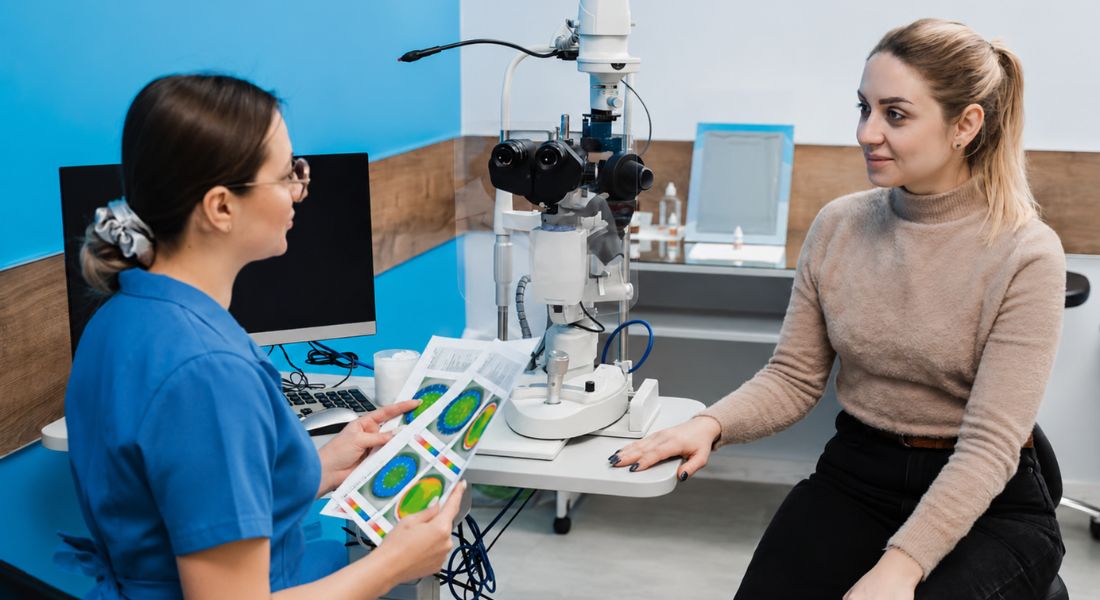
Several inherited retinal diseases are being investigated for gene therapy, giving you hope that more conditions may become treatable in the future. If you have an inherited eye disease, your eligibility for gene therapy will depend on the specific genetic mutation responsible for your condition, which is why detailed genetic testing is such an important part of the assessment process.
If you have retinitis pigmentosa, you may benefit from one of the many gene therapy programmes currently being developed, as researchers are creating personalised treatments that target different genetic mutations. Encouraging progress has also been made for certain forms of Leber congenital amaurosis, and scientists continue to investigate additional mutations that may respond to similar therapies.
Researchers are also studying gene therapy for conditions such as Stargardt disease, choroideremia, and X-linked retinoschisis. As these treatments continue to develop, you may have more opportunities to preserve healthy retinal cells and slow vision loss before permanent damage occurs, although many of these therapies remain under clinical investigation.
Eye Conditions Being Studied for Gene Therapy
| Eye Condition | How Gene Therapy May Help | Current Status / Key Note |
| Retinitis Pigmentosa | May target specific genetic mutations that cause progressive retinal degeneration | Many gene therapy programmes remain under investigation |
| Leber Congenital Amaurosis | May replace or correct faulty genes linked to early-onset vision loss | Some forms have already shown important progress in gene therapy research |
| Stargardt Disease | May help address inherited changes affecting central vision | Still largely under clinical investigation |
| Choroideremia | May aim to preserve remaining retinal cells and slow disease progression | Research continues into long-term safety and effectiveness |
| X-Linked Retinoschisis | May support retinal function by targeting the underlying genetic cause | Still being studied as a potential future treatment area |
Evidence Note:
One of the strongest examples of gene therapy in eye care is voretigene neparvovec, also known as Luxturna, which is used for inherited retinal dystrophy caused by confirmed biallelic RPE65 gene mutations. In a phase 3 clinical trial, researchers found that this gene replacement treatment improved functional vision in patients with RPE65-mediated inherited retinal dystrophy, a condition that previously had no medical treatment option. For patients, this is important because it shows that gene therapy can work in carefully selected inherited retinal diseases, but it also highlights why genetic testing and retinal assessment are essential before treatment can be considered.
Gene Therapy Advances Expected in 2027
Gene therapy research is expected to keep expanding in 2027, especially for inherited eye conditions. These treatments aim to target the genetic cause of disease rather than only managing symptoms. Although many options are still being studied, they show important progress in personalised eye care.
- Wider Treatment Possibilities: Researchers are investigating gene therapies for more inherited retinal diseases and genetic mutations.
- Improved Delivery Methods: New delivery technologies may help genetic material reach retinal cells more accurately and effectively.
- More Personalised Care: Future planning may become more tailored to your specific genetic diagnosis and eye condition.
- Greater Access Over Time: International research and improved manufacturing may help make gene therapies more widely available in the future.
Overall, gene therapy advances expected in 2027 may create new hope for people with inherited eye conditions. While many treatments are still in clinical trials, each successful study brings the field closer to broader clinical use. These developments may improve future treatment options, long-term outcomes, and personalised care.
Improvements in Gene Delivery Systems
Delivering healthy genes safely into your retinal cells remains one of the biggest challenges in gene therapy. If you are considering future gene therapy treatments, you should know that researchers are working to improve the way therapeutic genes are delivered so that they can reach the affected areas of your retina more accurately and safely.
Scientists continue to develop more efficient delivery systems, known as vectors, that are capable of transporting healthy genetic material into damaged retinal tissue. These improved vectors may help more therapeutic material enter your target cells, allowing you to benefit from better treatment effectiveness while potentially reducing the amount of genetic material required.
Researchers are also investigating ways to minimise inflammation and other unwanted effects after treatment. As these delivery systems continue to improve, you may benefit from safer, more precise, and longer-lasting gene therapies. Although these advances are still being evaluated, you can expect them to play an important role in the future development of gene therapy for inherited eye conditions.
Viral Vector Innovations
Most gene therapies currently rely on modified viruses known as viral vectors. If you receive gene therapy in the future, you should know that these viruses have been carefully engineered so they cannot cause disease. Instead, they act as carriers that deliver healthy genetic material directly into your retinal cells.
Researchers are continually improving viral vectors to make them more efficient and safer. As these technologies develop, you may benefit from vectors that deliver genes more accurately to the affected areas of your retina while reducing the likelihood of unwanted side effects. These improvements are designed to help your treatment become more precise and effective.
Future viral vectors may also require smaller treatment doses while achieving better delivery of therapeutic genes. As several next-generation viral vector systems continue through clinical evaluation during 2027, you can expect ongoing advances that may expand the range of inherited eye conditions suitable for gene therapy and improve long-term treatment outcomes.
Non-Viral Gene Delivery
Non-viral gene delivery is attracting increasing attention as researchers explore new ways to treat inherited eye diseases. If you are interested in future gene therapy developments, you may hear about approaches that use nanoparticles or specially designed chemical carriers instead of modified viruses to deliver healthy genetic material into your retinal cells.
These non-viral delivery systems may provide greater flexibility for certain treatments and could offer additional options for conditions that are difficult to treat using current viral vectors. Researchers are also investigating whether these technologies can simplify manufacturing, improve treatment efficiency, and reduce the risk of certain immune responses, potentially making gene therapy safer for you.
Although more research is still needed before these methods become widely available, non-viral delivery technologies continue to make encouraging progress. As studies advance throughout 2027 and beyond, you may benefit from new treatment approaches that expand the possibilities of gene therapy while improving safety, precision, and accessibility.
Personalised Medicine
Every inherited eye condition is unique because different genetic mutations affect different people. If you have an inherited retinal disease, your treatment needs may differ from those of someone with the same diagnosis but a different genetic mutation. This is why personalised medicine is becoming an increasingly important part of modern eye care.
Personalised medicine aims to match treatment to your specific genetic profile. By identifying the exact mutation responsible for your condition, your specialist can determine whether you may be suitable for a particular gene therapy or another targeted treatment. This approach helps ensure that you receive care that is tailored to your individual needs.
As genetic databases continue to expand and researchers gain a better understanding of inherited eye diseases, you can expect treatment decisions to become more accurate and individualised. These advances may improve your chances of receiving the most appropriate therapy while supporting better long-term outcomes and more personalised care in the future.
Advances in Genetic Testing
Genetic testing is an essential step before you can be considered for gene therapy. If you have an inherited retinal disease, genetic testing helps identify the precise mutation responsible for your condition, allowing your specialist to determine whether you may be suitable for current or emerging gene-based treatments.
Modern genetic testing has become faster, more accurate, and increasingly accessible. As these technologies continue to improve, you may receive a diagnosis more quickly and gain a clearer understanding of the genetic changes affecting your vision. This information can help you and your healthcare team make more informed decisions about your treatment options.
Earlier and more precise genetic diagnosis may also allow treatment before significant retinal damage occurs. As research continues to advance, you can expect genetic testing to play an even greater role in personalised eye care, helping you access the most appropriate therapies and supporting better long-term visual outcomes.
Key Facts: Genetic Testing and Eye Gene Therapy
Gene therapy is usually gene-specific, not condition-name-specific.
- Two people with the same diagnosis may have different genetic causes.
- Genetic testing helps identify whether an approved treatment or clinical trial may be relevant.
- Genetic counselling is important because results may have implications for family members.
- A positive genetic result does not always mean treatment is immediately available.
This is useful because inherited retinal diseases are highly genetically diverse, with more than 250 disease-associated genes reported in large molecular studies.
Artificial Intelligence Supporting Gene Therapy
Artificial intelligence is expected to play an increasingly important role in the future of gene therapy and ophthalmology. If you are being assessed for an inherited eye condition, AI may help your specialist analyse complex genetic information more quickly and support more informed treatment decisions.
AI systems can process large amounts of genetic and clinical data much faster than traditional methods. By identifying patterns that may not be immediately obvious, AI can help researchers better understand how inherited eye diseases progress and may improve the way your condition is assessed and monitored over time.
When combined with advanced retinal imaging, AI has the potential to support more personalised treatment planning. As these technologies continue to develop, you may benefit from more accurate diagnoses, better selection of suitable gene therapies, and care that is increasingly tailored to your individual genetic profile and eye health.
Clinical Trials Expected During 2027
Clinical trials remain essential for developing new gene therapies for inherited eye diseases. If you are interested in future treatment options, you should know that every new therapy must undergo careful clinical testing to evaluate its safety, effectiveness, and long-term outcomes before it can become widely available.
Researchers are continuing to study gene therapies for a range of inherited eye conditions, and many ongoing clinical trials are expected to provide valuable new data during 2027. As these studies progress, you may gain access to more evidence about which treatments work best for specific genetic mutations and which patients are most likely to benefit.
Successful trial results may lead to larger international studies and, ultimately, future regulatory approvals. Although not every treatment being investigated will become available immediately, you can expect clinical trials to remain a vital part of advancing gene therapy and expanding future treatment opportunities for people with inherited eye conditions.
Gene Editing Technologies
Gene editing is another exciting area of research that may transform the future of inherited eye disease treatment. If you have a genetic eye condition, you may benefit from future therapies that not only add healthy genes but also directly correct the faulty DNA responsible for your condition.
Unlike traditional gene replacement, gene editing aims to repair genetic mutations within your retinal cells. Technologies such as CRISPR continue to attract significant scientific interest because they offer the potential to make highly precise changes to your DNA, helping to restore normal cellular function in selected inherited eye diseases.
Although much research is still needed before these treatments become widely available, you can expect gene editing technologies to continue advancing over the coming years. As scientists improve their understanding of these techniques, you may have access to more precise and personalised treatment options that target the underlying genetic cause of your condition.
Regenerative Ophthalmology
Gene therapy may eventually work alongside regenerative medicine to provide more advanced treatment options for inherited eye diseases. If you have a condition that causes damage to your retina, you may benefit from future approaches that combine genetic treatments with regenerative techniques to support retinal repair.
Researchers are investigating how gene therapy and stem cell therapies can work together to repair or replace damaged retinal tissue. By combining these approaches, scientists hope to improve retinal function and preserve vision more effectively than either treatment could achieve on its own.
Although these combined therapies remain experimental and require further clinical research, they represent an exciting area of ophthalmology. As research continues to progress, you can expect regenerative medicine and gene therapy to play an increasingly important role in developing more personalised and effective treatments for inherited eye conditions.
Safety Considerations
Patient safety remains the highest priority throughout gene therapy research. If you are considering gene therapy now or in the future, you can be reassured that every potential treatment undergoes extensive laboratory testing before it is allowed to enter clinical trials.
Before a gene therapy becomes widely available, researchers carefully evaluate its safety, effectiveness, and potential risks through multiple stages of clinical testing. If you take part in a clinical trial or receive an approved treatment, you will continue to have regular follow-up appointments so your healthcare team can monitor your eye health, assess your response to treatment, and identify any potential side effects.
Researchers also study possible immune reactions and long-term outcomes to ensure gene therapies remain as safe as possible over time. As scientific knowledge continues to grow, you can expect safety standards to remain central to every stage of gene therapy development, helping you benefit from treatments that are supported by robust clinical evidence.
Who May Be Suitable for Gene Therapy?
Not every patient is currently eligible for gene therapy, as suitability depends on several important factors. If you have an inherited eye condition, your diagnosis, the specific genetic mutation responsible for your disease, and the overall health of your retina will all influence whether you may be considered for this type of treatment.
To determine if gene therapy is appropriate for you, your specialist will usually arrange comprehensive eye examinations together with detailed genetic testing. These assessments help identify the exact cause of your condition and allow your ophthalmologist to evaluate whether you may benefit from an approved therapy or a treatment being investigated through clinical research.
Your ophthalmologist will discuss the options that are most relevant to your individual circumstances and explain the potential benefits and limitations of gene therapy. As research continues to expand, you can expect more inherited eye conditions to become eligible for targeted treatments, giving you greater access to personalised care in the future.
UK Clinical Practice Note:
In the UK, gene therapy is not currently available for every inherited retinal disease. NICE recommends voretigene neparvovec only for people with vision loss from inherited retinal dystrophy caused by confirmed biallelic RPE65 mutations, and only when there are enough viable retinal cells remaining. This means your exact genetic diagnosis and the condition of your retina are both central to deciding whether an approved treatment, clinical trial or monitoring plan is most appropriate.
Challenges Facing Gene Therapy
Although gene therapy shows enormous promise, several challenges remain before it can become a treatment option for more people. If you are following developments in this field, you should understand that researchers are continuing to improve the technology while addressing important scientific and practical limitations.
Scientists are working to develop more effective gene delivery methods, reduce the cost of treatment, and expand the number of inherited eye conditions that may be treated through gene therapy. As these advances continue, you may benefit from therapies that are more accessible, more precise, and suitable for a wider range of genetic mutations.
Researchers are also carrying out long-term studies to understand how durable the effects of gene therapy remain over many years. As more evidence becomes available, you can expect a clearer understanding of the long-term benefits, safety, and effectiveness of these treatments, helping your specialist make informed recommendations based on the latest clinical research.
The Future of Gene Therapy in Eye Care
The future of gene therapy in eye care appears increasingly encouraging as scientific knowledge continues to expand. If you have an inherited eye condition, you may benefit from treatments that become more precise, more personalised, and suitable for a wider range of genetic eye diseases over the coming years.
Researchers are combining advances in gene therapy with improved diagnostic technologies, more accurate genetic testing, and artificial intelligence to enhance treatment planning and patient care. As these innovations continue to develop, you can expect your specialist to have better tools for identifying the most appropriate treatment based on your individual genetic profile and retinal health.
Although many of these therapies remain under investigation, the progress being made offers genuine optimism for the future. As research continues, you may see gene therapy play an increasingly important role in preserving vision, slowing disease progression, and improving long-term outcomes for people living with inherited eye conditions.
Are New Treatments Expected in 2027?
Researchers expect continued progress in gene therapy throughout 2027, with ongoing clinical trials, improved gene delivery systems, and advances in personalised medicine helping to shape the future of inherited eye disease treatment. If you are following developments in this field, you can expect new research to expand our understanding of which patients are most likely to benefit from these innovative therapies.
You may also see advances in genetic testing, artificial intelligence, and treatment planning that support more personalised care. These developments aim to improve treatment accuracy, increase safety, and help specialists select the most appropriate therapy based on your individual genetic profile and eye condition.
Although many promising therapies are expected to make significant progress during 2027, you should understand that most will still require further clinical research and regulatory approval before becoming widely available. As evidence continues to grow, you can expect gene therapy to play an increasingly important role in preserving vision and improving outcomes for people with inherited eye diseases.
Myth vs Fact:
| Myth | Fact |
| Gene therapy can treat all inherited eye diseases. | It is currently suitable only for selected genetic conditions, and many therapies are still in clinical trials. |
| A diagnosis of retinitis pigmentosa automatically means gene therapy is available. | Retinitis pigmentosa can be caused by many different genes, so genetic testing is needed first. |
| Gene therapy restores normal vision for everyone. | The aim is often to improve functional vision, slow progression or preserve remaining retinal cells, depending on the condition. |
| If treatment is promising in research, it is already available. | Clinical trials must show safety, effectiveness and durability before wider approval. |
| Genetic testing is only useful when treatment already exists. | Testing can help with diagnosis, prognosis, family counselling and future trial eligibility. |
Key Takeaways
- Gene therapy is one of the most important developments in inherited retinal disease care.
- It works by targeting the genetic cause of disease rather than only managing symptoms.
- The eye is well suited to gene therapy because treatment can be delivered precisely and monitored closely.
- Genetic testing is essential because treatment suitability depends on the exact mutation.
- In the UK, approved retinal gene therapy is currently limited to selected patients with RPE65-mediated inherited retinal dystrophy.
- Many 2027 developments are likely to involve improved delivery systems, gene editing research, clinical trial progress and more personalised treatment planning.
- Most emerging treatments remain investigational, so patients should discuss realistic options with an ophthalmologist experienced in inherited retinal diseases.
FAQs:
- What is gene therapy for inherited eye diseases?
Gene therapy is a treatment that aims to correct or replace faulty genes responsible for certain inherited eye conditions. Rather than simply managing symptoms, it targets the underlying genetic cause of vision loss. Although not suitable for every condition, ongoing research is expanding the range of diseases that may benefit from this approach. - Which eye conditions may benefit from gene therapy?
Researchers are investigating gene therapy for several inherited retinal diseases, including retinitis pigmentosa, Leber congenital amaurosis, Stargardt disease, choroideremia, and X-linked retinoschisis. Eligibility depends on the specific genetic mutation causing the condition. Genetic testing is therefore an important step in determining whether gene therapy may be an option. - How does gene therapy work in the eye?
Before treatment, genetic testing identifies the mutation responsible for your eye condition. Healthy genetic material is then delivered into retinal cells using specialised carriers called vectors. The new genes help retinal cells function more effectively and may slow the progression of vision loss. - Why is the eye considered suitable for gene therapy?
The eye is well suited to gene therapy because specialists can monitor it closely using advanced imaging technology. Treatments can be delivered directly to the retina with a high degree of precision. In addition, the eye’s unique immune environment may reduce the risk of certain immune reactions compared with other parts of the body. - Is gene therapy currently available for everyone with inherited eye disease?
No, gene therapy is not currently suitable for everyone with an inherited eye condition. Your eligibility depends on factors such as your diagnosis, genetic mutation, and the overall health of your retina. Your ophthalmologist will assess these factors before recommending any treatment options. - What advances are expected in gene therapy during 2027?
Researchers expect continued progress in gene delivery systems, personalised medicine, and clinical trials throughout 2027. Improved technologies may allow treatments to become more accurate, safer, and suitable for a wider range of inherited eye diseases. However, many therapies will still require further research before becoming widely available. - How does genetic testing support gene therapy?
Genetic testing identifies the exact mutation responsible for an inherited eye condition. This information helps specialists determine whether a patient may be eligible for a specific gene therapy. It also supports more personalised treatment planning and may improve long-term outcomes. - What role could artificial intelligence play in gene therapy?
Artificial intelligence can help analyse complex genetic and clinical data more quickly than traditional methods. It may assist specialists in diagnosing inherited eye diseases, selecting suitable treatments, and monitoring disease progression. As AI continues to develop, it is expected to support increasingly personalised eye care. - Are gene therapy treatments safe?
Gene therapy treatments undergo extensive laboratory research and multiple stages of clinical trials before they are approved for wider use. Researchers carefully monitor safety, effectiveness, and potential side effects throughout the development process. Patients also receive regular follow-up appointments after treatment to assess their progress and eye health. - What does the future of gene therapy in eye care look like?
The future of gene therapy appears increasingly promising as research continues to advance. Scientists are working towards more precise treatments, improved gene editing techniques, and better delivery methods for inherited eye diseases. While many therapies remain under investigation, ongoing progress offers hope for improved vision preservation and more personalised care in the years ahead.
Final Thoughts: Looking Ahead to the Future of Gene Therapy in Eye Care
Gene therapy is transforming the future of ophthalmology by targeting the genetic causes of inherited eye diseases rather than simply managing their symptoms. Although many of the advances expected during 2027 remain within clinical research, continued progress in gene delivery, genetic testing, artificial intelligence, and personalised medicine offers genuine hope for more effective treatments in the years ahead.
If you have an inherited eye condition or a family history of one, staying informed about emerging developments and discussing your options with an experienced ophthalmologist can help you prepare for future treatment opportunities. As scientific research continues to evolve, gene therapy is expected to play an increasingly important role in preserving vision and improving long-term outcomes. If you have any concerns about your eyesight, you can contact our team at Eye Clinic London for a comprehensive assessment and personalised advice.
References:
- Butt, F.R., Dhivagaran, T., Li, B., Ashamalla, M., Tao, B.K., Balas, M., Pereira, A., Yan, P. and Arjmand, P. (2025) ‘Gene Therapy for Inherited Retinal Disease: Current Strategies, Personalized Medicine, and Future Implications A Comprehensive Review’, Journal of Personalized Medicine, 15(12), p.619. Available at: https://www.mdpi.com/2075-4426/15/12/619
- Maguire, A.M., Russell, S., Wellman, J.A., Chung, D.C., Yu, Z.F., Tillman, A., Wittes, J., Pappas, J., Elci, O., Marshall, K.A. and others (2019) ‘Efficacy, Safety, and Durability of Voretigene Neparvovec-rzyl in RPE65 Mutation–Associated Inherited Retinal Dystrophy: Results of Phase 1 and 3 Trials’, Ophthalmology, 126(9), pp.1273–1285. Available at: https://www.sciencedirect.com/science/article/pii/S0161642018327064
- Brar, A.S., Parameswarappa, D.C., Takkar, B., Narayanan, R., Jalali, S., Mandal, S., Fujinami, K. and Padhy, S.K. (2024) ‘Gene Therapy for Inherited Retinal Diseases: From Laboratory Bench to Patient Bedside and Beyond’, Ophthalmology and Therapy, 13, pp.21–50. Available at: https://pmc.ncbi.nlm.nih.gov/articles/PMC10776519/
- Abu Elasal, M., Mousa, S., Salameh, M., Blumenfeld, A., Khateb, S., Banin, E. and Sharon, D. (2024) ‘Genetic Analysis of 252 Index Cases with Inherited Retinal Diseases Using a Panel of 351 Retinal Genes’, Genes, 15(7), p.926. Available at: https://www.mdpi.com/2073-4425/15/7/926
- Patel, M.J., Sheth, S., Mar, J., Gregori, N.Z. and Sengillo, J.D. (2025) ‘Surgical Approaches to Retinal Gene Therapy: 2025 Update’, Bioengineering, 12(10), p.1122. Available at: https://www.mdpi.com/2306-5354/12/10/1122