


Stem Cell Research in Ophthalmology: What to Expect in 2027

Stem cell research has become one of the most exciting areas in modern ophthalmology. If you are exploring future eye care options, you should know that this field focuses on using your body’s natural regenerative potential to repair or replace damaged eye tissues. Over the past decade, stem cell therapy has moved from experimental laboratory studies into early clinical applications, marking an important step forward in regenerative medicine.
In ophthalmology, stem cell therapies are being investigated for a wide range of conditions, including retinal disease, corneal damage, and optic nerve degeneration. The concept is straightforward but powerful: instead of only helping you manage symptoms, these therapies aim to restore lost function by replacing or supporting damaged cells within your eye.
As you move into 2027, you can expect research in this field to accelerate further, with improved techniques, stronger safety data, and more refined clinical trials. Although many treatments are still not widely available, the overall direction of progress suggests that regenerative medicine may play an increasingly important role in treating conditions that were previously considered irreversible causes of vision loss.
Expanding Role of Stem Cells in Eye Repair
Stem cells are unique because they can develop into different types of specialised cells. If you are following advances in eye care, you should understand that this flexibility means they may eventually be used to replace damaged retinal, corneal, or optic nerve cells.
Researchers are currently working on ways to guide these cells so they behave in predictable and safe ways once introduced into the eye. As you move into 2027, you can expect more refined laboratory and clinical protocols to improve the consistency and reliability of research outcomes, helping ensure that treatments perform more predictably across different patients.
The long-term goal of this research is to develop dependable cell-based therapies that can help preserve vision, support damaged tissue, or potentially restore aspects of visual function in carefully selected cases or prevent further deterioration. While these treatments are still under development, ongoing progress suggests that stem cell–based eye repair may become an increasingly important part of future ophthalmic care.
Main Eye Conditions Being Studied for Stem Cell Therapy
| Eye Condition / Area | What Stem Cell Research Is Trying to Do | Current Research Status |
| Corneal Damage / Limbal Stem Cell Deficiency | Restore the corneal surface and improve clarity by replacing or supporting damaged limbal stem cells | One of the most clinically advanced areas of stem cell eye care |
| Age-Related Macular Degeneration | Replace or support damaged retinal pigment epithelium cells | Promising, but still investigational for most patients |
| Inherited Retinal Diseases | Replace damaged retinal cells or support remaining retinal function | Active research area, especially for personalised approaches |
| Photoreceptor Damage | Develop lab-grown photoreceptors that may integrate with the retina | Highly complex and still experimental |
| Optic Nerve Damage / Glaucoma-Related Damage | Support nerve protection or possible regeneration | Very challenging and not yet routine treatment |
| Retinal Pigment Epithelium Disease | Use stem cell-derived RPE cells to support retinal health | Progressing through specialist clinical research |
Retinal Regeneration Research
One of the most promising areas of stem cell research in ophthalmology focuses on retinal diseases. If you are affected by conditions such as age-related macular degeneration or inherited retinal disorders, you should know that these conditions often lead to permanent damage to retinal cells and progressive vision loss.
Stem cell research aims to replace damaged retinal pigment cells and photoreceptors in an effort to restore retinal structure and function. Early studies have shown encouraging results, including signs of partial visual improvement and better retinal activity in carefully selected cases.
As you move into 2027 and beyond, researchers are expected to further refine these techniques to improve safety, consistency, and long-term outcomes. While these therapies are still under investigation, continued progress suggests that retinal regeneration may become an increasingly important focus of future vision restoration treatments.
Treatment of Corneal Damage
The cornea is one of the most accessible parts of your eye for regenerative treatments, which makes it an important focus in stem cell research. If you are affected by conditions such as corneal scarring or limbal stem cell deficiency, you should know that these issues can significantly reduce vision clarity and may not always respond fully to conventional treatments.
Stem cell therapy is already being explored as a way to restore the corneal surface and improve vision without the need for full corneal transplantation in some cases. By supporting or replacing damaged limbal stem cells, these treatments aim to help regenerate the cornea’s natural protective and transparent properties.
As you move into 2027, improvements in tissue engineering and cell cultivation techniques are expected to make these approaches more practical and reliable. This area is currently considered one of the most clinically advanced applications of stem cell therapy, and ongoing research continues to refine how these treatments can be safely and effectively used in routine eye care.
Evidence Note:
One of the most established examples of stem cell treatment in eye care is limbal stem cell therapy for severe limbal stem cell deficiency, particularly after chemical or thermal eye burns. NICE has assessed Holoclar, a treatment made from a patient’s own limbal cells, for adults with moderate to severe limbal stem cell deficiency after eye burns. For patients, this shows that stem cell therapy is not just theoretical in ophthalmology, but it is currently limited to very specific conditions and carefully selected cases.
Advances in Retinal Pigment Epithelium (RPE) Therapy
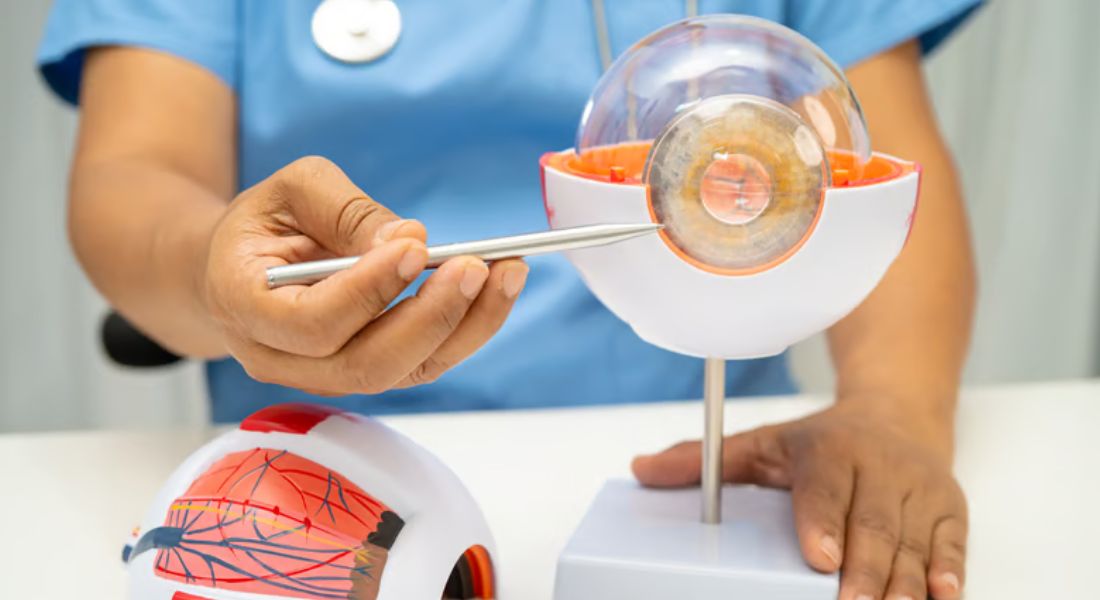
Retinal pigment epithelium (RPE) cells play a crucial role in maintaining healthy vision, and if you have a degenerative retinal condition, you should know that damage to these cells is often a key factor in progressive vision loss.
Researchers are developing stem cell–derived RPE cells that can be implanted into your eye with the aim of replacing damaged tissue and supporting remaining retinal function. The goal of these therapies is not only to slow disease progression but, in some cases, to help preserve or partially restore visual function by improving the health of the surrounding retinal environment.
Ongoing clinical trials are continuing to refine both the safety and effectiveness of these approaches. As you move through 2027, you can expect further improvements in how these RPE cell therapies are produced, delivered, and evaluated, helping to shape more reliable and personalised regenerative treatment options for retinal diseases.
Research Note:
Retinal stem cell research is progressing, especially in retinal pigment epithelium replacement for conditions such as age-related macular degeneration. Early clinical studies have investigated human embryonic stem cell-derived RPE cells and RPE patches, with results supporting feasibility and early safety in carefully selected patients. However, these approaches remain specialised and investigational for most retinal diseases, so they should not be presented as widely available treatments yet.
Photoreceptor Replacement Studies
Photoreceptors are the light-sensitive cells in your retina responsible for converting light into visual signals. If you are affected by retinal disease, you should know that once these cells are damaged, they cannot naturally regenerate in humans, which is why vision loss in these conditions is often permanent.
Stem cell research is currently exploring whether lab-grown photoreceptors can be transplanted into the retina to help restore visual function. This is a highly complex area of regenerative medicine because the new cells must not only survive after transplantation but also correctly integrate into the existing retinal structure and connect with the visual system.
Early research findings have been encouraging, showing that partial integration and functional responses may be possible under carefully controlled conditions. As you move into 2027, further advancements are expected in cell integration techniques, which may improve how effectively these transplanted photoreceptors connect with your retina and contribute to meaningful visual improvement.
Optic Nerve Regeneration Challenges
The optic nerve carries visual information from your eye to your brain, and if you are affected by conditions such as glaucoma, you should know that damage to this nerve is currently considered irreversible with existing treatments.
Researchers are investigating whether stem cells can support optic nerve regeneration or help protect the remaining nerve fibres from further damage. This remains one of the most challenging areas in ophthalmology because successful treatment requires not only repairing nerve tissue but also re-establishing the complex connections needed for visual signals to reach the brain.
Despite these challenges, neuroprotective and regenerative strategies are showing gradual progress. As you move into 2027, you can expect continued research into ways to slow optic nerve damage and potentially support partial regeneration, offering hope for future treatments that go beyond simply managing disease progression.
Use of Induced Pluripotent Stem Cells (iPSCs)
Induced pluripotent stem cells (iPSCs) are adult cells that have been reprogrammed to behave like embryonic stem cells. If you are interested in personalised medicine, you should know that these cells are especially valuable in research because they can often be generated from your own tissue, such as skin or blood cells.
This personalised approach helps reduce the risk of immune rejection, since the cells used for treatment can be genetically matched to you. It also helps address some of the ethical concerns associated with the use of other stem cell types, making iPSCs a widely studied option in regenerative medicine.
As you move into 2027, iPSC-based therapies are expected to receive even greater attention in clinical research, particularly for inherited retinal diseases and other complex eye conditions. These developments represent an important step forward in creating more personalised and potentially safer regenerative treatments tailored to your individual genetic profile.
Safety Improvements in Stem Cell Therapy
Safety remains one of the most important concerns in stem cell research and clinical development. If you are considering future regenerative treatments, you should be aware that potential risks can include uncontrolled cell growth or incorrect cell differentiation, where transplanted cells do not develop into the intended cell type.
Researchers are actively working to reduce these risks by developing stricter laboratory protocols, more precise cell preparation techniques, and improved monitoring systems after treatment. These measures are designed to ensure that stem cells behave in a predictable and controlled way once introduced into the eye.
At the same time, regulatory frameworks are becoming more structured, with clearer guidelines for testing, approval, and long-term follow-up. As you move into 2027, these safety improvements are expected to play a key role in supporting wider clinical adoption of stem cell therapies, helping ensure that future treatments are both effective and reliably safe for patients.
Important Safety Warning:
Be cautious of clinics offering paid stem cell eye treatments outside regulated clinical trials or approved specialist pathways. Unapproved stem cell injections into the eye have caused serious complications, including severe vision loss. Before considering any stem cell treatment, ask whether it is approved, whether it is part of a properly regulated clinical trial, who is overseeing it, what evidence supports it, and what risks are known.
Advances in Cell Delivery Techniques
Delivering stem cells to the correct part of the eye is one of the biggest challenges in regenerative ophthalmology. Even advanced cells need accurate placement so they can survive, integrate, and function properly within delicate eye tissues.
- Targeted Injections: Direct injections may help place cells into specific retinal or corneal areas where treatment is needed.
- Supportive Scaffolds: Scaffolds can guide cell placement and help transplanted cells stay in the right position.
- Biodegradable Carriers: These carriers may release cells gradually and support better survival after delivery.
- Improved Treatment Precision: More refined delivery systems may improve accuracy, cell survival, and overall treatment effectiveness.
Overall, better cell delivery techniques could make stem cell eye treatments more precise and reliable in the future. As research moves into 2027, these advances may help improve how well transplanted cells survive and integrate. This could support better outcomes for people with retinal or corneal disease.
Bioengineered Eye Tissues
Scientists are also working on creating lab-grown eye tissues using stem cells combined with advanced biomaterials. If you are following developments in regenerative ophthalmology, you should know that this approach aims to recreate functional tissue that can potentially replace damaged parts of your eye.
These bioengineered tissues may include corneal layers, retinal patches, and other supportive structures that are essential for maintaining healthy vision. Although these technologies are still in the experimental stage, progress has been steady, and early research results are considered promising.
As you move towards 2027, you can expect continued refinement in how these tissues are designed, grown, and tested. In the long term, such innovations may reduce dependence on donor tissue and offer more consistent, personalised treatment options for people with complex eye conditions.
Combination with Gene Therapy
Stem cell therapy is increasingly being studied alongside gene therapy in regenerative ophthalmology. If you are affected by an inherited eye condition, you should know that simply replacing or repairing cells may not be enough in all cases—some treatments may also require correcting the underlying genetic defect for the new cells to function properly.
By combining these two approaches, researchers aim to improve overall treatment success in inherited eye diseases. Gene therapy can help correct or compensate for faulty genes, while stem cells may be used to replace damaged or non-functioning retinal cells. Together, these methods may offer a more comprehensive way of restoring or preserving vision.
As you move into 2027, you can expect this combined strategy to be explored more frequently in clinical trials. Although still highly experimental, this synergy represents one of the most advanced areas of research and may play an important role in shaping future personalised eye care treatments.
Personalised Stem Cell Treatments
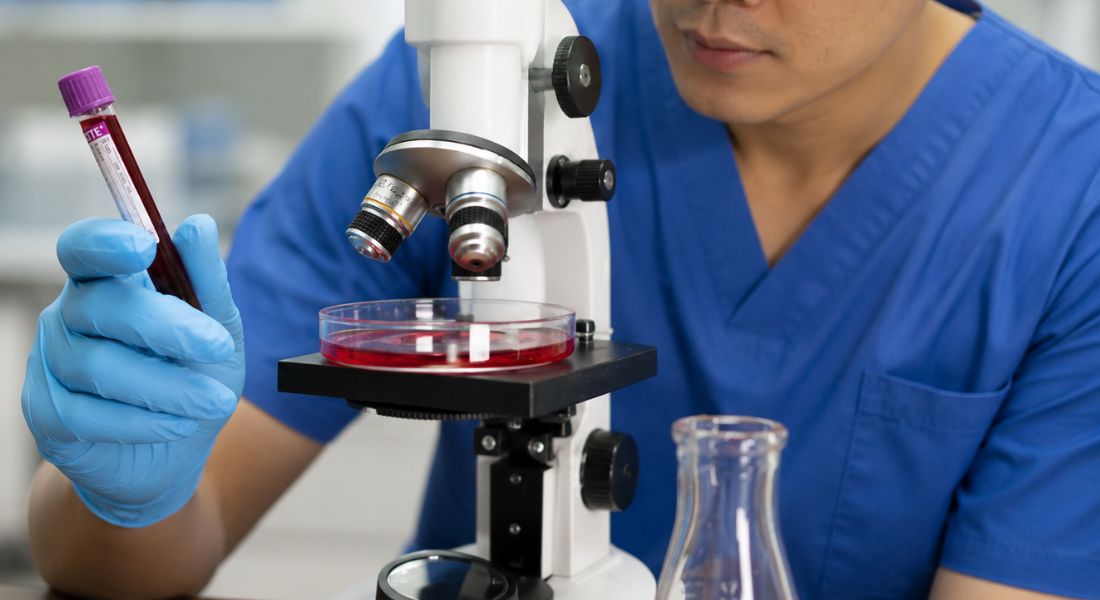
Personalised medicine is becoming a major trend in ophthalmology. If you are affected by an eye condition, you should know that future stem cell therapies may be tailored more closely to your individual genetic profile and the specific characteristics of your disease.
By designing treatments around your unique condition, researchers aim to improve outcomes while reducing the risk of complications. This could mean that in the future, the stem cells you receive are better matched to your eye’s needs, increasing the likelihood of successful integration and improved visual function.
As you move into 2027, you can expect more personalised clinical trial designs that reflect this shift towards precision medicine. Although still an emerging area, this approach represents an important step forward in making stem cell therapies more effective, safer, and better suited to your individual needs.
Clinical Trial Expansion
Clinical trials are essential for understanding how effective stem cell therapies are for eye conditions. If you are following developments in this field, you should know that more studies are now being conducted across multiple countries, allowing researchers to gather a broader and more reliable range of data.
These trials are helping scientists assess both short-term and long-term safety, as well as measuring how well treatments perform over time. By monitoring patients closely, researchers can better understand which approaches are most effective and which may need further refinement before becoming widely available.
As results from ongoing studies continue to emerge, they will play a key role in shaping future treatment approvals and clinical guidelines. Overall, you can expect the field to continue growing rapidly as more evidence becomes available and stem cell therapies move closer to routine use in ophthalmology.
Ethical and Regulatory Considerations
Stem cell research raises important ethical considerations, particularly around how different types of stem cells are sourced and how their long-term safety is ensured. If you are considering future regenerative treatments, you should know that these issues are taken very seriously by researchers and healthcare regulators.
Regulatory bodies are actively working to ensure that stem cell therapies are developed responsibly, with clear rules in place to protect patients while still supporting scientific innovation. These guidelines help ensure that any treatment offered to you has been properly tested for safety, quality, and effectiveness before it reaches clinical use.
As you move into 2027, you can expect these ethical and regulatory frameworks to continue evolving alongside scientific progress. Ongoing oversight will remain a key part of development, helping ensure that advances in stem cell therapy are introduced in a safe, controlled, and responsible way.
Role in Age-Related Eye Diseases
Age-related eye conditions such as macular degeneration are among the major targets for stem cell therapy. If you are affected by these conditions, you should know that they impact millions of people worldwide and are a leading cause of vision loss in older adults.
Stem cell treatments are being studied for their potential to slow disease progression and, in some cases, help restore partial vision by replacing or supporting damaged retinal cells. While these therapies are not yet widely available in routine clinical practice, research continues to advance steadily, with ongoing clinical trials helping to refine both safety and effectiveness.
As you move into 2027, you can expect continued progress in this area, as it remains one of the most promising applications of regenerative medicine in ophthalmology. Although challenges remain, stem cell research offers increasing hope for improving long-term outcomes in age-related vision loss.
Challenges in Integration with Existing Tissue
One of the biggest challenges in stem cell therapy is ensuring that transplanted cells integrate properly with your existing eye structures. If you are receiving or considering future treatment, you should know that even if new cells survive after transplantation, they may not improve vision unless they successfully connect and function with surrounding retinal tissue.
Researchers are actively developing techniques to improve how well these cells align, attach, and communicate with existing cells in the eye. This includes the use of supportive scaffolds that guide cell placement, as well as molecular signals designed to encourage proper organisation and connectivity within retinal layers.
As you move into 2027, continued progress in this area will be essential for improving long-term outcomes. Successful integration is a critical step in making stem cell therapies more effective, as it directly influences whether transplanted cells can contribute meaningfully to visual function and overall retinal repair.
Long-Term Outcome Research
Understanding how stem cell treatments perform over many years is essential for determining their long-term value in eye care. If you are considering future regenerative therapies, you should know that while early results may be promising, long-term evidence is still limited and continues to develop.
Researchers are actively tracking patients who have received experimental stem cell treatments to evaluate how durable your results are over time, as well as to monitor long-term safety. If you receive or consider such treatment in the future, this follow-up is what helps clinicians understand whether your vision improvements are sustained or change gradually over several years.
As you move into 2027, you will see more long-term studies being published, which will help improve clinical decision-making and treatment planning. These findings will play an important role in shaping future guidelines so that your care is based on stronger evidence about real-world outcomes.
Although the field is still evolving, ongoing research will help you and your clinician better understand how safe and effective stem cell therapies are in the long run.
Emerging Technologies Supporting Research
New technologies such as 3D bioprinting and advanced imaging are playing an increasingly important role in supporting stem cell research. If you are following developments in regenerative ophthalmology, you should know that these tools help scientists design, test, and refine potential treatments more efficiently and with greater precision.
These technologies also allow researchers to better understand how stem cells behave within the unique environment of your eye. By observing how cells interact, survive, and integrate with existing tissue, scientists can improve the design of future therapies and increase the likelihood of successful outcomes.
As you move into 2027, you can expect continued innovation in these supporting technologies, which will help accelerate research progress significantly. Overall, technology is becoming a major driving force in advancing stem cell therapies and bringing them closer to safe, effective clinical use.
Future Outlook for Stem Cell Ophthalmology
The field of stem cell ophthalmology is still evolving, but progress is steady and increasingly promising. If you are following developments in eye care, you should know that many therapies are still in experimental stages, although their clinical potential is becoming clearer with each new study.
As you move into 2027, you can expect further advances in safety, delivery systems, and treatment effectiveness. These improvements may help bring regenerative treatments closer to routine clinical use, making them more accessible and better suited to a wider range of eye conditions.
While challenges still remain, the overall direction of research suggests that the future of eye care is likely to become increasingly regenerative. As evidence continues to grow, you may see stem cell–based treatments play a much larger role in preserving vision and treating previously irreversible causes of vision loss.
Seeking Specialist Eye Care
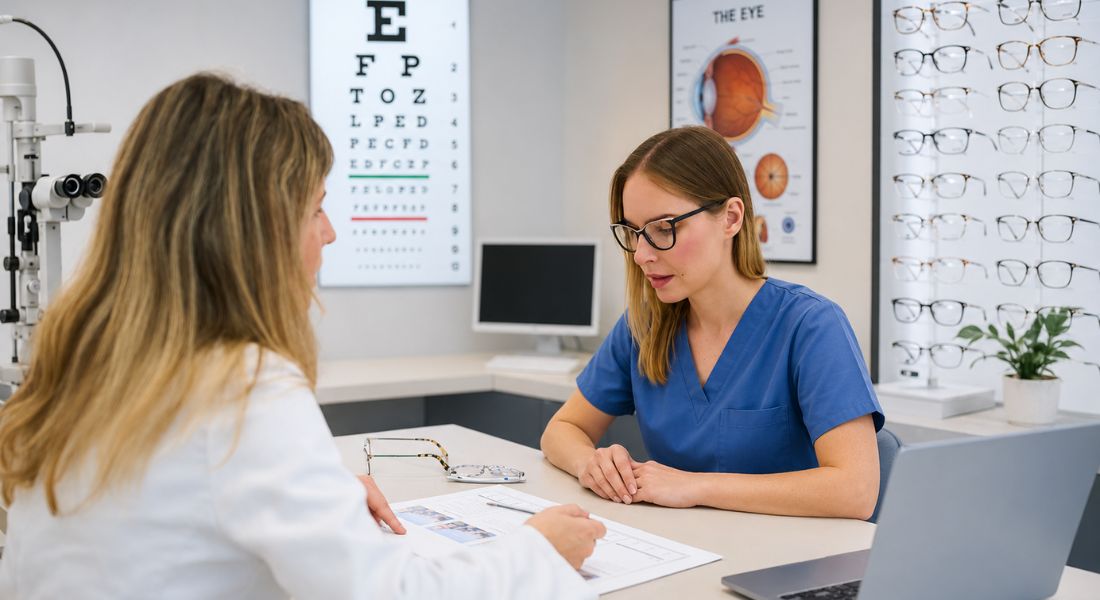
While stem cell treatments are not yet widely available in routine clinical practice, ongoing research is rapidly shaping future treatment possibilities in ophthalmology. If you are living with a complex or progressive eye condition, you should always seek assessment from a qualified eye specialist to ensure you receive the most appropriate evidence-based care available today.
Your specialist can evaluate your condition, explain current treatment options, and help you understand whether you may be suitable for any ongoing clinical trials or future emerging therapies. This ensures that your care is based on proven treatments while also keeping you informed about relevant scientific advances.
As research continues to progress, you can expect more regenerative options to become available in the future. However, for now, expert clinical guidance remains the most important step in managing your eye health safely and effectively.
Myth vs Fact:
| Myth | Fact |
| Stem cell therapy can cure most eye diseases now. | Most stem cell treatments for retinal and optic nerve disease are still experimental. |
| If a clinic offers stem cell treatment, it must be safe. | Some unapproved clinics market treatments without strong evidence or proper regulation. |
| Stem cells always become the right eye cells. | A key safety challenge is ensuring cells develop correctly and do not grow unpredictably. |
| Stem cell therapy is already routine for AMD. | RPE replacement for AMD is promising but remains investigational for most patients. |
| Corneal and retinal stem cell treatments are the same. | Corneal stem cell treatment is more clinically advanced, while many retinal applications are still in trials. |
Key Takeaways
- Stem cell research is one of the most promising areas in future ophthalmology.
- The most clinically advanced use is currently in selected corneal surface conditions, especially limbal stem cell deficiency.
- Retinal stem cell treatments, including RPE replacement for AMD, are progressing but remain investigational for most patients.
- Photoreceptor and optic nerve regeneration are more complex and are not yet routine treatments.
- iPSC-based therapies may support more personalised treatment in the future, but safety and manufacturing standards remain important.
- Patients should avoid unapproved commercial stem cell treatments and seek advice from a qualified ophthalmologist.
- In 2027, the biggest advances are likely to involve safer delivery methods, better trial design, improved long-term monitoring and more personalised regenerative approaches.
FAQs:
- What are stem cells and why are they important in eye care?
Stem cells are unique cells that can develop into different specialised cell types in the body. In ophthalmology, they are important because they may help repair or replace damaged retinal, corneal, or optic nerve tissues. This makes them a promising option for conditions that currently have limited treatment options. - Which eye conditions could benefit from stem cell therapy?
Stem cell therapy is being studied for several conditions, including age-related macular degeneration, corneal scarring, limbal stem cell deficiency, and inherited retinal diseases. These conditions often involve permanent damage to eye tissues. Researchers hope stem cells may help restore some level of function in the future. - How do stem cells work in treating eye diseases?
Stem cells work by transforming into specialised eye cells such as retinal pigment cells or photoreceptors. Once introduced into the eye, they aim to replace damaged or lost cells and support tissue repair. This process is still being refined through ongoing research and clinical trials. - Why is the cornea a key focus for stem cell therapy?
The cornea is more accessible compared to deeper eye structures, making it easier to treat using regenerative techniques. Stem cell therapy for the cornea is already showing early clinical success in restoring clarity in damaged tissue. It is considered one of the most advanced applications of stem cell research in ophthalmology. - What is retinal regeneration research aiming to achieve?
Retinal regeneration research focuses on replacing damaged retinal pigment cells and photoreceptors. These cells are essential for vision, and their loss often leads to irreversible sight problems. Researchers hope stem cell therapy can restore partial or even significant retinal function in the future. - What are induced pluripotent stem cells (iPSCs)?
Induced pluripotent stem cells, or iPSCs, are adult cells reprogrammed to behave like embryonic stem cells. They are valuable because they can be created from a patient’s own tissue, reducing the risk of immune rejection. In 2027, iPSC research is expected to play a larger role in personalised eye treatments. - Are stem cell eye treatments safe?
Safety is one of the most important priorities in stem cell research. Risks such as uncontrolled cell growth or incorrect cell development are carefully studied in clinical trials. Researchers are developing strict guidelines and monitoring systems to improve safety outcomes. - How are stem cells delivered into the eye?
Stem cells can be delivered using different techniques, including injections, scaffolds, and biodegradable carriers. Each method is designed to help cells survive and integrate into the eye’s natural structure. Ongoing research in 2027 is expected to improve delivery precision and effectiveness. - What role does gene therapy play with stem cell treatment?
Gene therapy and stem cell therapy are increasingly being studied together for inherited eye diseases. Gene therapy may correct genetic defects before or alongside stem cell implantation. This combination could improve treatment success in complex cases. - What is the future outlook for stem cell therapy in ophthalmology?
The future of stem cell therapy in eye care is highly promising, with ongoing progress in safety, delivery methods, and clinical trials. Researchers expect more refined and personalised treatments to emerge in the coming years. Although still largely experimental, stem cell therapy may become a key part of regenerative eye care in the future.
Final Thoughts: The Future of Stem Cell Innovation in Eye Care
Stem cell research is steadily reshaping the future of ophthalmology by offering the possibility of repairing and regenerating eye tissues that were once considered permanently damaged. While most treatments are still in experimental or early clinical stages, the progress expected through 2027 suggests meaningful advances in safety, delivery systems, and clinical effectiveness.
If you are affected by a degenerative or inherited eye condition, these developments highlight a growing shift towards regenerative and personalised approaches in eye care. Continued research, improved technologies, and expanding clinical trials are bringing the field closer to practical, real-world treatments that may one day restore vision rather than simply slow its loss. If you have any concerns about your eyesight, you can contact our team at Eye Clinic London can provide a comprehensive assessment.
References:
- Rama, P., Matuska, S., Paganoni, G., Spinelli, A., De Luca, M. and Pellegrini, G. (2010) ‘Limbal stem-cell therapy and long-term corneal regeneration’, New England Journal of Medicine, 363(2), pp.147–155. Available at: https://pubmed.ncbi.nlm.nih.gov/20573916/
- Schwartz, S.D. et al. (2015) ‘Human embryonic stem cell-derived retinal pigment epithelium in patients with age-related macular degeneration and Stargardt’s macular dystrophy’, The Lancet. Available at: https://pubmed.ncbi.nlm.nih.gov/25458728/
- Wu, K.Y., Dhaliwal, J.K., Sasitharan, A. and Kalevar, A. (2024) ‘Cell Therapy for Retinal Degenerative Diseases: Progress and Prospects’, Pharmaceutics, 16(10), p.1299. Available at: https://www.mdpi.com/1999-4923/16/10/1299
- Niu, Y., Ji, J., Yao, K. and Fu, Q. (2024) ‘Regenerative treatment of ophthalmic diseases with stem cells: Principles, progress, and challenges’, Advances in Ophthalmology Practice and Research, 4(2), pp.52–64. Available at: https://www.sciencedirect.com/science/article/pii/S266737622400009X
- D’Esposito et al. (2021) ‘Effect of different titanium dental implant surfaces on human adipose mesenchymal stem cell behavior. An in vitro comparative study’, Applied Sciences, 11(14), p. 6353. Available at: https://www.mdpi.com/2076-3417/11/14/6353