


What Happens During an Eye Doctor Consultation?
If you have ever booked an eye appointment and felt unsure about what will happen, you are not alone. Many people attend their first consultation without a clear idea of what to expect. This can make the experience feel more uncertain than it needs to be. It is completely normal for you to have questions before your visit.
That uncertainty can sometimes make the appointment feel more stressful than necessary. You may not know how long it will take or what tests will be involved. This lack of clarity can create unnecessary worry. However, most eye consultations are much simpler than you might think.
In reality, an eye doctor consultation is usually straightforward, well organised, and comfortable for you. The process is designed to understand your vision and check your overall eye health. Each step is explained clearly during the appointment. This helps you feel more at ease throughout the visit.
The aim here is to help you feel confident and prepared before your appointment. When you know what to expect, the experience becomes much more relaxed. You can focus on your eye health without added stress. This makes your visit more positive and reassuring overall.
The Purpose of an Eye Consultation
An eye consultation is not just about checking whether you need glasses. It is a detailed assessment of how well your eyes function and how healthy they are overall. The appointment looks beyond simple vision correction and focuses on your complete eye health. This helps ensure any issues are identified early.
During the consultation, the specialist will assess your vision clarity and check how well your eyes work together. They will also examine the internal structures of your eyes to ensure everything appears normal. In addition, they look for early signs of eye conditions that may not yet be noticeable to you. Each step is carried out carefully to build a full picture of your eye health.
This means the consultation plays both a corrective and preventative role in your care. It helps improve your vision if needed while also protecting your long-term eye health. Regular consultations can detect problems early and reduce future risks. This gives you reassurance and helps maintain clear, healthy vision.
Booking Your Appointment
One of the first things you will notice is how easy it is to arrange an eye consultation, especially if you choose private care. The process is designed to be simple and convenient for you. You do not need to go through multiple steps or wait for approval. This makes it much easier to take action when you need to.
You can often book directly with an experienced eye specialist through Eye Clinic London without needing a referral. This means you can contact the clinic, choose a suitable time, and confirm your appointment quickly. The process is straightforward and user-friendly. It helps you access care without unnecessary delays.
This approach allows you to pick a time that fits your schedule and avoid long waiting periods. It also gives you the flexibility to seek a second opinion or request a more detailed assessment if needed. You have more control over how and when you receive care. This makes the overall experience more comfortable and efficient for you.
Preparing Before You Arrive
Before your appointment, it is helpful for you to gather a few important items in advance. Being prepared can make the consultation smoother and more efficient. It also ensures the specialist has all the information needed to assess your eyes properly. A little preparation can make a big difference to your overall experience.
You should bring your current glasses or contact lenses, along with any previous prescriptions you may have. It is also useful to prepare a list of any symptoms or concerns you have noticed. In addition, make a note of any medications you are currently taking. These details help the specialist understand your situation more clearly.
This preparation allows the consultation to be more accurate and personalised for you. It helps the specialist identify any changes in your vision or eye health more easily. As a result, you are more likely to receive the right advice or treatment. This makes your appointment more effective and reassuring.
The Initial Discussion
When you arrive for your appointment, the consultation will usually begin with a detailed conversation. This is an important first step, as it allows the specialist to understand your overall eye health and any concerns you may have. Rather than jumping straight into tests, time is taken to gather useful background information. This helps ensure that any examination or treatment is tailored specifically to your needs.
- Changes in your vision: You will be asked if you have noticed any recent changes in your vision. This could include blurriness, difficulty focusing, or trouble seeing at certain distances. Sharing these details helps the specialist identify potential issues early on.
- Any discomfort or symptoms: It is important to mention any discomfort you may be experiencing, such as dryness, irritation, or pain. Even minor symptoms can provide valuable clues about your eye health. Being open about what you feel helps guide the rest of the assessment.
- Your lifestyle and screen use: You may be asked about how much time you spend using screens or doing visually demanding tasks. Your daily habits can have a significant impact on your eye health and comfort. This information helps the specialist offer more personalised advice.
- Your medical history: Providing details about your medical history is an essential part of the discussion. Certain health conditions and medications can affect your eyes. This background allows the specialist to consider all relevant factors before proceeding with tests.
This initial discussion plays a key role in shaping the rest of your appointment. It ensures that the specialist has a clear understanding of your situation before carrying out any examinations. By sharing accurate and detailed information, you help make the consultation more effective. This leads to more precise assessments and better overall care for your eyes.
Vision Testing Explained
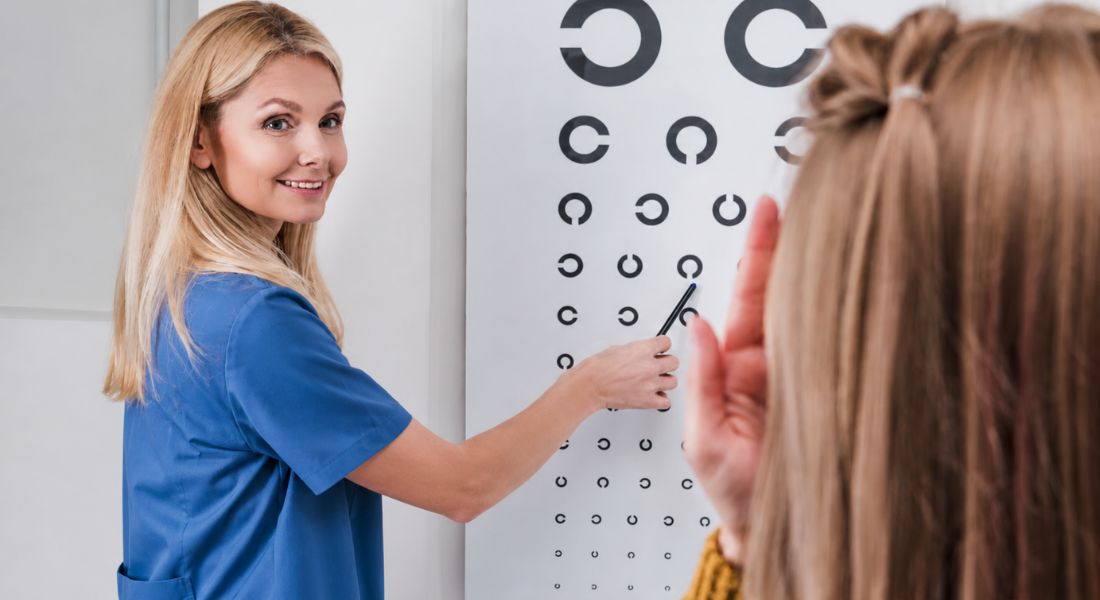
One of the first practical steps in your consultation is testing how clearly you can see. This part of the appointment focuses on measuring your vision and identifying any changes. It helps the specialist understand whether your eyesight is sharp or needs correction. The process is simple and easy for you to follow.
You will usually be asked to read letters from a chart placed at a distance. This allows the specialist to assess how well you can see far objects and determine if glasses or lenses are needed. You may also be asked to read smaller text up close to check your near vision. These tests give a clear picture of how your eyes perform in everyday situations.
All of these tests are quick, straightforward, and completely painless for you. They do not require any special preparation and are easy to complete. The results help guide the next steps in your care if needed. This makes vision testing an essential and reassuring part of your consultation.
Refraction Test for Prescription
If your vision needs correction, the doctor will carry out a refraction test during your consultation. This test is designed to find the most accurate prescription for your eyes. It focuses on improving how clearly you can see at different distances. The process is simple and carefully guided by the specialist.
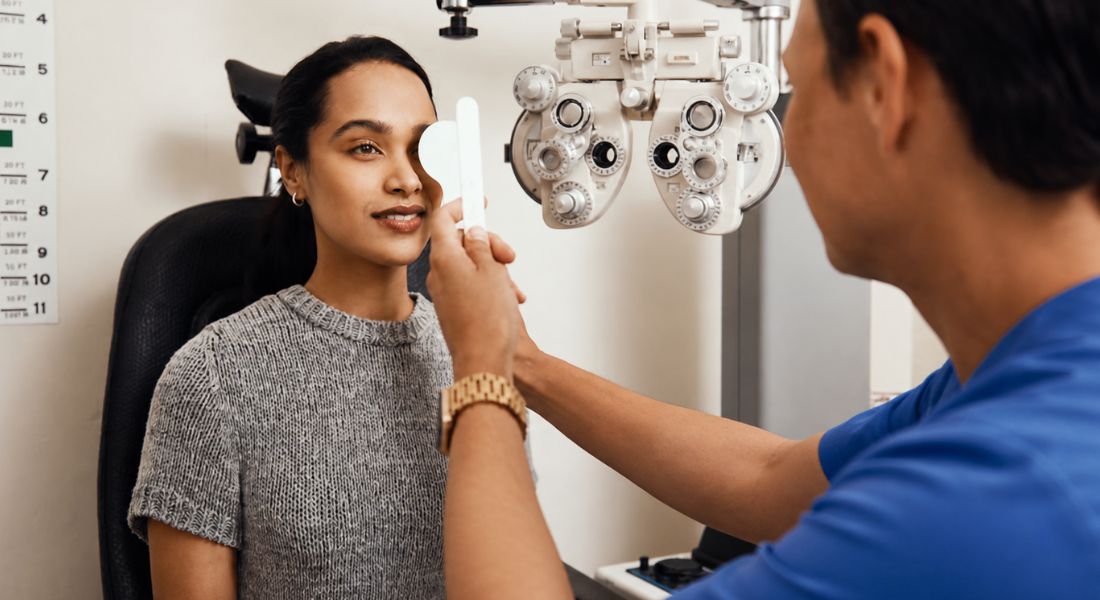
During the test, you will be asked to look through a series of lenses and compare which ones provide the clearest view. The doctor may switch between different options to fine-tune your vision. You might hear questions such as, “Which is clearer, option one or two?” These comparisons help identify the most suitable correction for you.
This process allows the specialist to determine the exact prescription needed for your glasses or contact lenses. It ensures your vision is as sharp and comfortable as possible. The test is quick, painless, and easy to follow. By the end, you will have a clear understanding of what correction, if any, is required.
Checking Eye Movement and Coordination
Your eyes do not just need to see clearly they also need to work together smoothly and efficiently. Good coordination between both eyes is essential for comfortable vision in everyday activities. During your appointment, the specialist may carry out a series of simple tests to assess how your eyes function as a team. These checks help identify issues that might not always be obvious during a standard vision test.
- How your eyes track moving objects: The specialist may ask you to follow a moving object with your eyes. This helps assess how smoothly and accurately your eyes can track motion. Poor tracking can sometimes lead to discomfort or difficulty when reading or using screens.
- How well they align: Your eye alignment will be checked to ensure both eyes are working together properly. If your eyes are not aligned, it can lead to problems such as double vision or reduced depth perception. Identifying this early helps guide appropriate treatment.
- How they focus between distances: You may be tested on how well your eyes shift focus between near and far objects. This ability is important for tasks like reading and then looking up at a screen or across a room. Difficulty in focusing can cause eye strain or fatigue over time.
These tests are particularly important if you experience symptoms such as headaches, eye strain, or double vision. They provide valuable insight into how your eyes function beyond basic clarity of vision. By identifying coordination issues early, the specialist can recommend solutions to improve your visual comfort. This ensures your eyes work together effectively in your daily life.
Eye Pressure Measurement
Measuring the pressure inside your eyes is an important part of your consultation. This test helps assess the health of your eyes and detect any underlying issues. It is especially useful for identifying conditions that may not show early symptoms. The procedure is quick and carried out with care.
This test plays a key role in detecting conditions such as glaucoma, which can develop without obvious warning signs. By measuring eye pressure, the specialist can identify potential risks early. Early detection allows for timely treatment if needed. This helps protect your long-term vision.
The procedure usually involves either a gentle puff of air or a small device lightly touching the surface of your eye. It may feel slightly unusual when performed, but it should not cause any pain. The test is over within seconds and does not require any recovery time. This makes it a simple yet valuable part of your eye examination.
Examining the Front of the Eye
During your appointment, the doctor will use a specialised microscope to closely examine the front part of your eye. This detailed assessment allows them to see structures that are not visible during a basic check. It is a quick and painless part of the examination, but it provides very important information about your eye health. By carefully reviewing these areas, the specialist can detect early signs of potential problems before they progress.
- The cornea: The cornea is the clear outer layer at the front of your eye. The doctor will check for scratches, infections, or irregularities that could affect your vision. Keeping the cornea healthy is essential for clear and comfortable sight.
- The iris: The iris is the coloured part of your eye that controls how much light enters. Examining it helps identify any abnormalities or signs of underlying conditions. This can also provide insight into how well your eye is regulating light.
- The lens: The lens sits behind the iris and helps focus light onto the retina. The doctor will look for any clouding or changes that may indicate early cataracts. Detecting these changes early allows for better management and treatment planning.
This part of the examination is essential for identifying issues such as infections, dryness, or early cataracts. It provides a detailed view of the eye’s front structures, helping the specialist make accurate assessments. Early detection often leads to more effective treatment and better outcomes. By examining these areas carefully, your overall eye health can be better protected.
Looking Inside Your Eye
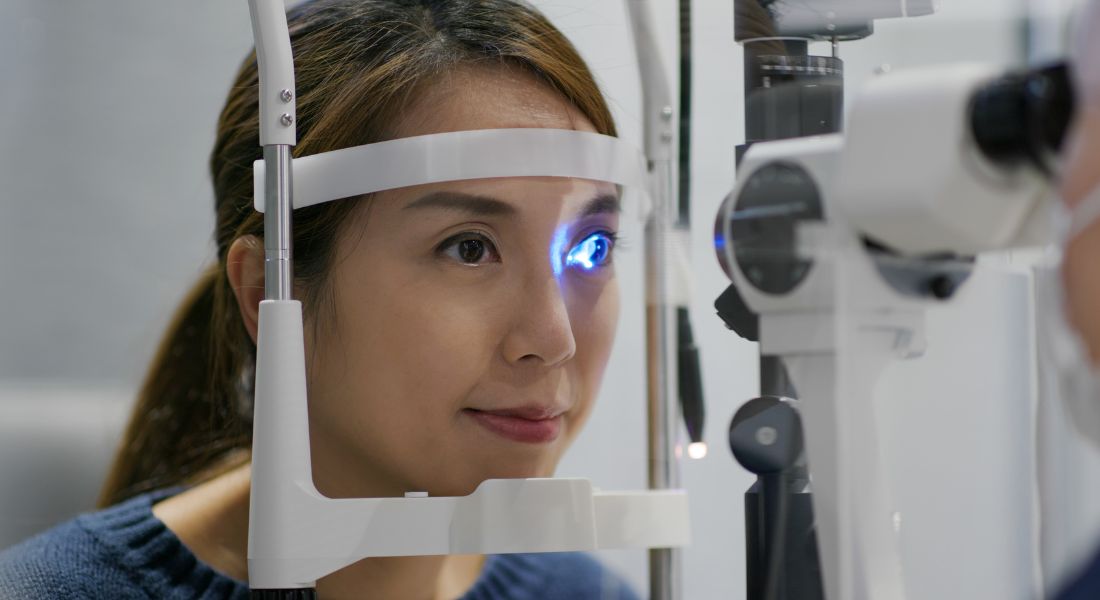
One of the most important parts of your consultation is examining the back of your eye. This area provides valuable information about your overall eye health. The specialist will carefully check structures such as the retina, the optic nerve, and the blood vessels. These parts play a key role in how your vision functions.
By looking closely at these internal structures, the doctor can identify any early changes or abnormalities. This includes signs of conditions that may not yet be affecting your vision. The examination is detailed but carried out in a calm and controlled way. It helps build a complete understanding of your eye health.
In some cases, eye drops may be used to widen, or dilate, your pupils for a clearer view. This allows the specialist to see deeper into your eye and examine it more thoroughly. The drops may cause temporary blurriness or sensitivity to light, but this will wear off after a short time. This step helps detect early signs of serious conditions and ensures nothing is missed.
Additional Imaging and Scans
In some cases, the specialist may recommend advanced imaging as part of your eye consultation. These tests provide highly detailed views of your eye structures that cannot be seen through standard examination alone. They help give a deeper understanding of your eye health. This can be especially useful if there are any concerns that need closer investigation.
Common examples include retinal scans, optical coherence tomography (OCT), and visual field testing. Each of these tests focuses on a different aspect of your vision and eye structure. They allow the specialist to detect very early signs of conditions that might not yet cause symptoms. This makes them an important tool in modern eye care.
Not every patient will need these scans, and they are only recommended when necessary. However, when used, they provide valuable information that supports accurate diagnosis and treatment planning. The tests are generally quick, non-invasive, and comfortable for you. They help ensure your eye care is as precise and thorough as possible.
Discussing the Results
Once all the tests are complete, the doctor will take time to explain the findings clearly to you. This part of the consultation is important because it helps you understand your eye health in simple terms. You will be guided through the results step by step. This ensures you feel informed and confident about your condition.
You will be told whether your vision is normal or if you need glasses or contact lenses. The doctor will also explain if any eye conditions have been detected and what they mean for you. If necessary, they may recommend further tests or treatment. This information helps you understand what steps to take next.
This is also your opportunity to ask any questions you may have. You can discuss your concerns, treatment options, or anything you did not fully understand. The goal is to make sure you leave the appointment with complete clarity. This helps you feel reassured and in control of your eye care.
Treatment or Recommendations
Once your examination is complete, the next steps will depend on what the specialist finds. In many cases, the outcome is straightforward and focused on improving your comfort and vision. The doctor will explain the results clearly and guide you through any necessary actions. This stage is all about ensuring you leave with a clear plan for managing your eye health.
- A prescription for glasses: If your vision needs correction, you may be given a prescription for glasses. This helps improve clarity and reduce strain during daily activities. Wearing the correct prescription can make a noticeable difference to your overall comfort.
- Advice on managing eye strain: If your symptoms are linked to screen use or fatigue, you may receive practical advice. This could include taking regular breaks, adjusting lighting, or improving screen positioning. These small changes can significantly reduce discomfort over time.
- Treatment for a specific condition: If a condition is identified, the specialist may recommend appropriate treatment. This could involve eye drops, medication, or other forms of care depending on the issue. Early treatment often helps prevent the condition from worsening.
- A referral if specialist care is required: In some cases, you may be referred to another specialist for further evaluation. This ensures you receive the most suitable care for more complex concerns. The referral process helps connect you with the right expertise when needed.
In many situations, the recommended solution is simple and easy for you to follow. The goal is to address any issues quickly while supporting your long-term eye health. Clear guidance from the specialist helps you feel confident about the next steps. With the right care plan in place, managing your vision becomes much more straightforward.
Follow-Up Appointments
Not every eye consultation ends with just one visit, and you may be asked to return for a follow-up. This depends on your results and whether any ongoing care is needed. Follow-up appointments are a normal part of managing your eye health. They help ensure everything is progressing as expected.
You may need to return if a condition requires monitoring over time or if you are starting a new treatment. In some cases, your prescription may need to be reviewed to check if any adjustments are required. These visits allow the specialist to track any changes in your vision or eye health. This ensures you continue to receive the right level of care.
Regular follow-ups play an important role in keeping your eyes healthy in the long term. They help detect any changes early and allow timely action if needed. This ongoing care provides reassurance and stability. It helps you maintain clear and comfortable vision over time.
How Long the Consultation Takes
Most eye consultations are relatively quick and easy to fit into your schedule. You do not usually need to set aside a large amount of time for the appointment. The process is designed to be efficient while still being thorough. This makes it convenient for you to attend without disrupting your day too much.
A standard appointment typically lasts between 20 and 45 minutes, depending on what is involved. If you require more detailed assessments or additional scans, the visit may take a little longer. The exact duration can vary based on your specific needs. However, the specialist will ensure everything is completed properly.
Even though the consultation is fairly short, the information gained can be extremely valuable. It provides a clear understanding of your vision and overall eye health. This allows any issues to be identified and managed early. As a result, the time spent is both worthwhile and reassuring for you.
Common Concerns Patients Have
It is completely normal for you to feel slightly anxious before your eye appointment. Many people have similar feelings, especially if it is their first visit. Not knowing exactly what will happen can create a sense of uncertainty. This is a very common and understandable reaction.
Some of the most common concerns include worrying about discomfort during tests, fearing bad news, or being unsure about the cost of the consultation. These thoughts can make the appointment feel more stressful than it actually is. You may also wonder how long the tests will take or what the results might show. These concerns are shared by many patients.
In reality, eye consultations are designed to be comfortable, informative, and reassuring for you. Most tests are quick, gentle, and completely painless. The specialist will guide you through each step and explain everything clearly. This helps you feel more at ease and confident throughout your visit.
Why Regular Consultations Are Important

Even if your vision feels fine, regular eye consultations are still essential for maintaining good eye health. It is easy to assume that no symptoms mean everything is normal, but this is not always the case. Many eye conditions can develop quietly without affecting your vision at first. This is why routine checks are so important for you.
Some eye conditions progress slowly and without noticeable warning signs. By the time you become aware of a problem, it may already be more advanced and harder to manage. Regular consultations help identify these issues before they begin to affect your vision. This allows for earlier and more effective treatment.
Routine eye checks play a key role in protecting your long-term vision. They help detect problems early, when they are easier to manage and treat. This gives you peace of mind and helps prevent complications in the future. Staying consistent with your appointments is one of the best ways to care for your eyes.
The Role of Technology in Modern Eye Care
Eye care has advanced significantly in recent years, transforming the way your eyes are examined and treated. Modern clinics now use highly precise equipment that can detect even the smallest changes in your eye health. These innovations allow specialists to identify problems much earlier than before. As a result, your consultation becomes more efficient, detailed, and tailored to your specific needs.
- More accurate diagnoses: Advanced diagnostic tools provide highly detailed images and measurements of your eyes. This allows the specialist to identify issues with greater precision than traditional methods. More accurate diagnoses lead to better-informed decisions about your care.
- Earlier detection of conditions: Modern technology can detect early signs of eye conditions before symptoms become noticeable. This is particularly important for conditions that develop slowly over time. Early detection gives you a better chance of managing or treating problems effectively.
- Better treatment outcomes: With improved diagnostic accuracy and early detection, treatments can be more targeted and effective. This often results in quicker recovery times and improved long-term results. Technology helps ensure you receive the most appropriate care at the right time.
Technology has made eye consultations more effective than ever before. It allows specialists to assess your eye health with greater confidence and detail. This leads to more personalised care and improved outcomes for your vision. By benefiting from these advancements, you can feel more reassured about the quality of care you receive.
Taking Control of Your Eye Health
One of the most important things to understand is that you are in control of your eye health. You have the ability to take action and make informed decisions about your vision. This means you do not have to wait for a problem to arise before seeking care. Taking responsibility early can make a significant difference.
Booking an eye consultation is a proactive step rather than simply reacting to symptoms. It allows you to stay ahead of potential issues and monitor your eye health regularly. Even if nothing seems wrong, regular checks help confirm that everything is functioning as it should. This approach gives you greater confidence in your overall eye care.
Whether you need a routine check, have noticed symptoms, or just want reassurance, an eye consultation provides clarity. It helps you understand your vision and any steps you may need to take. This can reduce uncertainty and prevent unnecessary worry. In the end, it gives you peace of mind and better control over your eye health.
FAQs:
- What happens during an eye doctor consultation?
During an eye consultation, your vision is tested, your eye health is examined, and the specialist checks for any signs of underlying conditions. You may also receive a prescription or treatment advice if needed. - How long does an eye consultation usually take?
Most eye consultations take between 20 and 45 minutes. The exact duration depends on whether additional tests or scans are required. - Are eye tests painful or uncomfortable?
No, eye tests are generally quick, gentle, and completely painless. Some tests may feel slightly unusual, but they should not cause discomfort. - Do I need to prepare for an eye appointment?
You do not need extensive preparation, but it helps to bring your current glasses or contact lenses, previous prescriptions, and a list of symptoms or medications. - Will I get my prescription during the same appointment?
Yes, if you need glasses or contact lenses, you will usually receive your prescription at the end of the consultation. - Why are eye pressure tests important?
Eye pressure tests help detect conditions such as glaucoma early. These conditions often develop without noticeable symptoms, so early testing is essential. - What are dilating eye drops, and will I need them?
Dilating drops widen your pupils so the doctor can examine the back of your eye more clearly. Not every patient needs them, but they are used when a more detailed check is required. - Can an eye test detect other health problems?
Yes, eye examinations can sometimes reveal signs of other health conditions such as diabetes or high blood pressure. - How often should I have an eye consultation?
Most people should have an eye test every one to two years, depending on age, lifestyle, and eye health. Your specialist may recommend a different schedule for you. - What happens if a problem is found during the consultation?
If an issue is detected, the specialist will explain the condition and recommend the next steps. This may include treatment, monitoring, or referral for further care.
Final Thoughts: Feeling Confident About Your Eye Consultation
Understanding what happens during an eye doctor consultation can make a significant difference to how you feel before your appointment. When you know the steps involved, from the initial discussion to the final recommendations, the entire experience becomes much more predictable and reassuring for you. Instead of feeling uncertain, you can approach your visit with confidence and focus on what truly matters your eye health.
Regular eye consultations are one of the simplest yet most effective ways to protect your vision over the long term. They allow early detection of potential issues, ensure your prescription is accurate, and give you expert guidance tailored to your needs. If you’re considering seeing an experienced eye doctor in London and want to know if it’s the right option, you’re welcome to reach out to Eye Clinic London to book a consultation.
References:
- Khanna, R.C. et al. (2018) Barriers to uptake of referral services in eye care: a cross-sectional study, BMJ Open, 8(7), e020687. Available at: https://pmc.ncbi.nlm.nih.gov/articles/PMC6042616/
- Hussain, A. et al. (2025) Complexity and barriers to vision care: a narrative review informed by a mobile eye program, International Journal of Environmental Research and Public Health, 22(12), p. 1880. Available at: https://www.mdpi.com/1660-4601/22/12/1880
- Solomon, S.D. et al. (2022) Improving access to eye care: a systematic review of the literature, Ophthalmology, 129(10), e114–e126. Available at: https://pubmed.ncbi.nlm.nih.gov/36058739/
- Fung, M., Myers, P., Wasala, P. and Hirji, N. (2016) A review of 1000 referrals to Walsall’s hospital eye service, Journal of Public Health, 38(3), pp. 599–606. Available at: https://academic.oup.com/jpubhealth/article-abstract/38/3/599/2239807
- Khan, A.A. et al. (2015) Improving patient access to prevent sight loss: ophthalmic electronic referrals and communication, Public Health, 129(2), pp. 117–123. Available at: https://www.sciencedirect.com/science/article/pii/S0033350614002728