


How Often Should You Have an Eye Examination?
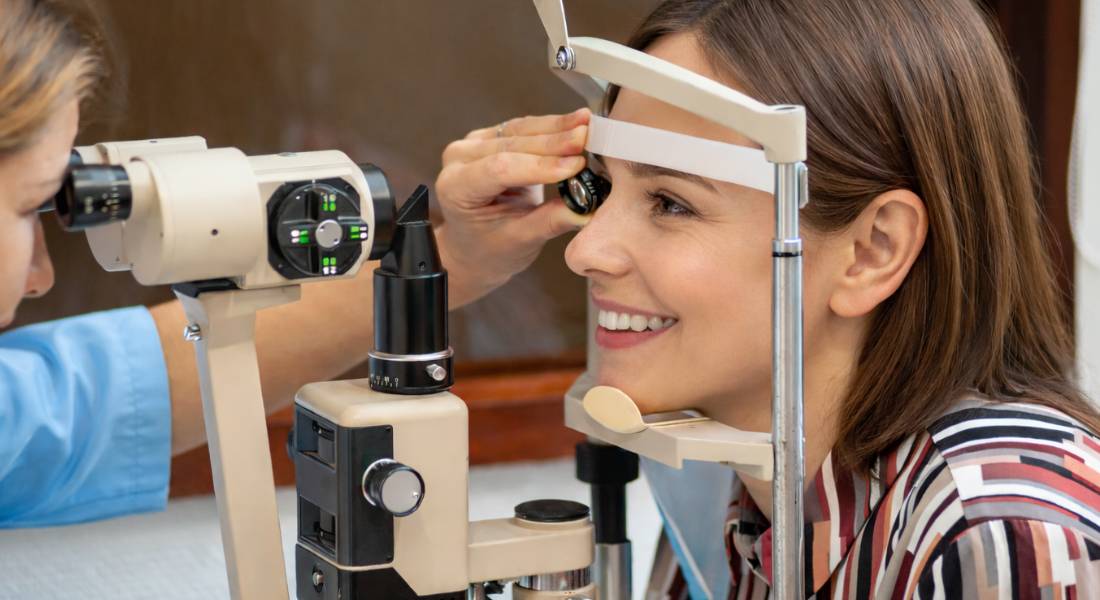
If you are unsure how often you should have an eye examination, you are not alone. It is one of the most common questions people ask about eye health. Many people are simply not clear about how regularly they should be checked. This uncertainty often leads to delays in booking appointments.
Most people tend to think about their eyes only when something feels wrong. However, this approach can mean that early signs of problems are missed. Eye conditions do not always cause obvious symptoms at the beginning. This is why waiting for changes in vision is not always the best approach.
Regular eye checks are just as important when everything feels normal. Routine examinations help detect issues before they become more serious. This allows for earlier treatment and better outcomes for your vision. It is a simple but important way to protect your long-term eye health.
Understanding how often you should be seen depends on factors like your age, lifestyle, and risk level. Different people require different levels of monitoring based on their individual needs. By knowing this, you can make more informed decisions about your eye care. This helps you stay proactive and maintain healthy vision over time.
The Purpose of Regular Eye Examinations
An eye examination is not just about checking whether you need glasses or a new prescription. It is a complete assessment of both your vision and the overall health of your eyes. This helps ensure that any changes are identified early. It also gives a clear picture of how well your eyes are functioning.
During a routine check, an eye specialist can detect early signs of eye disease, monitor any changes in your vision, and update your prescription if needed. They can also identify signs of general health conditions that may be linked to your eyes. These checks are carried out carefully and systematically. This helps make sure nothing important is missed.
This means regular eye exams play both a preventative and corrective role in your eye care. They help prevent problems from developing unnoticed while also correcting vision when necessary. Early detection often leads to better outcomes and simpler treatment. Overall, regular examinations are an important part of maintaining long-term eye health.
General Guideline for Adults
For most adults who do not have any known eye problems, the general recommendation is to have an eye examination every two years. This helps ensure your vision and eye health are monitored regularly. It is a simple way to stay on top of any changes that may develop over time. This schedule works well for many people with stable vision.
However, this timeframe can vary depending on your individual circumstances. Some people may need more frequent checks based on their health, age, or risk factors. Others may be advised to attend earlier if any concerns arise. Your eye specialist will guide you on what is most suitable for you.
Even if your vision seems perfect, changes can still happen gradually without noticeable symptoms. This means you might not realise there is an issue until it becomes more advanced. Regular check-ups help catch these changes early. This ensures your eyes remain healthy and your vision stays clear over time.
Eye Examinations for Children
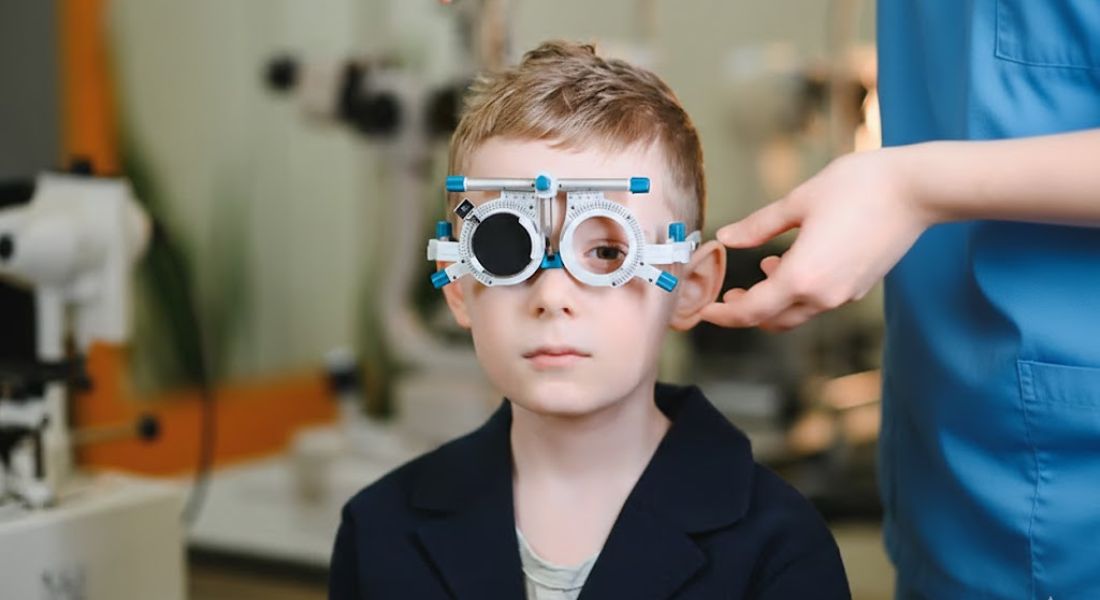
Children’s eyes develop rapidly in the early years, which makes regular eye examinations especially important. Vision plays a major role in learning, communication, and overall development, so any issues need to be identified early. Because children may not always recognise or express that something is wrong, routine checks are essential. This helps ensure their eyesight supports them properly at every stage of growth.
- First eye test around 3–5 years of age: It is generally recommended that a child has their first eye test between the ages of 3 and 5. At this stage, eye conditions can be detected before they begin to affect learning or development. Early testing also helps establish a baseline for future eye health checks.
- Follow-up every 1–2 years thereafter: After the initial examination, regular follow-up tests are usually advised every one to two years. These check-ups help monitor changes in vision as the child grows. Consistent monitoring ensures that any developing issues are identified and managed early.
- Undetected vision problems can affect learning and development: Children may not always realise they have a vision problem or know how to explain it. As a result, issues can sometimes go unnoticed and impact school performance or behaviour. Poor vision can make reading, writing, and classroom activities more difficult.
- Early detection is key to preventing long-term issues: Identifying vision problems early allows for timely treatment and better outcomes. Early intervention can prevent conditions from becoming more serious or affecting long-term eyesight. This supports healthier visual development throughout childhood.
Regular eye examinations in children play a vital role in supporting their overall growth and learning. They help ensure that vision problems are detected before they begin to interfere with daily life. With early care and consistent monitoring, many issues can be effectively managed. This gives children the best possible start in maintaining healthy vision.
Eye Checks for Adults Under 40
If you are under 40 and have no symptoms or known risk factors, an eye test every two years is usually enough. This helps ensure your vision remains stable and any early changes are picked up in time. It is a simple and effective way to maintain good eye health. This schedule works well for many younger adults.
However, you may need more frequent check-ups depending on your lifestyle and daily habits. If you spend long hours using screens, experience headaches, or notice eye strain, you may require earlier assessments. You might also need more regular visits if you wear glasses or contact lenses. A family history of eye disease can also increase your need for monitoring.
Your lifestyle plays a major role in how often you should be seen by an eye specialist. Factors such as screen time, work environment, and visual demands can all affect your eyes. Understanding these influences helps you take better care of your vision. Regular checks ensure any issues are identified and managed early.
Eye Examination Frequency After 40
Once you reach your 40s, your eye health naturally needs more regular attention. This is because age-related changes in vision often begin to appear during this stage of life. Even if you feel your eyesight is stable, small changes can still develop gradually. Regular check-ups help you stay ahead of these changes.
At this stage, it is generally recommended that you have an eye test at least every 1 to 2 years. This more frequent schedule helps ensure any developing issues are picked up early. Your eye specialist may advise even more regular visits depending on your individual needs. This helps keep your vision properly monitored over time.
This is especially important because age-related conditions such as presbyopia, glaucoma, and cataracts become more common after 40. These conditions can develop slowly and may not cause obvious symptoms at first. Regular monitoring allows early detection and timely treatment if needed. This helps protect your vision and maintain good eye health as you age.
Eye Care for Over 60s
As you reach the age of 60 and beyond, regular eye examinations become even more important for maintaining healthy vision. At this stage of life, the risk of developing eye-related conditions increases significantly. Because many of these conditions develop gradually, they may not be noticed until they begin to affect daily life. For this reason, annual eye checks are often recommended to ensure any changes are detected early and managed effectively.
- Track changes in vision: Regular eye examinations help monitor how your vision changes over time. Even small changes can affect reading, driving, or other daily activities. Tracking these changes allows the specialist to adjust your prescription or care plan when needed.
- Detect diseases early: Conditions such as glaucoma, cataracts, and macular degeneration become more common with age. Routine checks help identify these issues at an early stage, often before symptoms become noticeable. Early detection improves the chances of successful treatment and management.
- Prevent avoidable vision loss: Timely diagnosis and treatment can help prevent or slow down vision loss in many cases. Regular monitoring ensures that any developing conditions are addressed before they become more serious. This plays a key role in preserving long-term eyesight.
At this stage of life, consistent monitoring is no longer optional but an essential part of maintaining eye health. Regular visits to an eye specialist provide reassurance and ongoing protection for your vision. They also help you stay independent and confident in daily activities. With proper care and attention, you can significantly reduce the risk of serious vision problems in later years.
When You Need More Frequent Eye Tests
Some people need more frequent eye examinations regardless of their age. This is because certain health conditions or risk factors can increase the chance of developing eye problems. Regular monitoring becomes more important in these cases to protect your vision. It helps ensure any changes are picked up early.
You should have more regular eye checks if you have diabetes, high blood pressure, or a family history of eye disease. You may also need closer monitoring if you take medications that can affect your vision. In addition, anyone with a previously diagnosed eye condition should attend more frequent appointments. These factors can all impact your eye health over time.
These risk factors increase the likelihood of developing eye complications if they are not properly monitored. Regular examinations help reduce this risk by allowing early detection and treatment. This proactive approach helps prevent problems from becoming more serious. It ensures your eyes are closely looked after based on your individual needs.
Diabetes and Eye Examination Frequency
If you have diabetes, your eye health needs closer and more regular monitoring. This is because diabetes can increase the risk of developing certain eye conditions over time. Even if your vision seems normal, changes can still be happening inside the eye. Regular check-ups are essential for early detection.
You may require annual diabetic eye screenings to monitor the health of your retina. If any changes are detected, you might need more frequent follow-up appointments. This allows the specialist to track your condition more closely and take action if needed. The frequency of your visits will depend on your individual eye health.
Diabetes can affect the blood vessels in your retina, sometimes without any early warning signs. These changes may develop gradually and go unnoticed at first. Regular eye examinations help identify these issues before they cause serious damage. This is key to protecting your long-term vision and preventing complications.
Contact Lens Wearers and Eye Health
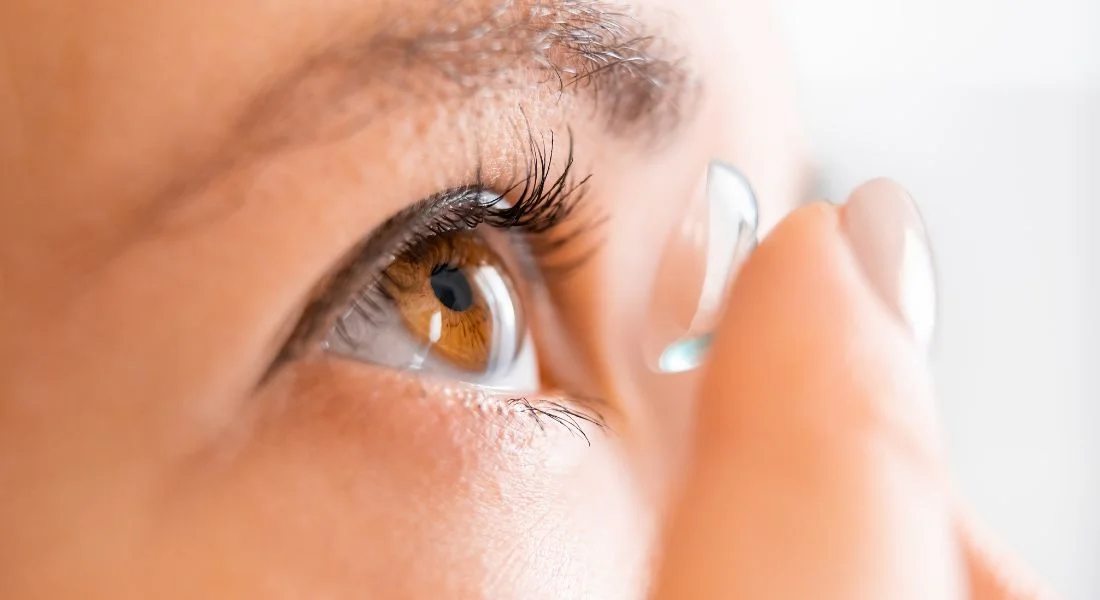
If you wear contact lenses, your eyes are under a little more strain than usual, so regular monitoring becomes especially important for you. Contact lenses sit directly on the surface of your eye, which means they need to fit correctly and be used safely. This makes routine eye care essential to maintain comfort and eye health. Regular checks help ensure everything is working as it should.
You should typically have an eye examination every year, along with regular lens fitting checks. These appointments help confirm that your prescription is still accurate and that your lenses are suitable for your eyes. Your optometrist will also check the overall health of your eyes during these visits. This ensures any changes are picked up early.
Poorly fitted or outdated contact lenses can lead to discomfort, dryness, or even complications if not addressed. Regular reviews help prevent these issues and keep your eyes in good condition. They also ensure you are using lenses that are safe and effective for your needs. This helps you maintain both clear vision and healthy eyes over time.
Screen Use and Modern Eye Strain
Your daily habits play an important role in how often you should have your eyes checked. In today’s world, many people spend long hours using digital devices for work, study, or leisure. This increased screen time can place extra strain on your eyes over time. It is something that can gradually affect your visual comfort.
If you spend a lot of time on screens, you may experience symptoms such as eye strain, dry eyes, blurred vision, or headaches. These issues are often linked to prolonged focus on digital displays without enough breaks. Even if the symptoms feel mild, they can still impact your daily comfort. It is important to pay attention to these early signs.
Regular eye examinations help ensure these symptoms are not part of a deeper underlying issue. Your eye specialist can assess whether your vision needs correction or if other factors are contributing to your discomfort. Early checks can also help you manage screen-related strain more effectively. This supports better long-term eye health in a digital lifestyle.
Warning Signs You Should Not Ignore
Even if your routine eye check-up is not due, there are certain symptoms that should prompt you to book an appointment as soon as possible. These warning signs may indicate an underlying eye condition that needs timely attention. Ignoring them can sometimes lead to worsening vision or more serious complications. That is why it is important for you to act quickly if you notice any unusual changes.
- Sudden vision changes: If you experience a sudden change in your vision, it should be taken seriously. This could include blurriness, loss of clarity, or difficulty focusing. Sudden changes often require urgent assessment to rule out serious conditions.
- Persistent headaches: Ongoing headaches, especially when linked with visual discomfort, may be related to eye strain or an undiagnosed vision problem. They can also indicate that your current prescription is no longer suitable. An eye examination can help identify the cause and provide relief.
- Flashes or floaters: Seeing flashes of light or an increase in floaters can be a sign of changes within the eye’s internal structures. While floaters can be common, a sudden increase should not be ignored. These symptoms may require prompt evaluation to ensure retinal health.
- Eye pain or discomfort: Any ongoing pain or discomfort in the eye should be checked without delay. It may be caused by infection, inflammation, or other underlying issues. Early diagnosis helps prevent the condition from becoming more serious.
- Difficulty seeing at night: Struggling with night vision or finding it harder to see in low light can indicate changes in your eye health. This may affect activities such as driving in the evening. A professional assessment can help identify the cause and possible solutions.
These symptoms should always be checked promptly to protect your vision and overall eye health. Early attention can make a significant difference in treatment outcomes. Even if the symptoms seem mild at first, they should not be ignored. Acting quickly ensures that any potential problems are identified and managed effectively.
What Happens If You Delay Eye Exams
Delaying eye examinations can increase the risk of problems going unnoticed for too long. When you skip regular checks, early signs of eye conditions may not be detected in time. This can make treatment more difficult later on. It is important for you to understand how quickly changes can develop.
One of the main risks is missing the early diagnosis of eye diseases, which often progress without clear symptoms. Your vision may also gradually worsen without you realising it straight away. As conditions develop over time, they can become harder to manage effectively. This is why routine monitoring is so important.
Delaying eye exams can also reduce how effective treatment may be once a problem is found. In some cases, it may even increase the risk of permanent damage to your vision. Many eye conditions progress silently, which means you may not notice any changes until they are more advanced. This is why timing your eye checks regularly is so important for protecting your sight.
How Eye Exams Help Detect Hidden Conditions
Eye examinations are not just about checking whether you need glasses or an updated prescription. In many cases, they can also reveal early signs of broader health conditions that may not yet be causing obvious symptoms. Because the eyes contain small blood vessels and delicate structures, they can provide important clues about what is happening elsewhere in your body. This makes routine eye checks an essential part of maintaining your overall health, not just your vision.
- Diabetes: An eye examination can sometimes detect early signs of diabetes through changes in the blood vessels at the back of the eye. These changes may appear before a formal diagnosis is made. Early detection allows for quicker medical intervention and better long-term management.
- High blood pressure: High blood pressure can affect the delicate vessels in your eyes, causing visible changes during an examination. These signs can alert the specialist to a potential underlying issue. Identifying this early can help prevent more serious complications.
- High cholesterol: In some cases, cholesterol deposits can be seen in the blood vessels of the eye. These may indicate elevated cholesterol levels in the body. Spotting these signs can encourage further medical testing and lifestyle changes.
- Neurological conditions: Certain neurological conditions can also show early signs in the eyes, such as changes in nerve function or eye movement. These subtle indicators may help guide further investigation. Early detection can be important for timely diagnosis and treatment.
Eye health is therefore closely linked to your overall well-being. A routine eye examination can provide valuable insight into your general health, not just your vision. This makes regular check-ups an important preventative step. By attending eye exams, you are also taking an active role in monitoring your broader health.
The Role of Lifestyle in Eye Health
Your lifestyle has a direct impact on your eye health and how often you should get your eyes checked. Daily habits can influence how your eyes feel and how well they function over time. This means your routine plays an important role in maintaining good vision. Understanding these factors helps you take better care of your eyes.
Key factors include how much time you spend on screens, your level of outdoor activity, your diet, and your hydration. Sleep quality also plays a part in how rested and comfortable your eyes feel. These elements can either support or strain your vision depending on your habits. Small changes in lifestyle can make a noticeable difference.
While healthy habits can support better long-term vision, they do not replace regular eye examinations. Even if you live a healthy lifestyle, eye conditions can still develop without clear symptoms. Routine check-ups remain essential for early detection and prevention. This ensures your eyes are properly monitored regardless of your habits.
Private Eye Care vs NHS Timing
In the UK, how often you have eye examinations can also depend on whether you use NHS or private care. Both systems aim to protect your eye health, but the process and flexibility can be different. This can influence how easily and frequently you are able to get checked. Understanding both options helps you make the right choice for your needs.
With NHS services, eye checks usually follow standard guidelines, and the timing may depend on age, symptoms, or risk factors. However, waiting times can sometimes vary depending on demand and availability. This may affect how quickly you are seen if you need a follow-up. The system is designed to prioritise clinical need.
With private care, you can book eye examinations more frequently if you feel it is necessary. Appointments are generally more flexible and easier to arrange at short notice. For example, you can directly access experienced care through an eye specialist in London at Eye Clinic London without waiting for referral delays. This allows you to take greater control over your eye health and timing of visits.
Personalised Eye Care Recommendations
There is no single rule that applies to everyone when it comes to eye examination frequency. The right schedule for you depends on your individual circumstances rather than a fixed guideline. This is because every person’s eyes and health needs are different. A personalised approach ensures better care for your vision.
Your age, medical history, vision needs, and risk factors all play an important role in determining how often you should be seen. For example, someone with no issues may need fewer visits, while others with existing conditions may need closer monitoring. Your daily habits and lifestyle can also influence this. All of these factors are considered together.
An eye specialist will always tailor their advice specifically to you after an initial assessment. This ensures your eye care plan is suitable for your unique needs. You will be guided on the most appropriate check-up schedule for your situation. This personalised approach helps maintain the best possible long-term eye health.
Why Regular Eye Exams Give Peace of Mind
One of the biggest benefits of regular eye examinations is the reassurance they provide. Knowing that your eyes are healthy can help you feel more confident in your overall wellbeing. It removes uncertainty about whether something might be developing unnoticed. This peace of mind is an important part of routine eye care.
Even if nothing is wrong, a check-up confirms that your vision and eye health are in good condition. This allows you to move forward without worry or doubt. It also helps you stay aware of any small changes that may occur over time. Regular monitoring keeps everything under control.
Most importantly, routine eye exams ensure that any changes are detected early, when they are easiest to manage. Early detection often means simpler treatment and better outcomes for your vision. This proactive approach helps prevent future complications. It gives you long-term confidence in your eye health.
Building a Long-Term Eye Care Routine
Eye health should not be something you only think about when a problem appears. Instead, it should be part of your regular healthcare routine. This helps you stay in control of your vision and overall eye wellbeing. A proactive approach is always more effective than waiting for symptoms.
Just like dental check-ups or general health screenings, regular eye examinations help you stay ahead of potential issues. They allow problems to be identified early before they become more serious. This makes treatment simpler and more effective when needed. It also helps maintain stable vision over time.
Consistency is the key to protecting your long-term vision and eye health. By attending regular check-ups, you give your eyes the best chance of staying healthy. This routine approach reduces the risk of unexpected complications. It ensures your eyesight is monitored and cared for throughout your life.
FAQs
- How often should most adults have an eye examination?
Most adults are generally advised to have an eye examination every two years. However, this can vary depending on your individual eye health, age, and lifestyle. Your eye specialist may recommend more frequent visits if any issues are detected or if you are at higher risk of eye conditions. - Do I still need an eye test if my vision feels fine?
Yes, even if your vision seems perfect, regular eye tests are still very important. Many eye conditions develop gradually and do not show obvious symptoms in the early stages. Routine checks help detect hidden issues early and ensure your eyes remain healthy over time. - How often should children have eye examinations?
Children should have their first eye test between the ages of 3 and 5, followed by regular check-ups every 1 to 2 years. Because children may not always realise or express vision problems, routine eye exams are essential for supporting healthy visual development and learning. - Do people over 40 need more frequent eye tests?
Yes, once you reach your 40s, it is usually recommended to have eye examinations every 1 to 2 years. This is because age-related changes in vision often begin around this time. Regular monitoring helps detect conditions like presbyopia, glaucoma, or cataracts at an early stage. - How often should people over 60 have eye exams?
People aged 60 and above are typically advised to have annual eye examinations. At this stage, the risk of conditions such as cataracts, glaucoma, and macular degeneration increases. Regular checks help detect changes early and protect long-term vision. - Do contact lens wearers need more frequent eye checks?
Yes, if you wear contact lenses, you should usually have an eye examination every year. This ensures your prescription is still accurate and that your lenses are not causing irritation or damage. Regular checks also help maintain overall eye health and comfort. - Can lifestyle affect how often I need eye tests?
Yes, your lifestyle can significantly influence how often you need eye examinations. Heavy screen use, long working hours, or frequent eye strain may require more regular check-ups. These factors can affect your vision comfort and may increase the need for monitoring. - Do people with diabetes need more eye check-ups?
Yes, people with diabetes usually need annual diabetic eye screenings or more frequent checks depending on their condition. Diabetes can affect the blood vessels in the eyes without early symptoms, so regular monitoring is essential to prevent complications. - What happens if I delay my eye examination?
Delaying eye examinations can lead to undetected eye conditions progressing over time. This may result in worsening vision or more complex treatment later. Regular eye tests help catch problems early, when they are easier to manage and treat effectively. - Can eye exams detect other health problems?
Yes, eye examinations can sometimes reveal signs of broader health conditions such as diabetes, high blood pressure, high cholesterol, and even certain neurological issues. This is because the eyes can show early changes in blood vessels and nerves linked to overall health.
Final Thoughts: Making Regular Eye Exams Part of Your Routine
How often you should have an eye examination is not a one-size-fits-all answer, but a personalised approach based on your age, lifestyle, and overall risk factors. While some people may only need checks every couple of years, others such as children, contact lens wearers, or those with health conditions like diabetes may require more frequent monitoring. The key point is that regular eye exams are not just about updating a prescription, but about protecting your long-term vision and detecting issues early before they become more serious.
By staying consistent with your eye check-ups, you give yourself the best chance of maintaining clear, healthy vision for years to come. Even when everything feels normal, routine visits provide reassurance and help ensure nothing is developing silently in the background. If you’re exploring whether an eye doctor in London could benefit you, get in touch with Eye Clinic London to schedule your consultation.
References:
- Wang, F., Tielsch, J.M., Ford, D.E., Quigley, H.A. and Whelton, P.K. (1998) Evaluation of screening schemes for eye disease in a primary care setting, Ophthalmic Epidemiology, 5(2), pp. 69–82. Available at: https://pubmed.ncbi.nlm.nih.gov/9672907/
- Sabherwal, S. et al. (2023) Door-to-door screening as a new model augmenting school eye screening: reaching out to school age children in the midst of a pandemic, Ophthalmic Epidemiology, 30(4), pp. 358–366. Available at: https://pubmed.ncbi.nlm.nih.gov/36121011/
- Yadav, S. and Tandon, R. (2019) Comprehensive eye examination: what does it mean? Community Eye Health Journal, 32(107), pp. S1–S4. Available at: https://pmc.ncbi.nlm.nih.gov/articles/PMC7041818/
- Medical Advisory Secretariat (2006) Routine eye examinations for persons 20–64 years of age: an evidence-based analysis, Ontario Health Technology Assessment Series, 6(15), pp. 1–81. Available at: https://pmc.ncbi.nlm.nih.gov/articles/PMC3379534/
- Schehlein, E.M. et al. (2021) Detection of posterior segment eye disease in rural eye camps in South India: a nonrandomized cluster trial, Ophthalmology Retina, 5(11), pp. 1107–1114. Available at: https://pubmed.ncbi.nlm.nih.gov/33476855/