


Do You Need a Referral to See an Eye Doctor?

If you are thinking about seeing an eye specialist, you may first wonder whether you need permission from a GP before you can go ahead. This is a very common point of confusion, especially if you are used to referral systems in other areas of healthcare. Many people are unsure about how eye care appointments actually work. It is natural for you to feel this way when booking something for the first time.
The answer is not the same for everyone, as it depends on whether you are using the NHS or choosing a private consultation. Each option has its own process, and this can affect whether a referral is needed or not. Once you understand the difference, things become much simpler for you. It also helps you feel more confident about your next steps.
Understanding this topic is important because it can save you both time and unnecessary worry. Many people delay booking an appointment simply because they are unsure about referrals. This can sometimes slow down access to the care you need. When you know the process clearly, you can act sooner and with less stress.
In this guide,Everything will be explained step by step so you know exactly what to expect. You will learn when a referral is required and when you can book directly. This will help you make informed decisions about your eye care without confusion.
What a Referral Actually Means
A referral is simply a formal request from one healthcare professional to another. It is used when your GP or optometrist believes you need to see an eye specialist for further assessment. This ensures you are directed to the right level of care for your symptoms. It is a structured way of passing your case to a specialist.
In the UK, referrals usually come from your GP or an optometrist who may send you to an ophthalmologist. This happens when your eye condition needs more detailed investigation, treatment, or specialist input. It is a common part of the NHS process. You may be referred for diagnosis, tests, or ongoing eye care.
Referrals are mainly used within the NHS to help manage patient flow and prioritise urgent cases. They ensure that people with more serious conditions are seen more quickly. This system also helps make the best use of specialist services. It keeps care organised and efficient for everyone.
NHS Eye Care vs Private Eye Care
To understand whether you need a referral, you first need to know which system you are using. The process is different depending on whether you choose NHS eye care or private eye care. Each system has its own rules and way of accessing specialists. This is why the referral requirement is not always the same.
- NHS eye care: If you are using NHS eye care, you will usually need a referral from a GP or an optometrist. This is part of the structured NHS system that guides patients to the correct specialist. Waiting times can vary depending on how urgent your condition is. However, care is provided free at the point of use.
- Private eye care: If you choose private eye care, you can usually book directly without needing a referral. In most cases, you are able to contact a clinic and arrange an appointment yourself. This often means you can be seen much more quickly. It also gives you more flexibility with appointment times.
Because of these differences, whether you need a referral depends heavily on the route you choose. The NHS follows a referral-based system, while private care is more direct. Once you understand this, it becomes much easier for you to decide how to access eye care.
When You Need a Referral in the NHS System
If you are using NHS services, you will usually need a referral in certain situations where specialist care is required. This often applies when there is a concern about a possible eye condition that needs further investigation. The referral helps ensure you are seen by the right specialist at the right time. It is an important step in accessing more advanced care.
You are likely to need a referral if you have a suspected eye disease such as glaucoma or cataracts, or if your optometrist notices something unusual during a routine eye test. It can also happen if your GP feels your symptoms require a more detailed examination. In some cases, you may need hospital-based treatment or surgery. These situations all require specialist input.
In these cases, the referral acts as a gateway to specialist services within the NHS. It allows your condition to be properly assessed and prioritised based on urgency. This system helps ensure patients with more serious needs are seen sooner. However, in emergency situations, you may still be able to access care without following the standard referral process.
When You Do NOT Need a Referral

If you choose private eye care, the process is usually far more straightforward and flexible for you. You are not required to go through another healthcare provider before arranging your appointment. This makes it much easier for you to access care when you feel it is needed. As a result, you can take a more active role in managing your eye health without unnecessary delays.
- Booking a consultation with an eye specialist: You can arrange an appointment directly with an eye specialist without needing approval from a GP or another professional. This allows you to act quickly if you notice any concerns with your vision. It also gives you more control over choosing the right specialist for your needs.
- Having a comprehensive eye examination: You are free to book a full eye examination whenever you feel it is necessary. Regular checks can help detect early signs of eye conditions before they become more serious. This proactive approach supports better long-term eye health.
- Seeking a second opinion: If you are unsure about a diagnosis or treatment plan, you can easily seek a second opinion. This gives you reassurance and helps you make more informed decisions about your care. It can also provide you with alternative options that may suit you better.
- Discussing vision correction options: You can explore different vision correction treatments directly with a specialist. Whether you are considering glasses, contact lenses, or surgical options, you can get expert advice without delay. This helps you find the most suitable solution based on your lifestyle and preferences.
Overall, not needing a referral gives you greater freedom and faster access to eye care services. It removes unnecessary waiting times and simplifies the entire process for you. This approach is especially helpful if you value convenience and flexibility in managing your health. By taking direct action, you can ensure your vision is properly looked after when it matters most.
The Role of Your Optometrist
Before you think about needing a referral, it is important to understand what an optometrist actually does. An optometrist is usually your first point of contact when it comes to eye care. They are trained to assess your vision and check the overall health of your eyes. This makes them a key part of your eye care journey.
Your optometrist can carry out routine eye examinations, prescribe glasses or contact lenses, and detect early signs of eye conditions. They are also trained to recognise when something may need further investigation. If necessary, they can decide whether you should be referred to a specialist. This helps ensure you receive the right level of care at the right time.
In many cases, your optometrist can refer you directly if they find something more serious during your examination. This makes the process quicker and more straightforward for you. However, if everything appears normal, there is no need for a referral at all. You can simply continue with regular eye checks to maintain good eye health.
When Your GP Becomes Involved
Your GP can also play an important role in your eye care, particularly if your symptoms may be linked to your overall health. In some cases, eye problems are connected to wider medical conditions that need a general assessment first. This is where your GP becomes a useful starting point. They can help decide the most appropriate next step for you.
You might choose to see your GP if you experience sudden changes in your vision, ongoing eye pain, or persistent discomfort. It is also sensible to seek advice if you have headaches related to vision issues or signs of infection or inflammation. These symptoms may require a broader medical evaluation. Your GP can assess the situation and guide you accordingly.
If needed, your GP will refer you to an ophthalmologist through the NHS system for further investigation or treatment. This ensures you receive specialist care when it is necessary. However, for routine vision concerns such as needing glasses, your GP is usually not required. In these cases, visiting an optometrist directly is often the simplest option.
Booking Directly with an Eye Specialist
If you choose private eye care, the process is usually very simple and straightforward for you. Unlike the NHS route, you do not need to wait for approval or a referral before taking action. This means you can move ahead as soon as you feel something is not quite right. It gives you more control over your own care.
You can contact the clinic directly by phone, book an appointment online, or choose a time that suits your schedule. This flexibility is one of the main advantages of private care. It allows you to avoid long waiting periods and organise your visit around your availability. As a result, you can be seen much more quickly.
For example, you can arrange an appointment with an experienced eye specialist at Eye Clinic London without needing any referral beforehand. This direct access makes the process easier and less time-consuming. It also means you can seek expert advice as soon as you notice any concerns.
How Much Does Private Eye Care Cost?
The cost of private eye care can vary depending on the type of consultation and the tests you may need. There is no fixed price, as each case is slightly different based on your symptoms and the level of care required. This means you may be charged differently depending on what is involved in your visit. It is always helpful for you to have a general idea before booking.
Private eye care typically includes several components such as an initial consultation fee, diagnostic scans or imaging, and any follow-up appointments. If treatment or procedures are required, these will usually be charged separately. The overall cost can therefore increase depending on the complexity of your condition. This is why understanding what is included is important for you.
While private care is not free like the NHS, many people choose it for the speed, convenience, and more personalised attention it provides. You are often able to access care more quickly and at times that suit you. It can also offer a more tailored experience. However, it is always a good idea to check the pricing in advance so you know exactly what to expect.
What About Health Insurance?
If you have private health insurance, your policy may cover part or all of your eye consultations or treatment. However, the level of cover can vary depending on your provider and the type of plan you have. This means it is important for you to understand exactly what is included. Checking in advance can help you avoid any unexpected costs.
In some cases, you may still need a GP referral before your insurer approves the claim. You might also be required to get pre-authorisation before booking your appointment. Additionally, certain treatments or tests may only be partially covered under your policy. These conditions can affect how and when you access care.
It is always a good idea to review your policy details carefully before making any arrangements. This allows you to understand what is covered and what you may need to pay yourself. Many private clinics can also guide you through the process and help you with insurance-related questions. This support can make things much easier for you.
When You Should Seek Urgent Eye Care
Regardless of referral rules, there are certain eye symptoms that you should never ignore. Some changes in your vision or eye health can indicate serious conditions that require immediate attention. Acting quickly in these situations can make a significant difference in protecting your sight. For this reason, it is important for you to recognise when urgent care is necessary and not delay seeking help.
- Sudden loss of vision: If you experience a sudden loss of vision, you should treat it as a medical emergency. This can be a sign of a serious underlying condition that needs immediate evaluation. Seeking prompt care can help prevent permanent damage to your eyesight.
- Flashes of light or a curtain over vision: Seeing flashes of light or a shadow or curtain moving across your vision can indicate a retinal problem. These symptoms may be linked to conditions such as retinal detachment, which require urgent treatment. Quick action can greatly improve the chances of preserving your vision.
- Severe eye pain: Intense or severe eye pain should never be ignored or dismissed. It may be a sign of infection, inflammation, or increased pressure within the eye. Getting urgent care ensures that the cause is identified and treated as soon as possible.
- Injury to the eye: Any injury to your eye, whether minor or severe, should be assessed immediately. Even small injuries can lead to complications if left untreated. Prompt medical attention helps protect your eye and reduces the risk of long-term damage.
- Rapid deterioration in sight: If your vision worsens quickly over a short period, it is important to seek urgent care. Sudden changes can signal serious eye conditions that require fast intervention. Early treatment can help stabilise your vision and prevent further decline.
In all of these situations, you should not wait for a referral or delay taking action. Immediate assessment by an eye care professional is essential to protect your vision. Acting quickly gives you the best chance of preventing lasting damage. When it comes to your eyesight, it is always better for you to be cautious and seek help without hesitation.
Do Children Need Referrals for Eye Checks?
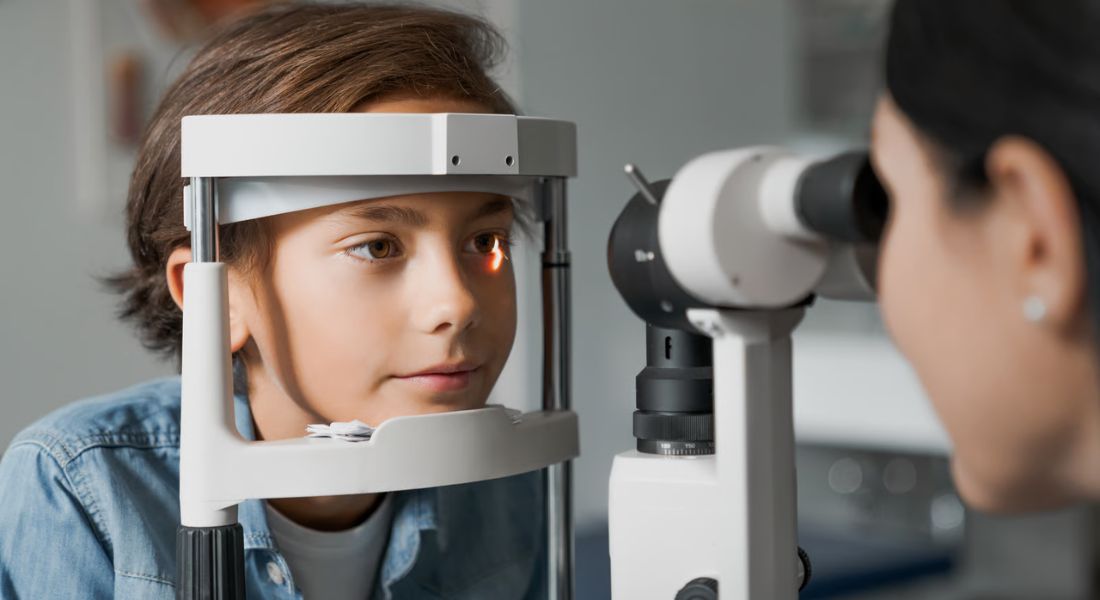
For children, the process is quite similar, but it still depends on whether you are using NHS or private care. In many cases, you can arrange an eye check without needing a referral at all. The system you choose will determine how the process works. Understanding this can help you take the right steps early on.
Routine eye tests for children can usually be booked directly with an optician, without any referral. If you choose private paediatric eye care, you can also arrange an appointment without going through a GP. However, if specialist treatment is needed under the NHS, a referral from an optometrist or GP may be required. This ensures your child is seen by the appropriate specialist.
Early eye checks are especially important for children because vision plays a key role in learning and development. Problems with eyesight can sometimes go unnoticed but still affect school performance and daily activities. Regular checks help identify any issues at an early stage. This allows your child to receive the right support as soon as possible.
Contact Lens and Routine Vision Appointments
Not every eye appointment is related to a medical concern, and many visits are simply part of maintaining your everyday vision. In these situations, you do not need to worry about referrals at all. These types of appointments are straightforward and easy for you to arrange. They are designed to keep your vision clear and your eyes healthy.
If you are updating your glasses prescription, trying contact lenses for the first time, or attending a routine eye health check, you can book directly. There is no need to see a GP beforehand or go through any formal referral process. This makes it quick and convenient for you to access care. You can simply contact an optometrist or clinic and choose a suitable time.
These appointments are usually handled by optometrists or private eye clinics without any complications. They are focused on assessing your vision and ensuring everything is functioning as it should. If anything unusual is found during your visit, the optometrist can then guide you on the next steps. Otherwise, you can continue with regular check-ups to maintain good eye health.
What You Should Bring to Your Appointment
Whether or not you need a referral, being well prepared can help your appointment run more smoothly and efficiently. Having the right information with you allows the specialist to assess your eye health more accurately. It also ensures that you make the most of your time during the consultation. A little preparation in advance can make the entire experience more productive and less stressful for you.
- Your current glasses or contact lenses: Bringing your current glasses or contact lenses allows the specialist to check your existing prescription. This helps them understand how well your current vision correction is working for you. It also provides a useful reference point when assessing any changes in your eyesight.
- A list of symptoms or concerns: You should note down any symptoms or concerns you have noticed before your appointment. This ensures you do not forget anything important during the consultation. It also helps the specialist focus on the issues that matter most to you.
- Details of any medications you take: Providing information about any medications you are taking is important for your eye care. Some medications can affect your vision or eye health in different ways. Sharing these details helps the specialist consider all possible factors during your assessment.
- Previous eye test results (if available): If you have had eye tests in the past, bringing those results can be very helpful. They allow the specialist to compare your current eye health with previous findings. This can make it easier to identify any changes or patterns over time.
Being prepared for your appointment helps ensure you receive the most accurate and effective care possible. It allows the specialist to gain a clearer understanding of your eye health and any concerns you may have. This leads to more informed advice and better treatment decisions. By bringing the right information, you can make your visit more worthwhile and reassuring.
What Happens During a Private Eye Consultation?
If you book a private eye consultation, you can expect the appointment to be detailed and well structured. The aim is to understand your vision concerns fully and assess your overall eye health. You will usually have enough time to discuss any symptoms or changes you have noticed. This allows the specialist to build a clear picture of your needs.
During the consultation, you will go through a series of tests to measure how clearly you can see and how well your eyes focus. Your eye pressure may also be checked, along with a close examination of the retina and internal eye structures. These checks help detect any early signs of eye conditions. Each step is carried out carefully to ensure nothing is overlooked.
At the end of the appointment, you will receive advice on any treatment or correction options if needed. This may include glasses, contact lenses, or further medical care. The goal is to give you a complete understanding of your eye health in one visit. This makes the process both efficient and reassuring for you.
Common Misconceptions About Referrals
Many people assume that referrals are always required before seeing an eye specialist, but this is not the case. This belief often comes from how other areas of healthcare operate. It can make the process seem more complicated than it actually is. In reality, the need for a referral depends on the type of care you choose.
Some common misunderstandings include thinking you must always see a GP first for any eye problem, or believing that private eye care works in the same way as the NHS. People also often assume that referrals automatically mean long waiting times. While this can sometimes be true within the NHS, it does not apply in every situation. These assumptions can lead to unnecessary delays.
In reality, private eye care is usually much more direct and flexible for you. You can often book appointments without needing any referral at all. This makes it easier to access care when you need it. Understanding this clearly can save you both time and unnecessary worry.
Choosing the Right Eye Clinic
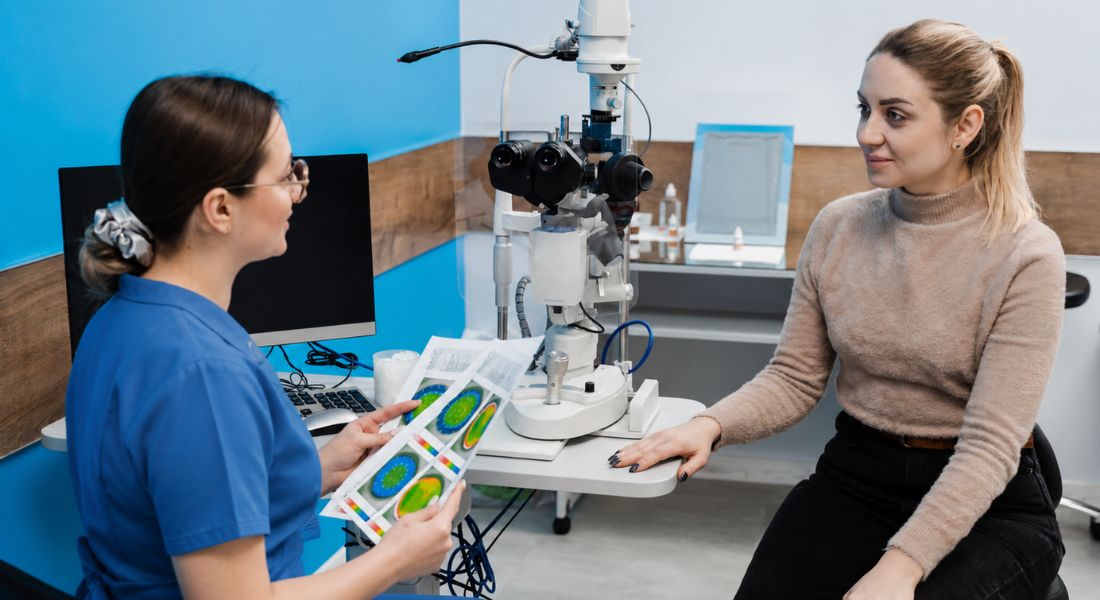
If you decide to go private, choosing the right eye clinic is an important step for you. The quality of care you receive can depend on the experience of the specialists and the facilities available. Taking a little time to research your options can make a big difference. It helps ensure you feel confident in your choice.
You should look for clinics that have experienced eye specialists, modern diagnostic equipment, and clear pricing information. It is also helpful to check patient feedback and see how easy it is to book an appointment. These factors can give you a good idea of the level of service you can expect. They also help you avoid any surprises later on.
Many people prefer consulting an experienced eye specialist through Eye Clinic London when they want fast, professional, and accessible care without referral delays. Choosing a trusted clinic can make the whole process smoother and more reassuring for you. Taking the time to make the right decision helps ensure you receive the care you deserve.
FAQs:
- Do I always need a referral to see an eye doctor?
No, you do not always need a referral. If you choose private eye care, you can usually book directly with a specialist. Referrals are mainly required when accessing care through the NHS. - Can I book an eye specialist appointment without seeing a GP first?
Yes, in private eye care, you can contact a clinic and arrange an appointment without seeing a GP beforehand. This allows faster access to treatment and advice. - When is a referral required for eye care?
A referral is typically required if you are using NHS services and need specialist treatment, such as for cataracts, glaucoma, or other serious eye conditions. - Can an optometrist refer me to an eye specialist?
Yes, an optometrist can refer you directly to an ophthalmologist if they detect any issues during your eye examination that require further investigation. - Is private eye care faster than NHS eye care?
In most cases, yes. Private eye care usually offers quicker appointments and more flexible scheduling compared to NHS services. - What should I do if I have sudden vision problems?
You should seek urgent medical attention immediately. Do not wait for a referral if you experience symptoms like sudden vision loss, severe pain, or flashes of light. - Are routine eye tests covered by the NHS?
Some NHS eye tests are free for eligible groups, such as children, older adults, and those with certain medical conditions. Otherwise, you may need to pay or choose private care. - Can I get a second opinion without a referral?
Yes, you can seek a second opinion through private eye care without needing a referral. This helps you feel more confident about your diagnosis or treatment plan. - Does health insurance cover private eye consultations?
It depends on your policy. Some insurance plans cover eye consultations, but you may need pre-authorisation or a GP referral before making a claim. - How often should I have an eye test?
It is generally recommended to have an eye test every one to two years, depending on your age, eye health, and risk factors. Your optometrist can advise you based on your individual needs.
Final Thoughts: Taking Control of Your Eye Care
Understanding whether you need a referral to see an eye specialist ultimately comes down to the route you choose. NHS care usually involves a structured referral system, while private eye care allows you to book directly and be seen much sooner. Once you are clear on this, the process becomes far less confusing and much easier for you to navigate, helping you take action without unnecessary delays.
Your vision is too important to ignore or postpone, especially if you notice any changes or discomfort. Acting early can make a significant difference in protecting your long-term eye health and ensuring you receive the right care at the right time. If you’d like to find out whether seeing an experienced eye doctor in London is the right option for you, feel free to contact Eye Clinic London to arrange a consultation.
References:
- Solomon, S.D. et al. (2022) Improving access to eye care: A systematic review of the literature, Ophthalmology, 129(10), pp. e114–e126. Available at: https://pubmed.ncbi.nlm.nih.gov/36058739/
- Gawęcki, M. et al. (2023) Evaluating ocular healthcare accessibility and the severity of emergencies during times of crisis, Journal of Clinical Medicine, 13(19), p. 5962. Available at: https://www.mdpi.com/2077-0383/13/19/5962
- Khanna, R.C. et al. (2018) Barriers to uptake of referral services from secondary care to tertiary care and its associated factors in L V Prasad Eye Institute network in Southern India: a cross-sectional study, BMJ Open, 8(7), e020687. Available at: https://pmc.ncbi.nlm.nih.gov/articles/PMC6042616/
- Khan, A.A. et al. (2015) Improving patient access to prevent sight loss: ophthalmic electronic referrals and communication, Public Health, 129(2), pp. 117–123. Available at: https://www.sciencedirect.com/science/article/abs/pii/S0033350614002728
- Buttan, S. et al. (2022) Piloting targeted glaucoma screening: experiences of eye care services in Ganjam district, Odisha state, India, International Health, pp. i29–i36. Available at: https://academic.oup.com/inthealth/article/14/Supplement_1/i29/6563811